
Six Beehive-Shaped Ovens 30 Feet Tall Still Stand At This Free Eastern Nevada Park
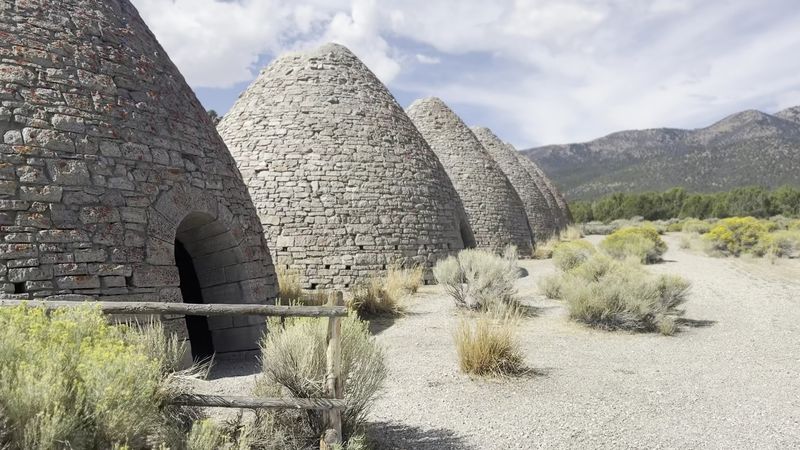
A dirt road in eastern Nevada does not usually promise much, yet this one ends at six stone giants shaped like enormous beehives. They were built in 1876, worked for only three years, and somehow still stand almost exactly as the masons left them.
You can walk right inside one, look up at 30 feet of hand-stacked volcanic rock, and hear your own voice bounce strangely off the curved walls. For families and retirees hunting a cheap, unhurried afternoon, few stops in the state pack this much history into so little effort.
Where The Ovens Stand In White Pine County
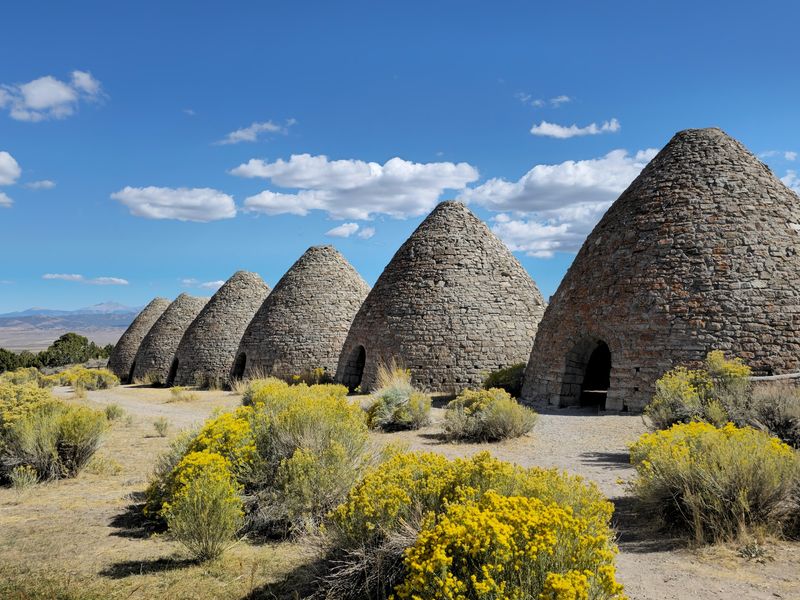
Roughly 20 miles south of Ely, tucked against the Egan Mountain Range in White Pine County, six beehive-shaped charcoal ovens sit in a tidy row on an open meadow. The address on paper simply reads Ely, NV 89315, which tells you almost nothing about how remote the spot actually feels.
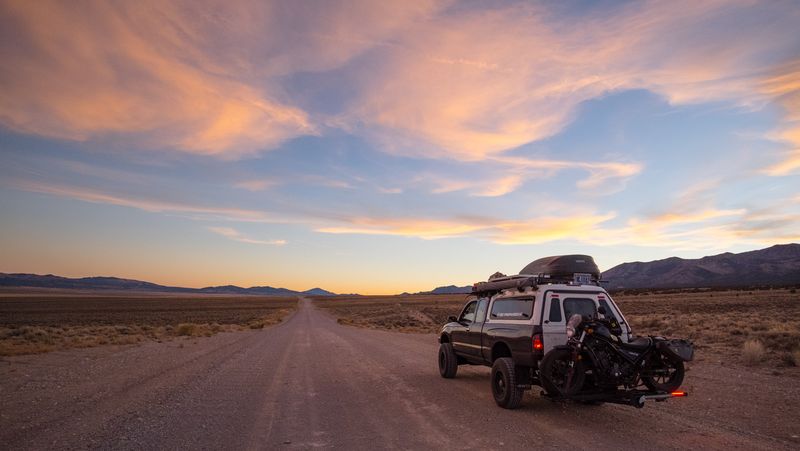
Getting there means leaving the highway and following a graded dirt road for several miles. Visitors consistently describe that road as firm and well maintained, driveable in a regular car on a decent-weather day, and one traveler even managed it towing a 21-foot trailer with room to park and turn around.
Elevation here runs somewhere between about 6,900 and 7,900 feet, which explains the cool mornings. One camper noted it was 109 degrees driving through Las Vegas and 82 on arrival, dropping to around 60 by sunrise.
The park protects what are considered among the best-preserved charcoal ovens in Nevada. It earned State Historic Monument status in 1969, landed on the National Register of Historic Places in 1971, and became a full state park in 1994.
Built By Carbonari In 1876
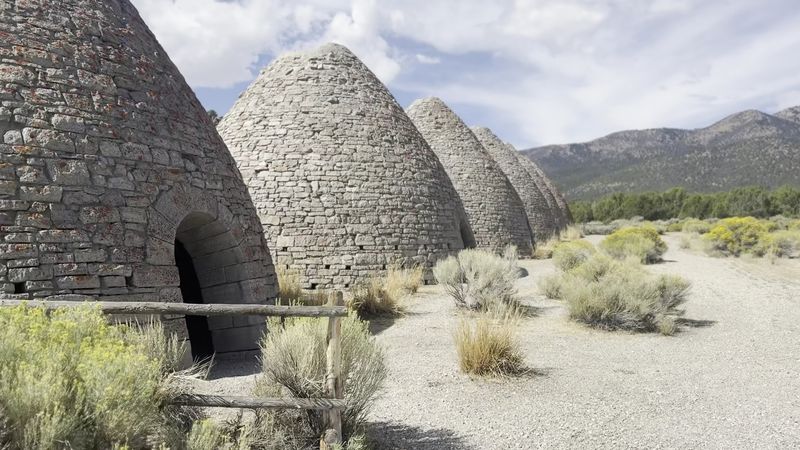
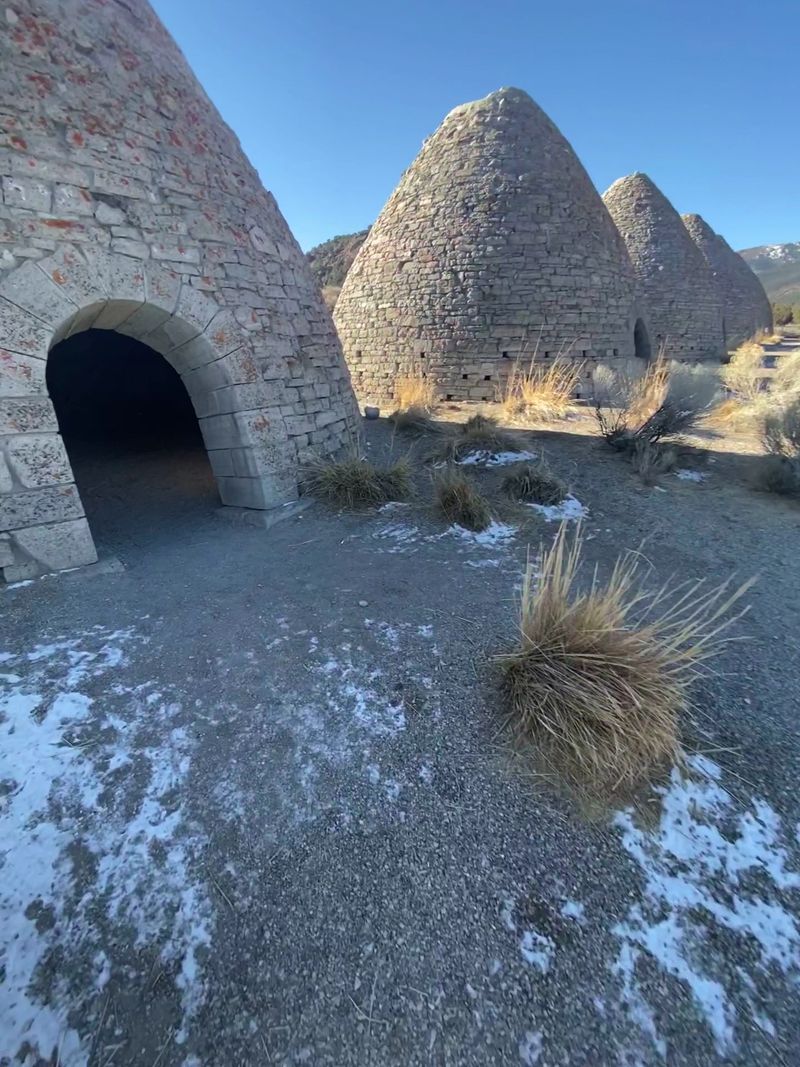
Swiss Italian masons called carbonari traveled the West building structures exactly like these, and in 1876 they raised six of them here out of local volcanic rock. No mortar-heavy shortcuts, no modern tools, just skilled hands stacking stone into a curve that holds itself up.
Each oven measures 27 feet across at the base and rises 30 feet, with walls two feet thick. The beehive profile was not decoration.
That shape bounced heat back toward the center so pinyon pine and juniper timber smoldered slowly and evenly into charcoal instead of burning away.
Numbers help with the scale. A single oven swallowed roughly 35 cords of wood and turned out an estimated 1,750 bushels of charcoal per burn.
Walk up close and the craftsmanship is the part that sticks with people. Visitors regularly comment on how precisely the stones were fitted and how little the structures have shifted in nearly 150 years.
For a piece of industrial equipment meant to be used hard and abandoned, the masonry has aged remarkably well.
Three Short Years Of Silver Boom Work
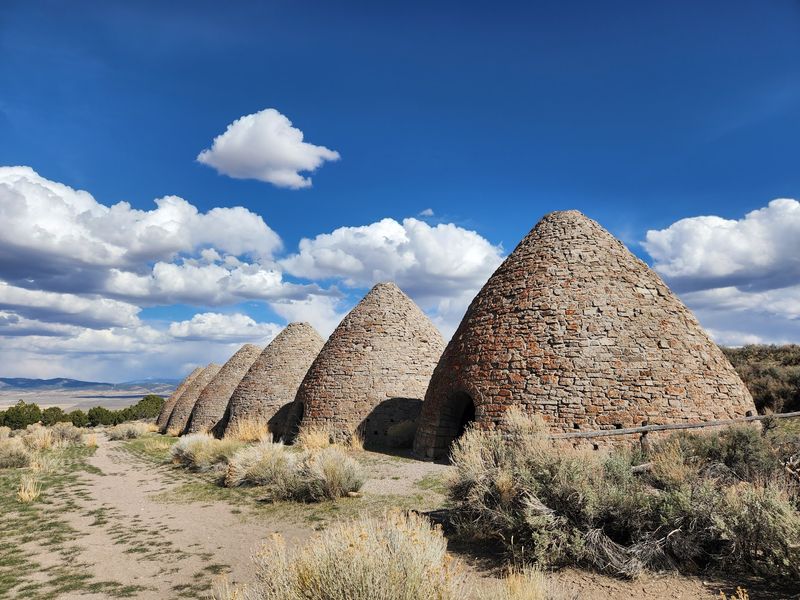
Only three years. From 1876 through 1879, these ovens ran nonstop to feed smelters processing silver ore from the Ward Mining District, and then the work simply stopped.
Declining ore and vanishing timber ended it. Charcoal fueled the smelters, and charcoal required trees, so crews cleared the surrounding country at a pace that is hard to picture today.
One visitor did the math and figured six ovens running together chewed through something like 36 acres of trees roughly every 12 days.
The hills for miles around went bare. Several people who stop here mention feeling a little wistful about it, standing in a landscape that took generations to grow back even partway.
What makes the site so compelling is that compression. An enormous amount of labor, engineering, and natural resource poured into a three-year window, and the physical evidence is still right there in front of you.
Interpretive signs on site lay out the process clearly enough that kids follow along. Reading them while standing between the ovens does more for understanding Nevada mining history than any classroom lesson.
Second Lives As Shelter And Hideout
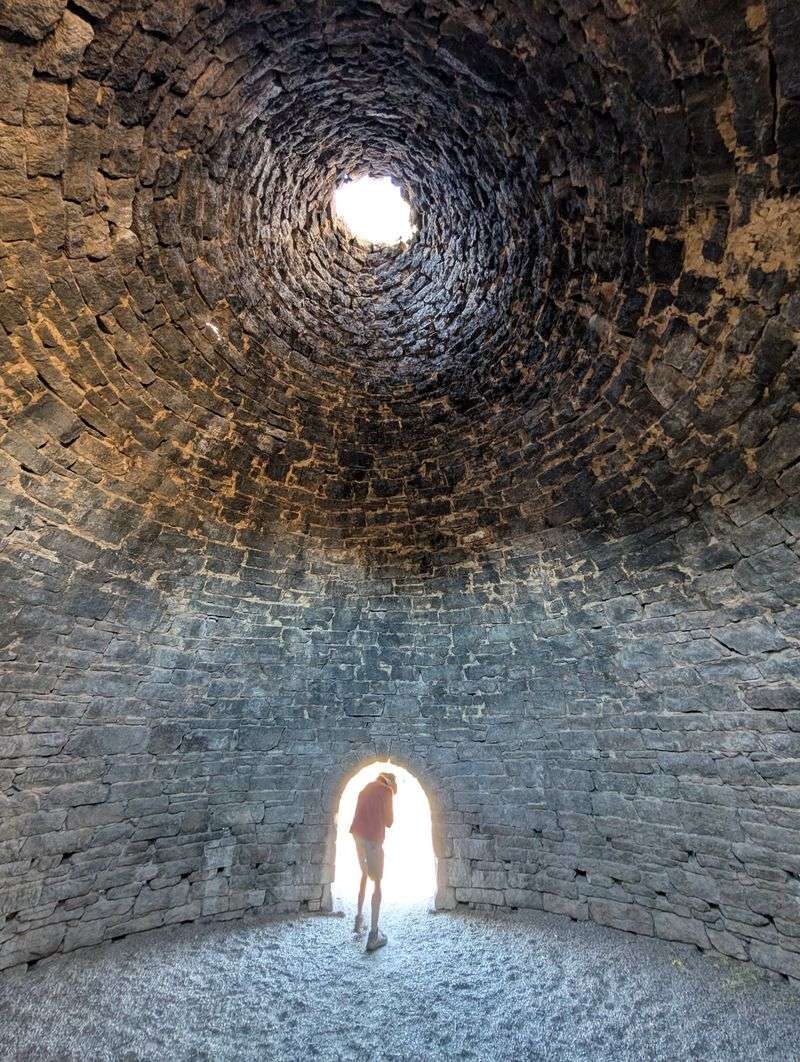
Industry moved on, but the ovens did not go to waste. Stockmen and prospectors caught in bad weather ducked inside, where two-foot stone walls made a decent windbreak against a high-desert storm.
Legend adds a more colorful chapter: stagecoach bandits supposedly used them as a hideout. Whether that is history or tall tale, it has stuck around for well over a century, and standing inside one you understand exactly why the story caught on.
Step through the arched doorway and the temperature drops noticeably. Visitors mention how cool the interiors stay even on hot afternoons, which likely made them welcome shade for anyone working the range.
Then there is the sound. The curved walls do peculiar things to a voice, and more than one traveler has suggested singing inside just to hear the echo warp and wander.
Kids figure this out within about four seconds of walking in.
Best of all, the interiors are open. No ropes, no glass, no guided-tour schedule, just walk in and look up through 30 feet of stacked stone.
Trails, Willow Creek, And Room To Wander
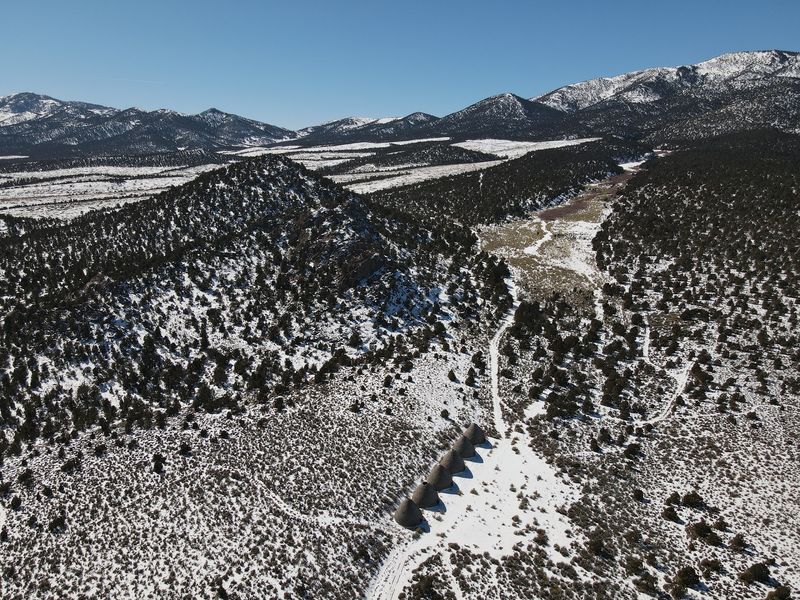
Hiking trails come up more often in visitor comments than almost anything else here, which surprises people expecting a five-minute photo stop. A short loop of about half a mile starts just past the ovens and makes an easy leg-stretcher after a long drive.
Willow Creek runs through the park and holds fishing opportunities, and the riparian strip of willows adds a green ribbon through otherwise dry country. Picnic areas give families a shaded place to spread out lunch.
Beyond the interpretive loop, the terrain opens up for longer walks and mountain biking. Come winter, that same ground works for cross-country skiing and snowshoeing, so the park does not really close down in the cold months.
Wildlife shows up regularly, and signs ask visitors to stay on established paths. Cattle wander the surrounding range, which explains the occasional mystery rustle in the brush that has startled more than one solo hiker into laughing at themselves.
Plan an hour if you want to walk. Plan three or four if you brought sandwiches and no particular schedule.
Camping Under Some Of Nevada’s Darkest Skies
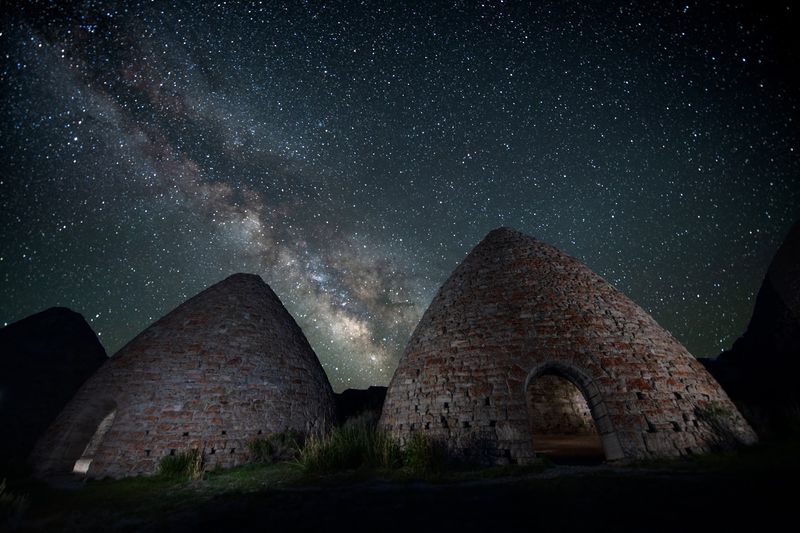
Ask anyone who has spent a night here and the conversation turns to the sky. With almost no light pollution for miles in any direction, the star display over the meadow is the kind city visitors talk about for weeks.
A small campground sits within the park, described by those who have stayed as quiet and pleasant, with clean vault toilets. Camping carries its own fee separate from day use, so check current rates before you load the car.
Potable water is generally available on a seasonal basis, roughly mid-May through September. Outside that window, bring everything you need, because the nearest supplies are back toward Ely.
Elevation works in your favor overnight. Summer evenings cool off sharply after brutal daytime heat further south, which makes a tent or small trailer genuinely comfortable in July and August.
One camper reported the dirt road from the east had no washboard at all in midsummer, and that a modest rig handled it without drama. Conditions change, though, so a quick call ahead never hurts before committing a trailer to the drive.
Who Gets The Most Out Of A Stop Here
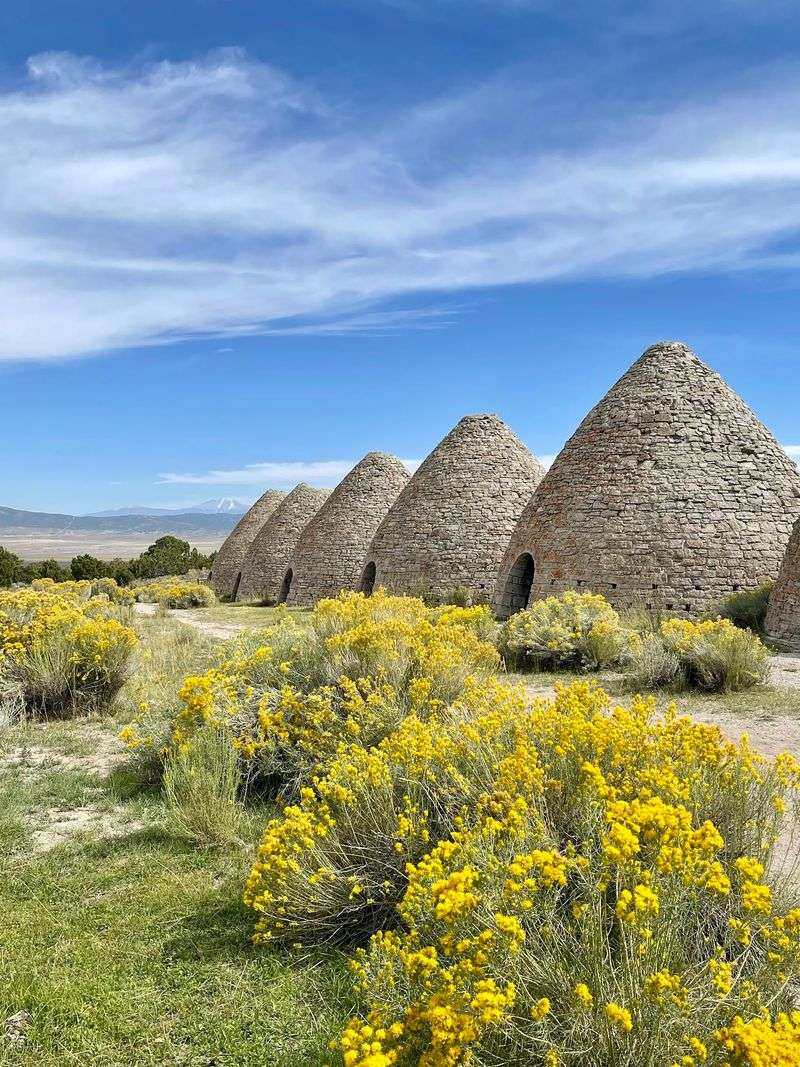
Mobility matters less here than at most historic sites, and that is a real advantage. The ovens sit just a few minutes from the parking area on flat, easy ground, so grandparents who skip the trails still get the full experience.
History-minded travelers tend to linger longest, reading the reader boards and working out how the whole operation functioned. Photographers do well too, since six identical stone cones against open mountain backdrop is a composition that practically builds itself.
Families with restless kids get a rare win: something big, weird, and touchable. Children can walk inside, yell, and discover the echo without anyone shushing them.
Dogs are welcome, which makes the stop practical for road-trippers hauling pets across the state.
Fair warning for planners. A few visitors have pointed out that if you only want to see the ovens and leave, the experience runs 10 to 15 minutes, and the round-trip drive on dirt adds about half an hour.
Bring a picnic and a hiking plan and the value equation changes completely.
Hours, Honor-System Fees, And Getting There
Gates never close. The park is open 24 hours a day, year-round, which means sunrise visits, midnight star sessions, and off-season stops are all on the table.
Payment works on the honor system at the entrance. Day use runs $5 per vehicle for Nevada residents and $10 for out-of-state vehicles, dropped into a concrete pipe that has amused plenty of visitors wondering how rangers retrieve it.
On occasional fee-free days such as Nevada Public Lands Day, admission may be waived entirely.
From Ely, plan roughly 20 miles south, with the final stretch on graded dirt somewhere in the range of six to eight miles. People consistently report that surface as firm and well kept, sometimes even treated to cut dust, though weather can change that fast.
Camping fees are separate. Prices and seasonal services in Nevada’s small-town parks do shift, so confirming current rates before driving out is simply good sense.
Vault toilets on site are described as clean. There is no gift shop, no snack bar, and no cell service to count on, so pack water and food.
Worth The Dirt Road Detour
Few roadside stops in Nevada deliver this much for the price of a sandwich. Five or ten dollars per carload buys entry to a site that carries National Register status and structures most states would have fenced off long ago.
Rated 4.7 stars across hundreds of visitor reports, the park draws steady praise for how intact the ovens remain, with no vandalism and no crumbling. That condition is genuinely unusual for unattended 1876 masonry.
Pair it with Ely and you have a full day. There is also a sign for the old Ward townsite and cemetery before you reach the ovens, which several travelers found as interesting as the main attraction.
Treat it as a quick photo stop and you may feel the drive was long for the payoff. Treat it as a picnic, a half-mile loop, an hour of reading interpretive signs, and maybe a night under the stars, and it becomes one of the better-value outings in eastern Nevada.
Bring water, bring curiosity, and give yourself permission to stay longer than you planned.