
This Laid-Back New Hampshire Waterfront Spot Feels Made For Slow Afternoons By The Water
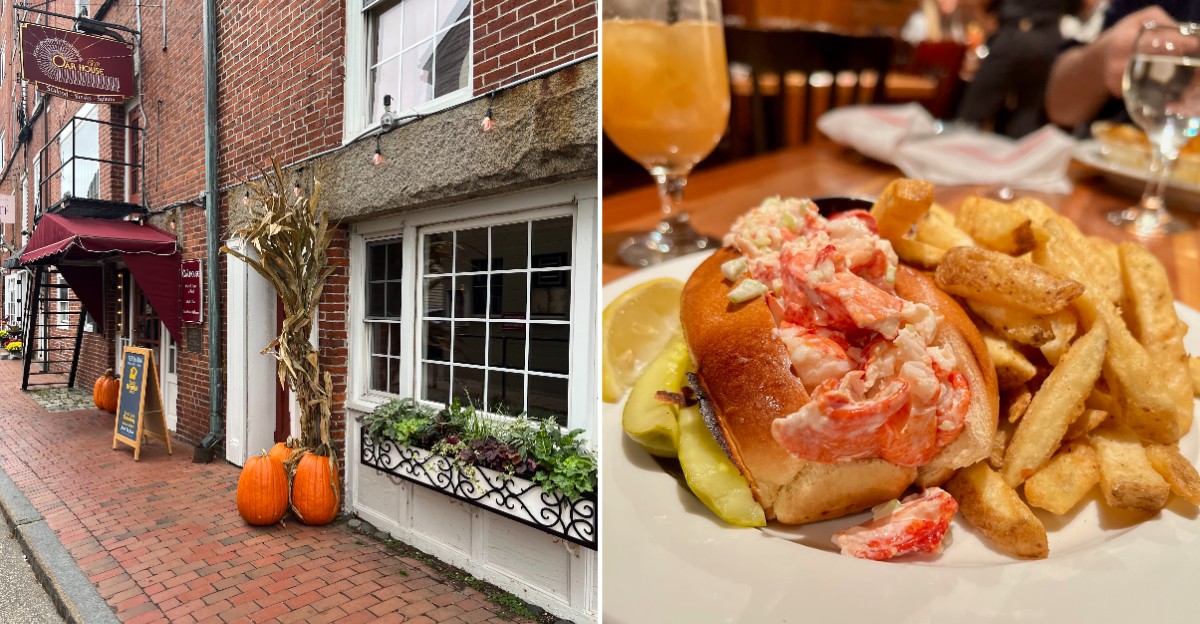
Some restaurants don’t try to be anything more than what they are, just a good place to relax. This New Hampshire waterfront spot fits that description perfectly, made for slow afternoons by the water.
Tables sit close enough to the water that the view becomes part of the whole experience. Nothing about the atmosphere feels rushed, letting conversations stretch as long as anyone wants.
Regulars treat this spot as their go-to for unwinding, not for anything flashy or complicated. Menus stay simple, focused on comfort rather than trying to impress with unnecessary extras.
Nothing about the food competes with the setting, letting both work together naturally. This spot proved that sometimes the best afternoons require nothing more than good water views and time to spare.
A Historic Setting By The Water
Back in December 1802, a fire tore through Portsmouth’s waterfront and destroyed 120 wooden mercantile buildings. The rebuild came fast, and it came in brick.
The row of connected structures that went up in 1803 became known as Merchant’s Row, and one of them now holds a restaurant with an unusually good story.
When those warehouses were finished, they were considered the tallest buildings in the entire United States. Not bad for a small port city.
Grain and molasses filled these walls first. Ships pulled right up and unloaded cargo directly into the rooms that now serve as the dining room and lounge, because the water’s edge sat immediately outside the wall.
Picture that for a second. No parking lot, no sidewalk, just hull against brick and barrels moving inside.
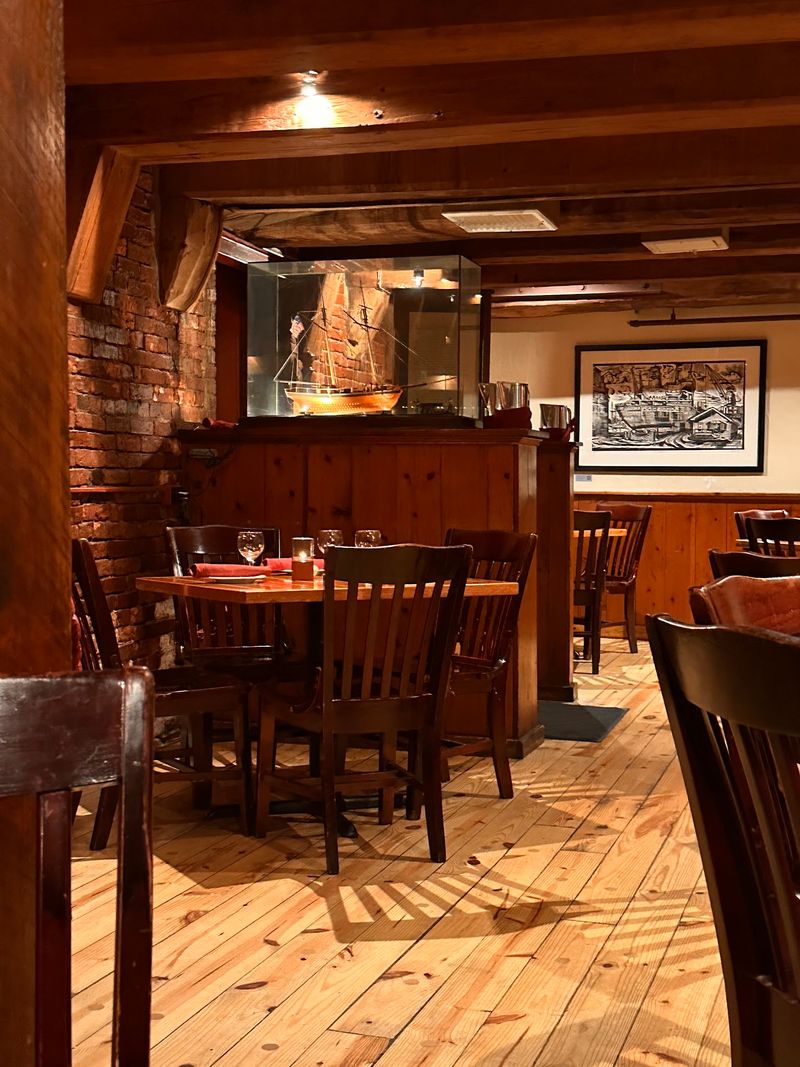
The building still carries that working-harbor weight. Exposed brick, heavy beams, low ceilings in spots, and a layout that clearly was not designed by a restaurant architect.
That accidental charm is exactly why people keep coming back. It feels lived-in rather than decorated, which is rare along any waterfront these days.
The address is 55 Ceres St, Portsmouth, NH 03801, sitting right where the old commerce happened.
Few restaurants can say their foundation predates the Louisiana Purchase paperwork. This one can, and it wears the history casually.
The Iconic Deck Experience
Some decks are an afterthought. Not here.
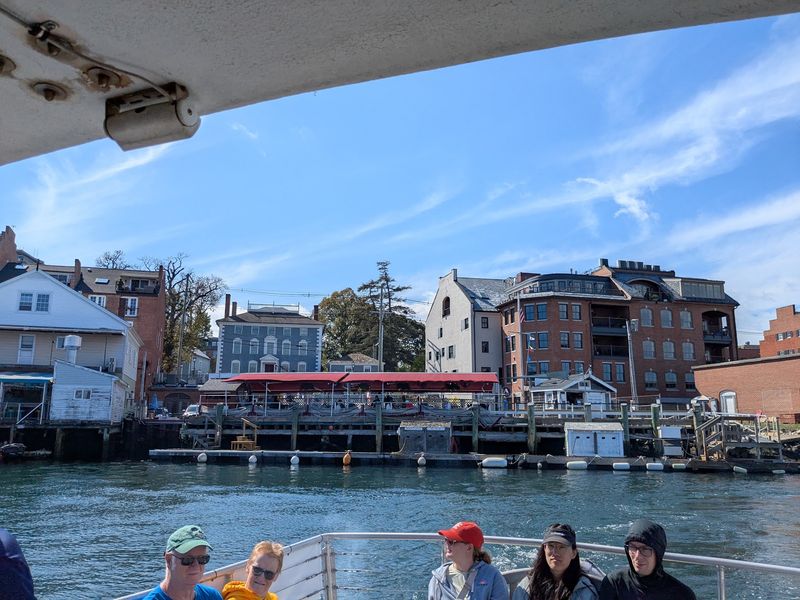
The outdoor deck ranks among the largest in Portsmouth, stretching along the Piscataqua River with wide-open views of the harbor. Seats fill quickly on warm days, and for good reason.
Tugboats are the real entertainment. They putter around the harbor with their bright hulls, nudging bigger vessels, and watching them work beats almost anything on a screen.
Look across the water and Kittery, Maine sits right there, close enough to feel like a neighbor rather than another state. Sunsets over that stretch turn the whole river orange.
The deck has its own bar area, which means a long afternoon outside does not require constant trips indoors. Service runs out there just like it does inside.
One thing worth knowing is that the deck sits across from the main building, near the parking area, so the walk is short but the setting feels separate. Boats from nearby harbor cruises come and go throughout the day, occasionally parking themselves in the view.
Wind off the river keeps things comfortable in summer, though a light layer helps once the sun drops.
Cooler months are underrated out there too. Fewer crowds, sharper light on the water, and the harbor takes on a quieter, moodier personality that regular deck-sitters genuinely prefer.
Mementos Of Maritime Heritage
Walls here do a lot of talking. Ship paintings, vessel models, and maritime artwork fill nearly every surface inside, turning a meal into a low-key history lesson.
The artwork focuses on prominent ships connected to the region, and the models represent vessels actually built in Portsmouth. That local connection matters.
Portsmouth was a serious shipbuilding town. Between 1840 and 1860, the peak stretch, 169 vessels were constructed here, which is a staggering number for a city this size.
Those decades built fortunes, filled the harbor with masts, and gave the waterfront its identity. The collection inside nods to all of it without turning into a stuffy museum display.
Beams overhead add another layer. Many are said to be recycled ship parts, repurposed when the warehouse went up, which means pieces of old vessels are literally holding the ceiling in place.
Exposed brick surrounds everything, warm and slightly uneven, the kind of texture no modern build can fake convincingly.
Guests who enjoy details will spend a while just looking around. Kids tend to gravitate toward the ship models, and adults usually follow.
It all adds up to a room that rewards curiosity. The seafood is the reason most people show up, but the surroundings are what they describe afterward to friends back home.
Stories From The Old Harbor
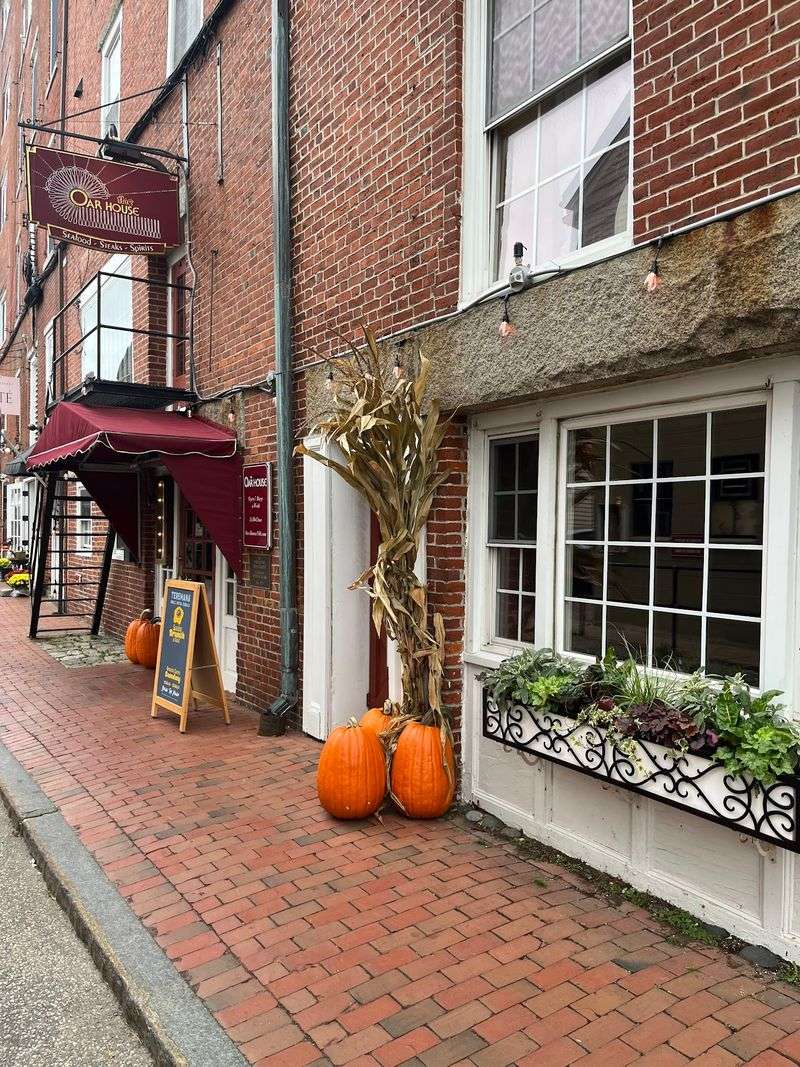
Renovation crews found something unexpected in the downstairs dining room. A spring-fed well, sealed away and forgotten, sat right inside the building.
Historically, that well supplied water to the structure and could be reached from the street during fires, which was a very practical concern in a neighborhood that had already burned once. It remains visible today, a genuine conversation starter mid-meal.
Ownership records add another thread. The building once belonged to Alexander Ladd, part of one of Portsmouth’s wealthy mercantile families.
Then comes the fun part. Local legend claims a tunnel ran beneath Market Street, linking Ladd’s waterfront warehouse to his home, the Moffatt-Ladd House.
Nobody has confirmed it. The story survives anyway, passed along the way good harbor rumors always do, somewhere between history and folklore.
The restaurant itself has been feeding people since 1974, which means it recently crossed the fifty-year mark. In restaurant years, that is practically geological.
Half a century in the same historic shell, in a city where dining trends come and go constantly, says something about staying power.
Every corner seems attached to a fragment of the harbor’s past. The well, the family name, the tunnel that may or may not exist, all layered under one roof that has been standing since 1803.
A Local Experience For All
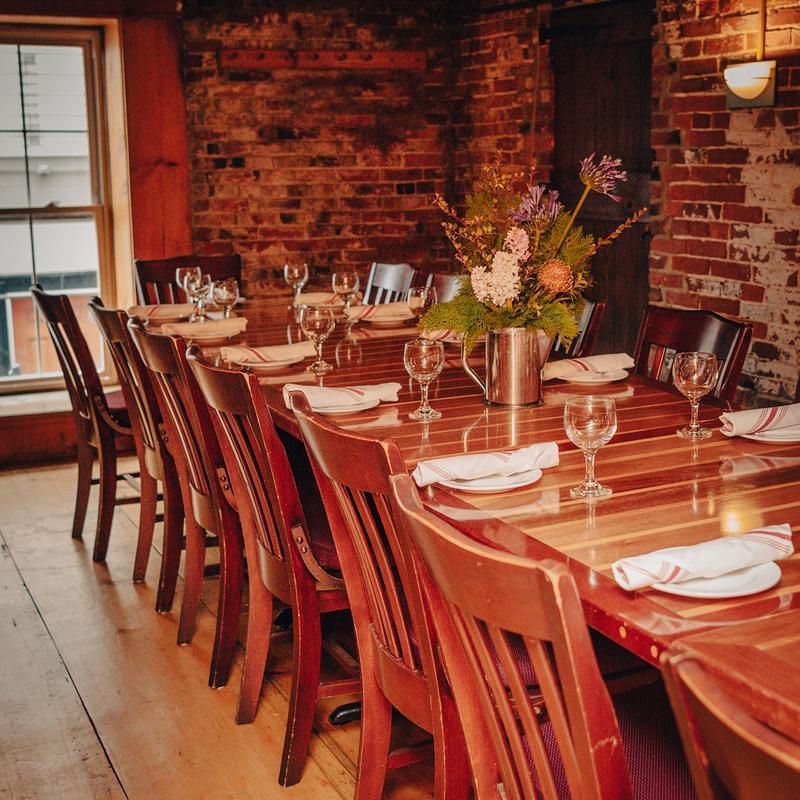
Plenty of waterfront restaurants chase tourists and forget everyone else. The approach here leans the other way, aiming for a genuinely local feel.
The interior reads cozy rather than polished, with brick walls, wooden accents, and rooms that feel more like a friend’s old house than a chain dining room. Old Portsmouth character shows up everywhere.
Dining sits in a comfortable middle zone. Relaxed enough for jeans, elevated enough for a birthday or an anniversary, which covers most occasions people actually plan.
Large groups work well here too. The building has multiple rooms and levels, so a table of eight or nine is not a logistical crisis.
Families fit in easily. Kids get their own options, and the atmosphere stays warm rather than hushed and formal.
There is also a bar area with the same exposed brick and historic bones, which suits solo diners or anyone who prefers a seat with a view of the room.
Free parking for patrons exists in the adjacent lot, a small detail that feels enormous in downtown Portsmouth where street spots are a competitive sport.
Walking distance to the rest of downtown makes it easy to combine with a stroll. Waterfront on one side, shops and galleries on the other, which is a rare geographic win.
The Views From Ceres Street
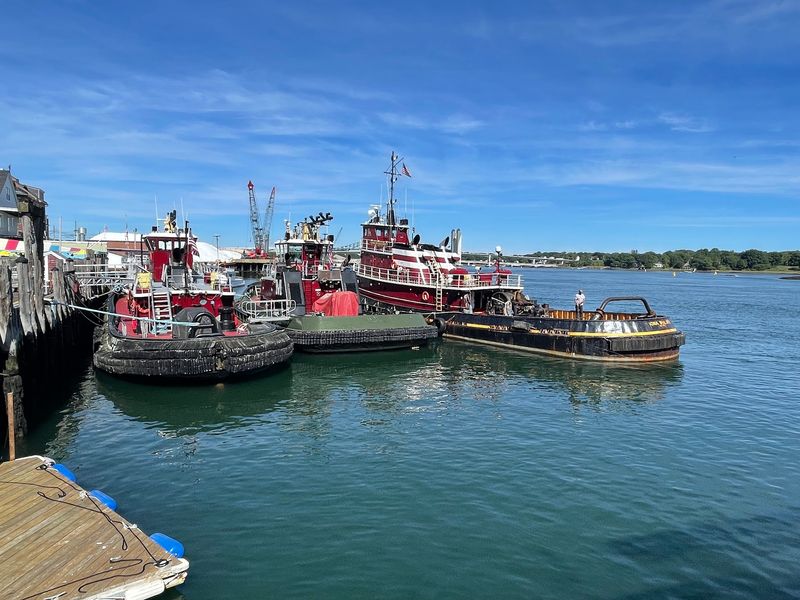
Ceres Street might be the most photographed lane in Portsmouth, and it earns that attention honestly. Tall brick buildings press close on one side, the river waits on the other.
Historically, the street acted as a dividing line. Downtown commerce sat on one side, the gritty working waterfront on the other, and the two rarely mixed.
What makes it remarkable is how little has changed. The street has remained largely the same since 1805, which is over two centuries of nearly identical streetscape.
Gaps between buildings open onto the Piscataqua, offering quick flashes of water, boats, and the Maine shoreline beyond. Photographers love those framed glimpses.
Cobblestones underfoot make the whole area feel older than the rest of downtown. Comfortable shoes are a reasonable idea.
Bright red tugboats dock nearby and have become unofficial mascots of the waterfront. Spotting them tied up is a small thrill that never really gets old.
Restaurants and shops share the strip, so a slow walk before or after a meal fills time nicely. Nothing about the pace here feels rushed.
Evening gives the street a different mood entirely, with warm light bouncing off brick and the river going glassy. Few places in New Hampshire pack this much atmosphere into a single short block.
The Enduring Character
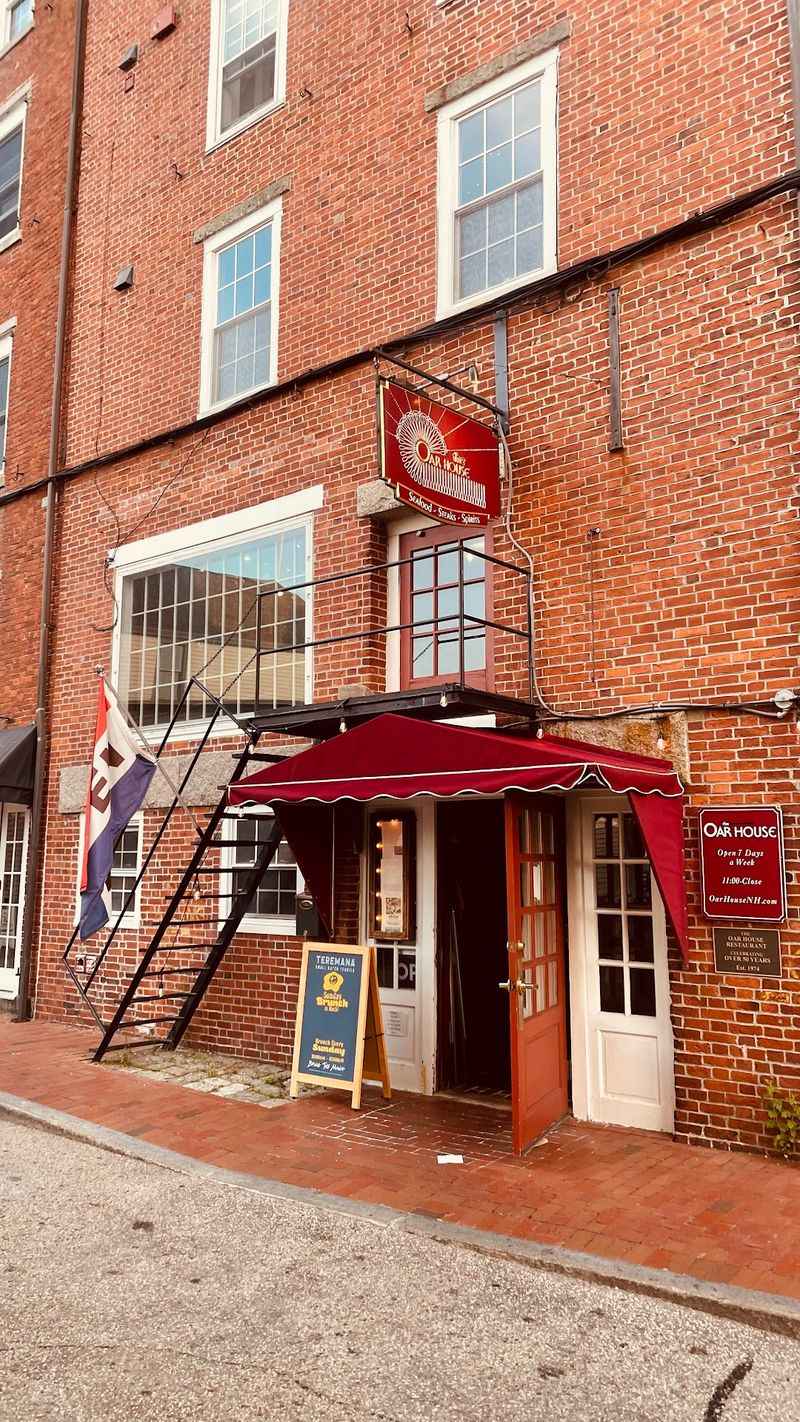
Fires shaped Portsmouth’s history, and this building outlasted them. Rebuilt in brick in 1803, it survived later blazes that damaged other parts of the city.
Durability like that was the whole point of the switch from wood. Two centuries later, the decision still looks smart.
Some people call it a museum restaurant, and the nickname fits. Historic connections run through the structure itself, not just the artwork hanging on the walls.
Those recycled ship beams deserve another mention. Timber from old vessels found a second life as structural support, a fitting reuse for a warehouse that spent its early years receiving maritime cargo.
It also ranks among the oldest restaurants in Portsmouth, which in a city this food-obsessed is no small title.
Newer places open constantly along these streets, sleek and photogenic and gone within a few years. Endurance is its own kind of recommendation.
Character here was not installed by a design firm. It accumulated slowly, through cargo, commerce, fire, repair, and fifty years of serving dinner.
Walls hold marks, floors have settled, and nothing lines up perfectly. All of that reads as authenticity rather than neglect.
For anyone who appreciates buildings with real biographies, this one delivers. History and a harbor view rarely share the same table quite this comfortably.
Why Slow Afternoons Work Best Here
Rushing through a visit here would be a waste. The whole setting rewards lingering, whether that means a long lunch on the deck or a slow meal downstairs near the old well.
Harbor activity provides steady background entertainment. Cruise boats depart from next door, tugs reposition, and the tide shifts the whole scene without anyone lifting a finger.
Midday tends to be calmer than dinner, making early afternoon a sweet spot for anyone who wants elbow room and an unhurried pace.
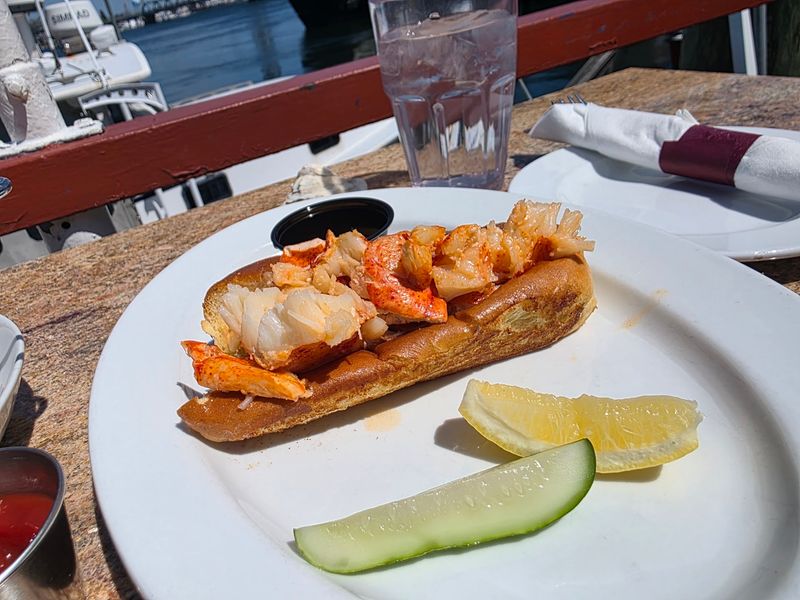
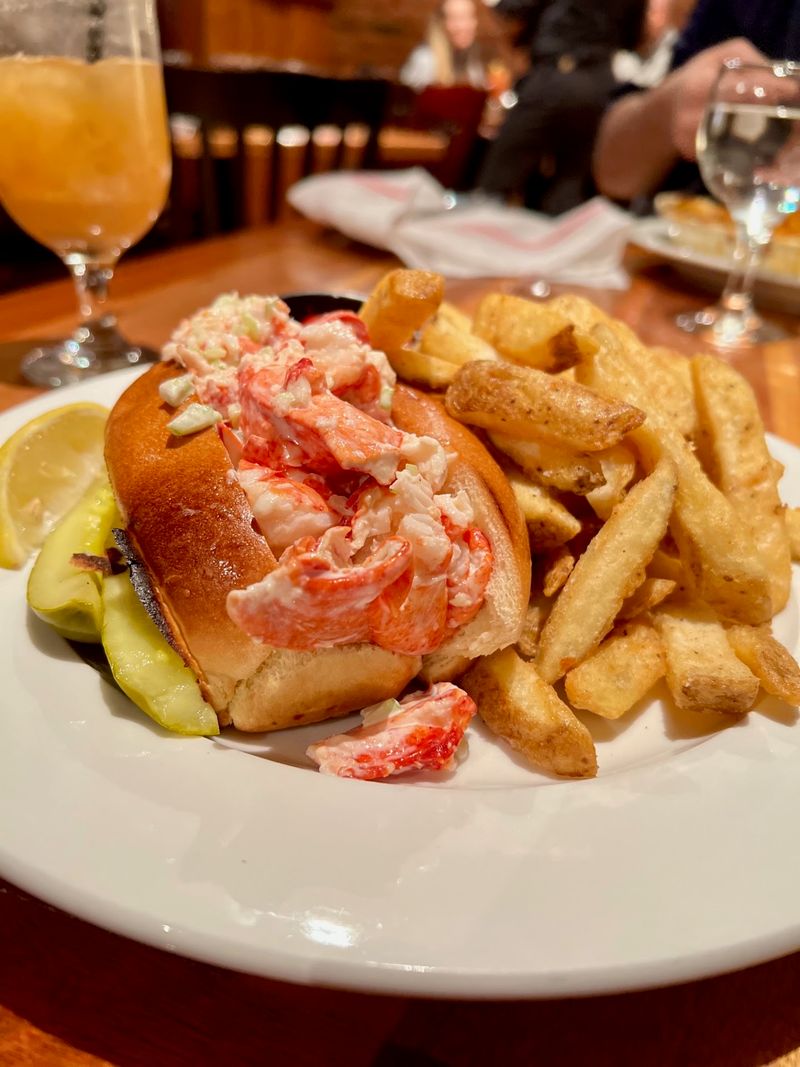
Seafood is the focus of the menu, which tracks perfectly with a building that once sat inches from the water. Lobster rolls, chowder, oysters, and haddock show up frequently on tables.
Reservations help during busy stretches, especially for deck seating, though walk-ins often find space without much drama.
Pairing a meal with a harbor cruise makes for an easy afternoon plan since the boats leave from right next door.
Shoulder seasons deserve consideration. Spring and fall bring softer crowds, crisp river air, and better odds at the best outdoor tables.
What keeps people coming back is the combination. Two hundred years of brick, working tugboats, an open river, and no particular reason to hurry anywhere else.