
This Tiny Nevada Town Sits At 6,400 Feet And Rents Stay Remarkably Low
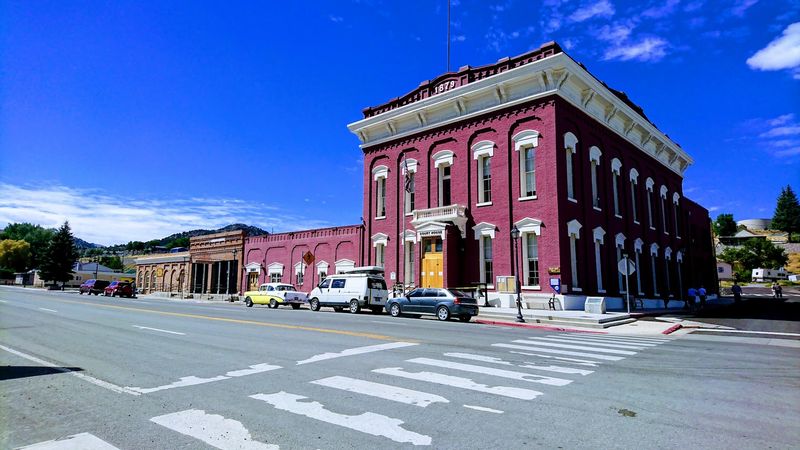
Driving across the middle of Nevada, the highway can go quiet for an hour at a stretch, and then a row of brick storefronts appears out of the sagebrush like a stage set nobody took down. One of those buildings turns out to be a working performance hall from the mining era, still hosting concerts and plays more than a century later.
The mountain air up here is cool even in July, and housing costs in this part of the state stay far below what most Nevadans pay. It is the kind of stop that starts as a stretch-your-legs break and ends up being the best part of the drive.
A Brick Landmark On Eureka’s Main Street
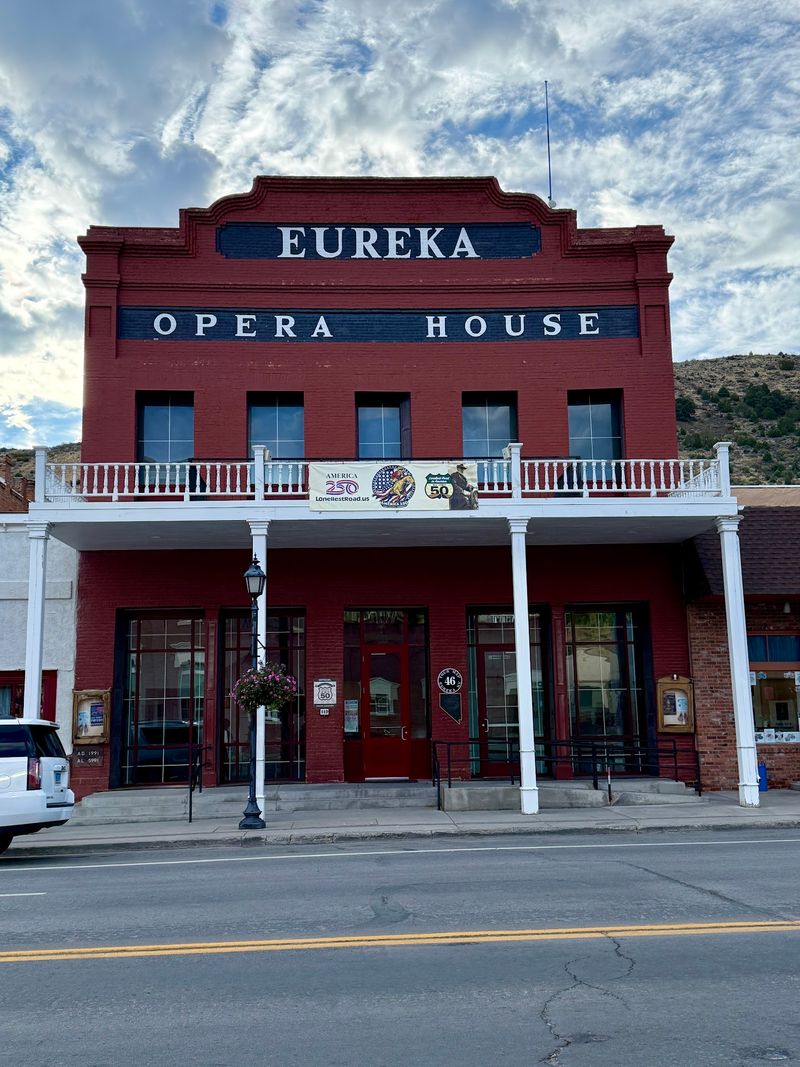
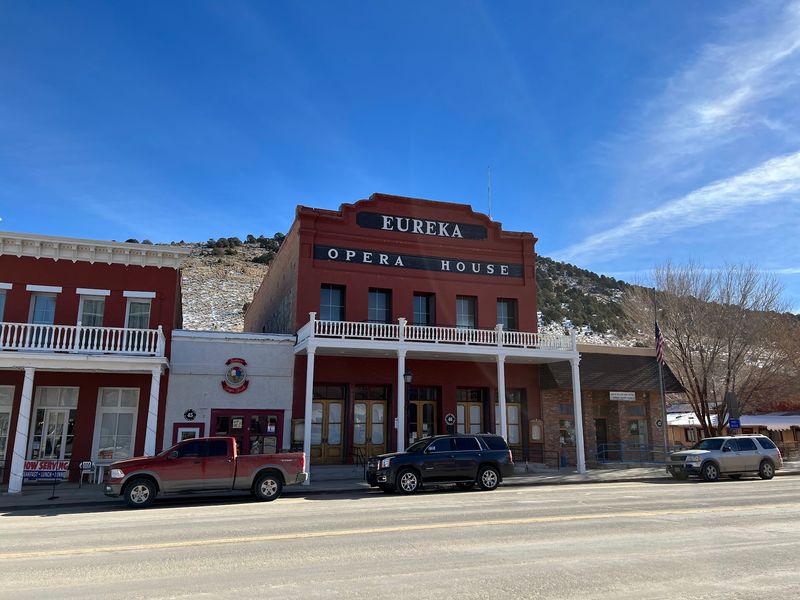
Pull into Eureka on U.S. Highway 50 and the Eureka County Opera House is impossible to miss, standing at 31 S Main St right in the center of the old business district.
The building is a solid brick performance hall from the town’s mining boom years, and it still functions as a venue rather than sitting behind velvet ropes as a relic.
Eureka itself is a small eastern Nevada community strung along the highway, surrounded by basin and range country where the valley floors sit high and the mountains climb higher. Visitors often mention how the town has held onto its western character, with storefronts that look much as they did generations ago.
What surprises many first-timers is that the opera house is not an isolated attraction. The county courthouse sits directly across the street, and travelers frequently walk between the two in a single stop.
Parking is street-side and generally easy, since traffic here rarely amounts to more than a few pickups and the occasional camper heading toward Ely.
Give yourself more time than you planned. People who intend to stop for ten minutes tend to stay an hour.
Mining Money, Traveling Shows, And A Hall That Survived
Back when silver and lead ore paid the bills in this corner of Nevada, towns competed for culture the way they competed for rail spurs. A proper opera house signaled that a mining camp intended to stick around, and Eureka built one.
Traveling opera companies really did tour the Nevada interior, something several visitors admit they never knew until a staff member explained it inside this very building. Performers moved from town to town by rail and stage road, playing to audiences of miners, merchants, and ranch families who had few other entertainments.
Most halls like this one eventually fell apart or were torn down. Eureka’s did not.
The structure has been carefully preserved and restored over the years, and guests consistently describe the workmanship as meticulous rather than flashy, the kind of restoration that keeps original character intact.
Guests who have seen the inside recently note how well the renovation turned out, with the upstairs performance space described as genuinely charming. History comes up in conversation here more than any other topic, and the people who staff the building clearly enjoy telling it.
Inside The Restored Performance Space
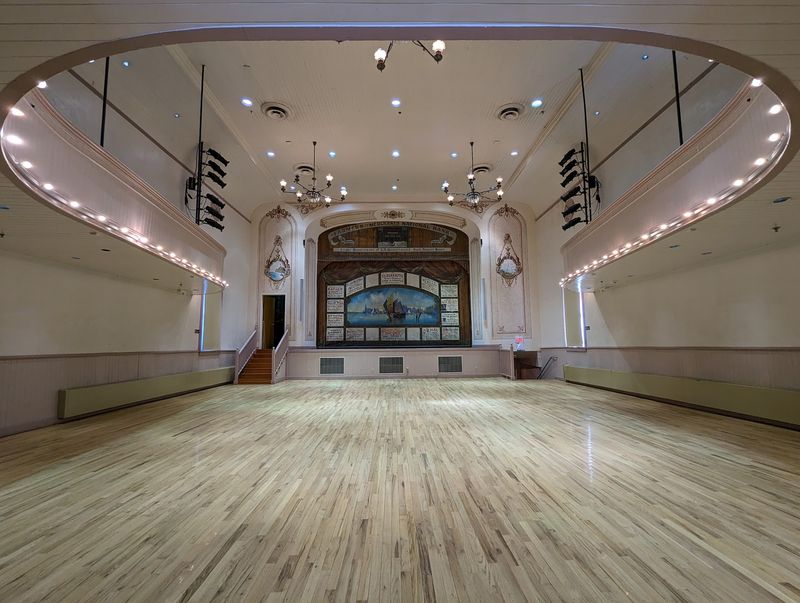
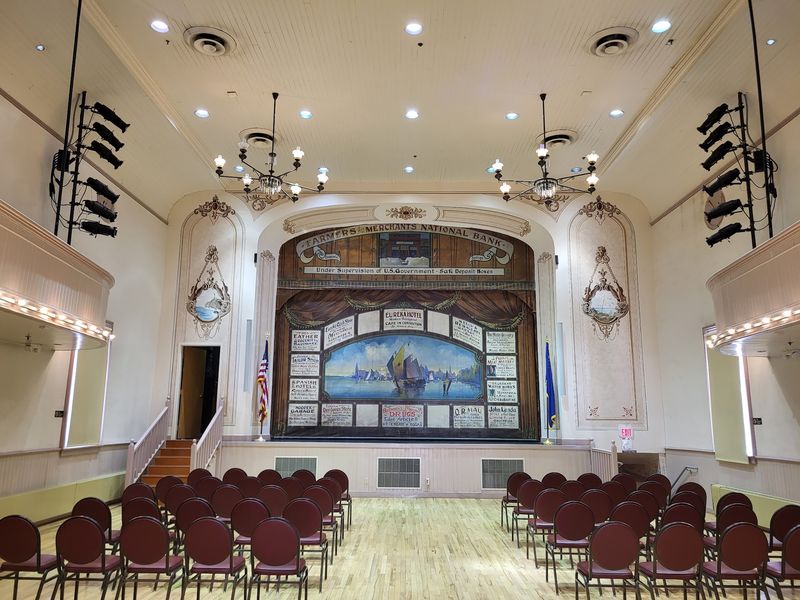
Upstairs is where the real payoff waits. The performance venue has been refreshed for modern use while keeping its period feel, and folks who have climbed the stairs describe it as charming in a way that photographs struggle to capture.
Downstairs and throughout the building, there are displays, artifacts, and small historical details tucked into corners. Visitors regularly comment on the sheer number of interesting tidbits scattered around, the sort of thing you only notice when someone points it out.
Worth knowing before you drive out: access is not guaranteed at all times. Some travelers have reported that unless an event or activity is happening, you may not be able to wander through the interior.
Calling ahead or timing your stop during regular county office hours improves your odds considerably.
The interior has been called well built and expertly maintained by people who have spent time inside, and more than one guest has left saying they would come back specifically for a show. If you do get in, take the stairs.
The upper hall is the part people remember on the drive home.
Concerts, Plays, And The Fiddle Competition
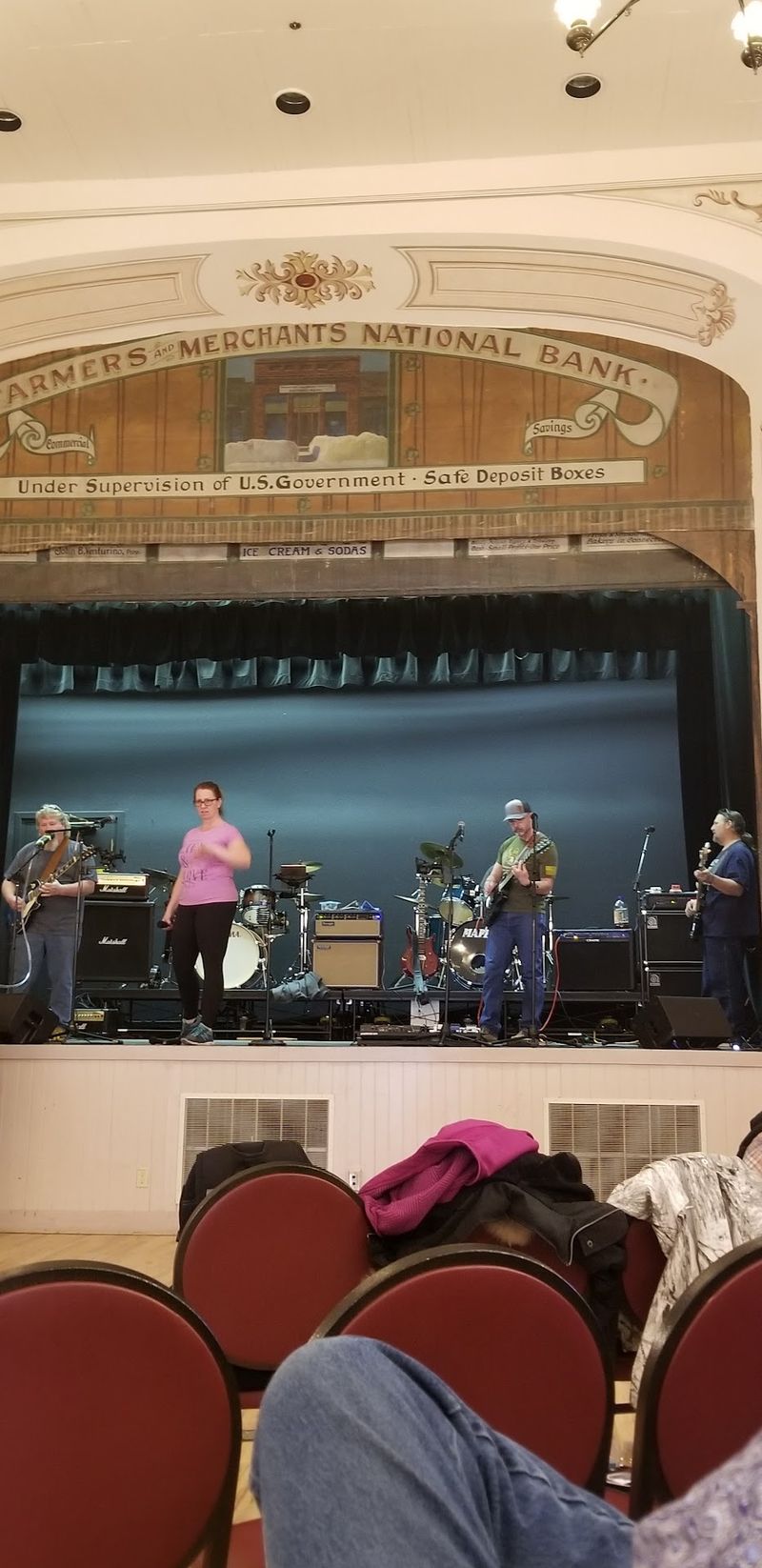
Nobody expects a functioning concert hall in a town this size, which is exactly why the programming here lands so well. The opera house hosts theater productions, concerts, and community events throughout the year, and it has drawn recognizable performers, including country artist Lacy Dalton.
A fiddle competition is among the events that has filled the upstairs hall, and at least one traveler passing through has regretted not being able to stick around for it. That is the general pattern with this place.
People arrive by accident and leave wishing they had planned better.
Guests who have attended a show describe the experience warmly, including one couple who made the drive over from Austin, Nevada, roughly seventy miles west on Highway 50, and considered it well worth the trip.
Event schedules for small Nevada venues shift with the seasons and with volunteer availability, so confirm what is happening before you commit to a long drive. When the calendar does line up, an evening of live music inside a preserved nineteenth-century hall costs far less than comparable entertainment in Reno or Las Vegas.
The Loneliest Road Passport Stop
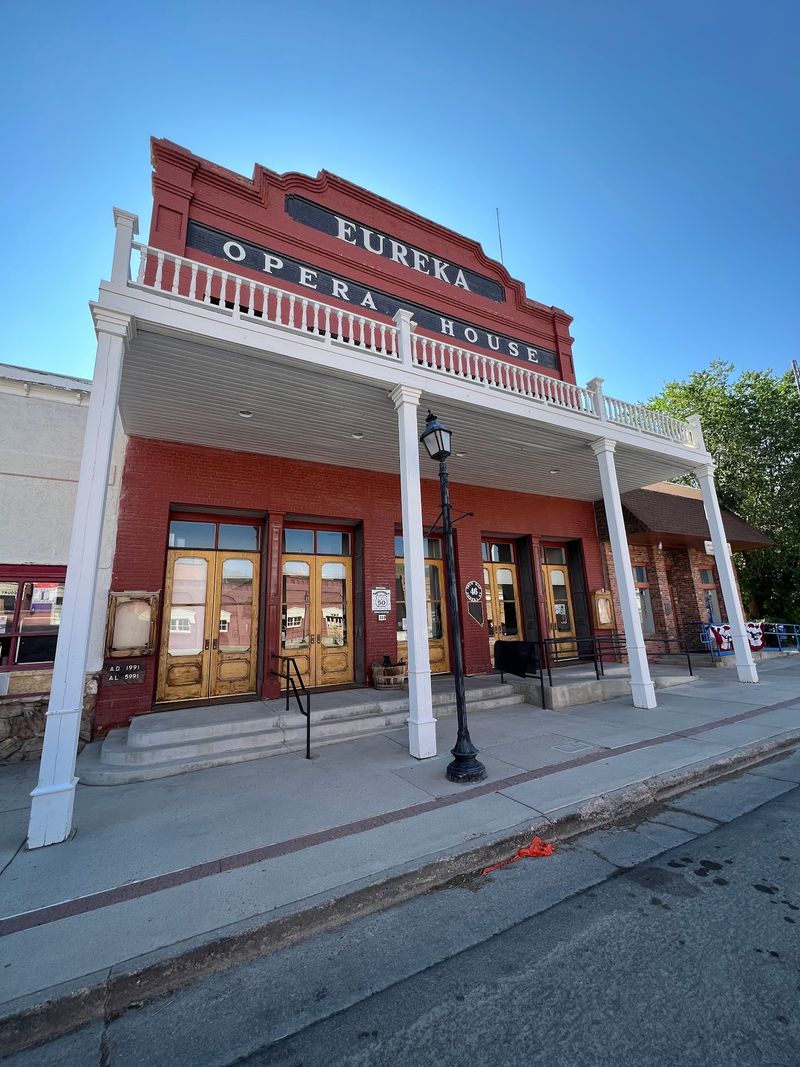
Stamp collectors of a very specific kind know this address well. The Highway 50 Survival Guide passport, the one tied to the Loneliest Road in America promotion, gets stamped right here, and a steady trickle of road trippers pull over for exactly that reason.
What happens next is the fun part. Travelers who walk in for a quick stamp routinely end up on an impromptu tour, because the staff enjoy showing people around.
One guest mentioned being offered a look at other historic buildings in town later that same day.
Friendliness comes up again and again in what visitors say about this stop, along with how informative the people working the desk are. Questions get real answers, not a brochure handed across a counter.
For families driving Highway 50 between Ely and Fallon, this makes a natural mid-route break. Kids get to stretch, adults get a slice of Nevada history, and the passport gets another mark toward the finish.
Bringing a small donation to support the building is a gesture past visitors have encouraged, though nothing obligates you.
Why Rents In This High-Desert Region Stay So Low
Six thousand four hundred feet. That is roughly where nearby Ely sits in eastern Nevada’s basin and range country, and elevation shapes everything about life out here, from cool summer evenings to four genuinely distinct seasons.
Housing in this region runs well below what most Nevadans pay. Some sources put average rents around $600 a month in Ely, while others suggest a comfortable place can often be found for $800 or less.
A median monthly figure near $1,500 has also been cited, which still reads as competitive by statewide standards.
Distance explains much of it. With fewer than 4,000 residents in Ely and even fewer in Eureka, there is no commuter pressure pushing prices upward, and inventory is not competing with casino-resort economies.
For retirees on fixed incomes, that arithmetic matters. Lower housing costs can free up money for travel, hobbies, or simply breathing room.
Figures shift, so verify current listings before making plans, but the broad picture holds: this stretch of Nevada remains one of the more affordable places to plant yourself in the state.
What Else Fills The Afternoon Nearby
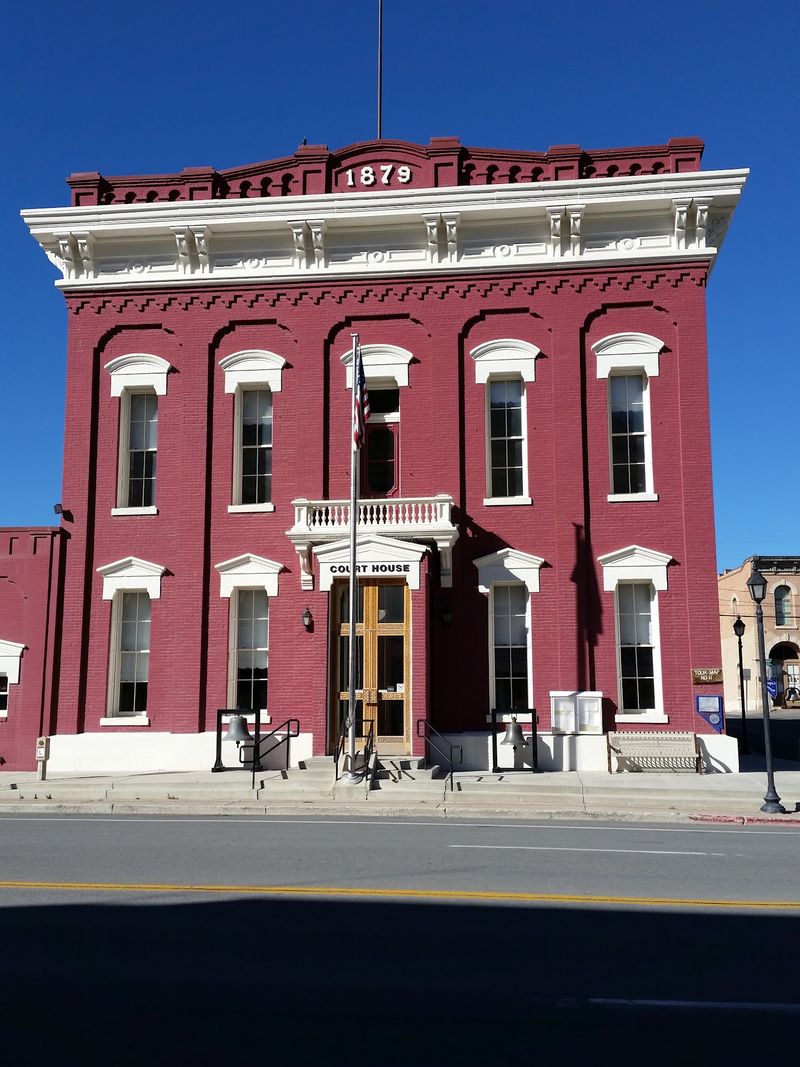
One building rarely fills a whole day, but this corner of Nevada stacks up nicely. Directly across the street from the opera house sits the Eureka County Courthouse, and visitors have singled out its pressed tin ceiling as something not to skip.
Head east roughly 77 miles on Highway 50 and Ely opens up a second act. The Nevada Northern Railway Museum runs rides behind vintage steam locomotives through the surrounding high country, and the White Pine Public Museum covers regional history at a pace that suits curious kids and patient grandparents alike.
Ely’s downtown holds early 1900s buildings from its own mining era, so the architecture theme carries right through.
Push a bit farther and Great Basin National Park waits, home to ancient bristlecone pines and the guided route through Lehman Caves. Reaching it from Eureka is a real drive, so plan an overnight rather than trying to squeeze everything into one push.
Fuel up whenever you see a station. Services thin out fast between towns on this route.
Planning Your Stop Without Guesswork
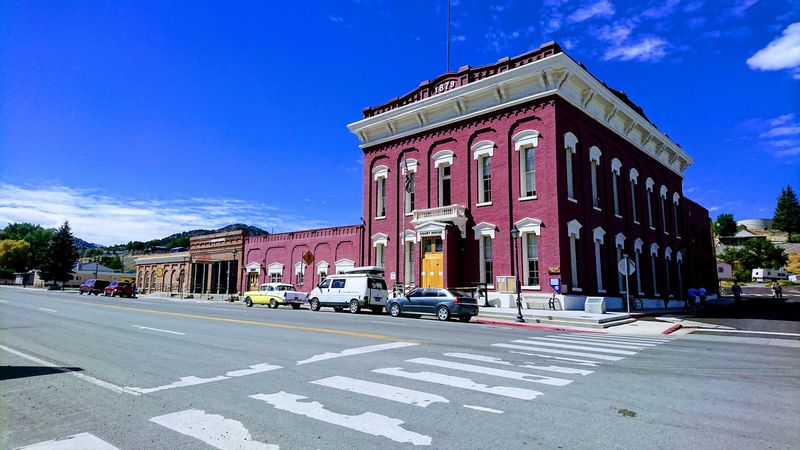
A few practical notes save frustration. The opera house operates under Eureka County, so its availability tends to track county office hours and scheduled events, and at least one visitor has noted that without something going on, the interior may be closed to casual walk-ins.
Entry has not been reported as an expensive proposition, though supporting the building with a donation is something past guests have suggested. Street parking out front is free and rarely crowded.
Eureka sits on Highway 50 in central-eastern Nevada, a long but scenic haul from Reno and a longer one from Las Vegas. There are no shortcuts, so fill the tank, pack water, and treat the drive as part of the outing rather than an obstacle.
Hours, event calendars, and seasonal closures shift in small Nevada towns, so confirm before you commit to the mileage.
Who does this suit? Road trippers chasing the Highway 50 passport, history-minded retirees, and families who would rather spend an afternoon inside a preserved 1880s hall than in a crowded attraction line.
Quiet, affordable, and genuinely memorable.