
This 40-Acre Farm Museum In Mississippi Packs Goats, A Grist Mill, And A Whole 1920s Town Into One Ticket
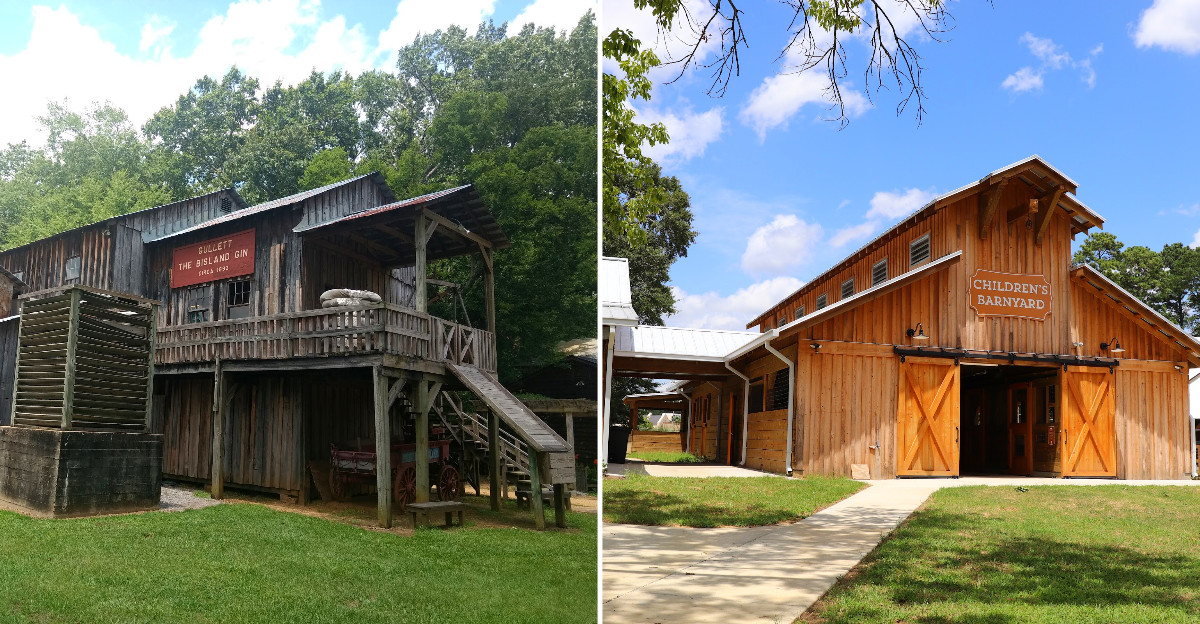
Goat bleats were not on my list of expected sounds for a weekday morning just off a busy Mississippi road. Yet a short walk past the parking lot turned into dirt paths, a creaky wooden porch, and a whole old town tucked behind the trees.
It felt like finding a history lesson that kids actually want to sit through. For families hunting for a cheap day out that works for every age, this spot delivers far more than it lets on from the street.
A 40-Acre Window Into Mississippi Farm Life
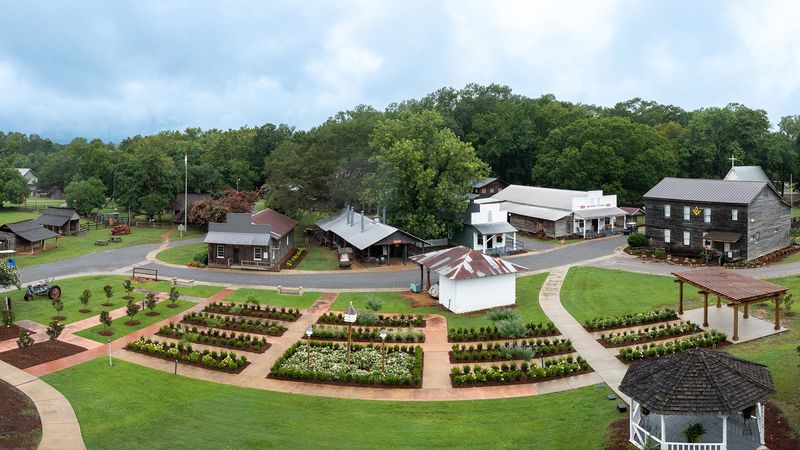
Pull off Lakeland Drive in Jackson, and within minutes the sound of traffic fades behind barns, fences, and shady walkways. The Mississippi Agriculture and Forestry Museum spreads across roughly 40 acres at 1150 Lakeland Drive, making it one of the easiest outdoor history stops to reach in the capital city.
It sits close to LeFleur’s Bluff State Park, and campers staying there can even walk over.
What exactly is it? Part museum, part working farm, and part old-time town, the complex tells the story of how Mississippians grew food, raised animals, and cut timber over many generations.
Indoor galleries hold aircraft, tractors, and model trains, while the outdoor grounds are packed with historic buildings you can step inside.
The mix is what makes it click for families. A grandparent may linger over a restored doctor’s office, while a first grader races ahead to see the goats.
Both end up learning something, often without noticing it.
Because everything sits in one complex, a single admission covers the whole experience. That simple setup can make planning easier for parents juggling car seats, snacks, and nap schedules.
It also means nobody has to choose between the indoor exhibits and the barnyard.
Old Buildings Given a Second Life
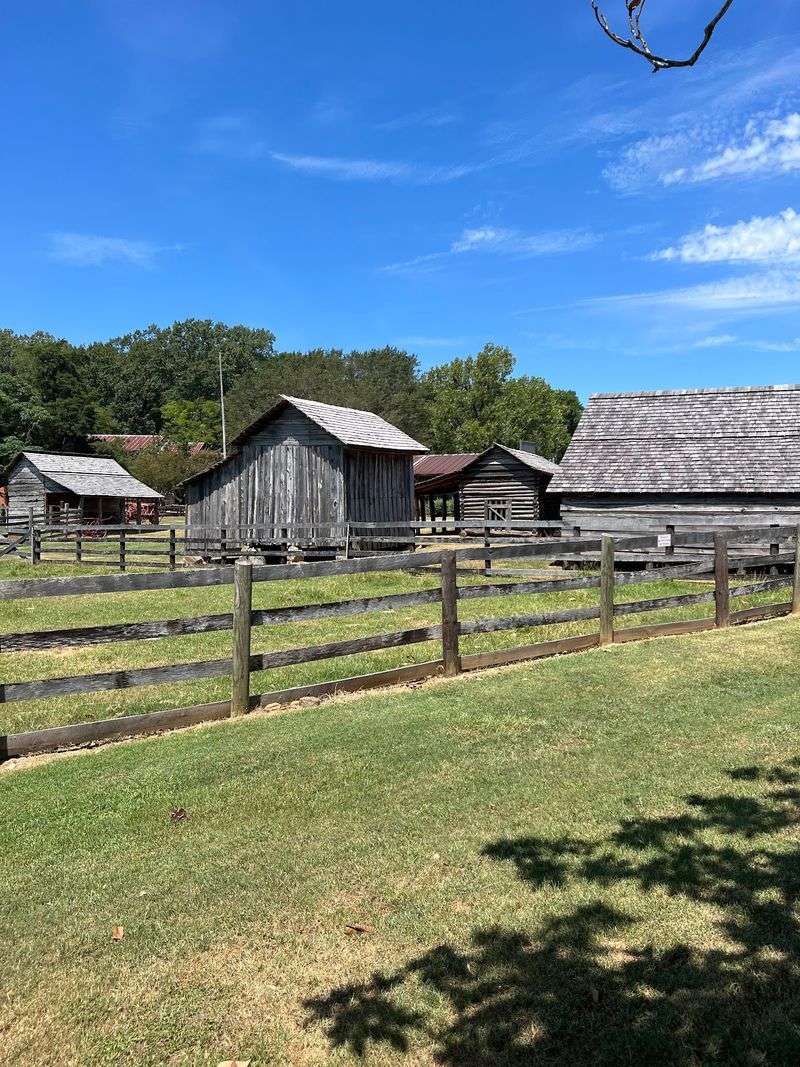
Many of the structures here once stood somewhere else entirely. Buildings from farms and small communities across Mississippi were saved from demolition, carefully moved, and restored on the museum grounds so future visitors could walk through them.
That rescue effort is the backbone of the whole outdoor experience.
Picture a schoolhouse, a church, and a filling station that each started life in a different corner of the state. Now they share one set of paths, giving visitors a sense of how a rural community actually fit together.
Placards outside each building explain its purpose and history, so the self-guided walk works well at any pace.
Kids often react most strongly to the schoolhouse. The tiny room, simple benches, and plain walls can look like something straight out of Little House on the Prairie, and that surprise tends to spark real questions about how children learned a century ago.
Longtime visitors notice the grounds have grown quite a bit over the years. Families who last came in the 1980s or 1990s may find new buildings, more exhibits, and extra activities.
For grandparents bringing grandchildren to a place they remember, that blend of familiar and fresh can be a sweet part of the day.
The Fortenberry-Parkman Farmstead and Its 1860s Roots
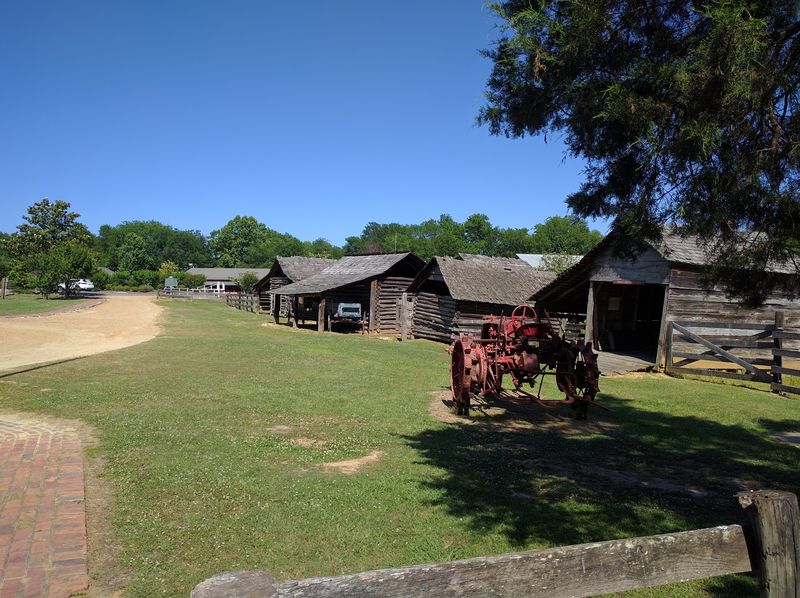
Here is where the 1860s come alive. The Fortenberry-Parkman Farmstead is a designated Mississippi Landmark, and it shows how farm families lived and worked from 1860 through 1960.
Walking its grounds feels like flipping through a century of rural life one building at a time.
The real showstopper is the cotton gin. It is recognized as the oldest working cotton gin in the nation, and it still runs during special events like Harvest Fest.
Watching the machinery clatter into action can be a memorable moment for kids who have only ever seen cotton as a T-shirt.
Why does a gin matter so much? Cotton shaped Mississippi’s economy for generations, and exhibits here explain how the gin, and later mechanical harvesting machines, changed the landscape of the state.
Seeing the real equipment up close makes that story easier to grasp than any textbook page.
Around the farmstead, outbuildings like mule sheds and barns fill in the everyday details. Families can talk through what chores might have looked like before electricity and tractors took over.
For older children especially, this corner of the grounds tends to spark the most conversation on the ride home.
Small Town, Mississippi, Frozen in the 1920s
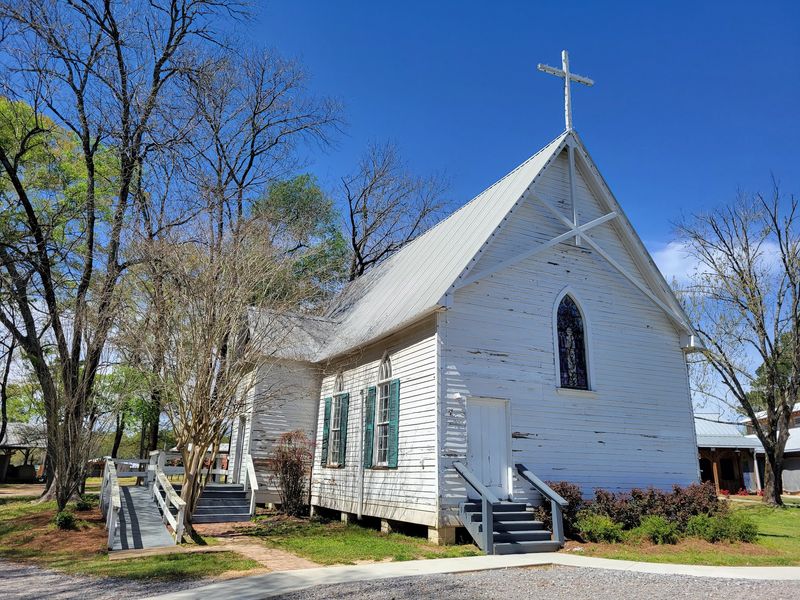
Main street, 1920s style, is just a short stroll from the farmstead. Called Small Town, Mississippi, this recreated crossroads community is built from authentic historic buildings gathered from across the state.
The effect is a village you can wander through freely, poking your head into one doorway after another.
Inside the lineup, you will find a church, a print shop, a doctor’s office, a school, and a filling station. Each one offers a quick glimpse of daily life when most Mississippians lived in farming communities and a trip to town was a big event.
The doctor’s office, with its old tools and cabinets, often earns a few wide eyes from younger visitors.
Contrast is part of the fun. A modern kid used to tablets and drive-thru windows may be amazed that a single filling station or print shop once served a whole community.
Those moments of surprise can turn a simple walk into a real history lesson.
The grounds are wheelchair and stroller friendly, which helps when moving from building to building. Take your time here, since reading each placard adds rich detail.
Morning visits give you the most breathing room to soak it all in before the afternoon heat builds.
The Grist Mill, Sawmill, and Working Trades
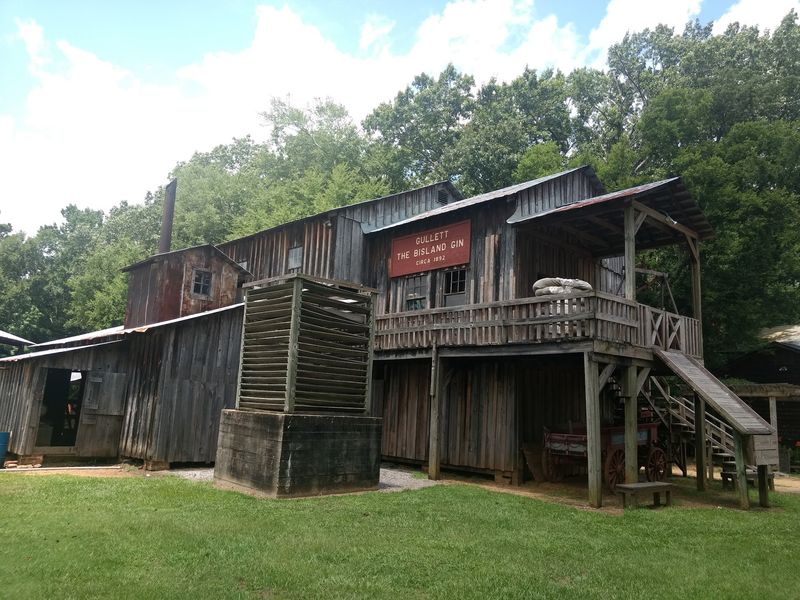
Cornmeal did not come from a grocery store bag in the old days. At the museum’s gristmill, visitors can see how grain was once turned into meal, a daily necessity for families across rural Mississippi.
Right nearby, a sawmill shows the other half of the story, where timber became the lumber that built homes, barns, and churches.
Forestry gets real attention here, and for good reason. Mississippi’s woods have long been as important to the state as its fields, and the sawmill helps kids connect a tree in the forest to the boards under their feet.
It is a practical, hands-on way to explain where everyday materials come from.
Imagine a fall weekend with sparks flying from a blacksmith’s forge. During special events, the grounds often come alive with traditional trade demonstrations, including blacksmithing, weaving, spinning, and even cane syrup made from sugar cane.
Those living-history moments are among the most talked-about parts of the museum.
Event calendars shift from year to year, so check the schedule before you go if you want to catch a demonstration. Even on a quiet weekday, though, the mill buildings themselves are fun to explore.
Kids tend to love imagining the noise and bustle that once filled them.
Goats, Mules, and the Children’s Barnyard
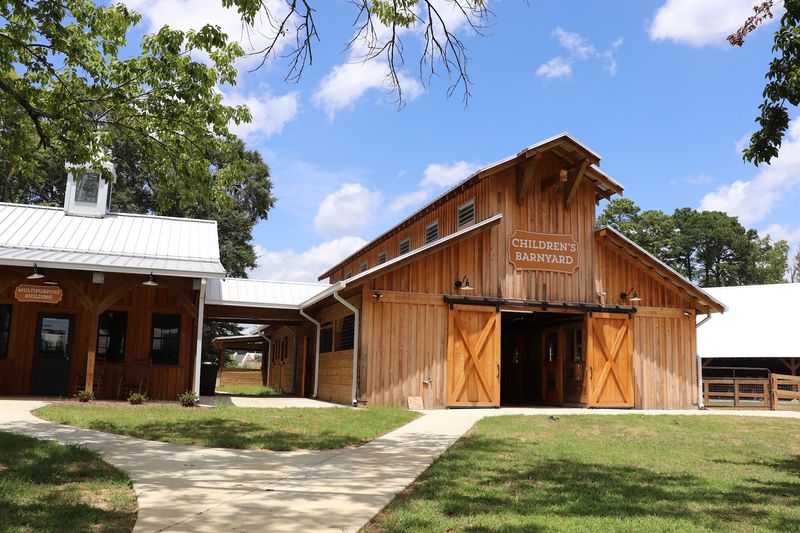
Mama, Sally, and Roxie might be the most popular residents on the property. As American Pygmy Goats living in the Children’s Barnyard, their small size and curious faces make them instant favorites with young visitors.
They share the space with a friendly lineup of farm animals.
Rabbits, chickens, sheep, cows, pigs, horses, and mules all call the barnyard home. For kids who have never seen a mule or a cow up close, the experience can be a big deal.
The barnyard offers chances to interact with the animals, turning a history museum into something that feels a lot like a farm visit.
What makes it special for families is the easy pace. Toddlers can watch the chickens scratch around while older siblings compare a towering horse to a pint-sized goat.
Grandparents who grew up around livestock often have stories to share, adding a personal layer to the visit.
Programs like Farm Facts with the Farm Manager can help explain how the animals are raised and cared for. Those short sessions tend to answer the questions kids always seem to ask.
Bring hand sanitizer or plan a restroom stop afterward, since little hands get curious.
A General Store Porch Made for Checkers
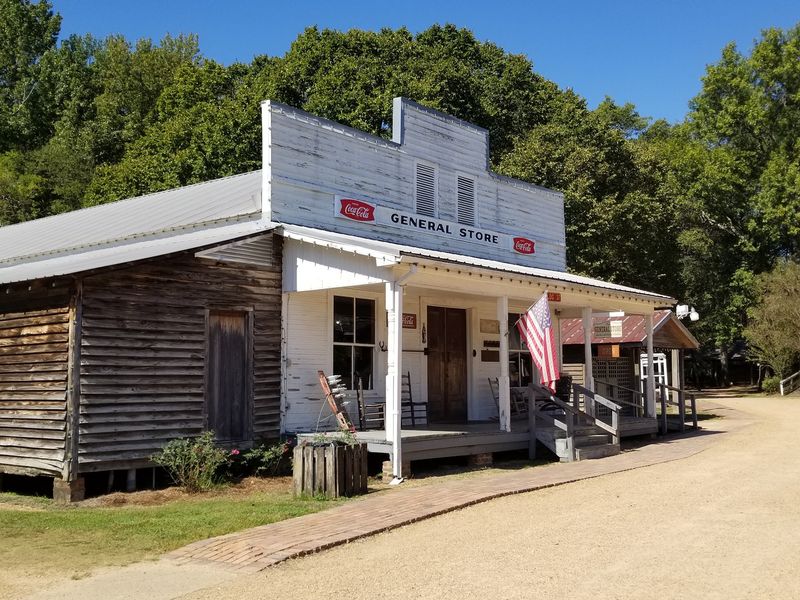
Nothing slows a family down quite like a front porch and a checkerboard. The General Store in Small Town, Mississippi, invites guests to sit a spell, play a round of checkers, and take a breather between exhibits.
It is one of the coziest spots on the grounds.
Inside, shelves hold old-fashioned toys, treats, local produce, and honey. Families can also pick up snacks and cold drinks, and a glass bottle soda enjoyed on the porch has become something of a tradition for regular visitors.
Kids often count the store as a highlight, sometimes even over the exhibits themselves.
Timing matters here. The General Store closes at 4 PM, an hour earlier than the rest of the museum, so plan your stop before the last stretch of the afternoon.
Showing up at 4:05 with thirsty kids is a lesson most parents only need once.
For budget-minded families, the store can double as a small souvenir stop. A simple old-fashioned toy or a jar of local honey makes a sweet memento without stretching the wallet.
Purchases can also help support the museum, keeping this slice of Mississippi history open for the next generation.
Model Railroads, Tractors, and a 1928 Carousel
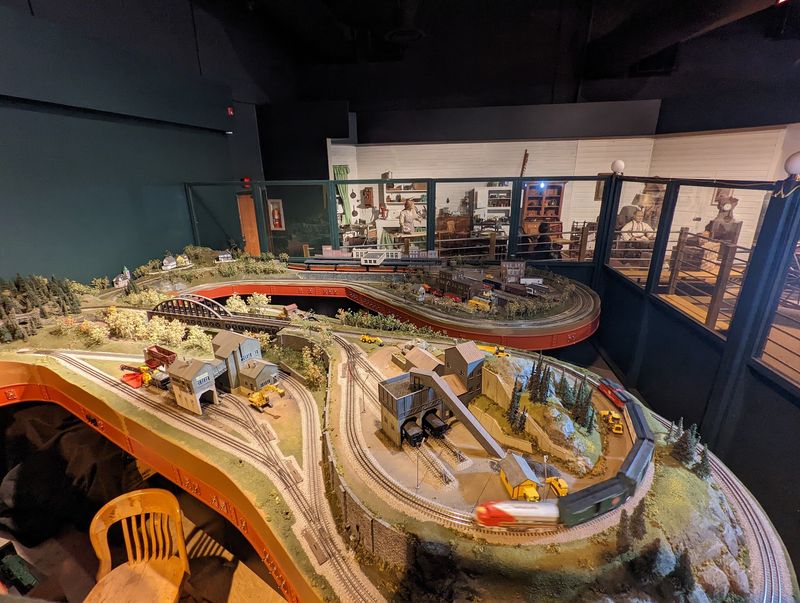
Train fans, take note. Three model railroad layouts inside the museum depict railroading in the late 1960s and early 1970s, and they rank among the most beloved exhibits on the property.
Tiny towns, bridges, and rolling stock can hold a young visitor’s attention far longer than you might expect.
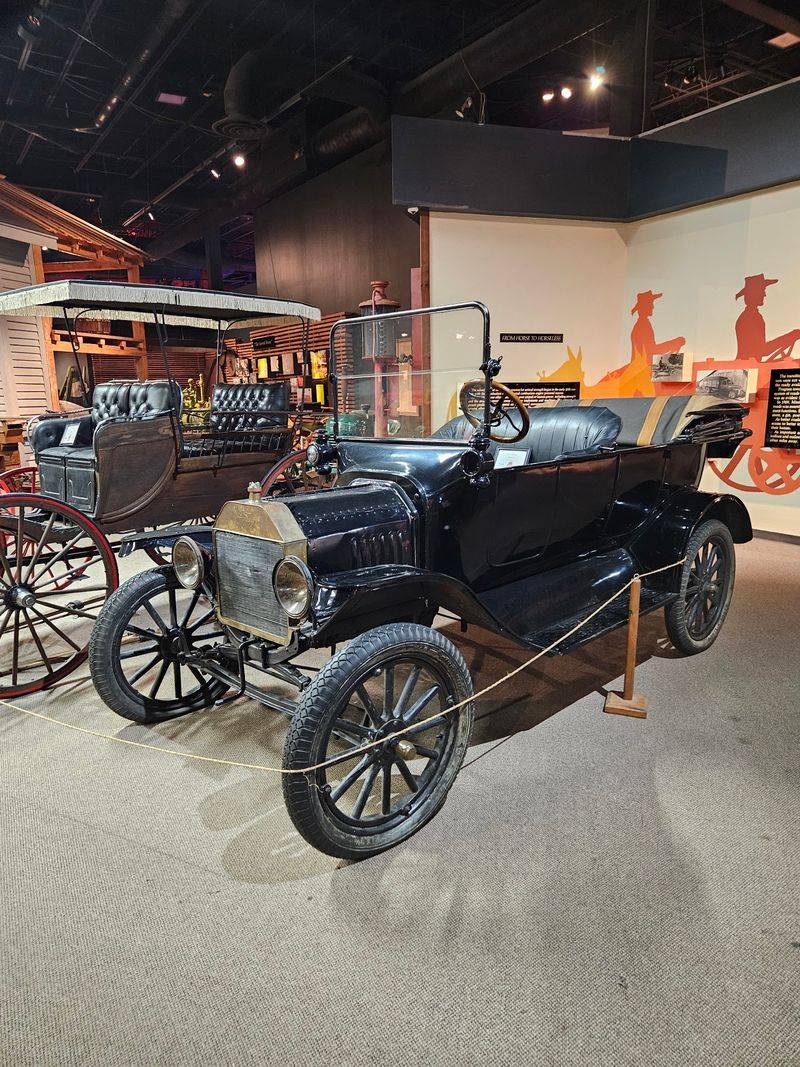
Out in the Exhibit Barn, antique tractors and historic farm equipment show how machines changed farming over time. Steel-wheeled relics sit beside later models, creating a timeline you can walk right through.
Grandfathers who once drove similar machines may have plenty to say here.
Then there is the carousel. Built in 1928 and a museum fixture since 1988, the original carousel is sized for small children and adds a bit of old-fashioned whimsy to the day.
A larger antique Caring Carousel, donated in October 2020, is planned for a new structure near the Children’s Barnyard once funds are raised, and that one will carry adult riders too.
During special events, families often find the train, hayride, and carousel running. Rides may wrap up earlier than the museum closes, so arriving earlier in the day gives kids the best shot at a turn.
Rose Beds, Herb Gardens, and a Quiet Nature Trail
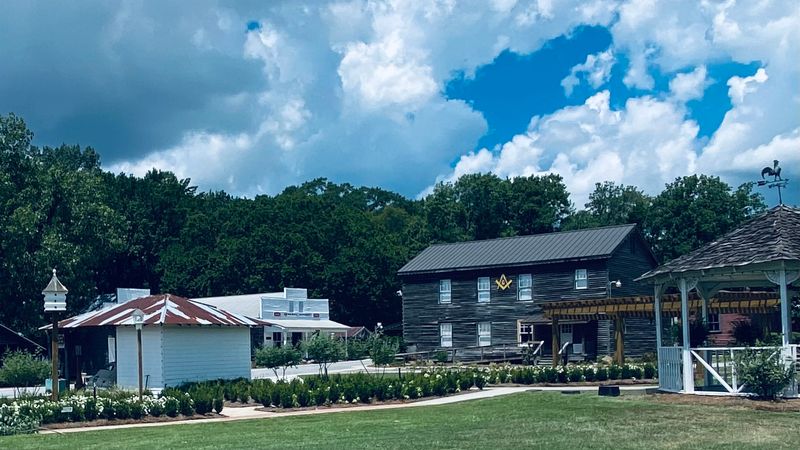
Bees buzzing over pollinator plants set a gentler rhythm on the edges of the property. Display and agriculture gardens feature roses, medicinal plants, herbs, and flowers chosen to support pollinators.
The herb garden in particular draws curious visitors who like to see, and sometimes smell, what grew in old kitchen gardens.
Gardeners of any age can find ideas here. A grandmother might recognize a medicinal plant her own mother once used, while a child learns why bees and butterflies matter so much to the food on their plates.
Those small exchanges are part of what makes the gardens feel personal.
Beyond the flower beds, a nature trail winds through the natural landscape of middle Mississippi. It serves as an outdoor classroom, offering a calm walk and a peek at native plants and trees.
After the busy town and barnyard, the quiet can feel like a reset.
Summer heat is real in Mississippi, so the gardens and trail tend to be most pleasant in the morning. Pack water, sunscreen, and hats for everyone.
Spring and fall bring milder temperatures that can make the whole outdoor loop more comfortable for little legs and older knees alike.
Hours, Admission, and Getting There
Monday through Saturday, the museum opens at 9 AM and closes at 5 PM, and it stays closed on Sundays. The General Store keeps shorter hours, closing at 4 PM.
Planning around those times helps avoid missing favorite stops.
Admission stays friendly to family budgets. Adults pay $8, children ages 3 to 17 pay $6, seniors and military members pay $7, and children under three get in free.
Two parents and two kids can often cover entry for under $30, which is a lot of day for the money.
Getting there is simple. The museum sits on Lakeland Drive in Jackson, close to LeFleur’s Bluff State Park, and drivers from Hattiesburg or Meridian can expect roughly a 90-minute trip, depending on traffic.
Parking is available on site, though big event days may mean a longer walk from your car.
Accessibility is a strong point. The grounds are wheelchair and stroller friendly, and restrooms include changing tables.
Plan on at least an hour, though many families find two or more hours pass quickly, especially for anyone who likes to read every sign along the way.