
This 1800s Village In Mississippi Lets Kids Watch Blacksmiths Hammer Iron And Corn Get Ground By Hand
Hearing a hammer strike metal was the last thing I expected along a quiet highway in Mississippi. A short turn off the road led to a shady pecan grove, and under those trees sat an entire 1800s village, forge glowing and all.
Blacksmiths still shape metal by hand here, right beside old cabins, a gristmill, and a country store. For families hunting an affordable day that shows kids how life used to work, this stop deserves a spot on the calendar.
A Pecan Grove Village Off Highway 15
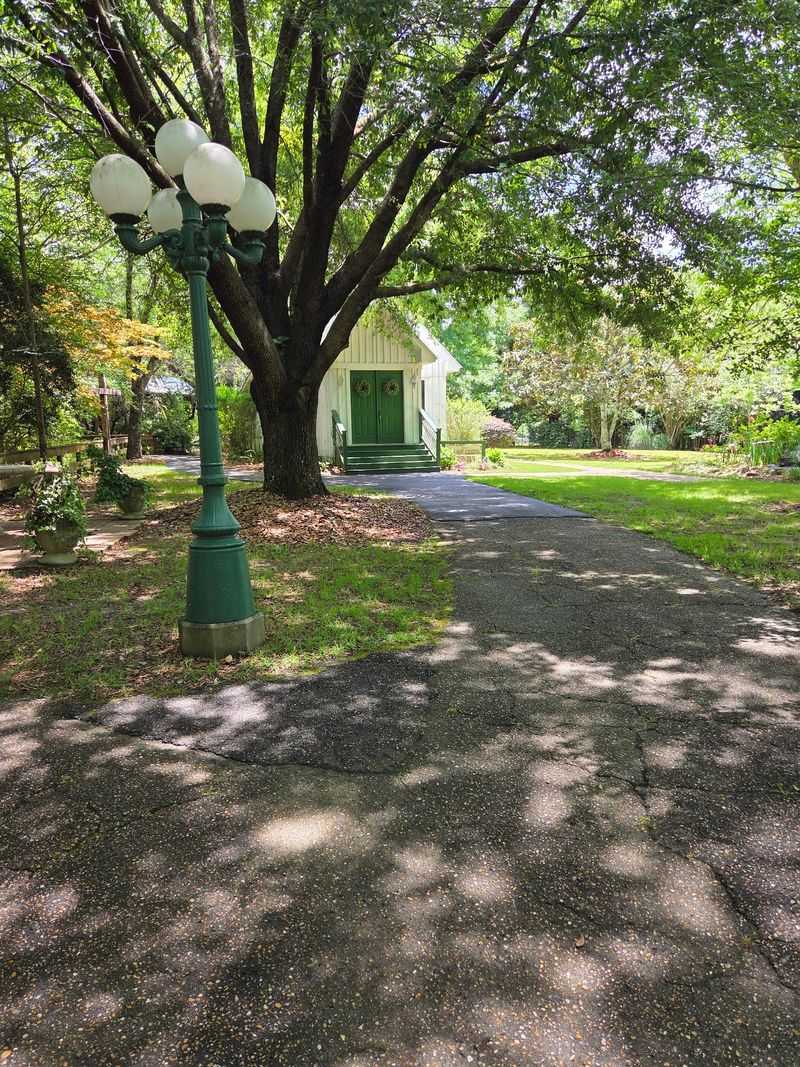
Pull off Highway 15 on the edge of Laurel, and the modern world thins out quickly. Pecan trees shade about 30 acres of Jones County ground, and beneath them sit more than 85 buildings and exhibits laid out like a small Mississippi settlement from the late 1800s.
What exactly is it? Landrum’s Homestead & Village works as a living history museum, which means the past is not locked behind glass.
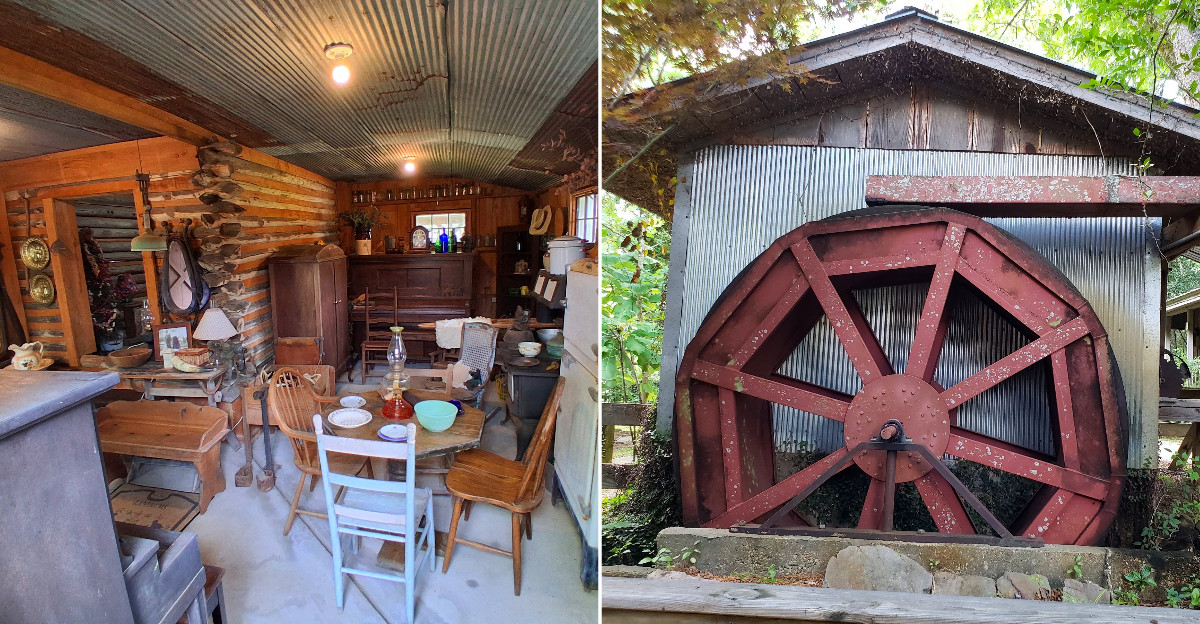
Visitors walk dirt and paved paths between a general store, a schoolhouse, a chapel, a gristmill, restored cabins, tool sheds, barnyards, and a working blacksmith shop.
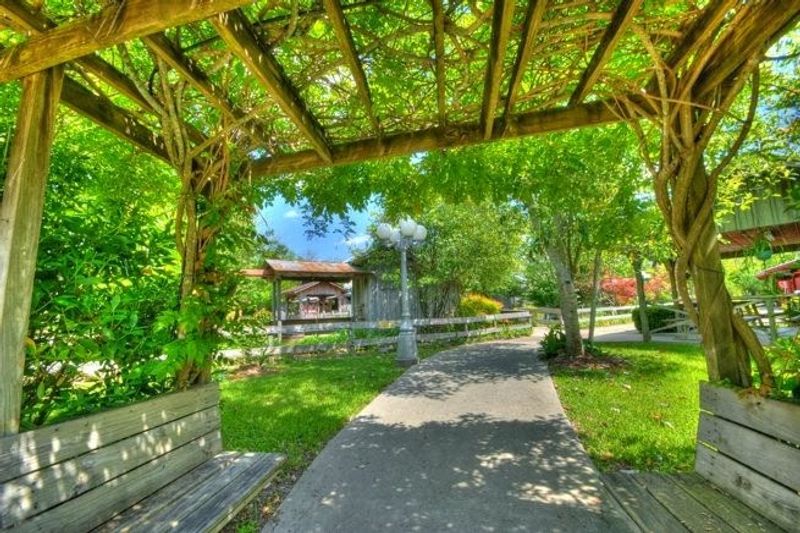
The setting matters as much as the buildings. Shade from the grove softens hot afternoons, streams and foliage break up the walk, and the whole place feels closer to a mountain hollow than to a busy road in the Pine Belt.
The look can recall the Smoky Mountains, minus the long drive.
For South Mississippi households, the location is handy. Hattiesburg sits roughly 20 to 30 minutes down I-59, while Meridian and Jackson make for longer but doable day trips.
That puts a full afternoon of hands-on history within easy reach of a Saturday plan.
Family Roots And Pine Belt History
Long before it drew school buses and holiday crowds, the homestead started as a family project with a simple goal. The Landrum family wanted younger generations to understand how their ancestors lived, worked, and leaned on one another.
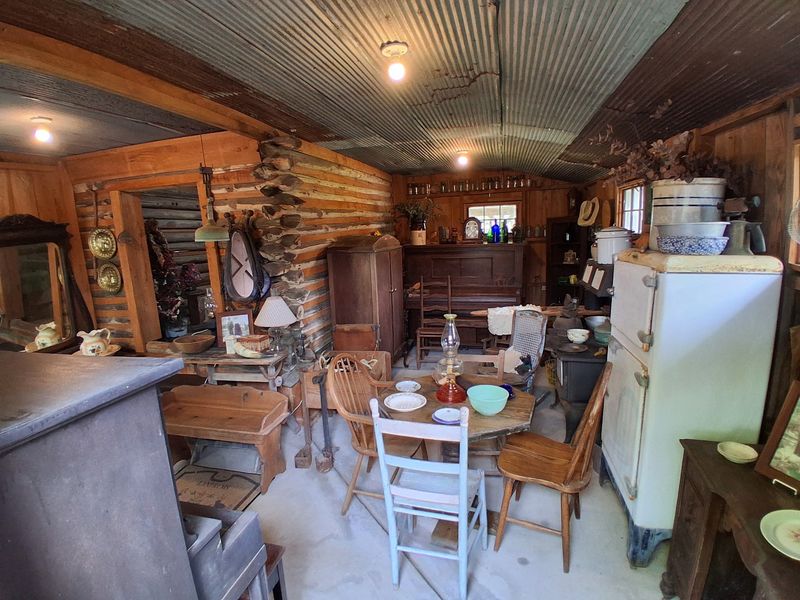
Hard work and family ties sit at the center of every exhibit. Old tools hang where hands once reached for them, and historical photos and small tidbits fill the walls for anyone curious about Mississippi life in the 1800s.
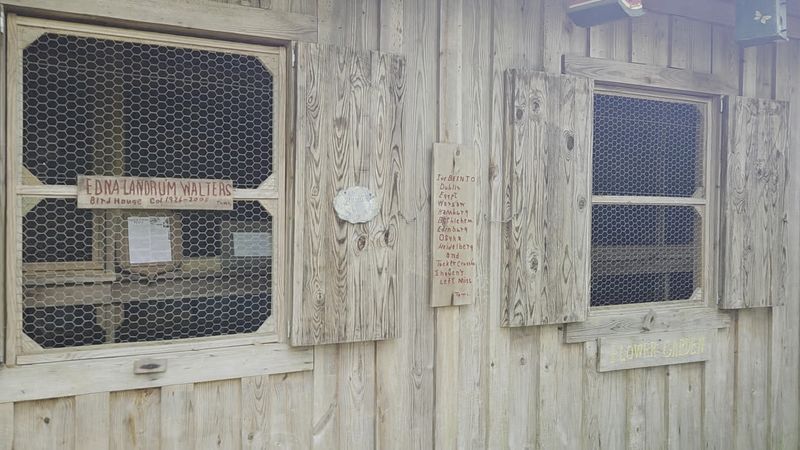
One cabin even displays Landrum family photographs, giving the whole village a personal thread that runs from building to building.
Educational displays also cover larger chapters of local history. Panels explain the Civilian Conservation Corps, the long work of reforestation, and the timber industry that shaped Laurel and much of the Pine Belt.
For grandparents who remember sawmill towns, those exhibits can spark stories on the spot.
Why does that matter on a weekend outing? A place built by one family to teach its own children tends to feel warm rather than stiff.
Kids get the sense that real people lived these routines, and adults may find themselves pointing at an old farm tool and saying, ‘My grandmother had one just like that.’
The Blacksmith Shop And Its Ringing Anvil
Clang, pause, clang. That steady rhythm of hammer on anvil still drifts out of the blacksmith shop, and it tends to pull visitors across the village before they even spot the building.
Inside, the forge shows how a frontier community kept itself running. Before hardware stores, the local smith shaped and repaired hinges, hooks, farm tools, wagon parts, and horseshoes, so nearly every household depended on that fire.
Watching a bar of metal glow orange, bend, and take shape helps kids grasp that everyday objects once had to be made by hand.
Demonstrations can vary by day. On living history days, a blacksmith often works alongside wood carvers, quilters, and other skilled craftspeople, turning the village into a busy workshop of old trades.
The Ole Tyme Fall Festival also features blacksmith demonstrations, making autumn a strong time to catch the forge in action.
A quick tip for families with little ones: the shop can feel warm and noisy, so hold small hands and find a spot near the doorway. Older visitors often linger over the hand tools lining the walls.
Anyone set on seeing a live demonstration may want to check ahead or plan around a special event, since schedules shift.
Woodstove Biscuits And Gristmill Lessons
Warm biscuits coming off a woodstove might be the most convincing history lesson on the property. At certain stations, staff show how biscuits were mixed and baked the old way, with no microwave or electric oven in sight.
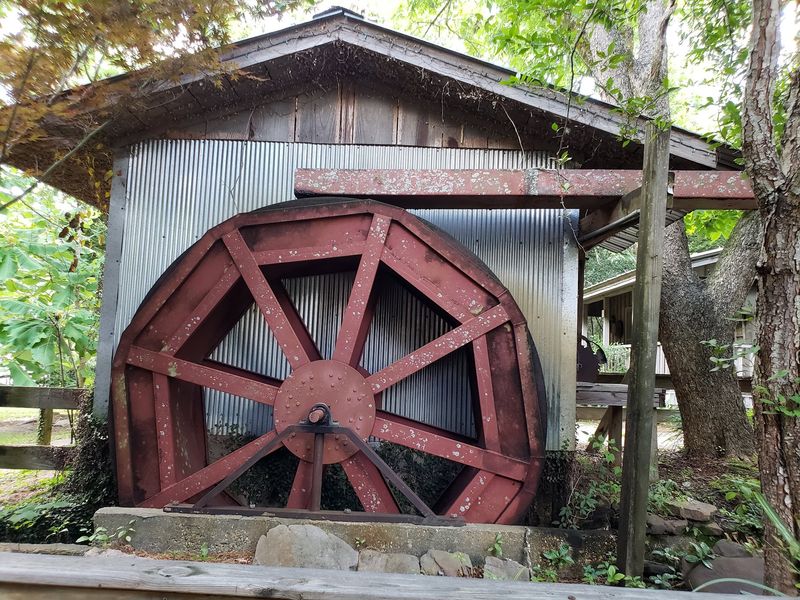
Elsewhere, the gristmill tells the story of how grain became food. Corn grinding demonstrations reveal how dried kernels turned into cornmeal, a staple that fed Mississippi families through lean seasons.
Kids can see the process from start to finish, which often sparks more questions than any textbook page.
How about a smokehouse? The village includes one, showing how families preserved meat long before refrigerators.
Together with the general store, the mill and kitchen exhibits paint a clear picture of how much effort a single meal once required.
Modern appetites are covered too. Simple snacks like hot dogs and popcorn are typically available for purchase, so a hungry crew does not have to cut the day short.
During holiday events, hot chocolate and marshmallow roasting around a fire pit add another cozy treat.
Packing water is still smart in warmer months, since Mississippi humidity can sneak up during a long, shady walk between the old buildings.
Schoolhouse, Chapel, Cabins, And The General Store
Picture a one-room schoolhouse, then a small chapel a short stroll away. Moments like that make the village feel less like a museum and more like a town where everyone just stepped out for lunch.
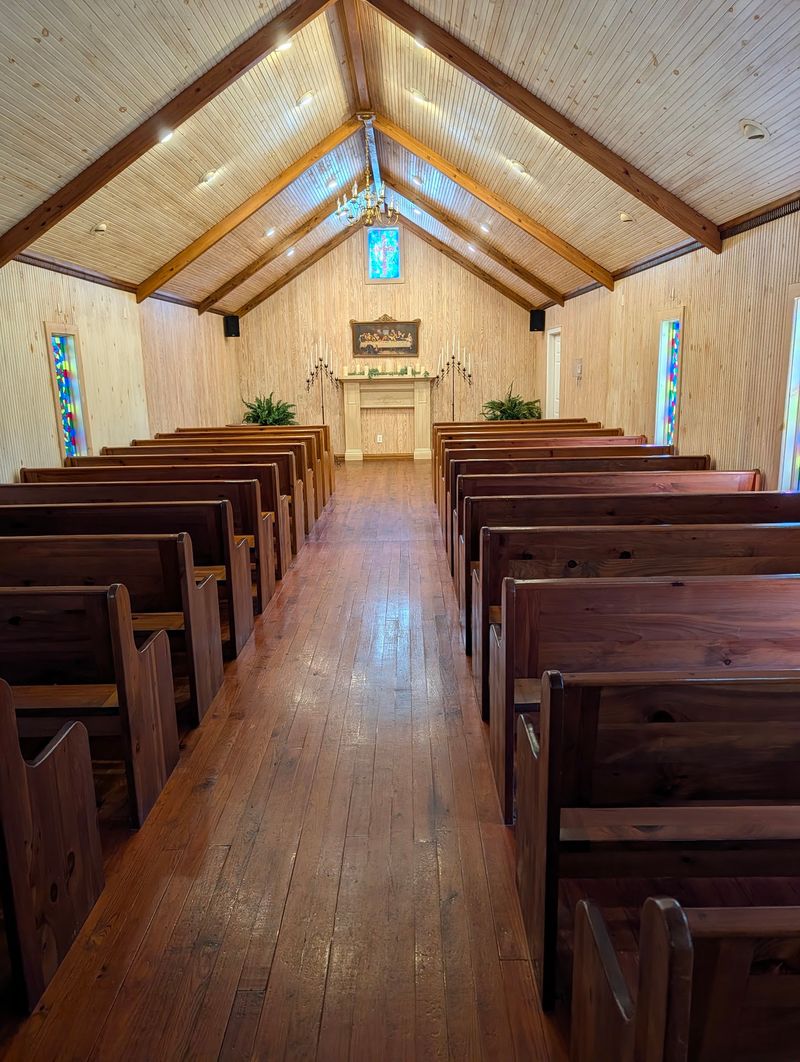
The chapel is a quiet highlight, and it still hosts weddings and special gatherings, with a reception room on the grounds as well. Restored cabins, meanwhile, hold furniture, relics, and household goods that show how tight living quarters once were.
At least one or two full houses let families step through real rooms instead of peering at displays.
Curiosities round out the lineup. A trading post, an Indian village exhibit, tool sheds, and barnyards each add a different slice of 1800s life, while the historical tools on display reveal clever solutions to everyday chores.
Then comes the general store, a favorite stop for browsers. Shelves overflow with gifts, jewelry, scarves, and keepsakes, and a bargain corner can turn up surprisingly low-priced finds.
Shoppers who love antiques and nostalgia may lose track of time here, so set a loose meeting spot if the group splits up.
Budget-minded visitors can even enjoy the store on its own.
Hours, Admission, And The Drive Over
Timing comes first. The village opens Thursday through Saturday from 9 AM to 4 PM year-round, and it stays closed Sunday through Wednesday, although private groups and events can be arranged on other days.
General admission runs about $12 per person, and children three and under get in free. Keep in mind that a four-year-old pays the full price, so larger families should budget accordingly.
Even so, a full day of demonstrations, exhibits, and activities for that price can stack up well against pricier theme parks.
Getting there is straightforward. From Hattiesburg, the drive up I-59 usually takes 20 to 30 minutes, though heavy traffic can stretch it much longer.
Jackson families should plan on roughly 1 hour and 48 minutes, and parking on site is generally easy.
Accessibility is solid for a historic site. Much of the property is paved and wheelchair friendly, but the nature trail and pond area are unpaved and may be tricky for chairs or strollers.
Summer visits call for hats, sunscreen, and water, while cooler months can make the walk far more pleasant.
Thursday and Friday visits may mean fewer crowds, especially outside of school field trip season.
Festival Seasons And A Gentle Final Word
Autumn changes the whole mood of the grounds. The Ole Tyme Fall Festival brings pony rides, old-fashioned games, live music, and blacksmith demonstrations, while Sugar Cane Syrup Making offers a sweet look at a classic Southern tradition.
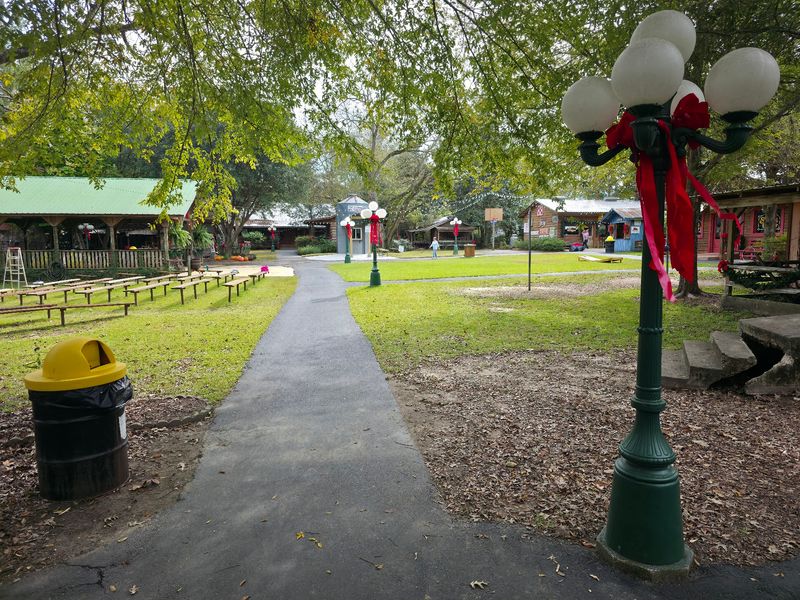
Christmas at Landrum’s Homestead might be the season’s biggest draw. Between Thanksgiving and Christmas, the village dresses up in festive lights, and evening visits can include wagon rides, marshmallow roasting, checkers, and lights dancing over the lake in time with music.
Many households treat it as an easy way to kick off the holidays.
So who will get the most out of a visit? Families wanting an affordable Saturday with real hands-on moments should feel right at home, and so should grandparents who enjoy sharing memories of simpler times.
History buffs, antique lovers, and homeschool groups can easily fill several hours, while small children tend to thrive on the mining, maze, and wagon rides.
At its heart, the village offers something rare: the chance to hear an anvil ring, smell woodsmoke, and watch biscuits bake, all in one afternoon. It will not dazzle with roller coasters or flashing screens.
Instead, it quietly shows how people once built lives with their own two hands, and that lesson tends to stick.