
This Humble Rescue In Jackson, Mississippi Has Been Giving Homeless Pets A Second Chance Since 1969
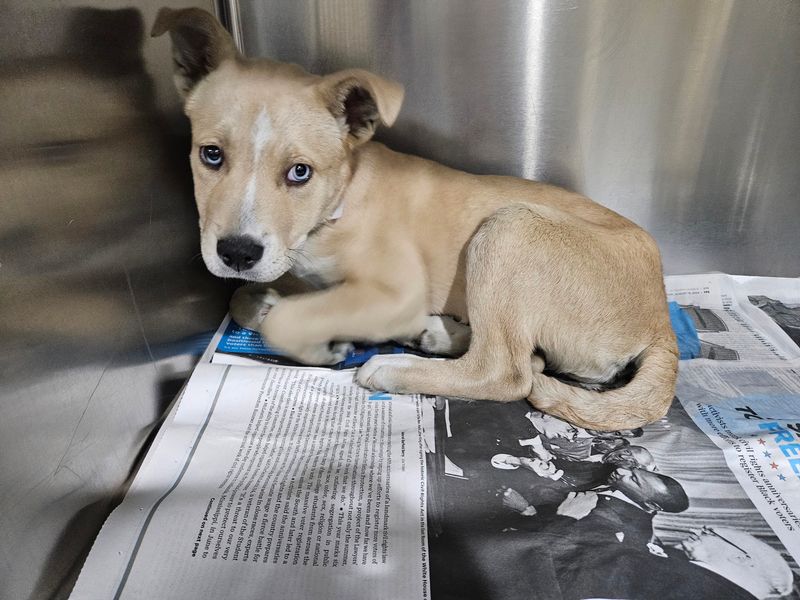
Nobody plans a Saturday around a shelter parking lot, but that is exactly where our morning in Mississippi took an unexpected turn. We had stopped only to drop off a bag of old towels, and an hour later the kids were still whispering about a shy tabby in a corner kennel.
The building was plain on the outside and full of wagging, purring hope on the inside. For families looking for a low-cost outing with real heart, this stop can quietly steal the whole day.
An Unassuming Doorway In South Jackson
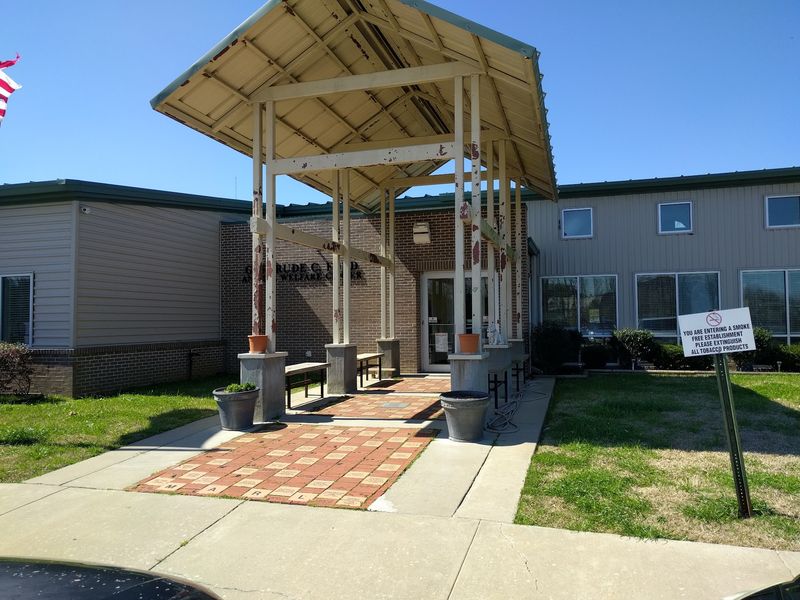
Tucked along Greenway Drive Extension on the south side of Jackson, the Mississippi Animal Rescue League sits at 5221 Greenway Dr Exd, in Hinds County. From the outside, it looks more like a working facility than an attraction, and that plain look suits its purpose.
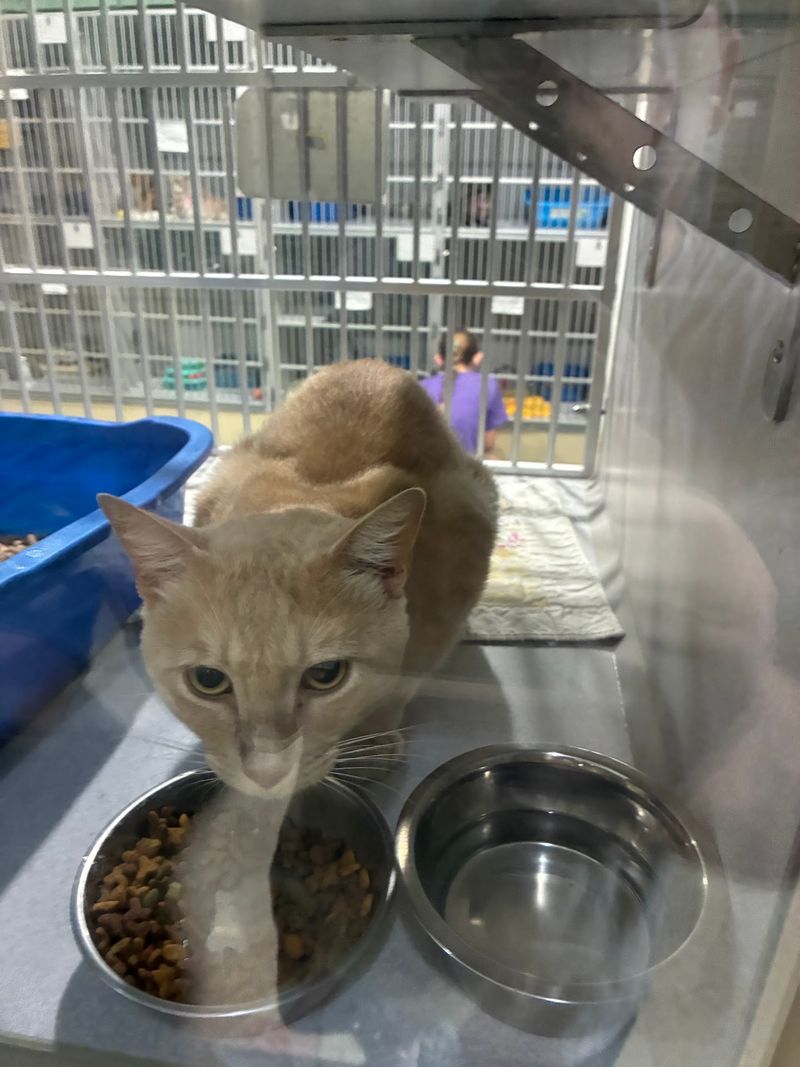
Inside, dogs, cats, and other animals wait for the families who will take them home.
Locals often call it MARL, a nickname you may spot on signs and paperwork. The league is an animal rescue service, which means its daily work covers intake, care, basic medical attention, and adoption.
It also serves as a resource for pet owners who need help with routine procedures.
Getting there is simple for most of Central Mississippi. Families already in Jackson can usually arrive after a short city drive, while those coming from Hattiesburg, Meridian, or the Delta should plan on a longer road trip, often between one and two hours depending on the starting point.
Why make the trip? For many Mississippi families, a shelter visit offers something rare: an outing that costs very little and still leaves everyone talking on the ride home.
Kids get to meet animals up close, and grown-ups get a clear look at how a community cares for its most vulnerable residents.
A Charter Dating Back To 1969
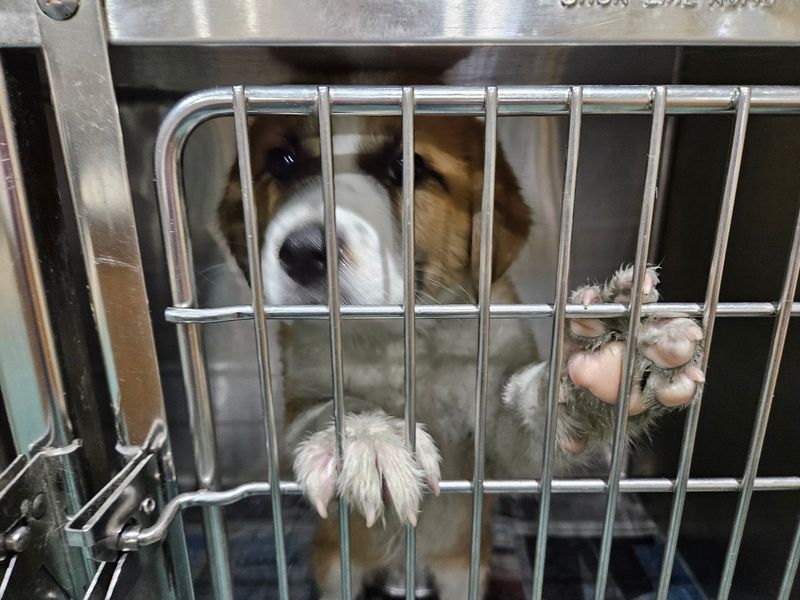
Picture Jackson in 1969, the year a group of Mississippians chartered a private nonprofit to look after animals no one else claimed. More than five and a half decades later, that same organization still opens its doors most days of the week.
Few animal welfare groups in the state can point to that kind of staying power.
The league operates as a 501(c)(3) nonprofit, and its founding mission has stayed remarkably steady. Humane treatment, advocacy, and responsible pet ownership remain at the heart of everything it does.
Those goals may sound simple, yet they shape each decision, from how animals are housed to how adopters are matched.
One key detail sets the shelter apart from many others: it runs on an open admission model. Every animal brought in is accepted, and none are turned away because of space limits.
That approach means the staff care for thousands of animals each year, providing essential care and basic medical attention to each one.
For grandparents who remember Jackson in earlier decades, the history adds a layer of nostalgia to the visit. Sharing that story with younger family members can turn a simple afternoon into a lesson about how long-term kindness grows when a community keeps showing up, year after year.
Community Dollars Behind Every Kennel
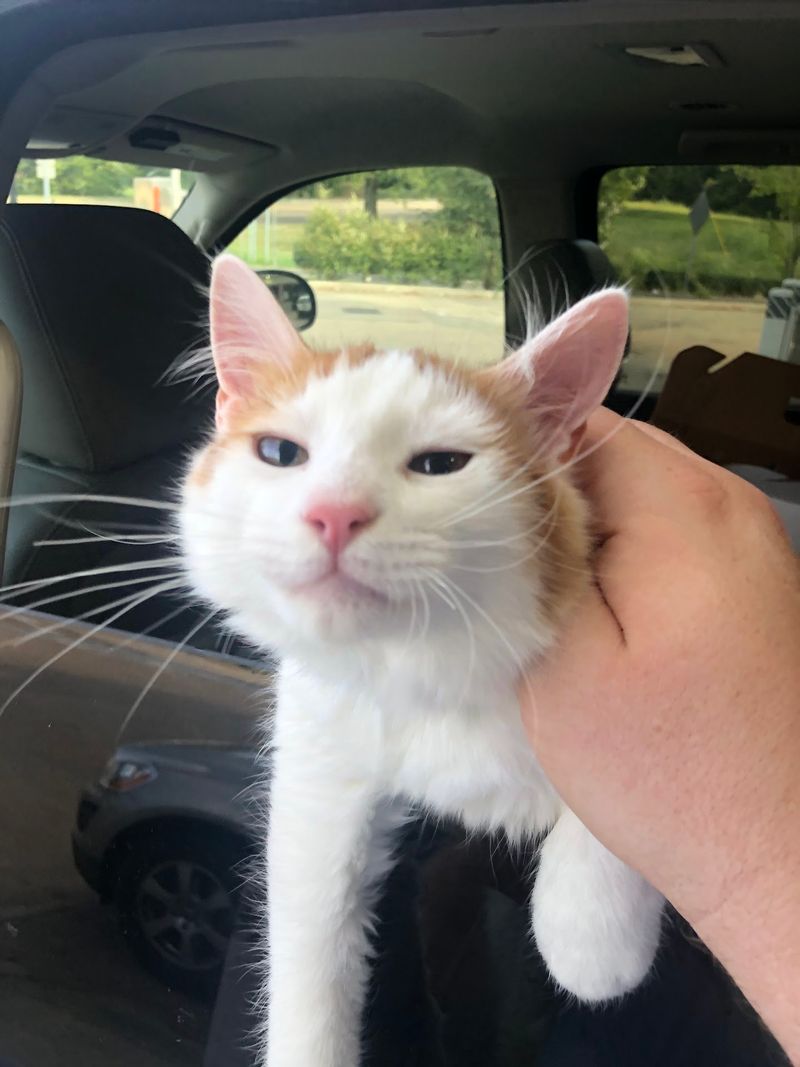
Here is a fact that surprises many first-time visitors: the league receives no general operating assistance from state or federal agencies. Food bowls, cleaning supplies, and medical care are paid for through community donations and fundraising.
In other words, neighbors keep the lights on.
That self-funded model explains why volunteers matter so much. Helpers can often be found walking dogs, socializing cats, and handling the endless loads of laundry a busy shelter produces.
Every towel folded and every kennel cleaned frees up staff for the animals who need more attention.
Contrast that with a large, government-backed facility, and the difference becomes clear. Here, a single bag of kibble or a stack of old bath towels can make a noticeable dent in daily needs.
Families who want to help do not need deep pockets to feel useful.
Pet food, cleaning products, and towels are among the items used constantly on site. A quick stop at a discount store before the visit can turn into a meaningful gift, and kids may enjoy picking out supplies themselves.
Handing over a donation in person tends to leave a lasting impression, especially when young helpers can see exactly where their contribution will go, right down to the next clean blanket in a cozy kennel.
Meet-And-Greet Rooms And An Unexpected Mix Of Animals
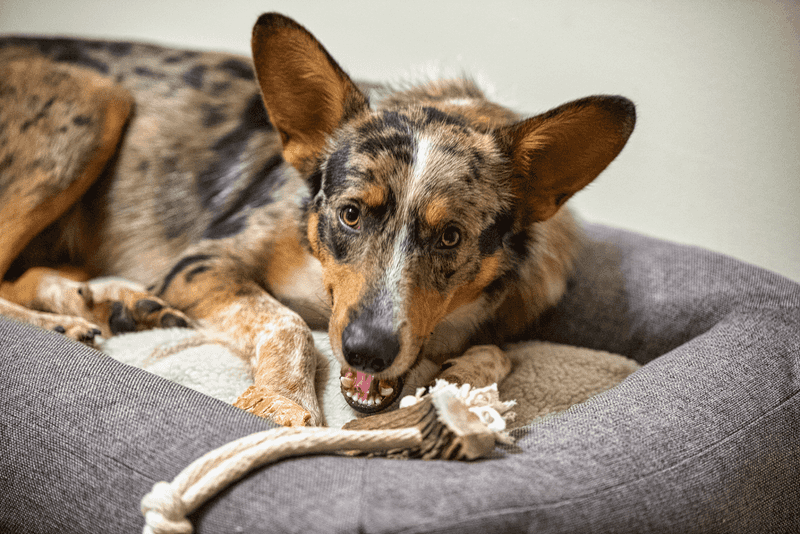
Ever walked into a shelter expecting only dogs and cats, then spotted a guinea pig? Visitors have mentioned seeing horses, rabbits, and guinea pigs at the league over time, alongside the usual lineup of puppies, kittens, and grown pets.
Availability changes constantly, so each trip can bring a different cast of characters.
Private visiting rooms are one of the most helpful features for families. Rather than trying to bond through kennel bars, adopters can sit with an animal one on one and get a real sense of its personality.
A quiet room gives a nervous cat time to relax and a bouncy puppy a chance to show off.
Many people come simply to pet and play, even without plans to adopt. For children, that time can be a gentle introduction to reading animal body language, such as a slow blink from a cat or a wagging tail from a dog.
Grandparents may prefer the calmer cat areas, where a purring lap is the main event.
Staff are frequently described as friendly and welcoming, and the facility is known for being kept clean. That tidy, caring setting helps make the visit comfortable for every age in the group.
Affordable Care For Pets Already At Home
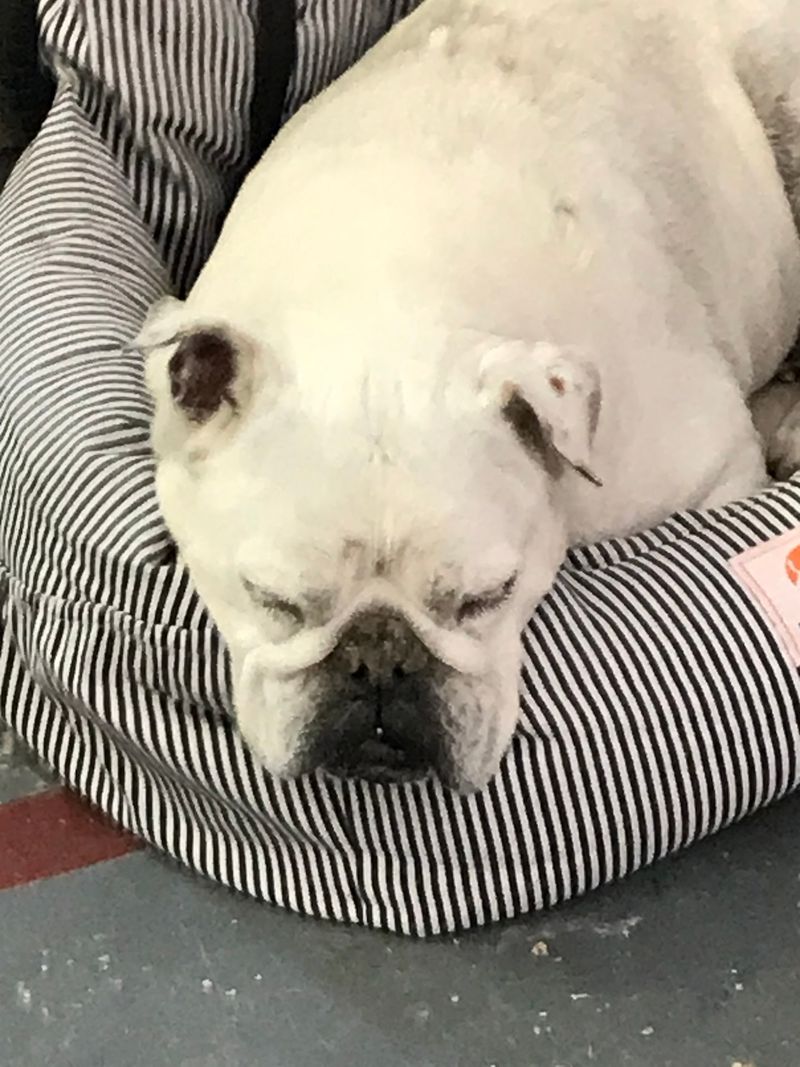
Adoption is only half the story. The league also helps pet owners with spay and neuter surgeries, and past clients have described receiving vaccinations, de-worming, flea treatment, and even microchipping during the same visit.
For households on a tight budget, that kind of help can make it possible to keep a pet they might otherwise struggle to afford.
A stray cat shows up on the porch, and suddenly a family has a decision to make. Discounted neutering services at the league have allowed some people in exactly that situation to give the newcomer a permanent spot at home.
Fixing pets also helps reduce the number of unwanted litters that end up in shelters across Mississippi.
Some procedures involve an overnight stay, and owners have mentioned feeling reassured that their animals were in careful, caring hands. Staff are often described as knowledgeable and patient when explaining each step of the process.
Pricing for these services is not listed here, since costs can change and depend on the animal and procedure. Families interested in scheduling care should contact the league directly during open hours to ask about current rates and availability.
Planning ahead is wise, because demand for low-cost surgery can be high and appointments may fill quickly.
What The $125 Adoption Fee Covers
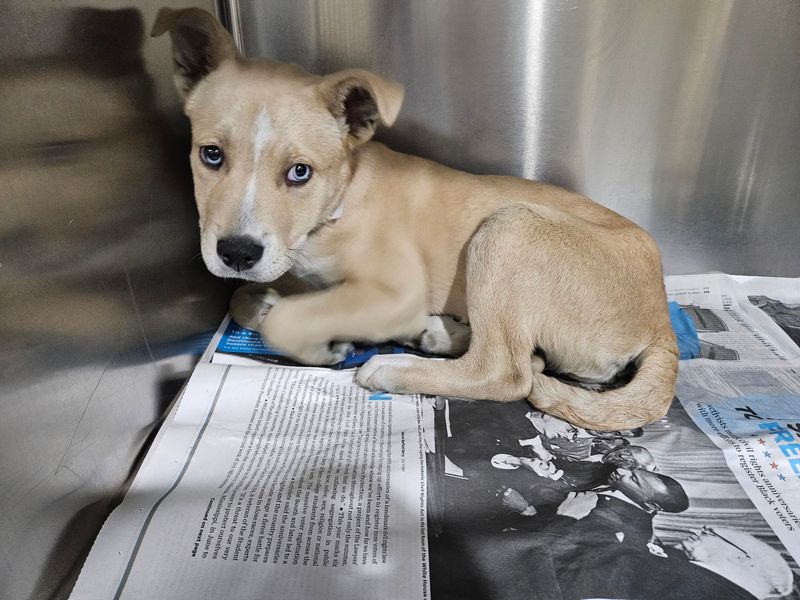
One hundred twenty-five dollars. That is the adoption fee for each animal, and it includes far more than a new best friend.
Initial vaccinations, de-worming, and spay or neuter surgery are all bundled into that price.
Cat and kitten adoptions come with a bonus: a pet tote to carry the newest family member home. Anyone who has tried to wrangle a squirming kitten into a cardboard box will appreciate that small touch.
It saves a last-minute trip to the store, too.
Compare that fee to paying for shots and surgery separately at a private clinic, and the value becomes easy to see. Many families may find the total cost lower than expected, which matters for Mississippi households watching every dollar.
The package means a pet arrives already on the path to good health.
Paperwork is straightforward but thorough. Adopters must be at least 21 years old and fill out an application that includes references.
Renters need to provide their landlord’s contact information so staff can confirm pets are allowed.
How long does the whole thing take? The adoption process typically wraps up within about an hour.
Bringing references, landlord details, and any records for current pets can help keep things moving smoothly on the big day.
Guidelines That Help Every Match Last
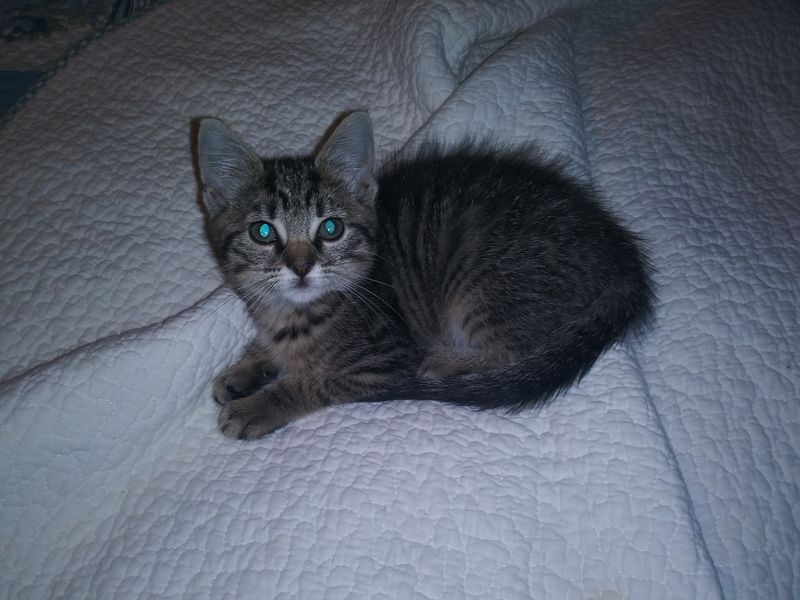
Good matches rarely happen by accident. The league follows a set of guidelines meant to protect both animals and people, and knowing them before arriving can save a family from disappointment at the front desk.
Households with children under six are advised to choose puppies or kittens that are at least four months old. Younger animals can be fragile, and little hands are still learning how to be gentle.
Waiting for a slightly older baby animal often leads to a smoother start for everyone.
Dogs weighing more than 25 pounds usually require a fenced yard. Some flexibility may exist for smaller indoor dogs when owners commit to regular leash walks.
Families living in neighborhoods without fences should talk openly with staff about their plans.
Cats adopted from the league are expected to stay indoors. Dogs are not adopted out for guard duty, since the goal is companionship rather than protection.
Should life circumstances change down the road, adopted animals must be returned to the league instead of being handed off elsewhere.
Staff may also ask about current pets, including veterinary records, so bringing that paperwork is a smart move. Taking these rules seriously shows respect for the animals and helps each new friendship begin on solid footing.
Hours, Midday Breaks, And Smart Timing
Timing makes a big difference here. The league is open Tuesday through Friday from 10 AM to 12 PM and again from 1 PM to 5 PM.
Saturday hours run from 10 AM to 12 PM and 1 PM to 4 PM, while Sundays and Mondays are closed.
Notice that hour-long gap at lunchtime? Arriving at 11:45 with a carload of eager kids could mean a quick visit followed by a wait, so aiming for a mid-morning or early afternoon arrival usually works better.
Saturdays can get busy, and weekday visits may feel calmer for families who can swing them.
Mississippi summers bring serious heat and humidity. Morning trips tend to be more comfortable for both visitors and animals, and packing water bottles is a good habit.
Cooler months make the shelter a pleasant stop for families looking for low-cost weekend plans.
Details on parking, stroller access, and wheelchair access are best confirmed with staff before visiting, especially for grandparents or anyone with mobility needs. A browsing visit is generally a budget-friendly outing, with gas and perhaps a bag of donated supplies as the main expenses.
Wearing closed-toe shoes and clothes that can handle a little fur is a practical choice.
A Gentle Lesson In Kindness For All Ages
Children learn a lot by watching. Seeing grown-ups speak softly to a scared puppy or carefully refill a water bowl can plant the seeds of empathy, a core idea behind humane education.
A shelter visit turns that lesson into something kids can see, hear, and touch.
Families do not have to adopt to make a difference. Organizing a supply drive at church, school, or a neighborhood gathering can gather pet food, towels, and cleaning supplies the league uses every single day.
Kids might decorate donation boxes or make simple signs, giving them a real role in the effort.
What about grandparents? Many enjoy the slower rhythm of sitting with a calm cat or telling stories about pets from their own childhood.
Those moments often become the part of the trip everyone remembers most.
For Mississippi families seeking an affordable outing with plenty of heart, the league offers a steady, practical way to connect with animals and community. Some visitors leave with a new pet and a fresh pet tote, while others head home with nothing more than fur on their sleeves and a plan to come back with supplies.
Either way, a homeless animal may be one step closer to its second chance.