
Fried Chicken Comes Out On Platters At This 1875 Country Store In Lorman, Mississippi
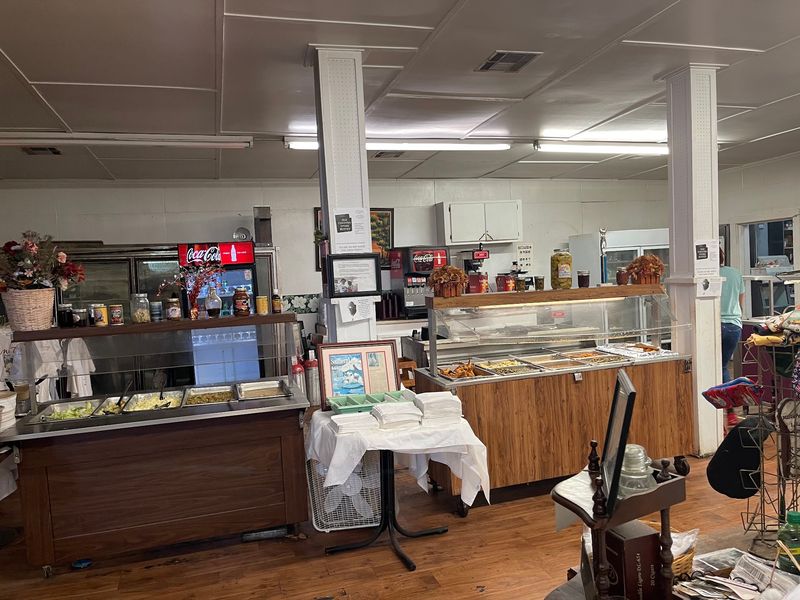
Driving a two-lane stretch of Mississippi highway with a rumbling stomach can lead you to some unexpected places. One of them looks like a weathered general store that time forgot, with a creaky porch and a faded soda sign out front.
Step inside, though, and you find a buffet line loaded with fried chicken, greens, cornbread, and cobbler, plus a man who might sing to you on your way out. It is the kind of stop that turns a plain Saturday drive into a story your family retells for years.
A Highway 61 Landmark in Jefferson County
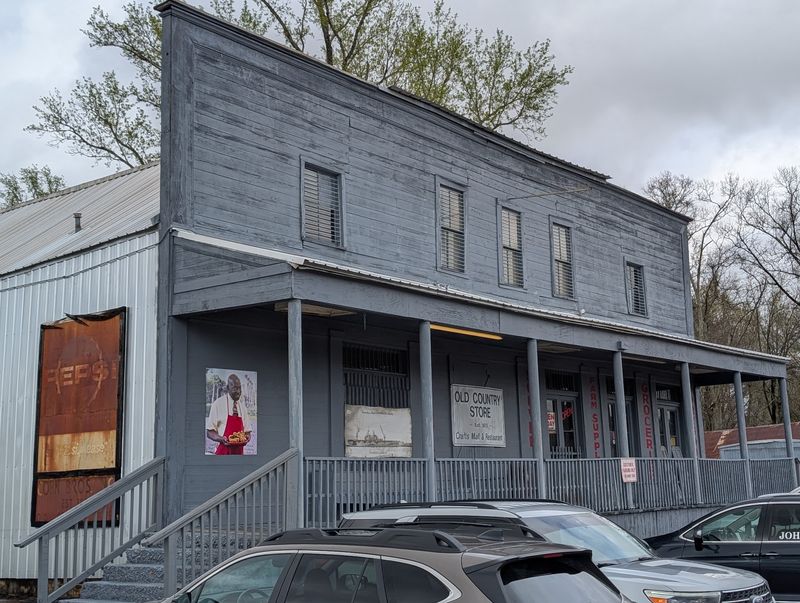
Roughly 70 miles southwest of Jackson, along U.S. Highway 61 in Jefferson County, sits a wooden building that has been standing since 1875.
The address is 18801 US-61, Lorman, MS, though Lorman itself is an unincorporated community rather than a proper town with a square and stoplights.
Blink while driving and you could sail right past it. Travelers regularly mention that if you did not already know the place existed, the low-slung storefront would register as just another old rural building.
Officially, Google lists it as a chicken restaurant, which undersells things a bit. The Old Country Store operates as a sit-down spot serving an all-you-can-eat Southern lunch buffet inside a former general store, with the fried chicken as the headliner.
The Natchez Trace Parkway runs nearby, which puts the building on a route plenty of Mississippi families already travel for scenic drives and history stops.
Hours run 10 a.m. to 4 p.m. daily, so it functions strictly as a lunch destination. Plan your day around the middle hours rather than hoping for supper.
From Cohn Brothers Store to Chicken Destination
Built in 1875, the structure began life as the Cohn Brothers Store, a general merchandise stop where area families bought whatever they could not grow or make themselves. That retail chapter ran a remarkably long stretch, continuing as a working country store until 1996.
Overlapping that final decade, Arthur Davis, known to nearly everyone as Mr. D, started cooking inside the building around the mid-1990s. Visitors note he has been frying chicken here for about thirty years now.
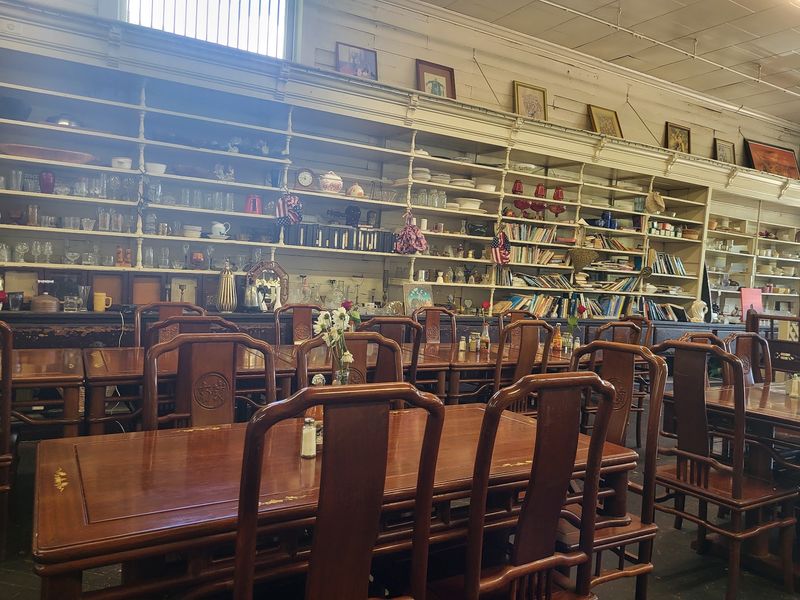
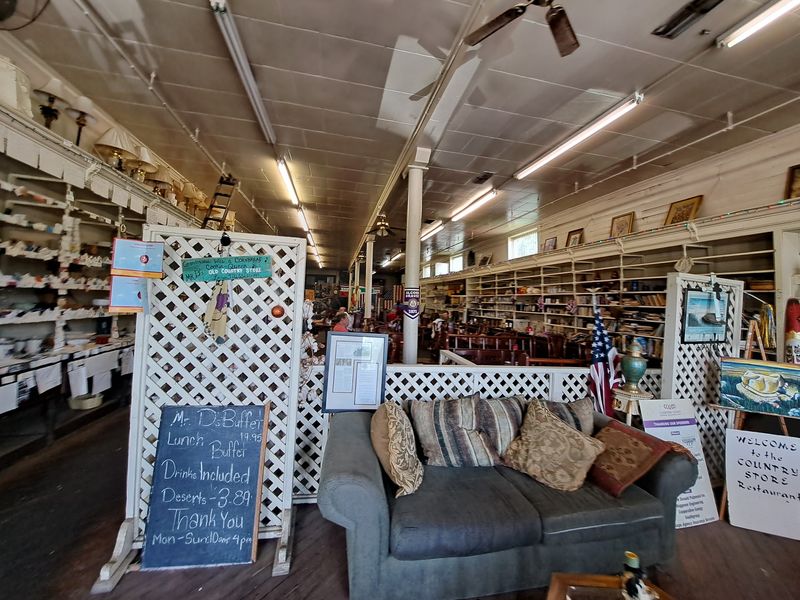
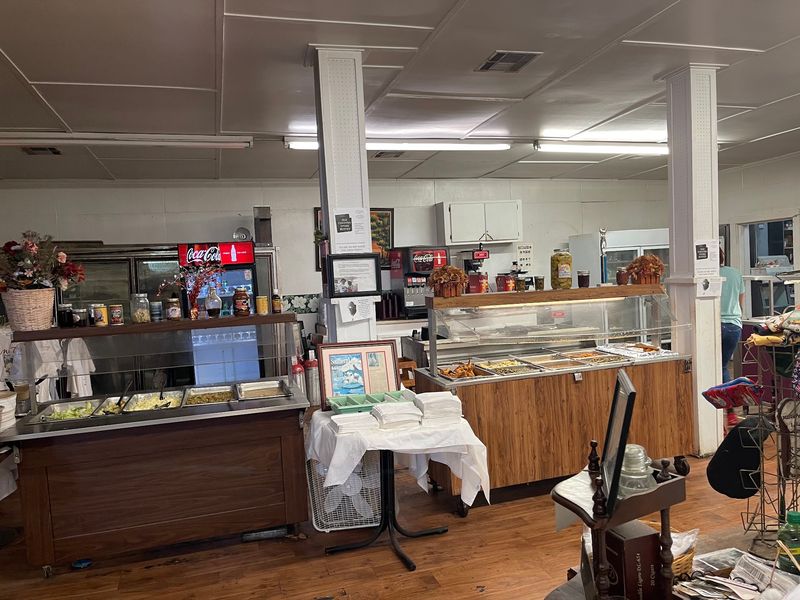
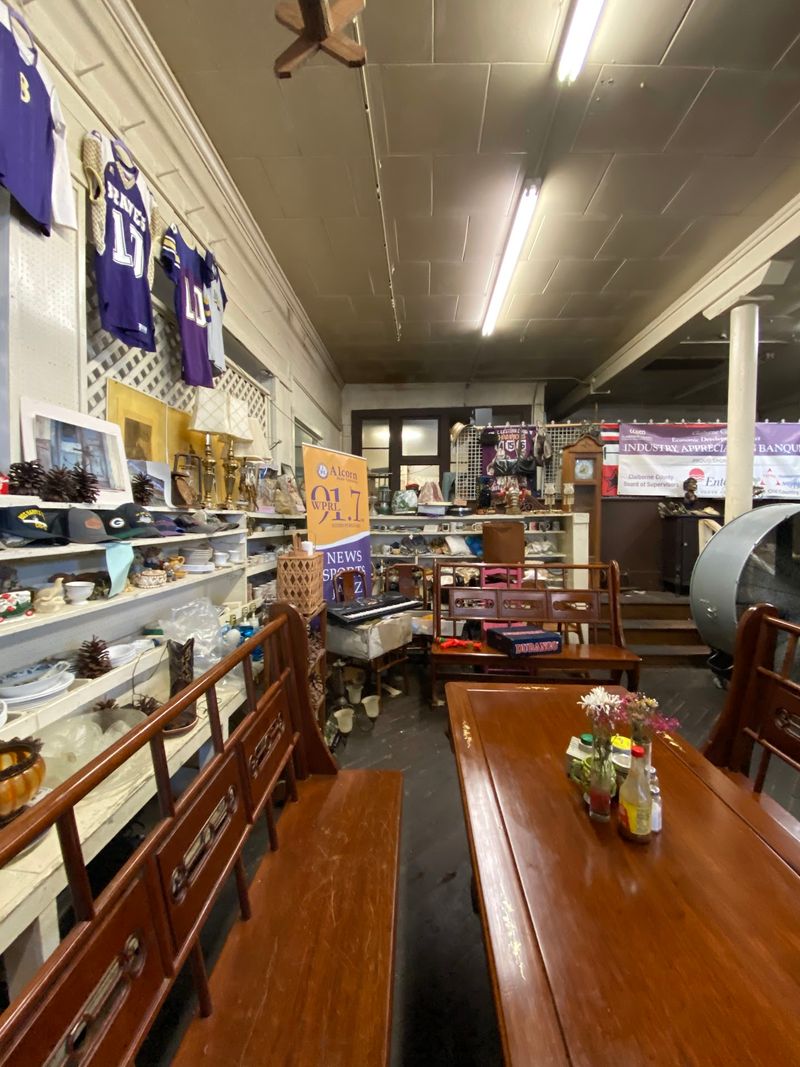
Rather than gutting the place, the restaurant simply moved into the bones of the old store. Original wood floors, a pressed tin ceiling, and shelves stacked with vintage goods all stayed put.
The recipe itself carries its own history. Mr. D has said he uses his grandmother’s family method, working with fresh chicken instead of frozen.
Guests have described him as saying he really cooks for himself and just lets everybody else enjoy the results, which is about as Mississippi a business plan as you will find. Nearly 150 years of continuous use gives the room a lived-in weight no new build can fake.
The Fried Chicken That Earns the Drive
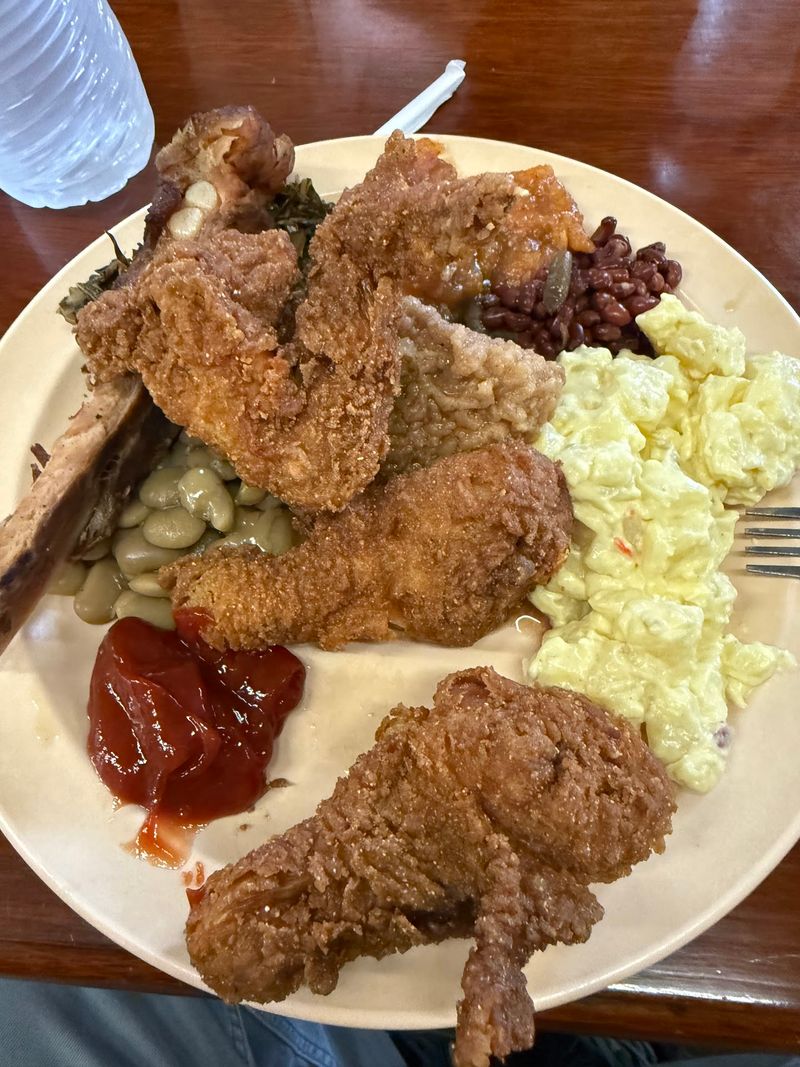
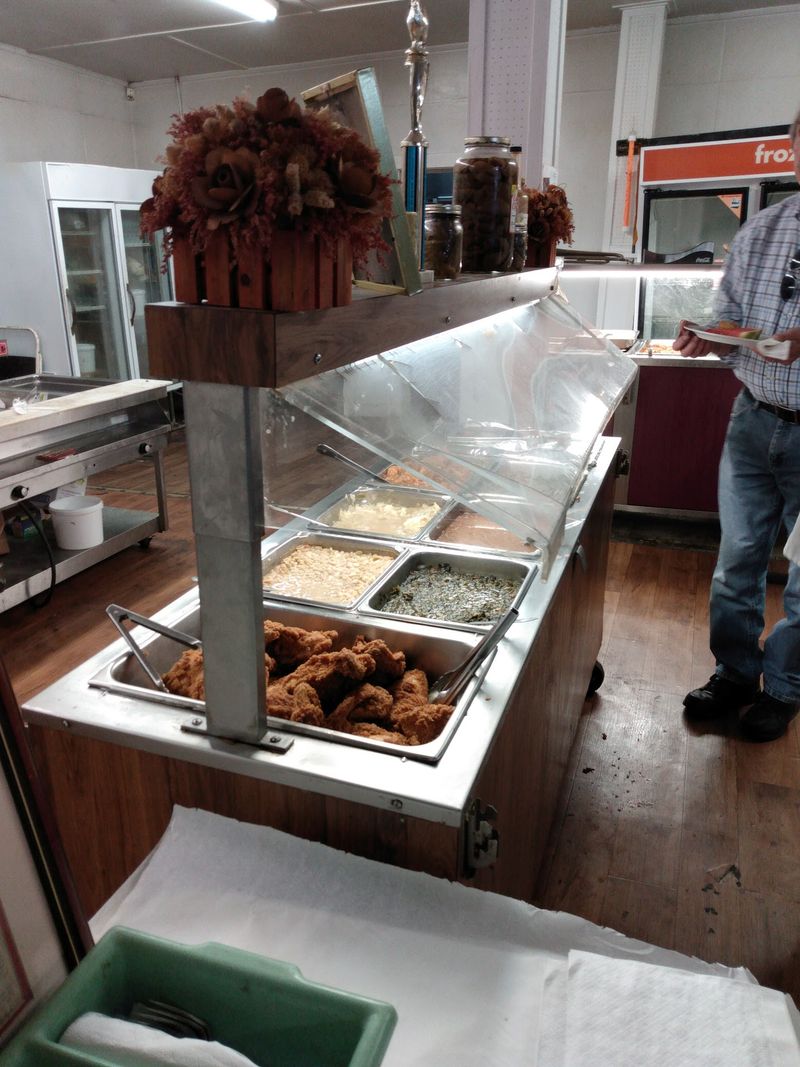
Crunch first, then juice. That is the order of operations regulars describe when a fresh platter lands, and fried chicken shows up in guest comments more than any other single item here by a wide margin.
Pieces tend to run larger than what you get at most buffets. Several diners compare the coating to a cracker-crumb crust, thin and shattering rather than thick and doughy, with meat that stays moist straight through.
Timing matters more than you might expect at a buffet. Longtime visitors advise watching for the call that fresh chicken is coming out, since a tray that has been sitting a while may lose some of its crackle even when the meat is still good.
Arriving near opening, around 10 or 11 a.m., tends to catch the earliest batches hot.
Not everyone crowns it the single best in the country, and a few have found it greasier than they hoped. Still, the volume of praise it draws explains why people routinely log two and three hour drives just to fill a plate.
What Fills the Rest of the Buffet Line
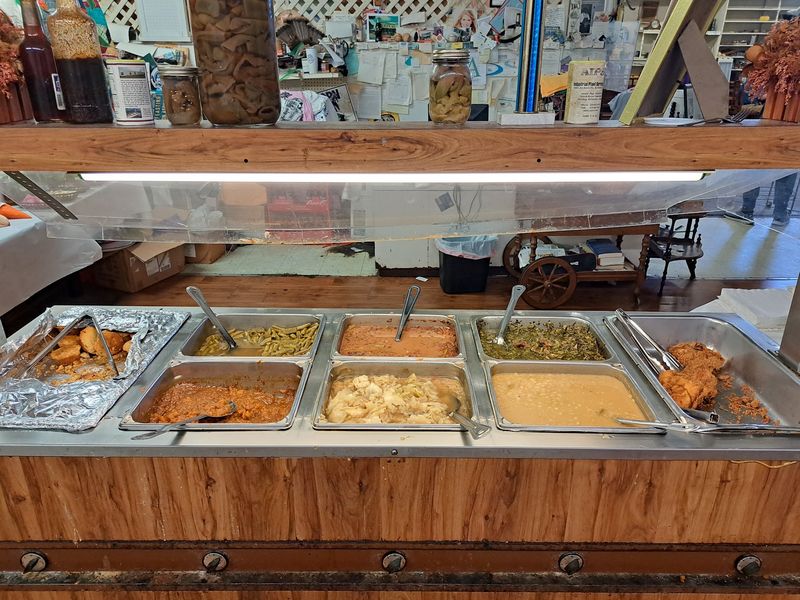
Chicken may get the headlines, but the spread behind it runs long. Expect collard, mustard, and turnip greens, field peas, black-eyed peas, macaroni and cheese, candied yams, okra and tomatoes, corn on the cob, dirty rice, and cornbread dressing.
There are usually additional meats in the rotation too, including ribs and pork chops. A salad bar covers the basics, and cold sides like potato salad, coleslaw, and cucumber and tomato salad give the plate some relief from all that richness.
Opinions on the sides vary honestly. Some diners rave about the yams, the seasoned vegetables, and the cornbread dressing, while others describe the supporting cast as solid but expected buffet fare.
Cornbread earns frequent mentions, though a few guests have found it on the drier side.
What most people agree on is variety. You are not choosing between three vegetables, and picky eaters in a family group usually find several familiar things they will actually eat, which counts for a lot on a multi-generation outing.
Go slowly on the first pass. The line is longer than it looks.
Cobbler, Ice Cream, and the Case for Saving Room
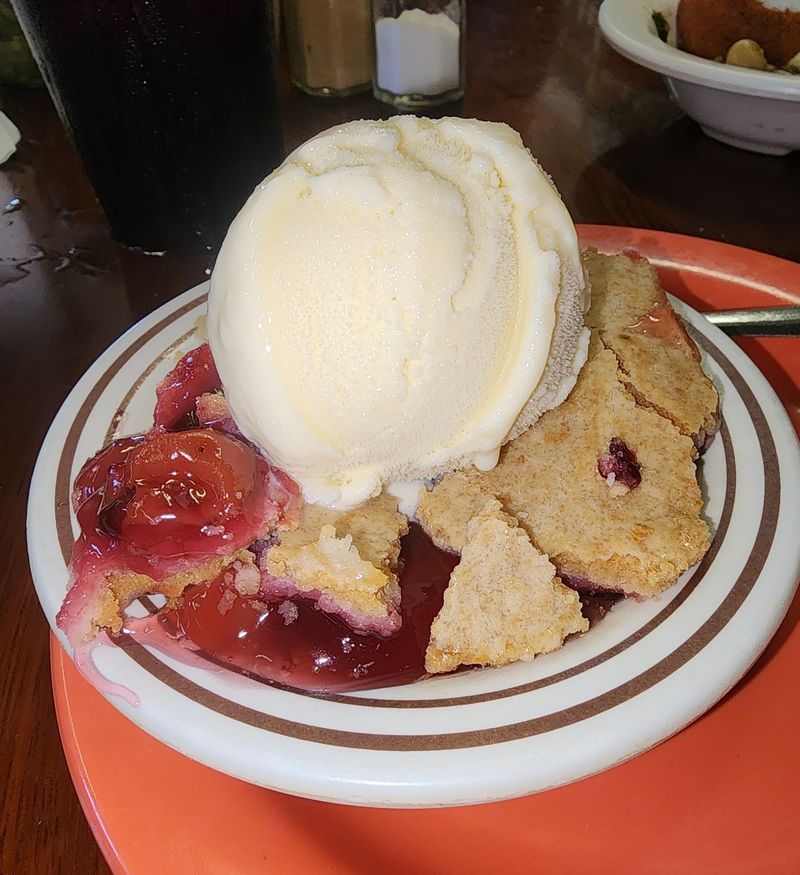
Dessert here has a small but devoted following, and peach cobbler leads the pack. Scooped warm and crowned with vanilla ice cream, it shows up again and again in visitor comments as the thing they did not expect to love as much as they did.
Blackberry cobbler makes appearances as well, and homemade cobblers in general rotate through the dessert end of the buffet.
Here is the strategy veterans pass along: get your cobbler early, or at least plan for it. When you are working through platters of fried chicken and five kinds of vegetables, dessert space disappears fast, and more than one diner has admitted eating until it nearly hurt.
Because dessert is included with the all-you-can-eat setup, there is no separate decision to make about whether it fits the budget.
Kids tend to gravitate straight to the ice cream, which makes the cobbler an easy sell for the adults hoping for five more quiet minutes at the table.
Fruit fillings can vary by day, so what appears may depend on when you visit.
Mr. D and the Gospel Serenade
Plenty of restaurants have a signature dish. Fewer have a proprietor who sings gospel to you while you settle up at the counter.
Arthur Davis, universally called Mr. D, is as much a part of the experience as the chicken. Guests describe him as warm and full of character, someone who will offer a bit of hard-earned wisdom, break into song, and generally make a table of strangers feel like invited company.
He is not there every single day, so treat a serenade as a bonus rather than a guarantee. Diners who have visited on days he was away still describe the staff as friendly and the atmosphere as unchanged, which says something about how the culture here has taken root.
Friendly service comes up constantly in visitor comments, second only to the chicken itself.
For families, that hospitality smooths over the inevitable spilled drink or restless six-year-old. Nobody here seems bothered by a little noise at the table.
Mr. D’s decades behind the fryer have made him a genuine Mississippi personality, and meeting him tends to be the memory that sticks.
Wash Your Hands Before You Sit Down
A house rule greets you before the food does: if you are eating the buffet, you wash your hands first. Staff ask politely, and the request catches newcomers off guard in the best way.
Far from being a nuisance, it has become one of the most fondly remembered quirks of the place. Diners bring it up unprompted, often with real affection, because it signals that somebody is paying attention.
Parents especially appreciate it. Getting children to wash up before a meal usually requires negotiation, and here the restaurant handles that conversation for you, no arguing required.
It also fits the old-fashioned character of the building. Country stores ran on unspoken rules and community expectations, and this one carries a small echo of that.
Think of it as the first step in a sequence: wash, grab a plate, scan the line, then commit.
Small rituals like this are part of why people describe the visit as an experience rather than just a meal. You remember the hand washing years later, usually while laughing about it.
Shelves, Signs, and Salvaged Curiosities
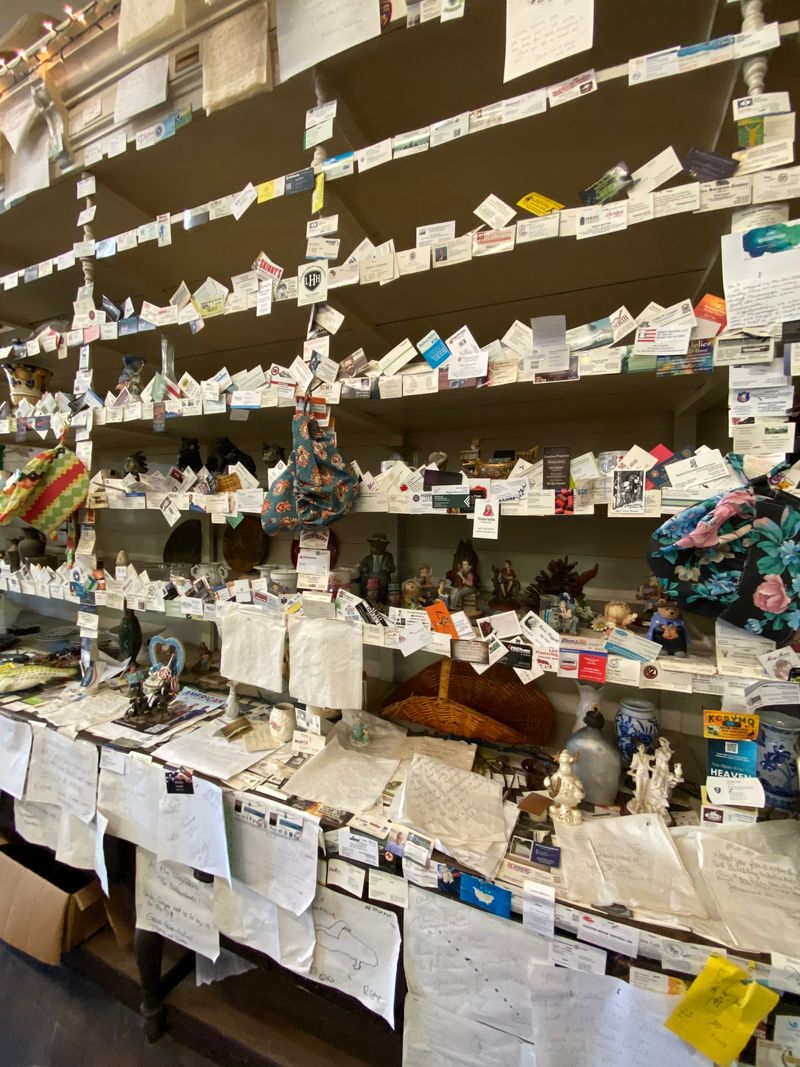
Every wall and shelf has something on it. Old tins, glass bottles, hand-painted signs, farm tools, faded advertisements, and business cards pinned up by travelers from all over crowd the room in layers.
Visitors have compared browsing it to wandering an old Mississippi estate sale, the kind where you keep spotting something you missed on the first look. A few describe the effect as cluttered, and that is fair, but the density is precisely the appeal for most people.
The dining area itself reads as large and airy despite all the stuff, with the pressed tin ceiling overhead and original plank floors underfoot.
For kids, the collectibles do real work. A child who normally squirms through a long lunch has a hundred odd objects to study, and the building doubles as a low-key history lesson about how rural Mississippi shopped before supermarkets.
An ancient soda sign out front sets the tone before you even open the door.
Bring a camera. The textures in here photograph beautifully, and the storefront makes a fine family picture stop.
Television Cameras and Magazine Pages
National attention found this building without anybody chasing it. Food Network personality Alton Brown featured the fried chicken on The Best Thing I Ever Ate, putting a Jefferson County buffet in front of a coast-to-coast audience.
Southern Living Magazine has covered it too, and the place has picked up the informal nickname of being quietly world famous, a phrase repeat guests like to use.
That recognition explains the out-of-state license plates you may spot in the gravel lot. People plan detours around this stop, sometimes driving three hours each way specifically for lunch.
Fame cuts both ways, of course. A handful of visitors arrive with expectations set impossibly high and leave thinking the food was good rather than transcendent, which is a common fate for any spot that gets crowned on television.
What has not changed is the operation itself. There is no expanded franchise, no slick redesign, no gift shop bolted onto the side.
The building looks and works about the way it did before the cameras showed up, which is arguably the most impressive part of the whole story.
Drive Times From Around Mississippi
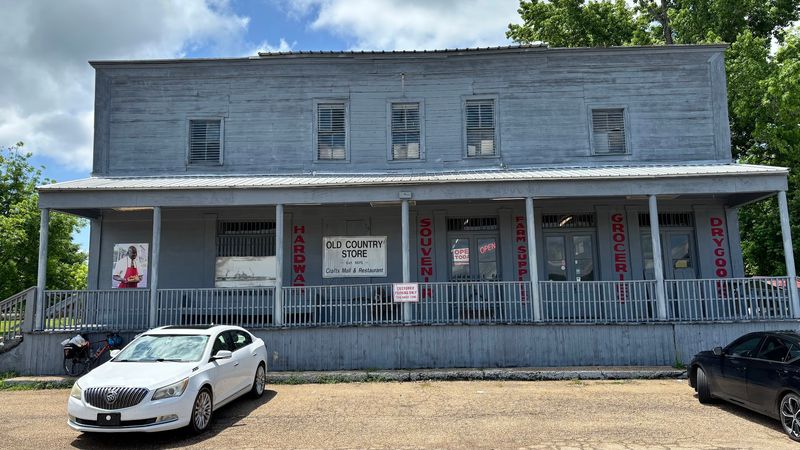
Figure on a road trip rather than a quick errand. From Jackson, the drive runs roughly an hour and forty minutes, covering about 70 miles southwest.
Vicksburg sits closest of the larger towns, around 50 minutes and 41 miles away, which makes it an easy add-on to a day spent along the river.
From Meridian, expect something in the range of two and a quarter to two and three quarter hours. Hattiesburg families may need two and a half to three hours, and anyone coming from Tupelo should plan on four hours or more each way.
Those northern trips really work best paired with an overnight or folded into a larger Natchez Trace itinerary.
Since the kitchen closes at 4 p.m. every day, the clock matters. Leaving early gives you cushion for the drive and a better shot at fresh chicken.
Parking is not a concern. There is room in front of the store, and cars typically spread out around the building on busier days, so a family vehicle fits without any maneuvering stress.
Cost, Appetite, and Getting Your Money’s Worth
Value here depends almost entirely on how hungry you show up. Listed pricing falls in the $20 to $30 range per person, and diners have reported totals around $23 covering the buffet, a soft drink, and dessert.
Big eaters tend to call it an excellent deal, since unlimited fried chicken, a full line of sides, and cobbler all sit under one price. Lighter appetites sometimes feel differently, and a few guests have questioned whether the number works for someone who eats one modest plate.
That is worth weighing before you load the whole family into the car. A table of teenagers will clean up on the math; a table of nibblers may not.
Children often eat free or reduced at buffets, though specifics can vary, so ask when you arrive rather than assuming.
One practical note: because everything is included, there are no surprise add-ons at the end. You know roughly what the day costs before you ever pick up a plate, which makes budgeting a Saturday outing straightforward.
Come hungry is the advice locals repeat most often, and they mean it literally.
Who Should Point the Car Toward Lorman
Honest expectations make this trip land better. Rated 4.2 stars across a few hundred reviews, the buffet draws plenty of enthusiasm and a smaller share of shrugs, usually from folks who arrived expecting a miracle instead of a meal.
Travelers who love old buildings, family recipes, and places that have not been polished for tourists will find a lot to enjoy. So will multi-generation groups, since a grandmother and a first grader can both find plenty on the line and neither will feel out of place.
Anyone bothered by clutter, worn surfaces, or the particular musty smell that comes with a building this old should know that going in. A few visitors mention it plainly.
For everyone else, the combination is hard to replicate: an 1875 store, a cook working from his grandmother’s recipe, gospel singing at the register, and platters of chicken coming out hot.
Aim for a weekday late morning if you want smaller crowds and the freshest batches. Then take the slow road home and let everybody nap.