
This Quiet Tennessee State Park Preserves The Remains Of A Town Lost To The River
What happens to a town when the river changes everything? In Tennessee, one quiet state park keeps that question close, preserving traces of a community whose story was reshaped by water, war, and time.
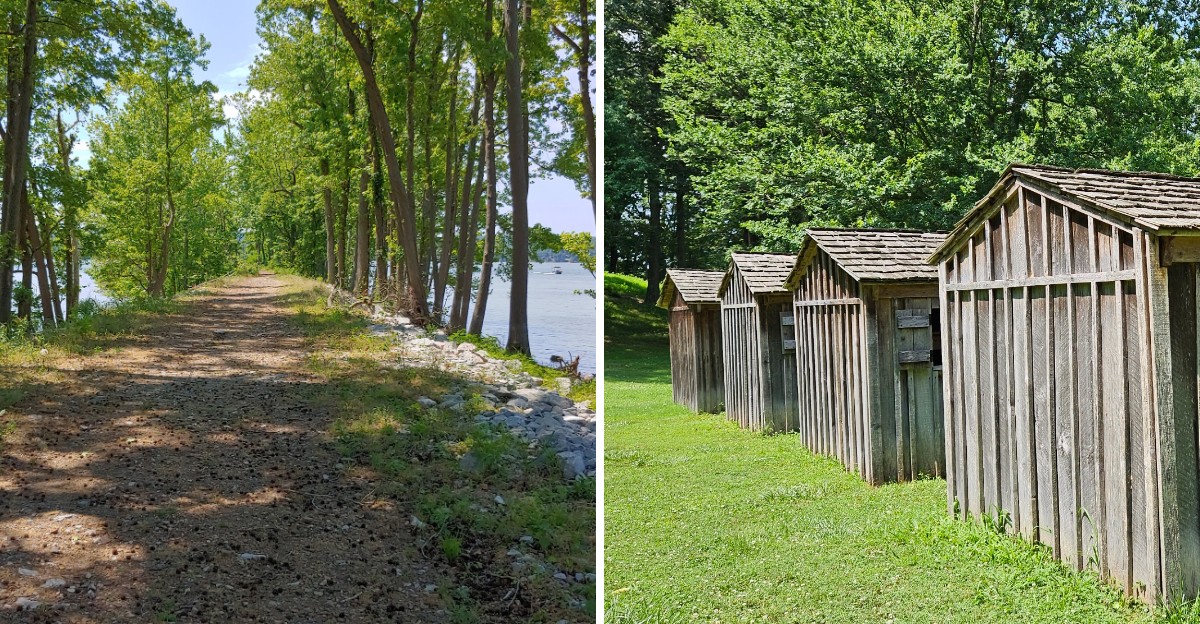
Today, the setting feels peaceful. Trails pass through wooded areas, the river moves steadily nearby, and historic remains sit quietly in the landscape.
But the ground here once held far more activity, with homes, businesses, transportation routes, and military importance tied to the old town.
That contrast gives the park its power. You are not looking at a fully restored village or a museum street frozen behind glass.
You are standing where pieces of the past still survive outdoors, with the river beside them as a constant reminder of what changed.
Tennessee has many historic parks, but this one feels especially haunting because the town itself is gone while parts of its story remain.
A Wartime Town Built In A Hurry
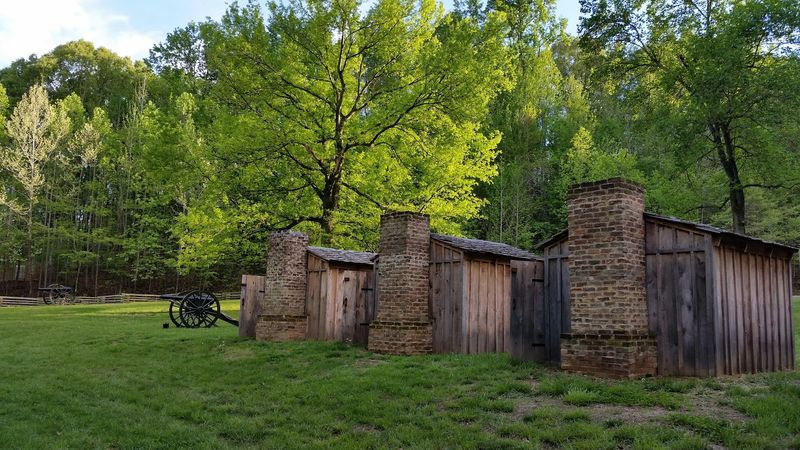
Some towns grow slowly over a hundred years. Johnsonville did it almost overnight.
During the Civil War, the Union Army needed a fast way to move supplies, and this riverbank became the answer.
The town took its name from Andrew Johnson, who was the Military Governor of Tennessee at the time. He later became President of the United States. That is a pretty impressive name tag for a brand new river town.
Here is how the system worked. Steamboats carried supplies up the Tennessee River to the depot.
From there, goods were loaded onto trains that rolled east toward Nashville. The railroad linked the river to the Union armies further along the line.
Think of it like a giant shipping center, only with steam engines instead of delivery trucks. Warehouses, docks, and rail cars kept the whole place humming day and night.
Soldiers guarded the depot closely because it mattered so much. That importance made it useful, but it also made it a target.
Anyone who wanted to slow the Union Army had a good reason to aim for this spot.
Knowing this backstory helps everything else at the park make sense. When you later see earthworks or old rail beds, you will understand why they were built. Every piece fits into this busy wartime puzzle.
The Day Cavalry Beat The Boats
History has plenty of surprises, but November 4, 1864 might top the list. On that day, Confederate Major General Nathan Bedford Forrest led a bold raid on the Johnsonville depot.
His troops were mostly cavalry, which means soldiers who usually fought on horseback.
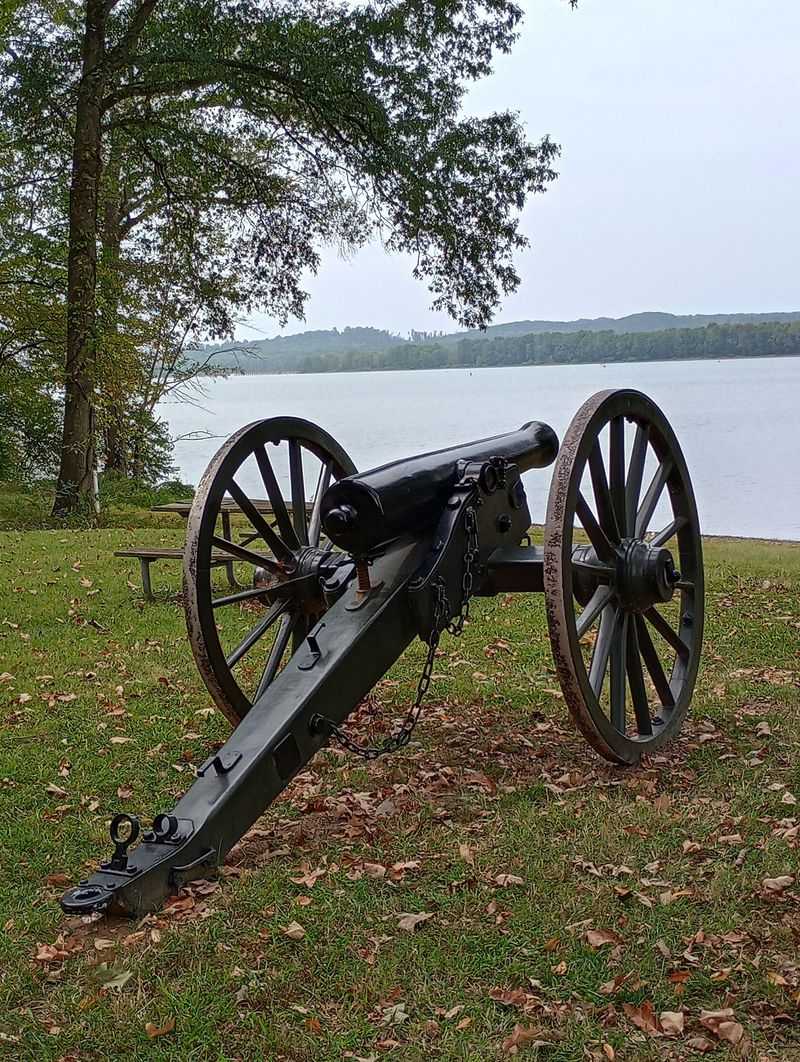
Horses cannot exactly swim out and battle a gunboat. So Forrest placed cannons along the opposite riverbank, carefully hidden and aimed.
When the firing began, Union boats and supplies were caught by surprise.
The results were dramatic. Confederate artillery damaged or sank gunboats, steamboats, and barges full of goods.
Union forces even set fire to some of their own vessels to keep them from being captured.
The river and the depot glowed with flames that day. Historians still point to the Battle of Johnsonville as one of the rare times cavalry defeated a naval force.
That is the kind of fact that makes trivia night a lot more fun.
Today you can stand on the Union side and gaze across the water. The land on the far bank is now home to Nathan Bedford Forrest State Park.
Seeing both sides at once helps you imagine how close the two forces really were.
Bring binoculars if you have them. The view across the river tells the story better than any textbook drawing.
How Kentucky Lake Swallowed Old Johnsonville
Most towns disappear slowly. Johnsonville got a lake poured over it. After the war, the town kept going for decades as a river and rail transfer point.
Life was not always easy, though. Floods came often and made steady growth hard. The river that built the town also kept testing it.
Then came a much bigger change. The Tennessee Valley Authority, known as TVA, began building dams along the Tennessee River.
Their goal was to control flooding and create power for the region.
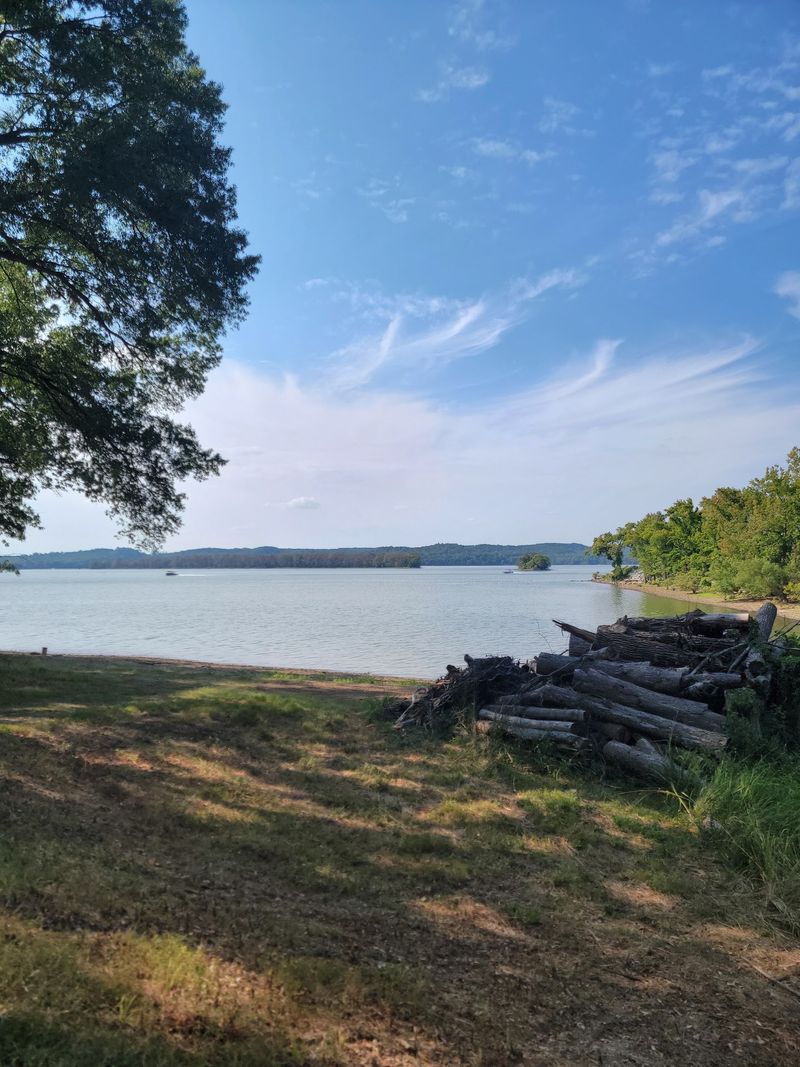
In 1944, the rising waters of Kentucky Lake covered much of the original town. Homes, shops, and streets slipped quietly out of sight.
The lake that formed is still one of the largest in the eastern United States.
People did not vanish with their town. Many moved to higher ground nearby. Their new community became New Johnsonville, which is still there today.
So when you look out over the calm water, remember what lies below. A whole chapter of Tennessee life rests under those gentle waves. The lake is peaceful now, but it holds a real story.
This is the heart of what makes the park so special. It protects the pieces of the old town that stayed above water. Those remains are like the last pages of a book the river tried to keep.
Finding The Park On The Riverbank
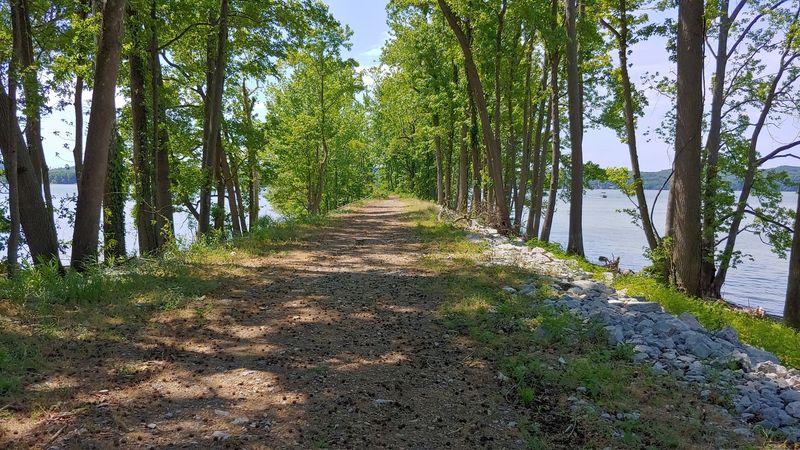
Good news for planners: getting there is simple. Johnsonville State Historic Park sits at 90 Nell Beard Rd, New Johnsonville, TN 37134.
It is close to Highway 70, right where the road meets the Tennessee River.
The park became a state historic site in 1971. It covers about 1,075 acres, which is plenty of room to roam. That is roughly the size of more than 800 football fields.
It works as a day-use park, so there is no overnight camping. Hours run from 8 a.m. to 4:30 p.m., seven days a week. Arriving early gives you the coolest air and the quietest trails.
One helpful tip is to follow the signs to the main entrance. Some map apps may point toward an older entrance road. Using the park website or calling ahead can save you a little detour.
Staff can answer questions about trails, events, and current conditions. They are a great resource before you head out.
Pack water, snacks, and good walking shoes. Bug spray is smart too, especially in warm months when ticks like the grassy spots. A little planning makes a long, happy day on the riverbank much easier.
Start Smart At The Visitor Center
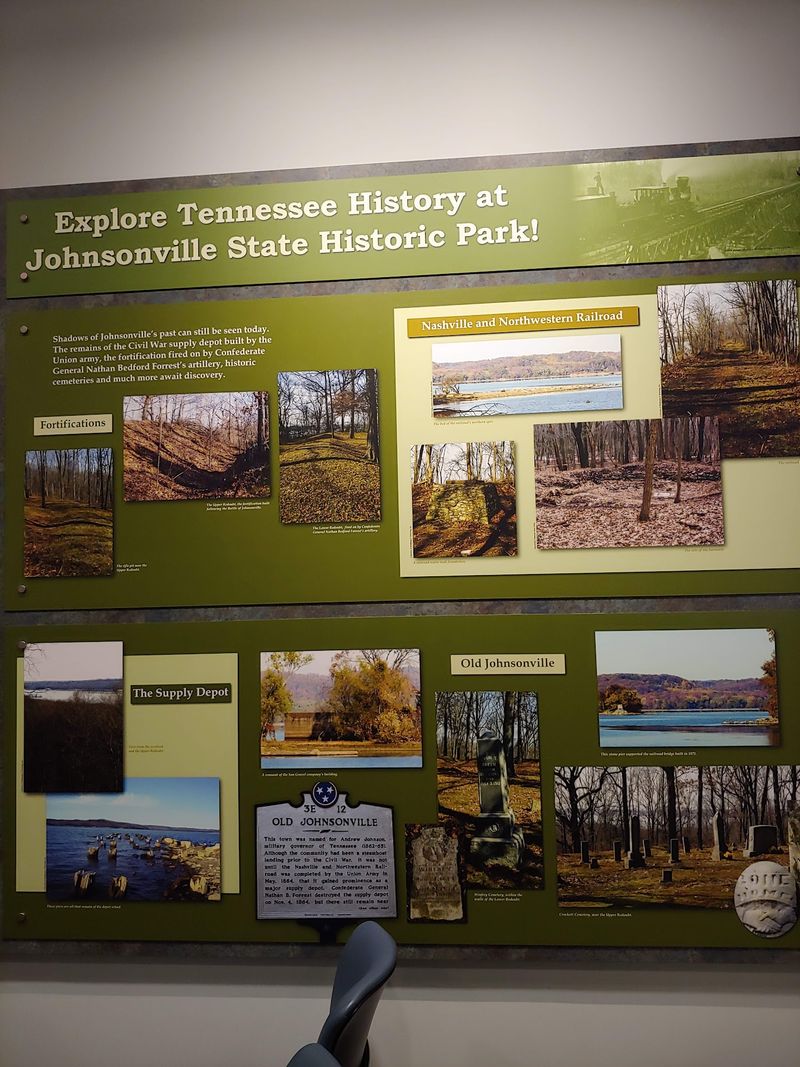
Every good adventure needs a map, and this one comes with a museum. The Visitor Center is the best first stop at Johnsonville State Historic Park.
It turns scattered clues into one clear story.
Inside, exhibits explain how the depot worked and why the battle mattered. Displays and artifacts show daily life for soldiers and townspeople.
You will also learn about the United States Colored Troops who helped defend the depot.
A theater plays a film about the history of the area. It covers the rise of the town and its eighty or so years before the lake arrived. Grab a seat and let the story roll before you hit the trails.
Why start here? Because the outdoor sites make more sense once you know what they were. A mound of earth looks like a hill until someone tells you it was a fort.
Rangers are usually on hand to help. They can suggest routes based on your time and energy. Ask about trail colors, since the paths are marked by color on the park map.
Pick up a brochure and map before leaving. They will guide you to the redoubts, rail bed, and cemeteries. Think of this building as your launch pad into the past.
Trails That Lead Straight Into 1864
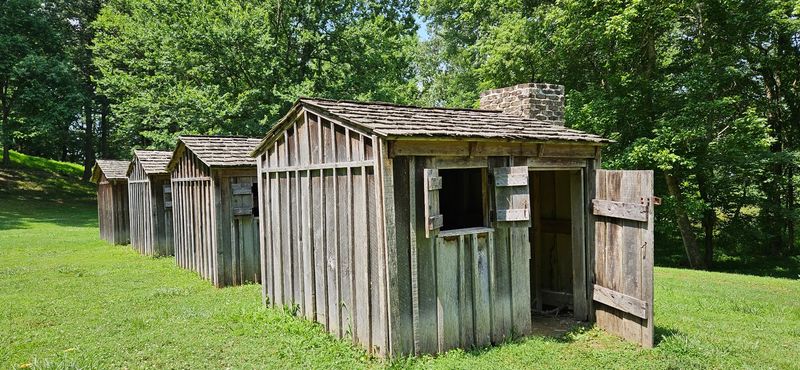
Hiking boots meet history books on these paths. The park has around ten miles of trails winding through the old depot grounds. Each loop brings you to a different piece of the story.
The biggest stars are the earthworks. The upper and lower redoubts once protected the Union depot. Time has softened their edges, but their shapes still stand out on the land.
Walking around them, you can picture soldiers keeping watch over the river. Cannons on display help complete the scene.
Signs along the way share details about what stood here.
Keep your eyes open for the old railroad bed too. It was part of the line that carried supplies toward Nashville. Now it is a quiet path lined with trees instead of steam engines.
You will also pass historic cemeteries, including the African Methodist Cemetery. These are peaceful spots that deserve calm voices and careful steps.
They remind us that real families once lived and worshiped in this community.
Trails are color coded, so match them to your map. Some are short and easy, while others take a bit more time.
Choose one or two and enjoy them slowly rather than rushing through all ten miles.
River Views, Eagles, And Picnic Tables
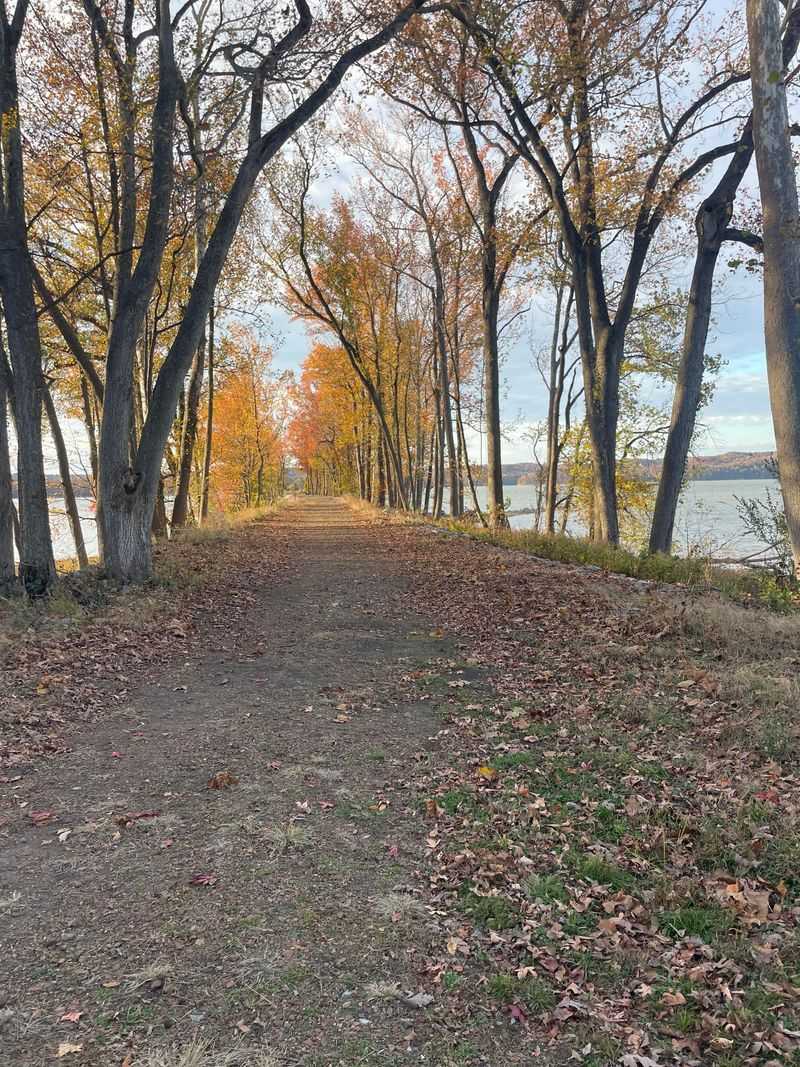
Not every treasure here is buried in history. Some of them have feathers. The riverbank setting makes Johnsonville State Historic Park a fine place for birdwatching.
Look up and you might see bald eagles, ospreys, or hawks gliding over the water. Songbirds flit through the trees along the trails. Early morning is often the liveliest time for bird activity.
The views across the Tennessee River are wide and calm. You can spot stone pillars rising from the water, remains tied to the old river crossing.
They are one of the most striking reminders of what once stood here.
Picnic areas and benches dot the grounds. Bring a lunch and settle in with a view that stretches for miles. It is hard to find a better dining room than a quiet river shore.
Fishing from the bank is another popular way to spend the afternoon. Just check Tennessee fishing license rules before you cast a line. Anglers of every age can enjoy the peaceful pace.
Leashed dogs are welcome on the trails too. That makes this a happy stop for four-legged hikers. Pack a water bowl and a tick check, and everyone goes home content.
Cannon Fire At The Anniversary Event
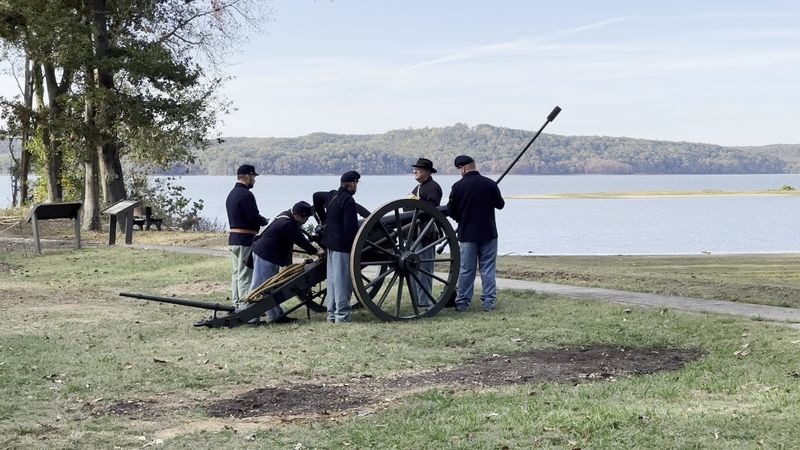
Nothing wakes up history quite like a booming cannon. Each year in early November, the park hosts a Battle of Johnsonville anniversary event. It marks the famous clash of November 4, 1864.
Living history programs bring the past into the present. Reenactors dress in period clothing and demonstrate life from the era. Cannon firings are often a crowd favorite, so cover your ears and enjoy the rumble.
These events make great family outings. Kids who yawn at textbooks tend to perk up fast when a cannon roars.
Questions start flowing, and learning suddenly feels like fun.
Rangers also lead interpretive programs at other times of year. Topics can include the depot, the battle, and the people who lived here.
Check the Tennessee State Parks website for the current schedule.
The park offers volunteer opportunities as well. Helping with trails or events is a rewarding way to give back. It also gives you a behind the scenes look at how the site is cared for.
By the end of your day, the lost town will feel a little less lost. Johnsonville State Historic Park keeps its memory alive in the forts, the trails, and the stories.
The river took the streets, but it could not take the history.