
Rescued Monkeys And Lemurs Live Out Their Golden Years At This Mississippi Gulf Coast Primate Sanctuary
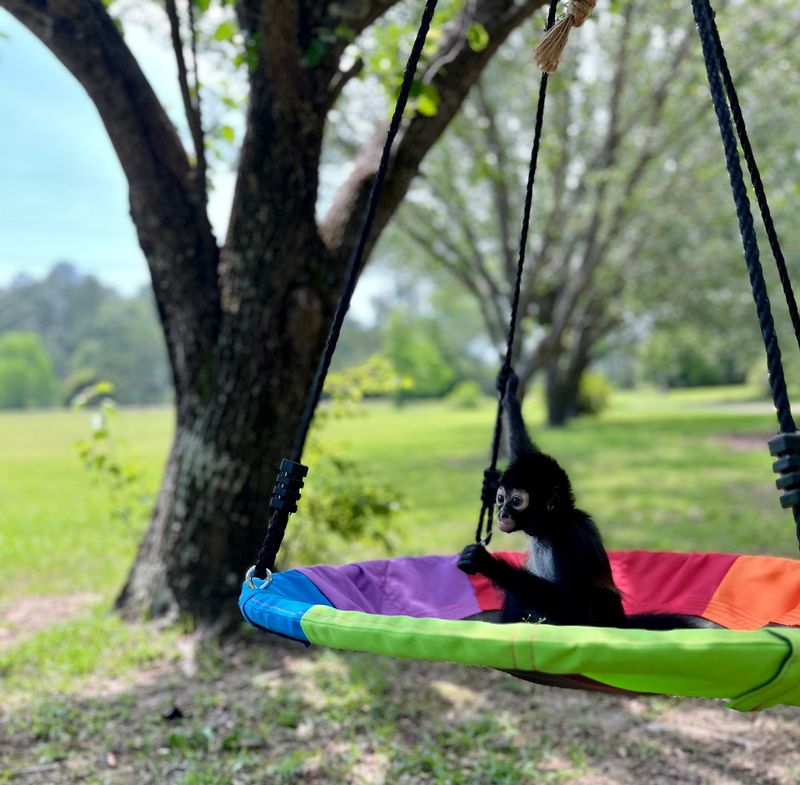
A dirt road in south Mississippi is the last place I expected to meet a spider monkey with opinions about grapes. Yet past the tall pines, a small rescue gives retired monkeys and other tree-loving animals a calm, caring home for the rest of their lives.
Families can learn how these animals ended up needing help and why their stories matter. What started as a simple Saturday drive turned into the kind of day kids keep talking about for weeks.
A Pine Country Refuge For Retired Primates
Pull off the main highway in Stone County, and the Gulf Coast bustle fades fast. Roughly 30 miles north of the beaches, tall pines and quiet back roads frame a small nonprofit with a very specific job.
Gulf Coast Primate Sanctuary gives rescued monkeys a safe, steady home for the rest of their lives.
Officially, the sanctuary is a USDA-licensed animal protection organization based in Perkinston, a rural community in south Mississippi. Its focus falls mainly on New World monkeys, the tree-dwelling species native to Central and South America, along with other arboreal mammals that need specialized care.
Many arrive after years of living in situations that simply did not suit a wild animal.
What makes the place stand out is its purpose. It is not a zoo, a petting farm, or a roadside attraction built around quick photos.
Every decision, from enclosure design to visitor rules, starts with what the animals need to feel secure.
For Mississippi families, that difference matters. A trip here can feel less like sightseeing and more like being welcomed into an extended family, one with tails, sharp eyes, and strong opinions about grapes.
The rest of this guide covers the story, the setting, and how to plan a visit.
The Family Behind The Sanctuary
Every rescue has a starting point, and here it traces back to one determined woman. April Stewart founded the sanctuary and has shaped it into a carefully planned, long-term commitment to primate welfare.
Guests who meet her often come away talking about how clearly the animals’ happiness sits at the top of her list.
She does not carry the load alone. Her husband, Sheriff Todd Stewart, supports the work, and a small circle of volunteers helps with the daily routines that primate care demands.
Feeding, cleaning, enrichment, and veterinary coordination add up to a schedule that never really takes a holiday.
Why does that matter to a visitor? Small, family-run operations tend to have a personal feel that larger facilities struggle to match.
Staff members know each monkey by name, understand who gets along with whom, and can explain the quirks that make each animal an individual.
Picture kitchen-table hospitality stretched across 15 wooded acres, and you get close to the mood. Nothing about it feels corporate or polished for show.
It feels like a family that decided years ago to open its gates, its time, and its hearts to animals that needed a place to land.
Former Pets, Performers, And Lab Retirees
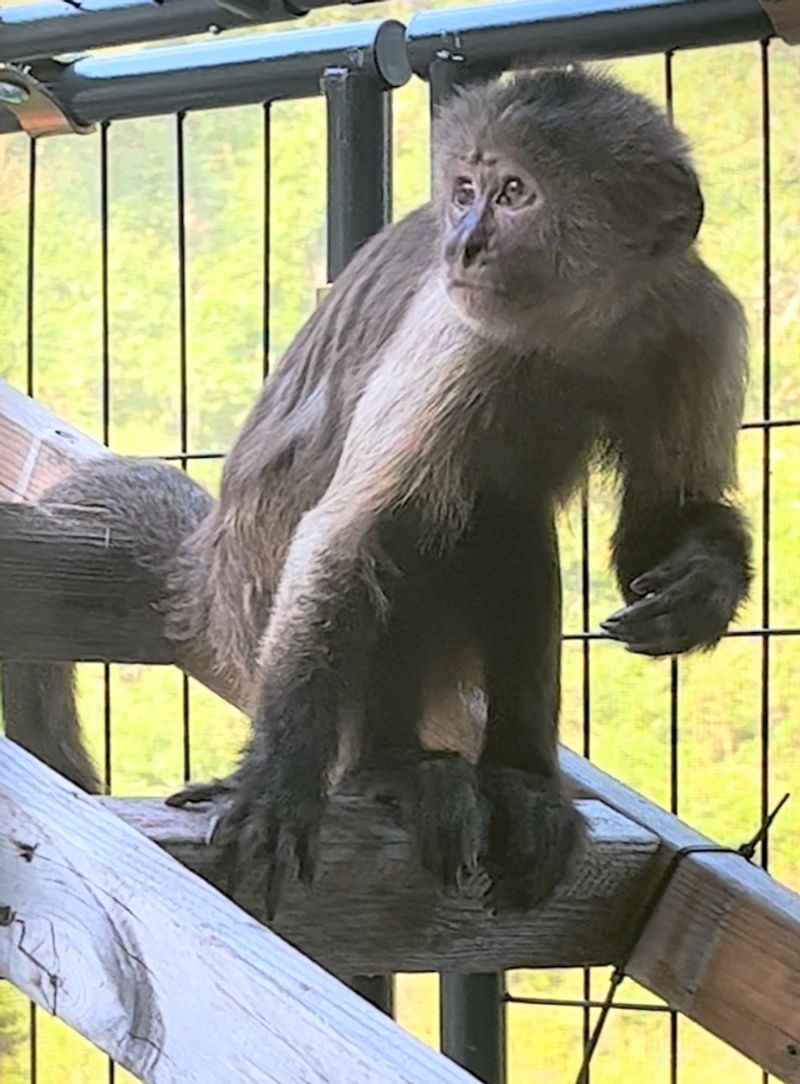
Monkeys rarely make good pets, no matter how cute they look as babies. As they grow, they become strong, clever, and socially complex, and many owners discover they cannot meet those needs at home.
A number of the sanctuary’s residents started life exactly that way, as surrendered household pets.
Others followed different paths. Some are retirees from the entertainment industry, animals that once worked in shows or on sets and later needed a quieter chapter.
Others came from laboratory settings, and some were confiscated by authorities from situations that were not safe or legal.
Fact for the curious: many primates can live for decades, so taking one in is a lifelong promise rather than a short-term fix. That is why the sanctuary describes its care as permanent.
Once an animal arrives, it stays, and the goal becomes stability, dignity, and a chance to simply be a monkey.
For kids, these backstories can spark great conversations on the drive home. Why shouldn’t people keep monkeys as pets?
What does an animal need to feel happy? Hearing real stories from people who care for these animals every day tends to make those lessons stick far better than a textbook ever could.
Fifteen Acres Of Climbing Room
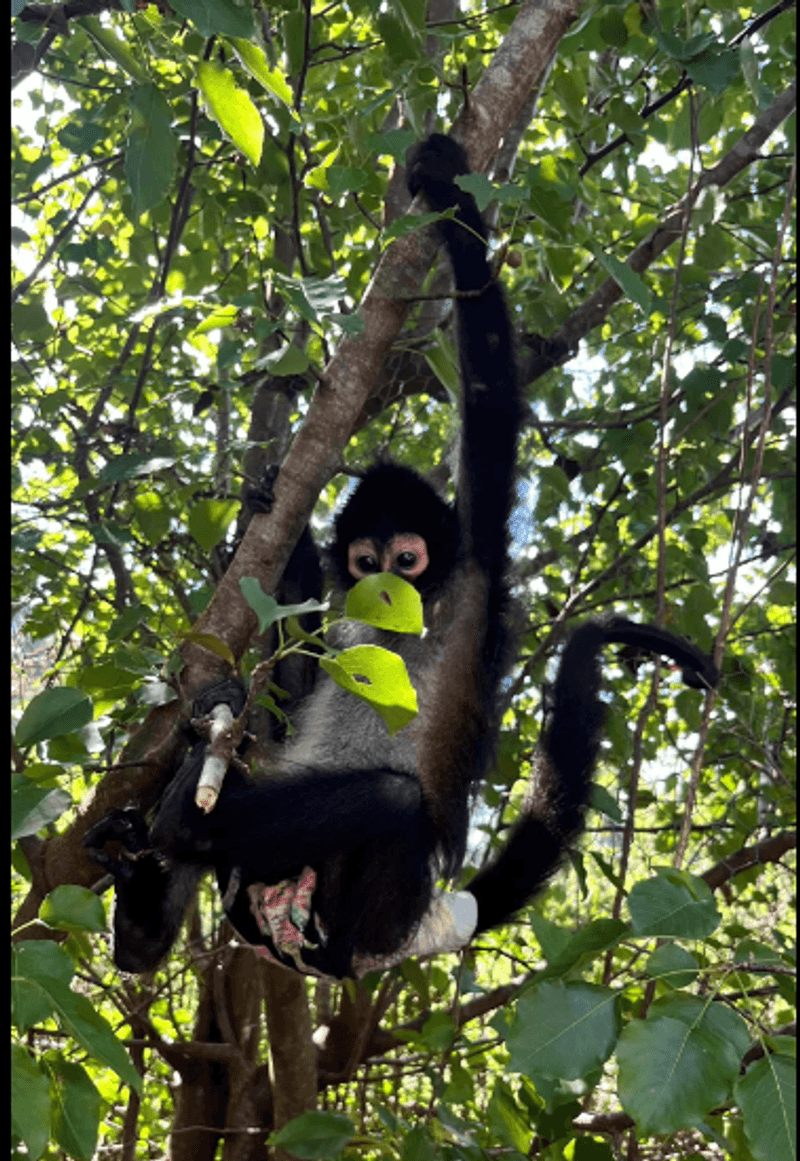
Space is the first thing a primate needs, and the sanctuary has plenty of it. The property covers about 15 acres of wooded south Mississippi land, and the habitats were designed with climbing, swinging, and exploring in mind.
Tree-dwelling animals spend much of their lives off the ground, so height matters as much as floor space.
Each enclosure pairs an air-conditioned indoor area with a roomy outdoor section. On a sticky August afternoon, residents can retreat to cool shelter, then head back out when the evening breeze arrives.
During mild spring and fall days, the outdoor spaces often become the center of the action.
Imagine ropes, platforms, and perches arranged so a monkey can travel, rest, and watch the world from above. The layout aims to echo the natural environments these species would know in the wild, which supports both physical health and emotional recovery.
Enrichment keeps curious minds busy, too.
Families walking the grounds may notice how the pine setting blends with the habitats. Birdsong, rustling branches, and the occasional excited chatter from a troop create a soundtrack no recording could match.
It is a peaceful, green corner of Stone County that feels far removed from traffic and screens.
Troop Life And Learning To Belong
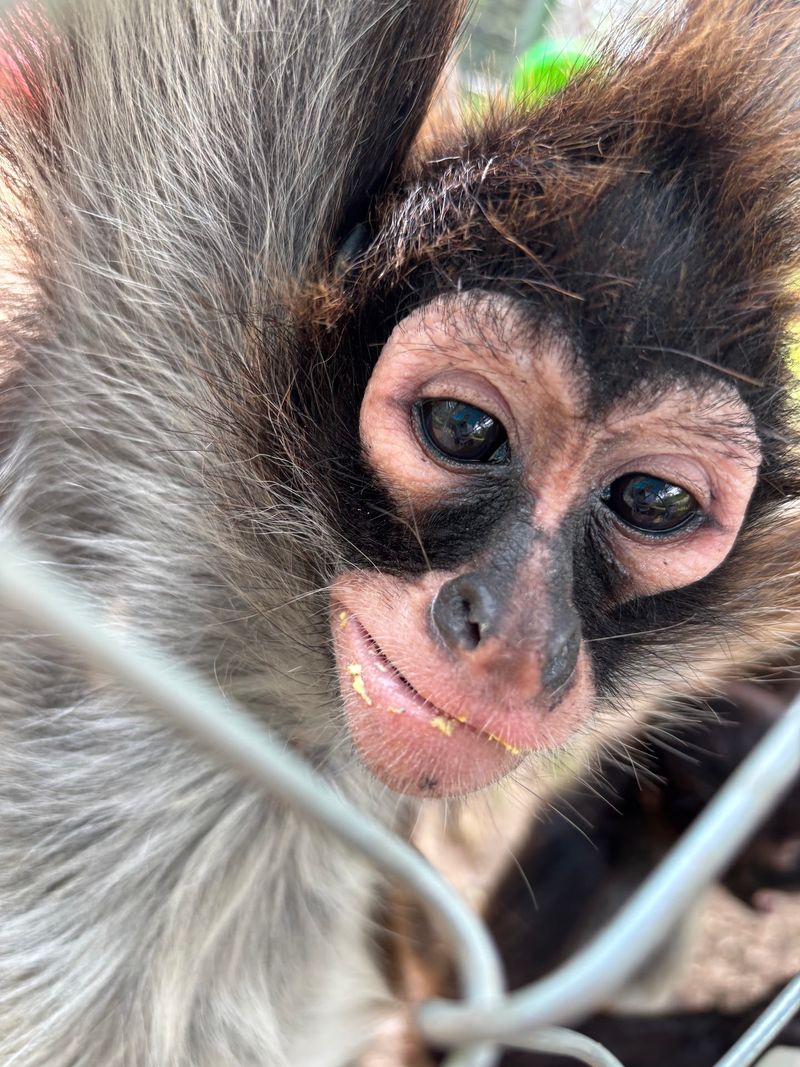
Put two monkeys together without planning, and things can go sideways quickly. Primates live by social rules, with friendships, rivalries, and pecking orders that shift over time.
A big part of the sanctuary’s work involves socialization, helping each newcomer find its place in a suitable group.
Staff build troops carefully, watching personalities and relationships so the animals can live as naturally as possible. A former pet raised around people may need time to learn monkey manners.
A retired performer might need patience before trusting others of its own kind.
Visitors often notice the results right away. Residents show off curious, playful, and sometimes bossy behavior, the kind of confident attitude that signals an animal feels at home.
Guides can point out who grooms whom, who leads the group, and which pals prefer to stick together.
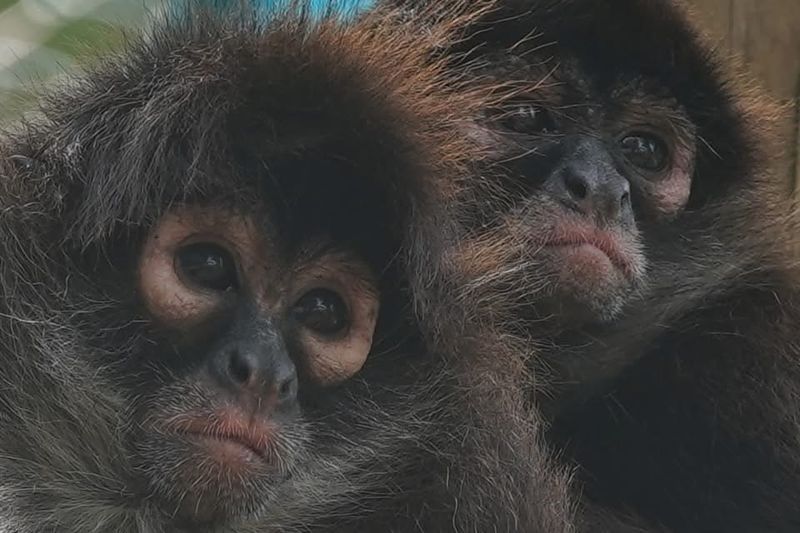
Here is a fun detail for young animal lovers: grooming is more than hygiene for primates. Picking through a buddy’s fur helps build trust and calm tension, a bit like a hug or a friendly chat among people.
Spotting these small moments turns a walk past the habitats into a lesson in friendship that kids can actually see happening.
Spider Monkeys And Other Resident Personalities
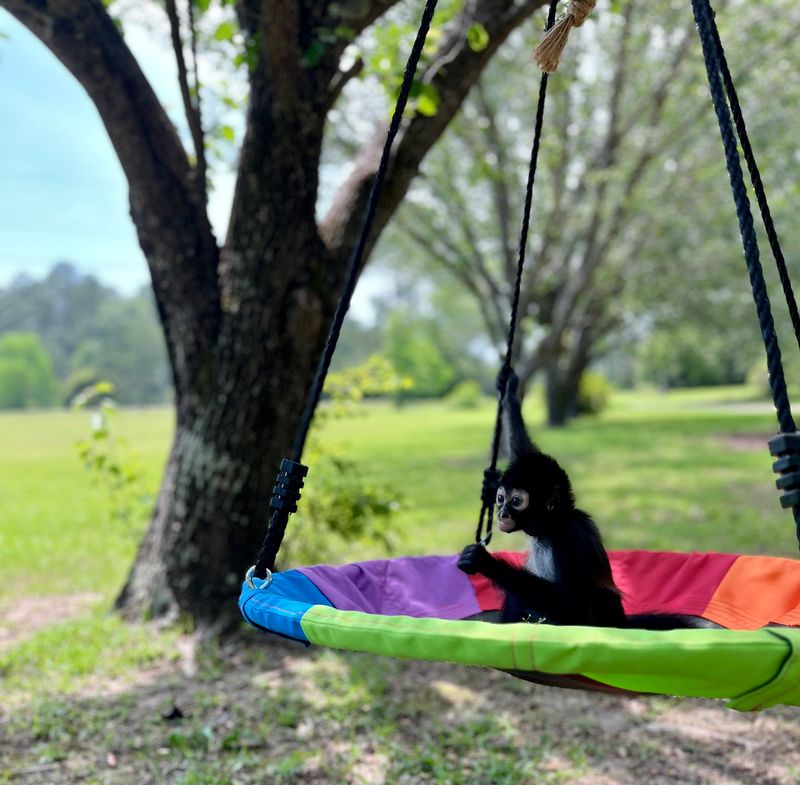
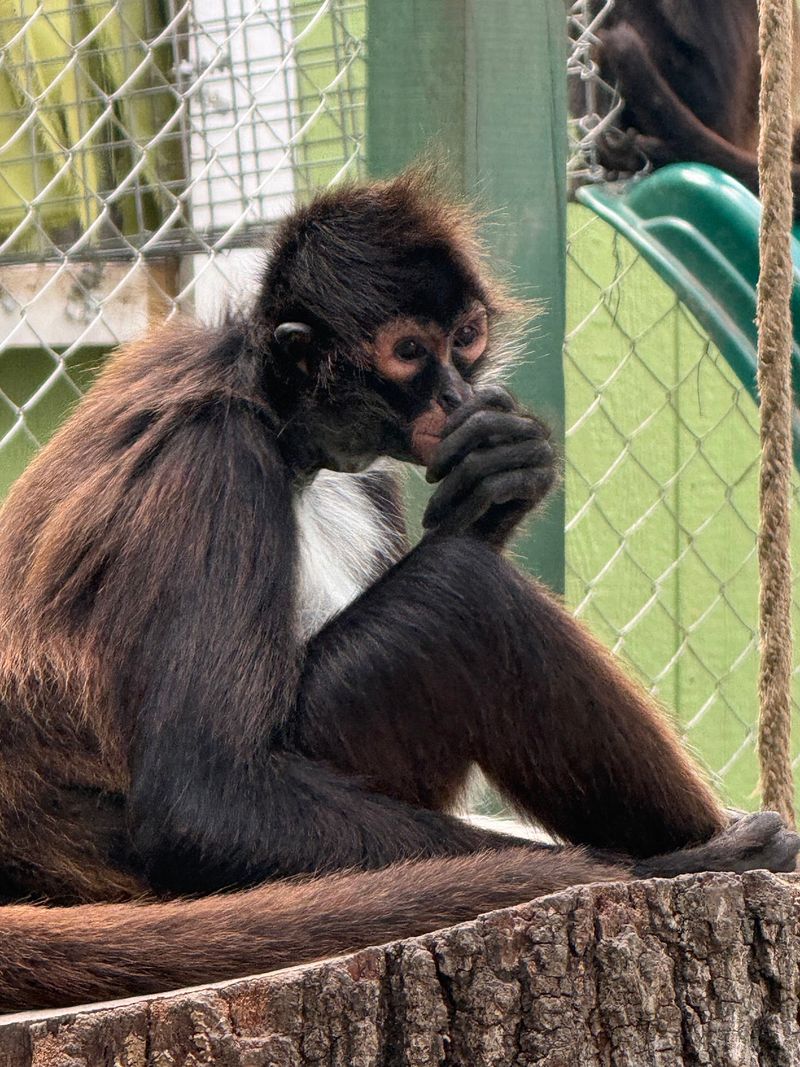
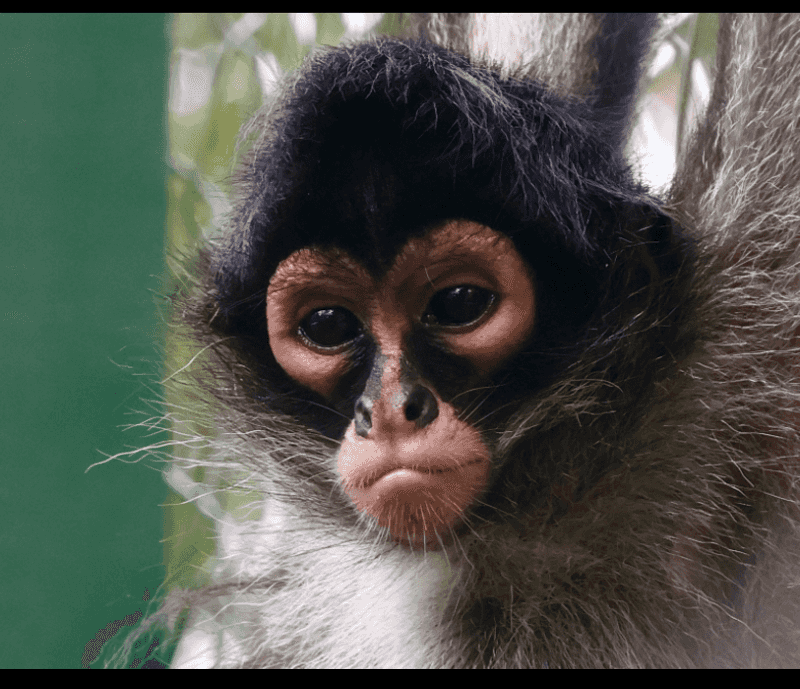
Long arms, longer tails, and a talent for hanging upside down make spider monkeys an instant favorite. The sanctuary is home to a spider monkey troop, and their acrobatics can hold a crowd’s attention for a long stretch.
That prehensile tail works almost like a fifth hand, gripping branches while the animal reaches for something else.
Did you know spider monkeys often have only tiny thumbs or none at all? Their curved fingers act like climbing hooks instead, perfect for swinging through treetops in Central and South American forests.
Watching one move across a habitat gives kids a quick, memorable science lesson.
Individual personalities shine here, too. Guests frequently mention a resident named Louie, whose charm seems to leave a lasting impression.
Tour guides share details about each animal’s skills, relationships, and habits, so visitors leave knowing residents as characters rather than just species on a sign.
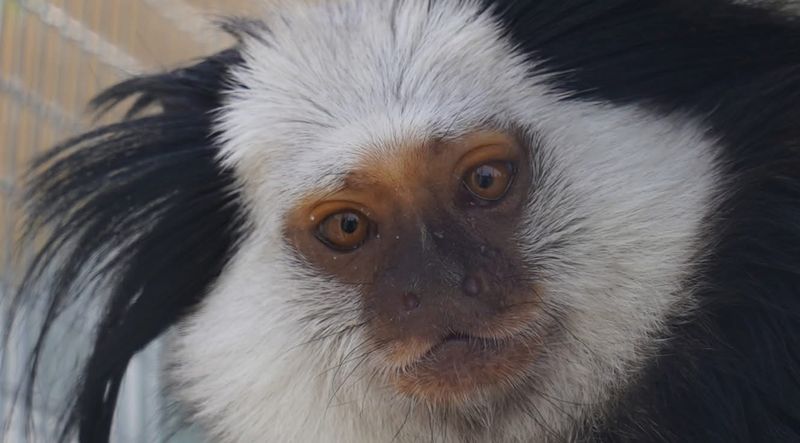
Families hoping to spot lemurs should ask ahead, since the sanctuary’s core focus is New World monkeys and other tree-loving mammals, and the exact lineup can change as new rescues arrive. Asking your guide who lives on the property that season is a fun way to start the tour.
Every visit may introduce someone new.
Guided Tours That Teach As They Go
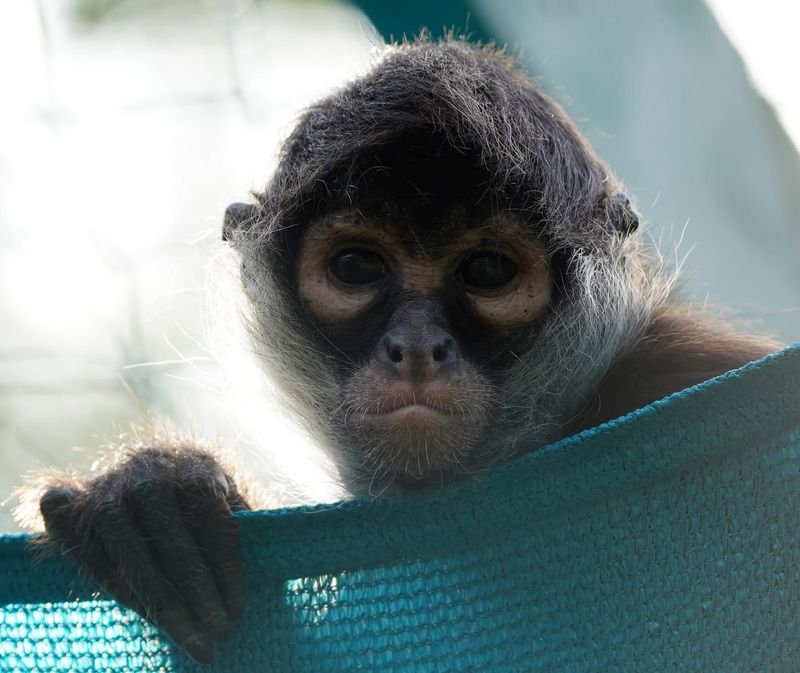
Rather than wandering on your own, visitors move through the sanctuary with a guide. That setup keeps the animals calm and gives guests a steady stream of facts and stories along the way.
Groups tend to learn about primates in general before zooming in on the residents they meet.
Topics can range from diet and enrichment to how troops communicate. Guides often explain the sanctuary’s mission of providing the best possible environment for surrendered and rescued animals, and they welcome questions from curious minds of every age.
Kids who ask a lot of questions will likely find eager answers.
Some families have described leaving so inspired that their children wanted to volunteer. That reaction says a lot about the tone of the experience, which blends fun with a genuine message about animal care and responsibility.
The owners come across as knowledgeable, and their enthusiasm is easy to catch.
Depending on the day and the animals’ comfort, visitors have mentioned sharing grapes with the spider monkey troop under staff supervision. Treat that as a possible bonus, not a guarantee.
The animals set the pace, and the best tours are the ones that let the monkeys decide how social they feel.
Animal Welfare Rules Every Guest Should Know
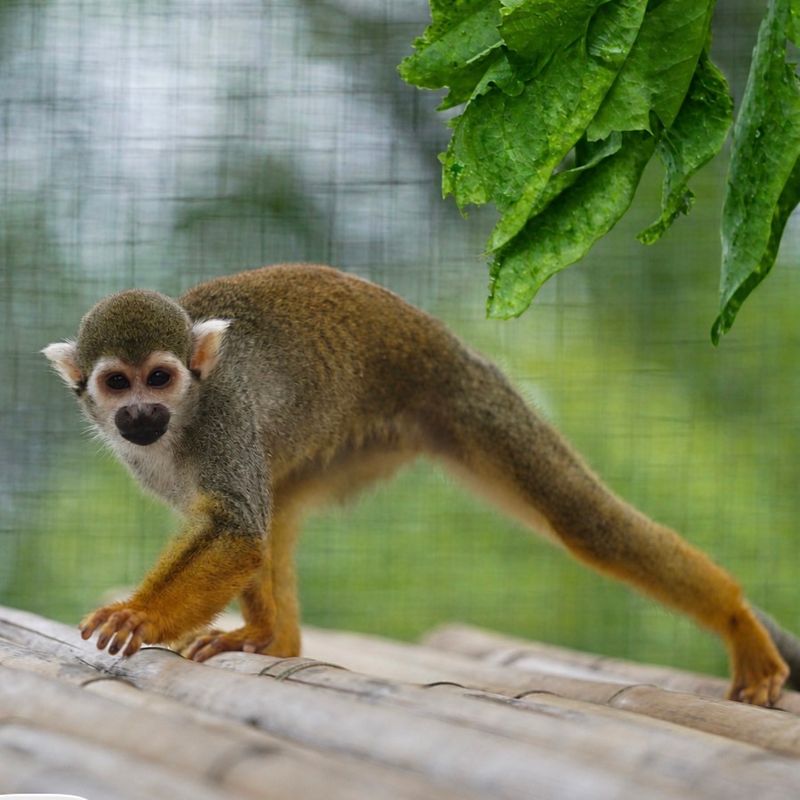
Hoping to hold a baby monkey for a photo? That is not part of the experience, and for good reason.
For the welfare of the animals, direct interaction such as holding monkeys is not permitted during tours.
The rule protects everyone. Primates are strong, and even friendly ones can become stressed by strangers grabbing at them.
Keeping hands respectful helps residents stay relaxed and lets them approach on their own terms, which is exactly what a sanctuary should allow.
Contrast that with roadside animal attractions that center on selfies and handling. Here, the animals come first and guests follow closely behind, an order of priorities that visitors often appreciate.
Staff may guide limited, supervised moments such as offering food, but they decide when and how that happens.
A few simple habits help any tour go smoothly. Listen carefully to the guide’s instructions at each habitat, and use calm voices and slow movements, especially around newer residents.
Leave snacks, toys, and loose items in the car unless staff say otherwise.
Parents can frame these rules as part of the adventure. Kids who learn to watch patiently often see more natural behavior, from grooming sessions to playful chases.
Respect, it turns out, is the ticket to the best show on the property.
Healing Hours For Veterans And First Responders
Monkeys helping people heal might sound surprising at first. Yet the sanctuary extends its mission beyond animal welfare through a program called UNPLUGGED, created for military veterans and first responders who are navigating PTSD.
Participants take part in guided, trust-building activities alongside the primates.
The idea connects naturally with the sanctuary’s larger story. Many residents arrived carrying their own past instability and had to relearn how to feel safe.
People working through hard experiences may find something meaningful in watching an animal slowly settle, trust, and thrive.
Quiet surroundings add to the effect. The pine woods of Stone County offer a break from sirens, schedules, and screens, which fits the program’s name perfectly.
Unplugging, even for a few hours, can give the mind room to rest.
For Mississippi families with a veteran, deputy, firefighter, or medic in their circle, the program is good to know about. Details about eligibility and scheduling are best confirmed directly with the sanctuary through its booking channels.
Many communities across the state have strong ties to military bases and emergency services, so the reach could be wide.
Supporting a place that cares for both animals and people also adds weight to every donation. Visitors helping the monkeys are, in a small way, helping neighbors too.
An Outing For Toddlers, Parents, And Grandparents
Planning a Saturday that pleases a three-year-old and a grandmother at the same time is no small feat. Recent visitors describe the sanctuary as enjoyable for grandparents, parents, and toddlers alike, which makes it a strong pick for multi-generational trips.
The guided format keeps things moving without wearing anyone out.
Little ones tend to love the obvious stuff: tails, tumbling, chattering, and the occasional monkey peering back at them. Older kids and teens can dig into the bigger questions about rescue, conservation, and responsible pet ownership.
Grandparents often appreciate the calm pace and the heartfelt mission.
One grandmother shared how warmly the spider monkey troop welcomed her and her grandsons during their tour. Another group celebrated a birthday with a visit.
Those stories hint at a place that suits special occasions as easily as an ordinary weekend.
Keep in mind that the setting is outdoors on wooded land, so comfortable shoes and weather-ready clothing help. Families with strollers or wheelchair users should ask about paths and terrain when booking, since that detail is best confirmed in advance.
A bit of planning helps everyone, from the smallest explorer to the eldest, enjoy a good day.
Booking A Tour And Picking The Right Season
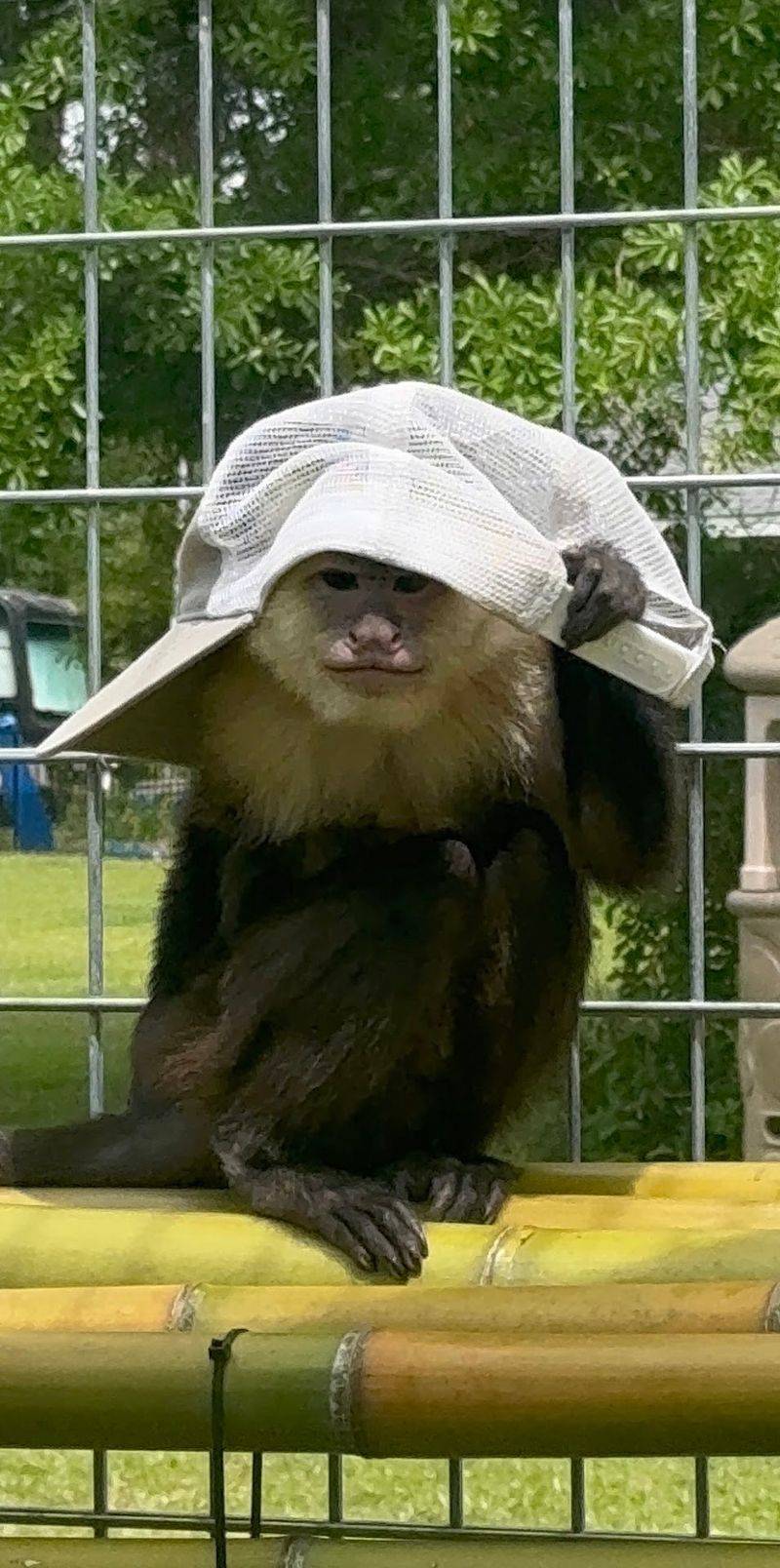
Drop-in visits are not an option here. Tours are available by appointment only, with the sanctuary offering limited public experiences through online booking that launched on July 4th.
Reserving ahead lets staff keep group sizes manageable and protect the animals’ routines.
What about cost? Specific prices and hours were not confirmed for this guide, so check current details when you book.
Donations go directly to the monkeys, supporting food, enrichment, veterinary care, and lifelong sanctuary, so any contribution has a clear purpose.
Timing matters a lot in south Mississippi. Summer brings heat and humidity that can drain little legs fast, so early-morning slots, if available, may be the most comfortable.
Pack water, sunscreen, and bug spray, and plan an air-conditioned lunch stop afterward.
Fall and winter can be ideal for a sanctuary trip. Cooler temperatures make walking the grounds easier, and many residents may be more active outdoors when the air is crisp.
Spring offers pleasant weather too, though afternoon showers can pop up without much warning.
Whatever the season, booking early is smart, since limited appointments can fill up. Weekends tend to draw families, so weekday options could offer more flexibility for homeschoolers or retirees.
A Soft Verdict On A Heartfelt Stop
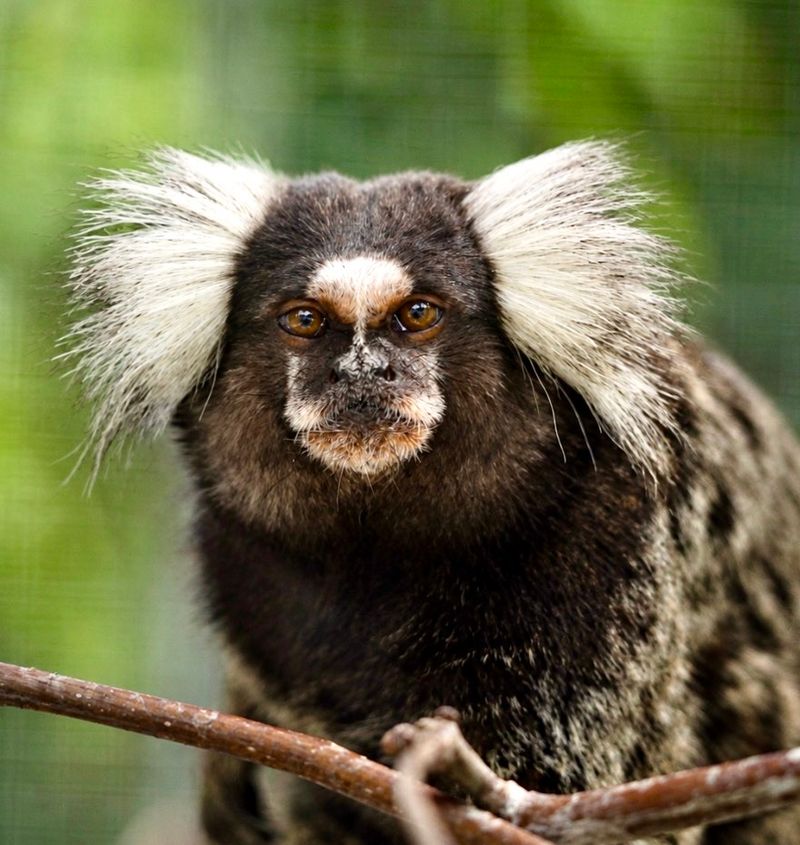
Big theme parks dazzle with noise and neon. The sanctuary wins hearts a different way, through patient animals, dedicated caretakers, and a mission you can see in every habitat.
It offers something rare for a family outing: fun that carries a genuine message.
Families who value animal kindness will likely feel right at home. Kids get to watch real primates climb, groom, and play, while adults gain a clearer picture of why wild animals belong in proper care rather than living rooms.
Grandparents can enjoy a slower, meaningful morning without long lines or crowded walkways.
Is it the right fit for everyone? Visitors wanting to hold or cuddle monkeys should adjust expectations, since the animals’ comfort always comes first.
Those looking for a quick drop-in stop will need to plan ahead and book an appointment.
For everyone else, the payoff can be surprisingly rich. Donations directly support food, enrichment, and veterinary care, so a visit doubles as a small act of good.
Many guests leave talking about individual monkeys by name, a sign of how personal the experience becomes.
Tucked in the Stone County pines, the refuge shows what compassion looks like when practiced every single day. A Saturday here may stay with your family long after the drive home.