
9 Massachusetts Schools Keeping Old-School Crafts And Handmade Skills Alive
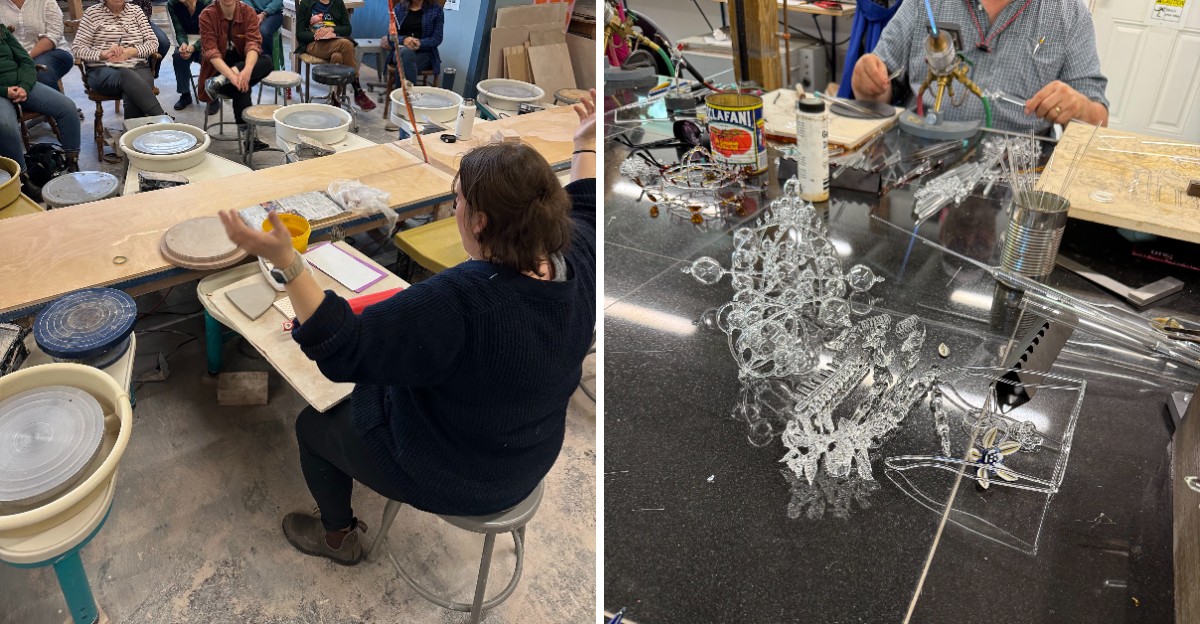
Some skills are too satisfying to disappear. Shaping clay by hand, carving wood, weaving fiber, binding a book, or hammering metal into something useful still feels special in a world full of quick shortcuts.
Massachusetts has schools and craft centers making sure those traditions stay active.
Their classes give beginners and experienced makers a chance to work with real tools, learn techniques that have been passed down for generations, and create something they can actually take home.
The experience can be slow, messy, and surprisingly addictive. That is what makes these places worth knowing.
They are not just teaching hobbies. They are keeping practical skills alive while giving people a chance to unplug and make something with their own hands.
If you have ever wanted to try pottery, woodworking, weaving, metalsmithing, bookbinding, or another old-school craft, these Massachusetts schools make it much easier to start.
1. North Bennet Street School
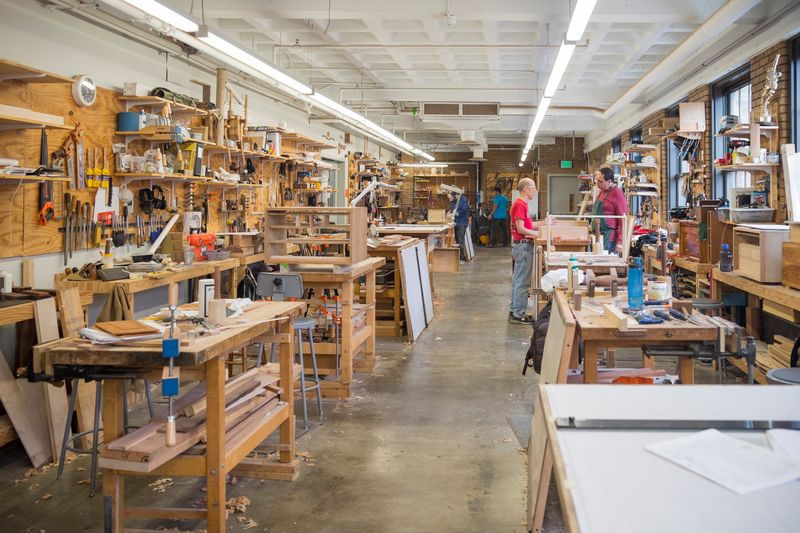
America’s very first trade school opened its doors in 1881, and it still smells like fresh wood shavings. You can find it at 150 North Street in Boston, right in the lively North End.
The Old North Church and the Paul Revere House sit just a short stroll away. So does the green, busy Rose Kennedy Greenway.
History here is not just on plaques. It is in the hands of every student.
The school teaches trades many people think have disappeared. Students learn bookbinding, cabinet and furniture making, carpentry, and jewelry making.
There is also locksmithing, piano technology, and preservation carpentry.
Want a fun fact to share at dinner? The school runs one of the few full-time violin making programs in the whole country. Imagine building an instrument that could sing for a century.
The building itself is roomy, with 64,000 square feet of space. It was renovated in 2013 and gets plenty of natural light. That glow makes careful work a lot easier on the eyes.
Teaching follows the Sloyd method. This idea says hand skills also build character and curiosity. Precision matters, but so does patience.
Not ready for a full career program? Shorter community classes are available too.
Options include woodworking and paper marbling, which turns swirling paint into colorful patterns.
A weekend class here might be the start of a lifelong skill. At the very least, you will never look at a wooden chair the same way again.
2. Eliot School Of Fine & Applied Arts
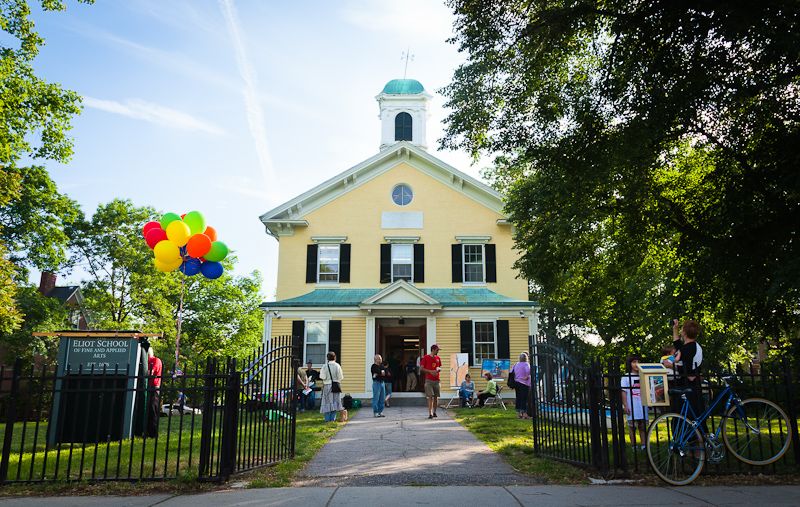
Picture a school older than the United States itself. Founded in 1676, Eliot School Of Fine & Applied Arts is one of the oldest continuously running schools in the nation.
It has had a few centuries to get things right.
The main campus sits at 24 Eliot Street in Jamaica Plain, a colorful Boston neighborhood. An annex on Amory Street adds even more room to create.
Free street parking and nearby public transit make visiting simple.
In the late 1800s, the school shifted its focus toward manual arts. That hands-on spirit never left. Today the class list is long and delightfully varied.
Woodworking fans can build an Adirondack chair from scratch. Fiber lovers can try felting, weaving, crochet, quilting, and embroidery. There is also upholstery, furniture restoration, hand carving, and ceramics.
Prefer paper and paint? Book arts, drawing, painting, photography, and mixed media are all on the menu of choices. Kids, teens, and adults each have classes designed for them.
The neighborhood feel is strong here. The school works hard to welcome people from every background.
Its Teen Bridge programs mentor young artists and support racial equity.
Community events keep the energy high. The Nifty 350 Festival celebrated the school’s long history with the whole neighborhood.
A good tip is to start small. Try a short embroidery or carving workshop first. You might discover a hidden talent, or at least a very handsome potholder.
3. Snow Farm New England Craft Program
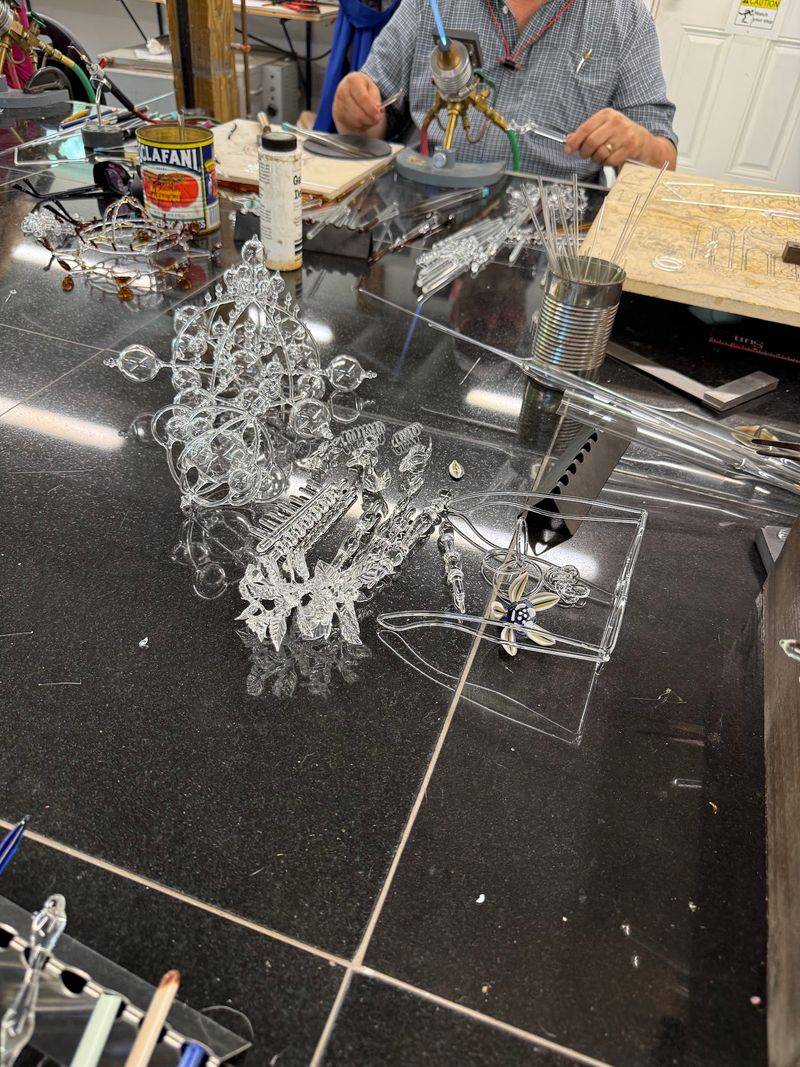
Cows once grazed on these fields. Now the harvest is pottery, baskets, and glass. Snow Farm turned a 50-acre dairy farm into a creative playground.
The address is 5 Clary Road in Williamsburg, out in Western Massachusetts. Rolling Berkshire foothills surround the property. The charming town center is close, and Northampton is a short drive away.
Here is what makes it special. Snow Farm is the only residential, multidisciplinary craft school in the state. Students sleep, eat, and create all in one peaceful place.
Workshops run from May through October and last three to six days. There are eight studio areas to explore.
Choices include ceramics, woodworking, flameworking, metalsmithing, and jewelry.
Fiber and basket fans can learn natural dyeing, weaving, and stitching. Glass lovers can try stained glass and mosaics. Mixed media classes cover everything from printmaking to furniture building.
Classes stay small, so instructors can help each person. Studios often stay open in the evenings too. Night owls can keep working long after dinner.
Speaking of dinner, meals are homemade and hearty. Rooms are rustic but comfortable. Nobody has to worry about cooking while they learn to throw a bowl.
History buffs will love the fiber studio. It lives in a red brick farmhouse from 1735, thought to be the oldest standing home in town.
Teens aged 14 to 18 have their own summer program. It is like summer camp, only with more kilns.
4. Worcester Center For Crafts
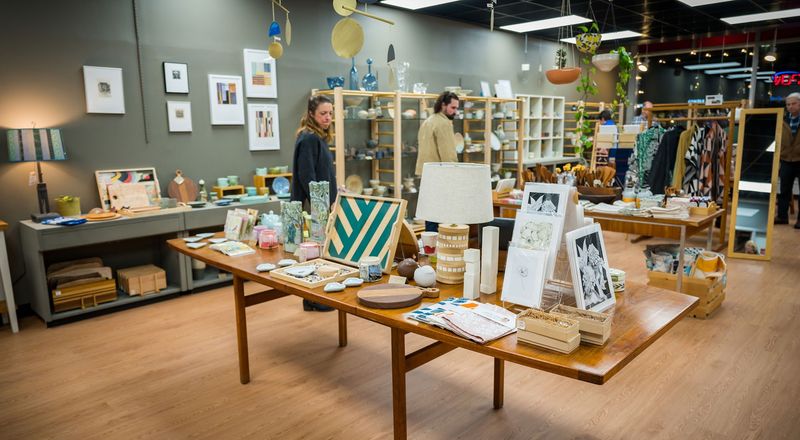
Back in 1856, a group began teaching immigrant women useful skills so they could earn a living. That small effort grew into one of the oldest nonprofit craft schools in America.
Today the Worcester Center for Crafts lives at 25 Sagamore Road in Worcester. The building covers 26,000 square feet. It is fully ADA-accessible, so more people can join the fun.
Ceramics gets serious attention here. Students can try raku, wood-fueled firing, gas reduction, and electric firing. Wheel throwing and hand-building classes welcome total beginners.
Ready for a little heat? The metals department teaches blacksmithing, forging, bladesmithing, enameling, and jewelry making. Few things feel cooler than shaping glowing metal with a hammer.
Glass classes cover stained glass, fusing, kilnforming, and mosaics. Photography includes both digital work and old-school darkroom methods.
There is even birch bark painting and bookbinding.
The mood is relaxed and friendly. Adults and kids of all skill levels fit right in. Newcomers do not need to feel nervous about their first wobbly pot.
Visitors who just want to look have options too. The Krikorian Gallery shows off impressive artwork.
The Handcrafted Shop sells pieces from more than 200 American artists.
An Artists in Residence Program supports rising makers. Seasonal events add extra sparkle, including the Holiday Festival of Crafts and Hot Night in the City.
Shopping for a gift? Handmade beats store-bought every time. Your friends will be impressed, and maybe a little jealous.
5. Metalwerx
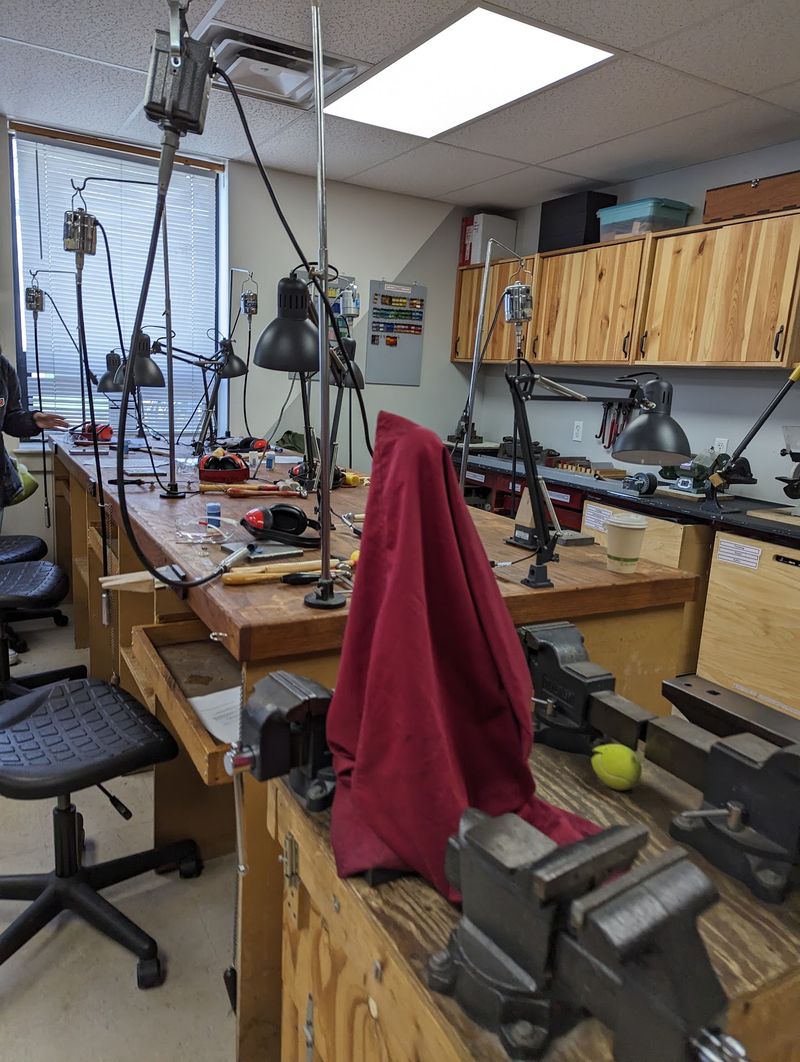
Tiny saws, bright torches, and a whole lot of patience. That is the recipe for jewelry making, and this studio serves it up daily.
Metalwerx sits at 50 Guinan Street in Waltham. It was founded in 1998 to bring metal education and community together. In 2006 it became a nonprofit, which opened the door to grants and scholarships.
Beginners start with the basics. Think sawing, piercing, filing, sanding, and polishing. Soon they move on to soldering and cold connections.
The advanced list sounds almost magical. Mokume-gane creates wood-grain patterns in layered metal.
Chasing and repousse push designs into metal from both sides.
Other skills include stone setting, casting, mold making, enameling, and metal clay. Students can learn engraving, fold forming, lapidary, and classical chain making.
Pulse arc welding and hydraulic press work are also offered.
Schedules are flexible. Weekly classes, weekend workshops, and one-day sessions are all available. Some classes even happen online.
The tool collection keeps growing, which is great news for curious hands. Visiting artists from across the country share special techniques too.
One unique feature is the Studiomate community. These are serious hobbyists and pros who rent workspace inside the studio. Newcomers get to learn simply by being nearby.
Events like Metal+Art exhibitions and Wear and Share gatherings keep people connected. Tip for first-timers: start with a simple silver ring. It is small, doable, and very satisfying to wear.
6. Lexington Arts & Crafts Society
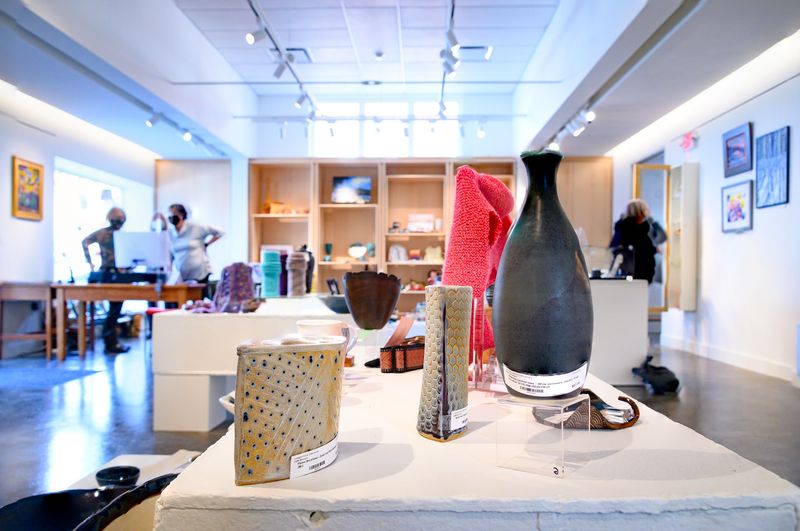
During the Great Depression, artists needed each other more than ever. In 1935, they banded together and formed this society. That spirit of teamwork still fills the halls.
You will find Lexington Arts & Crafts Society at 130 Waltham Street in Lexington. Historic downtown is only a five-minute walk away. Free parking and nearby public transit are nice bonuses.
The building covers 11,000 square feet. Inside are five fully equipped studios. Each one focuses on a different art.
The ceramics studio teaches wheel throwing, hand-building, and glazing. Metalworking covers jewelry, enameling, metal clay, and soldering. Painting classes include oil, watercolor, acrylic, pastel, and drawing.
The weaving and fiber studio is a true treasure. It offers spinning, dyeing, felting, quilting, knitting, rug hooking, and basket weaving. The group keeps a large library and many looms.
Woodworking rounds out the main studios. Smaller groups also explore beading, photography, and stained glass.
The society follows the Arts and Crafts movement. That idea says art belongs to everyone and natural materials matter. Instructors are experienced local artists.
One program deserves a spotlight. The Molesky Series Workshops serve students with special learning needs. A scholarship fund helps support them.
A monthly gallery show keeps the walls fresh. Artisan fairs and markets pop up often too. After class, a walk through historic Lexington makes a lovely way to finish the day.
7. Cambridge Center For Adult Education
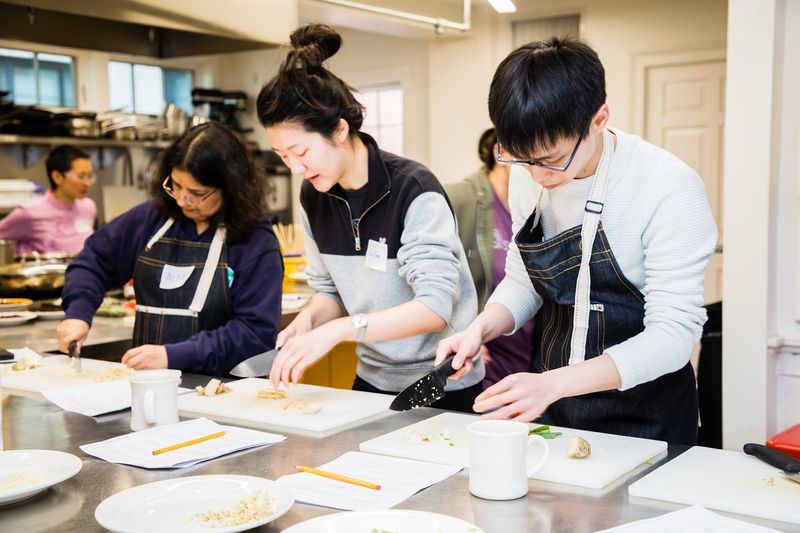
Harvard Square is famous for big brains. Just around the corner, people are also training their hands. The balance feels just right.
The Cambridge Center for Adult Education sits at 42 Brattle Street in Cambridge. A second historic building stands nearby at 56 Brattle Street.
The Harvard Square subway station is close, so getting there is easy.
Founded in 1871, the center is a nonprofit with a simple goal. It wants to offer affordable learning to everyone in the community. That goal has lasted over 150 years.
Craft classes cover lots of ground. Students can try woodworking, printmaking, glass mosaic, sculpture, and jewelry making.
Pottery wheel classes are especially popular. Fiber arts classes put a spotlight on mending. That is a handy skill in a world full of torn jeans. Fix a hole yourself and you will feel like a superhero.
Painters and sketchers are covered too. Oil, watercolor, figure drawing, and drawing from life are all offered.
Since 1994, the Studio School has run focused programs in drawing and oil painting.
Classes stay small, so teachers can give real attention. The crowd is diverse and welcoming. Nobody expects a masterpiece on day one.
Exhibitions like the Vessel show explore containers and what they mean. Private classes are also available for parties and team outings.
Looking for a fresh birthday idea? A group pottery class beats another round of bowling. Plus, everyone leaves with a souvenir.
8. Fuller Craft Museum

New England has only one museum devoted fully to craft. It sits beside a quiet pond, surrounded by trees. Not a bad place for art to call home.
The Fuller Craft Museum is at 455 Oak Street in Brockton, about 25 miles south of Boston. The grounds cover 22 acres of woodland along Upper Porters Pond. Brockton ranks as the sixth-largest city in Massachusetts.
The building is a treat for the eyes. Picture high ceilings, slate floors, wooden beams, and tall windows. Sunlight pours in and makes the artwork glow.
The permanent collection features studio furniture, glass, ceramics, jewelry, wood, and textiles. Outdoor sculptures made from natural materials add surprise to a stroll.
Exhibits change often, so every visit feels new.
Recent shows have included ceramic sculptures, basketry, blown glass, and hand-stitched textiles. Some installations fill whole rooms.
They show how ordinary materials can become something amazing. This is not just a place to look. The museum offers hands-on classes for all ages.
Workshops have covered mosaics, wheel throwing, apple basket weaving, and folk art bird carving.
One class even mixed eco printing with Bojagi, a Korean wrapping cloth tradition. That is a lot of culture packed into one afternoon.
Admission works on a pay-what-you-can basis. That makes it easy for families to visit. Pack comfortable shoes, because the pond views are worth a walk.
9. The Clay School
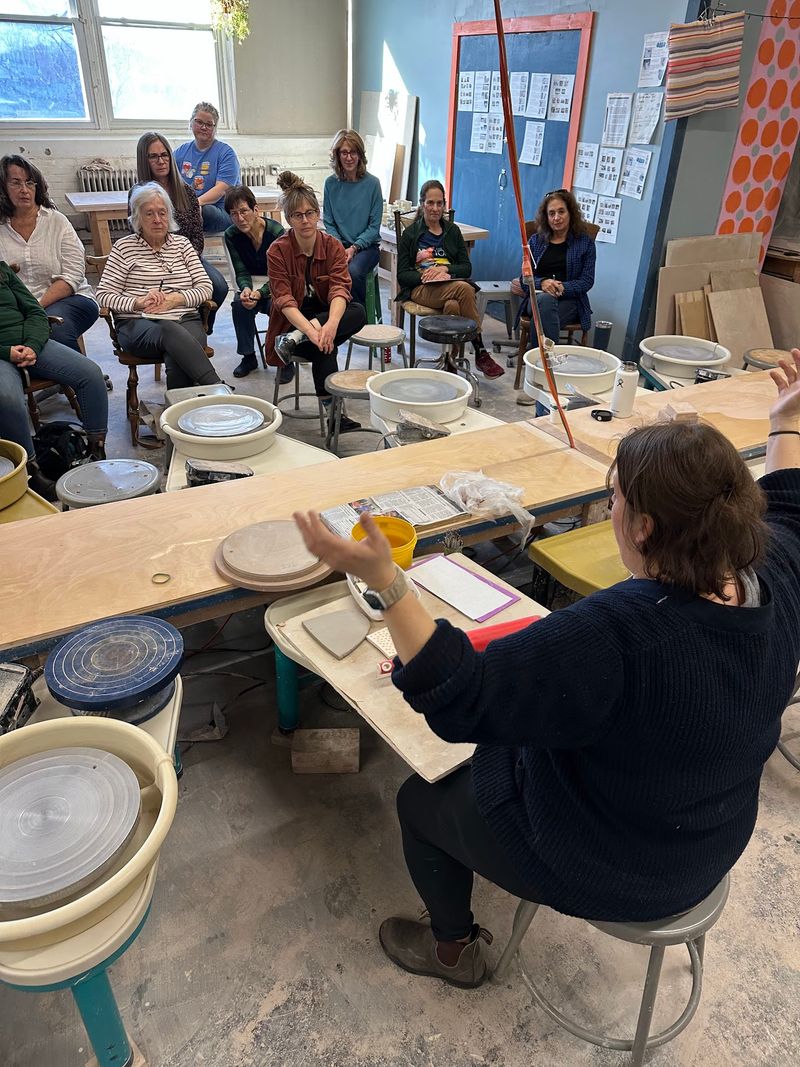
Some studios keep strict hours. This one basically never sleeps. Students and resident artists get access around the clock, every day of the week.
The Clay School is at 271 Western Avenue, Suite 316, in Lynn. It lives inside the historic Lydia Pinkham Building.
Lydia Pinkham was one of America’s first successful female business owners.
The spot sits near the Salem line, making it handy for many North Shore towns. Street parking is available, but watch for resident-only zones. The old building has steps and manual elevators, so plan ahead.
Clay is the only focus here, and that focus shows. Wheel classes teach students to make bowls, cups, vases, and mugs. Hand-building uses slabs, coils, and textures.
Students also learn trimming, finishing, and glazing. The studio uses white or red stoneware with food-safe glazes. So yes, you can actually drink from your homemade mug.
Options fit many schedules. There are multi-week classes, one-night wheel workshops, and date night hand-building sessions. The studio can even capture baby and pet handprints in clay.
The school started in 2005 as the North Shore Clay Studio. It took its current name in 2010. Instructors are skilled ceramic artists with years of teaching behind them.
The crowd feels close-knit, and friendships form fast. Each year, the Lydia Pinkham Open Studios invites the public inside.
It is a fun way to end a Massachusetts craft tour, with clay on your hands and a smile on your face.