
A California Gold Mine Closed After A Century, Leaving 367 Miles Of Forgotten Tunnels Beneath The Hills
Gold once glittered in gray quartz, and a whole hillside answered the call with picks, candles, and steam. Then the mine went quiet.
Now picture 367 miles of forgotten tunnels coiling beneath your feet. Dark, flooded, and silent, they plunge deeper than you can imagine.
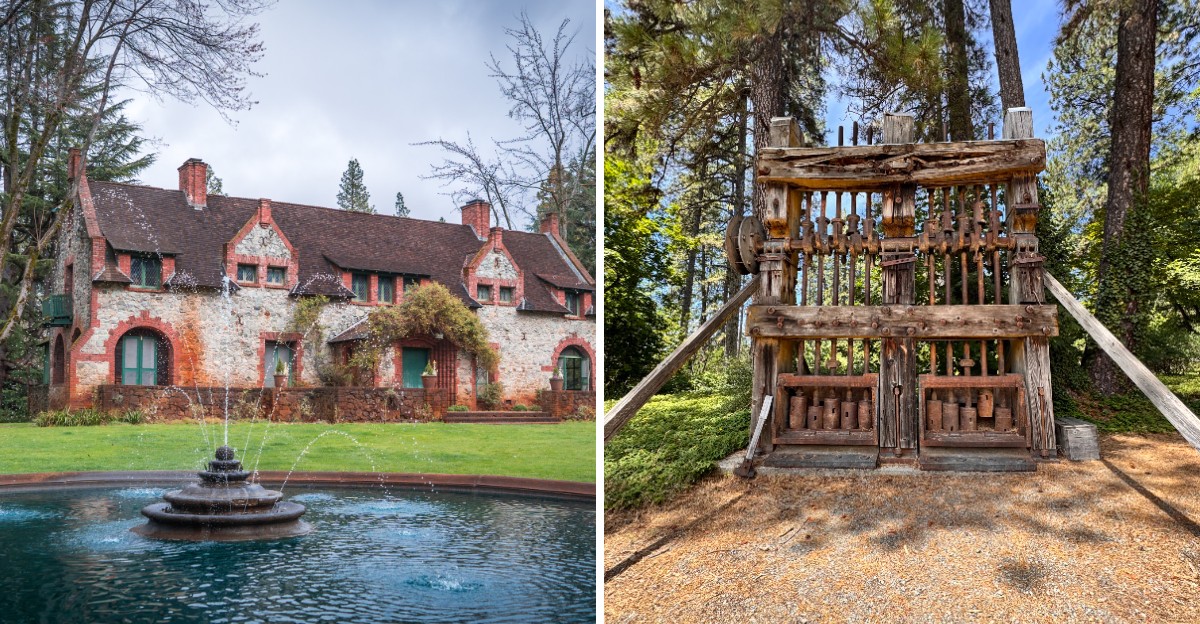
Up top, this California gold mine feels like a time capsule left open just for you. Old stone buildings still carry the grit of a century of hard work.
Next comes a room the owners kept secret for decades. You will want to linger.
And the best twist? Most of the gold might still be sleeping deep below.
A light jacket and plenty of curiosity are all you need. A day in the hills of California could change how you think about buried treasure.
A Quartz Vein That Started It All
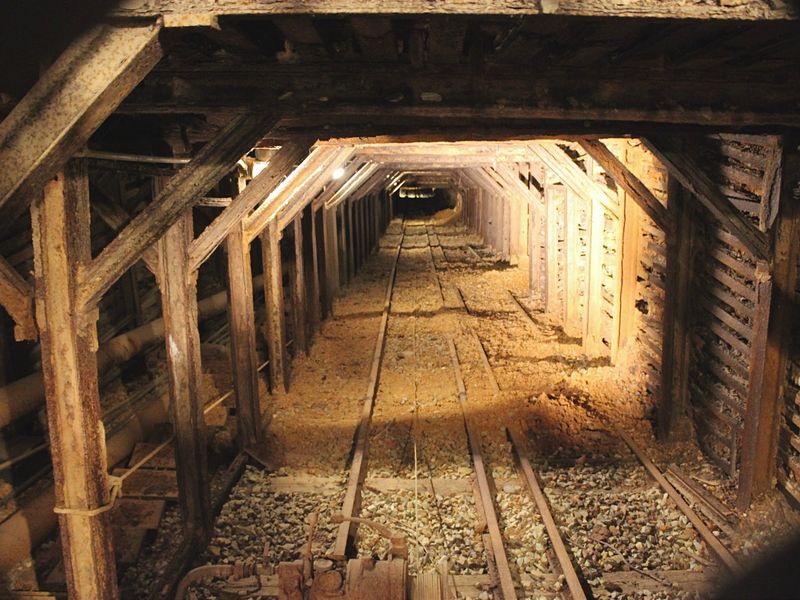
Lucky rocks do exist. Back in 1850, a man spotted gold tucked inside a quartz vein near Grass Valley.
That single find kicked off what became Empire Mine State Historic Park. Hard-rock mining was tougher than panning in a creek, though.
Miners had to crack solid stone to reach the gold inside. They chipped, blasted, and hauled rock out by hand at first.
Over time, the operation grew into a giant. Many sources call it one of the oldest, largest, deepest, and richest gold mines in California.
Records show it produced roughly 5.8 million ounces of gold. That is a mountain of shiny metal by any measure.
The money helped build Grass Valley into a busy town. Shops, homes, and churches popped up as workers and families arrived.
Visitors today can see samples of quartz and learn how the gold hid inside. The exhibits make the science simple, even for younger travelers.
Take a moment near the displays to picture that first lucky spark. A single glint in a gray stone changed the whole region.
Few rocks in history have worked that hard for their fame.
Three Hundred Sixty Seven Miles Of Darkness
How far could a person walk underground here? Picture a hike of about 367 miles, all in total darkness.
That is the rough length of the tunnels below Empire Mine State Historic Park. Miners dug them over about a century of steady work.
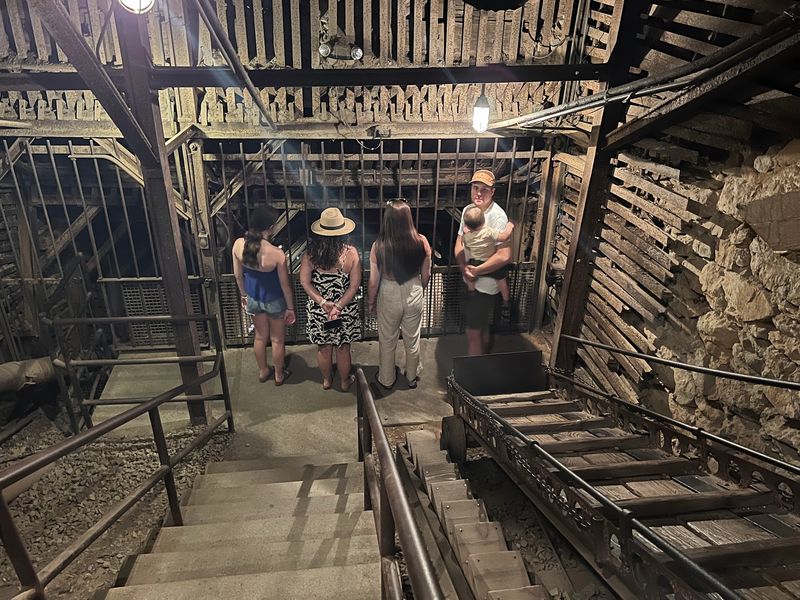
The main shaft slants down at an angle instead of dropping straight. By the end, it reached an incline depth of over 11,000 feet.
Workers rode skips, small carts on rails, deep into the earth each shift. Early on, candles gave them most of their light.
Today, nearly all of those passages sit abandoned and filled with water. Nobody explores the deep levels anymore.
Visitors can still peer into the main shaft entrance near the mine yard. Some guests report being able to step a short way inside, depending on current access.
The air there feels cool, and the tracks seem to slide away forever. It gives just enough spooky charm to spark the imagination.
Bring a light jacket on warm days. That chilly breath from the shaft surprises plenty of people.
Every footstep up top floats above a hidden maze.
The Hush Hush Model Room
Secrets make the best stories. For decades, one room at the mine stayed hidden from almost everyone.
Inside, owners kept a detailed scale model of the underground workings. It mapped about five square miles of tunnels below Empire Mine State Historic Park.
Why so secret? The model showed where the gold veins ran, and that knowledge was worth a fortune.
Only the owners and a small circle of trusted staff knew it existed. Rival miners never got a peek.
Today, the model is on display for the public in the Visitor Center. Many visitors call it the moment the true size of the mine finally clicks.
Thin lines and layers show shafts crossing at different depths. It looks a bit like a tangled web frozen in place.
Spend a few extra minutes studying it before heading outside. The rest of the park makes much more sense afterward.
Kids often love hunting for the deepest point on the model. Adults tend to just stare and shake their heads.
Once a corporate secret, now it is the star of the show.
Cousin Jacks And Their Clever Engines
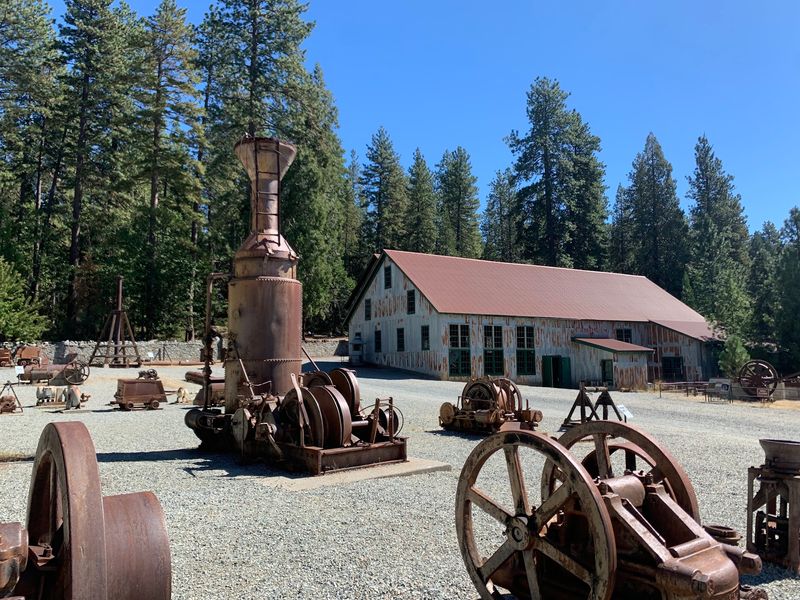
Water was the miners’ biggest enemy. Dig deep enough, and the tunnels start filling up fast.
Skilled miners from Cornwall, England, had faced that problem for generations. Locals nicknamed them Cousin Jacks.
They brought hard-rock know-how to Empire Mine State Historic Park and the wider Grass Valley area. Their methods helped shafts reach greater depths than ever.
One key tool was the Cornish pump, powered by steam. It pulled huge amounts of water out so crews could keep digging.
Cornish families also shaped local culture. Their traditions, songs, and hearty meat pies called pasties still pop up around town.
Inside the park, exhibits explain how these miners worked and lived. Displays of old tools show just how rough the job could be.
Look for details about candle use, drilling, and hauling rock. Small objects tell big stories about daily life underground.
Grab a pasty in Grass Valley after the visit for a tasty history lesson. Many local spots serve them, though menus can change.
Talk about leaving a lasting impression on a town.
A Stone Cottage That Is Not Little
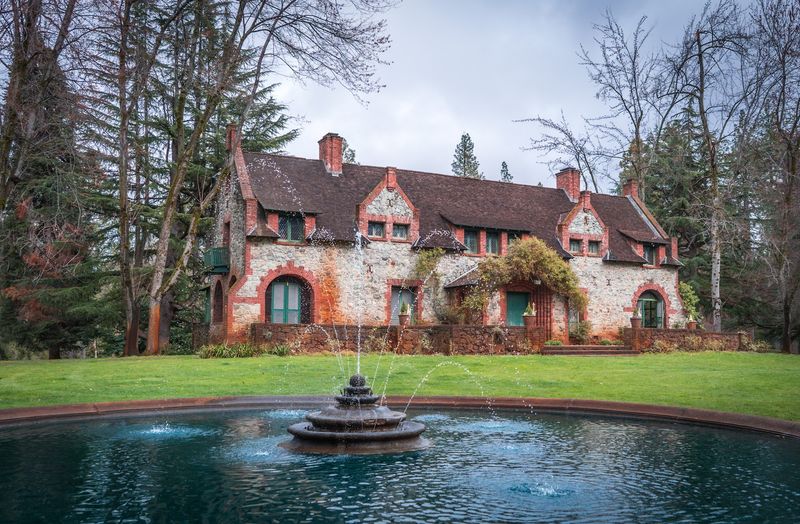
Call it a cottage, and someone will chuckle. The owner’s country home looks more like a manor from an English storybook.
Built in 1897, the house sits on the grounds of Empire Mine State Historic Park. Its walls use waste rock pulled straight from the mine.
That detail makes the home a clever form of recycling. Leftover stone became a fancy estate.
Rich wood paneling, leaded windows, and cozy rooms fill the interior. The style shows how well the mine’s owners lived.
The contrast is striking. Miners sweated far below, while the family enjoyed elegant evenings above.
Visitors usually need to join a guided tour to see inside the house. Recent visitors suggest checking the tour schedule before arriving.
Tours can fill up on busy holiday weekends. Arriving early gives a better shot at a spot.
Even from outside, the cottage makes a lovely photo stop. Trees and lawns frame it nicely in almost every season.
Humble name, grand house, and a clever stone secret.
Roses, Fountains And A Mirror Pool
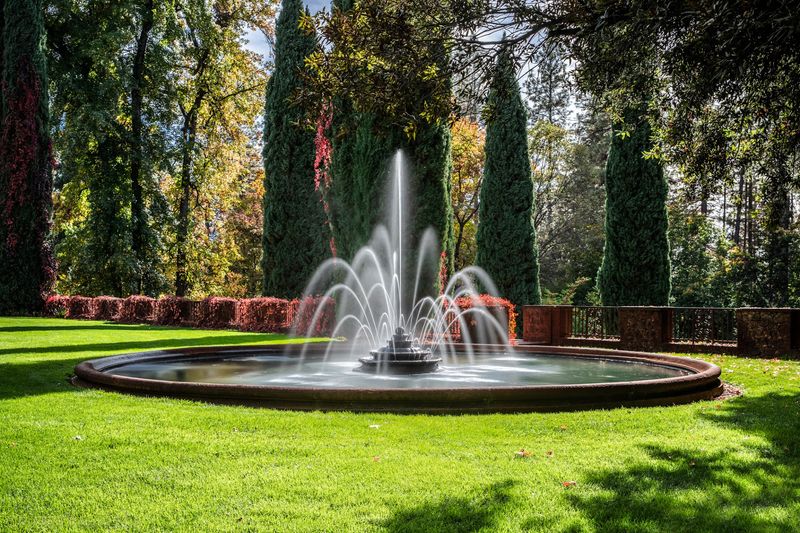
Gold was not the only thing blooming here. The gardens around the cottage burst with color during the warmer months.
Restored grounds at Empire Mine State Historic Park include rose beds, fountains, and a calm reflecting pool. A greenhouse also adds to the charm.
Many visitors rave about the roses in full bloom. Late spring often brings the best show, though timing can vary each year.
The reflecting pool doubles the view of trees and sky. On a still day, it looks almost like glass.
Benches and shady paths make it easy to slow down. It is a peaceful break after exploring the gritty mine yard.
Photographers should aim for softer light earlier or later in the day. Midday sun can feel hot in the foothills.
The estate once included a clubhouse with courts for tennis, bowling, and squash. Wealthy guests clearly did not lack for entertainment.
Bring a water bottle and comfortable shoes. The garden paths invite plenty of wandering.
Nature and money teamed up beautifully in this spot.
Sparks Fly At The Blacksmith Shop
Clang, clang, hiss. That sound often leads visitors straight to the blacksmith shop.
At Empire Mine State Historic Park, volunteer blacksmiths sometimes put on live demonstrations. They heat metal until it glows, then shape it with heavy hammers.
Mining needed blacksmiths every single day. Drills dulled quickly, and tools broke against hard rock.
Watching the work shows how important this trade was. Without sharp tools, digging would have slowed to a crawl.
Some visitors mention smiths making small souvenirs, like simple rings, for kids. Demonstrations depend on volunteer schedules, so nothing is guaranteed.
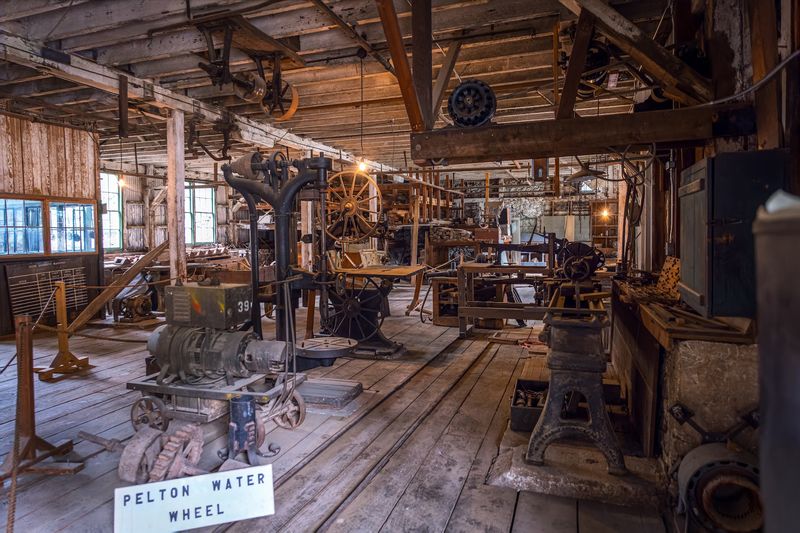
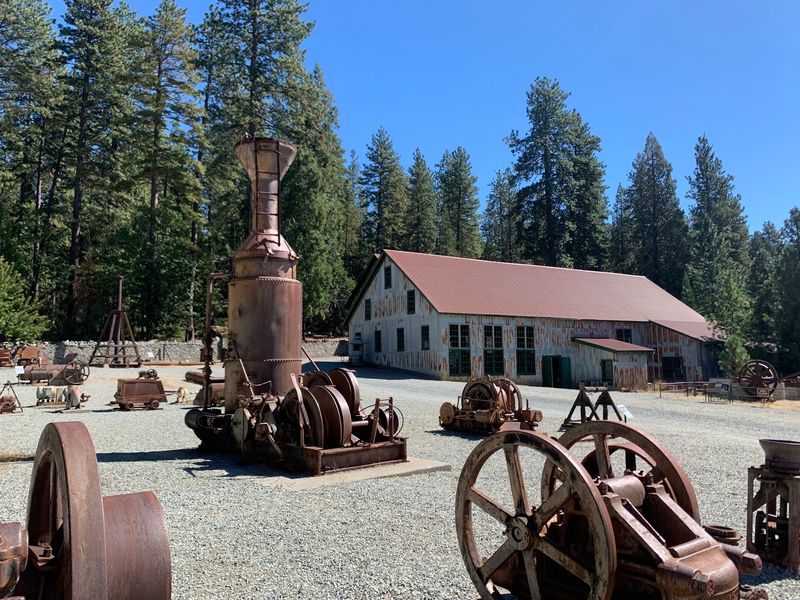
Nearby, other historic buildings hold machinery and equipment. Some exhibits have buttons that play short audio stories.
The refinery, machine shop, and mine office all add more pieces to the puzzle. Each building shows a different job that kept gold flowing.
Ask questions while the smiths work. They usually love sharing tips about fire, iron, and old-time skills.
Few history lessons come with real flames and flying sparks.
When The Stamp Mills Went Quiet
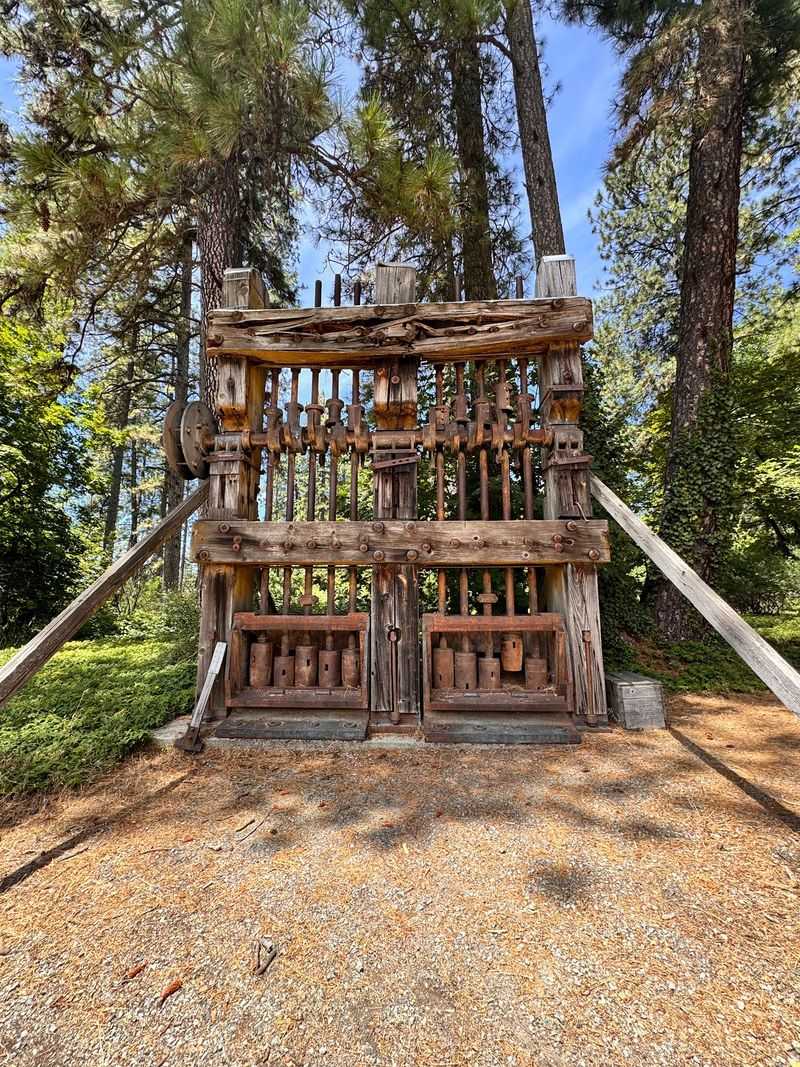
Imagine a noise that never stopped, day or night. Stamp mills once pounded ore around the clock in Grass Valley.
Then, in 1956, the thunder ended at Empire Mine State Historic Park. More than a century of mining came to a close.
Trouble started earlier, during World War II. Gold mining was labeled nonessential, and work paused.
After the war, skilled miners were hard to find. Costs rose, and the deep levels became tough to run.
For years, the surface buildings sat waiting. In 1975, the state bought the property for $1.25 million and turned it into a state historic park.
Here is a twist that surprises many visitors. Estimates suggest most of the gold may still lie deep underground.
Some sources say the mine pulled out only a fraction of what remains. When the state bought the surface land, Newmont Mining kept the mineral rights below it.
So the hills may hold more treasure than they ever gave up. That thought adds a little sparkle to any stroll through the yard.
Silence never sounded so full of possibility.
Trails Through The Pine Woods
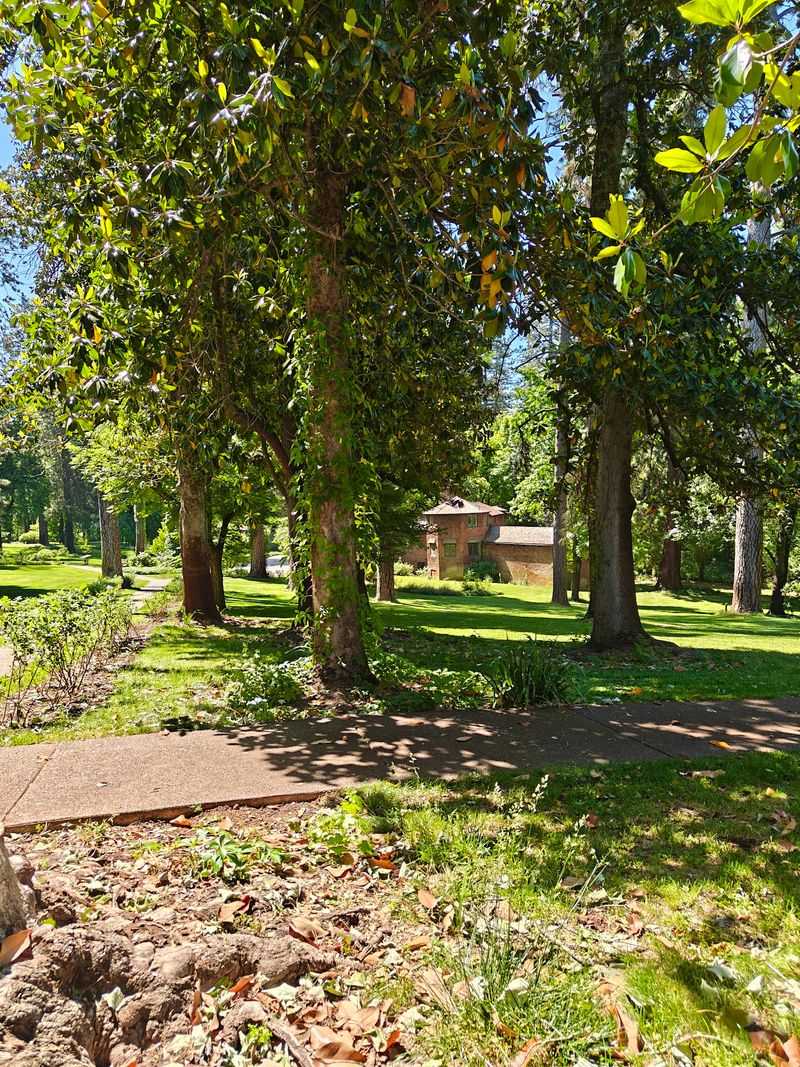
History buffs are not the only ones who leave happy. Hikers, bikers, and horse riders find plenty to love too.
Empire Mine State Historic Park covers more than 850 acres of forested land. Over 14 miles of trails loop through the woods.
Paths wind past pines, oaks, and quiet clearings. Some routes lead to remains of old mining sites.
The trails circle the main historic area, so it is easy to combine both. Explore buildings in the morning, then stretch the legs after lunch.
The park is reported to be dog friendly on many paths. Check current rules before bringing a furry hiking buddy.
Picnic tables near the main area make a nice lunch stop. Packing food saves time and keeps the day relaxed.
Spring and fall often bring the most pleasant hiking weather. Summer afternoons can get warm in the foothills.
Wear sturdy shoes, since some trails get dusty or rocky. A small map also helps on the longer loops.
Fresh air makes a fine reward after a day of gold talk.
Smart Moves Before Heading Over
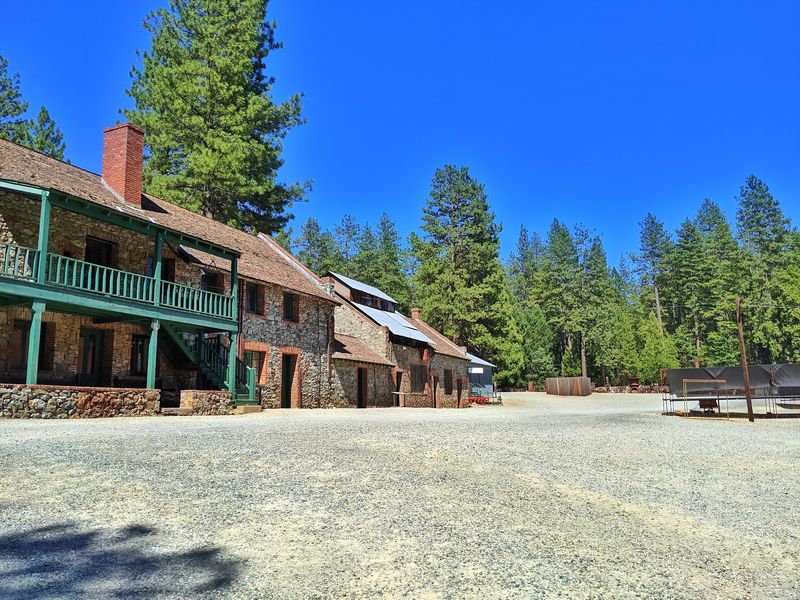
Good planning turns a fun visit into a great one. A few simple choices make all the difference.
Empire Mine State Historic Park sits at 10791 E Empire St, Grass Valley, CA 95945, United States. It lies in the Sierra Nevada foothills of northern California.
Start at the Visitor Center to see the scale model first. It helps everything else click into place.
Guided tours led by friendly docents add rich stories to the visit. Many guests say a tour beats wandering alone.
Tour times can change by season, so contact the park ahead. Busy weekends may fill tours quickly.
There is an entry fee, and parking is reported to be free. Prices can change, so confirm before going.
A small gift shop offers souvenirs, including tiny vials of gold flakes. Kids often treasure those little bottles.
Plan at least a couple of hours to see the main sights. Add more time for trails or a picnic.
With the basics sorted, the gold rush story can take center stage.