
This Quiet Mississippi Delta Site Has A Giant Temple Mound Built By Hand That You Can Actually Climb
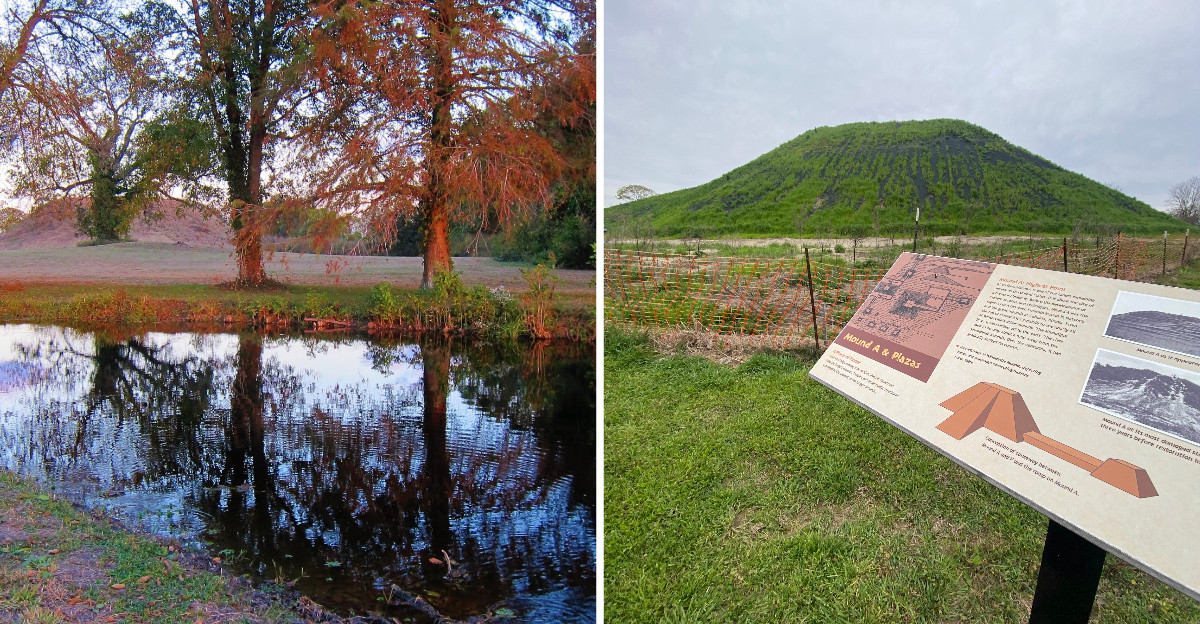
Flat cotton fields stretched in every direction, and then a green hill rose out of nowhere like a sleeping giant. We had pulled off a Mississippi highway just to stretch our legs, but the kids were already pointing and asking who could have built something so huge by hand.
The answer turned out to be one of the most surprising history lessons we have ever had on a family road trip. If you think ancient cities only exist in faraway countries, this quiet spot in the Delta might change your mind.
An Ancient Ceremonial City In The Mississippi Delta
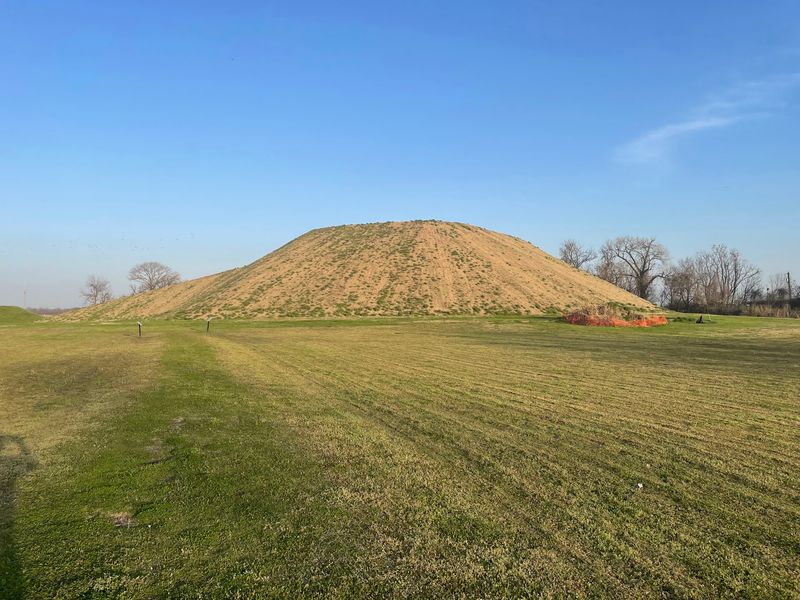
Picture a busy town with leaders, ceremonies, markets, and celebrations, all centered around enormous hills made of dirt. Winterville Mounds was exactly that kind of place roughly a thousand years ago.
Today it stands as a National Historic Landmark and one of the largest Native American mound sites in the United States.
The site sits just north of Greenville, Mississippi, in the heart of the flat Delta country. Because the land around it is so level, the mounds seem even taller than they really are.
Kids usually spot the biggest one from the car window before anyone says a word.
Run by the Mississippi Department of Archives and History, the grounds work as a state park and outdoor classroom rolled into one. A small museum building stands on the property too, though it is currently closed while plans for renovations and new exhibits move forward.
Even so, the open grounds offer plenty to explore and talk about.
Families who come here are not visiting a playground or a theme park. They are walking through the remains of a real ceremonial and political center, a place that once drew people from across the region.
That idea alone tends to make young visitors look at the landscape with fresh eyes.
Finding Your Way To Highway 1
Getting here could hardly be simpler. The official address is 2415 MS-1, Greenville, MS 38703, and the entrance comes right off Highway 1.
You can drive straight up and park, which makes it an easy add-on for families already traveling through the Delta.
Coming from Arkansas? The site sits roughly 15 minutes north of the bridge that crosses the Mississippi River, according to travelers who have made that same drive.
That short hop makes it a handy break on longer journeys, especially when little legs start getting restless in the back seat.
Watch the horizon as you approach. Visitors often mention how impressive the mounds look as you pull in, rising out of the farmland like something from a storybook.
It is a fun moment to challenge kids to guess which mound is the tallest before you even park.
The site is also one stop along the Mississippi Mound Trail, a route that links many ancient earthworks across the state. Families who love road trips can turn this visit into the first chapter of a bigger adventure.
Grab a map, mark the stops, and let the kids keep track of every mound you see along the way.
Builders From The Plaquemine Culture
Every basketful counted. The people who built these mounds belonged to the Plaquemine culture, a group believed to be ancestral to the Natchez people.
They lived and thrived here between about AD 1000 and 1450.
No bulldozers, trucks, or shovels made of steel existed back then. Community members dug the soil, carried it in baskets, and packed it down with their feet and tools, again and again.
Over many years, those small loads grew into hills tall enough to tower over the surrounding fields.
Kids tend to find this part amazing, and for good reason. Try asking them how many baskets of dirt it might take to build something five stories high.
The guesses get wild fast, and the conversation teaches teamwork and patience better than any textbook could.
By around AD 1450, the site appears to have been abandoned completely. Nobody knows every reason why, and that bit of mystery keeps young imaginations busy.
Some visitors also note connections to the Chickasaw and Choctaw Nations when they talk about the people tied to this land. Either way, walking here means stepping onto ground shaped by many generations of skilled, determined hands.
The Towering Temple Mound
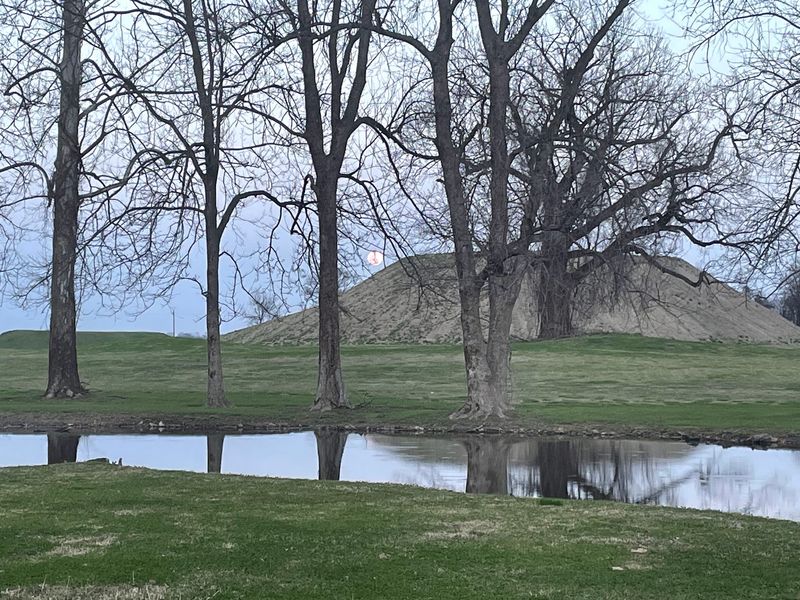
Fifty-five feet tall. That is how high Mound A, known as the Temple Mound, rises above the Delta, and it ranks among the ten tallest mounds in the entire country.
Standing at its base, kids often tilt their heads way back just to see the top.
Size feels different in a flat landscape. Visitors describe the Temple Mound as massive, and with nothing else around to compare it to, the effect is striking.
It truly dominates the scene from almost every corner of the grounds.
So, do kids actually get to climb it? Not anymore.
Climbing the big mound is off limits, and the state asks everyone to stay off the mounds because they are considered sacred, plus there have been safety concerns with children climbing in the past. Access to certain mounds now requires special permission.
Many local families remember scrambling up these slopes years ago, which is where the old stories of kids climbing come from. Today the better adventure is circling the base, counting your steps, and imagining the important buildings that once stood on top.
Kids can still feel tiny next to something so grand, and that feeling sticks with them long after the trip ends.
Plazas, Smaller Mounds, And A Bigger Picture
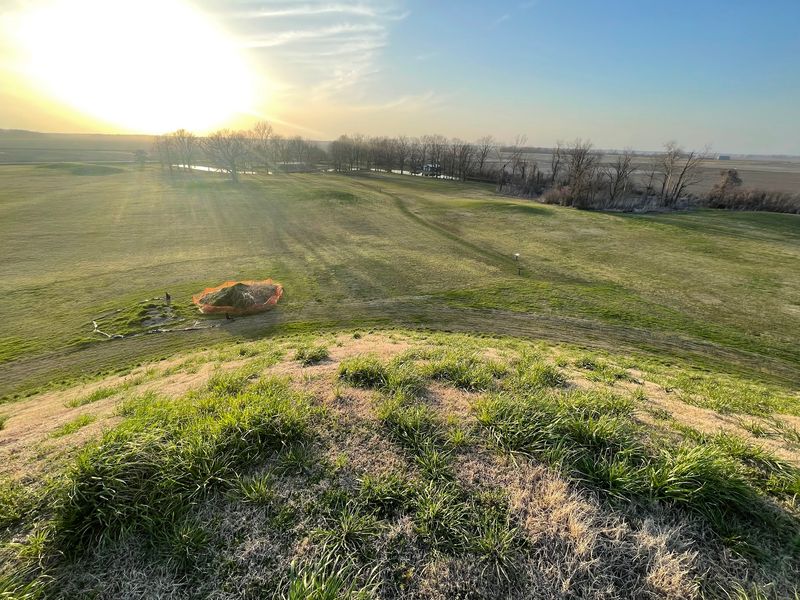
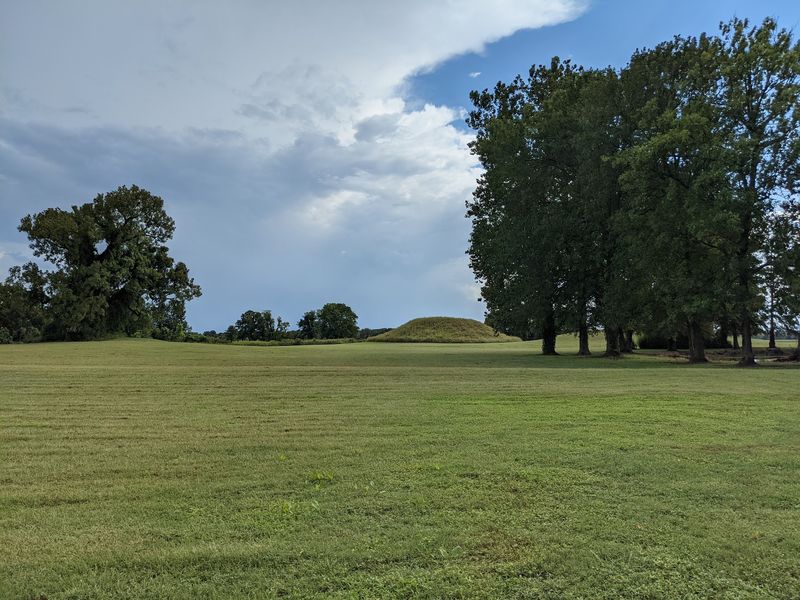
Once there were 23 mounds and two large plazas spread across this land. Today, 12 mounds and both plazas remain across about 42 acres, still enough to show how important this community was.
Some travelers describe it as a regional power in its day.
Mound B, the second tallest, stands about 30 feet high. The other mounds vary in size and shape, and each one likely had its own purpose.
Some served sacred rituals, some held homes for important families, and others hosted gatherings, trade, and celebrations.
Here is a tip that experienced visitors share: do not just walk the main path and leave. Take time to learn the layout and explore the whole site.
Seeing how the mounds surround the plazas helps kids understand that this was a planned city, not a random group of hills.
A couple of mounds may be fenced off for upkeep, which helps protect them for future generations. Turn it into a scavenger hunt by asking kids to find the biggest, smallest, and flattest mounds.
That simple game keeps everyone moving and paying attention to the details that make this place so special.
Info Markers And A Brochure Box
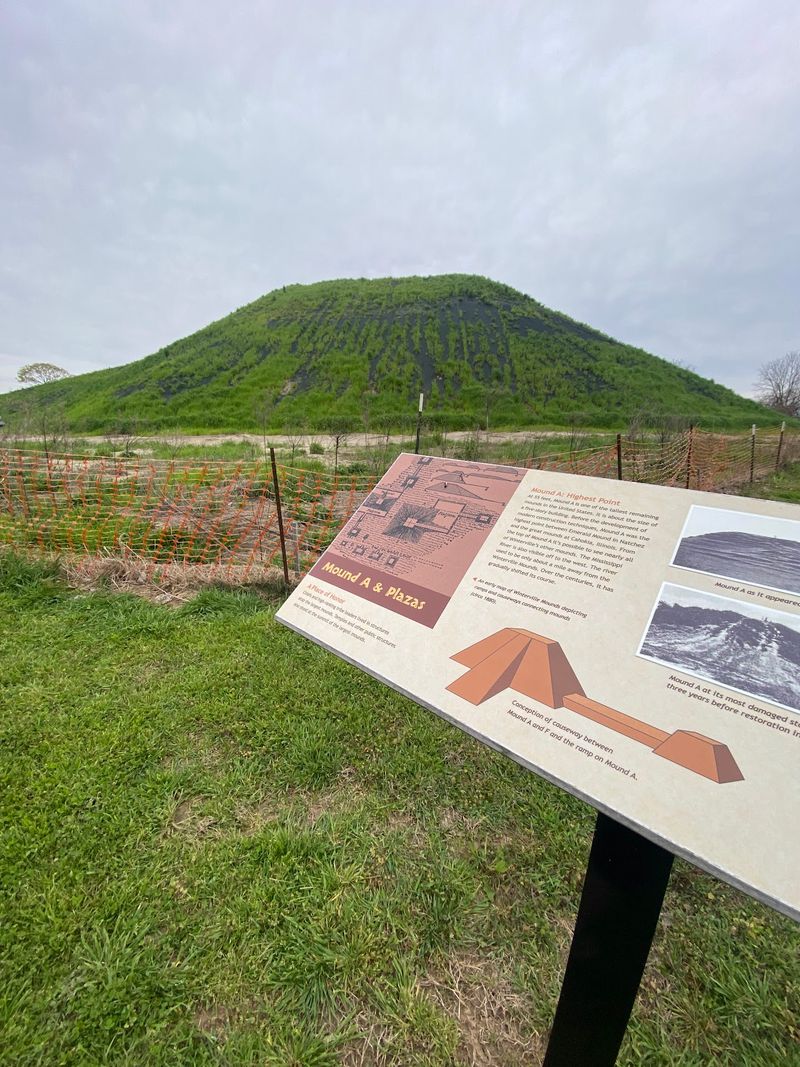
With the museum doors closed for now, learning happens outdoors. Informative boards placed around the grounds explain the history and meaning of the mounds in clear, easy-to-follow language.
Visitors regularly praise these markers for being helpful and well done.
There is also a brochure kept in a box outside the building that guides you through the site. It works like a self-guided tour, perfect for families who like to stop, read a little, and then move on.
Let older kids be the tour guide and read each section out loud.
New outdoor signage and an updated on-site brochure are also in development, according to the state. That means the experience should keep getting better as the planned improvements roll out.
It is a nice reason to come back in a year or two.
Years ago, the small museum held displays and an exhibit that guests described as interesting and well organized. Renovations and fresh exhibit plans are expected to bring that indoor experience back someday.
Until then, the signs and brochure do a solid job of filling in the story, and the mounds themselves make the best visual aids anyone could ask for.
Quiet Grounds With Room To Roam
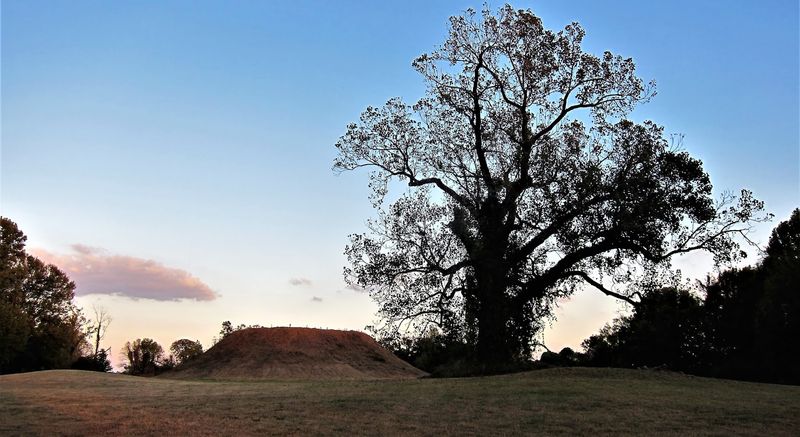
Silence might be the first thing you notice after the car doors shut. The grounds are wide, open, and peaceful, and many visitors describe the site as a quiet place to reflect on the past.
For families used to noisy attractions, the calm can feel refreshing.
Kids have plenty of space to walk without crowds pressing in. Miles of walking trails wind around the property, and the lawns are kept neat and clean.
Travelers often remark on how well maintained the whole park looks.
Some visitors say they felt a special energy here, a sense of another, older America that still lingers in the land. That kind of mood is hard to explain to kids, but they often feel it anyway.
Encourage them to stand still for a minute and simply listen.
The setting suits curious young learners, history-loving parents, and grandparents who enjoy a slow stroll. It also works well for families who just need a calm break during a long drive.
A visit of 30 to 60 minutes is common, though people who explore every corner may happily stay longer and soak up the wide-open sky.
Sunrise Shadows And Picnic Pavilions
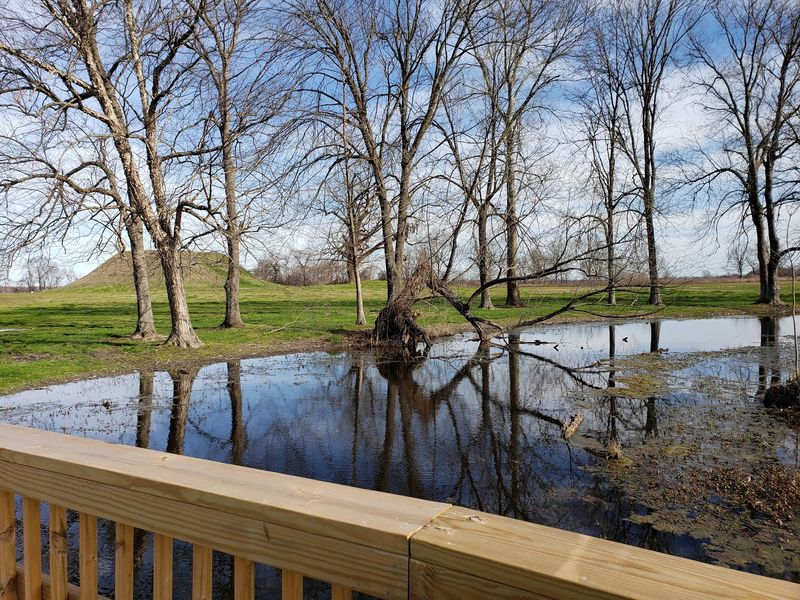
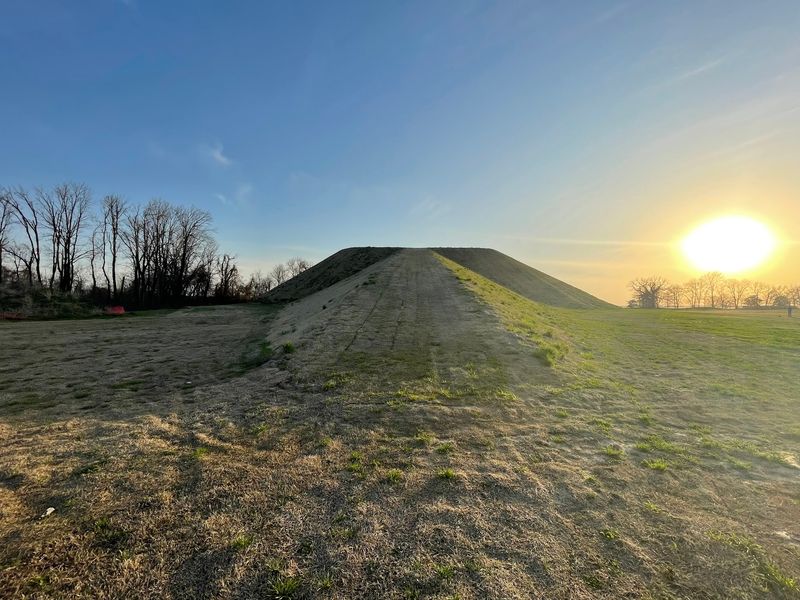
Early birds get the best view. One smart suggestion from past visitors is to arrive within an hour or two of sunrise, when long shadows stretch across the grass.
The mounds look their most dramatic in that soft morning light, and photos turn out beautifully.
Kids with cameras or tablets can make a game out of capturing the shapes. Ask them to photograph the same mound from three different sides and compare the shadows.
It is an easy way to sneak in a little science about how sunlight changes through the day.
Hungry after all that walking? Refurbished pavilion areas offer picnic tables and grills, so packing a lunch makes a lot of sense.
Families can spread out, eat together, and enjoy the lovely view that so many guests mention.
The area has long been a gathering spot for locals, too. People who grew up nearby remember visiting often with school groups and family, and some still meet friends there to hang out.
Sharing a meal under the pavilion connects your family to that same tradition of coming together, which fits nicely with the history of a place once built for community celebrations.
Hours, Admission, And Respectful Visiting
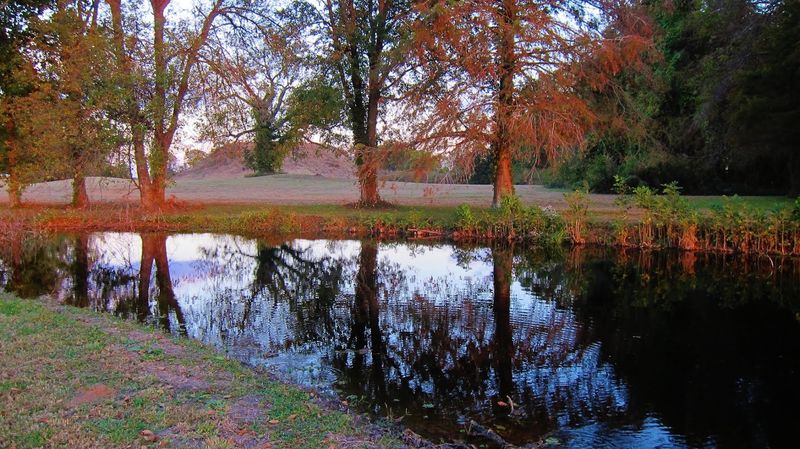
Good news for budgets: walking the grounds costs nothing. Admission is free, and the state lists the grounds as open daily from dawn to dusk.
Google listings show hours of 7 AM to 5 PM every day, so planning a daytime visit covers you either way.
Questions before you go can be answered by calling 662-334-4684. The Mississippi Department of Archives and History website also shares updates about the site and any renovation news.
Checking ahead helps, since community events at the site have been on hold at times.
Respect matters most here. The state asks visitors to stay off all the mounds because they are sacred places, so the climbing part of any kid adventure happens only in the imagination now.
Explaining why helps children understand that some places deserve the same care as a church or a memorial.
Bring water, sunscreen, and comfortable shoes, since the grounds are open and the walking adds up. A small notebook can be fun for kids who want to sketch the mounds.
Leave everything as you found it, and the site stays beautiful for the next family who pulls off the highway curious about the hills.
Why Families Keep Coming Back
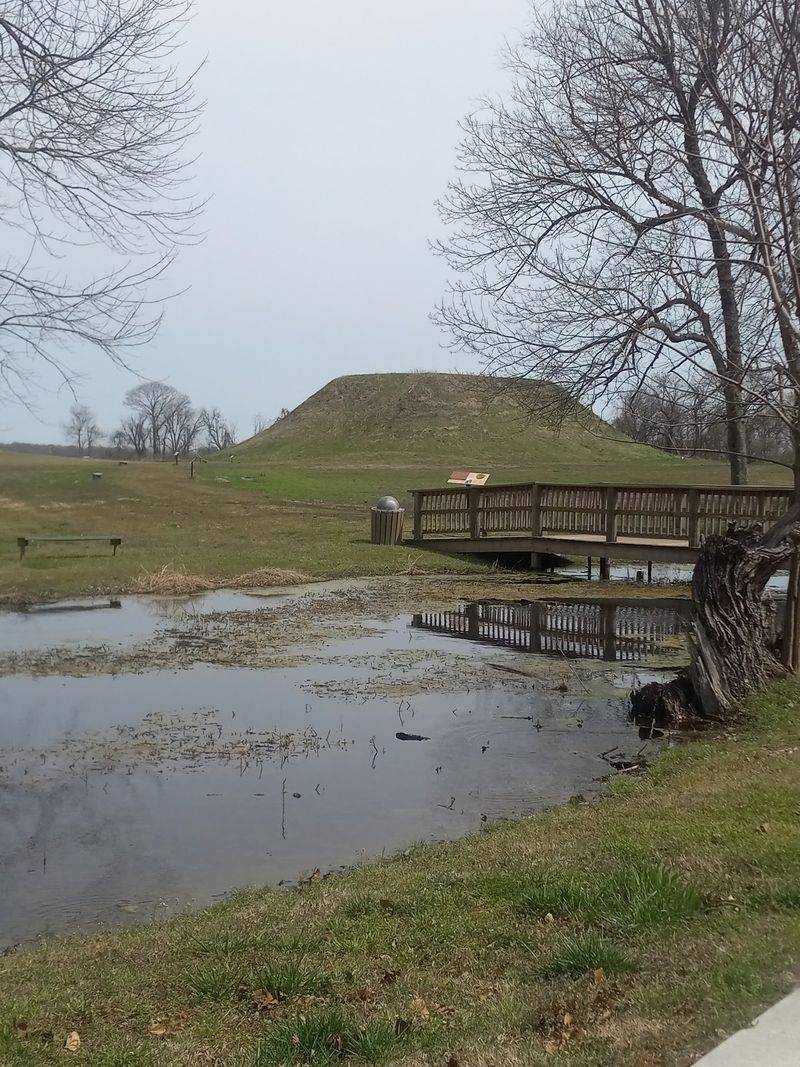
Some places teach history with glass cases and long labels. This one teaches it with the land itself, rising tall above the fields and inviting questions from every direction.
Kids may not get to scramble to the top anymore, but the sense of wonder stays fully intact.
Fans of the site call it a must-see stop when you are anywhere in the area. It pairs nicely with exploring Delta blues history, giving families a fuller picture of the region and the many cultures that shaped it.
Few stops offer this much story for zero dollars.
Where else can children stand beside a 55-foot hill built entirely by hand a thousand years ago? That question alone can spark conversations that last the whole drive home.
Some kids even start asking to visit other mounds along the state trail.
Plan for a relaxed hour, pack a picnic, and come with open eyes. Respect the sacred ground, read the markers, and let the quiet do some of the teaching.
For families traveling through Mississippi, this ancient city offers a memorable, meaningful break that turns a simple road stop into a real adventure in learning.