
This Tiny Pennsylvania College Offers Loan-Free Aid And Ranks Among The Best In America
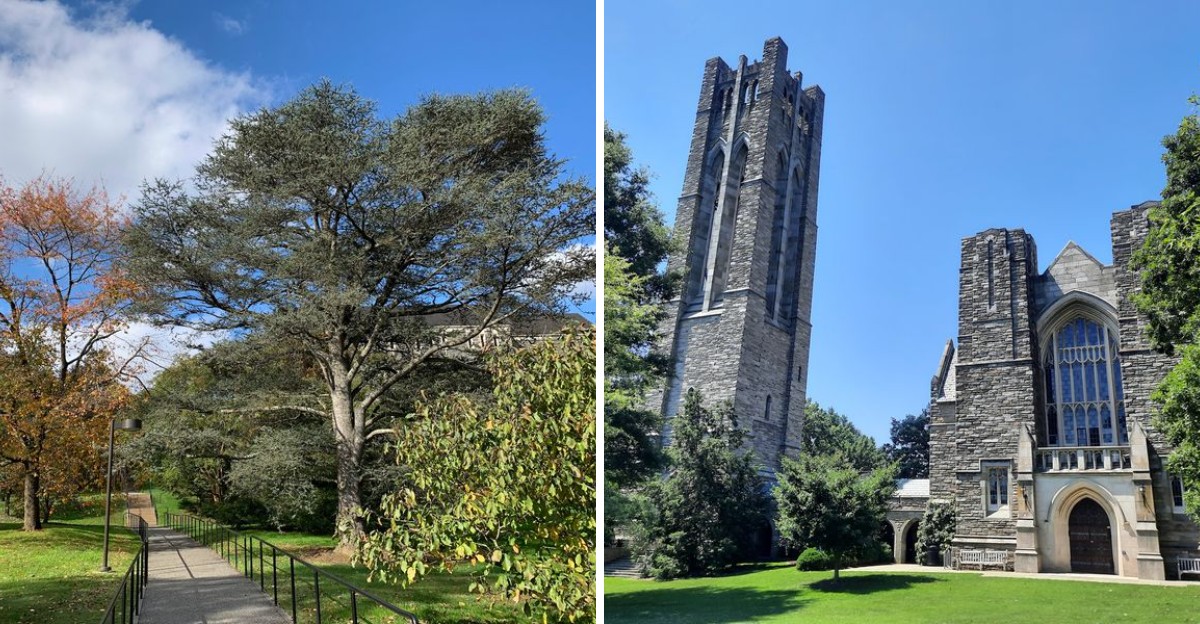
What if one of the smartest college decisions your family could make came with a much smaller student loan burden than expected?
College tuition has a habit of turning big dreams into stressful conversations around the kitchen table. Parents worry about the bills, students worry about debt, and suddenly, choosing a school feels more like solving a financial puzzle than planning a future.
But one small Pennsylvania college is giving families a reason to feel hopeful.
With a commitment to loan-free financial aid and a reputation that places it among America’s top colleges, this school is proving that an excellent education doesn’t always have to leave students buried in debt.
Its small campus might not grab as much attention as those of larger universities, but the opportunities deserve a serious look.
For Pennsylvania families trying to balance academic quality with affordability, this could be a college worth adding to the application list. And its impressive national standing is only part of the story.
Financial Aid Without The Loan Strings
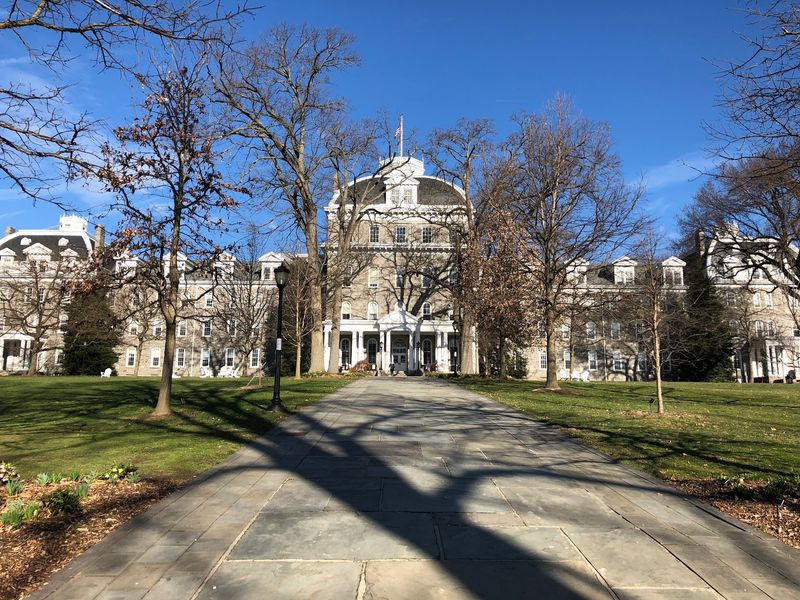
Money talk rarely feels this cheerful at a college. Swarthmore College replaced loans with grants in its financial aid packages starting in 2008.
That means aid is designed to be money you never pay back. Families do not have to start adult life buried in college debt from the school’s own packages.
Need-based aid is the heart of the system here. The college promises to meet the full demonstrated need of every admitted student.
For students from the United States, admission is also need-blind. Your family’s bank account does not affect whether you get accepted.
Here is a practical tip worth remembering. The sticker price can look scary, but the real cost after aid is often far lower.
Many students receive large grants each year. The college offers an online net price calculator to give families an early estimate.
Try it before you cross the school off your list. You might be surprised by the number that pops up on your screen.
Planning early helps a lot. Gather tax forms, ask questions, and meet every deadline so your aid arrives without a hitch.
A Top Spot On The National Rankings
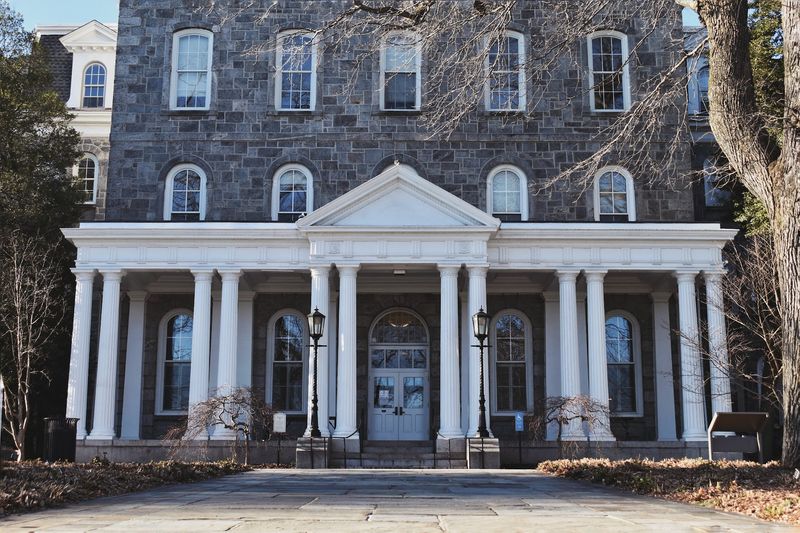
Bragging rights come easily for this little school. Swarthmore regularly lands in the top five of national liberal arts college rankings.
It has even claimed the number one spot in U.S. News and World Report several times.
That is quite a feat for a campus with only about 1,700 undergraduates.
So what earns those high marks? Strong graduation rates, small classes, and excellent faculty all play a big part.
The school also shines in research and graduate school success. Many alumni go on to earn PhDs in science, history, and many other fields.
Rankings are only one piece of the puzzle, though. They work best as a starting point, not as the final answer for choosing a school.
Look closer at what students actually do each day. Ask about classes, labs, clubs, and how easy it is to talk with professors.
Swarthmore tends to hold up well under that kind of close look. The rankings simply reflect what is already happening in its classrooms and labs.
Small Classes With Big Conversations
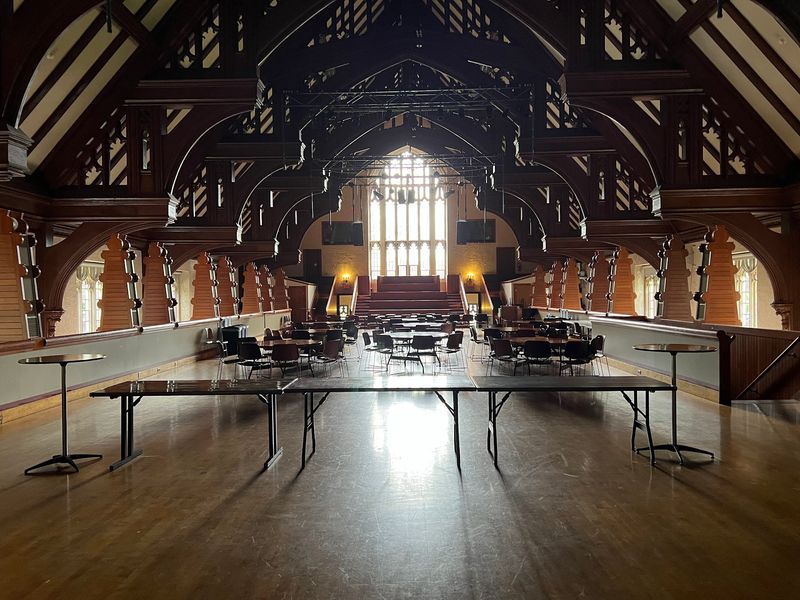
Hiding in the back row is nearly impossible here. Swarthmore keeps its student to faculty ratio at about 8 to 1.
Many classes have fewer than 20 students. Seminars often feel more like lively discussions around a kitchen table than lectures.
Professors teach the classes themselves, not graduate assistants. Students get to know their teachers by name, and the teachers know them right back.
That closeness opens doors. Students often help with real research projects alongside faculty, sometimes during summers on campus.
One famous feature is the Honors Program. Students in it study in small seminars and then face outside examiners who come from other colleges.
It sounds intense, and it is. Yet many graduates describe it as a highlight of their education.
Here is some advice for future students. Speak up early, visit office hours, and treat professors like mentors.
At a school this size, that effort pays off quickly. A single good conversation can lead to a lab job, a strong letter, or a new passion.
A Campus That Doubles As An Arboretum
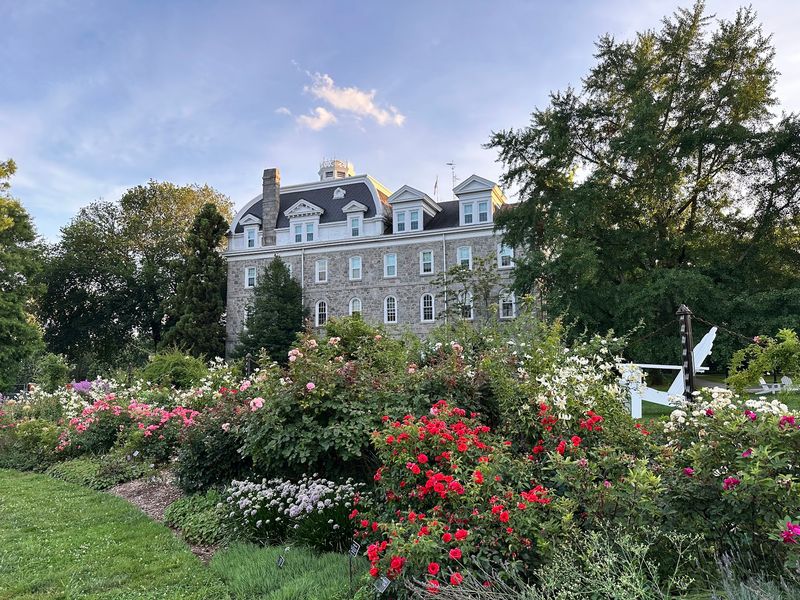
Most colleges have a few nice trees. Swarthmore College has an entire arboretum woven through its grounds.
The Scott Arboretum was founded in 1929. It covers the whole campus, so classes happen right in the middle of a living garden.
Thousands of plant types grow across the grounds. Cherry trees, magnolias, hollies, and oaks give every season its own look.
Spring brings bright blossoms along the walkways. Autumn turns the lawns into a patchwork of gold, red, and orange.
The arboretum is free and open to the public every day. You can stroll the paths at your own pace and read the plant labels as you go.
Bring a camera and a little patience. Some of the best shots come from slowing down and looking closely at a single flower.
Students say the greenery helps them unwind between classes. A short walk under the trees can clear your mind faster than another cup of coffee.
Roses, Amphitheater, And Outdoor Ceremonies
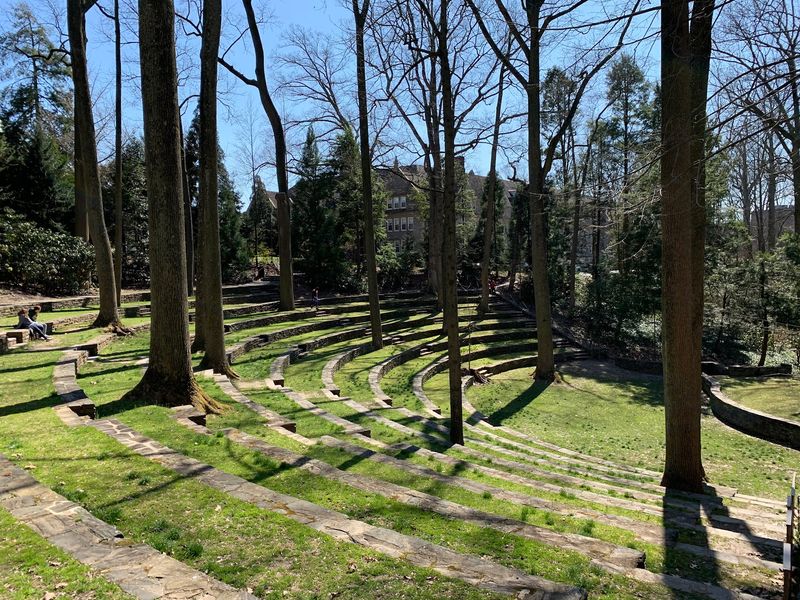
Graduation under a canopy of giant trees beats a stuffy gym any day. The Scott Outdoor Amphitheater is one of the most loved spots on campus.
Built in the 1940s, it has stone-edged grass rows set into a gentle slope. Tall tulip poplars rise above it like natural columns.
Commencement takes place here each spring, weather allowing. Families settle onto the terraces as graduates cross the stage.
Nearby, the Dean Bond Rose Garden adds a splash of color. Hundreds of rose bushes bloom in late spring and early summer.
Both spots make lovely places for quiet reading. Students also use them for study breaks, picnics, and chats with friends.
Photographers love this part of campus too. Local teens often pose for formal photos among the flowers before big dances.
A helpful tip is to come in early June for peak rose season. Early morning light is soft, and the paths are calm and uncrowded.
Trails Through The Crum Woods
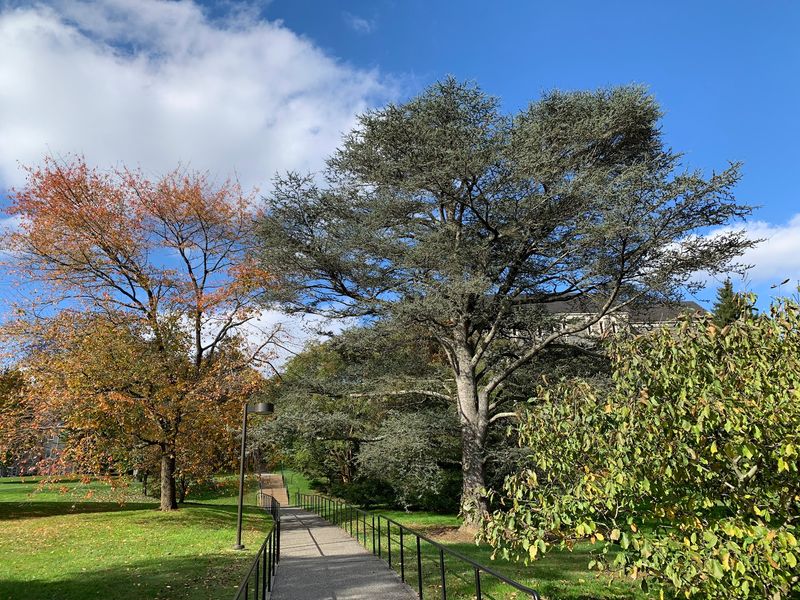
Few colleges can claim a forest in the backyard. The Crum Woods stretch across more than 200 acres beside the main campus.
Trails wind down a long slope to Crum Creek. Students hike, jog, and sometimes hold science classes among the trees.
Biology and environmental students use the woods as an outdoor lab. They study plants, birds, water quality, and invasive species right on site.
The college works to protect and restore this land. Volunteers often help remove invasive plants so native ones can thrive.
For a peaceful break, the woods are hard to beat. Birdsong replaces the hum of laptops within minutes of leaving the lawns.
Wear sturdy shoes before heading down. Some trails are steep, and they can turn muddy after a rainy day.
Stay on marked paths to protect the plants. That simple habit keeps the forest healthy for the next group of explorers.
Quaker Roots That Still Shape Campus Life
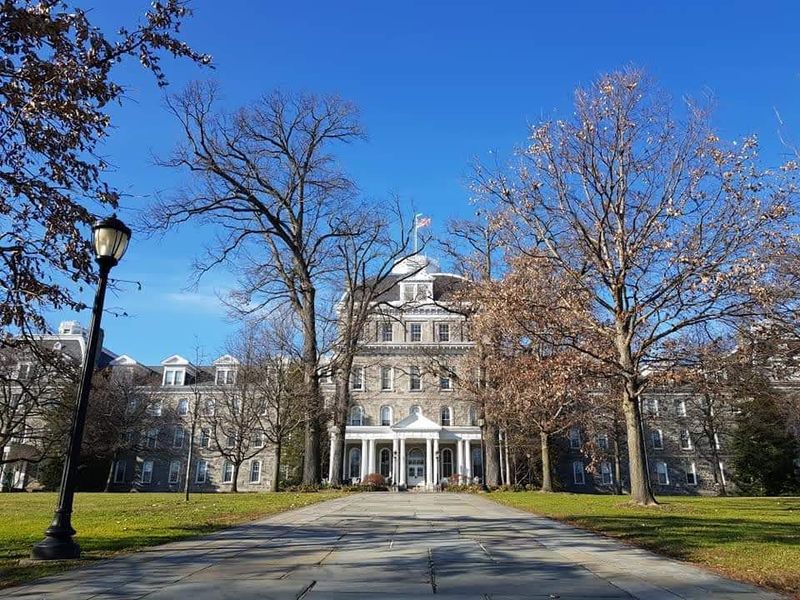
History runs deep in the stone walls here. Swarthmore was founded in 1864 by members of the Religious Society of Friends, also called Quakers.
It was one of the first coeducational colleges in the country. Men and women studied side by side from the very start.
The college is no longer tied to any religion today. Still, Quaker values like fairness, peace, and service shape daily life.
Students often talk about the strong focus on social responsibility. Many join service projects, community work, and causes they care about.
A fun fact surprises many newcomers. Lucretia Mott, a famous reformer and early voice for women’s rights, helped found the school.
That spirit of speaking up still echoes on campus. Lively debates in class and around the dining tables are part of the culture.
Curious readers should take a peek at the school’s history pages. They show how a small Quaker dream grew into a top national college.
Tri-College Teamwork With Bryn Mawr And Haverford
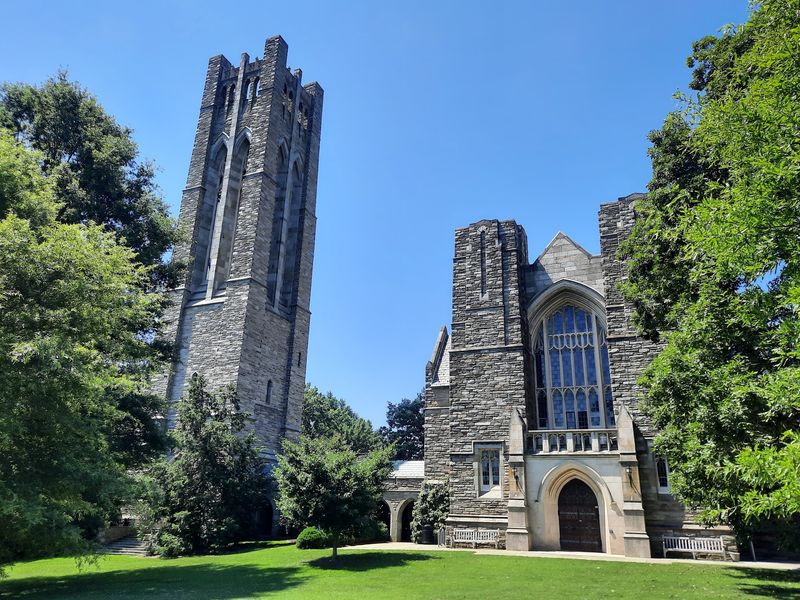
Small does not mean limited at this school. Swarthmore teams up with Bryn Mawr and Haverford in the Tri-College Consortium.
Students can take classes at the partner schools. They can also borrow books from shared libraries and join clubs across campuses.
Shuttle buses help students get around between schools. That turns three cozy campuses into one bigger playground for learning.
There is also a link with the University of Pennsylvania. Students may take certain classes there, adding even more options.
This setup brings the best of both worlds. You get close relationships in class plus the range of a much larger school.
Think of it as a buffet with three kitchens. If one menu lacks a dish, another school might serve it up.
Planning a schedule takes some extra thought. Talk with an advisor early so travel time and class times line up neatly.
Engineering At A Liberal Arts School

Engineers and poets share the same dining hall here. Swarthmore is one of very few small liberal arts colleges with an accredited engineering program.
Students earn a Bachelor of Science in engineering. They also take classes in the arts, humanities, and social sciences along the way.
This mix builds well-rounded problem solvers. A future engineer might write essays on history while designing bridges or circuits.
Science facilities have grown in recent years. Singer Hall, a newer science building, gives biology, engineering, and psychology students modern space.
Labs are open to undergraduates, not just graduate students. That means hands-on work starts early instead of years down the road.
A smart move for science lovers is to ask about summer research. Many students work on paid projects with faculty during break.
Those experiences can lead to published papers and strong resumes. Plenty of graduates head into top jobs and graduate programs afterward.
A Train Ride From Philadelphia
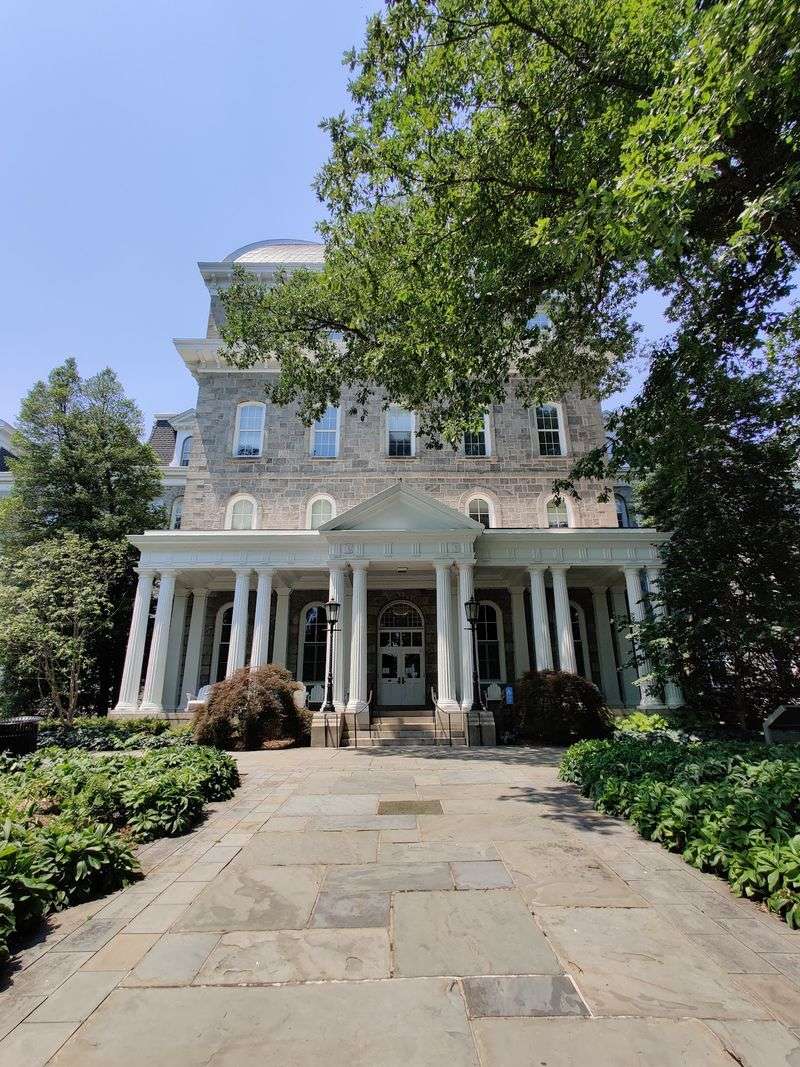
Getting here is easier than solving a calculus problem. The campus at 500 College Ave, Swarthmore, Pennsylvania sits right beside a SEPTA regional rail station.
Trains run to downtown Philadelphia in about 25 minutes. Students hop on for museums, concerts, internships, and city food.
The town of Swarthmore itself feels calm and friendly. Shops, cafes, and a bookstore line the streets near the station.
The Swarthmore Inn sits on the edge of campus too. It offers rooms and a dining spot for families who come for tours or events.
Thinking about a campus tour? The admissions office works on weekdays, so plan your trip for Monday through Friday.
Tours and info sessions fill up in busy seasons. Book ahead online so you can grab a spot that fits your schedule.
Leave time to wander after the tour ends. The gardens, woods, and town together give a fuller picture of student life.