
These 6 Small-Town Mississippi Railroad Museums Tell The Story Of The Towns The Tracks Built
A quick stop for directions in a quiet Mississippi town can turn into an afternoon spent staring at a steam engine. Railroads built many of the towns across this state, and some of the best proof sits inside old depots and tiny museums.
These places hold cabooses, model trains, old photos, and stories of the people who kept the tracks running. If you have ever wondered why so many Main Streets sit right beside the rails, these six stops have the answers.
1. McComb Railroad Museum
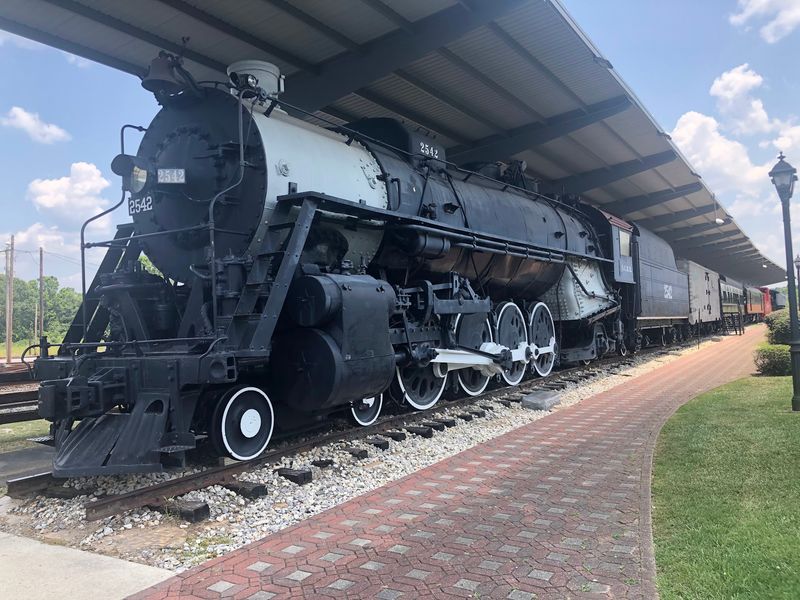
A black steam locomotive parked outside makes the first impression here, and it is a strong one. Next to it sits vintage rolling stock, giving a real sense of the size and weight of the machines that once rumbled through town.
Inside, the museum keeps things compact with just two rooms. Those rooms focus on the history of the old McComb depot and its repair yard, which once kept trains moving through southern Mississippi.
Photos and exhibits help explain how the railroad shaped jobs, families, and daily life in this junction town.
Step back outside and the learning continues on what feels like a walk of history. Granite markers line the path, each one engraved with a piece of the story.
Some cover train runs, others cover McComb itself, and a few add bits of wider Mississippi history.
Families will find plenty to share, since the stones invite reading out loud as you stroll. A pavilion offers a shady spot for a picnic, and there is on-site parking plus a restroom.
Timing matters with this stop. Doors open only on Thursday and Friday from 10 AM to 4 PM, so plan your route around those two days.
2. Martin & Sue King Railroad Museum
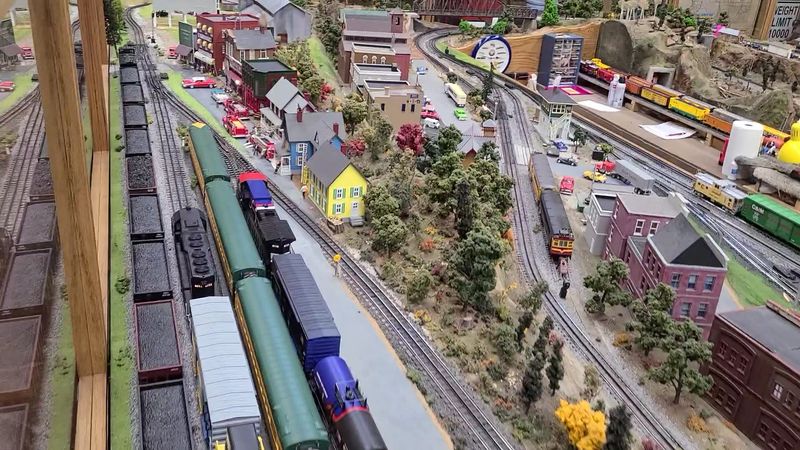
Picture an entire Mississippi town shrunk down to fit on a tabletop. That is the heart of this Delta museum, where the state’s largest O-gauge model train layout shows a classic small town from the 1940s through the 1960s.
Tiny trains roll past depots, stores, and homes, showing how life once centered around the tracks. Watching them run is oddly calming, and the level of detail rewards a slow second look.
Beyond the layout, the collection digs into real railroad work. Tools used by track crews known as Gandy Dancers are on display, along with old timetables and schedules pulled from depots and rail offices.
Historical photos round out the picture of how Cleveland grew because the railroad needed to expand.
Outdoors, a 1941 Illinois Central caboose waits for curious guests. It still has its offset cupola, sliding wooden doors, and a cast-iron stove that once kept crews warm on long runs.
A knowledgeable docent often helps explain the exhibits, and a gift shop sits near the exit. Hours run Tuesday through Friday from 10:30 AM to 4:30 PM, plus Saturday from 10 AM to 2 PM.
3. Crossroads Museum
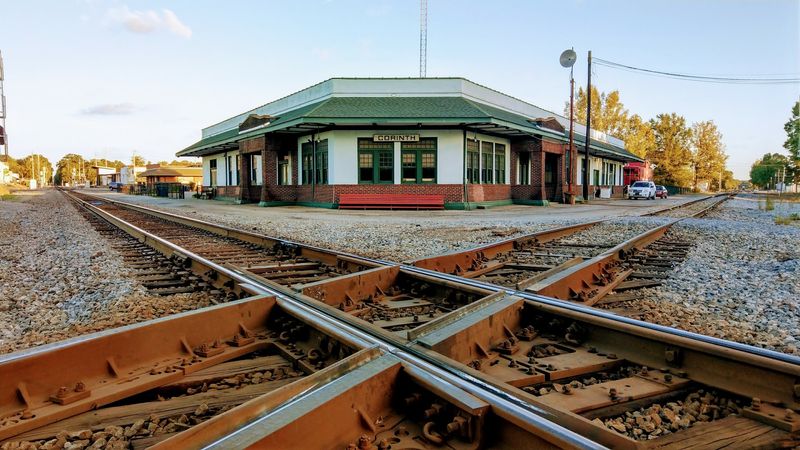
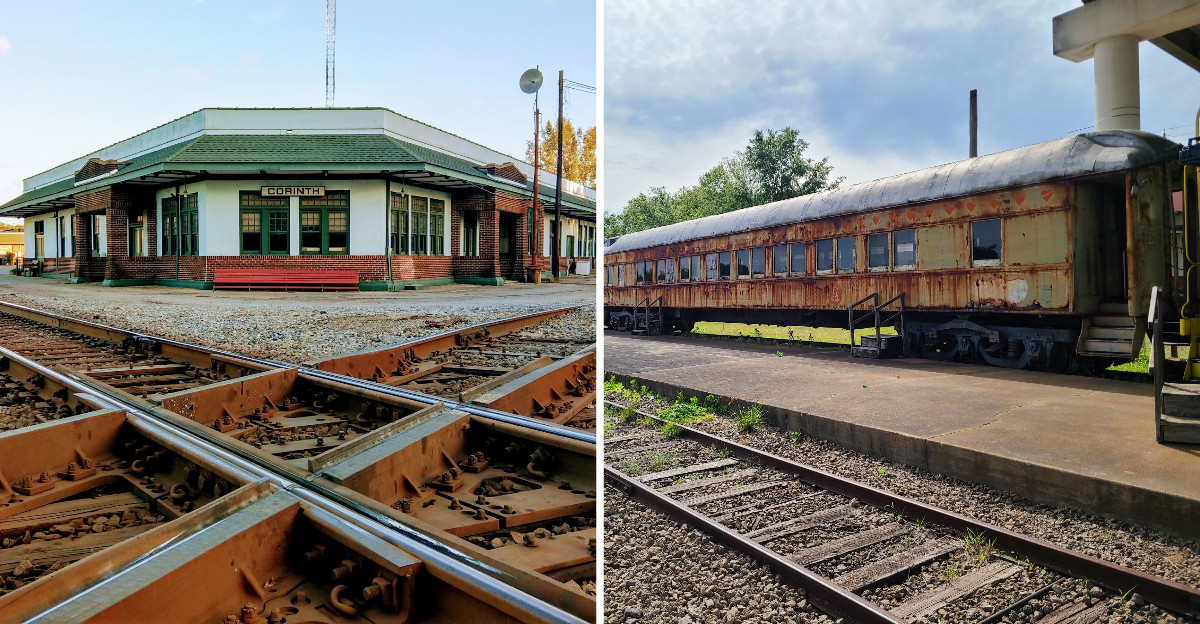
Two railroads crossed paths in Corinth back in 1857, and that single intersection changed the town forever. The Memphis and Charleston met the Mobile and Ohio right here, near the Tennessee line, making Corinth a prize during the Civil War.
Fittingly, the museum lives inside the historic depot at that very junction. Its exhibits connect the rail story with the Civil War chapter, showing why armies cared so much about control of these tracks.
What sets this stop apart? Real freight trains still roll through the crossroads, and you can watch them up close from inside the building.
A second-level viewing platform gives an even better angle when a long train passes.
Younger visitors can climb aboard a vintage caboose, and a play table keeps small children busy. The wider collection also includes American Indian artifacts and a fun display on local contributions to food, poetry, and aviation.
Admission prices are affordable, and on-site parking makes the visit easy. The depot has been on the National Register of Historic Places since 1993 and opened as a museum in 2007.
Hours run Tuesday through Friday 10 AM to 3 PM and Saturday 10 AM to 2 PM.
4. The Old Depot Museum
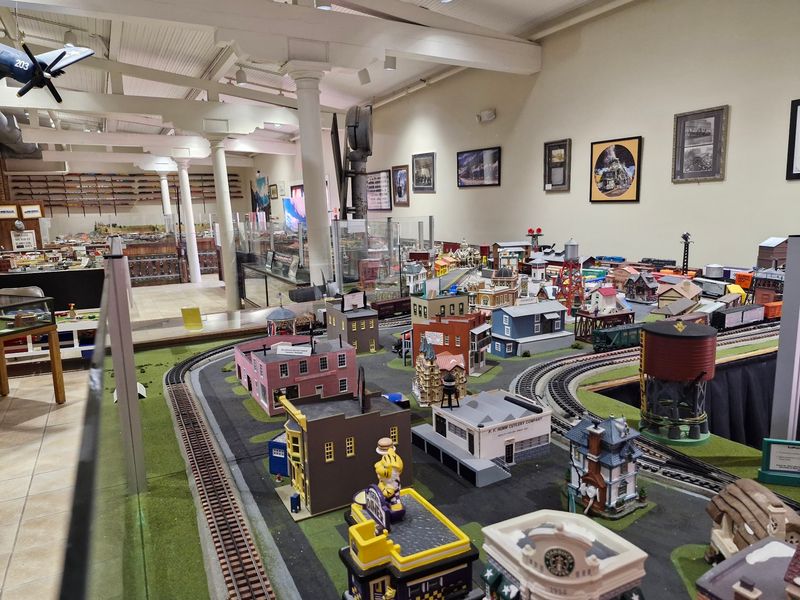
Trains and Civil War history share the spotlight at this riverfront depot on Levee Street. Few museums in the state blend transportation and battle history quite so neatly.
Running model trains steal much of the attention. Layouts in N, O, and HO scales fill the space, each built with careful buildings, scenery, and architectural touches.
Look closely and you will spot miniature versions of local landmarks like the Windsor Mansion and the Old Yazoo and Mississippi Railroad Depot.
Those layouts also map out Vicksburg’s geography and its historic rail lines. Seeing the river town in miniature makes it easier to understand why trains and boats mattered so much here.
Upstairs and down, two floors of displays continue the story. A miniature replica of the Vicksburg battlefield anchors the military side, and a short video plays in a small theatre.
Guides who know the Battle of Vicksburg well are often on hand to answer questions.
A gift shop sells actual artifacts along with souvenirs, and tours are offered. With on-site parking and hours from 10 AM to 5 PM Monday through Saturday, this is the easiest stop on the list to fit into a weekday or Saturday trip.
5. Meridian Railroad Museum
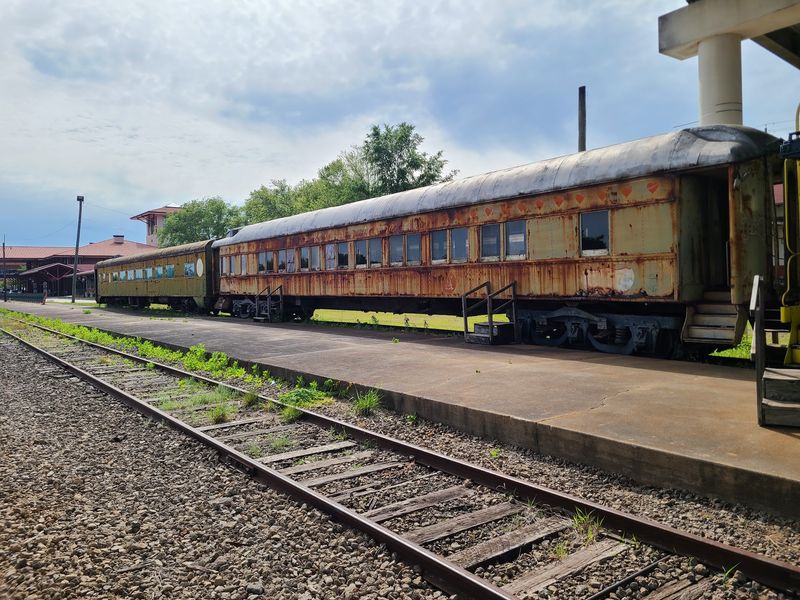
Before overnight shipping existed, packages moved by rail through offices like the Railway Express Agency. Meridian’s railroad museum sits inside one of those buildings, restored after roughly a century of service.
That setting alone tells a story about how goods and mail once traveled. Inside, the rooms are packed with information and a wide collection of memorabilia covering the history of rail in this city.
Meridian grew into a true railroad center, and the downtown rail district still shows it. Right next door, the active depot serves both Amtrak and Greyhound, so the sound of a passing train adds real atmosphere to your visit.
The museum is a work in progress, with ongoing plans to keep improving the space. Volunteers keep the doors open and are glad to share what they know about the collection and the building.
History lovers will appreciate the depth here more than flashy displays. Families are welcome, and on-site parking plus a restroom make things simple.
Check the calendar carefully before heading over. The museum opens only Tuesday, Thursday, and Friday from 10 AM to 2 PM.
6. Water Valley Casey Jones Railroad Museum
Casey Jones became a folk legend, a train engineer whose name lives on in songs and stories. Water Valley keeps his memory close, and this small museum is devoted to honoring his life and legacy.
The town itself began as a railway hub, so the setting feels just right. The museum sits on Railroad Street inside a restored historic depot, steps from the strip where rail work once kept the whole community busy.
Memorabilia tied to Jones fills much of the space, telling his story through artifacts and keepsakes. Beyond him, the collection covers the Illinois Central and local lines with photographs and documents that trace the region’s rail heritage.
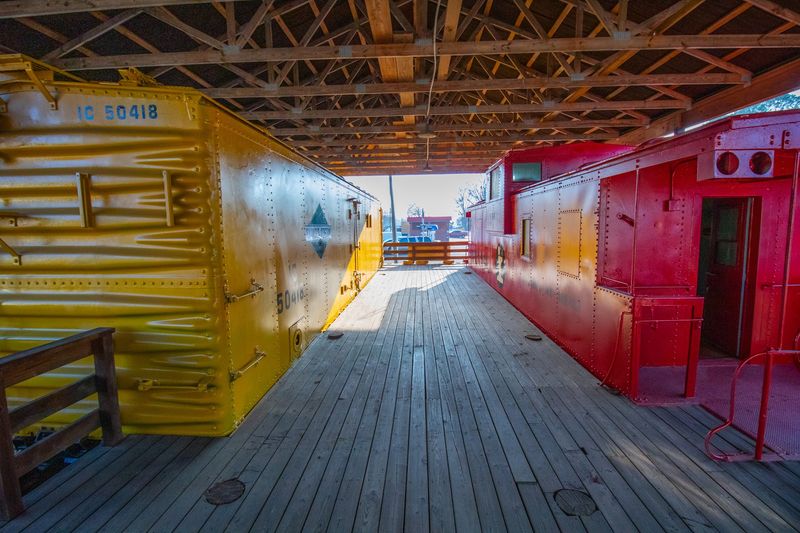
Outside, two pieces of equipment stand out. An Illinois Central caboose sits on display, along with a banana car, a reminder that trains once hauled fresh fruit north from Gulf ports.
Of all six stops, this one has the shortest window. Hours run just Friday and Saturday from 2 PM to 4 PM, so a little planning goes a long way.
Pair the visit with a stroll through downtown Water Valley for a relaxed small-town afternoon.