
This Quiet Mississippi State Park Has An Old Fort, A Fire Tower, And Big River Views
The road kept getting quieter, the trees kept getting taller, and the phone signal faded to nothing somewhere in rural Mississippi. Just when it felt like a wrong turn, a small museum, an old fort, and a tall lookout tower appeared above the river.
Long before cars, steamboat captains watched these bluffs closely as they guided their boats along the water. Today the same high ground holds stories, views, and quiet corners that make the long drive feel well spent.
A Historic Park High Above the Mississippi
Out past Port Gibson, at 12006 Grand-Gulf Rd, the countryside opens up into a state park built around one big idea: the river. Grand Gulf Military State Park sits on high ground near the Mississippi, where the water and the land have shaped each other for centuries.
Think of it as a small history campus spread across rolling grounds. A museum holds the artifacts, a fort and walking path cover the military story, and a lookout tower gives you the big picture from above.
Add an old church, a 19th century cemetery, a pavilion, and a full campground, and you have far more than a quick roadside stop.
Getting there is part of the experience. Visitors often mention feeling unsure about how far into the country they are driving, then being pleasantly surprised once they arrive.
Many people pair the trip with time in Vicksburg, since the two places share the same river story.
Plan on giving it real time. Some guests spend around two hours, while others say a full day barely covers everything.
History fans who stay for longer trips report finding new things to explore day after day.
Steamboats, Forts, and a Restless River
Picture a paddle-wheeler churning upstream, loaded with cotton, livestock, and mail. In the early 1800s, steamboats changed travel on the Mississippi, linking river towns in Mississippi to markets far beyond the state.
Captains learned every bend and bluff along the way. High ground near the water meant control, and different powers built forts along these bluffs long before the Civil War.
The Spanish raised Fort Nogales upriver in 1791, and the United States later put its own post on that same site.
By the 1860s, the river had turned from a trade route into a contested line. The Union saw control of the Mississippi as the key to splitting the Confederacy, and Confederate forces fortified the bluffs to stop that from happening.
In April 1863, Admiral Porter’s fleet ran past the Vicksburg batteries and pushed south along this stretch of water.
Here is a twist many visitors enjoy learning. The Mississippi is not a river that stays put, and floods have shifted its channel over the years, including a major change in 1876.
Standing at Grand Gulf, you are looking at a landscape where the water itself has always been part of the story.
A Small Museum Packed With Surprises
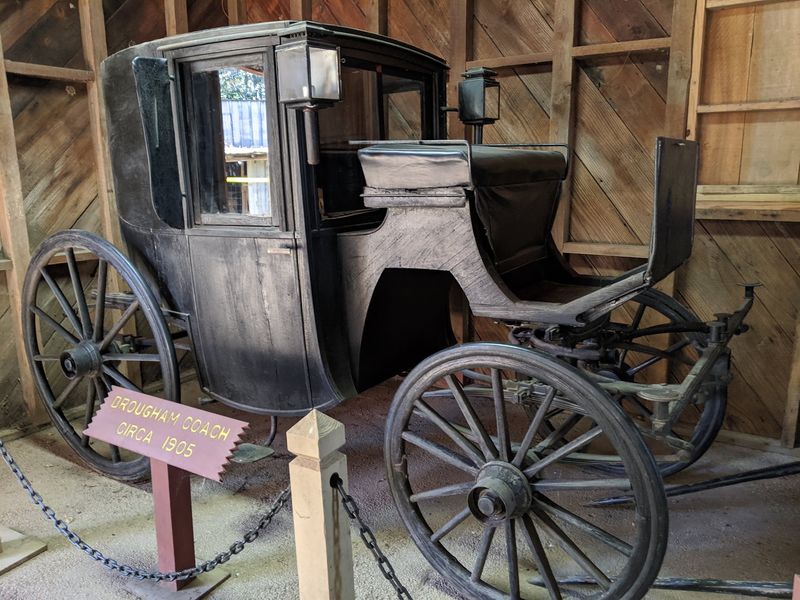
Small does not mean thin. Visitors describe the museum as compact but crowded with interesting objects, the kind of place where you keep leaning closer to read one more label.
One highlight stands out right away: a handwritten letter from George Washington. Another favorite is a homemade submarine once used for secret river smuggling, which tends to spark plenty of curious questions.
Around them sit old artifacts tied to the area’s long past along the Mississippi.
What really brings the exhibits to life, though, is the staff. Again and again, guests mention a friendly and knowledgeable person at the front who greets visitors and shares stories about the park.
Several people say talking with the curator was one of the best parts of their stop.
A tip for planning your route: start here before heading out onto the grounds. The background you pick up inside makes the fort, tower, and cemetery much more meaningful once you see them in person.
Expect a relaxed pace rather than a big city museum crowd. That calm setting makes it easy to take your time, ask questions, and actually remember what you saw on the drive home.
Earthworks, a Large Mortar, and the Foot Trail
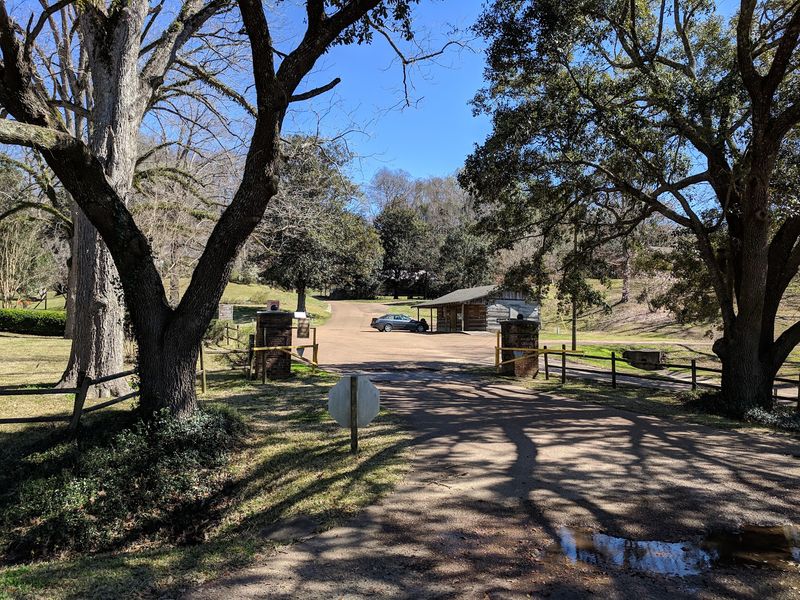
Grass now covers ground that once held soldiers on watch. The fort at Grand Gulf is one of the park’s main draws, and it helps you imagine how defenders once kept an eye on boats moving along the river below.
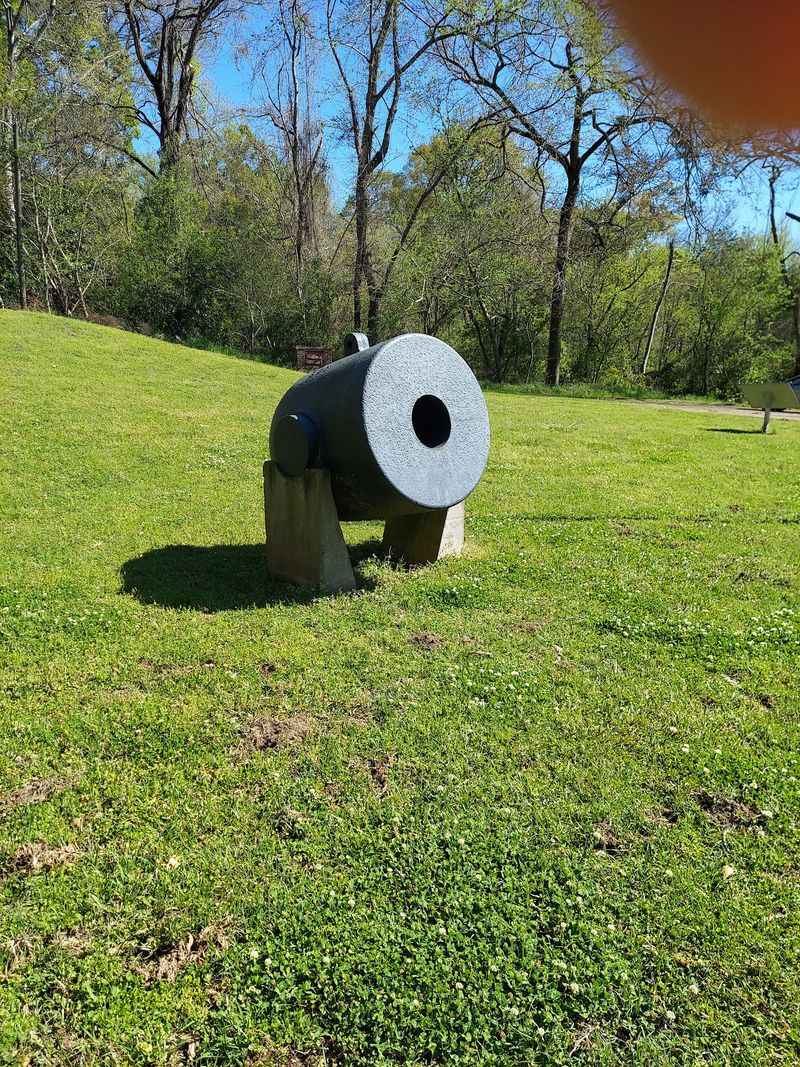
A large mortar sits on display, and it is hard to miss. Its heavy, squat shape gives a real sense of the scale of river defense during the Civil War.
Younger visitors and adults alike tend to stop and stare for a while.
Do you like learning on foot? A path loops around the compound, letting you walk past the historic features at your own speed.
Guests who have tried the foot trail recommend it, especially if the weather is mild and you have the energy.
The walk also offers something museums cannot: the feel of the land itself. You notice the rise of the bluff, the thick trees, and the way the ground drops toward the water.
Wear comfortable shoes and bring water on warm days. The grounds are well kept, but this is still a country park, and a steady pace makes the loop much more enjoyable.
The View From the Fire Watch Tower
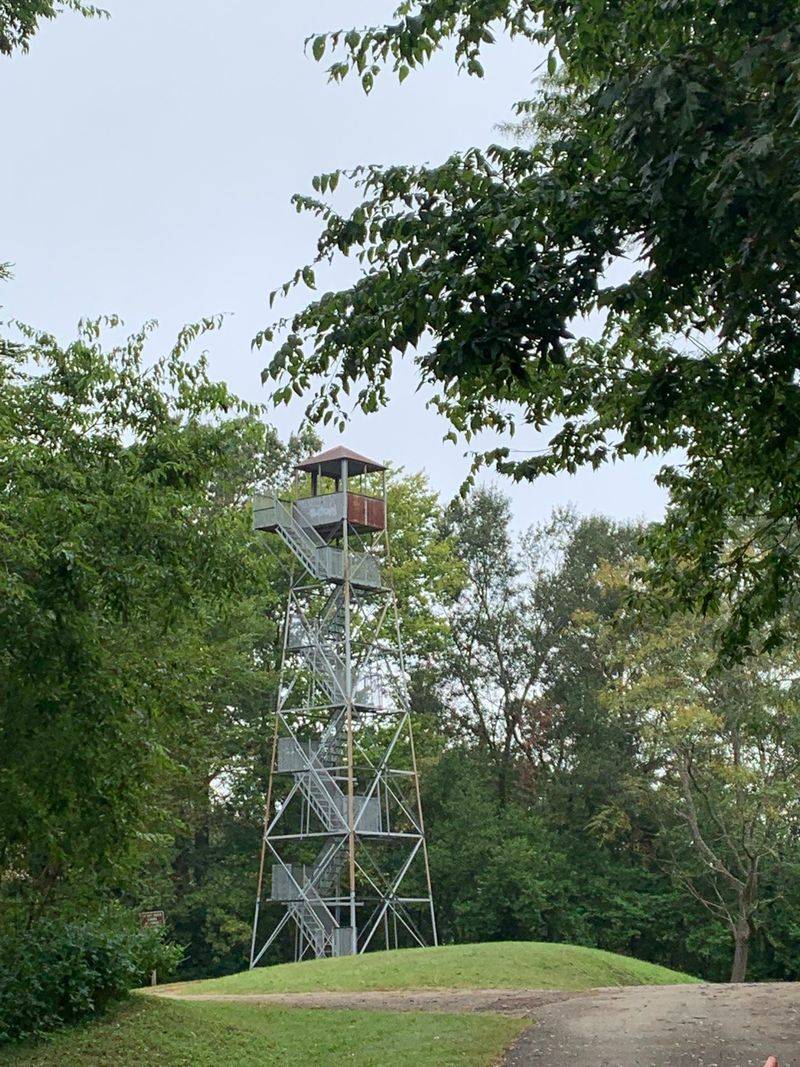
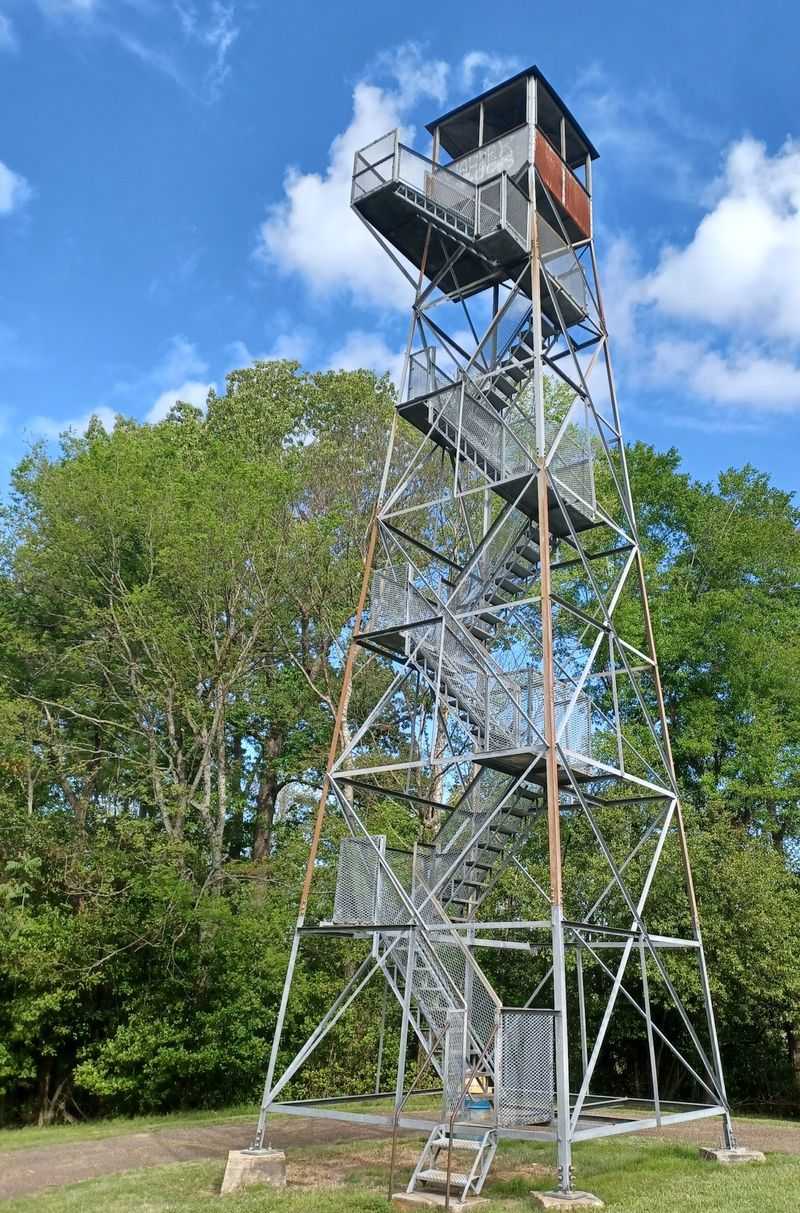
Climb high enough and the whole river story snaps into focus. The observation tower, an old fire watch tower, is one of the most talked about spots in the park.
From the top, visitors describe great views across the treetops and out toward the Mississippi. It is easy to understand why high ground mattered so much to anyone who wanted to watch the water.
You can almost picture a steamboat rounding a bend far below.
Bring your phone or camera up with you. More than one guest has made the climb, enjoyed the scenery, and then realized the pictures were left behind on the ground.
The park as a whole is known as a lovely place for photos, and the tower may be the best angle of all.
To find it, follow the road that runs through the park. That same route also leads toward the cemetery, so the two make a natural pair on a driving tour.
Take the stairs at an easy pace, especially on hot afternoons. A little patience on the way up pays off with one of the most memorable views in this part of Mississippi.
Old Church, Quiet Cemetery, and Historic Buildings
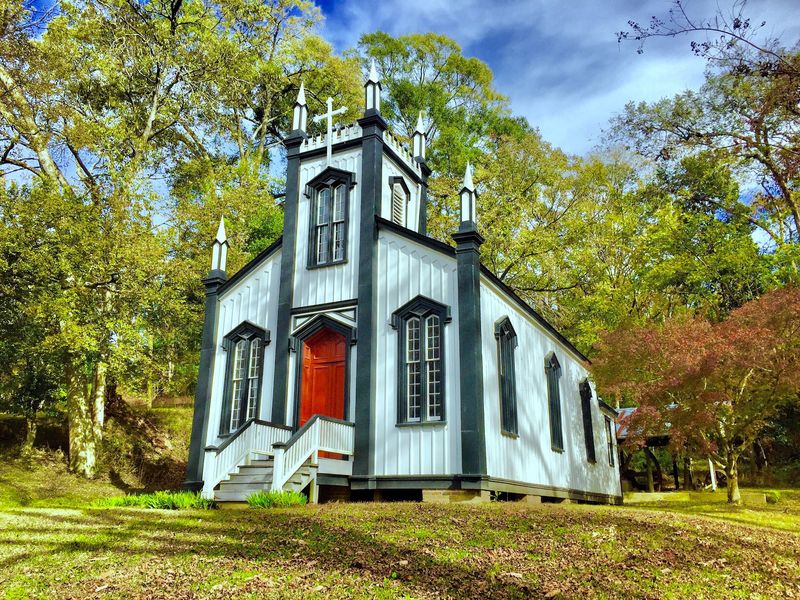
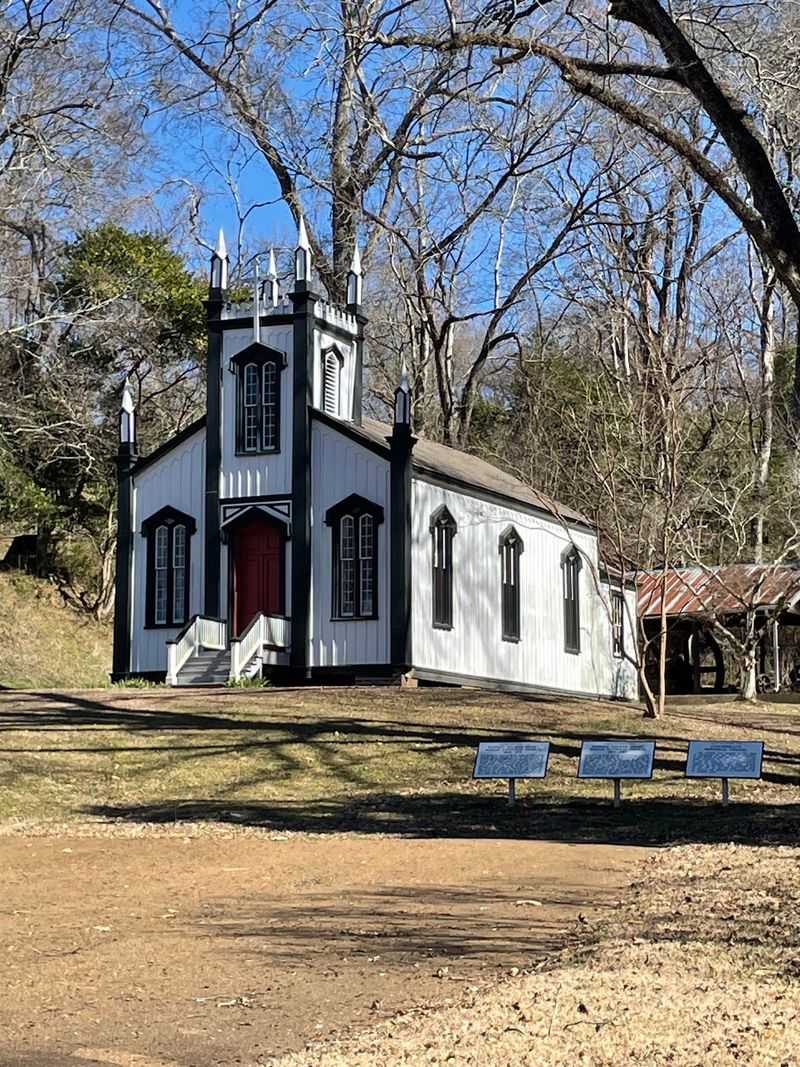
Beyond the military story, Grand Gulf holds a gentler side. A beautiful old church stands on the grounds, and visitors often call it one of their favorite places to explore.
Nearby, a 19th century cemetery adds a quiet, thoughtful stop to the tour. Weathered stones and shady trees give a feeling of how long people have lived and worked along this stretch of river.
It is a calm place to slow down and simply look around.
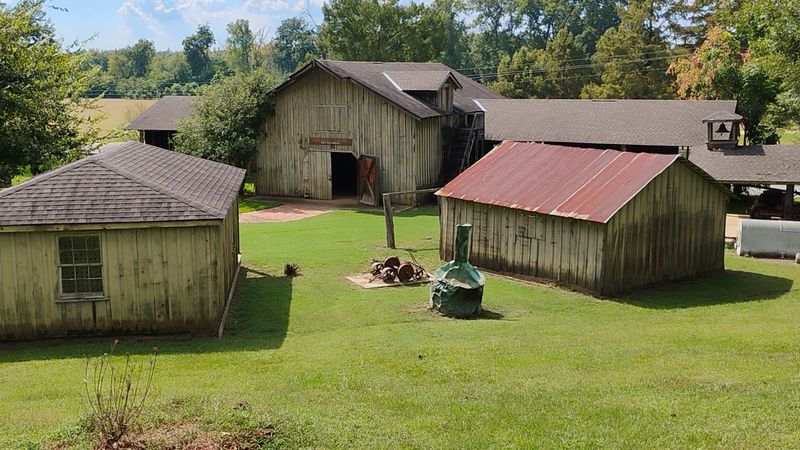
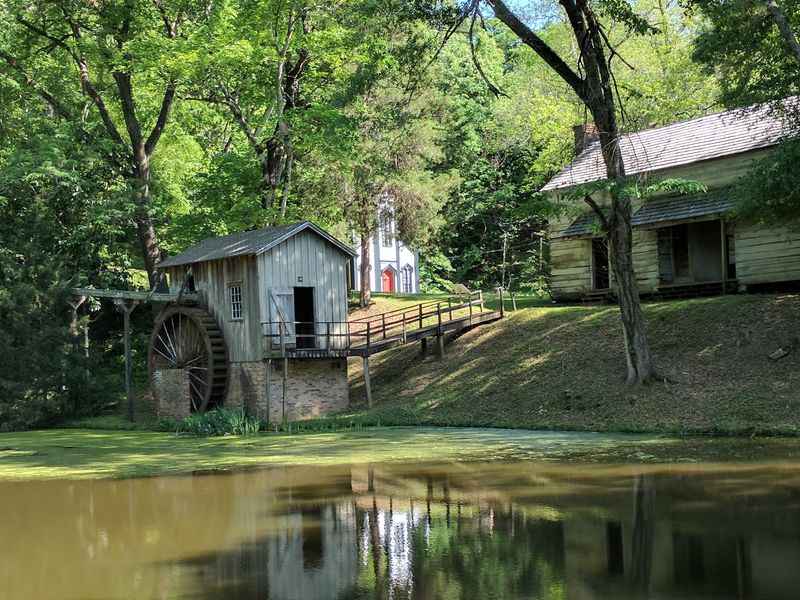
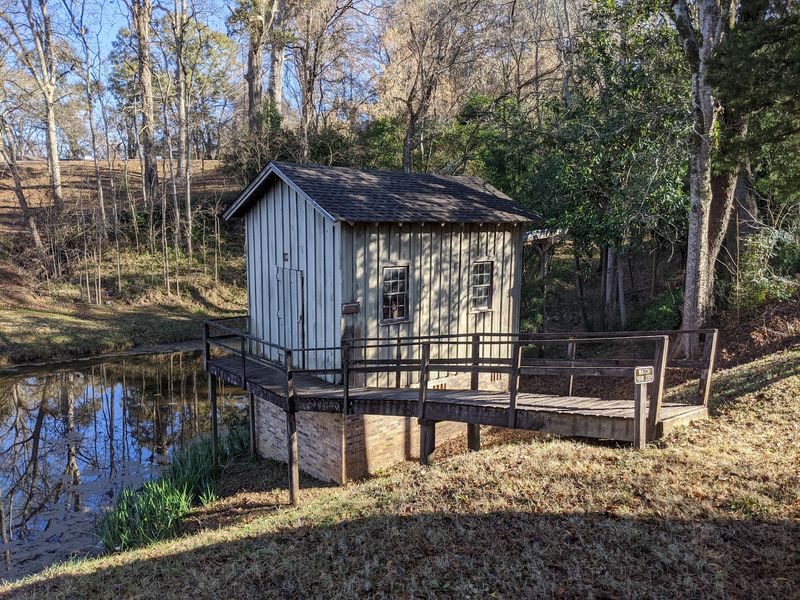
Several other historic buildings dot the park too. Guests mention a few different structures to step into, each adding another layer to the history of the area.
Together they make the park feel like a small village frozen in an earlier time.
Many people see these spots on a driving tour, which visitors say is well worth doing. The road through the park links the church, cemetery, and tower in one easy loop.
Be respectful while visiting the cemetery, and stay on paths when possible. Also keep in mind that a tornado once damaged parts of the park, and some areas were closed afterward, so check ahead about what is open.
Room for Reunions Under the Pavilion
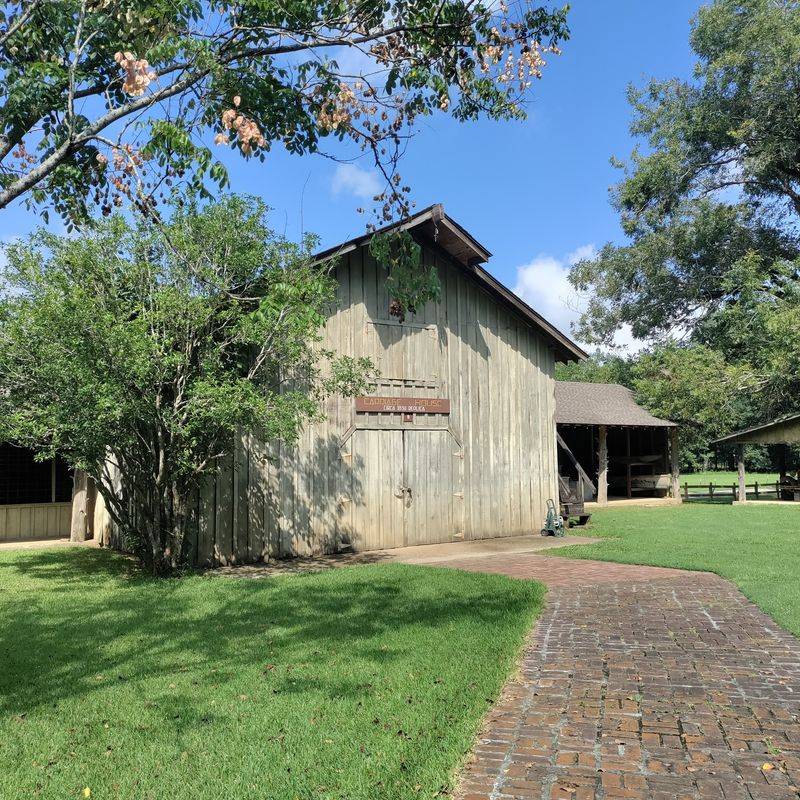
Family reunions need space, shade, and nearby restrooms. Grand Gulf checks all three boxes with its pavilion, a spot some groups describe as the star of their day.
Guests point to comfortable seating and working fans that help cool things off during warm Mississippi weather. A fireplace adds charm even when it is not in use.
Two sets of easy-to-reach bathrooms make big gatherings much simpler to manage.
The old church can also be rented, which opens up even more options for special events. Past guests have called renting the church and pavilion surprisingly affordable.
That mix of history and practical space is not something every park can offer.
Picnic tables are scattered throughout the grounds as well. Smaller groups can set up lunch between the museum and the tower without booking anything at all.
One thing to plan for ahead of time: there is almost no cell reception in the park. Guests report only brief flashes of a single bar, so share directions, timing, and meeting spots before everyone heads out.
Printed maps and clear plans will save a lot of confusion on the big day.
Camping With Full Hookups and Concrete Pads
Staying overnight turns a short history stop into a slower adventure. The campground is one of the most discussed parts of the park, with both RV and tent spots available.
Sites are concrete and well spaced, with full hookups, and a laundry room adds real convenience for longer trips. Some campers have stayed for days or even two weeks, using the park as a base for exploring the region.
A 25 foot trailer owner described getting in and out as easy.
Experiences do vary, though. Some guests praised very clean, well maintained sites, while others noted that campgrounds needed maintenance, with leaves on pads and low electric boxes.
The driveway to the upper campground can be steep and gravelly, which is tricky for large rigs, so drivers of big RVs may prefer the lower area.
Many campers seem to be long-term residents, which gives the place a settled, quiet feel. Internet comes and goes at best.
For some people, that lack of signal is exactly the point. Unplugging under tall trees, near the river, with history just a short walk away, can feel like a true break from everyday noise.
Practical Notes Before You Drive Out
Floodwater is the first thing to check. The park sits in low river country, and parts of it can become inaccessible during certain times of the year.
One guest warned to make sure the road is not flooded before taking the roughly seven mile trip in.
Admission has been modest. A past visitor reported paying $4 per adult, and a camper noted that $25 for a night with full hookups also covered park admission.
Prices can change, so confirm current rates on the official park website before you go.
Hours are not listed here, which makes that website even more useful. It is the best place to check openings, rentals, and any closures from storm damage.
Cell service is extremely limited, so download maps and directions ahead of time. Fill up on gas and snacks in town too, since the park is a fair distance from most services.
Restrooms near the museum have drawn some complaints, while pavilion facilities earn praise. Pack sunscreen, bug spray, and water for the walking trail and tower.
Visitors who came in spring especially enjoyed the pleasant weather on the grounds.
Who Will Love This Riverside Stop
History lovers will feel right at home here. Between a Washington letter, Civil War earthworks, and a river that has shifted beneath the bluffs, there is plenty to think about long after you leave.
Families planning reunions, road trippers coming from Vicksburg, and campers who welcome a break from screens will all find something to enjoy. The pace is slow, the grounds are peaceful, and the staff is known for warm, helpful conversations.
Photographers will appreciate the tower views and the old church framed by trees.
It may suit some travelers less. If you need strong internet, polished campground roads, or big modern facilities, the rural setting could feel rough around the edges.
Still, most people who make the trip seem glad they did. The effort of getting there becomes part of the reward, much like the steamboat captains who once had to work their way along this tricky river.
Go with curiosity, a full tank, and a flexible plan. Climb the tower, walk the trail, and linger at the museum.
Grand Gulf rewards patient visitors with a fuller picture of how the Mississippi shaped this corner of the state.