
This Remarkable Oklahoma Museum Brings The Stories Of 39 Tribal Nations Under One Roof
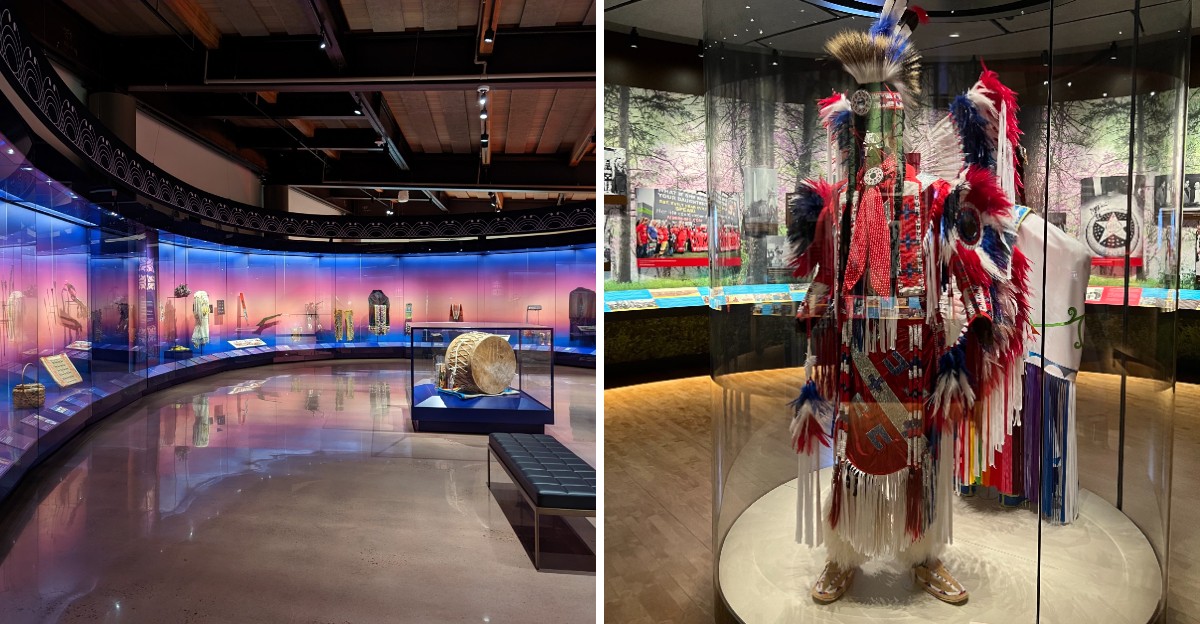
Thirty-nine tribal nations. Thirty-nine distinct histories. And a museum in Oklahoma that brings their stories together under one roof. That alone is enough to make me curious.
Oklahoma has a history far richer and more complicated than most school textbooks could ever explain. Every nation carries its own traditions, languages, art, and stories of resilience, and each deserves to be heard on its own terms.
What makes this museum so fascinating is how much there is to learn beyond the exhibits themselves.
Through remarkable artwork, cultural displays, and personal stories, visitors can begin to understand the people who have shaped this region for generations. And the stories are still being written today.
I love the idea of visiting a museum that challenges what you thought you knew and leaves you with an entirely new perspective. This is an experience that could change how you see Oklahoma, and there is much more here than you might expect.
One Roof, Thirty-Nine Nations, Countless Stories
Thirty-nine is a big number when each one stands for a whole nation. Every one of these tribal nations calls this part of the state home today.
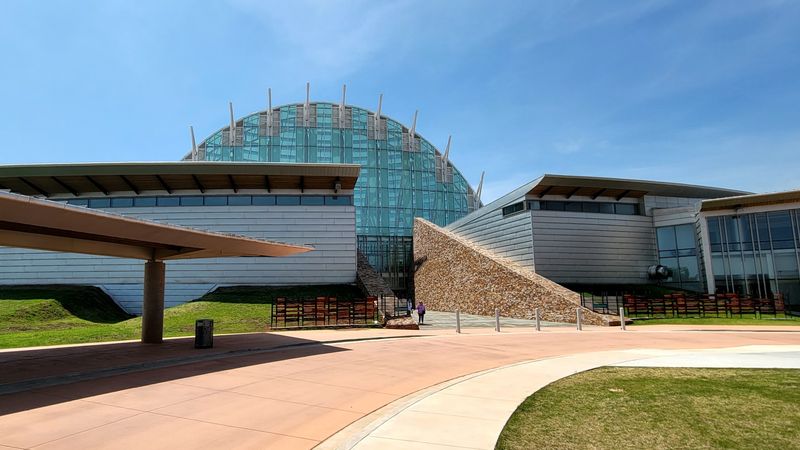
The First Americans Museum was built to share all of their stories in one place. Each nation has its own language, history, and traditions worth learning about.
Here is a fact that surprises many people. Only some of these nations started out on this land long ago.
Many others were forced to move here from homelands far away during the 1800s. That mix of roots makes the region unlike any other place in the country.
What makes the museum stand out is who tells the stories. First Americans voices guide the exhibits, so the history comes straight from the people who lived it.
You hear real words, real songs, and real family memories instead of dusty textbook lines. That personal touch turns facts into something you can feel.
Plan to slow down and read as you go. A quick lap will not do justice to thousands of years of culture.
Architecture That Follows The Sky
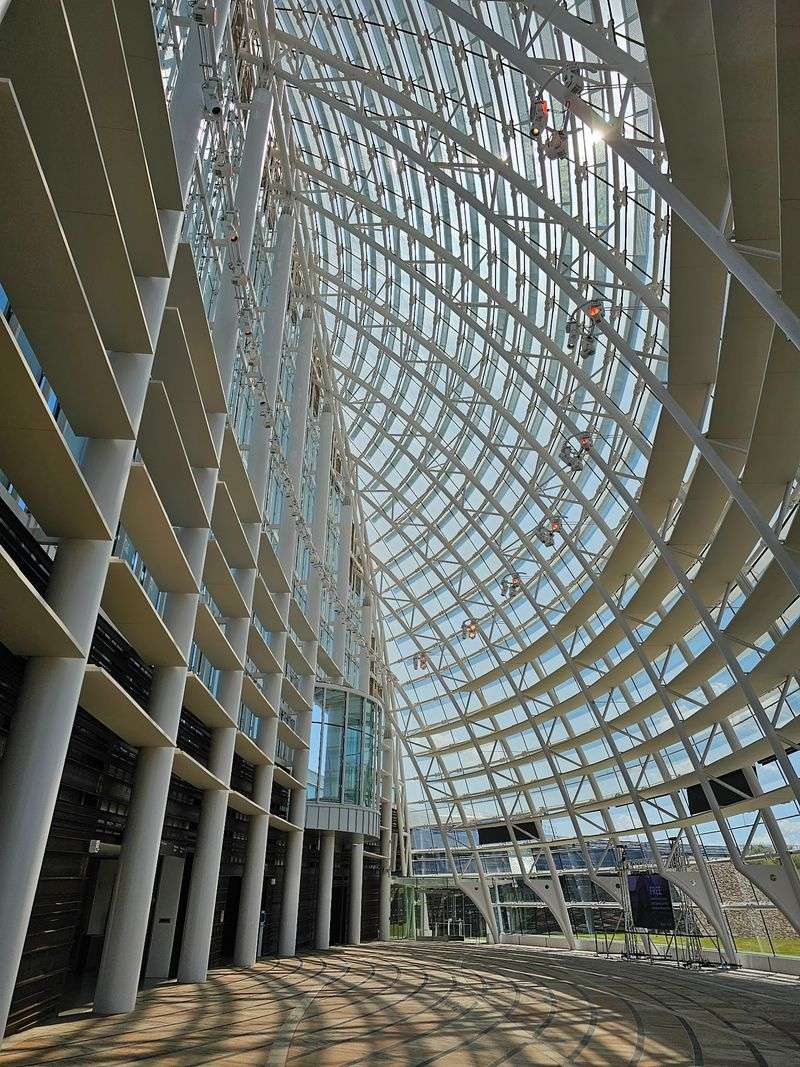
Forget boxy walls and boring hallways. The building itself is shaped by ideas that matter deeply to many tribal nations.
Circles and spirals show up everywhere in the design. Many First Americans cultures see life as a circle rather than a straight line.
The building lines up with the sun in clever ways. During the equinoxes and solstices, sunlight interacts with the structure at special points.
That means the sky becomes part of the exhibit a few times each year. It is a calendar you can walk around.
Inside, natural light pours across smooth curves and open spaces. The airy feel makes the galleries calm and easy to explore.
Big windows and tall ceilings keep things from feeling crowded or dark. Many people stop just to admire the craftsmanship before they even reach an exhibit.
Bring a camera and keep your eyes up. Details in the stone, glass, and layout tell a quiet story of their own.
Climb The Mound For A Skyline Surprise
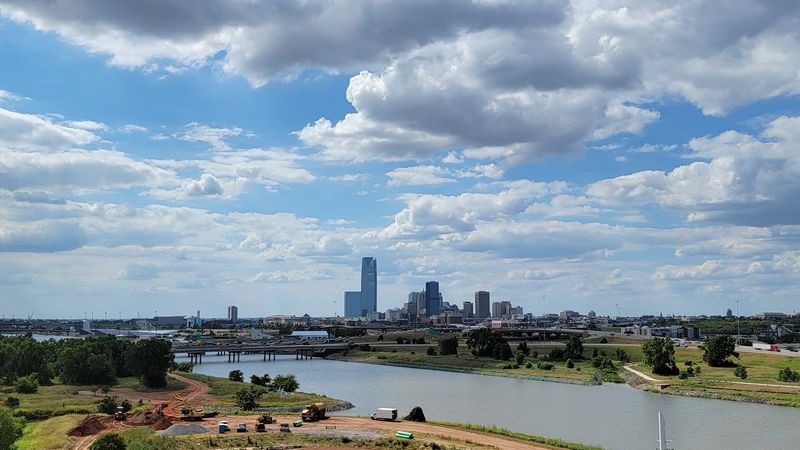
Leg day just got a lot more meaningful. Outside the museum rises a huge earthen mound with a winding path to the top.
Mound building is an ancient tradition among many ancestors of First Americans. Their earthworks served as gathering places and ceremonial sites long ago.
The museum’s mound honors that heritage in a modern way. It is one of the largest earthworks created in recent times.
The spiral path makes the climb gentle and steady. You can stroll it at your own pace and stop to enjoy the breeze.
Once you reach the top, the reward is wide and open. Downtown Oklahoma City stretches out across the horizon.
Sunny afternoons can get warm on the trail. Bring water and a hat during summer months so the walk stays comfortable.
Families love the climb because it gives kids space to move. It makes a nice break between long stretches of reading and listening inside.
The Main Gallery Turns Time Into A Circle
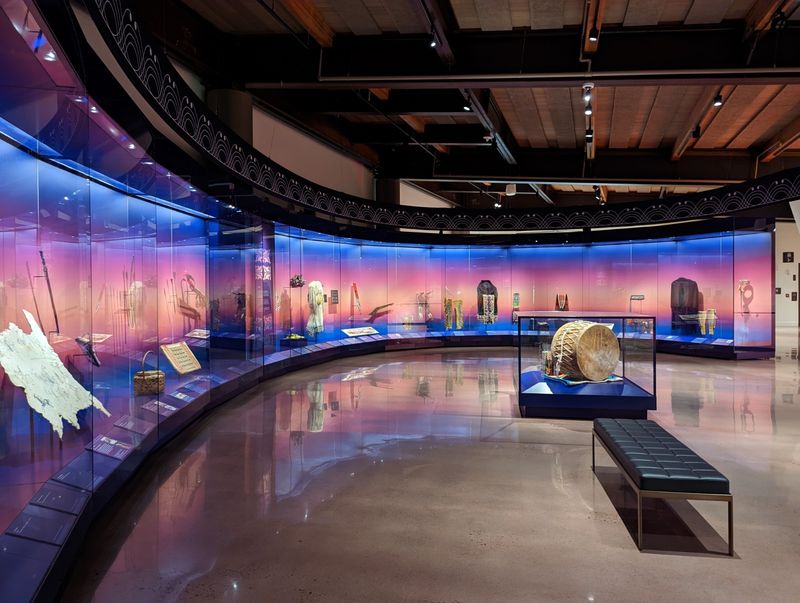
History usually marches in a straight line, but not here. The main gallery, called OKLA HOMMA, tells the story in a looping, circular path.
The name comes from Choctaw words meaning red people. That is where the state name itself comes from.
Exhibits move from ancient times to the present day. They show how tribal nations lived, adapted, and thrived through huge changes.
Hard chapters are part of the story too. Forced removals, including the Trail of Tears, are covered with honesty and care.
Strength and resilience shine through just as brightly. You see how communities protected their languages, families, and ways of life.
Screens, sound, and hands-on displays keep things lively. Short videos about storytelling are especially gripping.
Give yourself at least two hours for this gallery alone. Reading every panel could easily fill an afternoon, and it is time well spent.
Treasures Coming Home From The Smithsonian
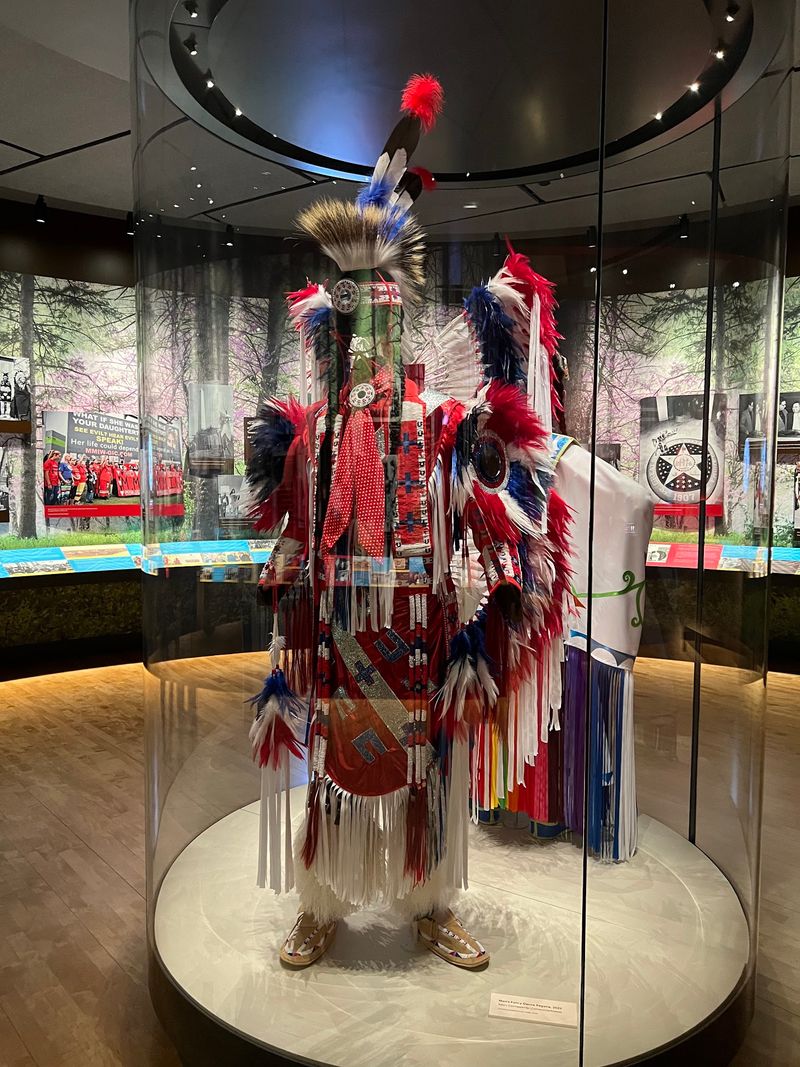
Some objects spent decades far from home before returning. The WINIKO gallery showcases items on loan from the Smithsonian National Museum of the American Indian.
WINIKO is a Caddo word that roughly means life. The gallery explores the connection between objects and the people who made them.
You will see beadwork, clothing, tools, and ceremonial pieces. Each one carries stories of skill, patience, and creativity.
Many pieces were gathered by collectors long ago, often without community input. Now they are shown with context provided by tribal voices.
Pay close attention to the tiny details. A single beaded design might take many hours of careful work.
Look for patterns that repeat across different nations. Then notice how each culture adds its own colors and symbols.
This gallery is great for anyone who loves craftsmanship. It shows how everyday items can also become beautiful works of art.
Kids Get Their Own Discovery Zone
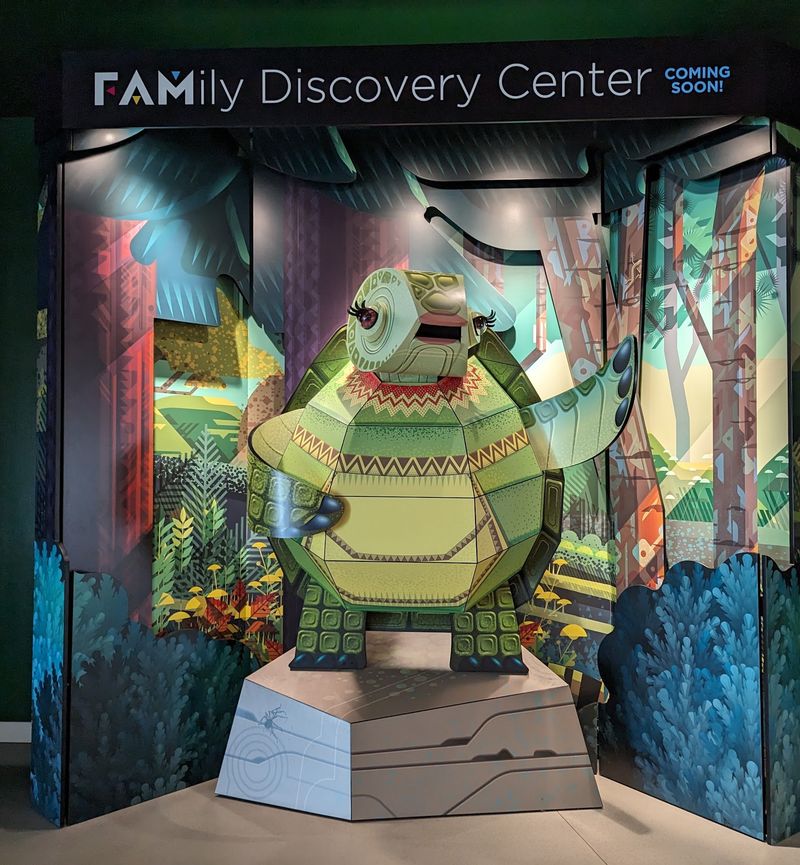
Little explorers need room to wiggle, and the museum gets it. The Family Discovery space was designed just for younger guests.
Children can crawl through tunnels and explore playful nature scenes. A friendly coyote character has a cozy den that kids love.
Coyote shows up in many traditional stories across tribal nations. He is often a clever trickster with lessons hidden in his adventures.
Hands-on activities teach ideas about land, animals, and community. Learning feels like play, which keeps short attention spans happy.
Parents can catch their breath while kids explore safely. Some families end up spending more than an hour here.
A waiver may be needed for the play area, so plan a few extra minutes. Check the website before you go for current hours.
Pair this zone with the mound walk for a balanced day. Kids burn energy, then settle in for stories inside.
A Gift Shop That Supports Native Artists
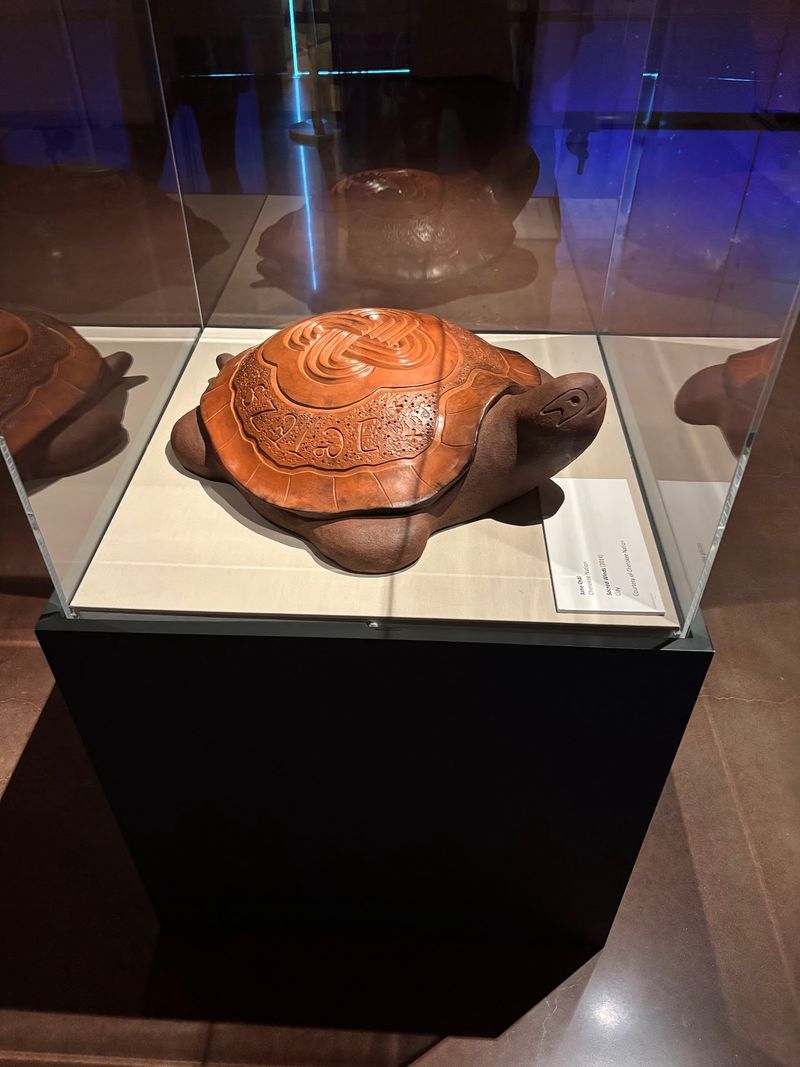
Souvenir shopping can actually do some good. The FAM Store features many items made by Native artists and designers.
Look for jewelry, pottery, beadwork, and clothing. Each piece reflects real skill and cultural meaning.
Books by Native authors fill the shelves too. They are perfect for keeping the learning going at home.
Some items are pricier because they are handcrafted. Think of them as art you can carry home rather than simple trinkets.
Smaller treats also make great gifts for friends. Cards, prints, and kids books fit nearly any budget.
Buying from Native creators helps support their work directly. It also keeps traditional art forms alive for the next generation.
Save the shop for the end of your trip. After the galleries, each item will mean much more to you.
Finding Your Way To The Riverfront Campus
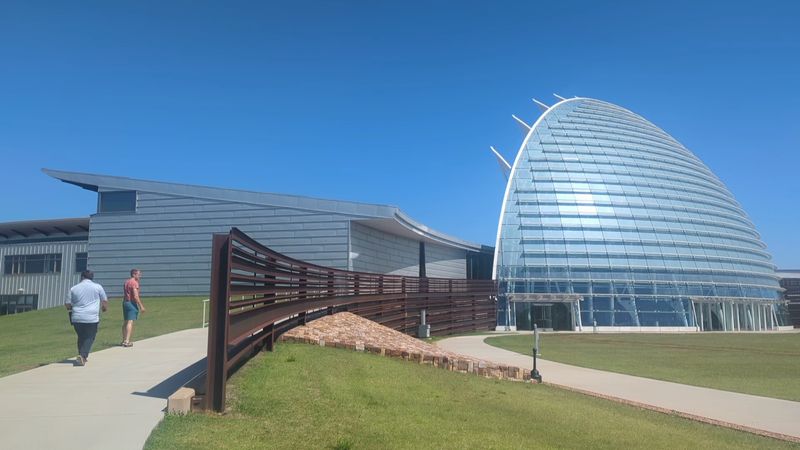
Good news for road trippers: getting here is a breeze. The museum sits right off Interstate 40 near the Oklahoma River.
The address is 659 First Americans Blvd, Oklahoma City, OK 73129. It is just a short drive from downtown.
Parking is easy, and the ticket desk can validate your parking ticket. That small perk keeps the day stress-free.
Hours run from 10 AM to 5 PM on Monday, Wednesday, Thursday, and Friday. Weekends open at 11 AM and close at 5 PM.
Tuesdays are closed, so plan around that day. Always double-check the official website for holiday changes.
Weekends can get busier, especially in the afternoon. Arriving early gives you quieter galleries and better photos.
Some local libraries offer experience passes that can help with admission. It is worth asking your library before you buy tickets.
Make It A Full Day Of Learning
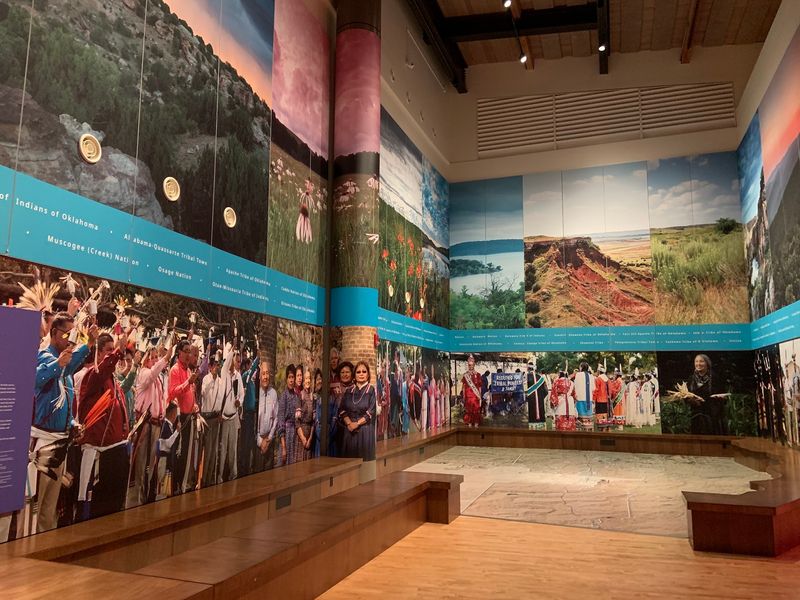
Two hours sounds like plenty until you see everything. Many people end up staying three or four hours at the First Americans Museum.
Start with the main gallery while your energy is fresh. Then move to the WINIKO artifacts and rotating exhibits.
Special exhibitions change throughout the year. Each new show brings fresh art and stories to discover.
The museum also hosts festivals, performances, and cultural events. Dance, music, and artist demonstrations add even more color to the calendar.
Guided tours are a fantastic option for first-timers. Knowledgeable guides bring the exhibits to life with extra details.
Do not forget to ask about combination tickets with other area museums. Bundles can stretch your fun further.
Leave with questions, and that is a good thing. The best museums make you curious long after you head home.