
This Mississippi Wildlife Refuge Has A Woodpecker Trail Where One Of America’s Rarest Birds Still Raises Its Young
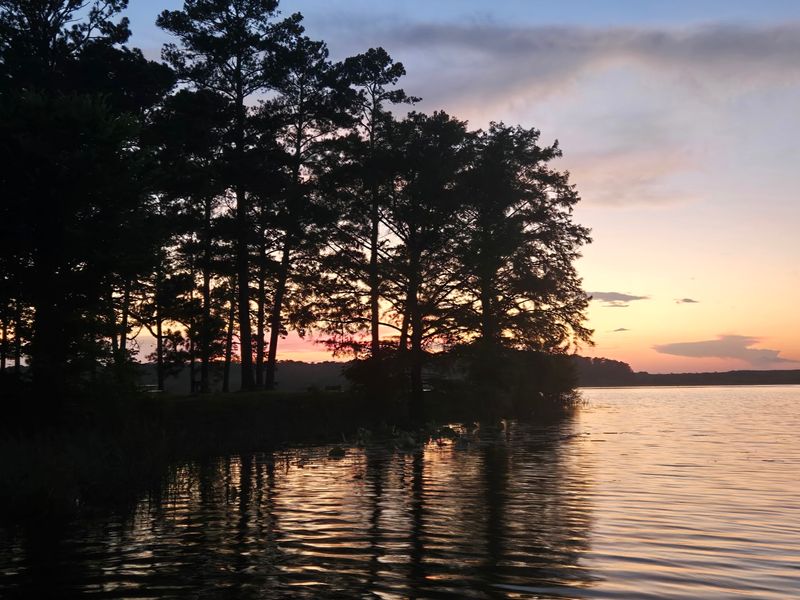
A quiet gravel road in Mississippi does not look like the start of anything special. Then the pines grow taller, the air smells like warm resin, and a small bird with a black cap starts tapping somewhere overhead.
That bird is one of the rarest woodpeckers in the country, and it still raises its young in these woods. Here is why this patch of forest matters so much, and how you can see it for yourself.
A Refuge Spread Across Three Counties
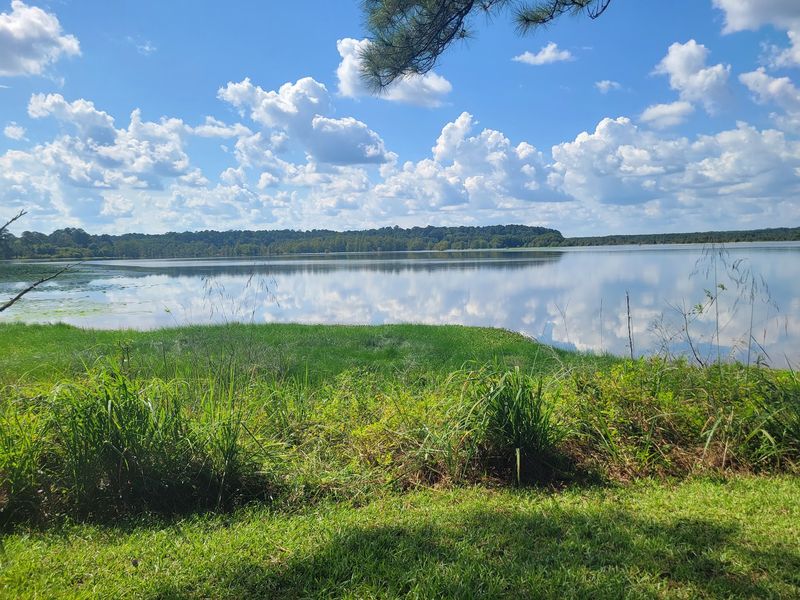
Picture 48,000 acres of pine woods, swampy lowlands, and quiet lakes folded into the countryside of east central Mississippi. That is the scale of Noxubee National Wildlife Refuge, which stretches across Noxubee, Oktibbeha, and Winston Counties.
The main address sits on Bluff Lake Road, a short drive from the college town of Starkville.
For a first-time visitor, the size can be a little surprising. You might expect a small nature park with one loop trail.
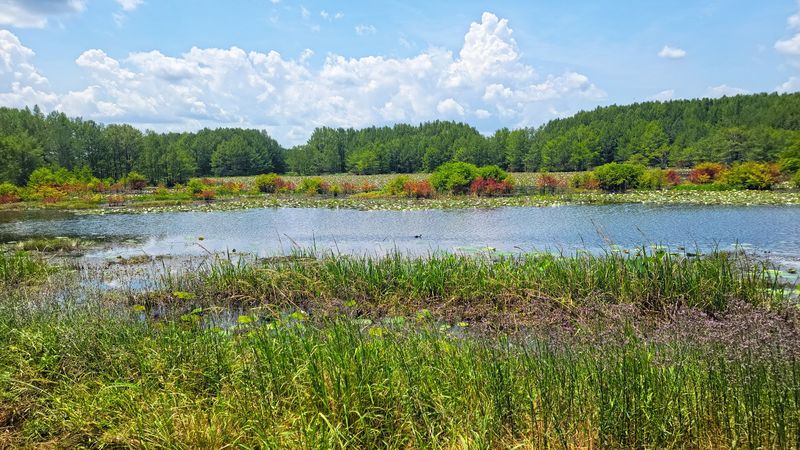
Instead, the refuge holds bottomland hardwoods, wetlands, upland woods, and mature pine stands, each with its own mood and its own residents.
The refuge is managed by the U.S. Fish and Wildlife Service, and its official page lists it under the name Sam D.
Hamilton Noxubee. Most locals still just call it Noxubee, and road signs make it fairly easy to find once you leave town.
What ties all of this land together is a simple goal. The refuge exists to protect wildlife and the places they need to live.
Some of those animals are common, like turkeys and herons. Others, like the red-cockaded woodpecker, are rare enough that their presence here is a real point of pride for the state.
Roots Reaching Back to 1940
Back in 1940, the nation was paying close attention to migratory birds. Ducks and geese were losing wintering grounds, and refuges were set aside as safe stopovers.
Noxubee began with that exact purpose.
Over the decades, the mission grew. Managers started looking beyond waterfowl to fish, plants, mammals, and the many birds that live here all year.
The refuge now aims to conserve and manage a broad range of wildlife and plant resources so future generations can enjoy them too.
That shift matters for anyone walking the trails today. Instead of a single-purpose duck marsh, you get a layered landscape where forests and wetlands are both cared for on purpose.
The lakes still welcome waterfowl in the cooler months, while the pine uplands have become a stronghold for a bird that was nearly pushed out of the South.
Here is a fun detail to keep in mind. The red-cockaded woodpecker was not even on the federal endangered list when the refuge opened.
It was listed in 1970, three decades later. The refuge adapted its work to meet that new need, which says a lot about how conservation can change with the times and still stay rooted in its original promise.
The Bird With the Red Cockade
Blink and you will miss the red. The male red-cockaded woodpecker has only a tiny streak of red feathers behind each eye, called a cockade, and it is rarely visible in the field.
What stands out more is the big white cheek patch and the ladder-like black and white pattern on its back.
Size-wise, this woodpecker is small, about the length of a cardinal. It is not flashy, and it does not drum as loudly as some of its bigger cousins.
Birders often find it first by listening for its soft, squeaky calls among the pines.
So why all the fuss? Unlike most woodpeckers, this species carves its nest holes into living pine trees.
That job can take a long time, so the birds need older trees, often ones with heartwood softened by a natural fungus. Young pine plantations simply will not do.
Families also live in groups called clusters, with helpers that pitch in to raise the chicks. Losing old pine forests across the southeastern United States meant losing these family homes.
At Noxubee, the old trees remain, and so do the birds. The refuge is one of only four places in Mississippi where you can see them.
From Endangered to Threatened in 2024
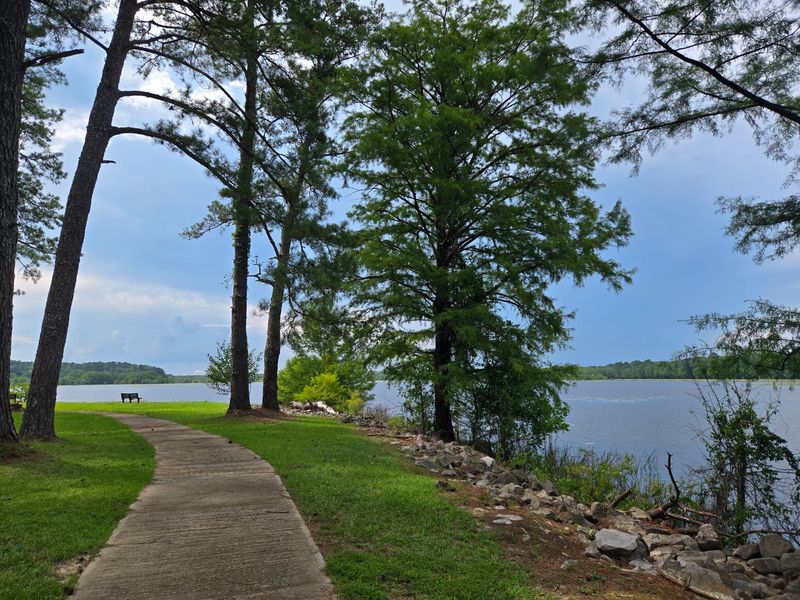
October 2024 brought rare good news for southern forests. After more than fifty years on the endangered list, the red-cockaded woodpecker was downlisted to threatened status.
That change means the species is no longer considered in immediate danger of vanishing, though it still needs protection.
Recovery did not happen by luck. Refuges, national forests, private landowners, and wildlife agencies worked together for decades to restore pine habitat and help the birds move into new areas.
Noxubee is one of the places credited with that progress.
Think about what that means when you stand on a trail here. The woodpeckers you hear are part of a comeback story that took longer than many people have been alive.
Each active cavity tree is a small sign that patient, steady work can pay off.
Still, threatened is not the same as safe. The birds rely on mature pines and open, park-like forests, and those conditions need regular care.
That is why the refuge keeps managing its woods so carefully, even after the big announcement.
For visitors, the downlisting adds a little extra meaning to a sighting. You are not just spotting a rare bird.
You are seeing proof that recovery is possible.
Cavity Inserts and Hands-On Habitat Work
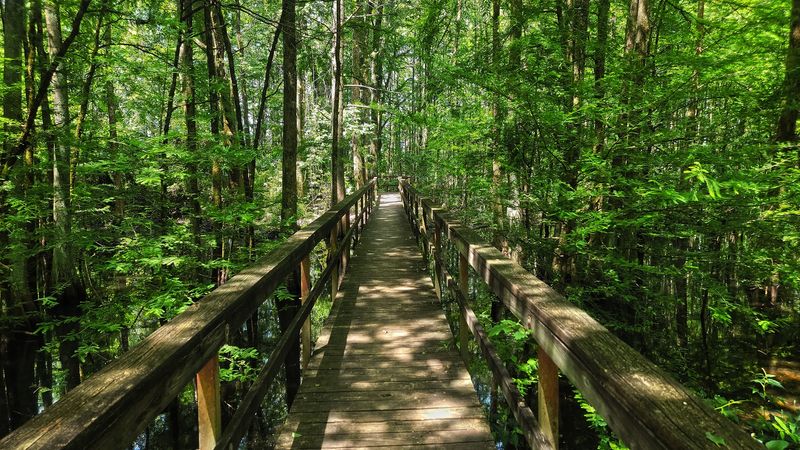
How do you build a home for a bird that normally spends ages carving its own? At Noxubee, staff use cavity inserts, ready-made nest boxes fitted into suitable pine trees.
Young birds looking for a territory can move in right away instead of waiting years for a natural hole.
The work goes well beyond nest boxes, though. Crews improve both active and inactive colonies by shearing and hand clearing the understory.
Hardwoods that crowd the pines get removed, and older pine stands are thinned so fewer trees share the same ground. Wildlife managers call this lowering the pine basal area.
The result looks a lot like what these forests once were, open and airy with tall trunks and plenty of light reaching the ground. Woodpeckers prefer that kind of space, and many other creatures do as well.
Even the public can play a small role. The refuge has allowed firewood cutting in designated areas, which helps clear out unwanted wood while giving locals something useful to take home.
Long-term, the refuge Habitat Management Plan aims to support 49 clusters of red-cockaded woodpeckers. That number gives every thinned stand and every installed insert a clear purpose.
Woodpecker Trail Through Loblolly Pines
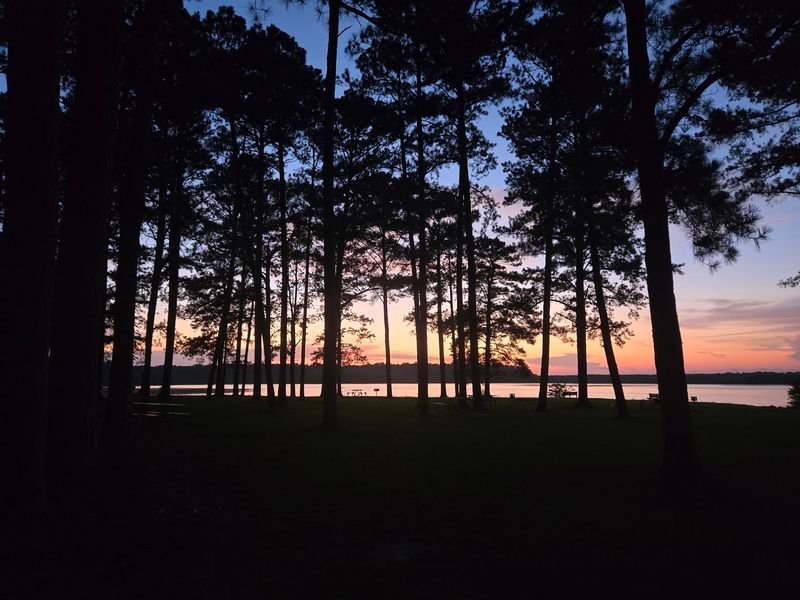
Some trails are about the destination. Woodpecker Trail is about what lives right beside you as you walk.
The path runs through stands of loblolly pine, the kind of tall, straight trees that red-cockaded woodpeckers depend on. Along the way, informational signs point out the plants and animals that share this habitat.
It feels a bit like an outdoor classroom, minus the desks and the bell.
Keep an eye on the trunks as you go. Cavity trees often have sticky sap running down around the nest hole, a trick the birds use to keep snakes away.
Spotting that shiny, resin-coated patch is a good clue that a family might be nearby.
Walking slowly helps. The woodpeckers move quietly through the canopy, and their calls blend with wind in the needles.
Pausing near a sign for a few minutes often brings more sightings than hurrying from one end to the other.
Visitors generally describe the refuge trails as easy, and this one fits the description. It works well for casual walkers, curious families, and anyone who wants a closer look at a rare bird without tackling rough terrain.
Bring patience and maybe a pair of binoculars.
April and the Start of Nesting Season
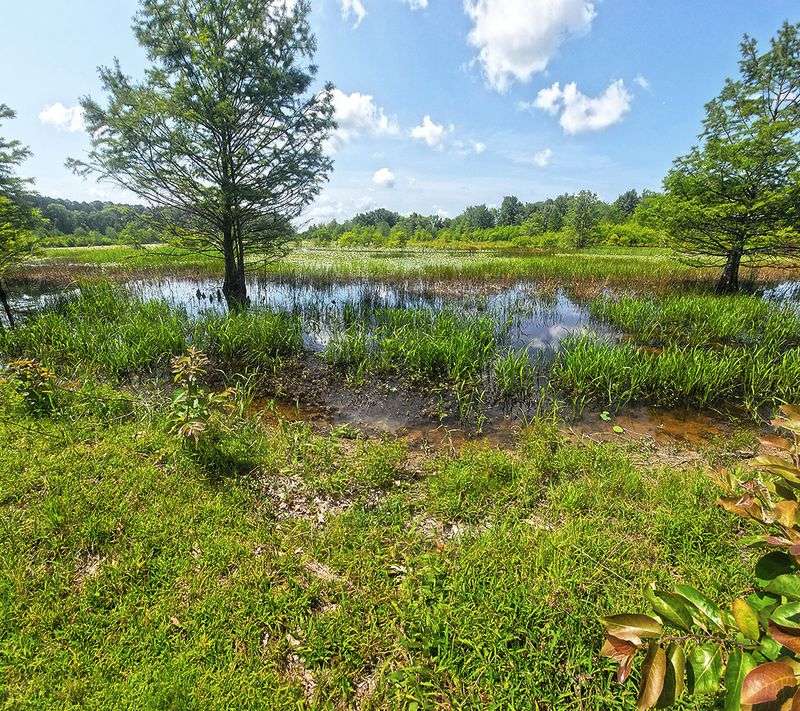
Mark April on the calendar if woodpeckers are the goal. That is when the nesting season begins, and the pines start buzzing with quiet activity.
During this stretch, adult birds and their helpers move back and forth between feeding spots and cavity trees. Watching a bird slip into a nest hole, then pop back out a moment later, is one of those small moments that sticks with you.
Spring also happens to be a pleasant time to walk the refuge. Temperatures are often milder than the heavy heat of a Mississippi summer, and the forest floor turns fresh and green.
Wildflowers and new leaves add color around the edges of the pine stands.
A little courtesy goes a long way. Nesting birds do best when visitors keep a respectful distance and avoid lingering right under an active tree.
Using binoculars from the trail is the friendliest approach for everyone involved.
Good timing does not guarantee a sighting, of course. Wild animals keep their own schedules.
Even so, April offers some of the best odds, and it gives a chance to see a recovering species doing the most hopeful thing of all, raising the next generation.
Alligators in the Refuge Waters
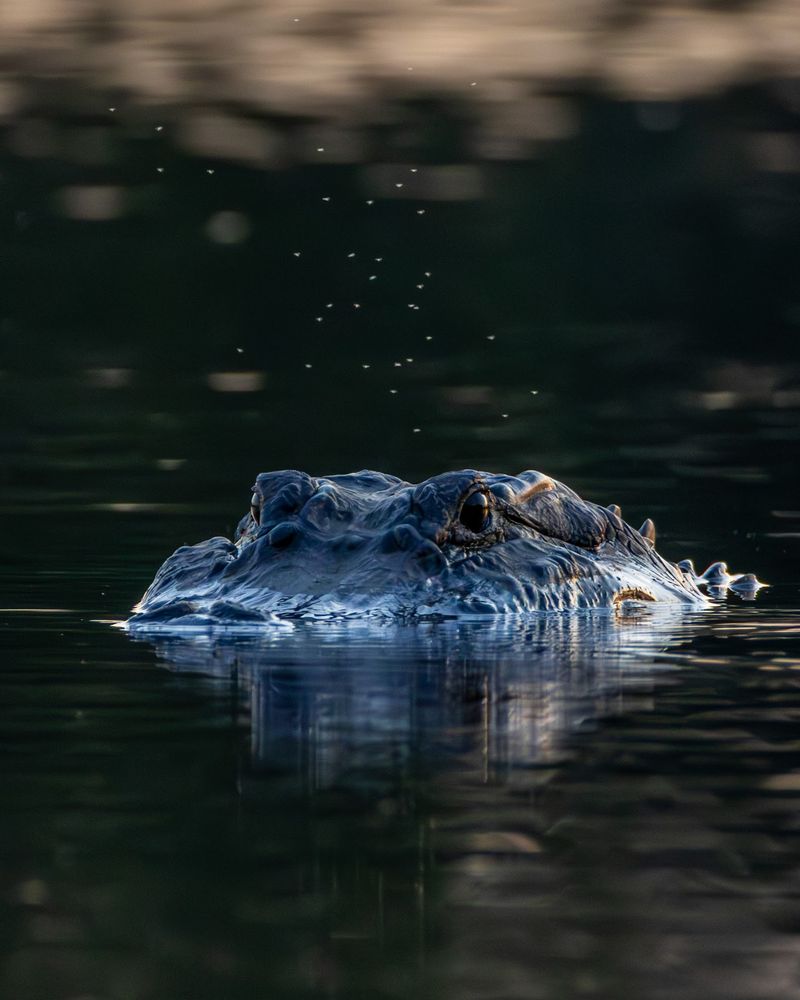
Woodpeckers may headline the story, but alligators often steal the show. Among visitors, these reptiles come up again and again as a favorite part of the trip.
Families have described counting several gators during one outing, with children especially thrilled by the sightings. Others mention simply watching them glide across the water, eyes and snouts just breaking the surface.
The refuge lakes and wetlands give them plenty of room to roam.
Here is a quick tip. Alligators tend to bask in sunny spots along the banks or float near the edges of open water.
Scanning slowly with binoculars often reveals a log that turns out not to be a log at all.
Safety is simple common sense. Stay on trails and observation areas, keep a good distance from the water edge, and never feed wildlife.
Gators are calm when left alone, and they are fascinating to watch from a respectful spot.
For many guests, seeing an alligator in north central Mississippi comes as a pleasant surprise. It shows how varied the refuge really is.
Within one afternoon, you can go from dry pine uplands with rare woodpeckers to marshy shores where ancient-looking reptiles soak up the sun.
Over Two Hundred Bird Species
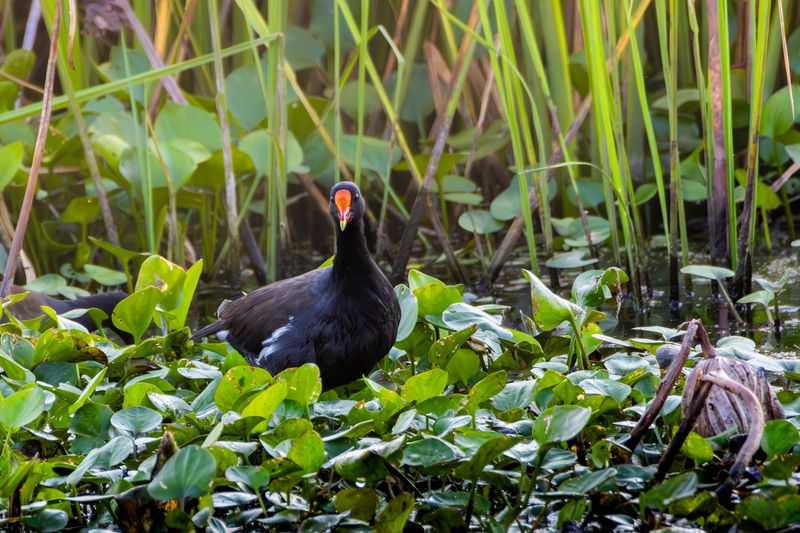
More than 200 species of birds have been recorded at Noxubee. For anyone with a bird list, that number alone is enough to plan a return trip.
Bald eagles live here year round, a sight that never quite gets old. Wild turkeys strut through clearings and along forest edges, often in small groups.
In cooler months, migratory waterfowl arrive on the lakes, carrying on the purpose the refuge was founded for back in 1940.
The mix of habitats explains the variety. Bottomland hardwoods attract one set of songbirds, the wetlands draw wading birds and ducks, and the open pine stands suit woodpeckers and other upland species.
Moving between these areas can feel like visiting several parks in one day.
Beginners need not feel left out. You do not have to know every call or field mark to enjoy the show.
Simply sitting near the water or walking a quiet trail usually brings plenty of feathered company.
A small notebook can make the experience more fun. Jotting down what you see, even with rough descriptions, helps you notice patterns and remember the trip.
Over time, you may find yourself checking off species you never expected to find in Mississippi.
Visitor Center, Museum, and Shop
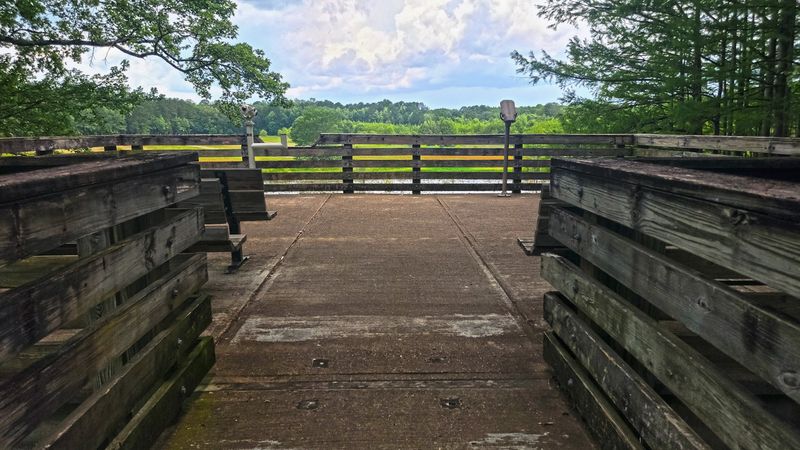
Starting at the visitor center makes a lot of sense, especially on a first trip. Visitors mention a small museum and a shop inside, which offer a helpful introduction before heading out to the trails.
Exhibits give context to what you are about to see. Learning about the habitats and their residents ahead of time makes it easier to recognize things later, whether it is a resin-coated cavity tree or a heron standing still in the shallows.
The shop is a nice stop for a small keepsake. A field guide, a postcard, or a souvenir can help younger visitors remember the day and maybe spark a lasting interest in nature.
Staff and posted information can also point you toward current conditions. Trails, water levels, and wildlife activity change with the seasons, so a quick check before setting out can save time.
Think of the center as a base camp. You can get your bearings, pick up information, and plan which parts of the refuge to explore.
For families with limited time, it helps narrow down the options so the visit feels focused instead of rushed. It is a small building, but it adds real value to the whole experience.
Picnic Spots and Easy Walking Paths
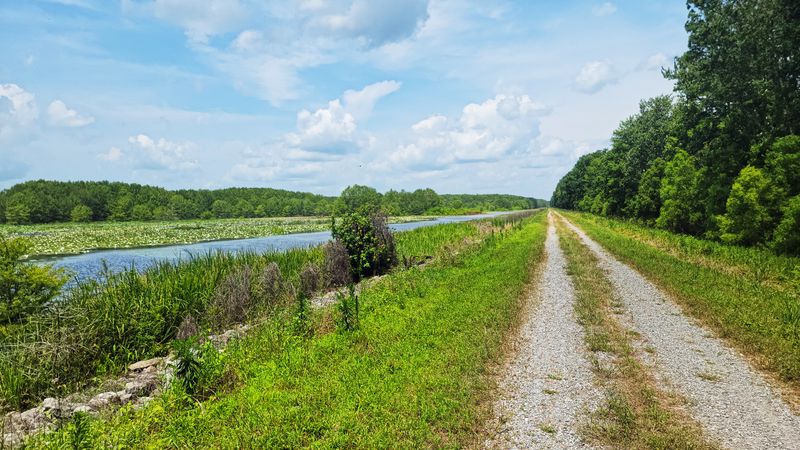
Pack a lunch. Visitors frequently describe Noxubee as a great spot for family picnics, and there is a picnic area near the trails that makes it easy to settle in for a meal.
The trails themselves are another draw. People who enjoy walking describe them as easy and pleasant, with several options to choose from.
That makes the refuge approachable for folks who are not serious hikers, including young children and older relatives.
Pairing a picnic with a short walk is a simple way to plan the day. Eat under the shade, then wander off to look for birds or alligators.
Come back for snacks, and head out again if the energy holds up.
Some guests point out that the refuge does not offer a ton of organized activities. That is part of its charm.
The main event is nature itself, from rustling pines to rippling water.
Bring the basics to stay comfortable. Water, sun protection, sturdy shoes, and a trash bag for leaving no trace all make the outing smoother.
With a little preparation, an ordinary afternoon turns into a relaxed day outdoors that feels far from screens and schedules.
Quiet Woods for Unhurried Visitors
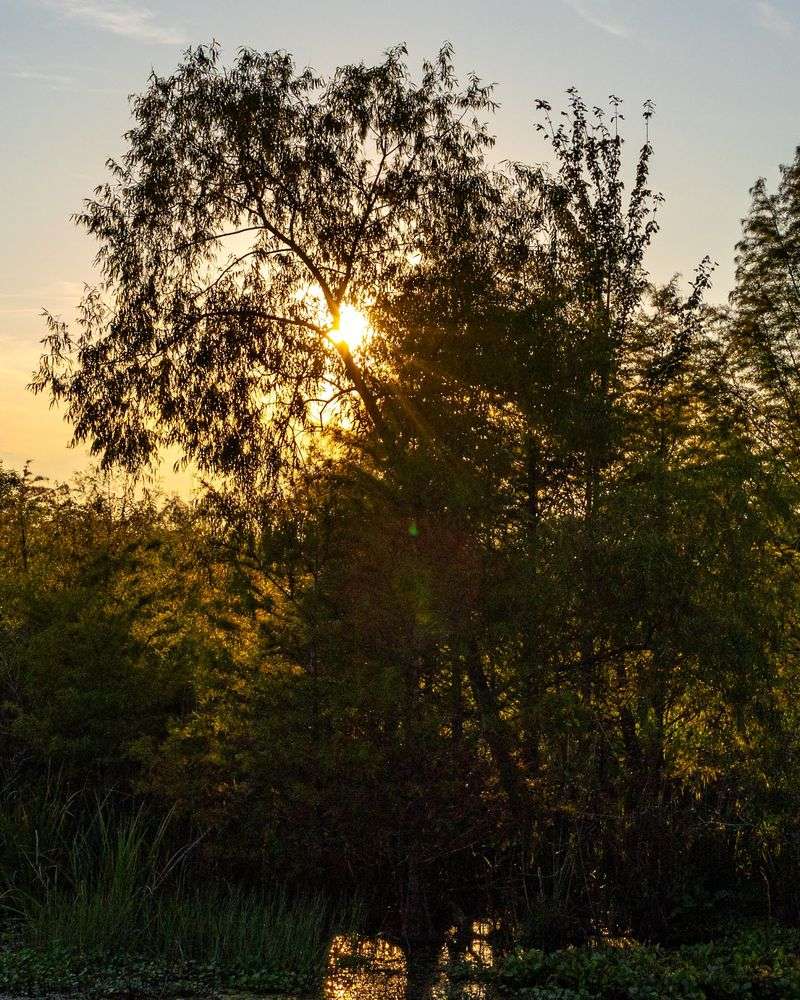
One word sums up how many people feel here: serenity. Guests describe the refuge as beautiful, quiet, and peaceful, a place to relax rather than rush.
The atmosphere suits a wide range of people. Birders find long stretches of calm for careful watching.
Families enjoy open space and easy paths. Students from nearby Starkville may appreciate a break from campus noise.
Anyone who simply wants to sit by the water and think will feel right at home.
Sound plays a big role in that calm feeling. Instead of traffic, you hear wind in pine needles, frogs near the shore, and the occasional tap of a woodpecker.
It is the kind of soundtrack that slows your breathing without you noticing.
Visitors who want thrills or busy attractions may find it too low-key. That is fair.
The refuge is built for wildlife first, and people get to share it quietly.
Early mornings and late afternoons tend to feel especially peaceful. Light turns golden, animals become more active, and the trails often feel nearly empty.
For anyone craving a reset, those hours can feel like a small gift from the forest.
Practical Notes Before You Go
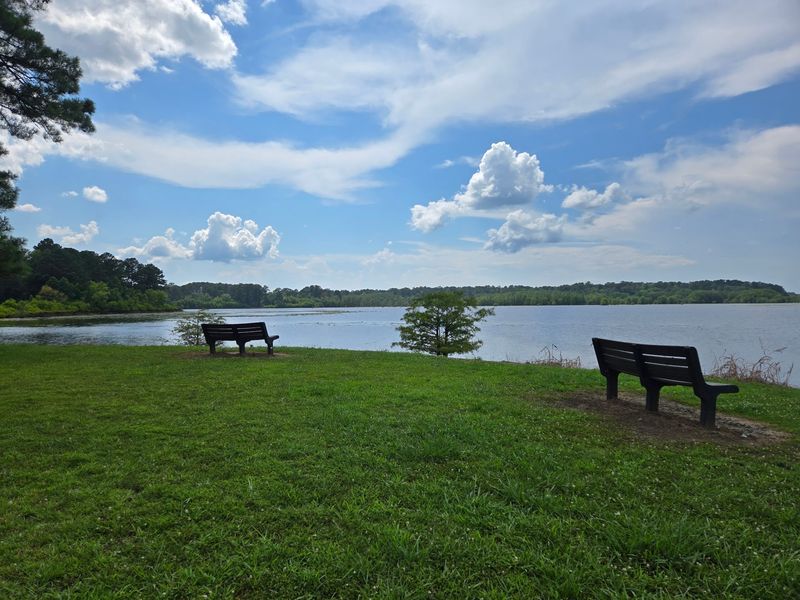
Getting there is straightforward. The refuge address is 13723 Bluff Lake Rd, Starkville, MS 39759, and the drive from Starkville passes through rural countryside before the pines close in around the road.
Hours and fees are not spelled out in the information gathered here, so checking the official U.S. Fish and Wildlife Service page before your trip is a smart move.
The refuge is listed online under the name Sam D. Hamilton Noxubee, which helps when searching.
Bug spray deserves a top spot on your packing list. Visitors warn that ticks are plentiful in late summer, so repellent, long pants, and a quick tick check afterward are all wise.
Mosquitoes can also show up near the wetlands.
Binoculars make a big difference for woodpeckers, eagles, and alligators alike. A camera with a zoom lens is a bonus if you want photos without disturbing wildlife.
Plan for limited services once you are deep in the refuge. Bring water and snacks, fuel up before leaving town, and download maps in case cell signal fades.
Starting at the visitor center is helpful for orientation, especially on a first visit when the size of the place can feel a little overwhelming.
A Forest Worth Coming Back To
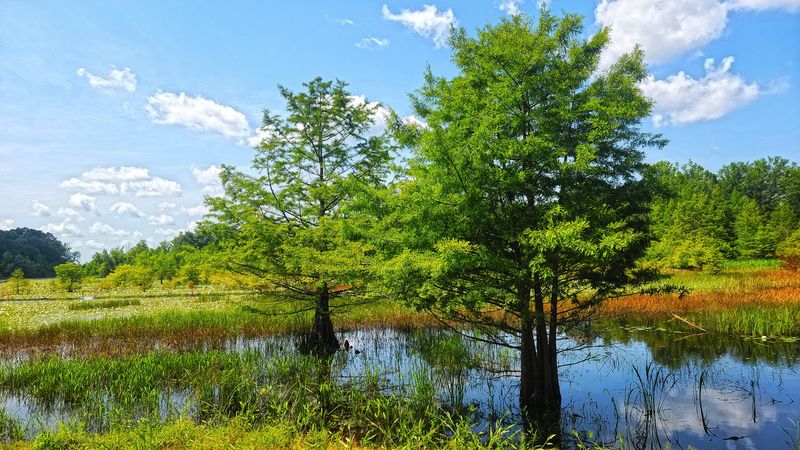
Few places let you stand inside a real conservation success story. Noxubee does, and it does so quietly, without fanfare or crowds.
Over a single visit, you can walk among pines where a once-endangered woodpecker raises its young, watch alligators drift across a lake, and spot bald eagles overhead. You can also simply enjoy a picnic and an easy stroll.
That range is what makes the refuge appealing to so many different kinds of visitors.
Each season adds something new. Spring brings nesting woodpeckers, cooler months welcome migrating waterfowl, and warm days bring out the gators.
Returning at different times of year reveals how much the landscape changes.
Expectations matter, though. This is not an amusement park, and activities are mostly self-guided.
People who arrive curious and patient tend to leave the happiest.
For anyone in or near Starkville, or traveling through Mississippi, the refuge offers a calm, meaningful outing. Bring binoculars, bug spray, and a sense of wonder.
With a bit of luck, a small black and white bird will tap its way into your memory, reminding you that careful effort can help even the rarest creatures find their way home.