
This California Aquarium Feels Like A Hidden Gem Compared To The Big Theme Parks
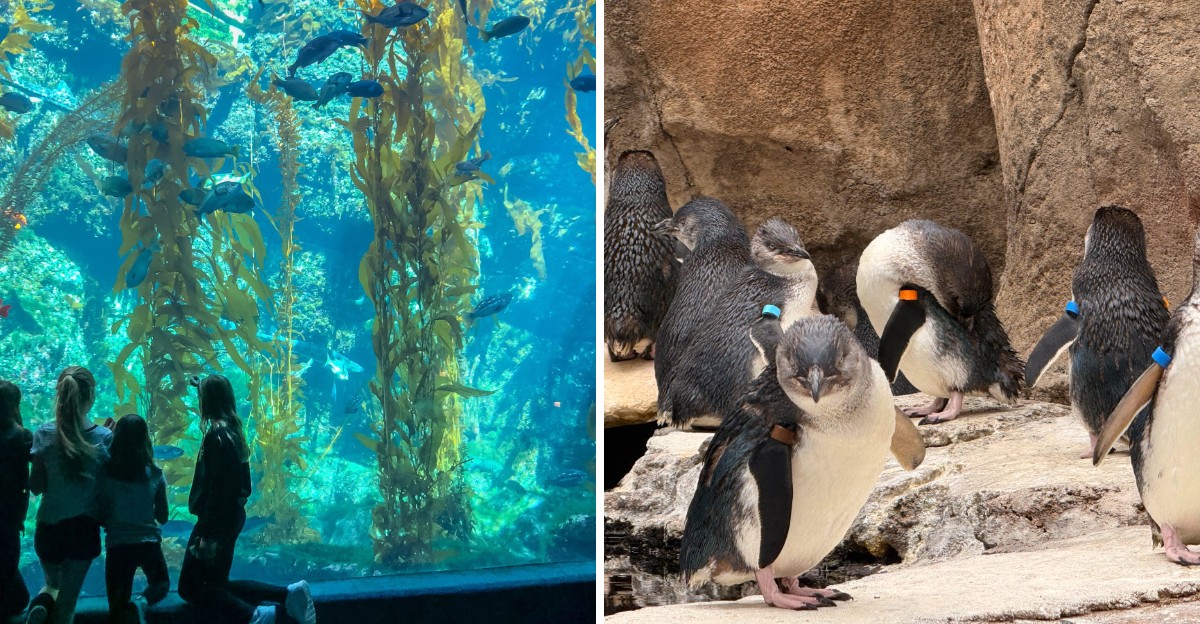
The world’s smallest penguins live in an 18,000-gallon lagoon here. It’s the only place on the West Coast where you can see this species.
That alone would win me over. Then there’s a two-story kelp forest tank holding 70,000 gallons, with leopard sharks and giant black sea bass cruising past.
I like how this California spot skips the roller coasters and keeps the focus on real ocean science. It works as the public face of a famous research institution, so the fish come with actual stories behind them.
Add tide pools you can touch, ocean views from a bluff, and free parking for three hours. I can’t imagine a calmer way to spend a morning by the sea. So why do so many people still drive right past it?
You Will Want To Say Hello To The Tiniest Penguins On The Coast
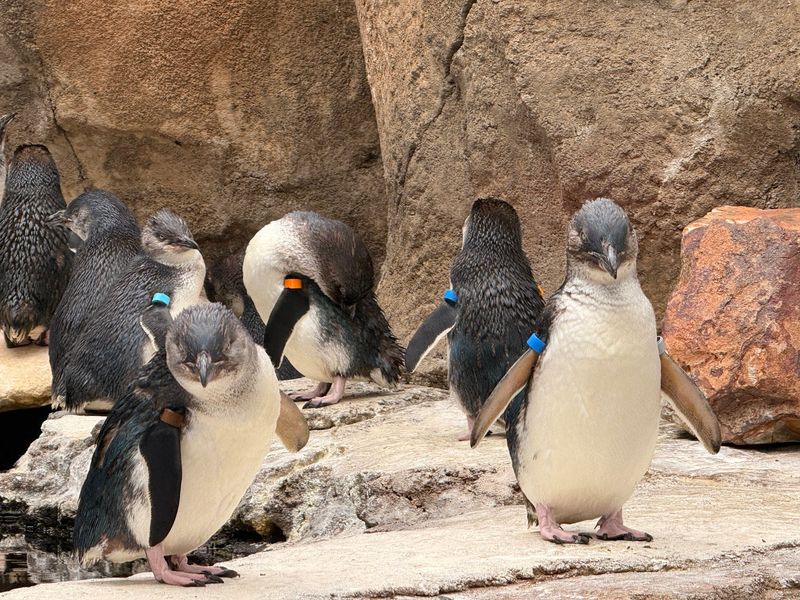
Small birds, big personalities. Birch Aquarium at Scripps Institution of Oceanography is home to little blue penguins, the smallest penguin species in the world.
Their home is the Beyster Family Little Blue Penguins exhibit. The birds splash around an 18,000-gallon lagoon built to mimic their natural habitat.
Here’s the bragging-rights part. No other place on the West Coast lets you see this species in person, which makes the trip feel special.
Little blue penguins come from Australia and New Zealand. They stand only about a foot tall, so kids can look them right in the eye.
Want to go deeper? The Behind-the-Scenes: Penguin tour runs on Sundays, Mondays, Wednesdays, and Fridays. Aquarium admission isn’t included, so plan your tickets with that in mind.
The exhibit sits outdoors, which means fresh air between indoor galleries. A ramp at the penguin area keeps it easy to reach for strollers and wheelchairs.
Arrive with patience and a little time to spare. Penguins move on their own schedule, and watching them waddle, preen, and paddle is oddly relaxing. Good luck pulling the kids away after just one lap around the lagoon.
Seadragons Steal The Show In One Of The Biggest Habitats Anywhere
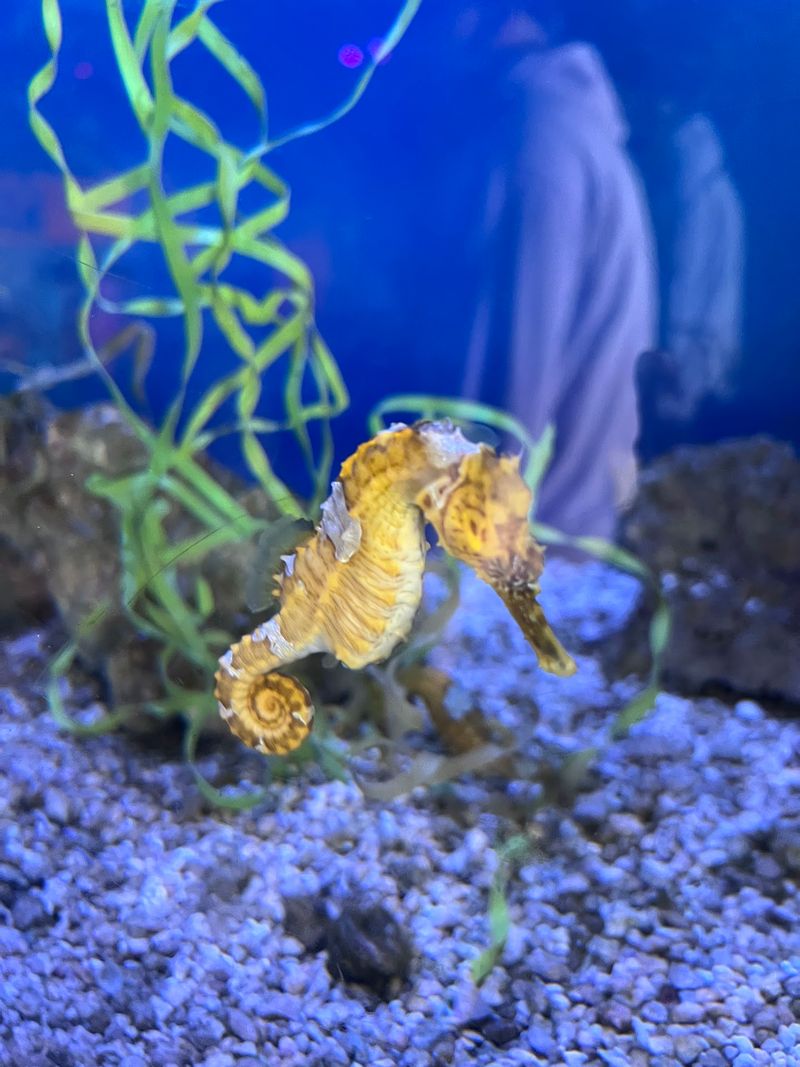
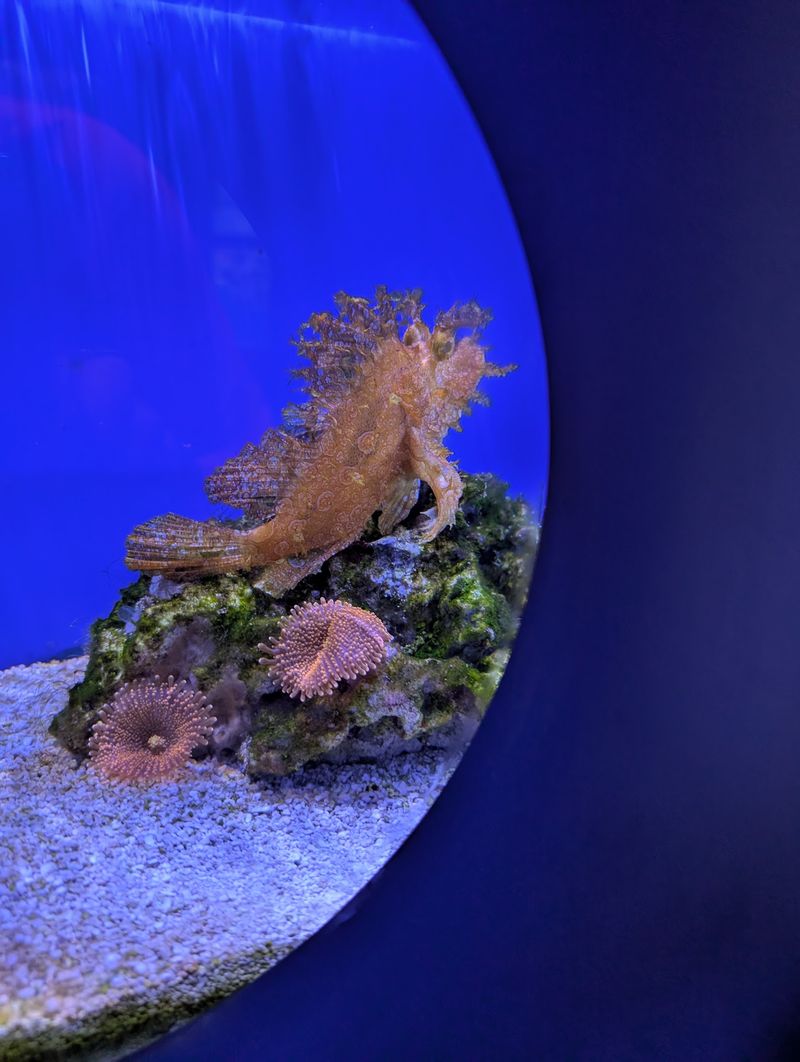
Floating seaweed with eyes? That’s the best way to describe a seadragon, and this aquarium has one of the largest seadragon habitats on the planet.
The Seadragons and Seahorses exhibit shows off the whole family tree. You’ll find seadragons, seahorses, and skinny pipefish, all cousins with wildly different looks.
Seadragons are masters of disguise. Their leafy fins help them blend right into kelp and seagrass, so take a slow second look at every tank.
The exhibit also highlights conservation work for these delicate animals. It’s a nice reminder that the cute factor comes with a real mission behind it.
Little ones get their own moment too. Storytime with Seadragons happens on Mondays, Wednesdays, and Fridays, so check the daily schedule before you head over.
Fun fact for the car ride home. In the seahorse world, dads carry the babies, which always gets a reaction from kids.
Bring a phone with a decent camera. The slow, drifting movements make these creatures surprisingly easy to photograph, unlike the zippy fish next door. Just turn off your flash to keep things comfortable for the animals.
Baby Seahorses Are Growing Up Right Before Your Eyes
Most aquariums show off grown-up animals. Birch Aquarium at Scripps goes a step further and lets you see seahorse babies and juveniles too.
These little ones come from the Seahorse Propagation Program. The team raises seahorses on site, which helps reduce pressure on wild populations.
Watching tiny seahorses curl their tails around plants is ridiculously charming. They look like punctuation marks that learned how to swim.
Curious how it all works? The Behind-the-Scenes: Seahorse tour runs on Tuesdays, Thursdays, and Saturdays, with admission sold separately.
That tour gives you a peek at the care that goes into raising these fragile animals. It’s the kind of experience big theme parks rarely offer.
I believe this is where the aquarium’s science roots really shine. You aren’t just looking at pretty tanks, you’re seeing ongoing work that matters for ocean life.
Here’s a handy tip. Download the free Digital Guide on Bloomberg Connects before you arrive, since free Wi-Fi is available inside. It adds animal facts and research stories that make the seahorse displays even more interesting for curious kids and grown-ups alike.
Look Up, Way Up, At The Two-Story Kelp Forest
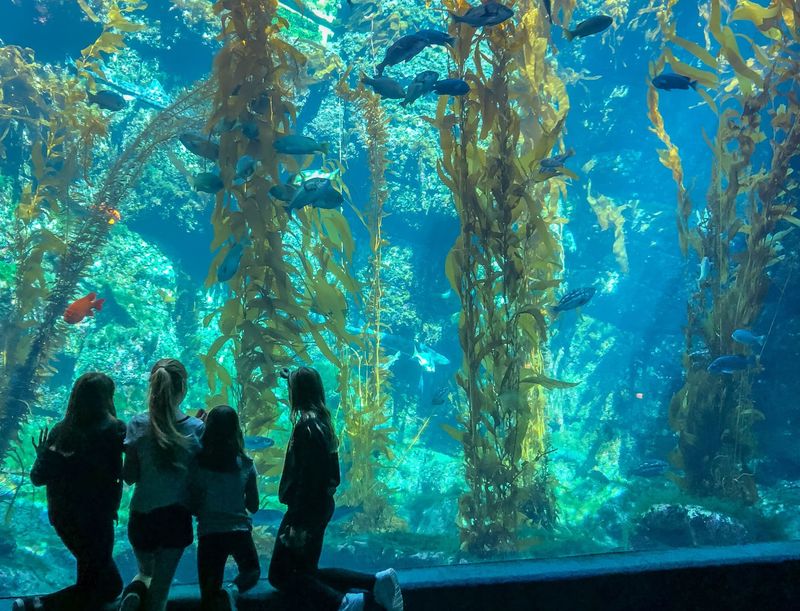
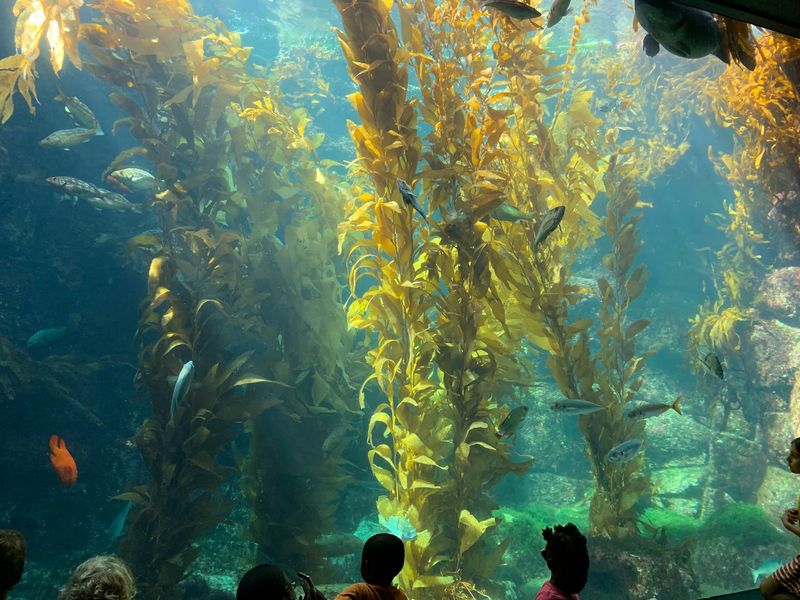
Seventy thousand gallons of water. That’s how much the Giant Kelp Forest tank holds, and it stretches two full stories tall.
Tall kelp sways inside, just like the forests off the Southern California coast. It gives you a diver’s view without the wetsuit or the chilly water.
The residents are a local cast of characters. Leopard sharks glide by with spotted backs, while bright orange Garibaldi flash past like swimming traffic cones.
Keep watch for the giant black sea bass. These gentle heavyweights can grow huge, and they move through the tank with total calm.
Garibaldi are California’s official state marine fish. That’s a fun detail to drop on anyone in your group who thinks fish are boring.
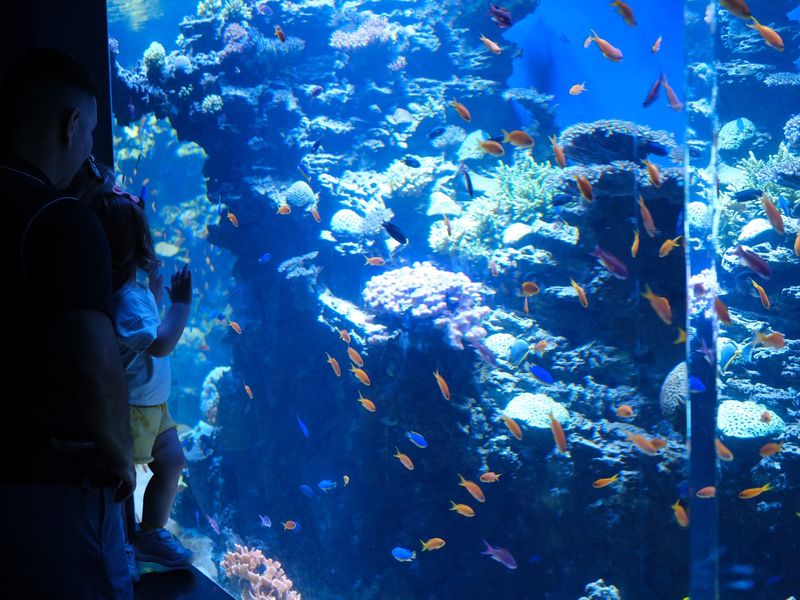
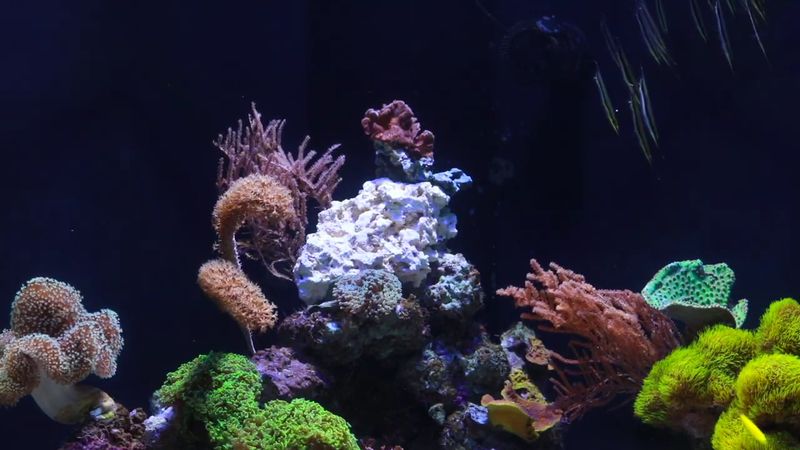
The tank is part of the Adam R. Scripps Living Seas Gallery. That gallery also features a Giant Pacific Octopus, tropical coral, and mangrove root displays.
Find a spot and just stand still for a few minutes. The longer you look, the more animals seem to appear from behind the kelp. It’s the closest thing to a meditation session you’ll find inside an aquarium.
Get Your Hands Wet At Tide Pool Plaza
Sea stars feel nothing like you’d expect. At Tide Pool Plaza, you can find out for yourself with a gentle two-finger touch.
The outdoor area has three living tide pools. Sea anemones, sea stars, and sea urchins live inside, and docents stand by to guide curious hands.
Those docents are a treasure. Ask them anything, because they’re there to help kids and adults understand what they’re touching.
Timing can make it even better. Tide Pool Feeding happens on Mondays, Wednesdays, and Fridays, so you might catch the animals at mealtime.
And then there’s the view. The plaza looks out over La Jolla Shores and the wide Pacific, which feels almost unfair for a touch tank.
A ramp on Tide Pool Plaza keeps the area wheelchair accessible. Strollers roll through easily too, which parents will appreciate.
Want the real thing? Tidepooling Adventures take you to local tide pools with educators who explain the animals and conservation. Wear shoes that can handle wet rocks, and bring a towel for small, enthusiastic splashers who forget to keep their sleeves dry.
Ocean Science Gets Real Thanks To A Famous Neighbor
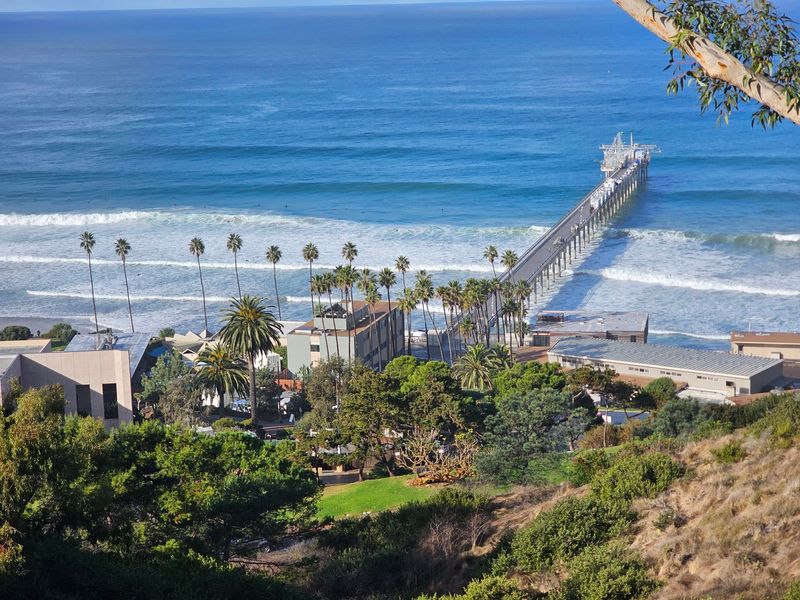
Here’s what sets this place apart from the big parks. Birch Aquarium serves as the public outreach center for Scripps Institution of Oceanography at UC San Diego.
That means the exhibits connect to real ocean research. You’re learning from one of the most respected marine science institutions around.
The history runs deep. The Marine Biological Association of San Diego started in 1903 and shared discoveries through a small public aquarium.
That group later became Scripps Institution of Oceanography. It joined the University of California system in 1912.
The current building opened in 1992. Before that, the Scripps Aquarium-Museum served the public for over 40 years, starting in 1951.
Want a closer look at the research world? Scripps Pier Walks are led by aquarium educators who talk about plankton, squid, sharks, and ongoing science.
The Aquarium Insider Tour is another solid pick. It’s a 45-minute guided tour, with admission sold separately. You’ll leave knowing far more than when you arrived, and the kids might suddenly want to be oceanographers.
Honestly, there are worse career goals for a ten-year-old.
Little Explorers Have Plenty Of Room To Splash And Play
Kids need to move, and the aquarium gets it. Riveropolis is an interactive water-play exhibit where flowing water sparks creativity and teamwork.
Little hands can redirect the water and watch what happens. It’s science disguised as play, which is the sneakiest kind of learning.
Shark Shores is another outdoor stop. You get close-up views of local shark and ray species without any glass between you and the open sky.
Then there’s Imagine Wild. This exhibit takes you to a fictional California mountainside to meet the Mountain Yellow-legged Frog and learn about its comeback story.
Science-loving kids ages 6 to 10 can join the Marine Science Club. It offers hands-on activities, animal encounters, aquarist talks, and even dissections.
Sensory needs are covered too. The aquarium is a KultureCity Certified Sensory Inclusive Venue, with sensory bags that include noise-canceling headphones.
A practical warning for parents. There are no lockers, so pack light or leave extras in the car. Wheelchairs can be borrowed from Guest Services, first come, first served.
Bring snacks, because outside food is allowed, and hungry explorers get cranky fast.
Grab A Sandwich With A View That Beats Any Food Court
Grilled cheese and tomato soup. Blue Wave Bistro serves a Grilled Triple Cheese Sandwich with Roasted Tomato Soup, and that combo feels right after a morning of fish-watching.
The on-site spot also offers an Orchard Chicken Salad Sandwich. Coffee and soft drinks round things out for a quick recharge.
The bistro is open daily, though seasonal hours can shift. Check before you plan lunch around it.
Prefer your own snacks? Outside food and drinks are permitted, which is rare and wonderful at a major attraction.
That flexibility makes Birch Aquarium at Scripps easy on families. Pack a picnic and you’re set for the whole visit.
Blue Beach is a great place to eat. This outdoor space sits on the south plaza near Shark Shores, with views of the La Jolla coastline.
The whole aquarium perches on a bluff above the Pacific. That means your lunch comes with ocean scenery at no extra charge. Stick around near sunset if hours allow, because the views from the plaza get even better as the light turns golden over the water.
Smart Timing Makes Your Visit Even Smoother
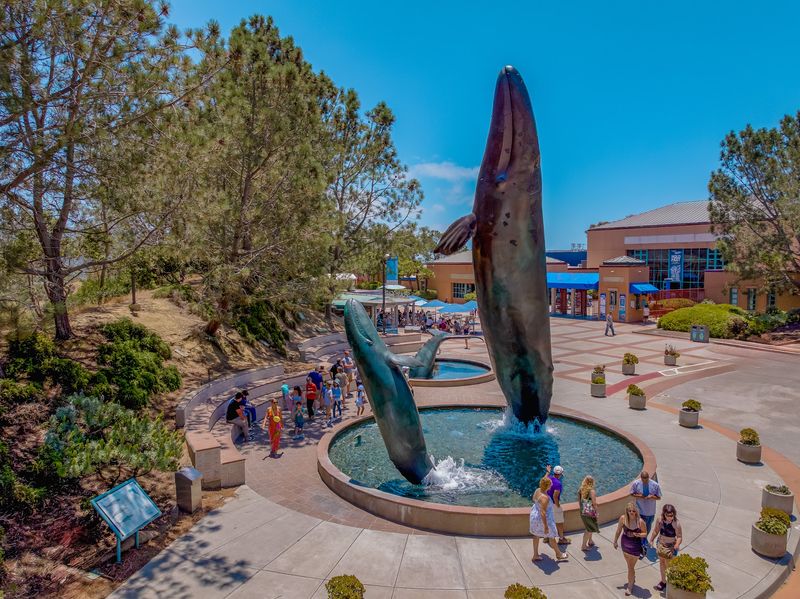
Planning pays off here. Birch Aquarium at Scripps Institution of Oceanography sits at 2300 Expedition Way, La Jolla, CA 92037, on a bluff above the Pacific.
Doors open daily at 9 a.m. Closing times change with the seasons, and last entry is one hour before closing.
The aquarium closes on Thanksgiving, Christmas, and New Year’s Day. Every other day is fair game for a California ocean outing.
Quieter visits tend to happen before 10 a.m. and after 2 p.m. Sunday evenings often bring late hours with discounted tickets when you buy online ahead of time.
Parking is free for three hours, but spaces can be limited. Carpooling helps, and there’s curbside drop-off in the traffic circle near the entrance.
October is a sweet spot. Kids Free October lets children in free with a paid adult admission, and Halloween Aglow brings trick-or-treating and underwater pumpkin carving.
Summer has its own star event. Shark Summer arrives every July with a focus on these important predators. Keep an eye out for The Axolotl’s Garden too, a new exhibit featuring endangered Mexican species.
There’s always a good excuse to come back.