
6 Mississippi Wildlife Refuges Where Families Watch Thousands Of Ducks Arrive For Winter
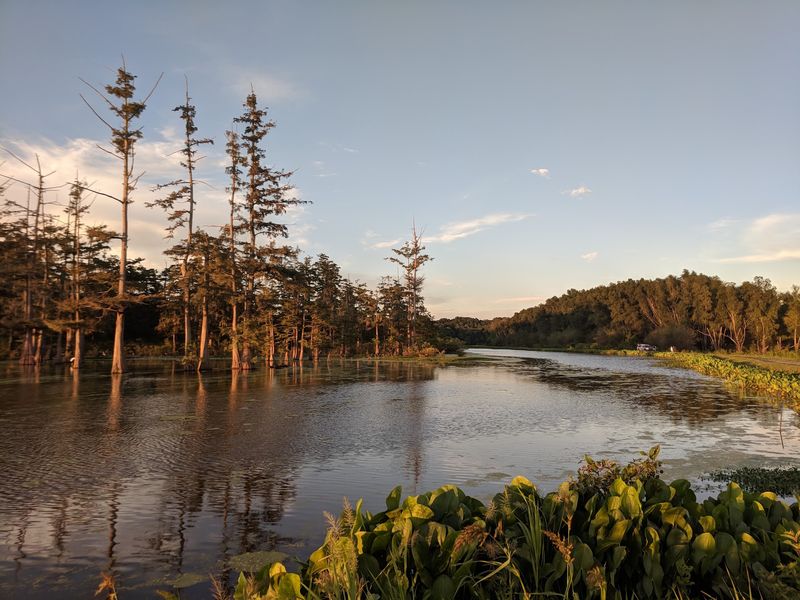
Winter in Mississippi brings a sound you might not expect: the whistle of wings overhead as huge flocks of ducks drop out of the sky. Every year, waterfowl from the far north travel down the Mississippi Flyway to rest and feed in the state’s swamps, lakes, and flooded forests.
For families, that means a free, front-row seat to one of nature’s biggest road trips. Grab warm jackets and binoculars, because these six refuges turn a chilly day into a memory the kids will talk about for weeks.
1. Sam D. Hamilton Noxubee National Wildlife Refuge Admin Building and Visitor Contact Station
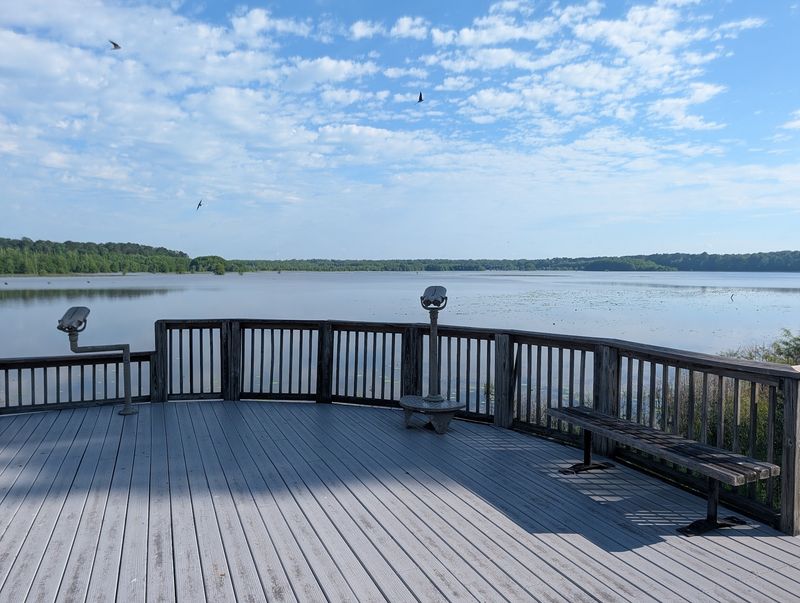
Boardwalks are the secret weapon here. Little legs stay dry, strollers roll easily, and the whole family can stand right over the water while ducks paddle past below.
Spread across a large woodland refuge near Starkville, Noxubee pairs two lakes with a web of hiking trails and wildlife viewing spots. A good plan is to start on the lake path, then wander onto the bald cypress boardwalk, where the trees rise straight out of dark, still water.
Turtles sun themselves on logs, birds flit through the branches, and winter brings a steady parade of ducks resting on the lakes.
Families who like a slower pace will appreciate the covered porch spots, which offer shelter if a light rain rolls in. It is easy to sit, sip something warm, and simply watch the water for a while.
Kids tend to love the mix of activities. You can hike, bike, picnic, or try some fishing, depending on how much energy everyone has left.
The admin building and visitor contact station is open Monday through Friday from 7:30 AM to 4 PM, with restrooms on site. Stopping in first is a smart way to get your bearings before heading out to find the flocks.
2. St. Catherine Creek National Wildlife Refuge
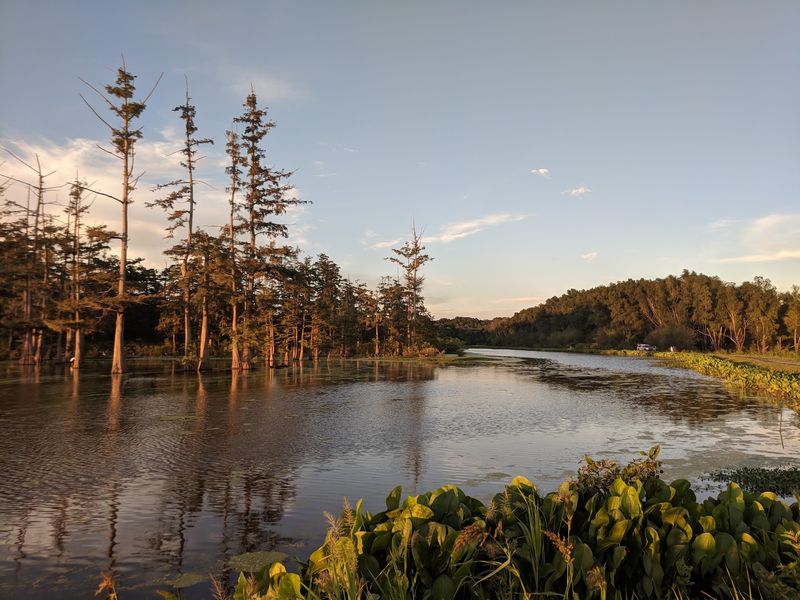
Picture 24,589 acres set aside largely for one purpose: giving migrating waterfowl a safe place to spend the winter. That is the backbone of St. Catherine Creek, tucked just outside historic Natchez in southwest Mississippi.
Walking paths here are clear and well marked, with several loop routes to choose from. Some trails include gentle ups and downs, which keeps older kids interested without wearing out younger ones.
The refuge labels its hikes as kid-friendly, so planning a family outing feels less like guesswork.
Wood ducks are a favorite sighting, with their bright, painted-looking heads that kids can spot from a distance. Flocks of pelicans also show up, adding a surprising, oversized twist to a duck-watching day.
Deer are common too, and big bucks sometimes step out along the trails.
Wildlife never follows a schedule, of course. Some days the water is packed, and other days you might only spot a few birds, so treat it as a treasure hunt rather than a guarantee.
Practical perks help. There are picnic tables, a gender-neutral restroom, and dogs are allowed, so the family pup can come along.
The office keeps weekday hours, 7:30 AM to 4 PM.
3. Mathews Brake National Wildlife Refuge
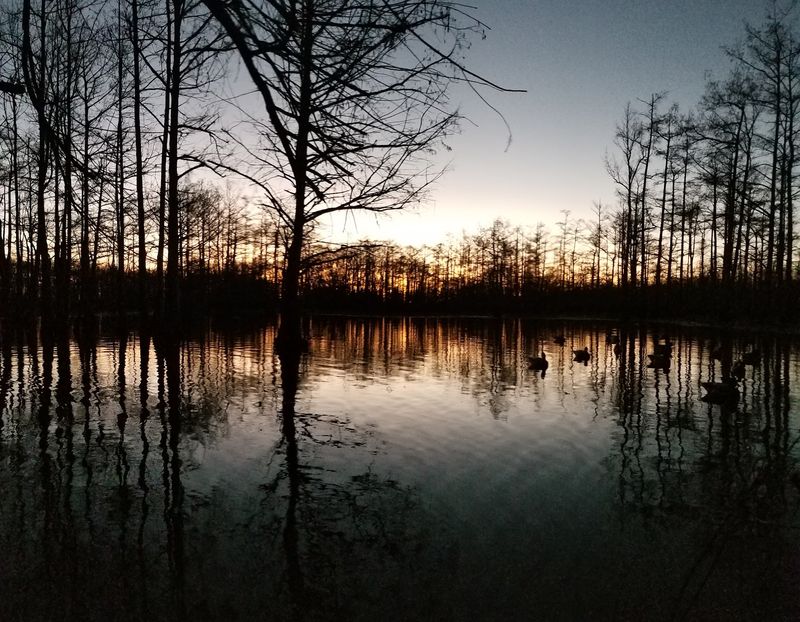
Huge numbers. That is the simplest way to describe what January can look like at Mathews Brake, a cypress-lined refuge near the tiny Delta community of Sidon.
Winter turns the open water here into a gathering spot for waterfowl, with flocks large enough to make kids gasp when they lift off all at once. The surrounding land is flat, rural, and quiet, so the sound of wings and quacking carries a long way.
It feels wonderfully far from busy roads and screens.
What sets this stop apart is how easy it is to explore from the car. Gravel auto-touring roads wind past the brake, letting families roll slowly, pull over, and watch without anyone getting cold toes.
On frosty mornings, that heated back seat becomes the best bird blind around.
Fun fact for the ride: a brake in the Delta is an old, swampy channel left behind by shifting rivers, and cypress trees thrive in that soggy ground.
A boat ramp also gives access to the water for families who paddle or fish. Bring snacks, a bird guide, and a full tank of gas, since services are limited in this corner of the state.
Call ahead at 662-235-4989 for current conditions.
4. Hillside National Wildlife Refuge
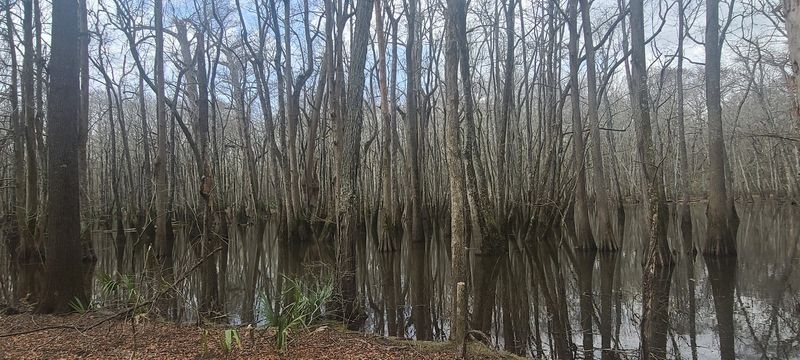
Ever wondered what happens when an engineering project goes wild? Hillside began as a silt trap built to catch soil washing off the bluffs, and over time it grew into prime winter habitat for waterfowl.
Today the refuge near Lexington blends flooded timber, open water, and swampy stretches. That mix matters, because different ducks prefer different spots.
Some dabble in shallow pools between trees, while others float out in the open, giving families plenty of variety to compare. Canada geese and snow geese also spend the winter here.
Driving through is a big part of the fun. The roads let you take in the scenery slowly, spotting ducks, wading birds, and the occasional alligator sunning on a warm day.
Kids usually rank that alligator sighting right at the top of the trip.
Hillside belongs to the Theodore Roosevelt National Wildlife Refuge Complex, a group of protected lands in this part of Mississippi. Because it draws hunters in season, check the refuge schedule before you go and plan your visit around those dates.
The refuge is considered good for kids, though facilities are basic. Pack water, snacks, and layers, and call 662-235-4989 with any questions before heading out.
5. Panther Swamp National Wildlife Refuge
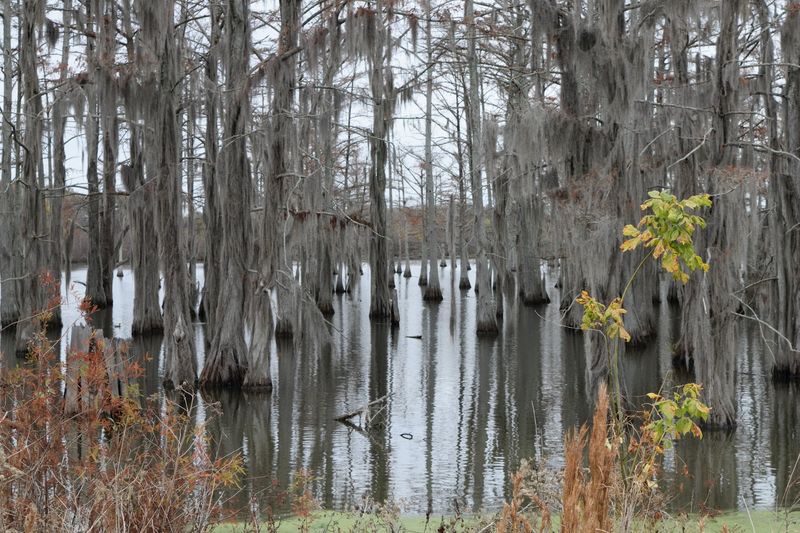
Hundreds of species of birds and mammals call this huge nature reserve home, and winter adds thousands of visiting ducks to the guest list. Panther Swamp sits near the small town of Louise, where flooded bottomlands spread out in every direction.
For families with a budding photographer, this refuge is a dream. Plenty of trails make room for walking, birding, and snapping pictures, so hand a child a camera or phone and let them build their own winter wildlife album.
Reflections on the still swamp water make even simple shots look impressive.
Panther Swamp also serves as headquarters for the Theodore Roosevelt Refuge Complex. That connection makes it a handy stop if you want to learn more about the nearby refuges, including Hillside, and plan a longer Delta birding trip.
Fishing is offered here too, a nice backup activity when the ducks are hiding. Hunting happens in season, so look up current dates before you go.
The office is open Monday through Friday, 7:30 AM to 4 PM, and the number is 662-836-3004. Early mornings tend to bring the most movement on the water, so set the alarm and pack breakfast for the road.
6. Tallahatchie National Wildlife Refuge
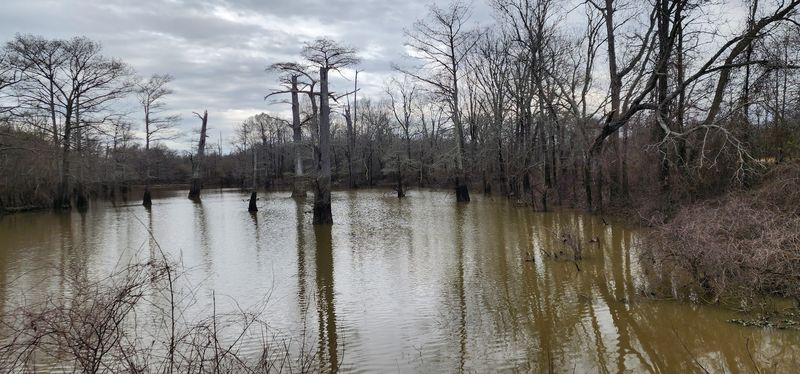
Paddling is the standout here. While most refuges keep you on trails or roads, Tallahatchie invites families to glide right onto the water in a canoe or kayak.
The refuge, located near Cascilla in north Mississippi, protects bottomland habitat where migrating birds stop to rest. Its waterways are known for easy canoeing and kayaking, which makes them a fine choice for families still building paddling confidence.
Calm water, quiet surroundings, and wide views give everyone a relaxed way to watch ducks without rushing.
Out on the water, things feel different. Ducks drift closer, the only noise is the dip of paddles, and kids quickly learn to whisper so they do not spook the flock.
Keep a respectful distance, though, so the birds can rest after their long trip south.
Not a paddling family? The refuge also works well for fishing and photography, and the peaceful setting is pleasant even from the shore.
Hunting takes place in season, so review the schedule before you visit.
Tallahatchie is listed as good for kids. Dress everyone in warm, waterproof layers, bring life jackets, and call 662-226-8286 for current water levels and access details before planning your trip.