
Your Vicksburg, Mississippi Lunch Stop Turns Into A Real History Lesson Inside This Church Rooted In 1849
Our plan was simple: find lunch, stretch our legs, and keep the kids from melting down in the car. Then a church with a long and surprising story caught our eye on a quiet downtown street in Mississippi.
Its roots stretch back to the 1840s, through the Civil War and a powerful storm, to the modern building standing there today. For families who love history they can actually walk into, this stop turns a short break into a real lesson.
A Downtown Landmark on Crawford Street
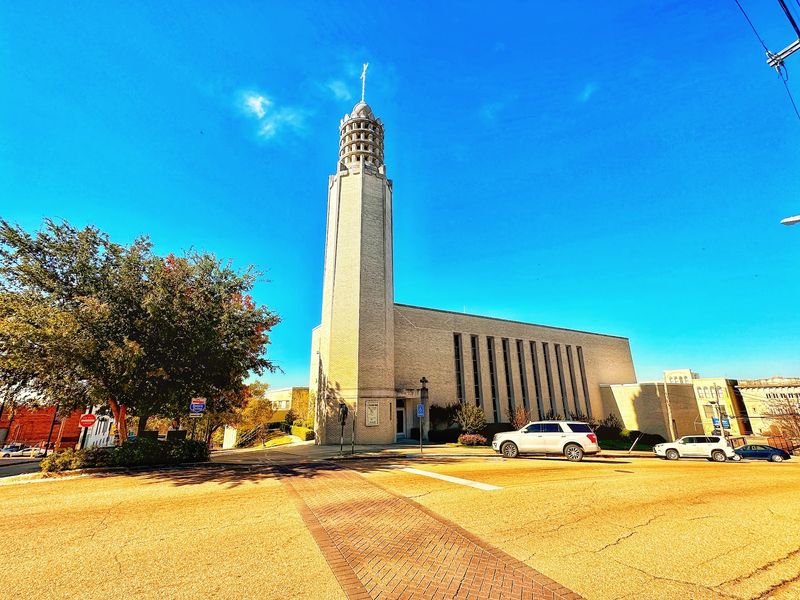
Picture a hilly river town where old brick storefronts sit beside church steeples, and you have the setting for St. Paul Catholic Church. The parish sits at 713 Crawford Street, right in the heart of downtown Vicksburg, Mississippi.
You can reach it on foot from many of the area’s shops, museums, and historic homes.
Families exploring the city usually spend time near the Mississippi River and the famous Civil War sites. St. Paul fits neatly into a downtown walk, since it sits within the older grid of streets that climb up from the riverfront.
Kids can spot it as a landmark, and parents can use it as a handy meeting point while wandering.
What makes the church interesting is not just where it stands, but how long a Catholic parish has stood there. The current building dates to the 1950s, yet the congregation’s story reaches back more than a century before that.
Walking up to the doors, you are stepping onto ground with deep roots in the community.
For travelers with children, that layered story is the real draw. It offers a simple, concrete way to show how a town grows, changes, and rebuilds over many generations without losing its sense of identity.
Roots Reaching Back to 1849
Back in 1849, long before cars or electric lights filled downtown Vicksburg, the parish dedicated its original church. That first building was a Gothic Revival structure, the style known for pointed arches, tall windows, and a strong upward reach.
It must have stood out dramatically against the low buildings of a young river town.
Gothic Revival design was popular in America during that period because it borrowed from the great medieval churches of Europe. Builders wanted spaces that felt grand and reverent, pulling the eye toward the sky.
For a growing Mississippi community, a church like this was a sign of confidence and permanence.
Kids who enjoy history books can connect this era to other things happening at the same time. Steamboats crowded the river, and Vicksburg was becoming an important trading stop.
The church was part of daily life for many local families during those busy years.
Sharing this background before a visit can make the trip feel more meaningful. Ask children to imagine what the street looked like back then, with horses, wagons, and gas lamps.
That small exercise turns a quick look at a building into a time-travel adventure that sticks with young minds long after you leave.
Surviving a War, Then a Storm
Few buildings in Vicksburg can claim they made it through the Civil War, but the original St. Paul did. The famous Siege of Vicksburg shook the entire city in 1863, and the Gothic church remained standing afterward.
That fact alone makes its story a favorite for history-minded families.
Nearly a century later, nature delivered a different kind of challenge. In 1953, a tornado swept through Vicksburg and severely damaged the old church.
The harm was serious enough that the structure was eventually taken down, closing a long chapter in the parish’s life.
Losing a building that had stood for over a hundred years must have been hard for the congregation. Yet the parish chose to rebuild rather than scatter.
That decision shaped the church you can visit today, and it shows how communities respond when something precious is lost.
Children often relate to stories about bouncing back after tough times. Talking about the storm offers a gentle, age-appropriate way to discuss resilience and teamwork.
You might point out that the people who rebuilt St. Paul included families, kids, and neighbors working together toward a shared goal, which is a lesson that travels well beyond Mississippi.
An Interior That Wins People Over
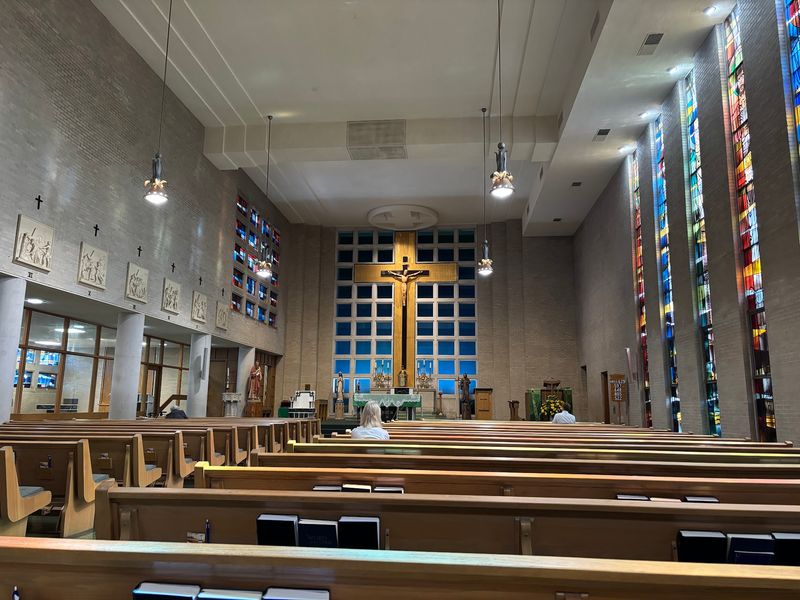
Step through the doors and the mood shifts. Visitors who feel lukewarm about the outside often say the inside is the better part of the experience.
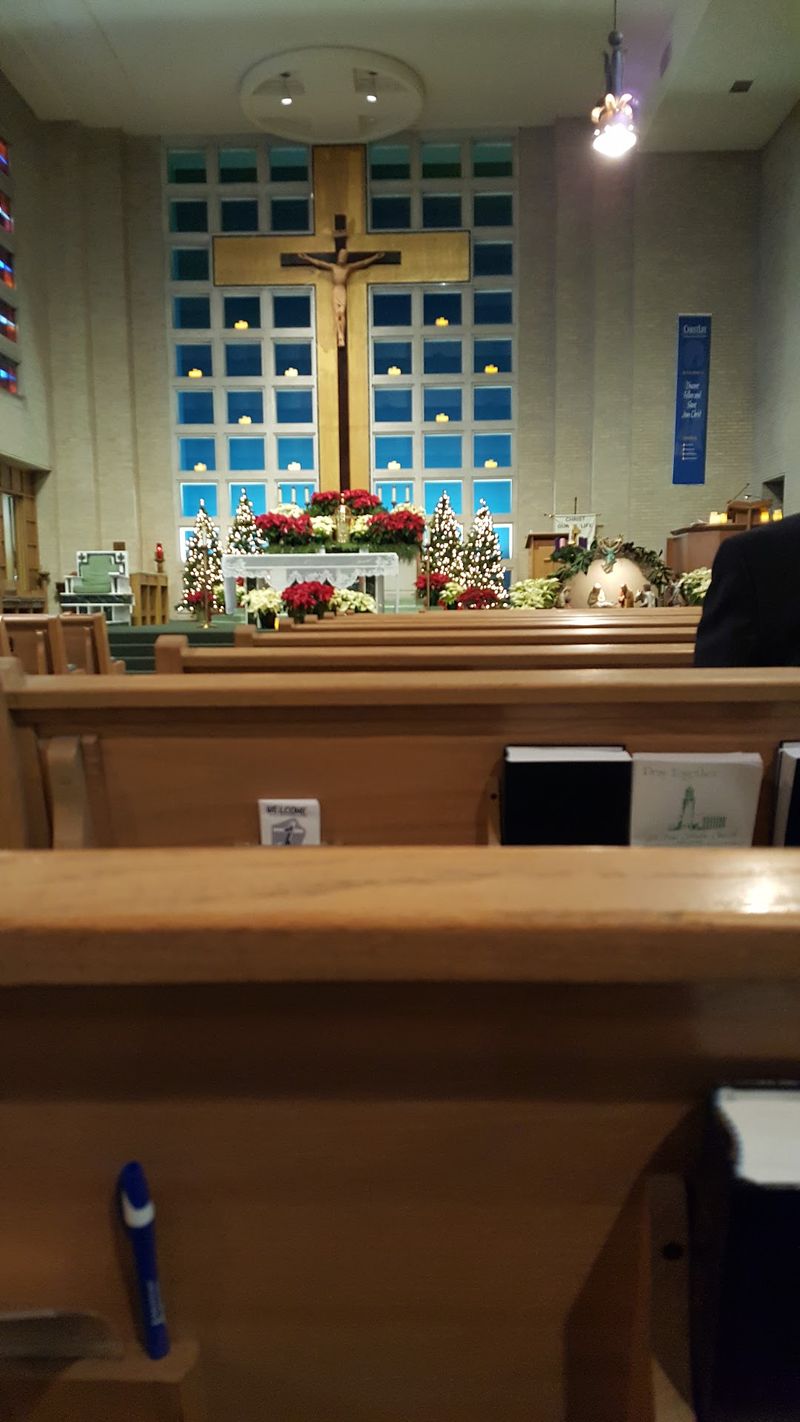
The sanctuary offers a calm, orderly space where the modern design feels warmer and more welcoming.
Inside, the simpler style of the 1950s lets your attention settle on the altar and the worship space itself. There is less visual clutter, which many people find peaceful.
Families with restless kids may appreciate that sense of quiet focus during a short stop.
Remember that this is an active parish, not a museum. Keep voices low, follow any posted guidance, and check ahead to make sure the building is open to visitors when you plan to come.
Respecting the space helps children understand that some places call for a different kind of behavior.
Before heading in, give kids a small mission to keep them engaged. They might count the pews, look for symbols, or notice how light enters the room.
A short, purposeful visit tends to work better than a long one, especially with younger children. Leaving while everyone is still calm and curious makes it more likely they will remember the experience fondly.
Mid-Century Modern Lines
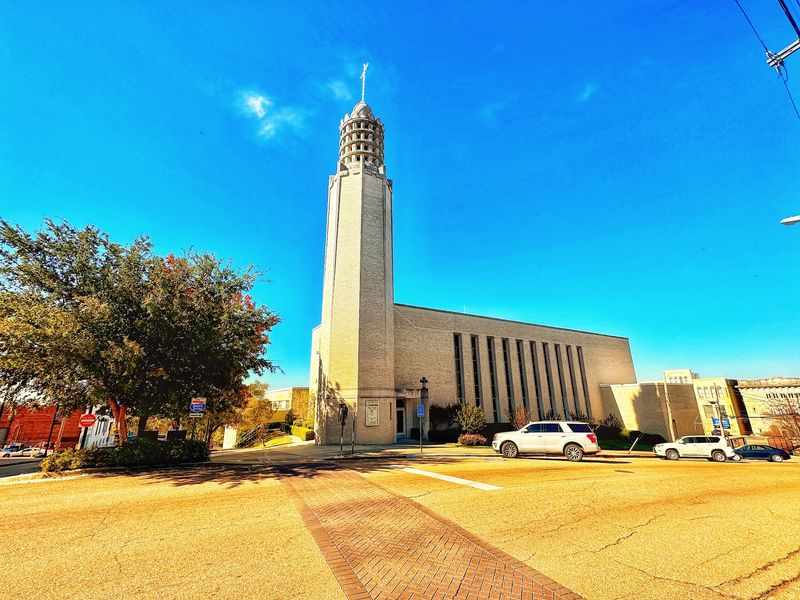
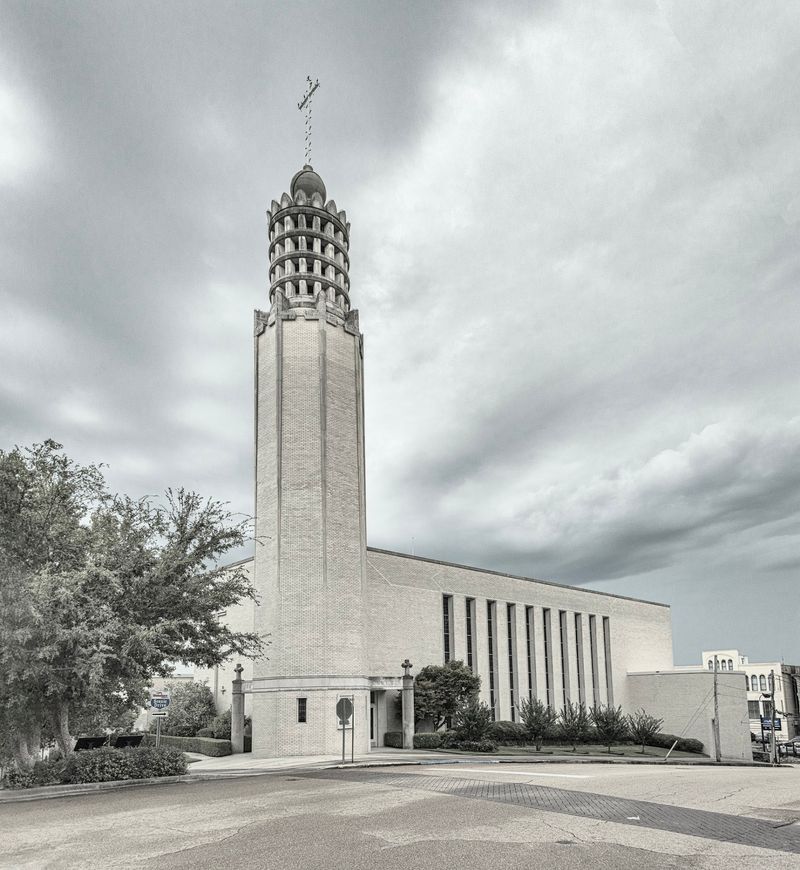
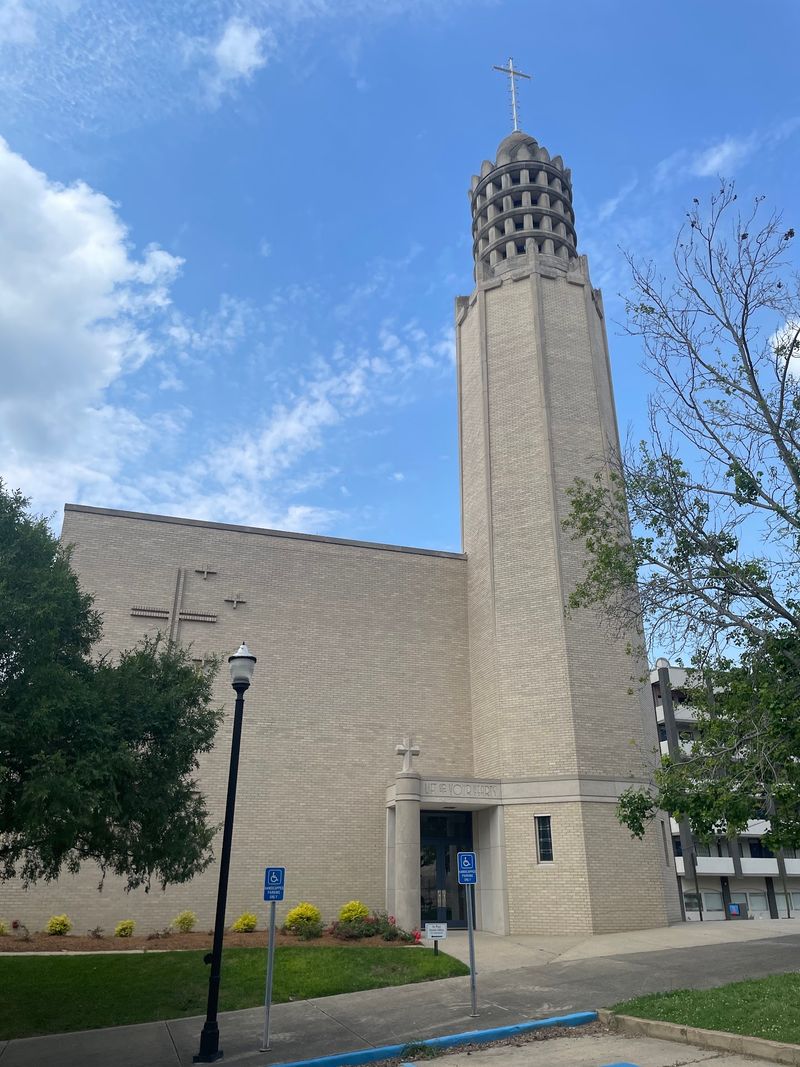
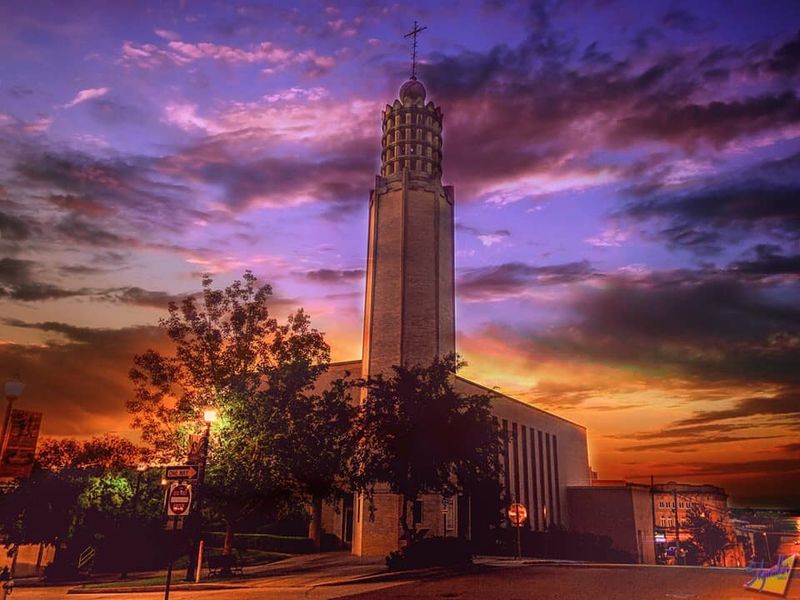
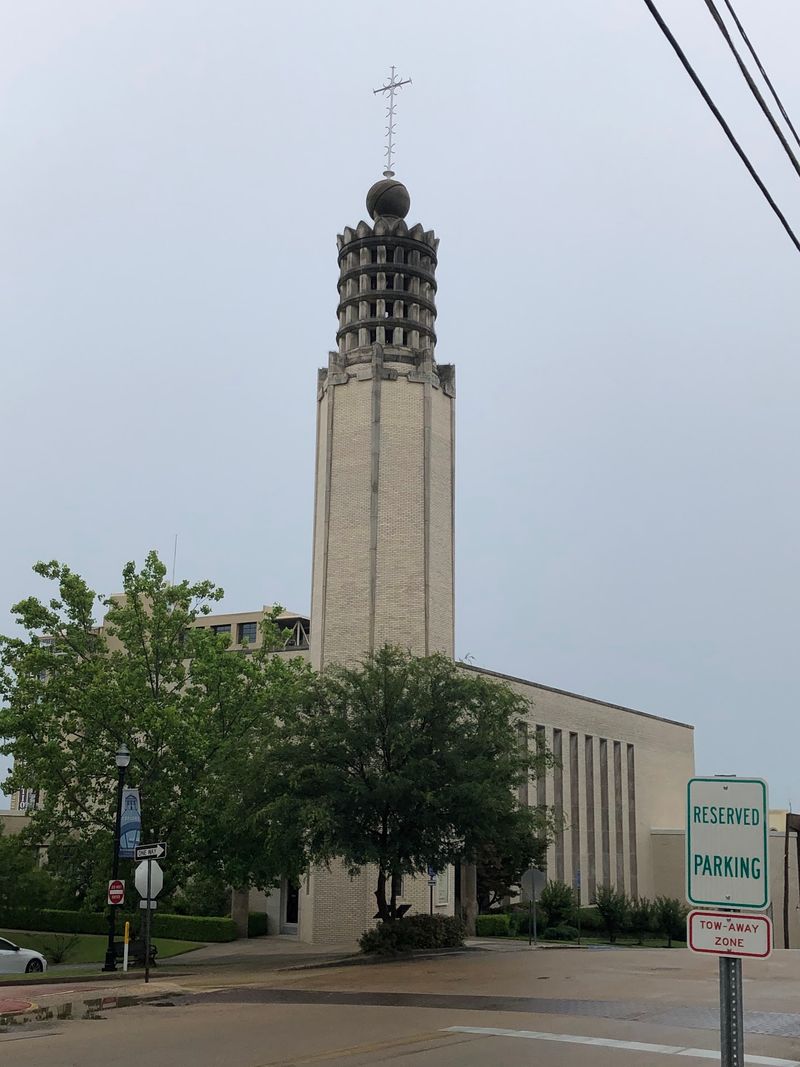
Completed in 1957, the current church looks nothing like its pointed-arch ancestor. Builders chose a Mid-Century Modern style, which favors clean lines, simple shapes, and a fresh, forward-looking feel.
It reflects the optimism many American towns felt during the 1950s.
Not everyone loves the look at first glance. Some visitors admit the modern exterior is not their favorite style, especially in a city so full of older architecture.
That contrast, though, is exactly what makes the building a great teaching moment for curious kids.
Stand across the street and ask your children to compare it with the older churches and homes nearby. Which shapes do they notice?
Where do the lines point? Mid-Century design often uses bold, straight edges and fewer decorations, while Gothic buildings are packed with detail and height.
Families who enjoy architecture can turn this into a quick scavenger hunt. Look for rectangles, repeated patterns, and the way light hits flat surfaces compared to carved stone.
Even younger kids can grasp the idea that buildings, like clothes or cars, follow styles that change over time. St. Paul gives you a real-life example of that shift, standing right on a downtown corner.
Bells Over the Downtown Streets
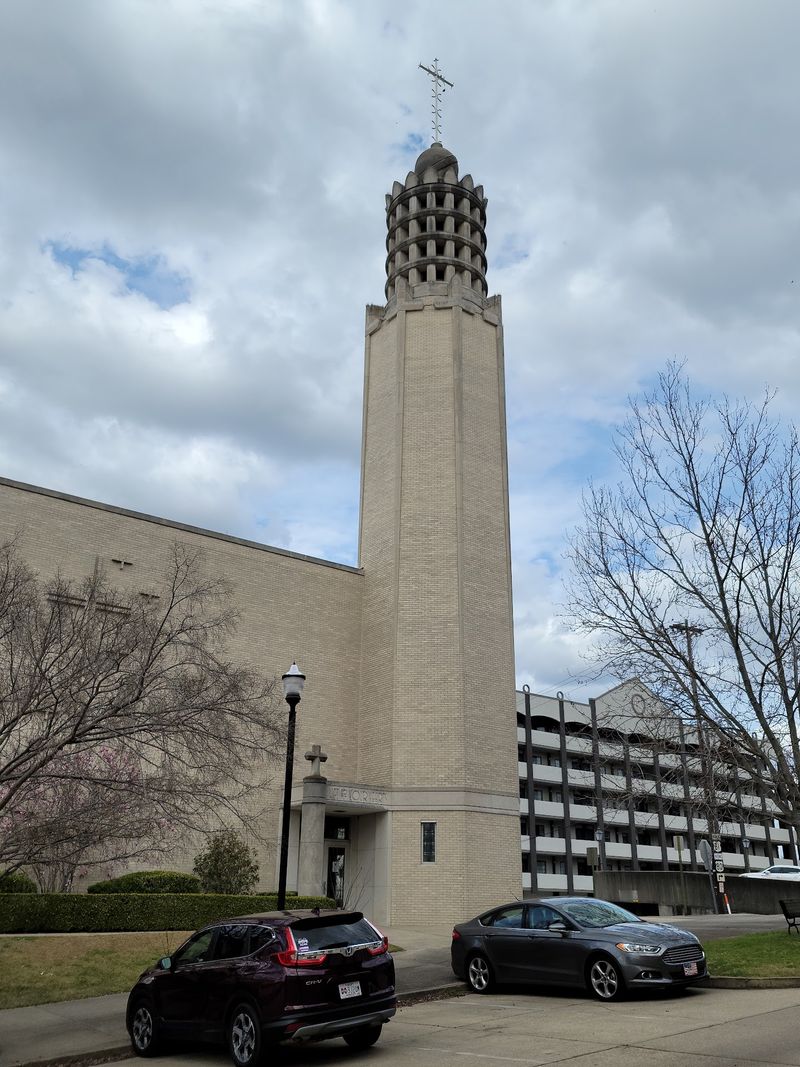
Listen closely as you walk downtown, and you may catch the sound of church bells drifting over the rooftops. St. Paul has bells that are part of the neighborhood’s soundtrack.
For kids, hearing a real bell ring from a tower can feel almost magical.
Some locals have noticed the bells do not always ring through their full set of notes on the hour. That small detail actually sparks good conversation with children.
You can talk about how bells work, why they need care, and how old equipment sometimes needs repairs.
Bell towers have served communities for centuries. Before phones and clocks were everywhere, bells told people the time, called them to services, and marked special celebrations like weddings.
Explaining that history helps kids see bells as useful tools, not just decorations.
If you happen to hear them during your visit, pause and let everyone listen. Ask younger children to count the rings or guess the time.
Older kids might enjoy researching the different notes and how bell ringers create patterns. It is a simple, free activity that adds a sensory layer to your downtown stroll and connects the church to the wider life of the city.
Traditional Worship and Early Morning Mass
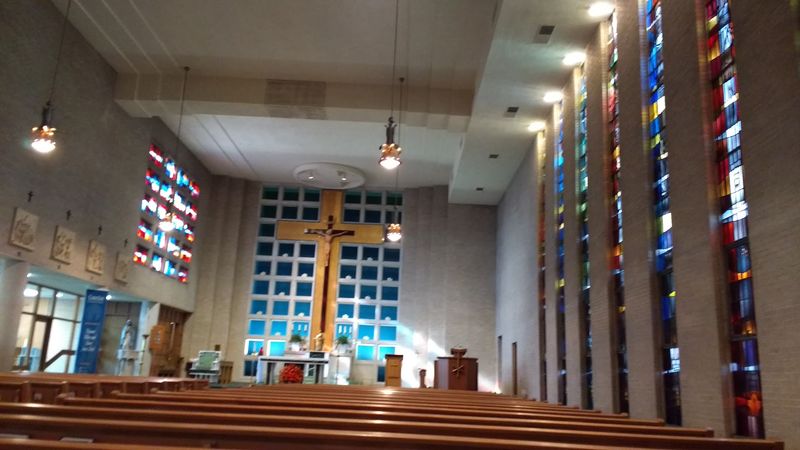
Early risers have long enjoyed a weekday Mass at 7:30 in the morning at St. Paul. Families traveling through who want to attend services can call ahead to confirm the current schedule, since times can change.
Starting the day this way can give a travel day a peaceful anchor.
Worshippers often describe the services as traditional and well done. That style may appeal to families who appreciate familiar prayers and a reverent pace.
Homilies from parish priests have left a strong impression on returning visitors, adding warmth to the experience.
Bringing children to a service in a new place can feel daunting, so a little preparation helps. Pack a quiet book or small activity for younger kids, and sit near the back so you can step out if needed.
Talking through what will happen ahead of time often reduces fidgeting.
Even families who are not Catholic sometimes attend to experience local traditions respectfully. If that is your plan, simply follow the lead of those around you and observe quietly.
Kids can learn a lot by watching how a community gathers together, and attending a weekday service is often calmer and shorter than a busy weekend Mass.
Generations of Parish Memories
Ask longtime Vicksburg families about St. Paul, and you will hear stories that span decades. Baptisms, weddings, and altar service growing up are the kinds of milestones many locals connect with these walls.
Former residents who return describe feeling right back at home.
That sense of continuity is part of the church’s quiet charm. Even after people move away, the parish remains a touchstone when they come back to visit friends or family.
Some say that what has stayed the same over the years is exactly what makes it special.
For traveling families, this offers a gentle reminder that places mean more than their buildings. You might talk with kids about the spots that hold memories for your own family, like a grandparent’s house or a favorite park.
Making that connection helps children understand why a community treasures its church.
Beyond Sunday services, the parish serves the local community in ongoing ways. Its role has never been only about architecture or history.
Seeing a church as a living part of neighborhood life, where people celebrate important moments together, gives children a fuller picture of what they are looking at when they stand outside on Crawford Street.
Atmosphere and Who It Suits Best
Quiet, respectful, and rooted in tradition, St. Paul has the feel of a close-knit neighborhood parish. Many visitors describe the people as friendly and welcoming.
That steady, low-key atmosphere suits travelers looking for a reflective pause rather than a busy attraction.
School-age kids and teens tend to get the most out of a stop here, especially if they enjoy history or architecture. The story of the 1849 church, the storm, and the 1957 rebuild gives them plenty to think about.
Older children can appreciate the contrast between styles across downtown.
Families with toddlers may want to keep expectations realistic. The congregation includes many older, longtime members, and experiences with very young children have been mixed over the years.
Planning a brief visit outside service times can make things more comfortable for everyone.
History buffs, architecture fans, and Catholic travelers seeking Mass on the road will likely feel most at ease. It also works well as a short add-on during a larger downtown walking tour.
Think of it less as an all-day destination and more as a meaningful chapter in your Vicksburg itinerary, one that adds depth to the story of how this river city has changed.