
Climb 219 Spiral Steps At Twilight To The Top Of A Historic Lighthouse In Florida
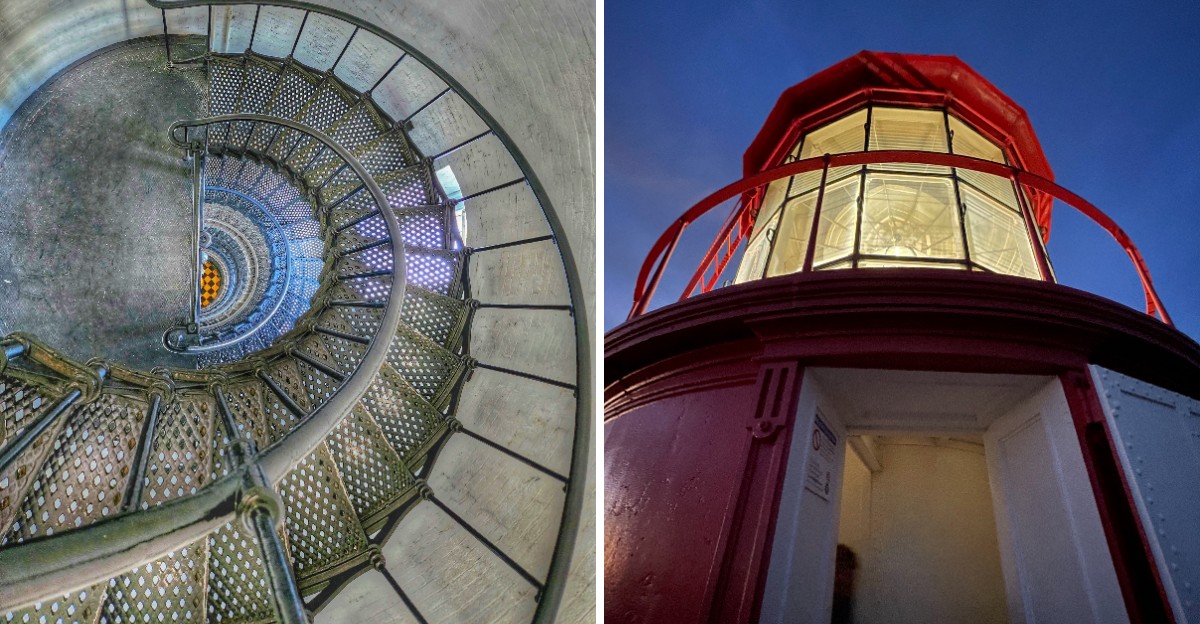
A 165-foot tower in Florida still works as an active aid to navigation. Its Paris-made lens holds 370 hand-cut glass prisms and weighs about 2 tons.
Reaching the top takes 219 spiral steps, so pace yourself. How many will you count before your legs complain?
Eight landings carry story panels, and the staircase narrows near the lamp. Who could miss those black-and-white stripes from the shoreline?
Its light first came on in 1874, and the older tower fell into the sea in 1880. Once a month, a sunset event lets you watch the moon rise from the top.
Would you rather catch the sky turning pink or hear ghost stories on a Dark of the Moon tour? Few climbs in Florida reward tired legs quite like this one.
The Climb Starts With 219 Spiral Steps
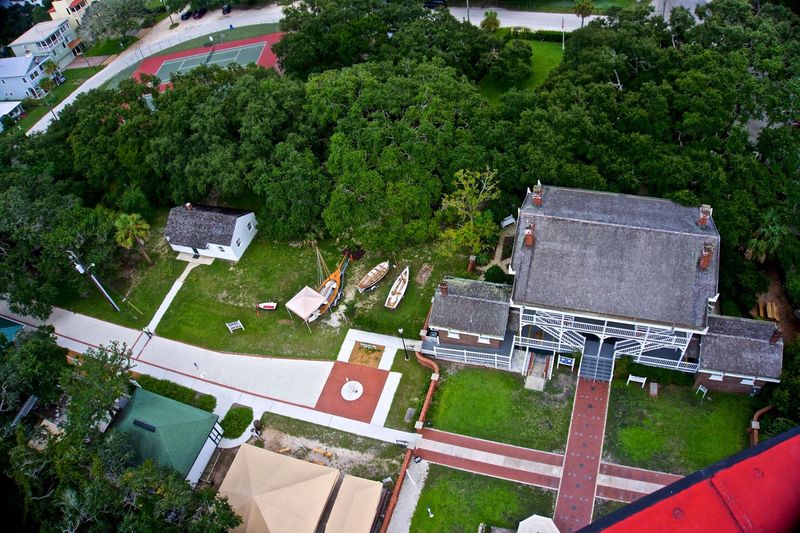
Numbers matter here, so let’s start with a few. The St. Augustine Lighthouse & Maritime Museum centers on a tower that stands 165 feet tall.
Inside, a self-guided route winds up 219 spiral steps to the top. You choose the pace, and nobody rushes you along the way.
Kids need to be at least 44 inches tall to make the climb. Carrying children or pets up the stairs isn’t allowed.
The staircase narrows as you get higher, and some windows are open for fresh air. Wear shoes that grip, since spiral stairs favor steady footing.
The tower was built between 1871 and 1874, so every step belongs to a long story. Its light first came on October 15, 1874.
Take a breath at the bottom and look up. Then start counting, because 219 gives you plenty to count.
Comfortable shoes make the trip easier. Plan some time for the grounds too, since the site includes a museum and nature trails.
Tower operation can be affected by weather and other events, so closures are possible. Checking ahead keeps your plans smooth, especially on a stormy day.
The View From 140 Feet Covers Ocean, Town, And Waterway
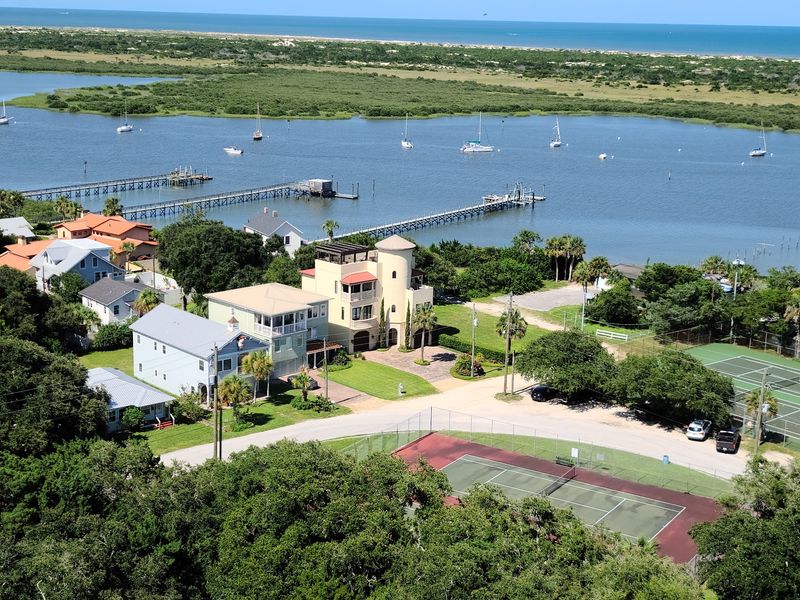
From the observation deck, 140 feet up, the whole coast opens in front of you. That’s the payoff for all those spiral steps.
Historic downtown St. Augustine sits in view. So do the surrounding beaches and the wide Atlantic Ocean.
The Intracoastal Waterway winds through the scene as well. Anastasia Island, where the lighthouse stands, spreads out below you.
Bring a camera, because the panorama begs for photos. Just keep a firm grip on your phone near the railing.
One catch is worth knowing. The viewing area at the top is outdoors, so wind and weather are part of the deal.
Not everyone can or wants to climb. A video called View from the Top offers another way to see the scene.
Fear of heights is a real factor with a tower this tall. Spend a moment at the lower landings first to see how you feel.
Aim for a clear day if possible. Good visibility lets the coastline, waterway, and town all show up together.
The tower stands 165 feet tall, while the observation deck sits at 140 feet. That height difference puts you just below the top of the structure.
Eight Landings Give You Plenty Of Reasons To Pause
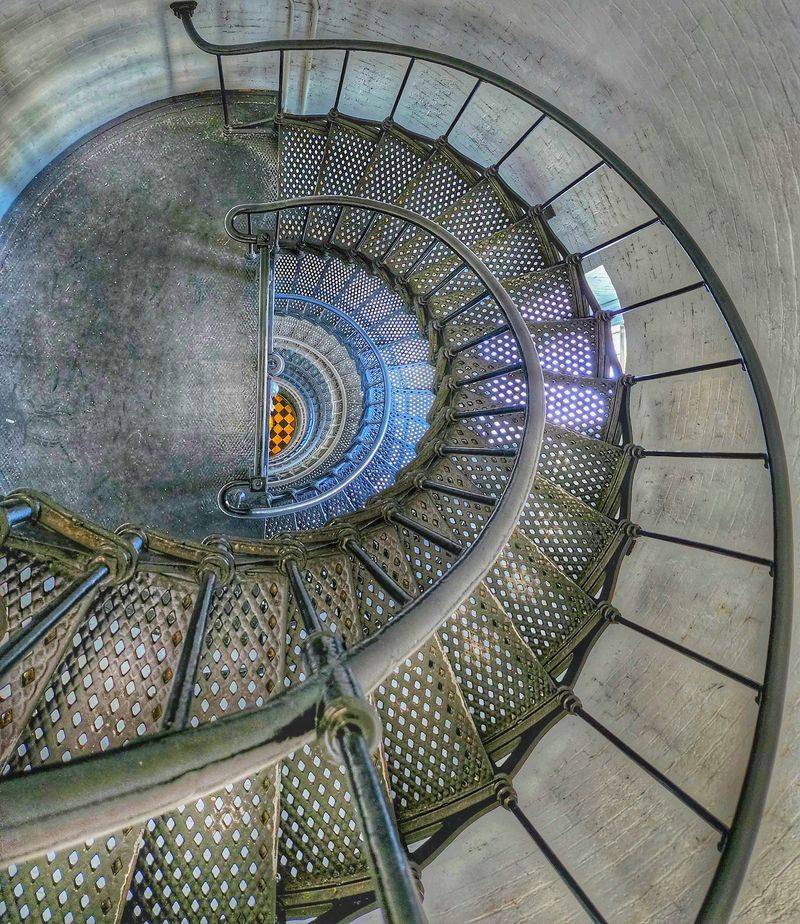
Eight landings break the climb into manageable chunks. Each one features historical story panels, so a rest stop comes with a lesson.
Picture them as tiny museum rooms stacked inside the tower. You can read, catch your breath, and then keep climbing.
A fast climb skips the stories. A slow one teaches you how the light station worked and who kept it going.
The panels cover more than the tower itself. The wider site explores keepers and their families, shipwrecks, and local maritime heritage.
Landings also solve a practical problem. Spiral stairs feel endless when your thighs start complaining, so a pause helps.
Use the stops to check your pace before continuing up. A steady rhythm beats a sprint every time.
The same landings help on the way down. Going back past the story panels gives you a second look at details you missed.
Remember that children must be tall enough to climb, so plan ahead with a family group. Anyone under 44 inches can’t make the trip up the tower.
Treat the climb as a slow-moving history lesson. By the final flight, you’ll know a lot more than when you started.
A Giant Glass Lens From Paris Still Does Its Job
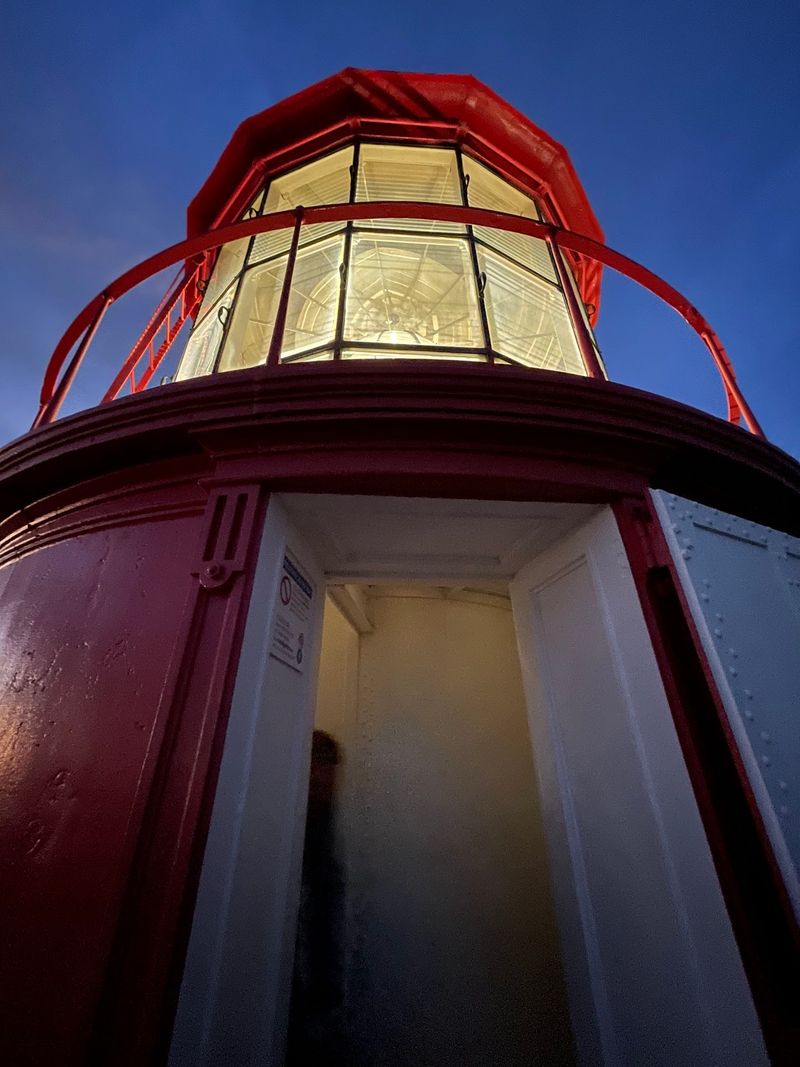
A glass giant waits at the top of the tower. The original first-order Fresnel lens stands 9 feet tall and measures 6 feet across.
It contains 370 hand-cut glass prisms and weighs roughly 2 tons. Paris is where it was crafted.
Here’s the best part: the lens still works. It serves as an active aid to navigation today.
A 1000-watt bulb powers it. The light can be seen from 19 to 24 nautical miles away.
That means ships far off the coast can spot the beam. Boaters have counted on lights like this for generations.
Keepers once tended the light by hand. In 1955, the lighthouse was automated and the last keeper retired.
Think about the work behind the lens. Each prism was cut by hand, then assembled into one huge glowing machine.
Seeing the lens up close is a special treat. Private Lens Room Tours before sunrise offer an exclusive look at the illuminated lens.
Availability can change, so ask before planning around one. Few objects are this old and still this useful.
Sunset And Moonrise Events Turn The Climb Into A Show
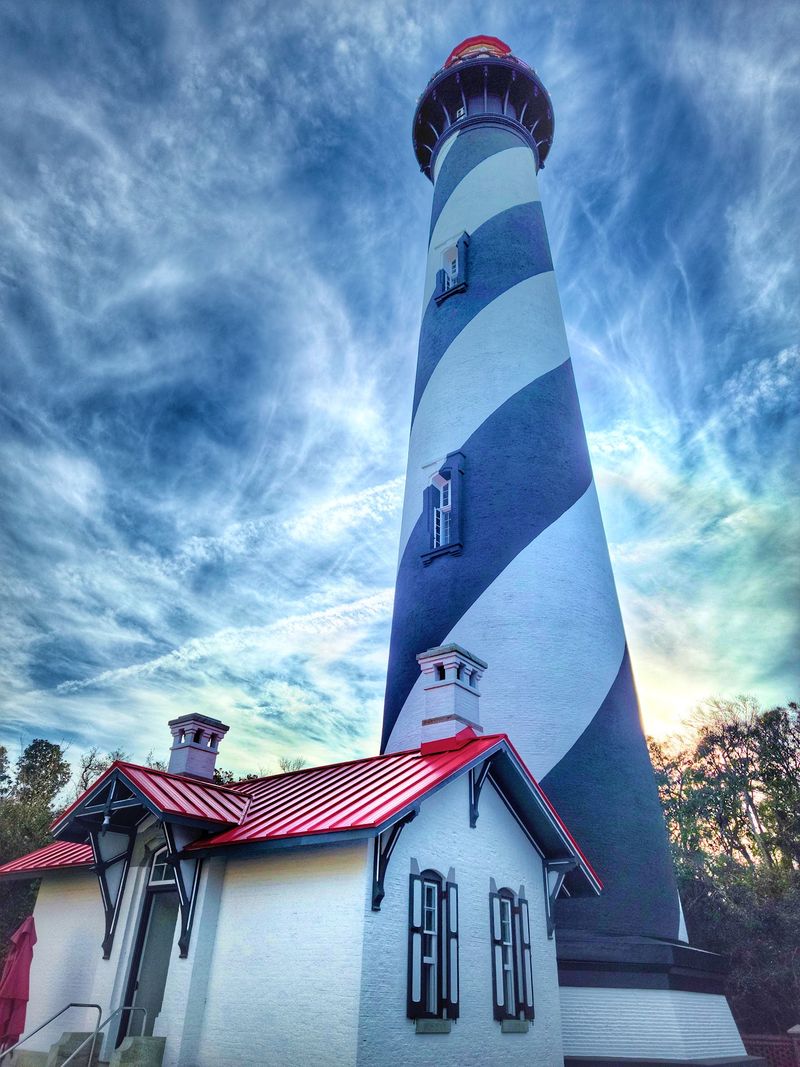
Sunset changes everything. Once a month, the museum hosts Sunset Moonrise events with views as the sun sets and the moon rises.
That timing sounds like a photographer’s dream. The tower gives you a high spot to watch the sky shift.
Evening visits have a different mood from daytime ones. The site also offers Dark of the Moon Ghost Tours after dark.
Guides share factual history along with paranormal stories tied to the lighthouse’s haunted reputation. Believers and skeptics both get a good story.
Keeper Peter Rasmusson served from 1901 to 1924, and his name appears in local ghost lore. Plenty of other stories connect to the site.
Drones are not allowed on or over the property during operating hours. That includes evening tours, so leave yours at home.
Reserve ahead, since evening events can differ from regular daytime visits. Ask what is included before you choose your night.
Pack bug repellent, since coastal Florida evenings can bring insects. Comfortable shoes help too, especially on a spiral staircase.
Evening light also changes how the black-and-white stripes look from the grounds. Step back and take a photo before you head up.
The Keepers’ House Has A Rebuilt Story To Tell
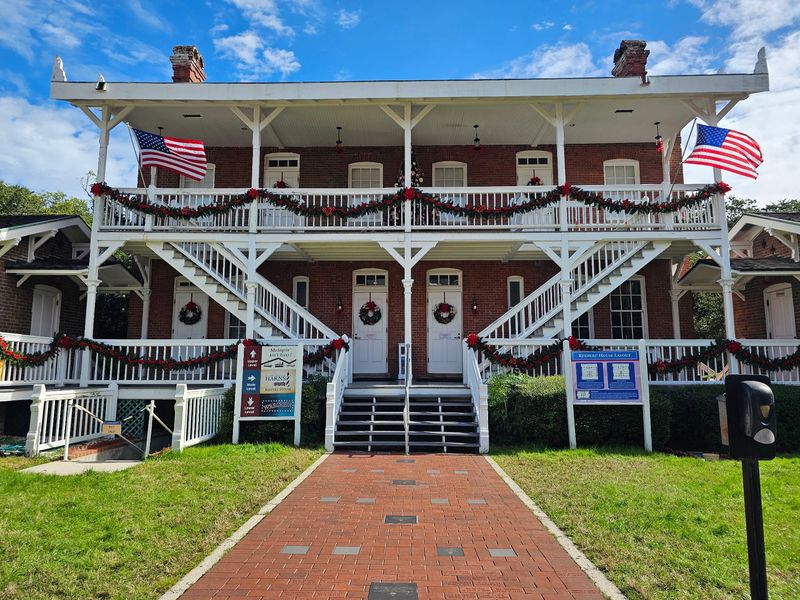
The restored Keepers’ House dates to 1876. It was rebuilt after a fire in 1970 and opened as a museum in 1988.
Inside, exhibits explore the daily lives of lighthouse keepers and their families. It’s a look at how people lived beside a working light.
Other exhibits cover the Coast Guard’s role in WWII, local maritime heritage, and historical shipwrecks. The topics shift from room to room.
The Junior Service League of St. Augustine started restoration efforts in 1980. That volunteer push helped save a piece of Florida history.
The tower itself was automated in 1955, which marked the retirement of the last keeper. After that, the property needed caretakers of a new kind.
In July 2002, the deed for the tower moved to the nonprofit St. Augustine Lighthouse and Museum, Inc. That transfer happened under the National Historic Lighthouse Preservation Act.
Together, those steps explain why the site is in such good shape today. History here has real people behind it.
Give yourself time to wander the house slowly. A tower climb is thrilling, but the stories downstairs add the heart.
Boats, Artifacts, And A Shipwreck From 1782
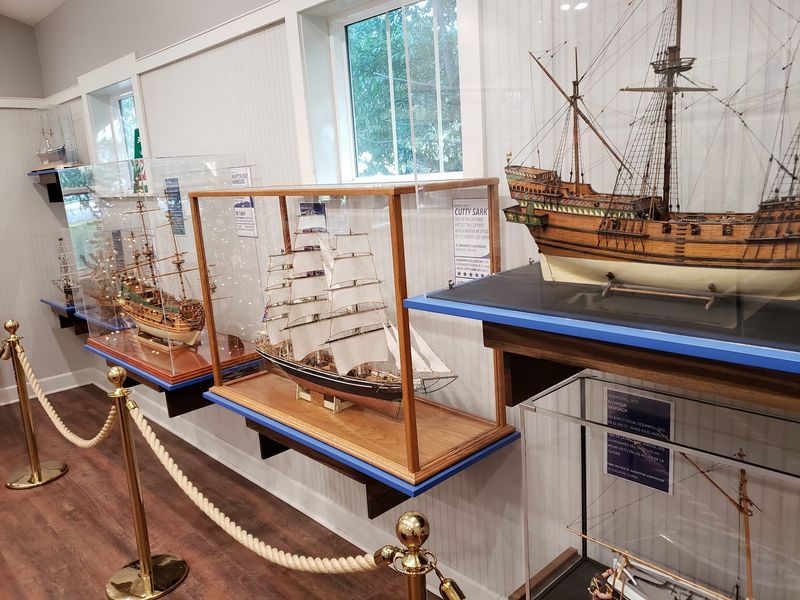
Surprise: the lighthouse has a shipwreck exhibit. Wrecked! details the discovery, excavation, research, and conservation of a 1782 British Loyalist shipwreck.
The site also includes a Maritime Artifact Conservation Lab. Daily demonstrations cover underwater archaeology among other topics.
Another stop is Heritage Boatworks. Expert boatwrights build wooden watercraft there, which keeps an old craft alive.
Demonstrations also cover lighthouse keeper duties, sailing, and boatbuilding. Check the day’s schedule when you arrive.
The Maritime Hammock Nature Trails give you a walk away from the stairs. WWII-era structures also stand on the grounds.
One is a garage that now houses the Tin Pickle, a vintage-themed snack shack. Yes, the snack shack lives in a former garage.
Fans of the unusual will love the variety here. Few lighthouse stops include a boatworks and a conservation lab.
That mix makes the museum side as interesting as the climb. Plan a few hours so you can see both.
The gift shop is another stop before you leave. It’s a handy place to pick up a keepsake from the day.
Kids, Quiet Spaces, And Easier Ways To Enjoy The Site
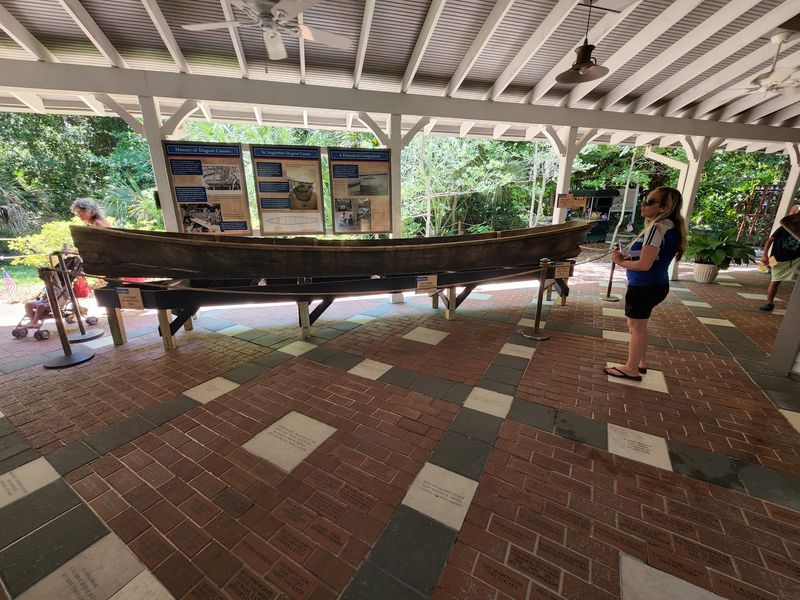
Little crew members get their own deck. The Kids Play Ship gives children room to explore after the tower.
Young climbers must reach 44 inches to head up the lighthouse. Shorter kids still have lots to do on the grounds.
Families can also explore the nature trails together. Walks like that give kids space to move around.
The site is a Certified Autism Center. Staff are trained to assist autistic and sensory-sensitive visitors.
Sensory guides are available to help people navigate the site. That’s a thoughtful touch for families planning ahead.
Those who can’t climb still have options. The View from the Top video shows what the tower offers.
Daily demonstrations give curious kids something to watch, from sailing to boatbuilding. The gift shop adds another family stop on the way out.
Mix and match your day. Start with exhibits, take a trail walk, then decide whether the tower fits your group.
Few attractions balance a hands-on feel with real history so well. Kids can play, and grown-ups can read the story panels.
History Goes Back To A Spanish Watchtower
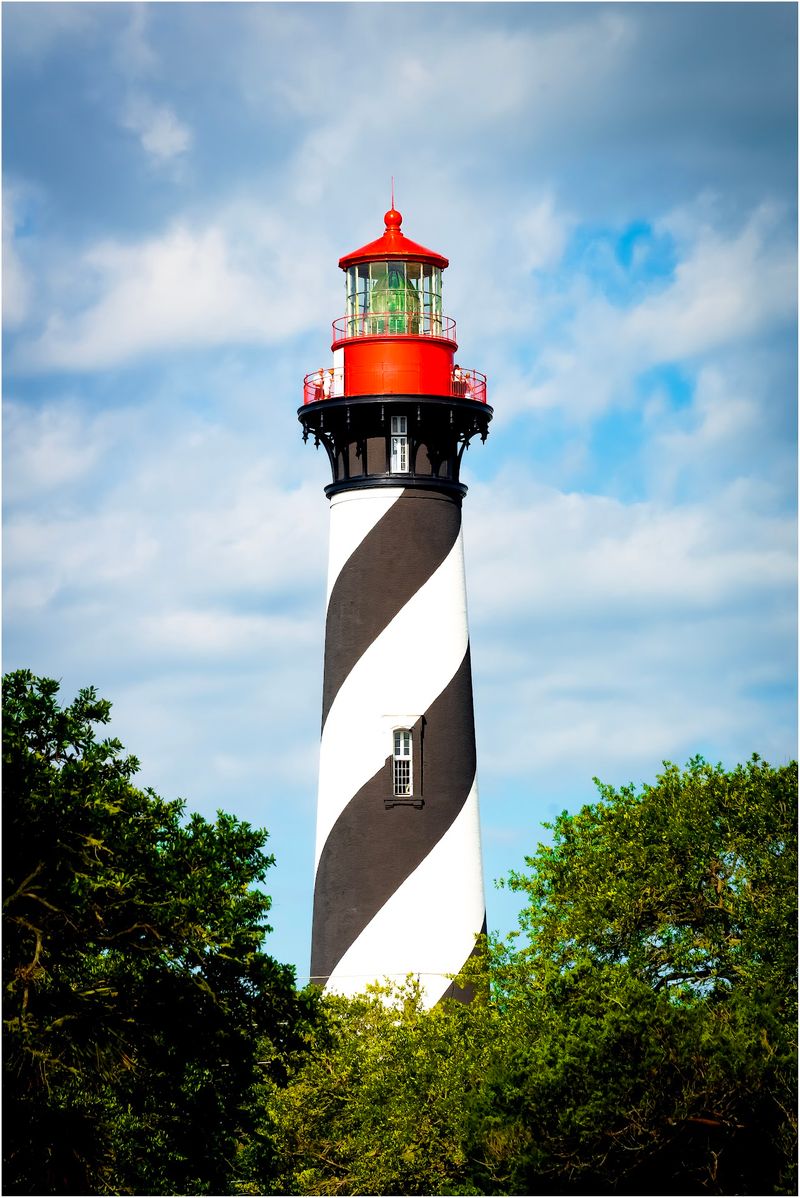
Long before the current tower, a Spanish watchtower stood on this spot. Records document it as early as 1589.
The first official U.S. government lighthouse followed in 1824. The older tower fell into the sea in 1880 after erosion.
Its replacement rose between 1871 and 1874 at 165 feet. That’s the tower you climb today.
You’ll find the St. Augustine Lighthouse & Maritime Museum at 100 Red Cox Dr, St. Augustine, FL 32080. Hours run 9 a.m. to 6 p.m. from October 1 to February 28, with the last ticket sold at 5:30 p.m.
From early March to late September, the grounds stay open until 6:30 p.m. Check current hours before you go.
The lighthouse sits on the north end of Anastasia Island, just east of St. Augustine. That puts historic downtown within easy reach.
Give yourself a relaxed visit rather than a rush. Between the climb, the museum, and the trails, there’s a lot to cover in Florida’s oldest city.
So lace up your shoes, count those 219 steps, and let the view do the talking.