
This Michigan Craft Store Keeps Prices Low, Bringing Shoppers From Far And Wide
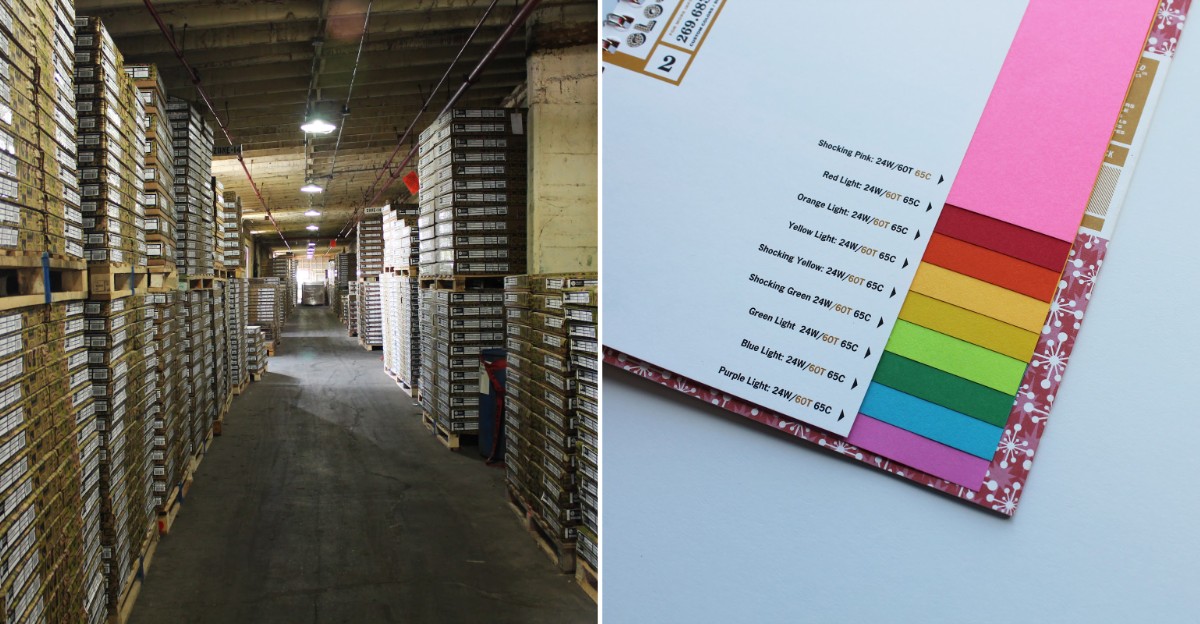
A paper mill has been running on its own river-powered hydroelectric generators since 1922. That means every sheet it makes comes from water power, not a giant electric bill.
The mill has been making paper in the same town since 1871. That’s more than 150 years of colored cardstock, envelopes, and textured sheets with names like Speckletone and Pop-Tone.
The funny thing is, most crafters have touched this paper without knowing where it came from. Wedding invitations, gig posters, menus, and journals all lean on it.
Designers and screen printers across the country treat it like a secret handshake.
I’ve come to realize that the best craft supplies often come from the least flashy places. This one sits beside a river in southwest Michigan, quietly turning out color.
It just feels right that a place this old still offers closeout deals and sample packs. How does a century-old mill keep paper lovers coming back?
A Historic Mill That Has Outlasted Almost Everything
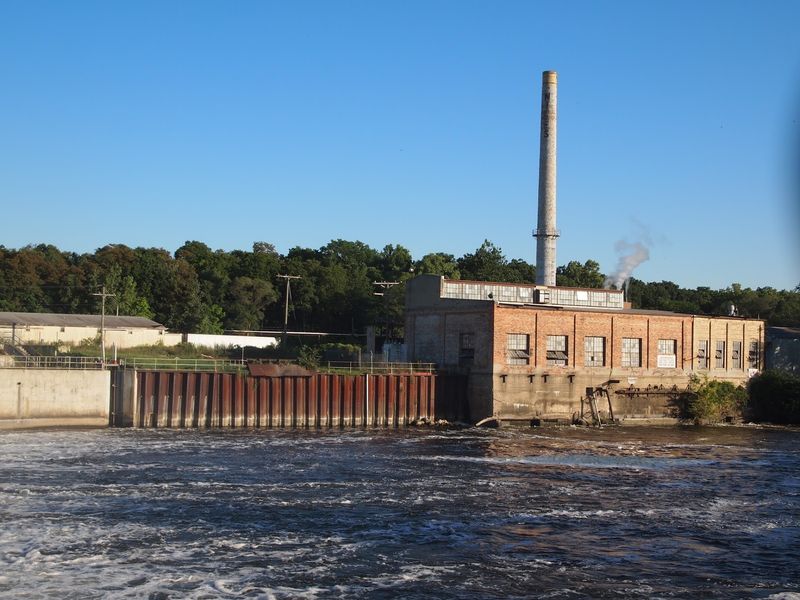
Back in 1871, Ulysses S. Grant was president, and French Paper Company started making paper in Niles.
More than 150 years later, the mill is still at it in the same Michigan town.
That kind of staying power is rare in any industry. It’s especially rare for paper, which has faced plenty of competition from screens and cheaper imports.
The company has focused on what it does best. It makes premium specialty uncoated colored paper, cardstock, and envelopes.
Those products show up in graphic arts, printing, books, brochures, and gift projects.
In 2019, French Paper joined Finch Paper Holdings. The mill itself kept its home along the river, still turning out the colors its fans know.
Why does this history matter to crafters? A long track record means consistent products you can count on project after project.
When you reorder a favorite color, you want it to match the last batch. A mill with this much experience understands that need.
It’s a small detail that makes a big difference for anyone planning invitations, cards, or a stack of handmade journals.
The River Has Been Doing The Heavy Lifting Since 1922
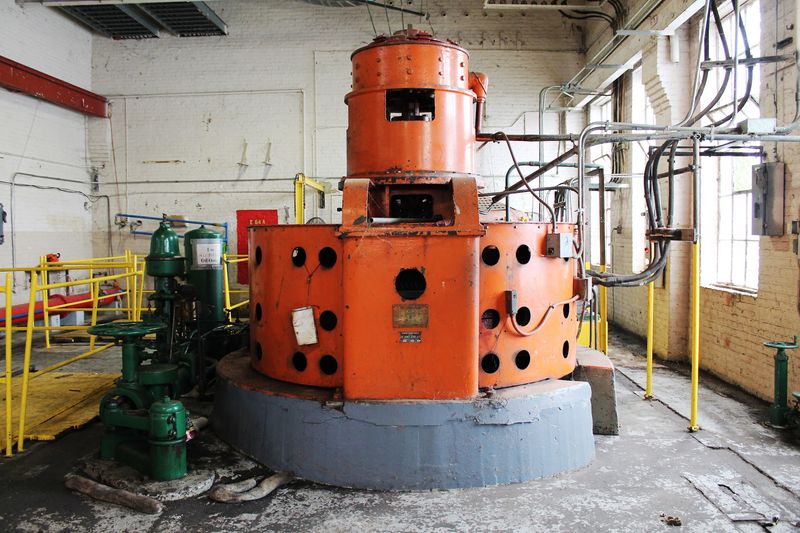
Water power. That’s the quiet engine behind every sheet coming out of this mill.
Since 1922, on-site hydroelectric generators have powered the operation. That makes all of French Paper’s brands 100% hydroelectric, which is a pretty bold claim for a factory.
For eco-minded crafters, this is a big deal. Many of us try to buy supplies that don’t weigh heavy on the planet.
Paper made with river power checks a box that most big-box craft paper can’t.
The company also uses responsibly sourced fibers and colorants. So the greener story doesn’t stop at the power plant.
Here’s a practical tip. If you sell handmade goods, sustainability matters to many shoppers.
Mentioning that your cards or packaging use hydroelectric-made paper can be a nice selling point.
Just keep your wording honest and simple. Customers appreciate real details more than fancy buzzwords.
There’s also something charming about a century-old dam still earning its keep. Plenty of old machines end up in museums.
These generators are still on the job, spinning away beside a Michigan river and helping fill your craft drawer with color.
Speckletone, Pop-Tone, And Other Names You’ll Love Saying
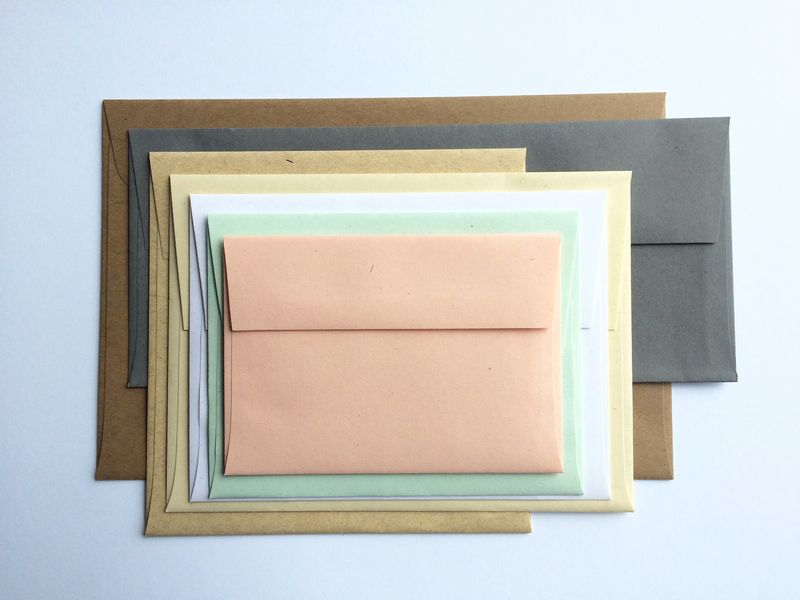
Some paper names sound like candy. Pop-Tone, Glo-Tone, and Speckletone all fit that description, and the papers behind them are just as fun.
French Paper is known for its iconic collections. Speckletone has its famous flecked look, while Kraft-Tone brings a natural, earthy feel.
Construction, Pop-Tone, Glo-Tone, and Parchtone round out the lineup with their own personalities.
The mill builds its reputation on rich colors and unique textures. Papers also come in a range of weights and sizes, so you can match the sheet to the job.
So which one should you pick? A heavier cardstock works well for business cards, hang tags, and invitations.
Lighter sheets can be a smarter choice for journal pages or folded projects.
Texture matters too. A speckled sheet adds a handmade vibe to rustic wedding stationery.
A bold, bright sheet grabs attention on a poster or flyer.
Try thinking about the mood first, then the color. That simple habit can save you from buying a stack of paper that looks great alone but clashes with everything else in your project.
Bargain Hunters Should Bookmark The Closeout Deals
Premium paper and a discount? That combo is how a Michigan mill earns fans far beyond its hometown.
French Paper’s website includes a Closeout Deals section. Certain products land there at reduced prices, which gives crafters a chance to grab quality paper for less.
Closeout sections tend to change over time. So checking back now and then is a smart move, especially before a big project.
Here’s how to make the most of a deal. Plan ahead and think about projects that can use a fun or unexpected color.
Holiday cards, scrapbook pages, and kids’ crafts are great for this.
Buying in a closeout section can also push you creatively. You might end up with a shade you never would have chosen.
Sometimes that surprise color becomes your new favorite.
One more tip. Keep a small notebook or phone note with your favorite paper names and weights.
When a deal pops up, you’ll know quickly if it fits your plans.
Good paper doesn’t have to drain your craft budget. A little patience and a sharp eye can stretch your supply money surprisingly far.
Try Before You Commit With A Sample Pack
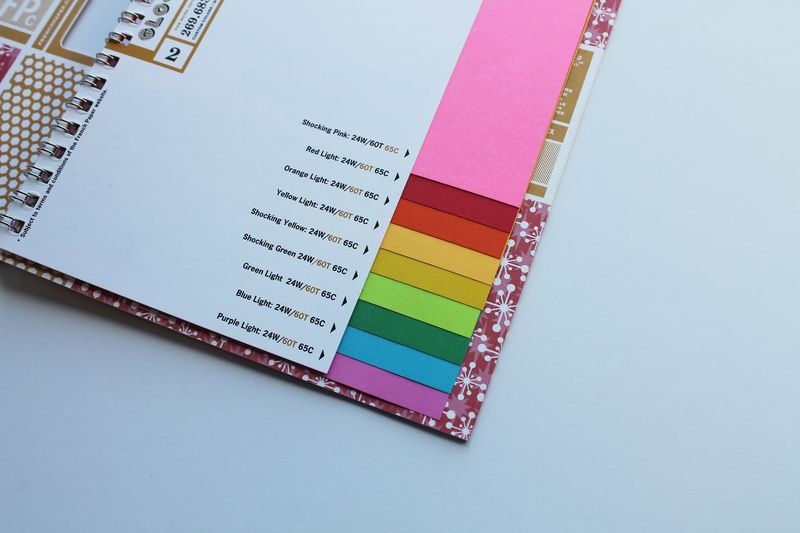
Nobody wants to buy a giant stack of paper and then realize the color looks different in person. Screens can be sneaky like that.
French Paper offers sample packs so customers can experience the papers before ordering larger amounts. It’s a simple idea that saves a lot of headaches.
Use your samples like a test kitchen. Print a draft of your invitation or card design on a few different sheets.
Then compare them side by side in natural light.
Pay attention to how ink looks on each texture. A design that pops on smooth paper might look softer on a speckled sheet.
Neither is wrong, but one might fit your vision better.
Samples are also great for planning group projects. If you’re making wedding stationery, you can show family members real options instead of guessing from photos.
Keep your favorite samples in a folder after you’re done. They make a handy color library for future projects.
It’s a small step, but it can make your final piece feel more polished. Plus, flipping through a stack of colorful swatches is just plain fun.
Wedding Invites, Gig Posters, And Everything In Between
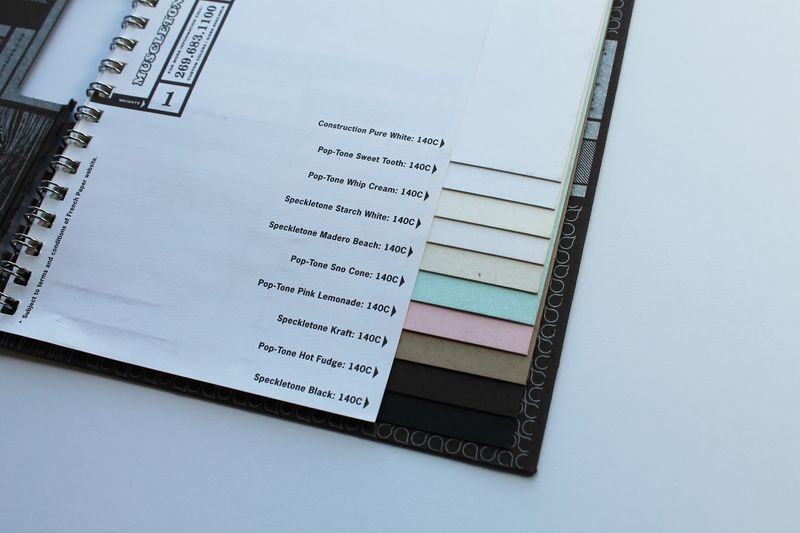
Restaurant menus. Scrapbooks. Luxury packaging. The list of ways people use this paper is longer than most grocery lists.
French Paper Company’s products show up in graphic arts, printing, direct mail, business cards, hang tags, posters, journals, and personal stationery. Screen printers and wedding planners both find room for it.
That range is great news for crafters. One supplier can cover a whole year of projects, from birthday cards to holiday gift tags.
Small business owners can benefit too. Custom hang tags on Kraft-Tone paper give handmade products a polished, earthy look.
Colorful business cards can help you stand out at a craft fair.
Love making journals? Pick a sturdy cover sheet and a lighter interior paper.
The contrast feels nice in the hand and looks thoughtful.
Screen printing fans might enjoy experimenting with bold colored stock. A simple one-color print can look striking on a bright sheet.
The trick is matching paper to purpose. Think about how the piece will be used, handled, or mailed.
That one question will guide you toward the right weight and finish every time.
Matching Envelopes Make Your Mail Look Seriously Sharp
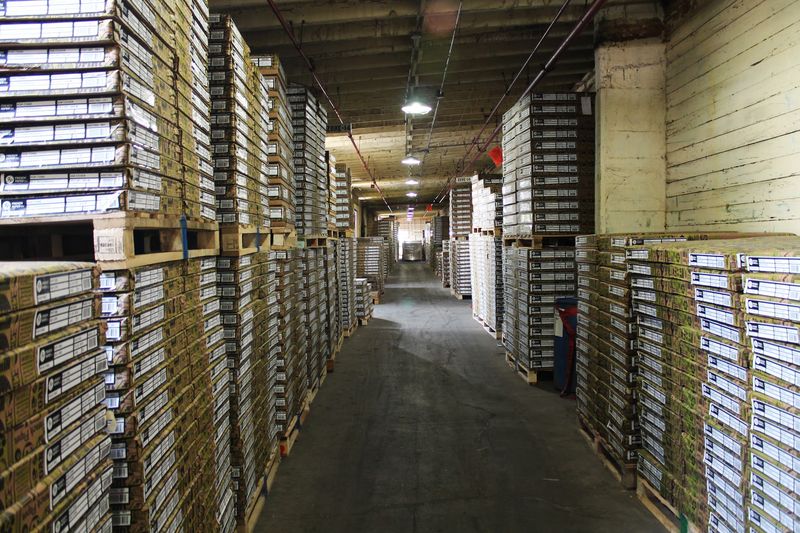
A great card deserves a great envelope. Sending a beautiful handmade card in a plain white envelope feels a bit like wearing sneakers with a tuxedo.
French Paper makes colored envelopes alongside its paper and cardstock. That means you can coordinate your whole mailing, inside and out.
Matching is the easy route. Pick an envelope in the same family as your card for a clean, finished look.
Contrast can be even more fun. A bright envelope around a neutral card adds a happy surprise when someone checks the mailbox.
Party invitations and holiday cards are perfect for this trick.
Don’t forget practical details. Check that your card size fits the envelope before you print a big batch.
Measuring first saves wasted paper and frustration.
Envelopes also work beyond the mail. Use them for gift card holders, seed packets, or little treasure pouches for kids’ parties.
Handwritten mail still feels special in a world full of texts. A coordinated envelope tells the person you put real thought into it.
That small effort tends to get noticed and remembered.
Take A Mill Tour Without Leaving Your Couch
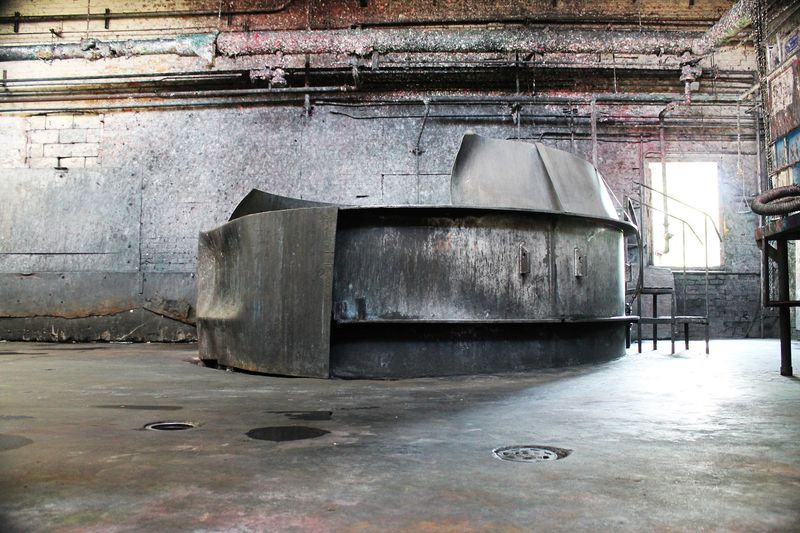
Ever wondered how a tree turns into a bright orange sheet of cardstock? The answer lives inside a historic mill in Niles, Michigan.
French Paper offers a virtual mill tour on its website. It showcases the iconic mill, so you can peek behind the scenes from home.
This is a great pick for families and classrooms. Kids who love crafts often enjoy seeing how their supplies get made.
It turns a simple sheet of paper into a little science lesson.
Teachers might pair the tour with a hands-on project. Students could design posters or cards, then talk about where the paper came from.
Adults can enjoy it too. Knowing how something is made often makes you appreciate it more.
You may never look at a stack of cardstock the same way again.
The mill itself is a working industrial site, not a shop with browsing aisles. That’s why the virtual tour is such a handy option.
Grab a snack, open the tour, and learn something new. It’s a fun break that might even spark your next creative idea.
Know Where It Lives And When Someone Picks Up

Niles sits in the southwest corner of Michigan, close to the Indiana line. That’s where this colorful operation calls home.
You’ll find French Paper Company at 100 French St, Niles, MI 49120. The mill is a working paper factory, and products are sold online through the company’s website.
Keep that in mind before planning a road trip. This isn’t a walk-in craft shop with shelves and checkout lanes.
Ordering online is the way most shoppers get their paper.
Need help choosing? Customer service representatives can answer questions about web orders, product specs, and general information.
Customer service and the warehouse run Monday through Friday, from 8 am to 5 pm.
A quick tip for smoother orders. Have your project size, color ideas, and paper weight in mind before reaching out.
Clear details lead to faster, more helpful answers.
Weekend crafters should plan ahead, since the team works weekdays. Ordering early in the week gives you a little breathing room.
A riverside mill in a small Michigan town supplying creators everywhere? That’s a pretty great story to share with every card you send.