
This Wisconsin City Is Now One Of The 5 Most Popular Places Americans Want To Move
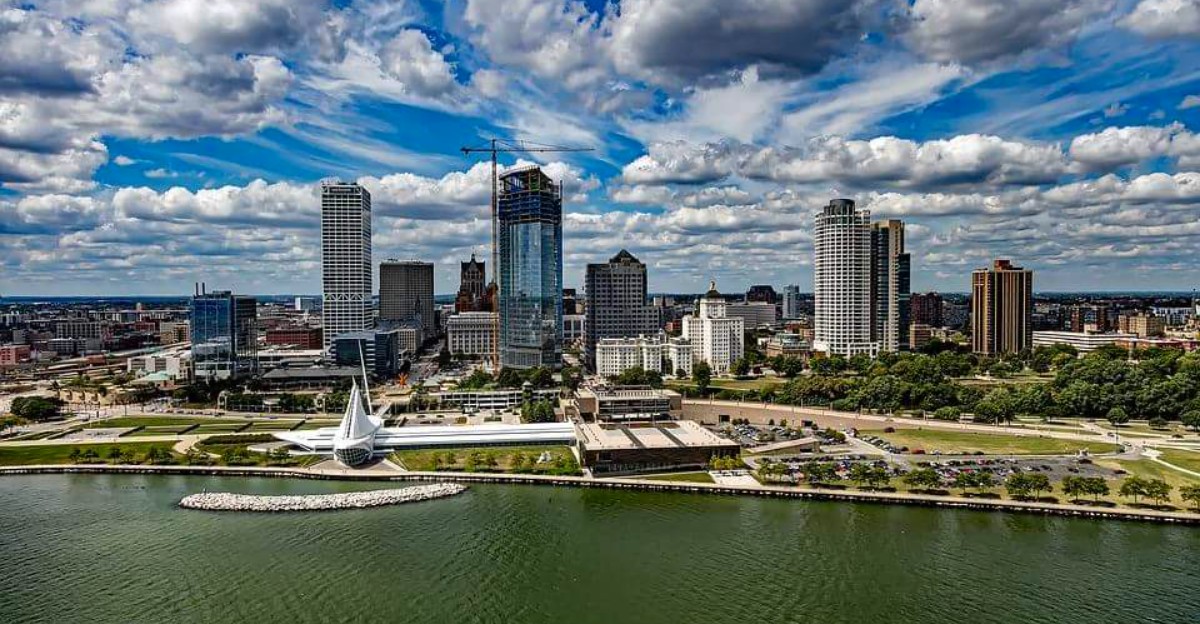
A city with more than 30 miles of Lake Michigan shoreline just landed among the top 5 best U.S. cities for young adults to move to in 2026. Travel + Leisure made that call, and honestly, I get it.
Here’s a bonus detail that made me grin. The downtown Theater District ranks first in the nation for theater seats per capita. That’s a lot of seats for a city that still feels down-to-earth.
The growth numbers back up the buzz too. A Bank of America analysis put this metro among the top 10 fastest-growing major metros for domestic moves in early 2026. Midwestern cities are quietly beating the old Sun Belt favorites.
I love it when a place gets popular for good reasons, not just hype. This corner of Wisconsin mixes beaches, affordable living, and lively festivals, making it easier to understand why so many people are giving it a closer look.
The Rankings Keep Rolling In, And They’re Hard To Argue With
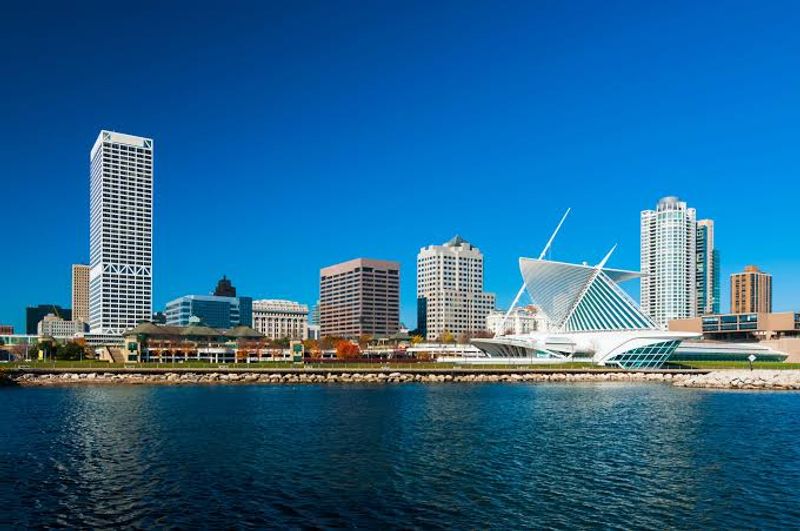
Milwaukee, Wisconsin, keeps popping up on lists that used to belong to coastal cities. Milwaukee ranked fourth in a 2026 study of the best U.S. cities for young adults to move to, featured by Travel + Leisure.
That’s not a lone fluke, either. Back in April 2024, Forbes Home ranked Milwaukee 19th among the 50 most-populated U.S. cities to move to. It beat Chicago, Nashville, Detroit, and Memphis on that list. Yes, Nashville. The one with all the songs about moving there.
Then came the real proof that people are acting on the hype. A Bank of America analysis placed the Milwaukee metro among the top 10 fastest-growing major metros for domestic moves in early 2026.
The same report noted that Midwestern metros are outperforming many classic population magnets. Milwaukee County also grew by almost 3,000 people in 2024. Even a less glowing U.S. News ranking still praised the city.
It pointed to historic architecture, a low cost of living, festivals, acclaimed restaurants, and a lively arts scene. When even the tougher critics list that many perks, you know something’s working. So let’s look at what’s actually drawing people north.
Your Wallet Will Notice The Difference Right Away
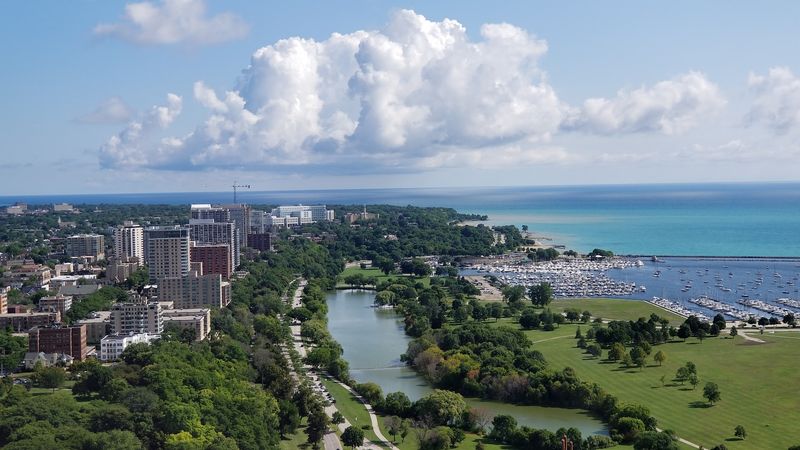
Money talks, and in Milwaukee it speaks pretty kindly. The cost of living runs about 13 percent below the national average. Housing is where the gap really shows. Home costs here sit well below big metros like Chicago, Minneapolis, and Denver.
Home prices have continued rising, with Milwaukee ranking among the faster-appreciating major housing markets in 2026. That kind of growth feels healthy. It suggests demand without the panic-bidding chaos some cities face.
For young adults, this changes the math completely. Owning a home starts to feel like a real plan instead of a fantasy. Families can stretch their budgets further too. That might mean an extra bedroom, a yard, or simply less stress each month.
A smart move is to explore several neighborhoods before choosing. The East Side and downtown are known for walkability, while other areas offer more space. Take time to compare commute options and nearby parks. In a city this affordable, you get to be picky about what matters most.
Milwaukee’s Lakefront Makes Summer Feel Like A Vacation
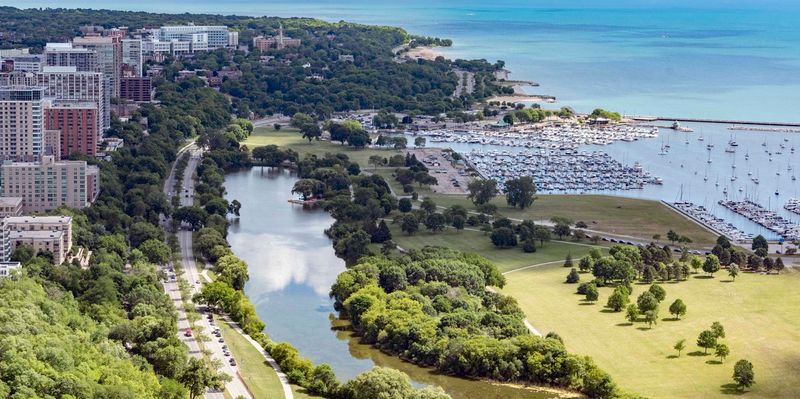
Sand, waves, and volleyball nets are not what most people expect from the Midwest. Milwaukee has a beautiful stretch of Lake Michigan shoreline, with beaches, parks, and trails offering plenty of ways to enjoy it.
Bradford Beach is the headliner. It offers sandy shores, beach volleyball courts, and Mobi-Mats that help wheelchairs reach the sand.
Prefer something calmer? McKinley Beach offers a more relaxed lakefront vibe. Veterans Park stays busy with paddleboat and kayak rentals. Grant Park Beach adds wooded areas and natural beauty for folks who like a quieter shoreline.
Here’s the fun part about living in Wisconsin’s biggest city. You can finish work and catch the lake breeze before dinner. No plane tickets required. No long road trip to the coast either.
Pack a lightweight beach chair and keep it in your car all summer. Spontaneous lake evenings tend to happen fast once the weather warms up. The lakefront also connects to parks and trails. That makes a simple stroll easy to turn into a full afternoon outdoors.
Green Space Here Comes In Seriously Generous Portions
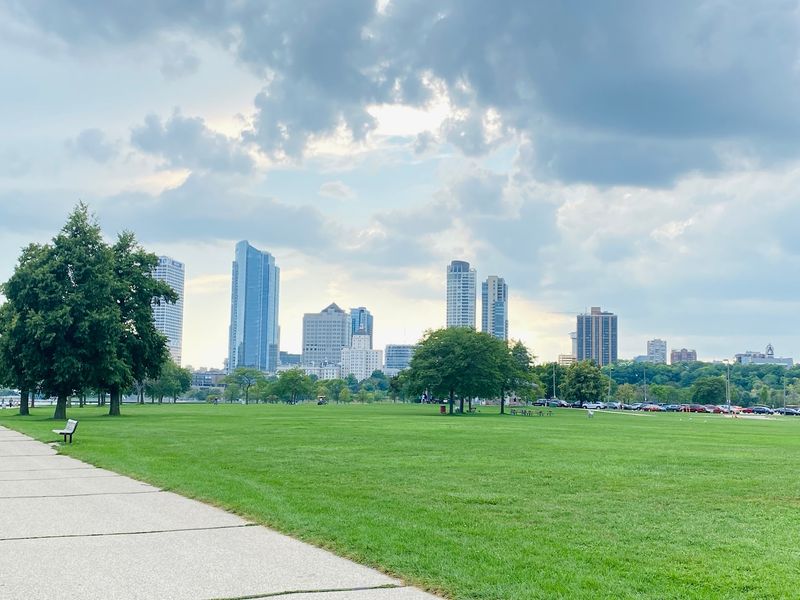
More than 15,000 acres of parkland sounds like something out of a national forest brochure. That’s actually the Milwaukee County Parks system, with over 150 parks.
Lake Park is a standout. It was designed by Frederick Law Olmsted, the same famous landscape architect behind New York’s Central Park. The park offers scenic views and trails. It feels like a history lesson and a nature walk rolled into one.
Cyclists, meet your new best friend. The Oak Leaf Trail stretches more than 125 miles of paved paths across the county. Walkers and runners love it too. You can explore a different stretch for weeks without repeating yourself.
Winter doesn’t close the outdoors door completely. The Mitchell Park Domes house three geodesic gardens filled with tropical and desert plants year-round.
That’s a clever escape on a frosty January afternoon. Swapping snow for palm trees without leaving town? Pretty great deal. New residents should grab a trail map early. Learning the park network is one of the fastest ways to feel at home.
Festival Season Basically Fills The Whole Calendar
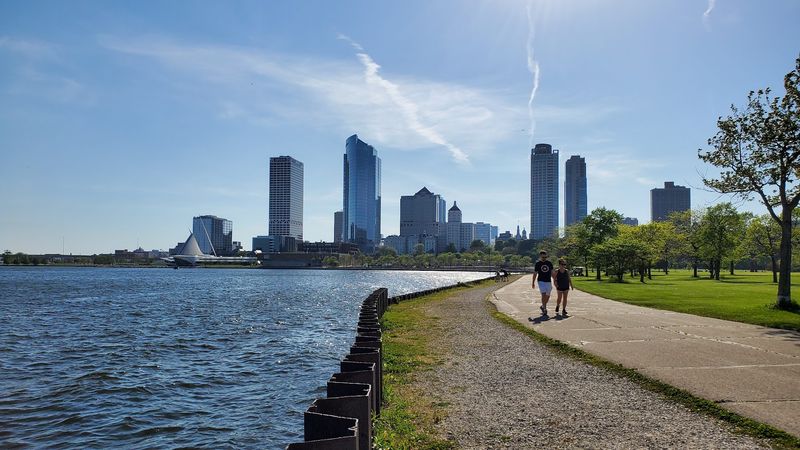
Over 100 annual events earned Milwaukee its nickname, the City of Festivals. Your weekend plans may never be boring again. Summerfest leads the pack. It’s often called The World’s Largest Music Festival and takes over the Henry Maier Festival Grounds on Lake Michigan.
The lineup covers a wide range of musical acts. Local food vendors and a family-friendly setting round out the experience. Milwaukee Irish Fest brings its own lively spirit each year. Neighborhood and cultural celebrations keep popping up across the city too.
Just outside town, the Wisconsin State Fair takes place in West Allis. Cream puffs, rides, and farm animals in one trip? Hard to beat. For newcomers, festivals are a shortcut to community. Strangers chat, music plays, and suddenly a new city feels a lot friendlier.
A practical tip is to check event calendars each spring. Popular weekends fill up quickly, especially in the warm months. Plan a few favorites and leave room for surprises. Half the fun is stumbling onto a celebration you didn’t even know existed.
Museums That Range From Motorcycles To Butterflies
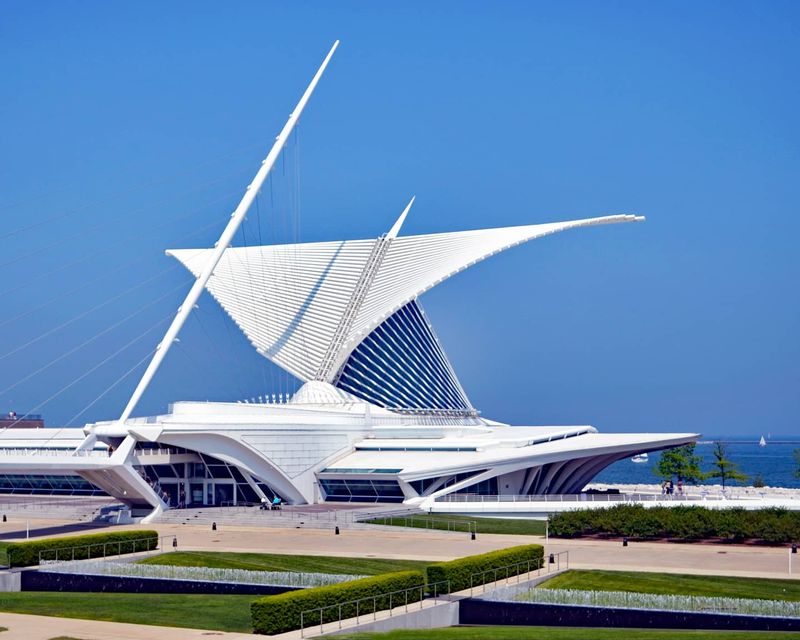
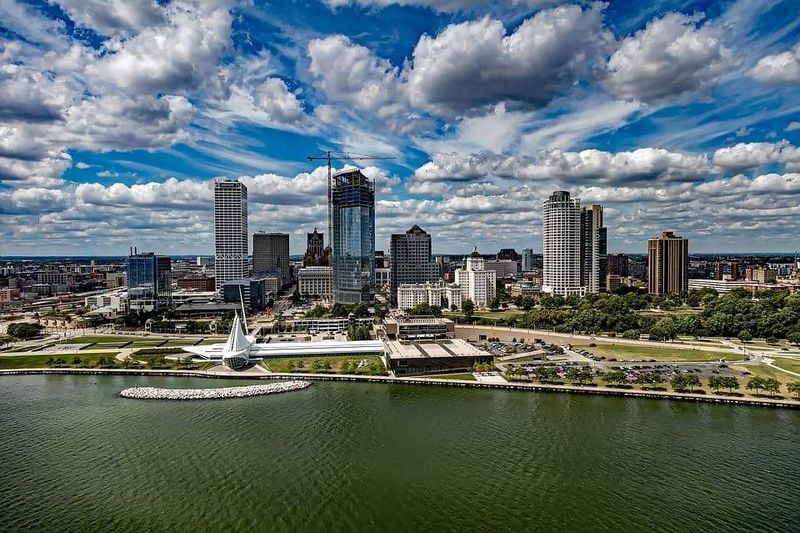
A museum with wings that look ready to fly sits right on the lakefront. The Milwaukee Art Museum is famous for its striking Santiago Calatrava design. Inside, an extensive art collection awaits. It’s the kind of building people photograph before they even reach the door.
Motor fans get their own pilgrimage site. The Harley-Davidson Museum sits on a 20-acre campus and is the only one of its kind in the world. It even displays a motorcycle once owned by Elvis Presley. That’s a fun fact worth bringing up at your next dinner party.
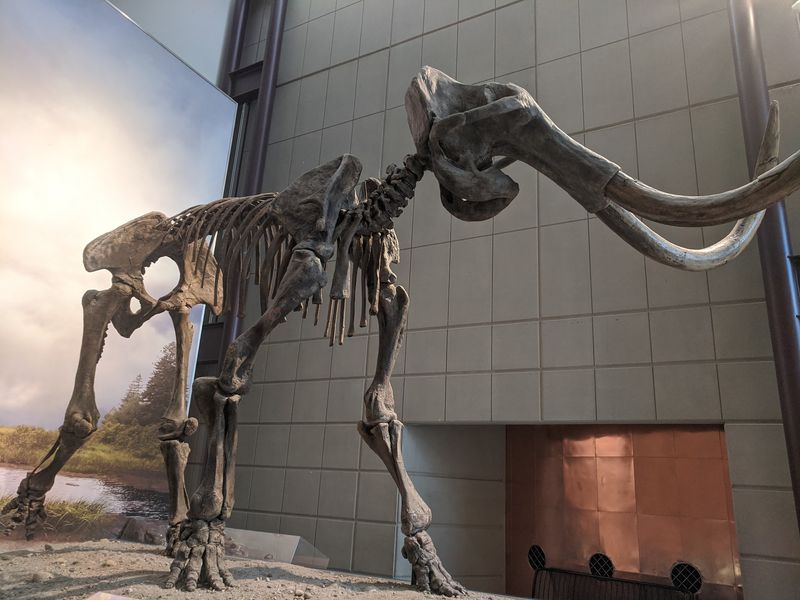
The Milwaukee Public Museum offers a recreation of old Milwaukee called the Streets of Old Milwaukee. It also features dinosaur artifacts and a butterfly house. Science lovers can head to Discovery World. Hands-on exhibits and the Reiman Aquarium make learning feel like play.
Then there’s the stage scene. Downtown’s Theater District ranks first in the country for theater seats per capita. Culture here isn’t a once-a-year treat. It’s practically part of the weekly routine.
Cream-Colored Bricks Give The City Its Sweet Nickname
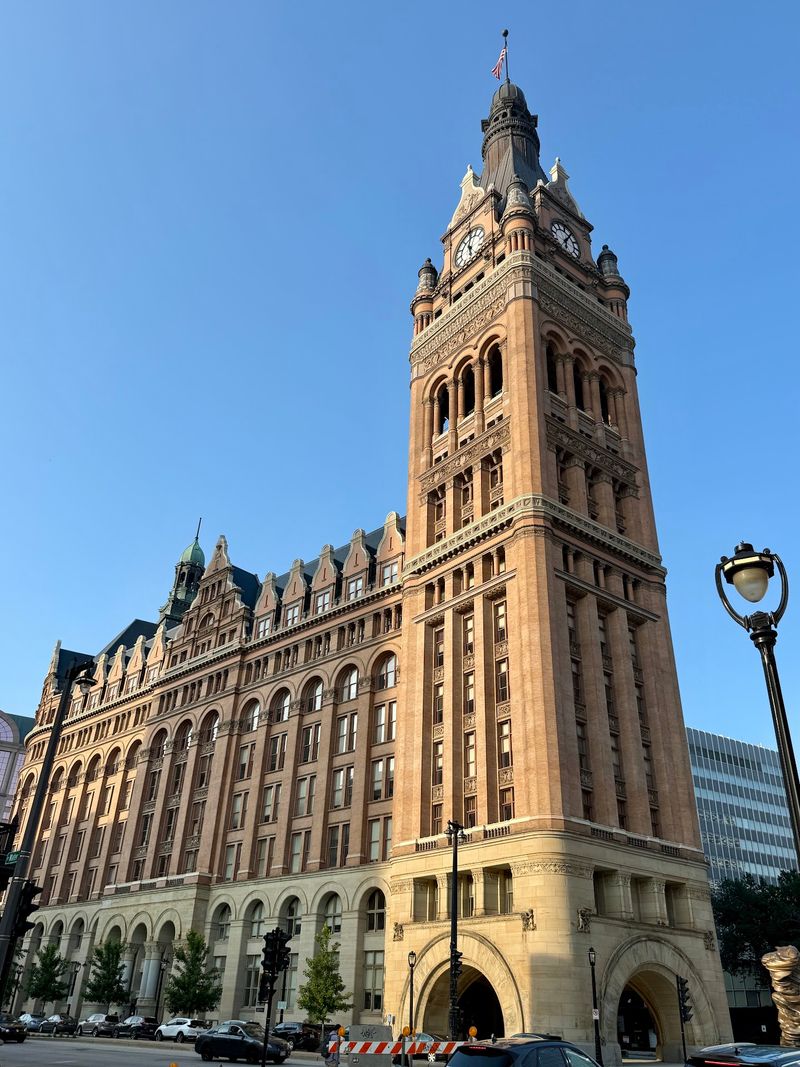
Cream City sounds like a dessert shop. It’s actually a nod to the pale bricks made from local clay found on many historic Milwaukee buildings. Those bricks give whole neighborhoods a warm, distinct look. Walk around long enough and you’ll start spotting them everywhere.
Milwaukee City Hall is a showstopper. Completed in 1895, it’s a National Historic Landmark in the Flemish Renaissance style. It was once the second tallest building in America. Not bad for a city often overlooked by coastal travelers.
The Milwaukee Public Library opened in 1898 and blends French and Italian Renaissance styles. Frank Lloyd Wright’s Burnham Block features six of his American System-Built Homes.
Wright was a Wisconsin native, which makes that stop extra fitting. The Annunciation Greek Orthodox Church adds a circular design and a gleaming copper dome.
The Historic Third Ward preserves turn-of-the-century buildings. Today it holds theaters, galleries, and shops. Self-guided tours make exploring easy. Even the city’s name has charm, coming from an Algonquian word often translated as good land.
Jobs And Short Commutes Make Weekdays Way Easier
A 24-minute average commute might be the most underrated perk around. Shorter drives mean more time for actual living. Milwaukee’s job market has stayed steady too. Unemployment hit 3.2 percent in April 2024, near historic lows.
Health services form the largest single industry. Education, trade, finance, technology, and professional services add plenty of variety. Manufacturing remains a big deal. Milwaukee has the largest number of industrial jobs in Wisconsin.
Major employers include Harley-Davidson, Johnson Controls, Rockwell Automation, Northwestern Mutual, and Fiserv. Froedtert and the Medical College of Wisconsin are also key players.
Getting around doesn’t require a car for everything. The Milwaukee County Transit System is Wisconsin’s largest transit agency and has added battery-electric buses.
The Hop streetcar links downtown areas like the Historic Third Ward and East Town. Bike lanes keep growing as well.
Need a big-city fix? Chicago is about a 90-minute drive away. That gives you a quick getaway option. Then you can come home to lower rent and lighter traffic.
Kids Get A Whole City Built For Curiosity
More than 2,400 animals call the Milwaukee County Zoo home. That’s a lot of furry, scaly, and feathery neighbors for your kids to meet. The zoo spans 190 acres. Extras like a petting zoo and a ropes course make it more than a simple stroll past exhibits.
Younger kids have a museum made just for them. The Betty Brinn Children’s Museum focuses on interactive play for ages 10 and under.
Older kids and teens can explore Discovery World and the Milwaukee Public Museum. Dinosaurs, aquariums, and butterflies cover a pretty wide range of interests. Festivals pitch in too. Summerfest and other events offer zones and activities designed for families.
Add beaches, parks, and the long Oak Leaf Trail. Bored weekends become surprisingly hard to come by. Parents should look into zoo and museum memberships after moving. Frequent visits often make them worth it.
Milwaukee’s friendly Midwestern feel ties it all together. Many neighborhoods keep a small-town warmth, which might be the best reason this Wisconsin city keeps winning new residents.