
11 East Tennessee Cities And Towns That Could Be The Perfect Place To Call Home
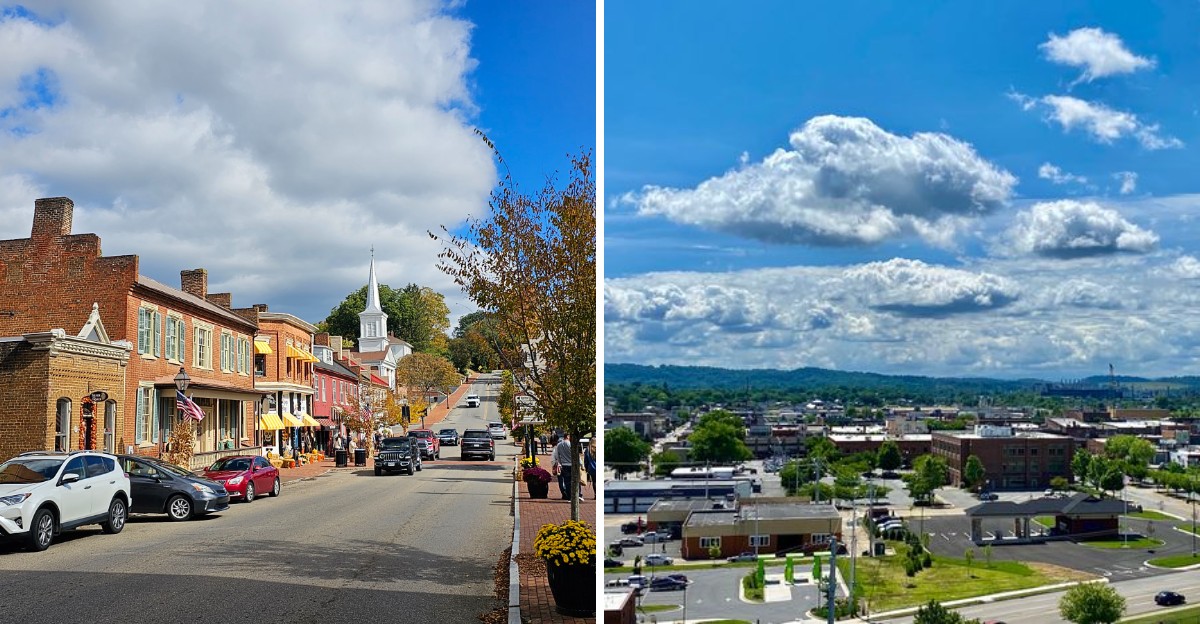
Mountains in the distance are nice, but choosing a place to live takes more than a beautiful view. Schools, doctors, jobs, everyday errands, and the drive to work all matter once the moving boxes are unpacked.
East Tennessee has an interesting mix of larger cities, established suburbs, and historic small towns. A few put major hospitals and universities close to home.
Others offer quieter neighborhoods, local parks, and access to the mountains without requiring a long trip.
I find that balance especially appealing. One person might want concerts and a busy downtown, while another would gladly trade those things for a backyard and quieter evenings.
Of course, no community is perfect. Home prices vary, traffic builds around major roads, and living outside a city can mean longer drives for services.
These places offer different reasons to put down roots, and knowing what each actually provides makes the decision much easier.
1. Maryville
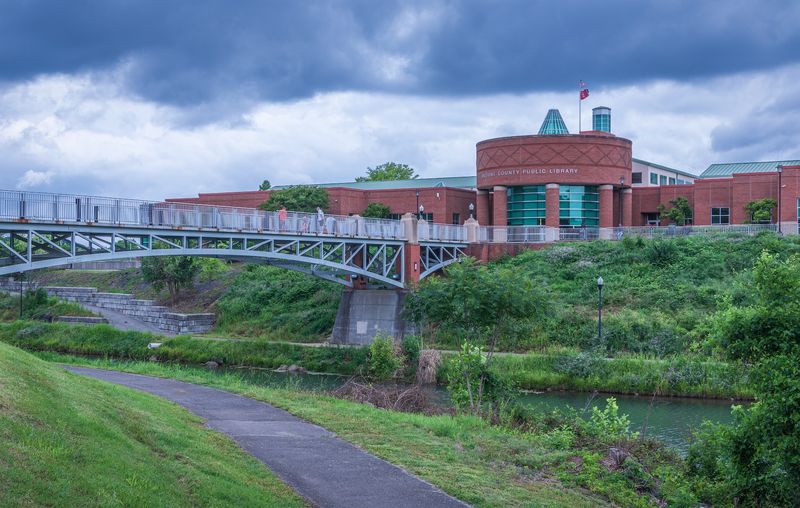
Maryville works well for people who want an established community without being far from a bigger employment center. The Blount County city has its own downtown, neighborhoods, schools, and everyday services, while Knoxville remains within commuting distance for many residents.
Outdoor access is one of its most practical advantages. The Maryville-Alcoa Greenway links parks and neighborhoods with paved routes suitable for walking and cycling.
Sandy Springs Park and the Bicentennial Greenbelt make it possible to enjoy time outside without driving into the mountains.
The Great Smoky Mountains and Foothills Parkway are additional options for longer outings. McGhee Tyson Airport, in nearby Alcoa, is convenient for people who travel regularly.
Maryville College adds an educational and cultural presence. Families also have local school options, although enrollment depends on the exact address and district boundaries.
Healthcare, shopping, and recreation facilities make routine errands relatively manageable.
The trade-off is that desirable neighborhoods can attract plenty of buyers, and traffic toward Knoxville or tourist areas can slow down at busy times. Anyone considering a move should compare housing prices and commute routes carefully.
For residents who value parks, community amenities, and mountain access while staying connected to a regional city, Maryville makes a convincing choice. It also offers a distinct downtown and a more modest scale than Knoxville.
2. Johnson City
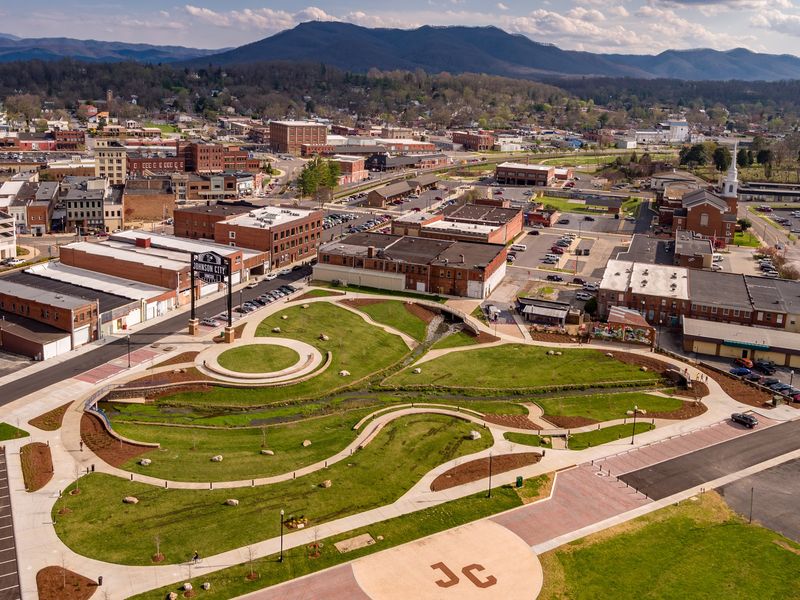
This place offers more daily conveniences than its mountain setting might suggest. As one of the Tri-Cities, it combines regional employment, colleges, medical facilities, shopping, and established neighborhoods in a relatively compact part of northeastern Tennessee.
East Tennessee State University is a major advantage. Beyond classes and sporting events, the university supports jobs, health education, arts programming, and connections with local medical institutions.
Johnson City Medical Center and nearby healthcare providers make the area especially relevant to people who prioritize access to care.
Outdoor activities fit into regular routines. The Tweetsie Trail follows a former railroad corridor toward Elizabethton, giving cyclists and walkers a lengthy, generally gentle route.
Founders Park and other public spaces offer shorter outings closer to downtown.
Housing choices range across neighborhoods and surrounding communities, though prices, travel times, and school assignments differ. Families should check the relevant district before assuming a particular school serves an address.
Another advantage is regional access. Kingsport, Bristol, and smaller mountain towns are within reach, which broadens options for work and recreation without requiring a move to a much larger city.
Busy commercial roads can become congested, and some residential areas are hillier than newcomers expect. Still, Johnson City gives residents a strong combination of services, educational options, and Appalachian scenery.
3. Oak Ridge
Oak Ridge stands apart because its employment base is closely connected to science, technology, and national security.
Oak Ridge National Laboratory, the Y-12 National Security Complex, and related contractors create opportunities for engineers, technicians, researchers, and supporting professionals.
That economic identity influences everyday life. The city has its own public school system, a regional medical center, recreation programs, and established neighborhoods rather than functioning only as a workplace outside Knoxville.
Its setting is another advantage. Melton Lake offers boating and rowing, while nearby trails and wooded areas give residents plenty of places for walking or cycling.
The city’s location beside the Clinch River makes water recreation a realistic weekend option.
Knoxville lies roughly twenty miles southeast, so residents can reach a larger selection of cultural activities and shopping while living in a smaller city. Actual commute times depend heavily on work location and traffic.
Buyers should consider the character of individual neighborhoods. Some homes date to the city’s early development, making inspections and renovation budgets particularly important.
Newer properties and different layouts are available, but prices vary.
Oak Ridge may appeal especially to households connected to its research employers, families seeking a distinct community, and residents who want outdoor access without giving up essential local services and schools.
4. Knoxville
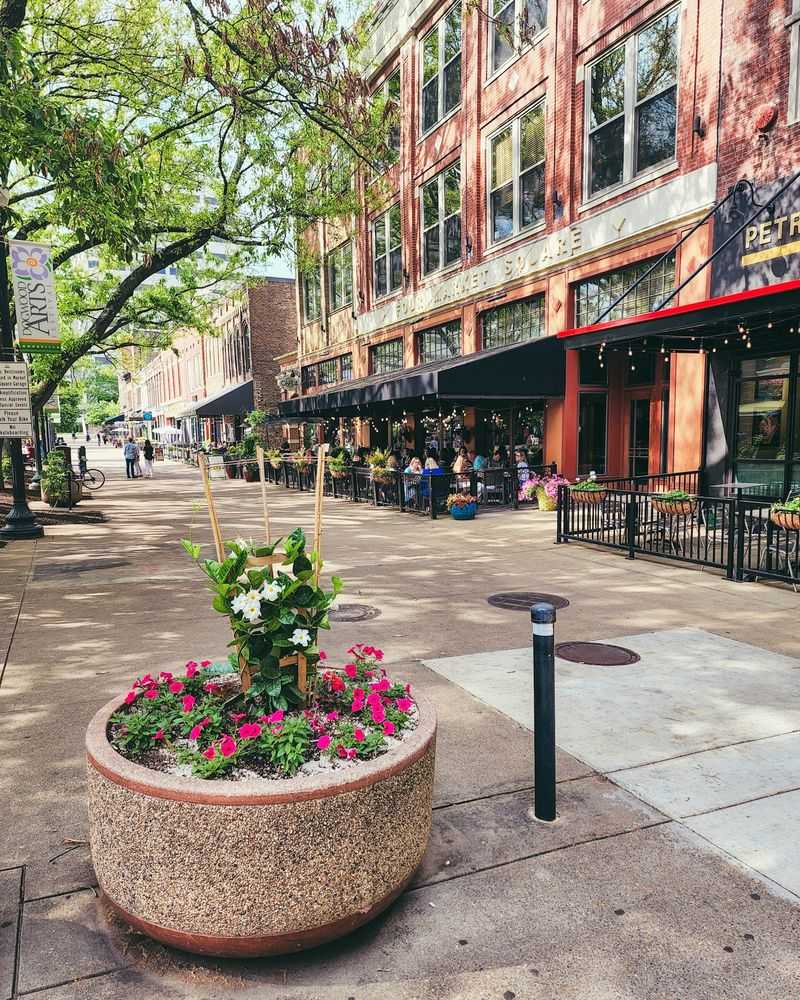
This is the strongest choice on the list for people who want the widest range of city services without leaving East Tennessee. Its universities, hospitals, employers, entertainment venues, and neighborhoods support many different routines and stages of life.
The University of Tennessee brings jobs, education, college sports, and cultural events. Major medical facilities, including the University of Tennessee Medical Center, add healthcare access and professional opportunities.
Retail, government, manufacturing, and service work provide other employment paths.
Outdoor access remains unusually convenient for a city of its size. Knoxville’s Urban Wilderness connects parks, wooded trails, and recreation areas close to established neighborhoods.
Greenways along several corridors give residents more options for exercise, while the Tennessee River supports boating and waterfront activities.
Living in Knoxville also means having choices about neighborhood character. Downtown and nearby districts offer a more urban environment, while other areas are predominantly residential with yards, schools, and local parks.
Those options come with trade-offs. Housing costs can differ sharply by neighborhood, and travel around major corridors is not always quick.
School assignments and access to public transportation also depend on where a household settles.
For residents who prioritize employment variety, medical care, education, and recreation in one city, Knoxville offers considerable flexibility without losing its connection to the mountains.
5. Farragut
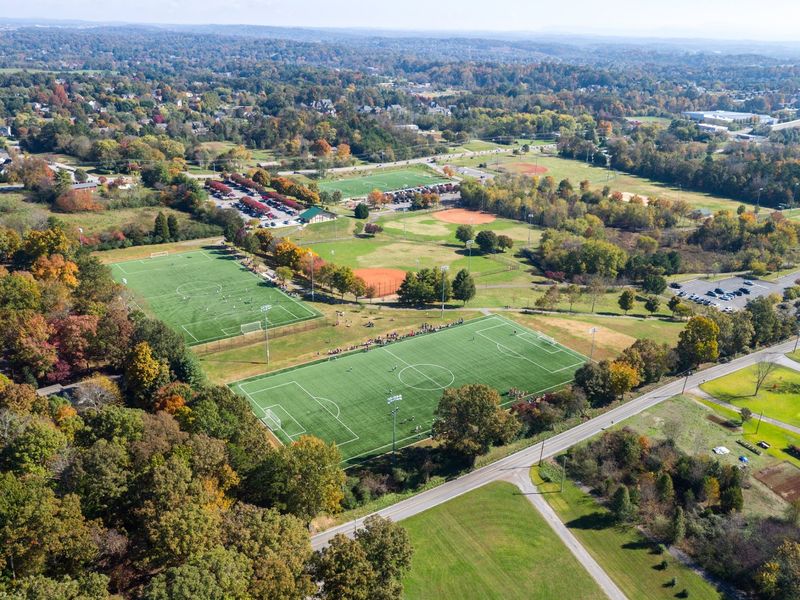
Farragut offers a suburban setting for people who prefer residential neighborhoods while keeping Knoxville close enough for work and services. The town sits in western Knox County near major highways, shopping areas, parks, and Fort Loudoun Lake.
One notable distinction is its municipal tax structure. Farragut does not levy its own town property tax, although homeowners still owe Knox County property taxes.
That makes it worth comparing the complete tax bill rather than assuming living there means paying no property taxes.
Public parks and connected greenways add everyday value. Families can use playgrounds, recreation areas, and walking routes without arranging a full mountain outing.
Nearby lake access expands the possibilities for boating and fishing.
Farragut is served by Knox County Schools, so prospective residents should verify school assignments for a specific address. The town also offers practical access to regional medical facilities and the greater Knoxville job market.
The main consideration is cost. Desirable houses and larger properties may carry higher purchase prices, and busy shopping corridors can produce congestion.
Being near Interstate 40 does not guarantee a fast trip during peak hours.
Farragut is especially worth considering for buyers who want suburban amenities, organized public spaces, and access to a larger city, provided the housing budget fits the neighborhood they choose.
6. Chattanooga
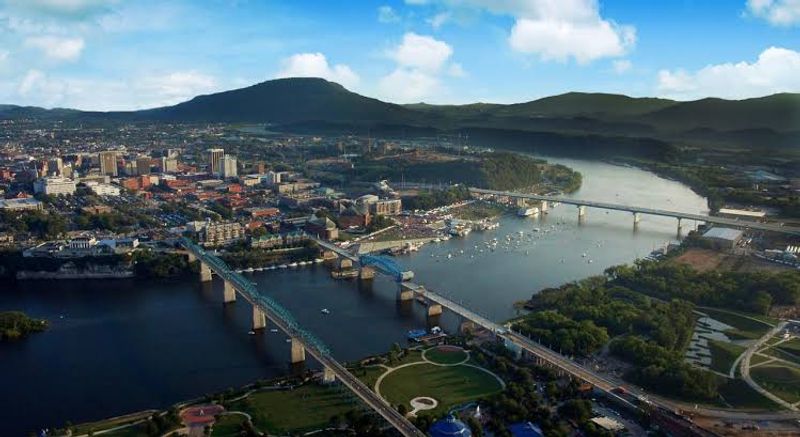
Here’s an unusually strong mix of urban amenities and outdoor recreation. The Hamilton County city has a substantial downtown, major healthcare services, higher education, diverse employers, and a setting shaped by the Tennessee River and surrounding ridges.
The University of Tennessee at Chattanooga contributes educational opportunities and local employment.
Erlanger and other medical providers serve the region, while manufacturing, logistics, technology, and service businesses broaden the job market.
Residents have more outdoor options than the famous tourist attractions alone suggest. The Tennessee Riverwalk links parks and riverfront areas, and the South Chickamauga Creek Greenway extends access to other neighborhoods.
Nearby trails and climbing areas make active weekends possible without a long journey.
Chattanooga also has a mix of living environments. Downtown apartments, historic neighborhoods, and more suburban areas give households different ways to balance space, convenience, and access to employment.
There are important trade-offs. Hills, bridges, and interstate connections can create frustrating traffic bottlenecks.
Housing costs vary by neighborhood, and public school options require research at the address level.
People seeking a lively cultural scene and access to nature may find Chattanooga particularly appealing.
Its biggest strength is that residents can enjoy substantial city services while having rivers, trails, and mountain scenery close to their everyday routines and homes.
7. Cleveland
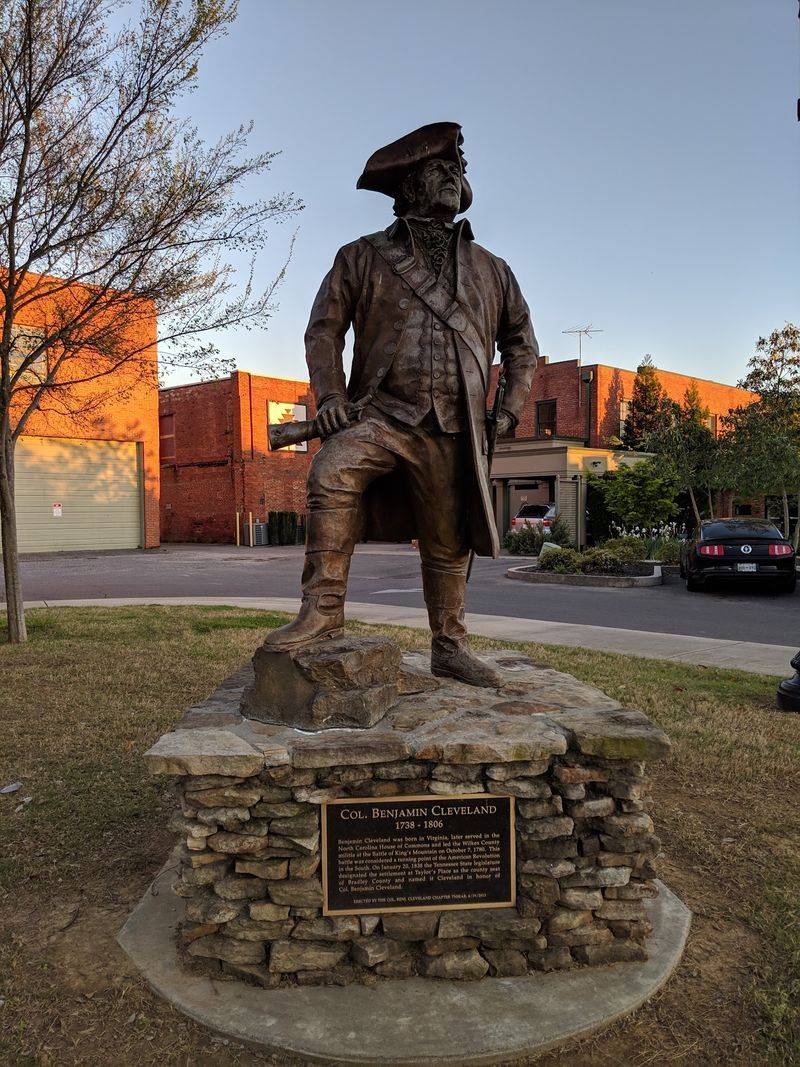
Cleveland is an appealing option for people who want a smaller city with access to both local services and a larger metropolitan area.
Located in Bradley County along Interstate 75, it sits northeast of Chattanooga and within reach of southeastern Tennessee’s mountains and rivers.
Its employment picture includes manufacturing, healthcare, education, and local businesses. Lee University and Cleveland State Community College add opportunities for study, training, cultural activities, and jobs.
Residents can often handle groceries, appointments, and school activities without traveling to Chattanooga.
Green spaces also contribute to everyday life. Cleveland’s Greenway follows South Mouse Creek and connects several recreational areas.
Parks and sports facilities give families accessible places to exercise, while the Cherokee National Forest and Ocoee River offer bigger outings nearby.
Housing includes established residential streets as well as newer subdivisions, but location matters. Some households may prefer proximity to schools and shopping, while others value a quieter setting outside the central commercial corridors.
Interstate 75 provides regional connections, though traffic and commute times can change considerably at peak periods. School districts and local service boundaries should be checked before choosing a property.
Cleveland’s advantage is practical rather than flashy. It offers colleges, employers, healthcare, and parks in one community, with Chattanooga’s additional resources available when needed.
8. Kingsport
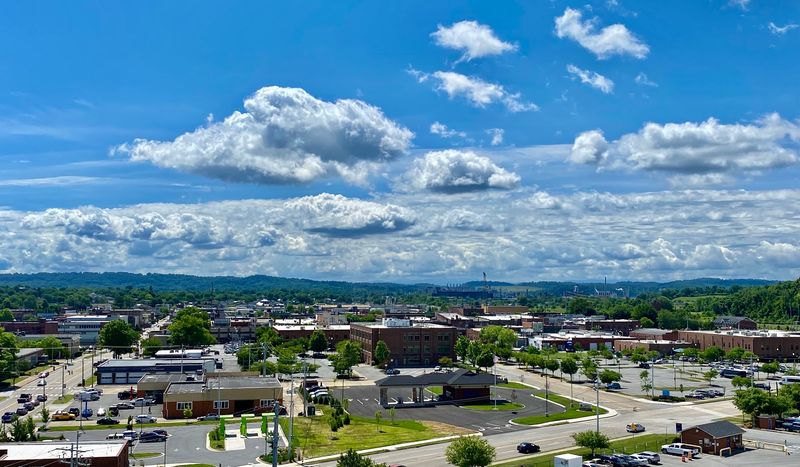
This place combines an established industrial economy with outdoor amenities that are unusually accessible for residents. Part of the Tri-Cities region, it offers local employment, healthcare, parks, schools, and established neighborhoods in northeastern Tennessee.
Eastman’s long presence has shaped the local economy, while healthcare and other businesses broaden the employment picture. Holston Valley Medical Center is another important regional institution.
Residents can also reach employment and services elsewhere in the Tri-Cities without moving out of Kingsport.
Bays Mountain Park is one of the clearest quality-of-life advantages. This large city-owned nature preserve includes wooded trails, a lake, and educational facilities.
The Kingsport Greenbelt provides another option for walking, running, and cycling closer to homes and business districts.
Families can consider city school options and community recreation programs, while households seeking quieter streets have several residential areas to investigate. The city’s planned origins still help explain parts of its street layout and neighborhood organization.
Before moving, buyers should compare housing ages, maintenance needs, and proximity to major workplaces. Roads serving regional commuters can get busy, and job opportunities vary considerably by industry and qualifications.
For someone who values a working city with established institutions, nearby outdoor recreation, and access to the broader Tri-Cities, Kingsport offers a practical combination of amenities and location.
9. Bristol
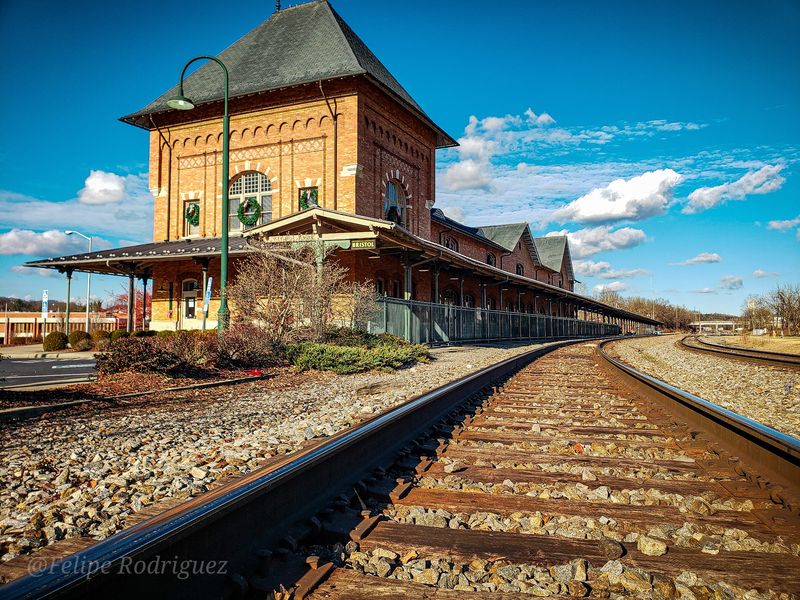
Bristol has an unusual advantage: everyday life connects two neighboring cities in two different states. Bristol, Tennessee, borders Bristol, Virginia, with State Street running through their shared downtown district.
That location gives residents access to services, employment, shopping, and cultural events on both sides of the line.
However, the municipalities have separate governments, school systems, and tax rules, so the exact address matters more here than in many other communities.
Bristol’s Tennessee side has its own public schools, a public library, and Bristol Regional Medical Center. King University adds a higher education presence, while the broader Tri-Cities region expands work and healthcare options.
One major outdoor resource is Steele Creek Park, which covers more than 2,200 acres. Its lake, trails, playgrounds, and recreation facilities make it useful for regular visits rather than occasional sightseeing.
The city’s country music history gives downtown a recognizable identity, and community events keep that heritage visible. Those activities are an added benefit for residents, not the only reason to live here.
Race weekends at Bristol Motor Speedway can also bring additional traffic and visitors. Buyers should weigh neighborhood location and commuting patterns carefully.
Bristol suits people who appreciate a smaller city with regional connections, established services, and distinctive character, while remaining attentive to the practical differences created by the state border.
10. Greeneville
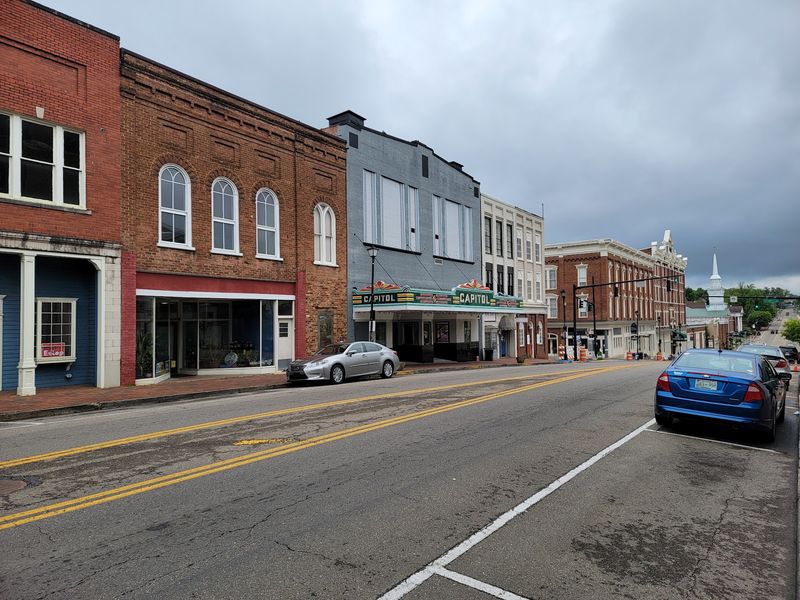
Greeneville offers a quieter routine without cutting residents off from everyday essentials.
The Greene County town has a historic center, local schools, healthcare access, public services, and surrounding countryside that gives many neighborhoods an open feeling.
Its history is easy to notice, particularly through sites associated with President Andrew Johnson. But living here is about more than historic buildings.
Shopping areas, recreation programs, public facilities, and nearby employers support ordinary family life.
Tusculum University, just outside the town center, adds educational opportunities and events to the wider community. The surrounding region has manufacturing, agriculture, healthcare, and smaller businesses, although specialized employment may require a longer commute.
Parks and recreation remain part of local planning. Greeneville adopted a ten-year recreation master plan in 2024, identifying needs such as updated facilities and expanded walking opportunities.
Those are future priorities rather than benefits already completed.
For people who enjoy natural scenery, the surrounding hills and access to parts of the Cherokee National Forest provide possibilities for hiking and day trips.
Smaller-town living brings trade-offs. Certain healthcare specialists, shopping choices, and career opportunities may be easier to find in larger regional cities.
Buyers should also check housing condition and internet availability at the property level.
Greeneville is worth considering for residents who prioritize community scale, local history, and everyday convenience over constant big-city activity.
11. Jonesborough
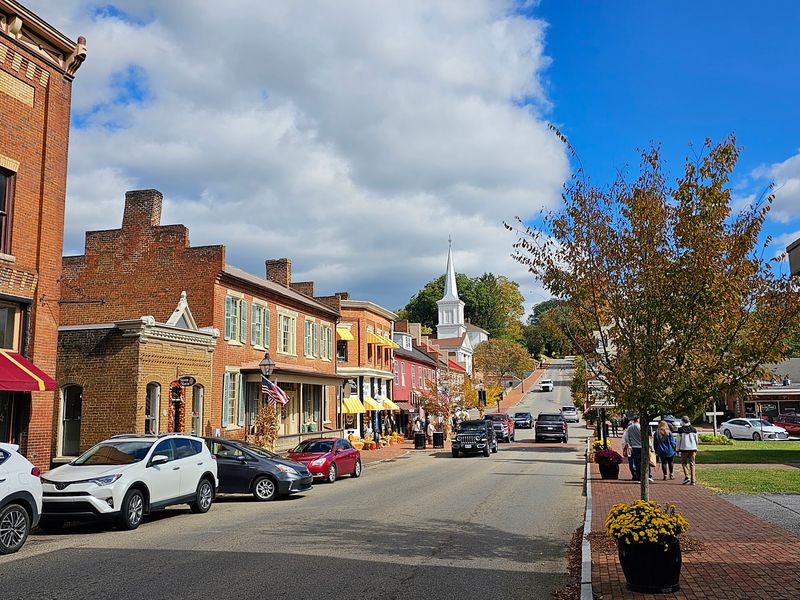
Jonesborough offers a strong sense of place for residents who prefer a smaller town near a regional employment center. Founded in 1779, it is Tennessee’s oldest town, and its historic downtown remains a defining part of everyday life.
The practical advantage is its proximity to Johnson City.
Residents can reach larger hospitals, university facilities, employment opportunities, and additional shopping while maintaining a home base in Washington County’s historic county seat.
Families should look closely at Washington County Schools and confirm which school serves a particular address. Jonesborough also has parks, public recreation programs, and community facilities that serve residents beyond the historic downtown.
Tiger Park offers sports fields, playgrounds, and walking areas. The Lost State Scenic Walkway provides another way to spend time outdoors, while the Jonesborough Senior Center offers activities and services for older residents.
Storytelling events and local history contribute to the town’s identity, but they are not the whole picture. What can matter more to a household is the ability to manage everyday needs while remaining close to a larger city.
Trade-offs involve housing choice, commuting, and a smaller local job market. Historic homes can also require additional upkeep.
For residents who want community character, local amenities, and regional access without living in a larger city, Jonesborough is a credible option.