
This Mississippi Bookstore Fills Its Shelves With African History Books, Striking Art, And Bold Fashions
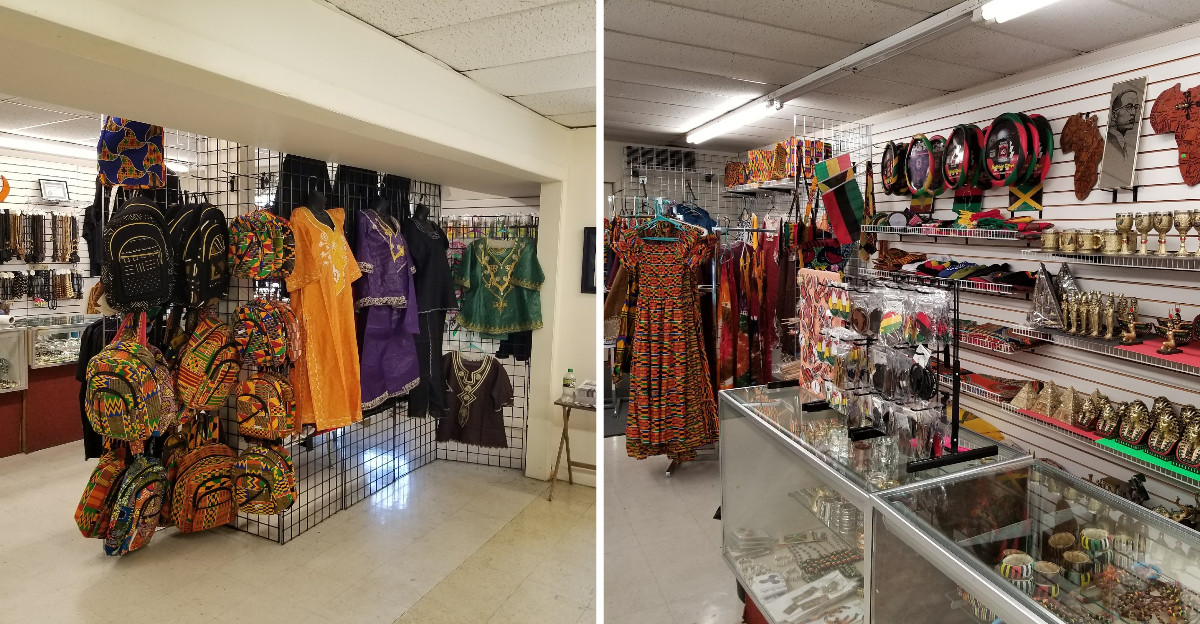
Plain brick and a modest storefront rarely promise much, so walking in here felt like opening an ordinary door and finding a whole continent behind it. This small shop in Mississippi stacks African history books beside bright paintings, handmade goods, and clothing in colors that seem to hum.
For families, it turns a quick stop into a hands-on history lesson that kids can see, touch, and even wear. Here is what you will find inside and how to plan a visit with children in tow.
A Cultural Shop on North Farish Street
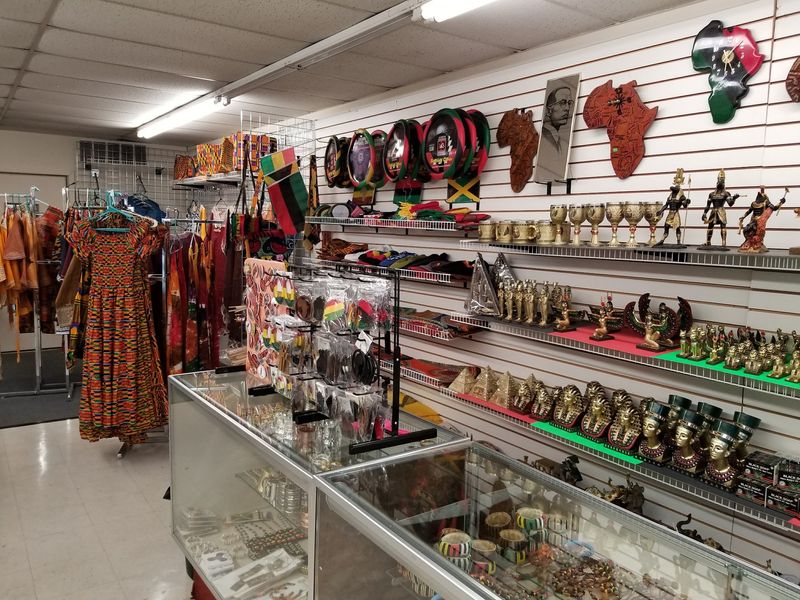
Tucked at 800 N Farish St in Jackson, the Afrikan Art Gallery & Bookstore wears two hats at once. Officially it is listed as a gift shop, yet one step inside shows it is part bookstore, part art gallery, and part boutique for African clothing and handmade goods.
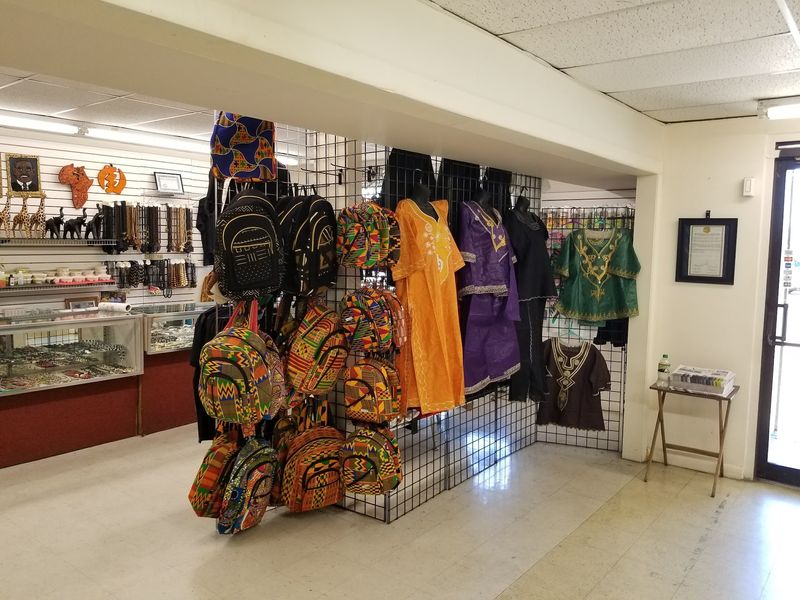
Families looking for a stop that teaches without feeling like school will find plenty here. Shelves hold books on African history and culture, walls carry artwork, and racks display garments that children often want to touch right away.
Small details, like jewelry trays and body care products, give younger visitors something new to point at in every corner.
Size matters in a good way. Because the shop is compact, kids can explore without wandering too far, and parents can keep an eye on everyone while browsing.
The mix of items means one person can flip through a history book while another admires a painting.
Jackson visitors often plan days around museums and parks. Adding this shop to the list brings a personal, community-centered stop into the trip, one run by people who clearly care about sharing culture with anyone who comes through the door, from toddlers to grandparents.
Farish Street and Its Legacy
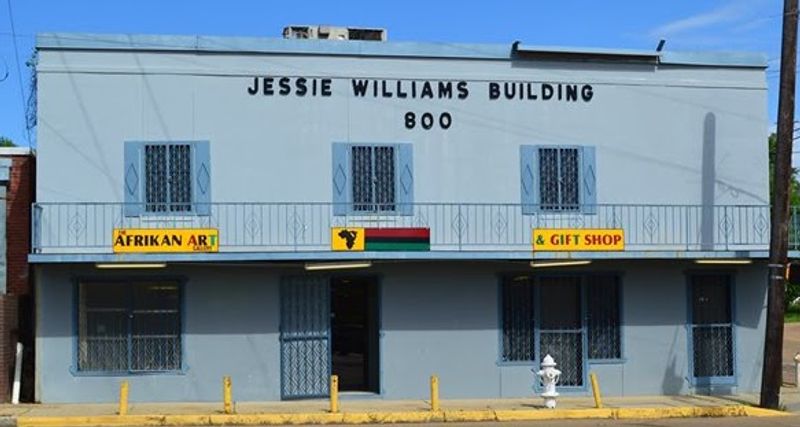
Long before this shop opened its doors, Farish Street was known as a thriving hub for Black-owned businesses in Jackson. Stores, offices, and gathering places lined the blocks and gave the neighborhood a lively, self-made spirit.
Times changed, and many buildings along the district now sit empty. Rising costs, online shopping, and shifting traffic patterns have made it tougher for small, independent businesses to stay open.
That backdrop makes every working storefront on the street feel a little more meaningful.
Parents can use the setting as a quiet teaching moment. Before going in, take a short walk and ask kids what they think the street looked like when it was busy.
Point out the older architecture and talk about how communities build their own businesses when they need places to shop, meet, and learn.
Then step inside the gallery and let the contrast sink in. Here is a shop still doing what Farish Street was known for: serving neighbors, sharing culture, and offering a gathering spot.
Children who connect the place to its surroundings tend to remember it longer than a store seen in isolation, and the conversation often continues well after you leave the block.
The Mission Behind the Counter
Asante. That Swahili word for thank you shows up again and again in the way the owner responds to visitors, and it sets the tone for the whole business.
Behind the friendly greeting sits a clear goal. The owner has shared a push to increase trade between Africa and Afrikans in America, summed up in a simple motto: Make the Cultural Connection.
Products on the shelves are chosen with that link in mind, so buying a book or a piece of art helps support that bridge.
Visitors often describe the owner and staff as knowledgeable and experienced. One shopper mentioned a staff member named Mrs. Jean being especially kind to their group, which matches the welcoming feel many people describe.
Kids pick up on that kind of warmth quickly. When adults behind the counter are happy to explain where a carving came from or what a pattern means, children feel invited to ask questions instead of standing back.
Encourage young visitors to try saying asante at the register. It is a small gesture, but learning one word from another language and using it with a real person can turn a shopping trip into a memorable cultural exchange.
Shelves Packed With African History
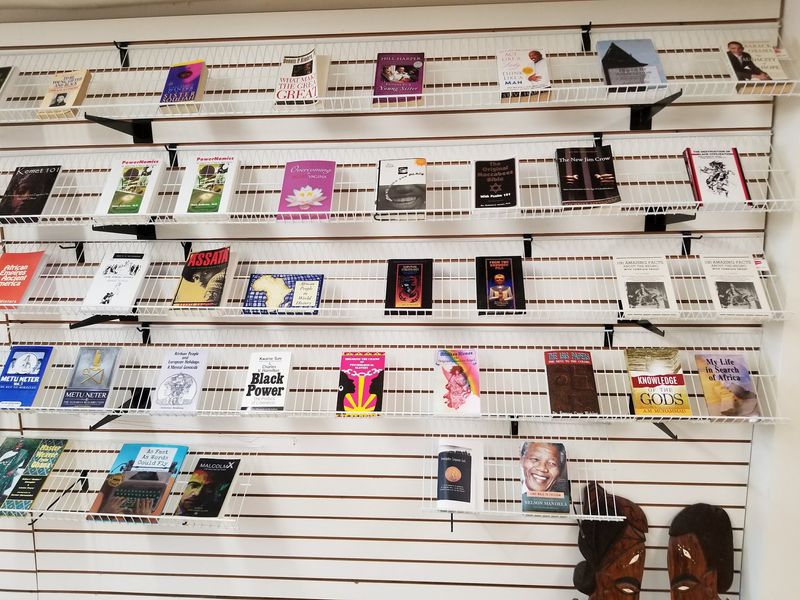
Books are the heartbeat of this shop. Visitors describe a large selection of history titles, with an emphasis on learning about African ancestors and the culture that grew from them.
Shoppers have called the setting conducive to learning, and it shows. Rather than a giant chain store with endless aisles, this is a curated space where titles feel chosen on purpose.
Regulars mention buying all of their books here, along with other African culture items, which says a lot about the range.
For families, that focus is a real advantage. Parents who want to add African history to home reading can find options in one place, and the staff can help point toward titles that suit different ages and interests.
Older kids working on school projects about Black history or African nations may find sources they would not spot at a typical bookstore. Younger children might be drawn to illustrated books or stories that bring history to life through pictures.
Plan some time just for browsing. Let each child pick one book to take home, and read the first chapter together that evening.
Turning the purchase into a bedtime ritual extends the visit and gives the history on those shelves a place in everyday family life.
Reading Ideas for Young Visitors
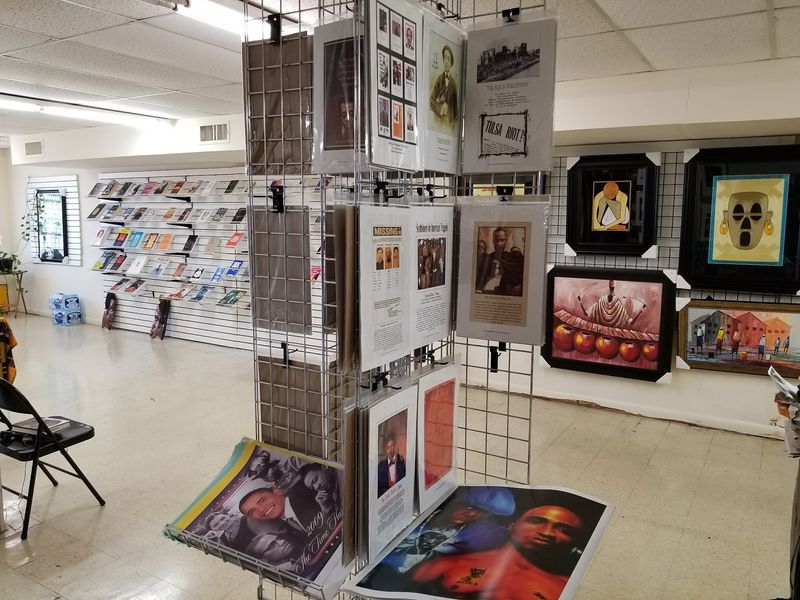
Picture a ten-year-old who swears history is boring, then stops cold in front of a book about ancient African kingdoms. Moments like that happen when kids see stories they did not know existed.
Going in with a plan helps. Before the trip, ask your children what they already know about Africa, then make a short list of curiosities, like famous leaders, maps, music, or traditional clothing.
At the shop, use that list as a treasure hunt and see which topics have books waiting.
Staff here are described as knowledgeable, so do not hesitate to ask for suggestions by age. A quick conversation can save time and steer kids toward something they will actually finish.
Matching books with objects in the room makes the lesson stick. If a child picks a book about West African textiles, walk over to the clothing racks and compare the pictures with real fabrics.
If a book mentions Ghana, look for items made there.
Back home, a simple follow-up works wonders. Have kids draw a favorite scene from what they read or write three facts on an index card.
Those small projects turn a single afternoon of browsing into lasting knowledge.
Gallery Walls Full of Striking Art
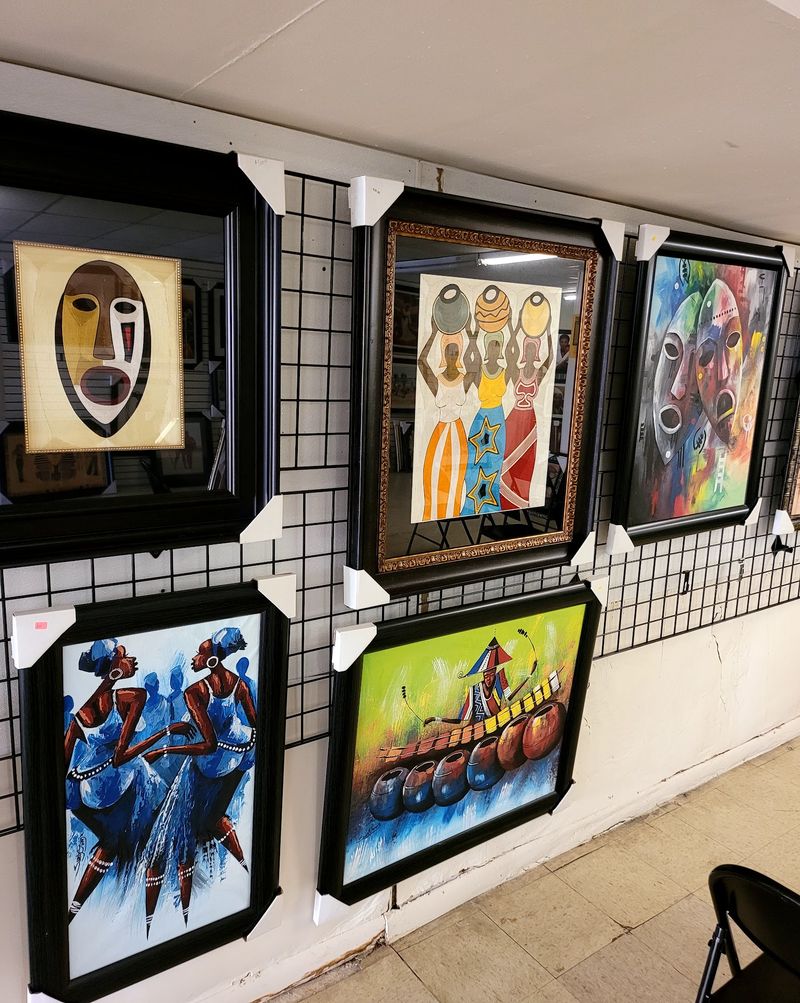
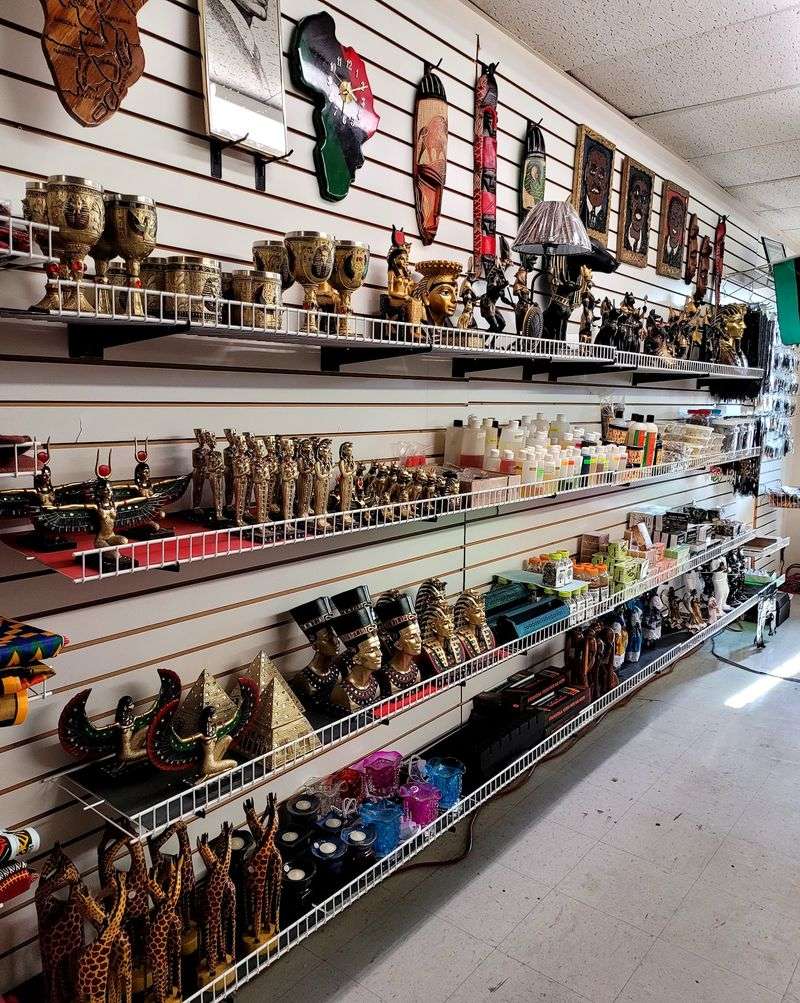
Color hits first. Paintings, prints, and decorative pieces cover the walls, turning a small room into an actual gallery where every glance lands on something new.
Visitors regularly mention the great art pieces and describe the place as beautiful. The art side of the business is not an afterthought tucked in a corner; it is part of the name and part of the experience from the moment you enter.
Kids respond to visual spaces in a way they sometimes do not respond to text. A bold portrait or a carved figure can spark questions that lead straight into history, geography, and storytelling.
Ask children which piece they would hang in their bedroom and why, and you will hear surprisingly thoughtful answers.
Treat it like a mini museum with one key difference: much of what you see can come home with you. Families looking to decorate a reading nook or classroom with meaningful art have real options here.
Remind little ones to look with their eyes before reaching out with their hands. Many items are handmade and delicate.
A quick talk before entering, plus a game of spotting colors or animals in the artwork, keeps excitement high while protecting the pieces.
Bold Fashions in Vivid Prints
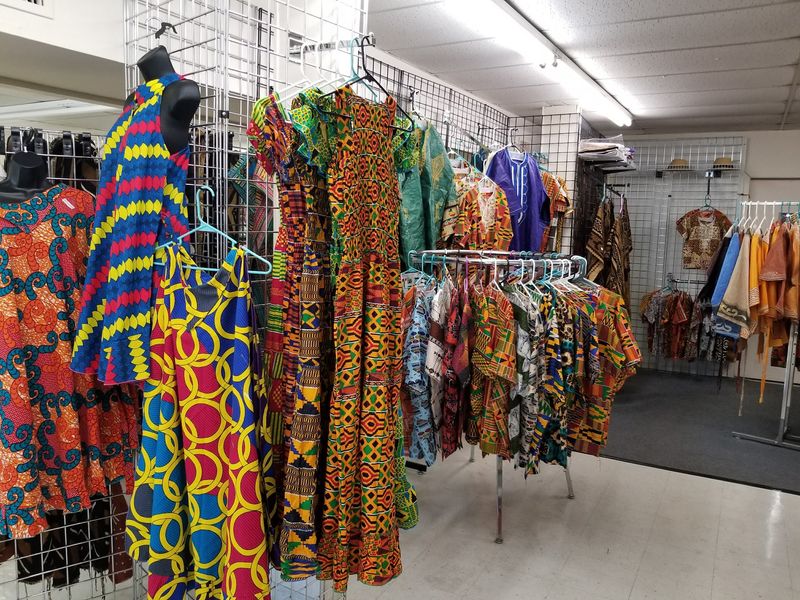
Remarkable fashions is how one shopper summed up the clothing, and the racks back that up with bright patterns and confident designs.
African clothing is among the most talked-about parts of the shop. Visitors who come looking for garments and accessories say this is a good store in the area for exactly that, and several mention leaving with multiple items.
Families planning cultural events, school heritage days, church programs, or family reunions may find outfits that make those occasions feel special. Matching prints for parents and kids can make for memorable photos, and older children often enjoy choosing their own style.
Clothing also opens a conversation about meaning. Patterns and fabrics carry stories in many African cultures, and staff may be able to share background on what you are looking at.
Learning that a design has history adds weight to wearing it.
Bring a sense of sizes for each family member, since fitting rooms and size ranges are not detailed in available information. Calling ahead can help if you are shopping for a specific event.
Even if you are not buying, let kids feel the textures and admire the colors with permission. Fashion is one of the most approachable doors into another culture.
Jewelry and Body Care Finds
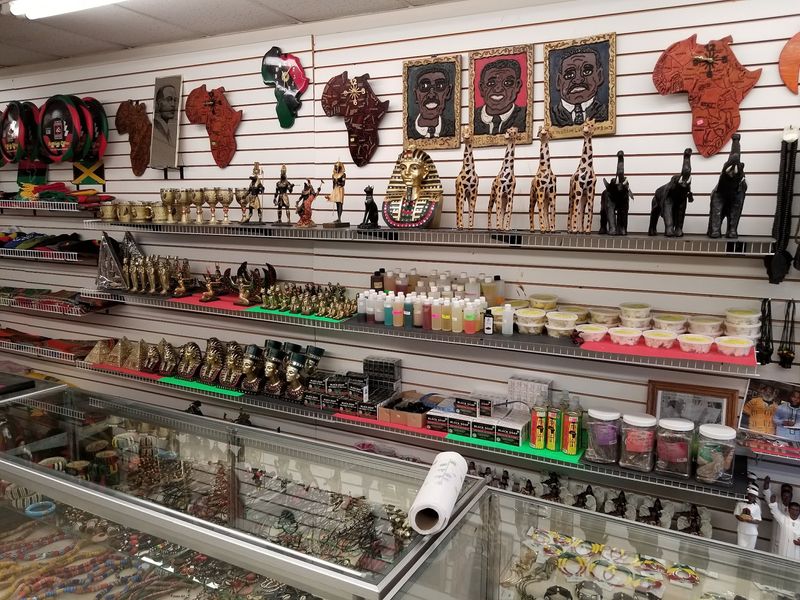
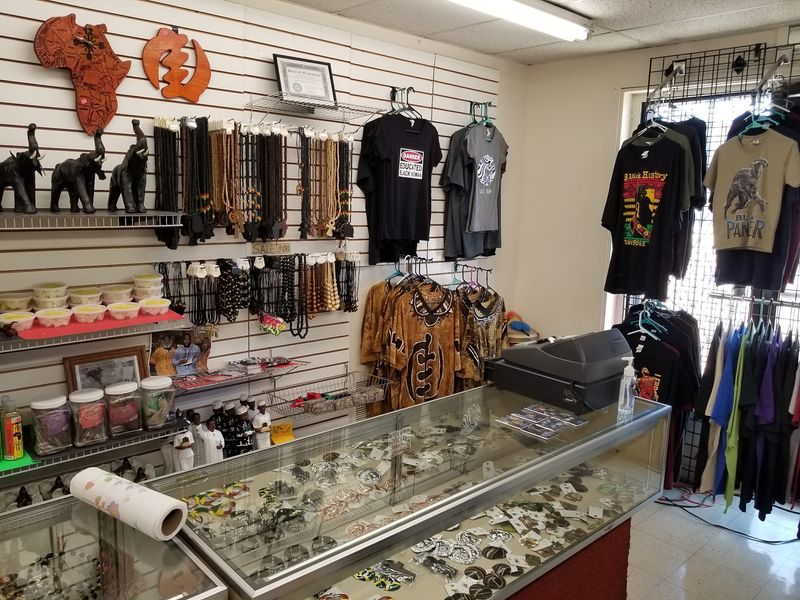
Small treasures fill the spaces between the big items. Alongside books, art, and clothing, the shop carries jewelry and body care products, giving shoppers options at many sizes and budgets.
Beaded pieces and handmade accessories often catch kids’ eyes first. They are easy gifts for grandparents, teachers, or friends back home, and children feel proud picking something meaningful on their own.
Body care products add another layer. Natural skin and hair items from African traditions can be a fun discovery for teens interested in self-care routines.
Read labels together and talk about ingredients, which turns a purchase into a quick science and culture lesson.
Visitors mention great prices for quality merchandise and pricing that works for all economic groups. That combination matters for families watching spending while still wanting a souvenir that means more than a magnet.
Consider giving each child a small budget before entering. Letting them compare items, ask questions, and make a final choice builds decision-making skills and makes the purchase feel earned.
Little extras like these tend to become keepsakes. Years later, a bracelet from a Jackson trip can still bring back memories of the bright room on Farish Street and everything learned there.
Goods Made in Ghana
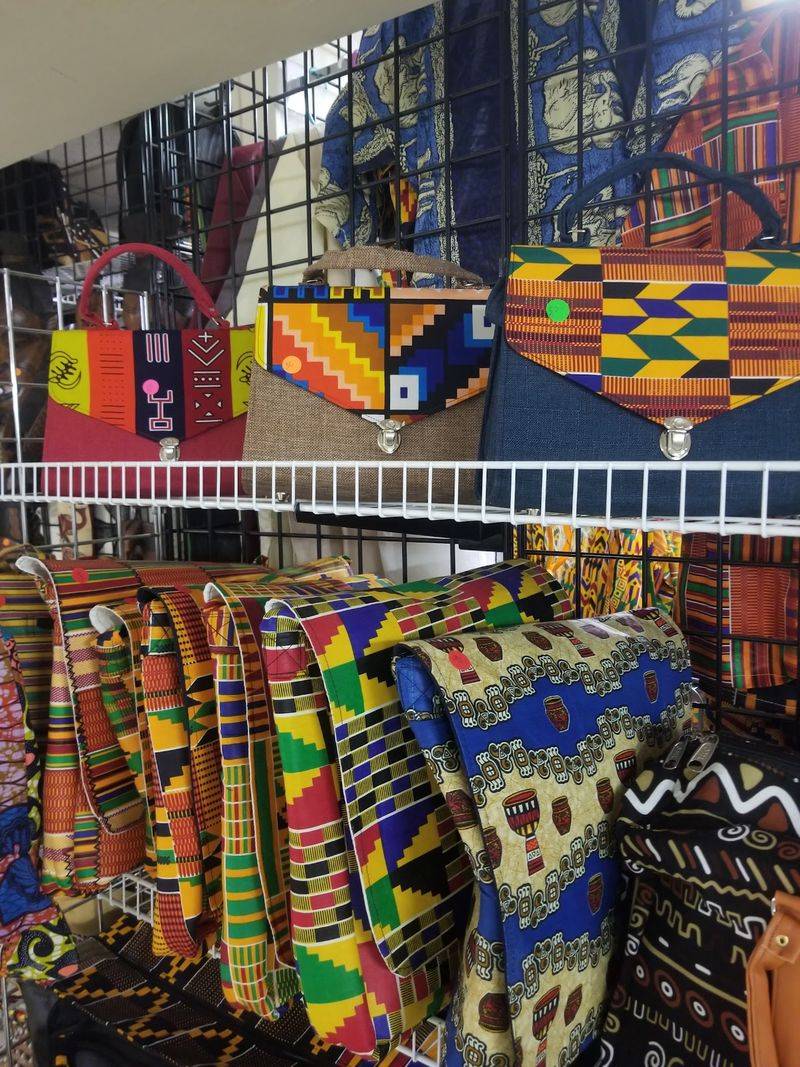
Ghana sits more than five thousand miles from Mississippi, yet pieces of it rest on these shelves. Visitors point out that the shop is a great place to find items made in Ghana.
That connection ties straight into the owner’s goal of building trade between Africa and Afrikans in America. Buying a handmade product from Ghana links a family in Jackson with makers across the ocean, which is a powerful idea for kids to grasp.
Turn it into a geography moment. Pull up a map on your phone and find Ghana together, then trace the route an item might travel to reach Farish Street.
Ask kids how long they think the trip took and who might have made the piece.
Fabrics, crafts, and decorative goods from West Africa often carry recognizable patterns and techniques. Comparing a Ghanaian item with photos in a history book from the shop can make the culture feel real rather than distant.
Gift giving gets more meaningful too. A present labeled as made in Ghana comes with a story the giver can tell.
Children enjoy sharing that story with whoever receives it, and that retelling helps them remember what they learned during the visit.
Meeting Space for Community Events
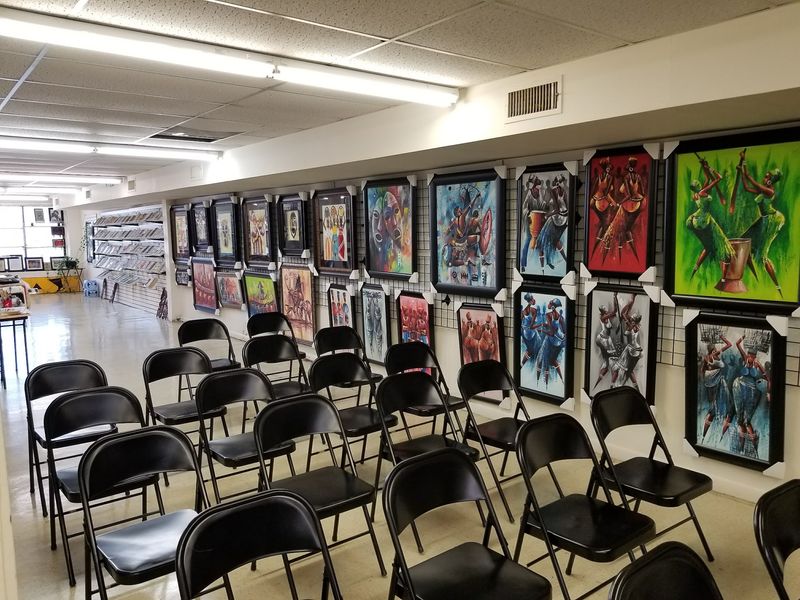
Shopping is only part of the story. Several visitors mention meetings and community events taking place here, with one describing a room set up for a discussion during their visit.
Another shopper called it the best location for community events, and regulars note they come for meetings as well as books. That tells you the space works as a gathering spot, not just a retail stop.
Families who live in or near Jackson may want to keep an eye out for events. Group discussions, cultural programs, or community gatherings can give older kids and teens a chance to hear people talk about history and culture in person.
Event schedules are not listed in available information, so the best move is to call the shop directly at +1 769-572-7441 and ask what is coming up. Staff can tell you whether a particular gathering suits younger children.
Watching adults gather to share ideas sends a quiet message to kids. It shows that learning does not end when school lets out and that communities build knowledge together.
Even visiting travelers might luck into a meeting in progress. Respect the space, keep voices low, and let children observe how a neighborhood gathering place truly works.
Atmosphere With a Family Feel
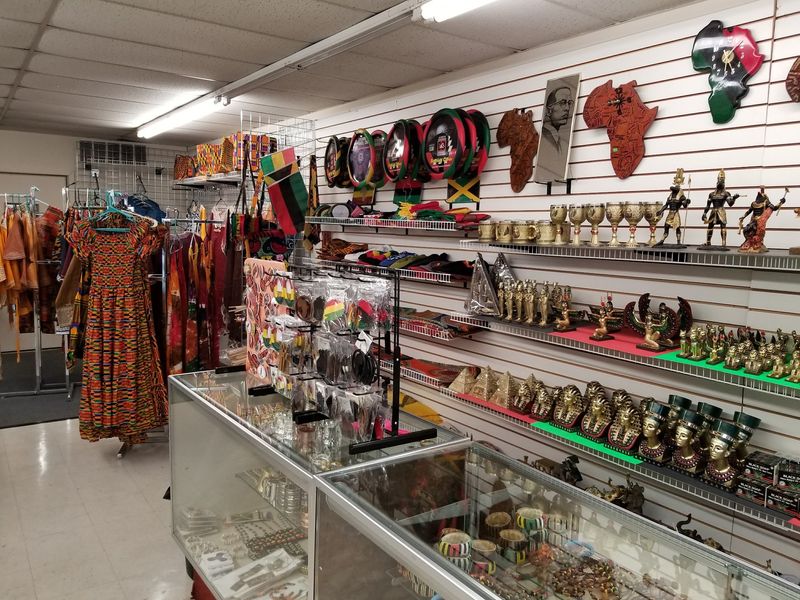
Walk in and the room feels more like a relative’s living room than a store. Visitors describe a family feel, and that warmth comes through in both the setting and the service.
The building itself earns compliments, with shoppers calling it lovely and beautiful. Art on the walls, colorful fabrics, and stacks of books create layers of texture that invite slow browsing instead of rushed shopping.
Great service shows up repeatedly in visitor comments, along with unique merchandise. People feel welcomed, and the staff seem happy to talk about what is on display.
That kind of setting lowers the pressure for kids who might feel shy in a new place.
Calm spaces suit families well. Children can ask questions without competing with loud music or crowds, and parents can actually hear the answers.
Keep the pace relaxed. Rather than trying to see everything, let the visit follow a child’s curiosity.
If one young explorer spends ten minutes staring at a single painting, that is a win, not a delay.
Small businesses thrive on human connection. Chatting with staff, learning names, and saying thank you helps kids understand that every shop is run by real people with real stories.
Who Gets the Most From a Visit
Grandparents, curious grade-schoolers, and teens chasing their own style can all leave happy. The variety here is the big draw, and visitors specifically mention loving the mix of goods in such a small business.
School-age kids studying Black history or world cultures will find books and objects that connect directly to their lessons. Homeschooling families can treat the trip as a field day with reading, art, and geography rolled together.
Teens often enjoy the fashion and jewelry, which give them a way to express identity and interest in culture through what they wear. Younger children tend to gravitate toward the bright artwork and handmade crafts.
Multigenerational groups fit especially well. Elders can share memories and stories while kids explore, creating conversations that bridge ages.
A grandparent pointing out a familiar pattern or historical figure can make a lasting impression.
Toddlers may need closer supervision, since many items are handmade and the space is compact. Short visits work best for the littlest ones, perhaps paired with a stroll down the street afterward.
Travelers interested in culture over chain stores will appreciate the personal touch. Anyone hoping to support independent, community-rooted businesses will feel their purchase matters here.
Practical Tips Before You Go
Planning ahead keeps the visit smooth. The shop sits at 800 N Farish St, Jackson, MS 39202, in the historic Farish Street district not far from downtown.
Opening hours are not listed in the information available, so call before heading over. The phone number is +1 769-572-7441, and a quick call can also confirm whether any meetings or events will be happening during your visit.
Prices draw positive mentions. Visitors describe the pricing as affordable for all economic groups and say the merchandise offers quality for the money.
Exact prices vary by item, so setting a family budget beforehand helps.
Keep the visit length flexible. Some families may pop in for twenty minutes, while book lovers and art fans could easily linger longer.
Snacks and water in the car can help if little ones get restless.
Bring a tote bag for books and small purchases, especially if kids plan to choose their own items. A phone with a map app is handy for the geography games mentioned earlier.
Finally, prepare children for a store full of handmade and delicate pieces. A quick reminder about gentle hands before walking in keeps everyone relaxed and lets the experience stay focused on discovery.
Final Thoughts on a Farish Street Favorite
Long after the drive home, the memory that lingers might be a child clutching a new history book or wearing a bright bracelet chosen all on their own.
That is the real value here. In one small room on Farish Street, families can read about African history, admire striking art, try on bold fashions, and hold goods made in Ghana.
Few stops in Mississippi pack that much culture into such a compact space.
Warm staff and a welcoming owner make the difference. The steady message of Make the Cultural Connection runs through every shelf, and the frequent asante at the counter reminds visitors that gratitude flows both ways.
Supporting a business like this also helps keep a historic street alive. Every purchase adds a little momentum to a district that once buzzed with Black-owned shops.
For families visiting Jackson, it fits neatly into a day of museums or neighborhood exploring. For locals, it can become a regular stop for books, gifts, and community events.
Go with open eyes and plenty of questions. Children who leave with a new story, a new word, and a new favorite piece of art will carry this place with them for years.