
Bigfoot, Mothman, And The Loch Ness Monster All Share One Roof At This Maine Museum Of Creatures Nobody Can Prove Exist
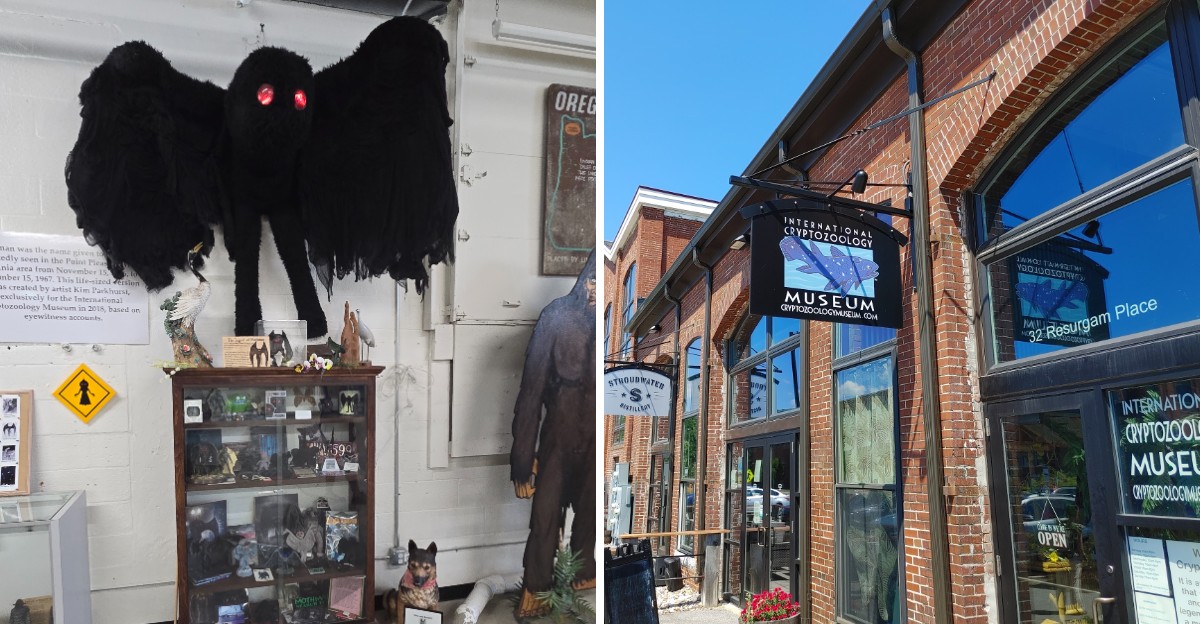
Bigfoot has a permanent home in Maine, and he brought friends. Nessie, Mothman, and the Yeti all share the same address.
Hair samples from creatures nobody has caught sit behind glass. Footprint casts wait for you to hold your own shoe up for comparison.
Can a real fish win an argument about monsters? A model coelacanth, a fish once thought long extinct, makes that case beautifully.
Some exhibits are proud fakes, and they wear their labels honestly. Jackalopes and furred trout earn a laugh from every crowd.
So who decides what is real here? You do, and nobody asks you to pick a side at the door.
A historic building in Maine now holds this whole curious collection. Would you spot a hoax before your kids do?
An 8-Foot Bigfoot Is Waiting To Say Hello
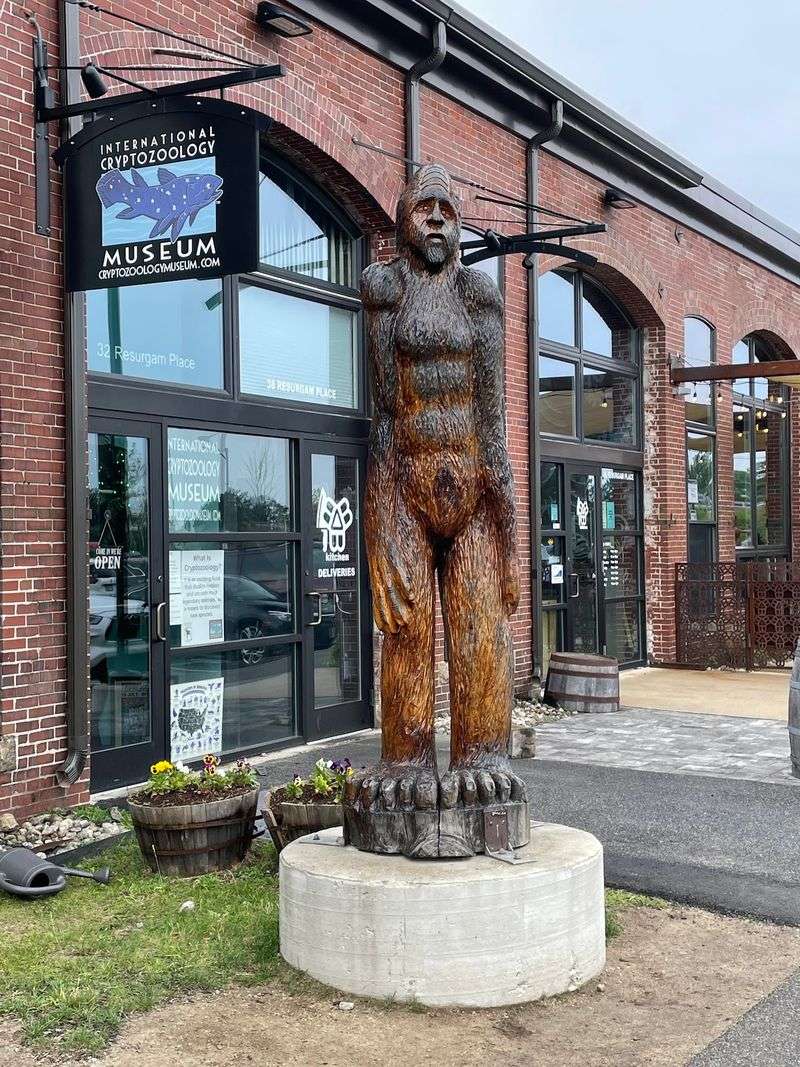
Few museums greet guests with a hairy giant. The International Cryptozoology Museum does exactly that, with an 8-foot Bigfoot statue that sets the mood before you reach the door.
The museum calls itself the world’s only full-scale museum devoted entirely to cryptozoology. That’s the study of animals people report seeing but science hasn’t confirmed.
Bigfoot is the unofficial star here. Footprint casts, replicas, and pop culture pieces about the big guy show up across the collection.
Founder Loren Coleman is a well-known cryptozoologist and author. He still leads the museum as its director and board president.
His approach matters for your visit. The exhibits share evidence and stories, and they also point out hoaxes when something doesn’t hold up.
That balance makes the place fun for skeptics and believers alike. Nobody has to pick a side before buying a ticket.
Plan to snap a photo with the statue before heading inside. Still photos are fine in the museum, though video and digital recording are not allowed.
So save your filming energy for the parking lot. Bigfoot has never been camera shy anyway, at least not this version.
Honestly, it might be the most patient Bigfoot in Maine.
The Monster Roster Reads Like A Campfire Story Lineup
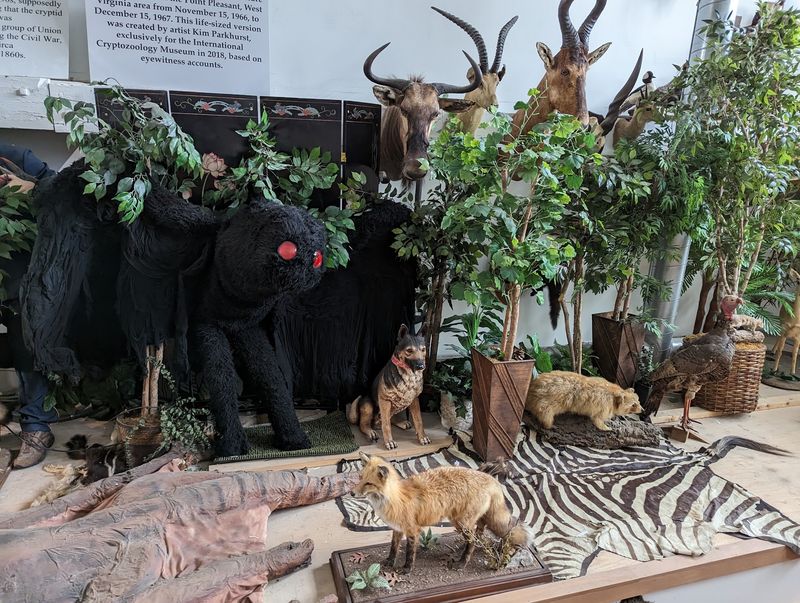
Nessie gets a spot. So do the Yeti, the Jersey Devil, the Dover Demon, the Montauk Monster, and the Skunk Ape.
That lineup covers legends from Scotland to the Himalayas to the swamps of Florida. It’s a world tour without the passport line.
Each creature brings its own strange backstory. The Dover Demon, for example, comes from a series of 1977 sightings in Massachusetts, so New England gets its share of the weirdness.
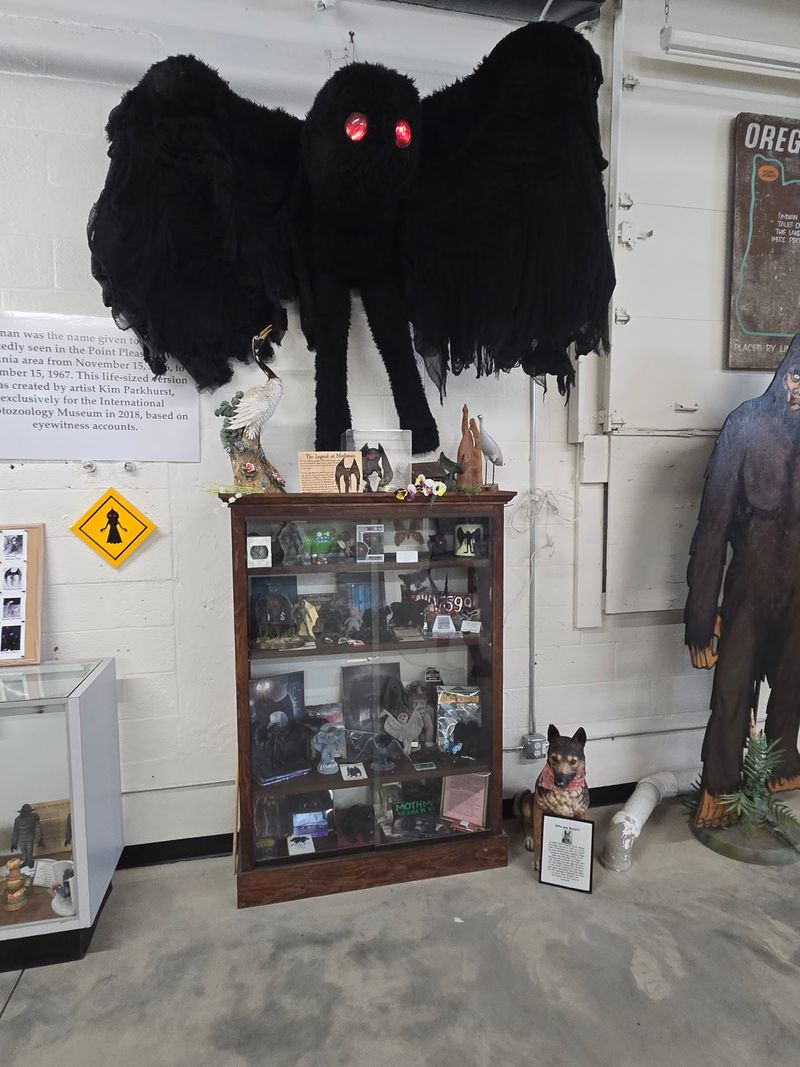
Mothman fans will find plenty to enjoy too. The famous winged figure fits right in among the other unexplained visitors.
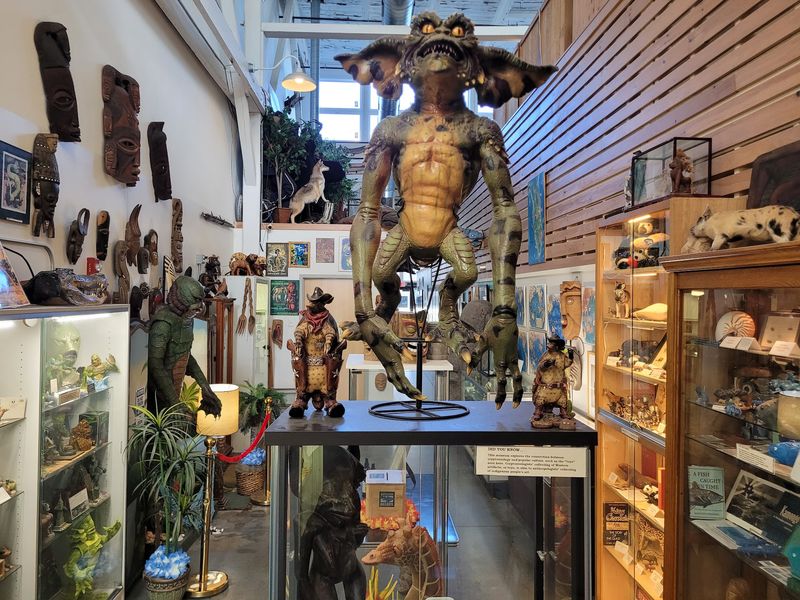
Exhibits mix replicas, models, artifacts, and pop culture memorabilia. That variety keeps each case feeling different from the last.
Kids can spot creatures they’ve seen in cartoons or books. Adults might discover legends they never heard of before.
A smart move is to pick a favorite cryptid early. Then hunt for it while reading about the others along the way.
You’ll likely leave with a new favorite anyway. Some of these lesser-known creatures have backstories stranger than the famous ones.
Fair warning: you may start eyeing every dark lake in Maine a little differently.
Real Hair Samples From Creatures Nobody Has Caught
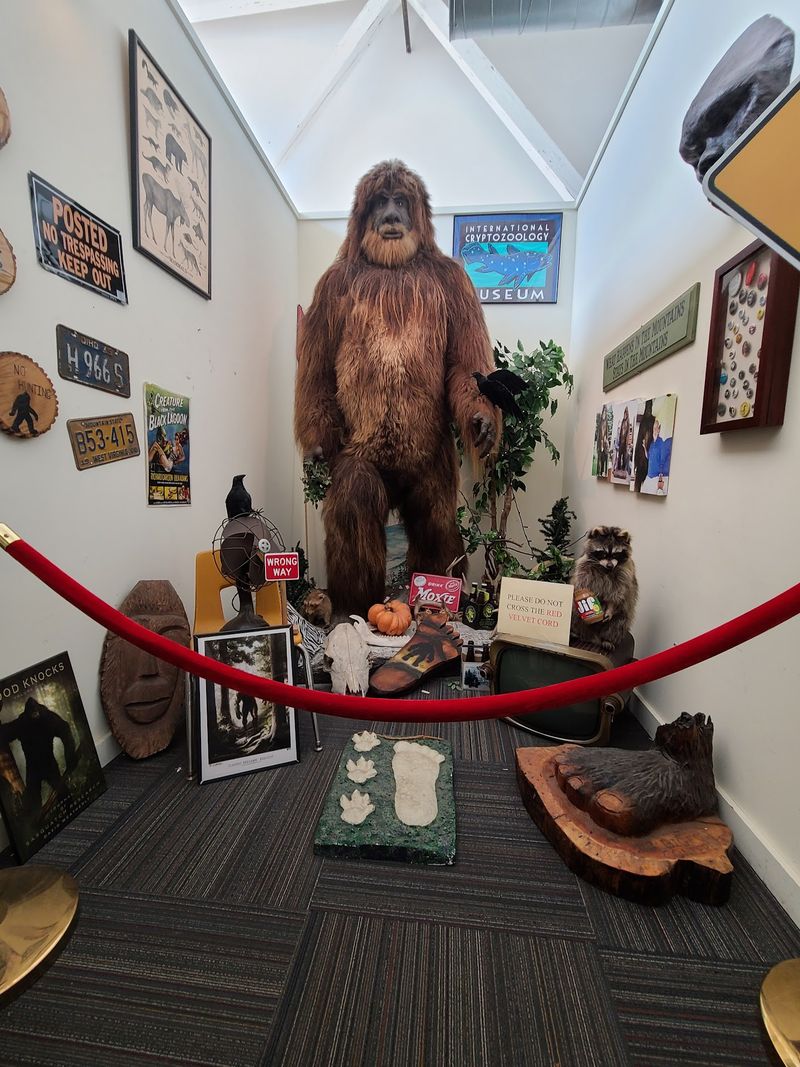
Hair is about the closest thing to a calling card a mystery animal can leave. The museum displays samples believed to come from Bigfoot, the Yeti, the Yowie, and the Orang Pendek.
The Yowie is Australia’s answer to Bigfoot. The Orang Pendek is a small, upright creature reported in the forests of Sumatra.
Seeing these samples up close makes the subject feel less like a cartoon. Somebody found this hair, saved it, and wondered what animal it came from.
That’s the heart of cryptozoology in a nutshell. People collect clues, then try to figure out what they really mean.
Footprint casts add to that detective feeling. The collection holds plenty of plaster tracks connected to Bigfoot reports.
Try comparing the size of a cast to your own shoe. It’s a quick way to realize how huge these reported prints are.
Younger visitors might enjoy playing investigator here. Ask them what they think made each track or sample.
There’s no wrong answer, which is part of the charm. Science starts with questions, and this room is full of them.
Just don’t expect a lab coat at the door.
A Fish That Came Back From The Past Steals The Show
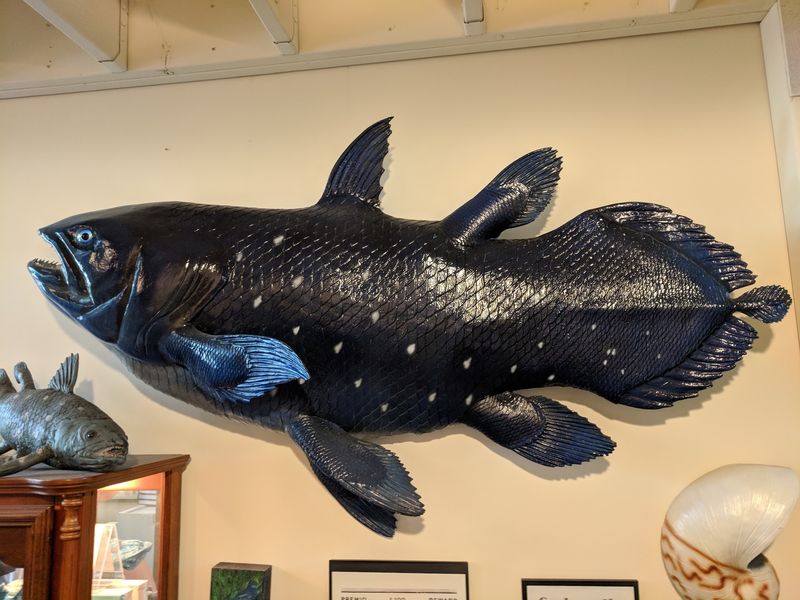
Scientists once thought the coelacanth vanished millions of years ago. Then one turned up off the coast of Africa in 1938.
The International Cryptozoology Museum honors that surprise with a 5.5-foot, life-size fiberglass model. It’s based on the first coelacanth specimen displayed in North America.
Why does a real fish belong in a museum about unproven creatures? Because it proves that hidden animals can sometimes turn out to be real.
The coelacanth is a favorite example for cryptozoologists. It shows that the ocean, and maybe the woods, can still keep secrets.
The model’s size helps the story land. Five and a half feet of ancient-looking fish is hard to ignore.
Look closely at its fins while you’re there. They look almost like stubby little limbs, which makes the creature even stranger.
Teachers and parents might love this exhibit most. It connects the playful monster stuff to real biology and real discovery.
It’s a great talking point for the drive home. Ask your crew which mystery animal they think might be found next.
My vote would go to anything shy and very good at hide-and-seek.
Meet A Bronze Tasmanian Tiger Worth A Second Look
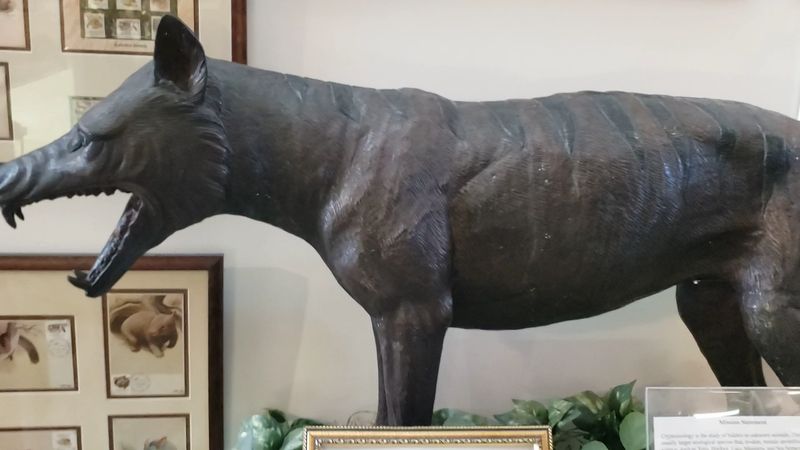
Striped back, long tail, and a face like a wolf. The thylacine, also called the Tasmanian Tiger, gets serious attention at this museum.
A life-sized bronze thylacine statue stands among the exhibits. A thylacine footprint cast sits on display as well.
This animal is a fascinating case. It was a real creature from Australia and Tasmania, and it has been officially considered extinct for decades.
Still, people keep reporting sightings. That makes the thylacine a natural fit for a museum built on unconfirmed reports.
The bronze statue helps you understand its actual size. Pictures in books rarely show how sleek and dog-like it really looked.
Pairing the statue with the footprint cast is a nice touch. You get the full animal and the kind of clue searchers look for.
It’s one of the more thoughtful exhibits in the building. It mixes hope, history, and real scientific mystery in one corner.
Spend a few extra minutes here if you love animals. Kids who like zoos or nature shows will probably have a lot of questions.
Bring answers if you can, or bring a library card later.
Spot The Fakes Before They Fool You
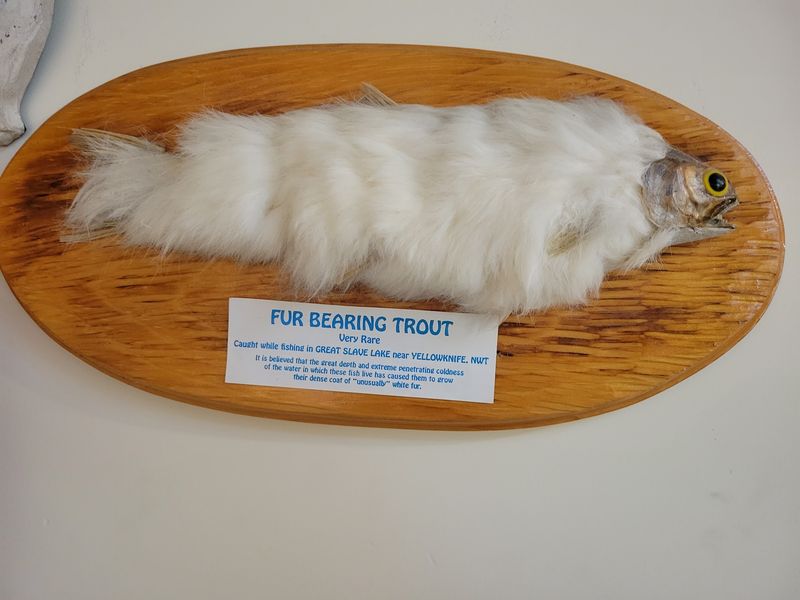
Not everything here is a mystery. Some exhibits are proud, well-labeled hoaxes, and they’re some of the funniest pieces in the building.
Jackalopes make an appearance. Picture a rabbit with antlers, and you’ve basically got it.
Furred trout are on display too. A fish wearing a fur coat sounds silly, and that’s exactly the point.
The museum also shows a Feejee mermaid connected to P. T.
Barnum, the famous showman who loved a good spectacle, true or not.
TV fans should look for a pterosaur prop from the series FreakyLinks. Film props add a fun Hollywood angle to the collection.
Hoaxes teach a useful skill. Learning how fakes get made helps you think more carefully about any wild claim.
That lesson works well beyond monsters. Online rumors and edited photos use some of the same tricks.
Challenge your group to guess which items are real evidence and which are pranks. It turns the visit into a friendly game.
Everyone leaves with a few new monster facts. Winners get bragging rights until the next car ride argument.
The Building Has A Story Of Its Own
Monsters got an upgrade in 2026. The museum opened at its new home on June 1, 2026, at 490 Broadway, Bangor, ME 04401.
The building is a Streamline Moderne design. It’s listed on the National Register of Historic Places, which gives the creatures a pretty classy address.
This move brought the collection to Bangor after more than two decades in Portland.
It first opened downtown there in 2009, then moved to Thompson’s Point in 2016.
Older Portland locations and an earlier Bangor address are permanently closed. Make sure your map points to Broadway before you leave.
Parking is easy and free. Spots line the Earle Avenue side of the building, and a large gravel lot sits in the rear.
That’s welcome news for anyone used to circling city blocks. You can spend your energy on Bigfoot instead.
Bangor sits in the heart of Maine, so the museum works well on a road trip. It’s an easy stop when heading north or toward the coast.
Fun bonus: the building’s sleek, curvy style looks almost futuristic. Fitting for a place that keeps asking what’s still out there.
Bring The Whole Crew, From Toddlers To Grandparents
Kids get a great deal here. Children 12 and under pay a reduced admission, and babies in arms or strollers get in free.
The museum describes itself as kid-friendly and adult-oriented. That means younger guests can enjoy the toys and models while grown-ups read the deeper stories.
Shelves hold models, fossils, and toys of prehistoric animals and cryptids. Little ones tend to recognize dinosaurs and monsters right away.
Adults can focus on newspaper clippings, history, and research. Everyone explores at their own speed and depth.
Groups of all sizes are welcome too. Families, couples, solo travelers, and organized groups all fit the museum’s audience.
A couple of rules help keep things smooth. Food and drinks aren’t allowed inside, so snack before you go.
Video recording is also off-limits. Remind teens before they start filming their next big monster reveal.
The museum is a 501(c)(3) nonprofit. Your ticket helps keep this odd and wonderful collection going.
That feels like a solid trade for an afternoon of Yetis and sea serpents. Plus, nobody ever complained about too many monsters on a family trip.
Save Time For The CryptoStore And Check Hours First
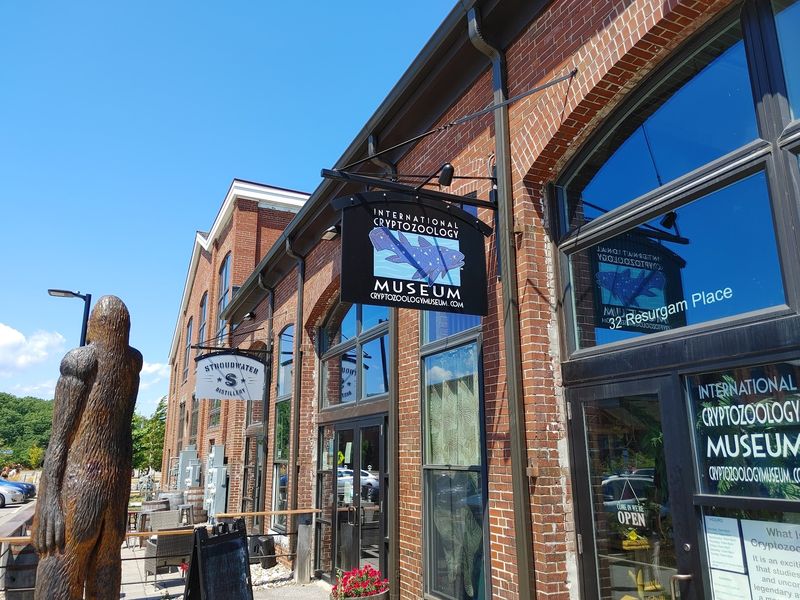
Souvenir hunters, take note. The CryptoStore runs during regular museum hours and sells books, souvenirs, and keepsakes.
Many items are autographed, which makes them extra fun to bring home. Loren Coleman has written many books on the subject, so author signatures fit right in.
Cash and credit cards both work at the store. The same goes for admission at the front desk.
Timing matters at the International Cryptozoology Museum. Hours shift through the seasons, so plan ahead.
From April through September, the museum is generally open daily from 10 to 6. Fall brings shorter afternoons, with closing times moving earlier.
Winter is the trickiest stretch. From January through March, the doors open only Friday through Monday, from 10 to 4.
The museum closes on Thanksgiving, Christmas Eve, and Christmas. Double-check hours before driving across Maine for a visit.
One last tip: leave room in your bag. A book about Bigfoot or the Loch Ness Monster makes a great reminder of the trip.
And if anyone asks whether these creatures are real, just hand them the book. Let them decide for themselves.