
The Free Mississippi Site Near Natchez Home To One Of The Largest Ancient Mounds In America
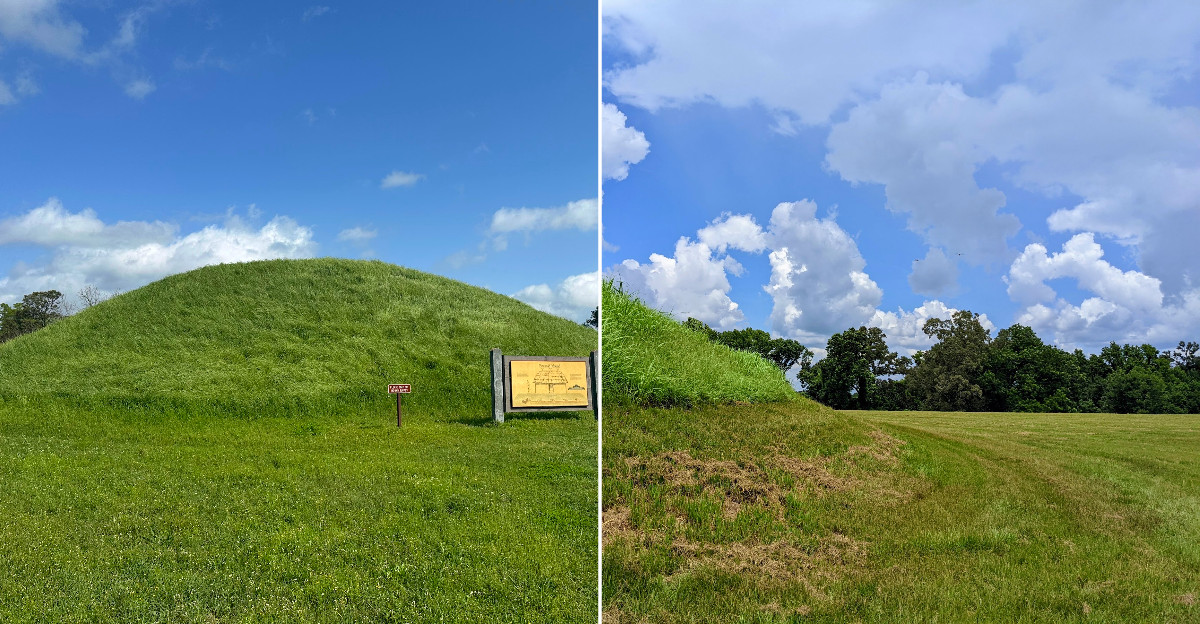
From the road, it looked like nothing more than a grassy hill in the Mississippi countryside. Then we climbed it, read the signs, and realized people built this giant platform by hand hundreds of years ago.
It turned a quick stop into one of the most memorable parts of our drive. For families who love wide open space and real stories from the past, this free spot delivers both.
An Ancient Platform Just Off the Natchez Trace
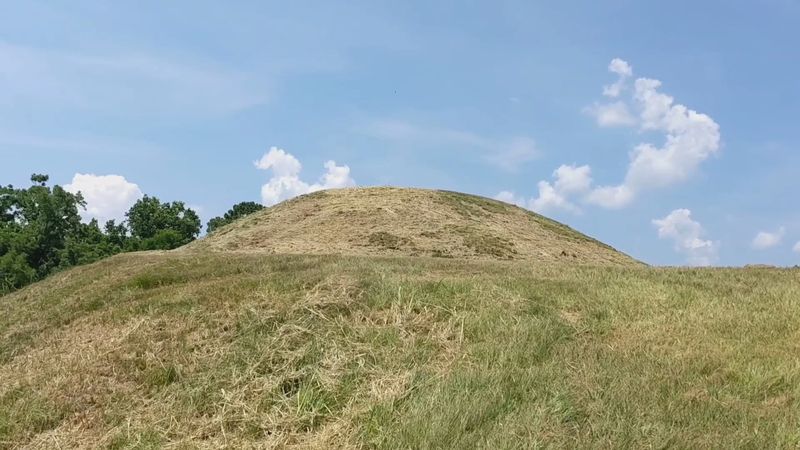
Tucked a few minutes off the Natchez Trace Parkway in southwest Mississippi, Emerald Mound sits on a quiet country road outside Natchez. It belongs to the parkway and is managed by the U.S.
National Park Service. The address is Emerald Mound Rd, Natchez, MS 39120.
Here is the headline fact for families: this is the second-largest Mississippian Period ceremonial mound in the United States. Only Monks Mound at Cahokia in Illinois is bigger.
Visitors who have toured mound sites around the country often point out how easy this one is to reach.
Entry costs nothing. There is no staffed gate and no ticket booth, so you simply park, read the signs, and walk through a small gate toward the mound.
Travelers describe it as less than five minutes from the parkway itself.
That combination of size, history, and zero cost makes it a smart addition to any family road trip through the state. Kids get a hands-on history lesson, parents get a peaceful stretch of the legs, and nobody has to pull out a wallet.
It works well as a stop between Natchez sightseeing and a longer drive north along the Trace, since it fits neatly into a busy travel day.
Builders of the Mississippian Era
Long before Mississippi was a state, people of the Mississippian culture shaped this land. They were ancestors of the Natchez Indians, and they worked on the mound between roughly 1200 C.E. and 1730 C.E.
Picture that timeline for a moment with your kids. Construction and use stretched across centuries, which means many generations added their effort to the same project.
One longtime visitor remembered learning that it took around 300 years to build, a number that tends to stop children in their tracks.
Archaeologists believe the site served as a ceremonial and political center for the local population. Civic processions, ceremonial dances, and religious rituals likely took place here.
The smaller mounds on top probably held the homes of chiefs and other important leaders.
Visitors also mention that newer signs share details they had never heard, even after coming since childhood. Reading them together can spark great conversations in the car afterward.
Many guests note that Native American communities still value the site today, which gives the visit a living connection rather than a distant one.
For young learners, it becomes a story about teamwork, patience, and community.
A Natural Hill Reshaped by Hand
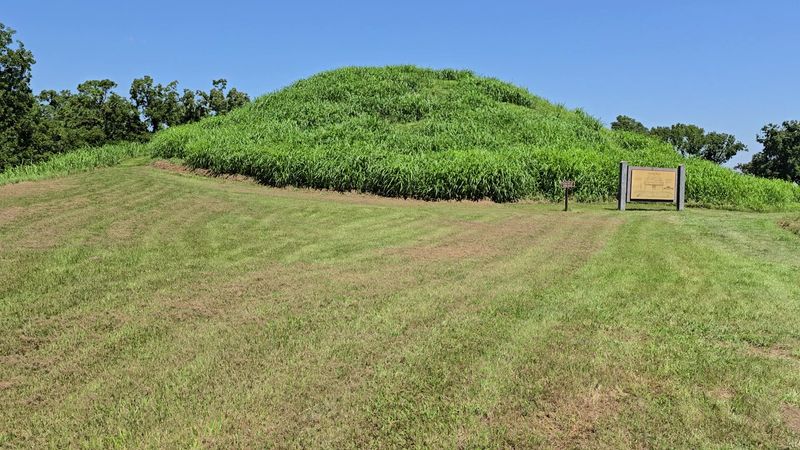
Surprise number one: the builders did not start from flat ground. Emerald Mound began as a natural hill, and people carried earth to its sides until it became an enormous artificial plateau.
That clever approach explains why the first slope you climb feels like part of the landscape. One returning visitor shared that only recently did they learn the first hill is also part of the whole creation.
Kids often assume it is just nature until the signs explain otherwise.
Without machines or trucks, every load of soil was moved by human hands. Visitors frequently describe it as a hand-built mound, and that phrase is the one that sticks with families most.
Try asking children how many baskets of dirt it might take to build something this large.
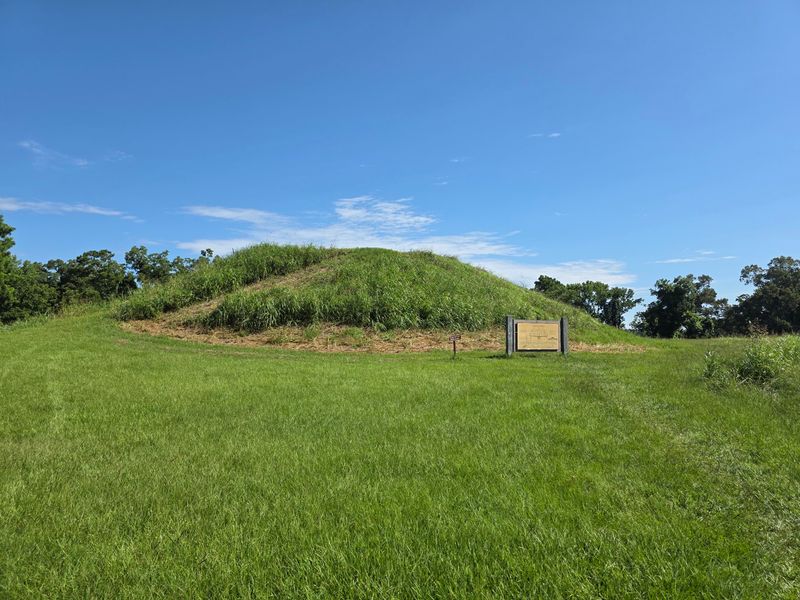
Some travelers admit that at first glance, it looks like a grassy hill. Then the story sinks in and the whole place changes in their minds.
A bit of imagination turns the climb into a walk across ground shaped by real people a very long time ago.
Bring that sense of wonder along, and the mound becomes far more than scenery outside the car window. It becomes a lesson in engineering.
Eight Acres of Staggering Scale
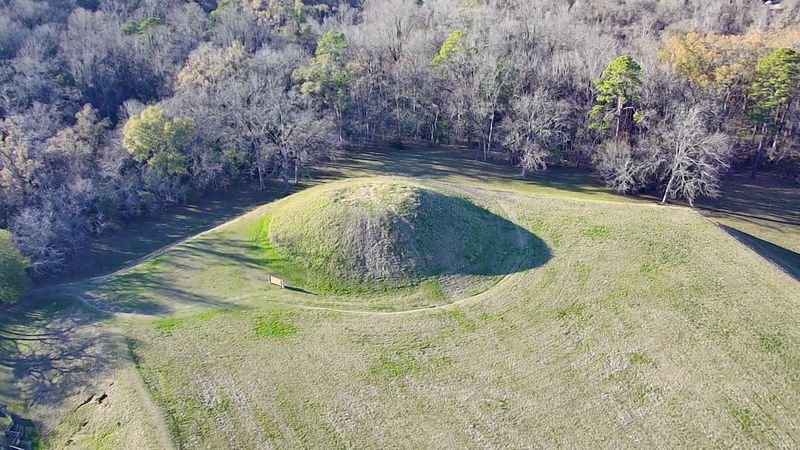
Numbers help here. The mound covers about eight acres and measures 770 feet by 435 feet at its base, with the main platform rising 35 feet.
One visitor joked that you could easily put a football stadium on it, and that comparison works nicely for kids. Another family remembered the top being so roomy that walking across it felt like crossing a big field.
Travelers repeatedly bring up the sheer size as the moment that impressed them most.
Photos rarely capture it well. Standing on top is the best way for children to feel how big and high these earthworks really are.
Suddenly the dimensions on the sign become something they can measure with their own steps.
For a fun family challenge, have everyone guess how long it takes to walk from one end to the other, then test it. Little ones burn energy, older kids get a math lesson, and adults get to appreciate the effort behind every foot of ground.
Compared with other mound stops along the Natchez Trace, visitors describe this one as the largest and the most recent on the historical timeline. That makes it a strong choice if your family only has time for one.
Mounds on Top of a Mound
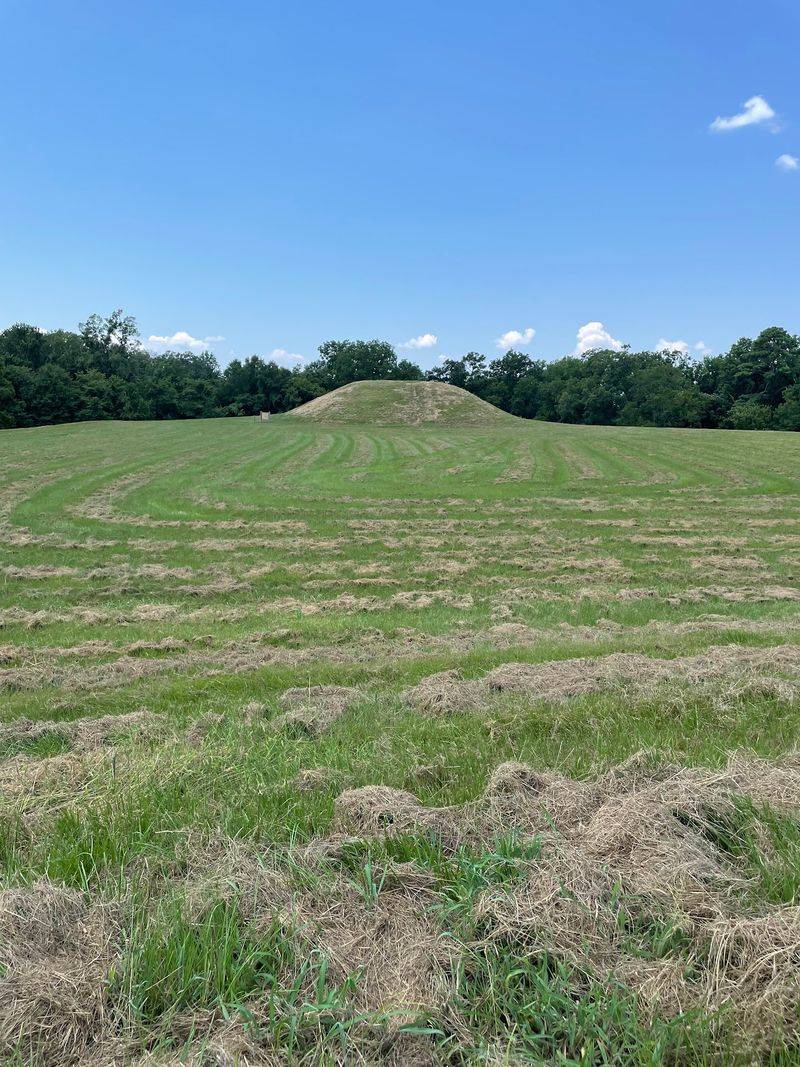
Kids love this detail: the mound is so large it has its own mounds sitting on top. Two smaller secondary mounds rise from the platform, pushing the total height of the structure to around 60 feet.
The bigger of the pair sits at the western end. It measures 190 feet by 160 feet and stands 30 feet high, which makes it a landmark all on its own.
Visitors who climb the path to the first level are often caught off guard when they spot these additional rises.
Those upper mounds likely supported homes for chiefs and important leaders. One visitor recalled updated signs explaining that each end once held a significant structure, which adds a fun layer to the story.
Pointing out the two ends helps children imagine who lived where.
Families should know that the old wooden stairs to the top mound were removed. Some guests say that makes the final climb tougher for small children and older relatives.
Many families choose to enjoy the view from the main platform instead, which still offers plenty to see.
Either way, spotting the stacked design gives everyone a clear sense of how thoughtfully the site was planned.
Paved Path, Signs, and the Climb
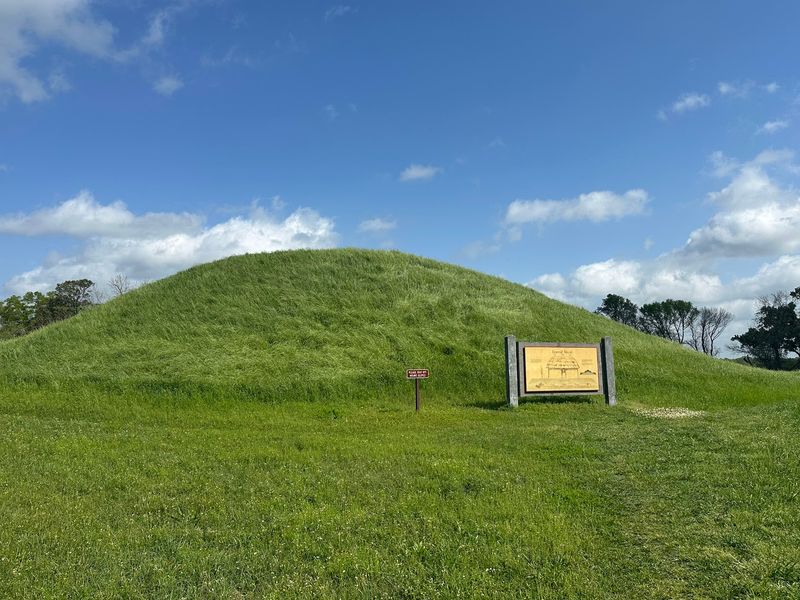
Getting started is simple. A free parking area holds interpretive displays and history plaques, giving families a quick primer before they ever set foot on the mound.
Visitors mention the signage often, and many appreciate the number of posted facts at the entrance. Reading a few plaques first gives kids something to look for once they reach the top.
It also helps the visit feel like a guided tour, even though no staff are present.
From there, an established trail leads up the slope. Guests describe a paved path and a pleasant walk, with the climb to the first level manageable for most families.
Strollers and tired legs may struggle on the steeper upper sections.
A few practical notes from travelers help. Some have found tall grass and ant piles along the walkway, so closed-toe shoes and watching your step are smart moves.
One guest advised simply taking your time through the grass to stay comfortable.
Bring water on warm days, since there are no services on site. Once you reach the platform, find a spot to pause, look around, and let the kids point out the secondary mounds before heading back down.
Views and Quiet Across the Countryside
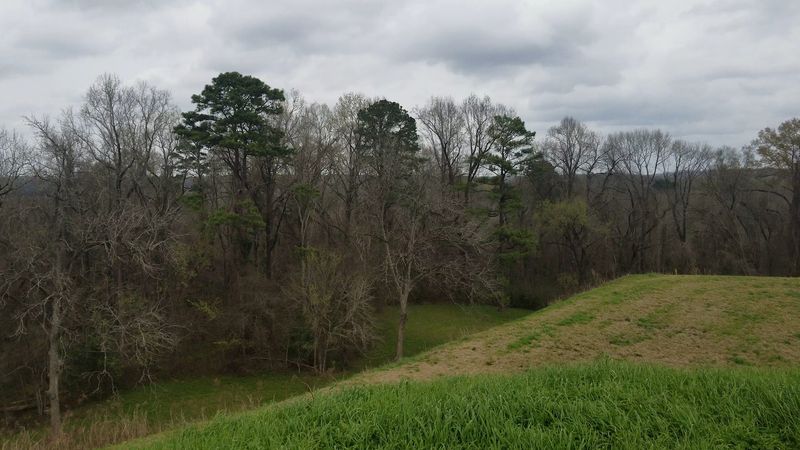
Sunlight spreading across open fields is the reward at the top. From the platform, families get wide views of the surrounding countryside, much like the area’s early residents would have seen.
Calm describes the mood. Visitors regularly call it peaceful, and several say they had the entire place to themselves.
One longtime guest described it as somewhere to go when you just need a quiet moment.
That stillness can be a gift for families coming off busy days of driving or touring. Children can spread out, and parents can actually hear themselves think.
Some travelers say they felt something special simply standing where people stood centuries before.
Timing matters for the view. One visitor recommended daytime trips because the landscape becomes hard to see after sunset.
Another group arrived at sunset and called the size and layout breathtaking in that soft evening light.
Because the mound held deep ceremonial meaning, the park asks guests to treat it with respect. Ball games and kite flying are discouraged, and disturbing or removing artifacts is against federal law.
Explaining those rules to kids beforehand helps them understand why this space deserves care, just like a museum or place of worship.
Who Gets the Most From a Stop Here
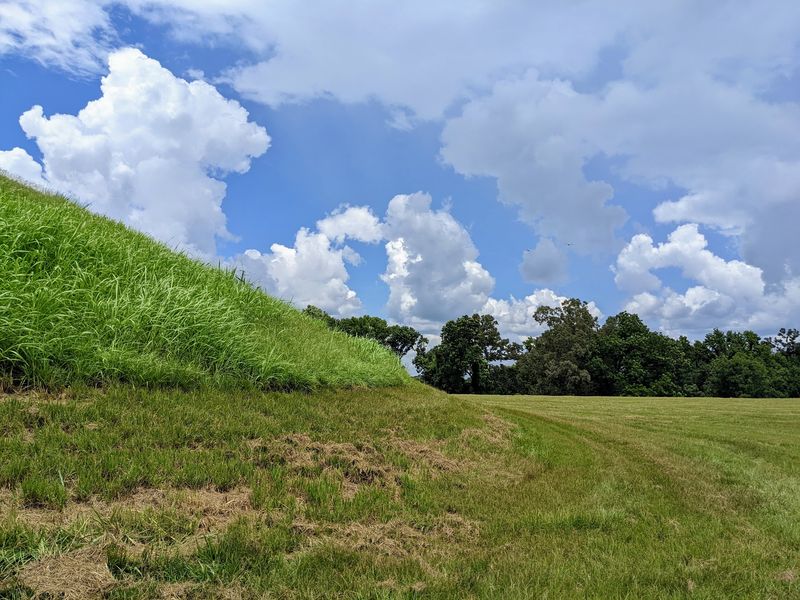
Curious kids and history fans are the natural audience. Families who enjoy reading signs, asking questions, and imagining the past tend to leave amazed.
One parent described years of family visits, praising the open space for children to run and learn. Another remembered three little boys gleefully rolling down the big hills.
Wide lawns give energetic kids room to move, as long as everyone stays respectful of the site.
Honest expectations help, though. A family with older children said the kids wanted to get in and get out, and they suggested planning around 15 to 30 minutes.
There are no exhibits inside a building, no playground, and no snack stand.
Another visitor put it well: the experience depends on the person. Those who take time to read and imagine the people who built the mound find much more than a grassy hill.
Preparing kids with a short story or video before arriving can make a big difference.
Road trippers on the Natchez Trace, mound enthusiasts, and students of Southeastern archaeology all find reasons to stop. Some travelers even call it the highlight of their entire drive along the parkway, ranking it above other nearby mound sites.
Hours, Cost, and Directions
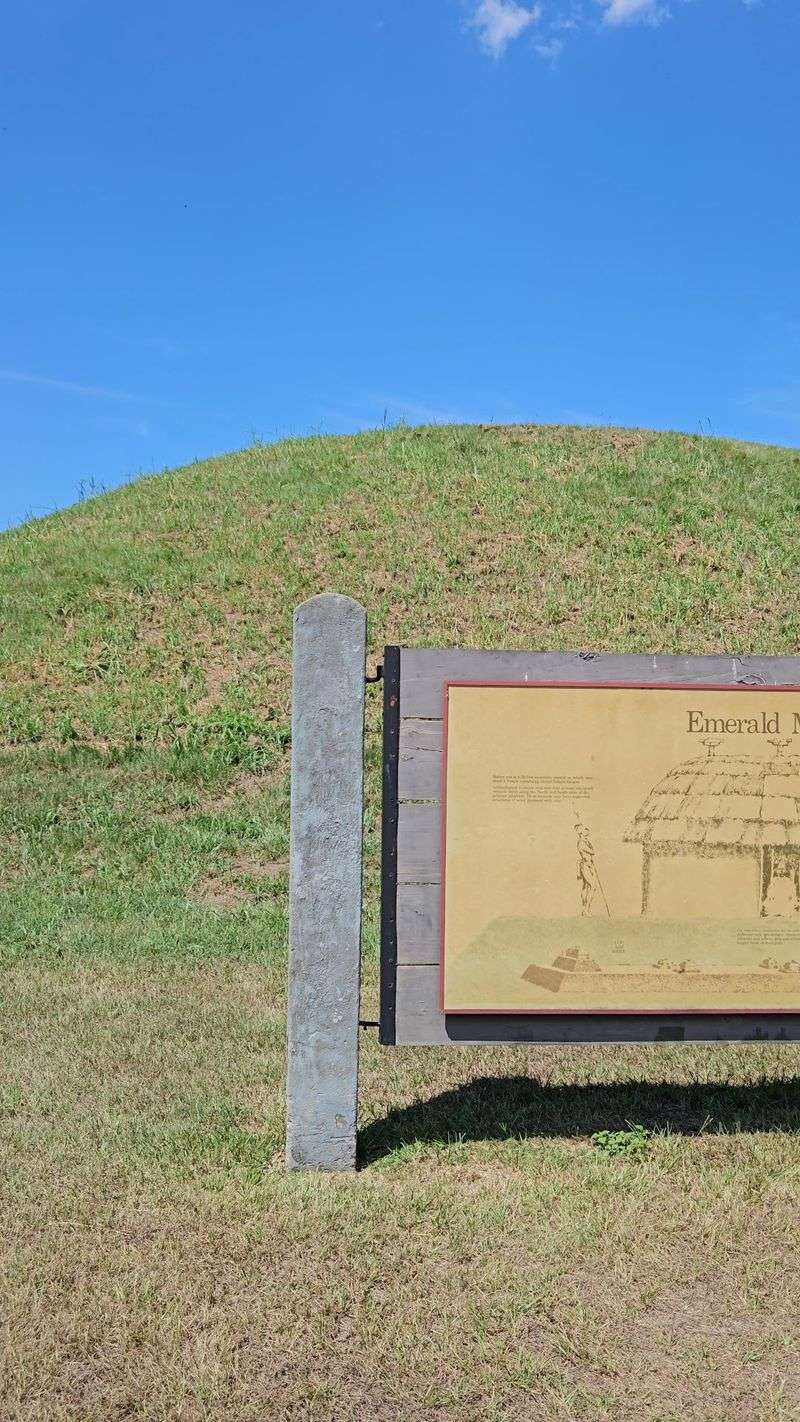
Planning is refreshingly easy. Admission is free, there is no staff on site, and parking costs nothing.
Current listed hours run from 8 AM to 5 PM every day of the week. The National Park Service has also described access as sunrise to sunset, so checking before you go is wise.
For questions, the phone number is 601-445-7500, and the NPS website offers background reading.
To get there, follow the Natchez Trace Parkway near its southern end outside Natchez and take the short spur to Emerald Mound Rd. Visitors say it sits less than five minutes off the parkway. One traveler wished for a more noticeable sign from the Trace, so keeping a map app open helps you catch the right turn.
Road conditions are worth watching. A past visitor reported potholes along the approach road, so drive slowly with little ones on board.
Because there are no restrooms or concessions mentioned at the site, plan bathroom breaks and snacks in Natchez beforehand. Sturdy shoes, sunscreen, and water bottles round out the packing list.
Daytime visits make the most of the views and keep the walking path easier to see.
Final Thoughts for Family Road Trippers
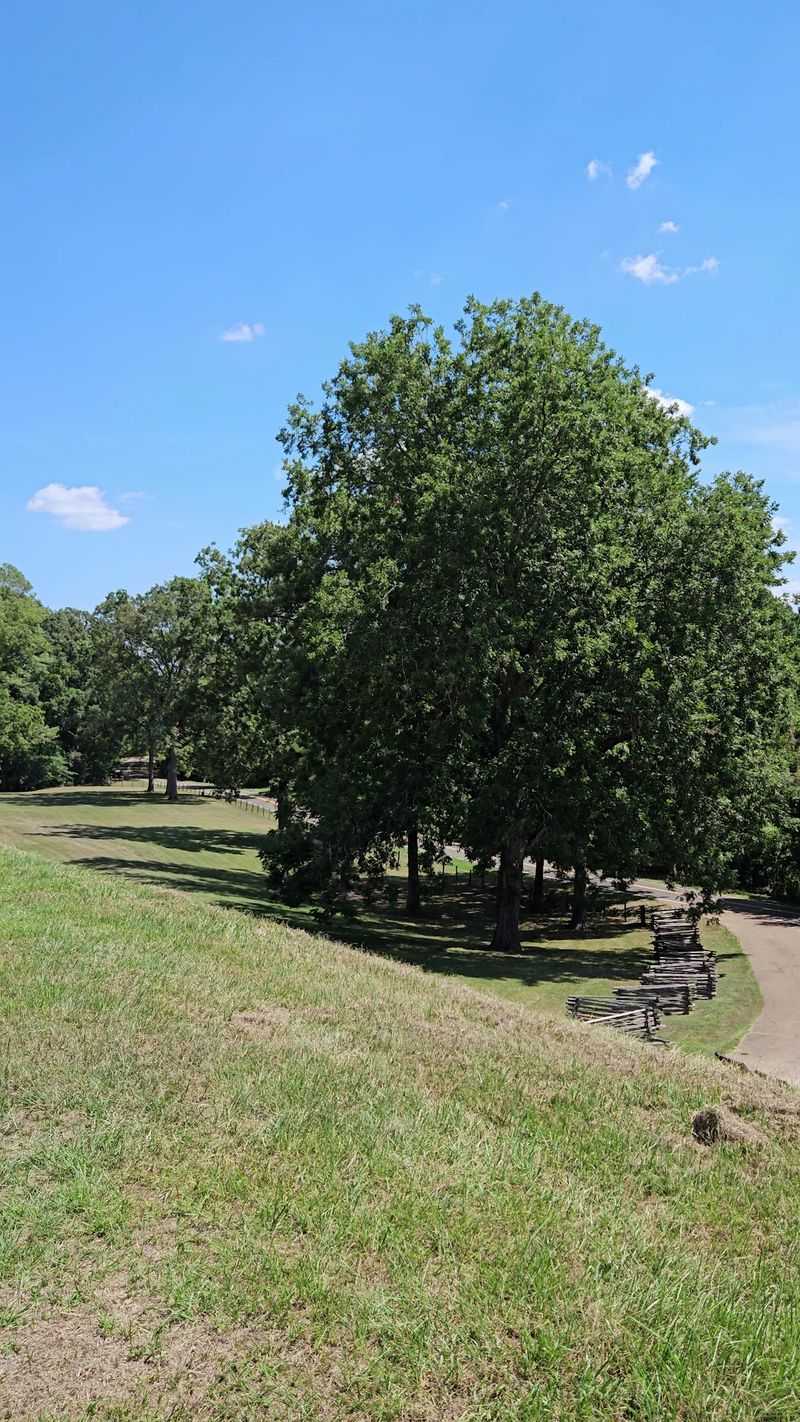
Few free stops in Mississippi pack this much history into such a short visit. In under an hour, families can climb part of the second-largest Mississippian ceremonial mound in the country and stand where ancient leaders once lived.
The appeal is quiet rather than flashy. No gift shop, no tour guide, and no crowds, just open land, helpful signs, and a remarkable structure shaped by human hands.
Guests who bring curiosity tend to call it unforgettable.
Kids walk away with a clear takeaway: people worked together across generations to build something enormous. That lesson about community and patience can echo for the rest of the trip.
One visitor summed up the feeling as appreciating the community that created this ritual site.
Pair it with a day exploring Natchez or a scenic drive up the Trace for a well-rounded outing. Pack water, wear good shoes, and give the signs a few minutes of attention before climbing.
For families who enjoy learning outdoors, Emerald Mound offers an easy, budget-friendly chance to connect with Native American heritage. Treat it with respect, take in the view, and let the size of it speak for itself.