
This Forgotten Building In The Mississippi Delta Is Now A Foodie Paradise That Is Worth The Trip
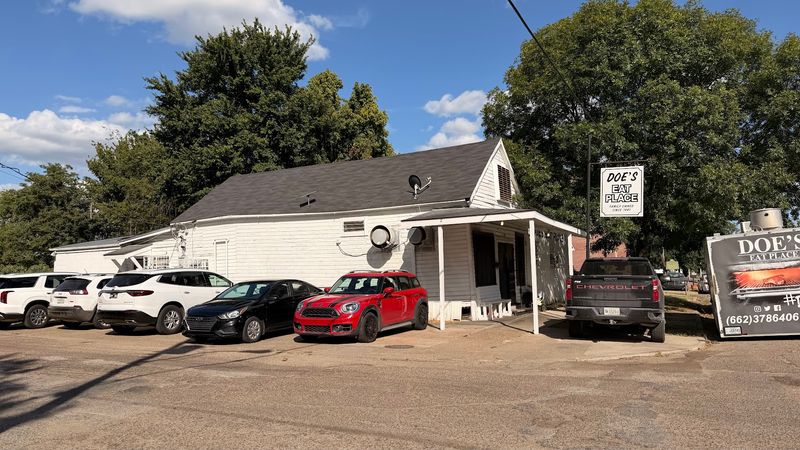
Flat cotton fields rolled past our car windows for miles before hunger finally won out. We pulled up to a plain old building in Mississippi that looked more like a forgotten corner store than a famous restaurant.
Inside, we found steaming tamales, giant steaks, and a family story that stretches back more than a hundred years. For families exploring the Delta, this stop turns an ordinary lunch break into a real slice of Southern history.
1. From Corner Grocery to Eat Place
Back in 1903, the building on Nelson Street in Greenville sold groceries, not steaks. Neighbors called it Papa’s Store, and it served the Signa family and their community as a simple place to pick up everyday goods.
Everything shifted after the Great Flood of 1927 swept across the Delta. Families lost homes, crops, and businesses, and the Signas had to find new ways to make a living.
Dominick Signa, known to everyone as Big Doe, and his wife Mamie adjusted to the hard times with grit and creativity.
Around 1941, Mamie started making hot tamales, and word spread quickly. People kept coming back for more, and the old grocery slowly became a place to eat instead of a place to shop.
Big Doe later added steaks to the mix, and the menu that diners still love today began to take shape.
Kids usually find this part of the story fascinating. A shop that started over a century ago still stands, still belongs to the same family, and still feeds hungry visitors.
Sharing that timeline over dinner makes a great history lesson without anyone needing a textbook or a museum ticket.
2. Two Doors, Two Very Different Crowds
Picture a building with a split personality. During its early days, the front room hosted a lively local hangout with music, while the back room was simply the family kitchen where Mamie cooked her tamales.
Customers soon figured out which entrance to use. Folks looking for tamales or a steak dinner would head around to the back door, while the front catered to an entirely different crowd.
Two separate experiences lived under one roof, divided by little more than a wall and a doorway.
Over time, the food side grew so popular that it took over completely. The entire ground floor eventually became one big eat place, and the old split arrangement turned into a fun piece of local lore that regulars still talk about.
Families can make a game of it when they arrive. Ask the kids to guess which door customers once used for tamales and which led somewhere else.
Little details like this help children see how buildings change along with the people inside them.
Walking through the entrance today, you are stepping into the same space where hungry Delta neighbors once lined up for Mamie’s cooking, long before anyone outside Mississippi knew her name.
3. Dining Inside a Former Family Home
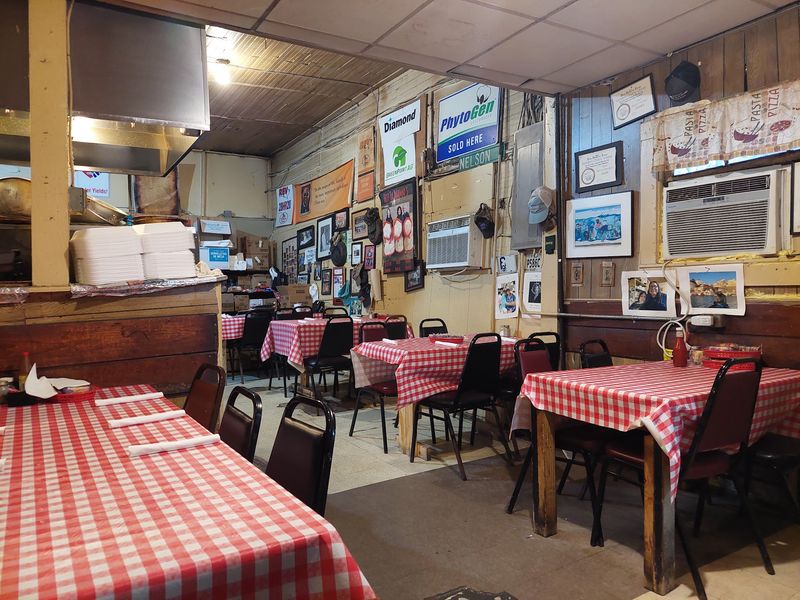
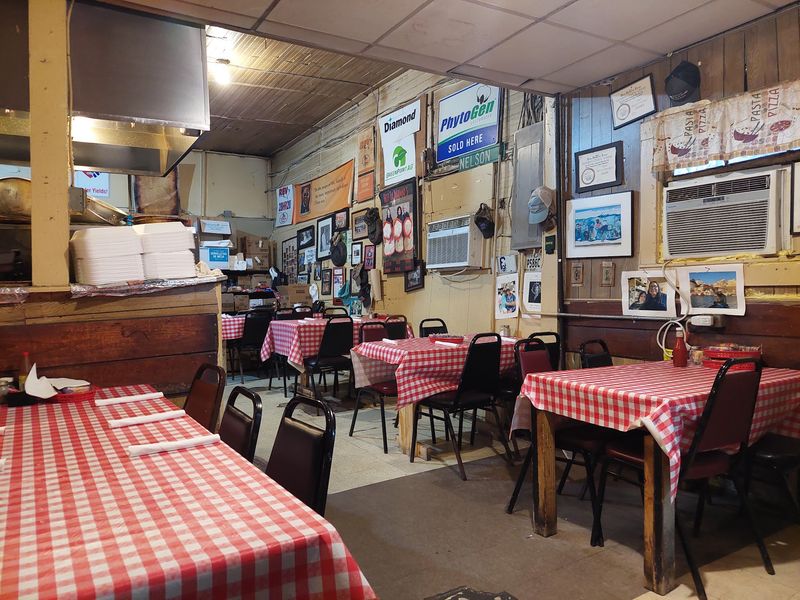
Forget white tablecloths and fancy chandeliers. The tables here sit in rooms that once served as the Signa family’s living space, and the decor has barely changed in decades.
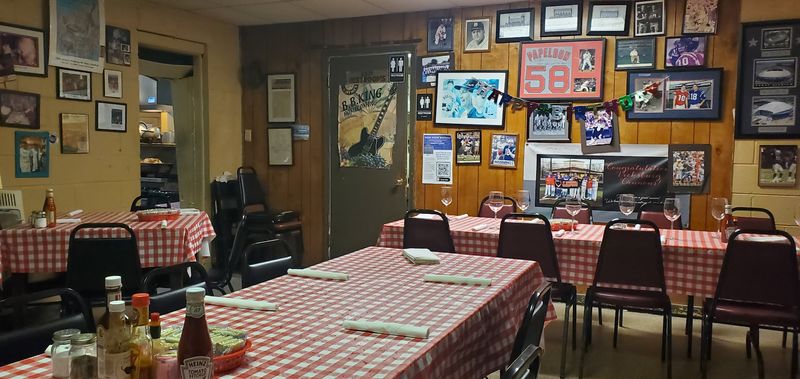
Mismatched chairs, simple tables, and walls covered with old photos and newspaper clippings give the place a lived-in feel. Some guests end up seated so close to the kitchen that they can watch the cooks at work, which feels more like visiting a relative than going out to dinner.
For parents, that relaxed setting is a real gift. Nobody expects silence or perfect manners from little ones, and the cozy rooms make it easy to talk and laugh together.
Toddlers wiggling in their seats will hardly stand out in a space this casual.
Duck hunters in camouflage often share the room with couples dressed up for anniversaries. That mix of guests shows how welcoming the restaurant is to everyone, no matter what they are wearing or where they come from.
Point out the framed pictures while you wait for your order. Many tell stories about the family, famous visitors, and the long journey from grocery store to beloved Delta institution, giving curious kids plenty to explore.
4. Mamie’s Hand-Rolled Hot Tamales
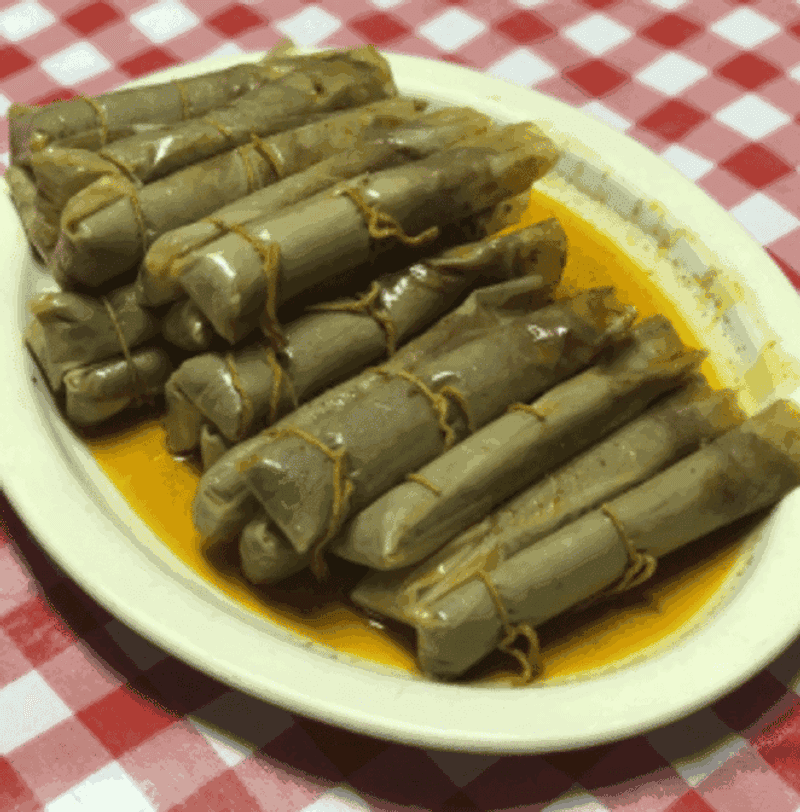
Hot tamales are serious business in the Mississippi Delta, and this kitchen helped make them famous. Mamie Signa’s recipe, first served around 1941, still guides how the tamales are made today.
Delta tamales differ from the Mexican versions many families know. They are usually smaller, simmered rather than steamed, and packed with a spiced meat filling that leaves a gentle warmth on the tongue.
Each one is rolled by hand, so no two look exactly alike.
Ordering a batch for the table works well for groups. Kids can try one or two without committing to a full plate, and adults can enjoy them as a starter while waiting for steaks to cook.
Napkins are a must, since things tend to get a little messy in the best way.
Curious young eaters might enjoy hearing that tamales came to the Delta through a blend of cultures, likely including migrant workers and local cooks who shared recipes. Food historians still debate the exact origins.
If anyone in your crew is nervous about spice, ask your server about the heat level. The flavor tends to be bold but friendly, a great first taste of real Delta cooking.
5. Steaks Big Enough to Share
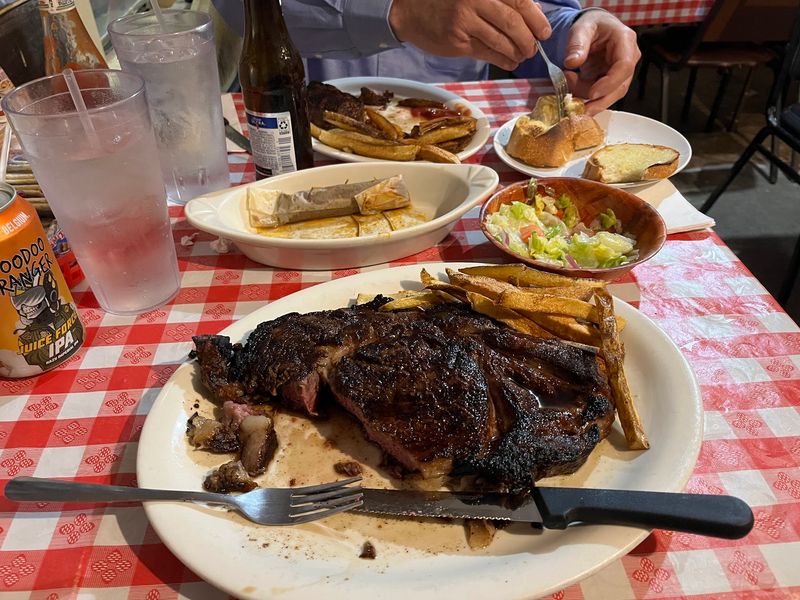
Size matters when it comes to the steaks here. Big Doe introduced them after the tamales took off, and the hand-cut porterhouses quickly became the stuff of legend across the South.
Each steak is cut and cooked to order, often reaching sizes that one person alone would struggle to finish. That makes them perfect for families who like to share.
Splitting one large porterhouse among two or three people keeps the bill reasonable and lets everyone taste the house specialty.
National food writers have taken notice too. The porterhouse has been named among the top must-eat dishes in America, putting a humble Greenville kitchen on the same lists as big-city steakhouses.
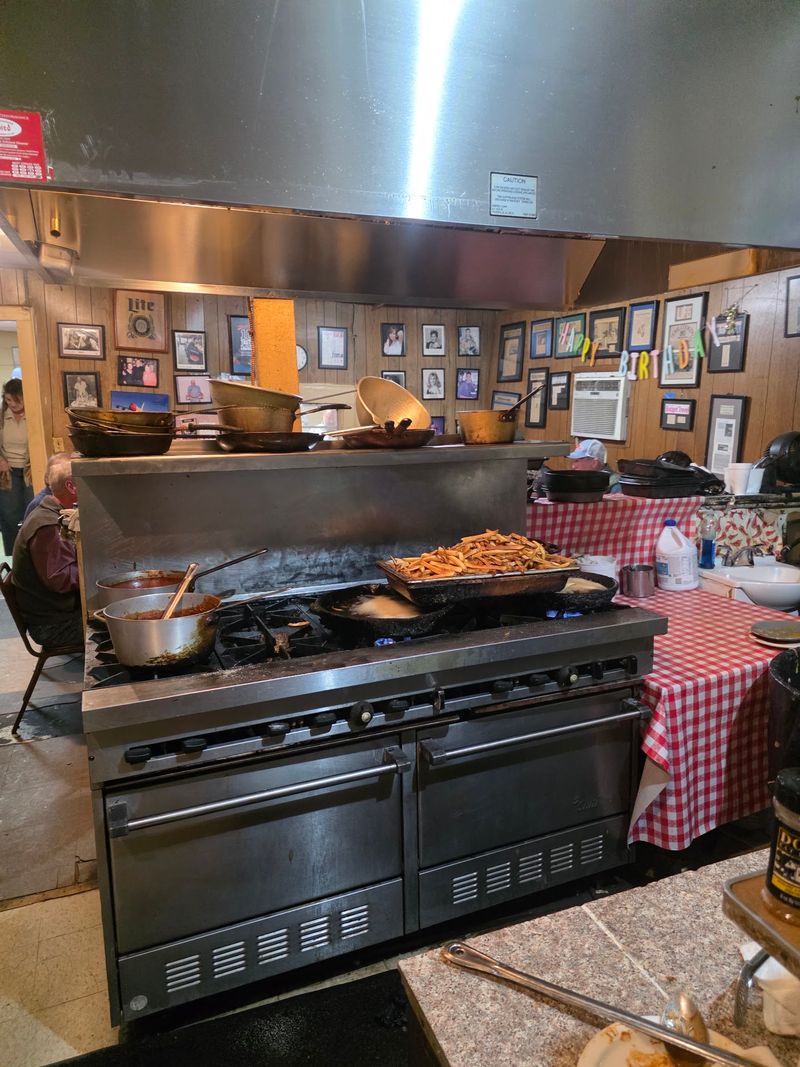
Watching the cooks work can be part of the fun. Depending on where you sit, you might catch glimpses of steaks sizzling on old equipment that has turned out thousands of meals over the years.
Arriving hungry is the best strategy. Plan a light lunch, maybe skip the afternoon snack, and give everyone a chance to enjoy a meal that many travelers say they still think about long after leaving Mississippi.
6. Lemon Salad and Homemade Fries
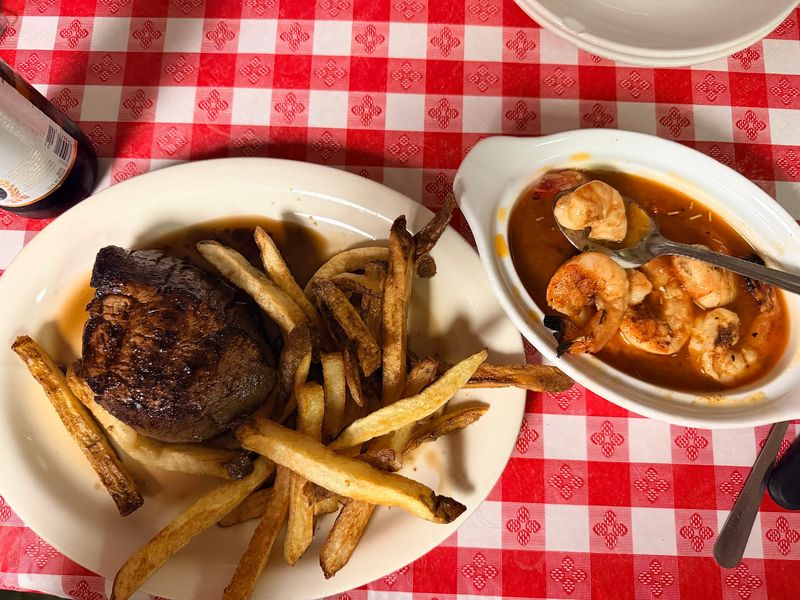
Side dishes rarely get the spotlight, yet the sides here have their own loyal fans. A crisp salad tossed in a bright lemon dressing arrives as a refreshing break from the rich steaks and tamales.
Tangy and simple, the salad surprises many first-timers. It is not drowned in heavy dressing, so the lemon and seasoning really shine.
Picky eaters who usually avoid greens sometimes find themselves reaching for seconds.
Then come the fries, cut and cooked in-house. Golden, hot, and perfectly salty, they tend to vanish fast once a basket hits the table.
Kids who are unsure about tamales or giant steaks can always count on these to keep them happy.
Ordering style here is a little unusual. The menu has never really been formally printed in the traditional way, so servers often walk guests through the options.
Ask questions, and let staff help you build a meal that fits your family’s appetite.
Together, salad, fries, tamales, and steak make a full Delta feast. Mixing and matching across the table lets every family member find a favorite, whether they love bold flavors or prefer to keep things classic and familiar.
7. A James Beard Classic Run by Family
Few restaurants earn the James Beard Foundation’s America’s Classics Award, an honor given to beloved, family-run spots with deep roots in their communities. This Greenville landmark proudly holds that recognition.
What makes the award meaningful is who still runs the place. Members of the Signa family continue to operate the restaurant, carrying forward recipes and traditions passed down through generations.
Walking in feels like joining a family dinner that has been going on for over 80 years.
Children often connect with the idea of family businesses. Talk about how grandparents, parents, and kids all worked together here, and how each generation added something new while protecting what made the place special in the first place.
The restaurant’s fame even inspired other locations bearing the same name in different cities. Still, the original Delta building holds a charm that copies simply cannot match, thanks to its history and setting.
Visiting the original gives families bragging rights and a story to tell. Kids can tell classmates they ate at a nationally honored restaurant that started as a tiny neighborhood grocery store more than a century ago.
8. Planning Your Family Visit to Greenville
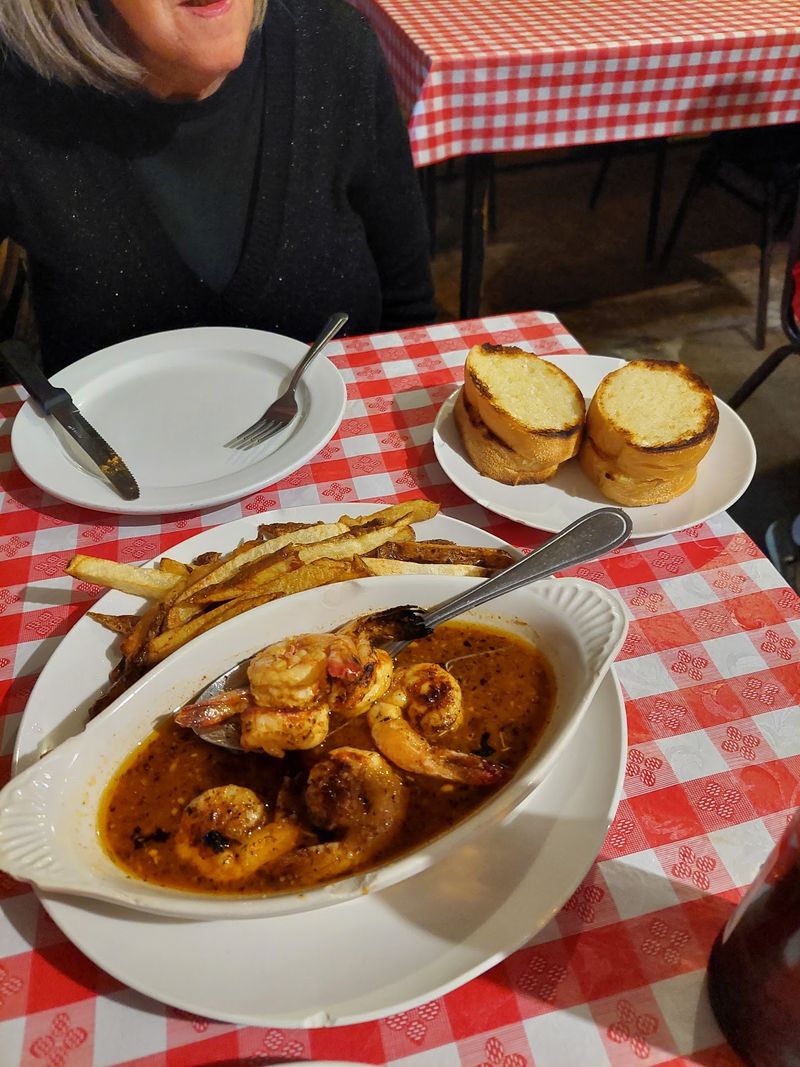
Greenville sits right along the Mississippi River in the heart of the Delta, making it an easy stop on a family road trip through the region. Pairing dinner with nearby sights turns one meal into a full day of adventure.
Timing helps a lot. The restaurant is a popular dinner spot, so arriving early in the evening can mean shorter waits, which matters when little stomachs start rumbling.
Calling ahead to check hours is a smart move before you hit the road.
Before or after eating, explore the area. Families can stroll near the river, learn about the 1927 flood that shaped local history, and spot markers along the Mississippi Blues Trail.
Each stop adds context to the story your kids just heard at the dinner table.
Dress casually, bring an appetite, and plan to share. Big portions mean leftovers are common, so a small cooler in the car can come in handy for the drive back to your hotel.
Most of all, slow down and soak it in. Meals like this create the kind of travel memories families talk about for years, long after the last tamale is gone.