
This Little Massachusetts Farm Sells Grass-Fed Beef That Locals Say Is Worth Every Penny
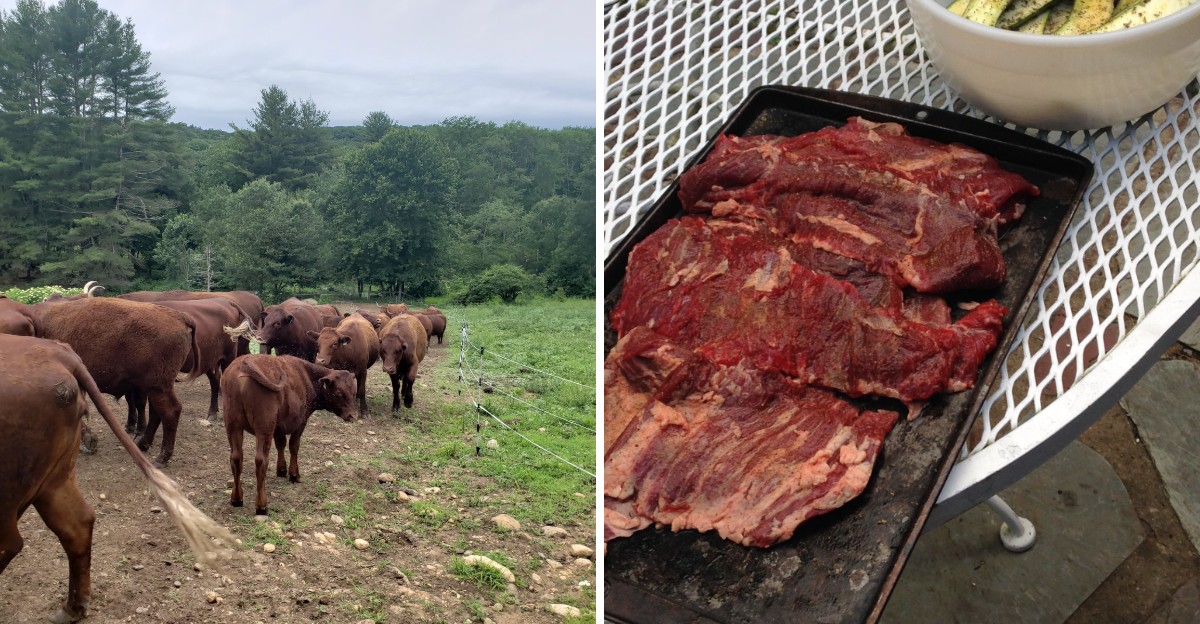
The rib eyes at this farm can sell out within hours of becoming available. That’s not a typo.
People really line up, figuratively speaking, for steaks from a small herd of red cattle.
The cattle are raised for at least three years on a 100% grass-fed diet that includes fresh pasture and hay. They drink spring-fed water and roam fresh paddocks every day.
I have to admit, that sounds like a better routine than most of us manage.
The farm also earned a rare double honor in New England. The farm holds Animal Welfare Approved and 100% grass-fed certifications and has described itself as the only New England beef producer with both.
I find that especially appealing because the care shows up right on the plate.
This quiet corner of Massachusetts even lets visitors pat the cows. So what makes beef worth a waiting list?
Meet The Only Beef In New England With This Double Badge
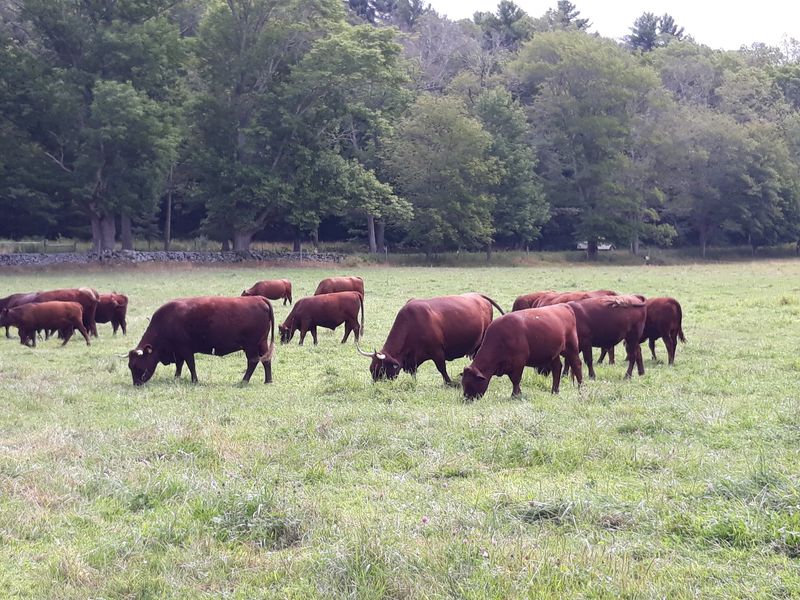
Certifications usually sound boring, but this pair is a big deal. Walker Farm at Whortleberry Hill holds Animal Welfare Approved and 100% grass-fed certifications, a combination the farm has described as unique among New England beef producers.
The farm also earned a perfect score from A Greener World, the group behind Animal Welfare Approved standards. Perfect scores don’t come easy in farming.
Ask anyone who’s tried to keep a herd happy through a New England winter.
So what does grass-fed and grass-finished really mean? These cattle eat grass and hay their whole lives, with no grain stage at the end.
Many beef labels only promise part of that story.
Here, the cows are never confined and move to fresh paddocks daily. They never get hormones or antibiotics.
The farm grows its own non-GMO pasture and hay, so it controls what goes into every bite.
I’d be tempted to read the labels at my local grocery store afterward, just to compare. The difference in standards might surprise you.
Most supermarket packages can’t make claims this complete.
The takeaway is simple and practical. If you care how your food was raised, this Massachusetts farm checks every box.
You get beef you can feel good about, plus a story you can tell at dinner.
These Ruby Red Cows Were Picked For Flavor And Good Manners
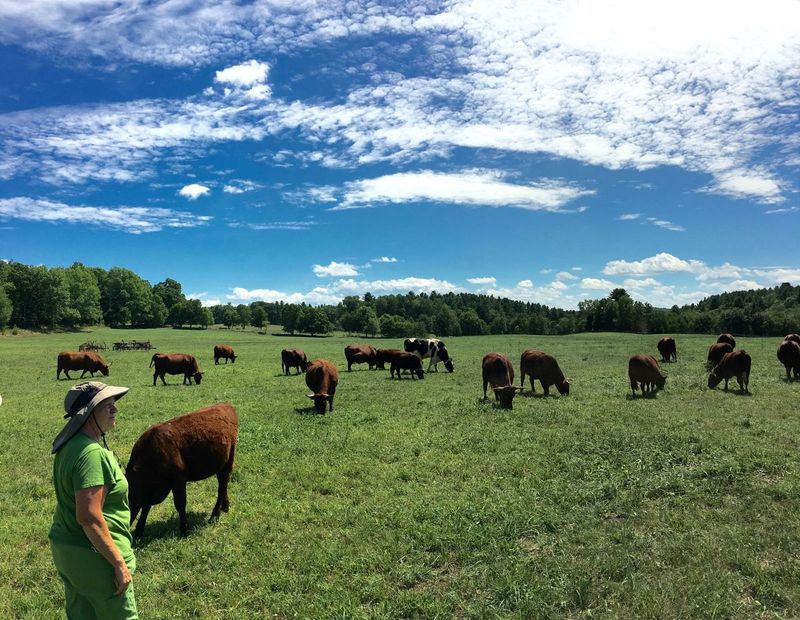
Not every cow is cut out for an all-grass life. Some breeds struggle to build flavor without grain, which is why the farm chose Ruby Red Devon cattle.
Red Devons have a reputation for marbling well on grass alone. Marbling means those thin streaks of fat inside the meat.
They’re the reason a steak tastes rich instead of dry.
The breed is also known for its docile, easygoing personality. That matters when visitors show up hoping to pat a cow.
A calm herd makes the whole farm feel welcoming.
The farm established its Red Devon herd in 2012, and its cattle are bred, born, and raised on the property. Every animal is bred, born, and raised right on the property.
Nobody gets shipped in from somewhere else.
That kind of closed loop is rare. It means the family knows each animal’s history from day one.
Honestly, that’s more than most of us know about our own houseplants.
Their deep red coats look striking against green fields, too. If you bring a camera, you’ll probably fill it fast.
Kids tend to love spotting the difference between the calves and the grown-ups, and the cows don’t seem to mind the attention one bit.
Three Years Of Patience Goes Into Every Steak
Speed is not the plan at Walker Farm at Whortleberry Hill. Cattle here are raised to at least three years of age before harvest.
Many commercial operations move much faster.
Why wait so long? Extra time on pasture helps flavor develop slowly and fully.
Owner Joan Walker often describes the result as buttery.
One chef reportedly said the taste reminded him of beef he hadn’t eaten since living in France. That’s quite a compliment for a farm in central Massachusetts.
The farm even calls its beef premier cru, a French term for top-tier quality.
Harvest also follows the seasons. Beef is harvested from spring through fall, when the grass is at its best.
That timing helps keep the grass-fed flavor strong.
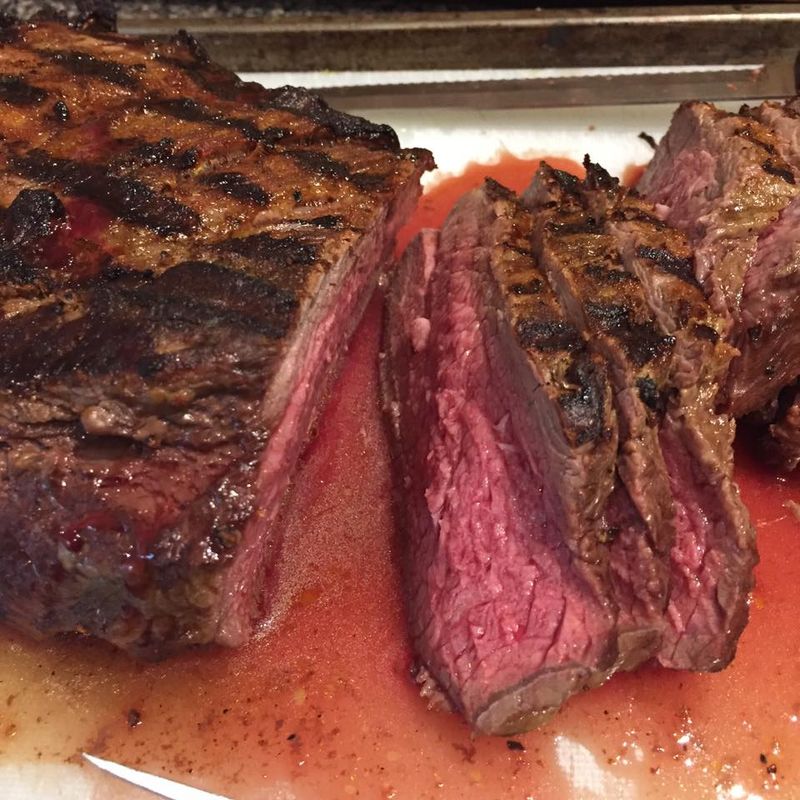
Here’s a practical tip worth remembering. Grass-fed beef is leaner than many grocery cuts, so it cooks faster.
Joan’s advice to customers is famously simple: don’t overcook the meat.
Use a meat thermometer and pull steaks a little early. Let them rest before slicing.
After three years of careful raising, a few extra minutes of attention in your kitchen seems like a fair trade, right?
You May Need Quick Reflexes To Snag A Rib Eye
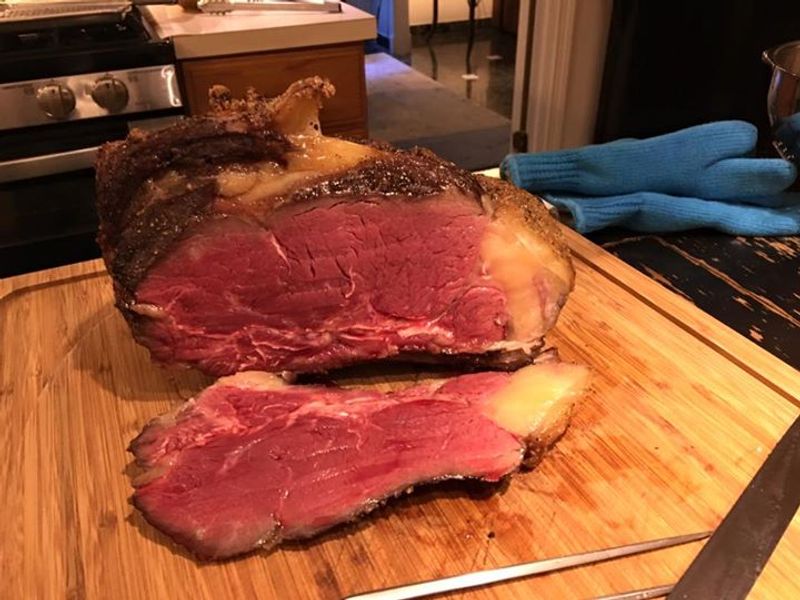
Good luck being casual about the rib eyes. They often sell out within hours of becoming available.
That’s the kind of demand most butchers only dream about.
The farm sells beef in a few different ways. You can buy individual cuts directly from the farm and reserve specific cuts for future availability.
Bulk orders are arranged directly with the farm.
A waiting list is common, so planning ahead pays off. If you want a specific cut, reach out early.
Patience is part of the deal with a small herd.
Buying in bulk can make sense for families who eat beef often. You’ll fill your freezer with a range of cuts at once.
Just measure your freezer space first, because a half cow takes up more room than you’d think.
I’d be tempted to start with a few steaks and some ground beef. That way, you can taste the difference before committing to a big order.
Short ribs and skirt steak are other cuts worth considering.
Whatever you choose, ask questions when you buy. The family is happy to explain the cuts and how to cook them.
That friendly guidance makes the whole experience feel personal, not transactional.
Yes, Patting The Cows Is Actually On The Menu
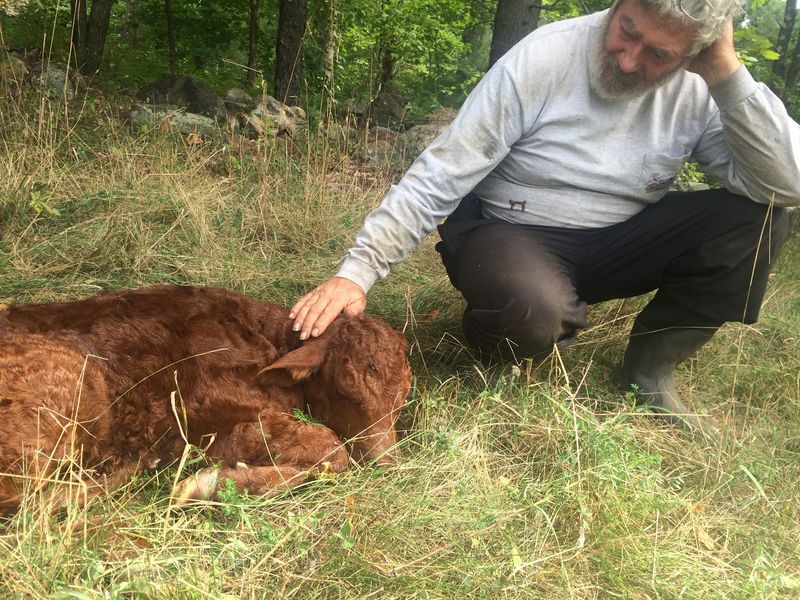
Few farms invite you to say hello to your future dinner. This one encourages visitors to arrange a visit, see how things work, and pat some cows.
It’s a hands-on lesson that no textbook can match. Kids get to see where food really comes from.
Adults usually learn just as much.
Visits work best when you set them up ahead of time. The farm is a working operation, and the family isn’t always on site.
A quick call before you go saves you a wasted trip.
Once there, you can see the rotational paddocks in action. The cattle move to fresh grass daily instead of standing in a crowded pen.
Seeing that system up close makes the humane certification feel real.
Wear sturdy shoes, since farms are muddy places. Leave fancy sneakers at home unless you enjoy scrubbing them later.
A light jacket helps on breezy days, too.
And keep an eye out for Waldo. The owner once thanked visitors for coming to see the cows and find Waldo.
Who or what Waldo is, I can’t say for sure. Finding out sounds like half the fun.
Land With Roots Older Than The Country Itself
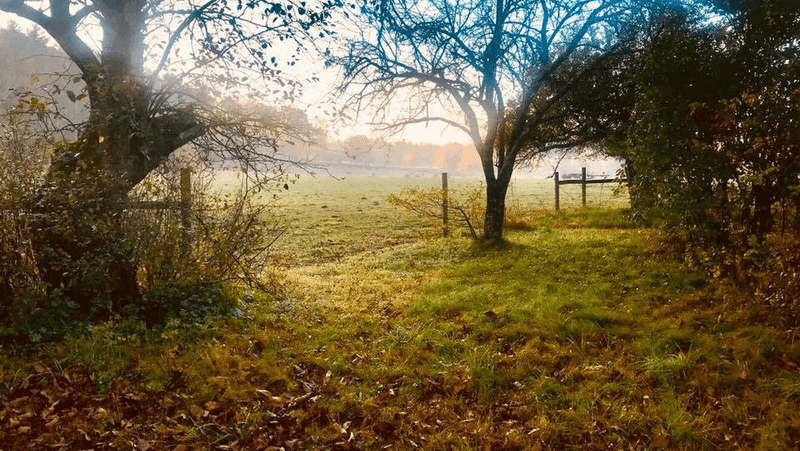
King George once had a hand in this property. It stands on an original land grant from the British Crown, back when Massachusetts was still a colony.
The site has worked as a homestead and farm since 1763. That’s more than a decade before the American Revolution began.
Farming here reportedly stretches back even further, into the 1600s.
Long before European settlers arrived, this area was the ancestral homeland of the Nipmuc people. Their history is a meaningful part of the land’s story.
It’s worth keeping in mind as you look across the fields.
The current family has owned the land since the 1950s. That’s roughly seventy years of care under one family name.
Few places can claim such steady stewardship.
The property is surprisingly big, too. It spreads across parts of New Braintree, West Brookfield, and North Brookfield.
One farm, three towns, which is a fun fact to drop at trivia night.
History buffs will appreciate standing on ground with this kind of past. You don’t need to be a historian to feel it, though.
Old stone walls and wide pastures tell plenty of the story on their own.
Trees Get Just As Much Love As The Cattle
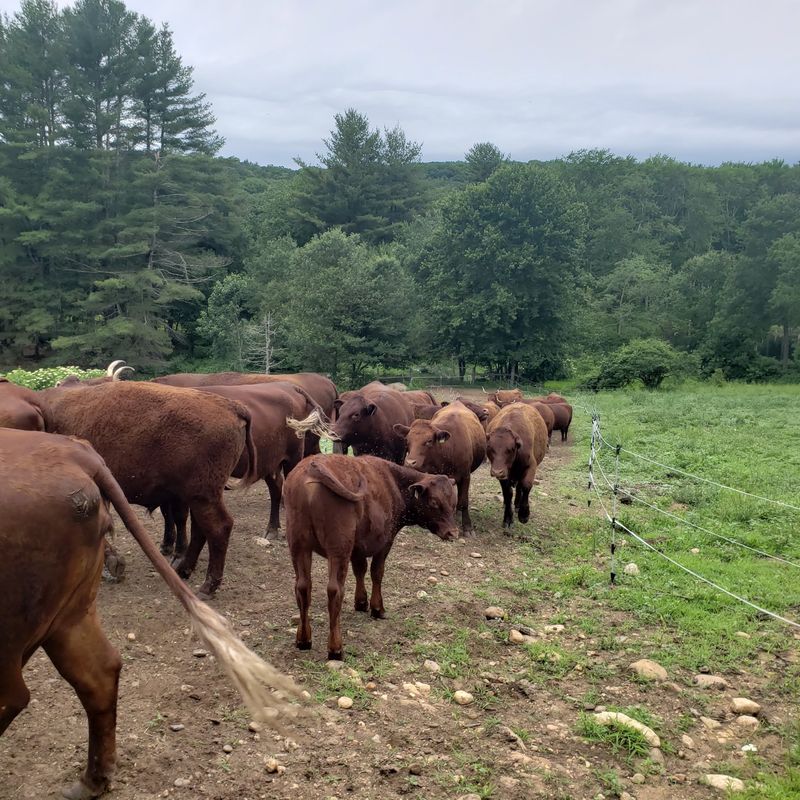
In 2010, the farm picked up an award you might not expect. It was named Massachusetts Tree Farm of the Year.
That honor recognizes smart, long-term forest care. Healthy woods support wildlife, clean water, and good soil.
All of that connects back to the pastures the cattle graze.
The woodland side of the farm produces real goods, too. Firewood and lumber are among the products offered.
Cozy fires and backyard projects can both start here.
Bees are part of the picture as well. The farm offers honey and beeswax products alongside its beef.
Pollinators and pastures make a natural team.
A small stand sometimes carries seasonal produce. What’s available changes with the calendar, so treat it as a bonus rather than a sure thing.
Grabbing fresh vegetables next to your steaks is a pretty great combo.
I find this variety especially appealing because it shows how the whole farm works together. Grass feeds cattle, trees shelter land, and bees help everything grow.
Walker Farm at Whortleberry Hill feels less like a single business and more like a balanced little world, which is exactly what good farming should look like.
The Little Farm Store Is Where The Magic Gets Bagged
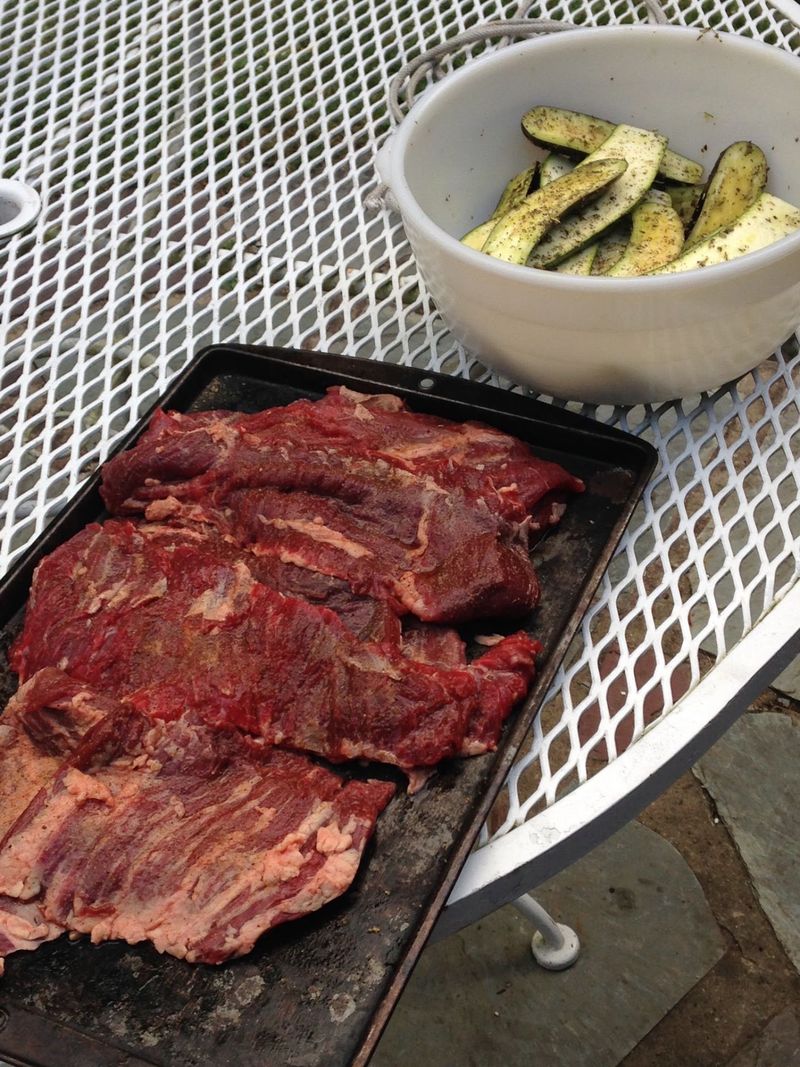
Shopping here feels refreshingly simple. A small store sits right on the farm, with beef cuts waiting in the freezer for direct purchase.
You’ll find it at 1290 W Brookfield Rd in New Braintree, Massachusetts. The drive takes you through quiet central Massachusetts countryside.
It’s a pleasant escape from busy highways and crowded parking lots.
Hours can vary, so check before heading out. The family is sometimes away, and a small farm doesn’t run like a big chain.
A quick call keeps your trip smooth.
Bring a cooler with ice packs, especially in warm weather. Frozen beef needs to stay cold on the ride home.
This one step protects your purchase and your investment.
Inside, take a moment to look at the different cuts. Ask about anything unfamiliar, since the family loves talking about their animals and their meat.
You might leave with a new favorite cut you’d never tried.
Honey and beeswax items may catch your eye, too. They make easy gifts for friends who appreciate local goods.
Honestly, a jar of farm honey beats another candle from the mall any day.
Why The Price Tag Makes More Sense Than You’d Think
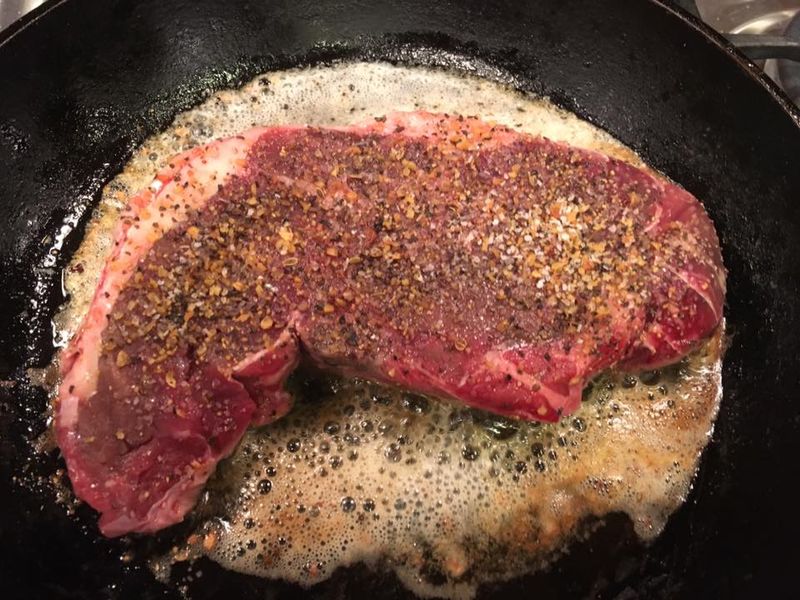
Let’s be honest about the cost. Grass-fed beef raised for three years costs more to produce than fast-raised grocery beef.
The owner openly says she works hard to make it worth the investment.
Think about what goes into each package. There’s years of pasture time, daily paddock moves, homegrown hay, and spring-fed water.
Add strict humane standards, and the value starts adding up.
Fans of the beef often point to its rich taste and marbling. Some describe an almost buttery quality, even in the hamburger.
That’s high praise for something as everyday as ground beef.
The steady waiting list says a lot, too. People don’t wait for something they think is ordinary.
Fast-selling rib eyes back that up.
To get the most for your money, cook it with care. Season simply, cook gently, and rest the meat before slicing.
Great beef doesn’t need heavy sauces hiding it.
Walker Farm at Whortleberry Hill isn’t trying to be the cheapest option in Massachusetts. It aims to be the most thoughtful one.
For many families, knowing exactly how dinner was raised is worth every penny, and the flavor seals the deal.