
The Wisconsin Wildlife Refuge Where Thousands Of Cranes Gather Every Fall
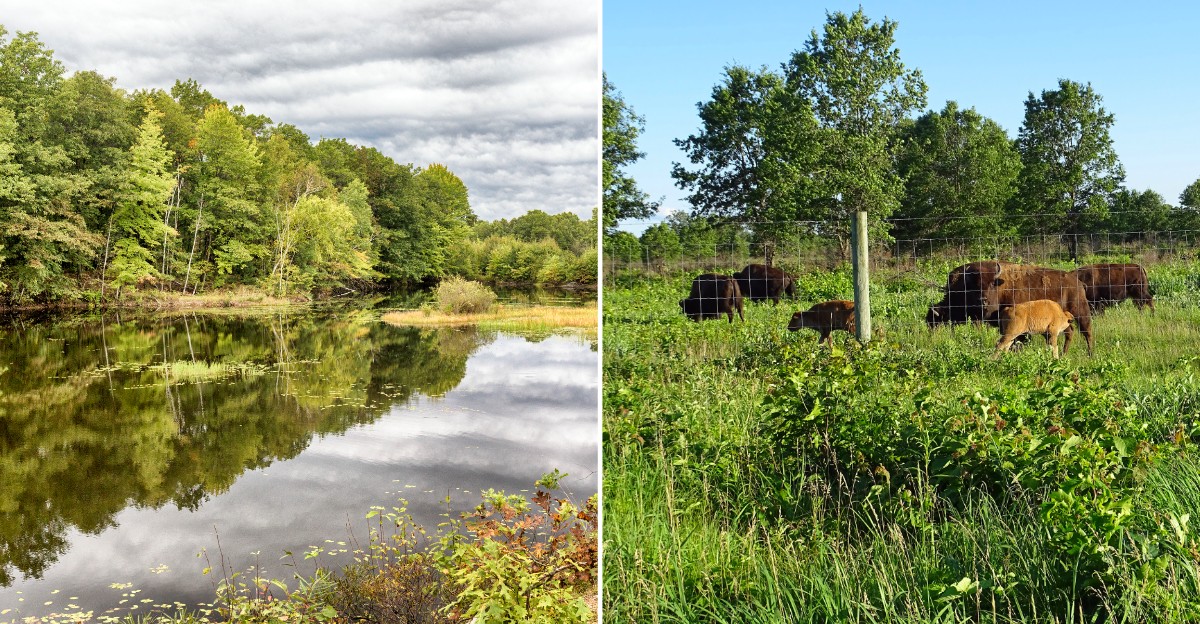
Thousands of sandhill cranes drop into a single marsh at dusk every fall, calling the whole way down. They spend the day feeding in nearby fields, then return to roost as the light fades.
The crowd usually peaks from mid-October to mid-November. An observation tower overlooks the marsh, so you get a front-row seat without wading in.
The cranes are not the only surprise here. A small bison herd roams a fenced prairie, and the entire property sits behind a tall deer-proof fence built for research. I appreciate that a place this wild in Wisconsin costs nothing to enter.
I can see why people plan whole autumn weekends around one sunset. The real question is how many evenings it takes before you stop counting cranes and just listen.
Thousands Of Cranes Pick This Marsh For Their Evening Commute
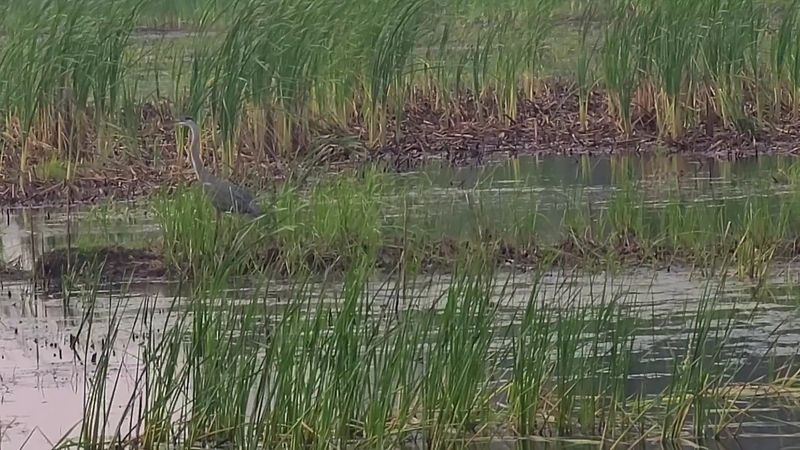
Every autumn, Sandhill Wildlife Area turns into one of the busiest crane hangouts in the Midwest. Thousands of sandhill cranes use this Wisconsin property as a staging area before heading south.
Their daily routine is surprisingly tidy. The birds spend daylight hours feeding in surrounding farm fields, building strength for the long trip.
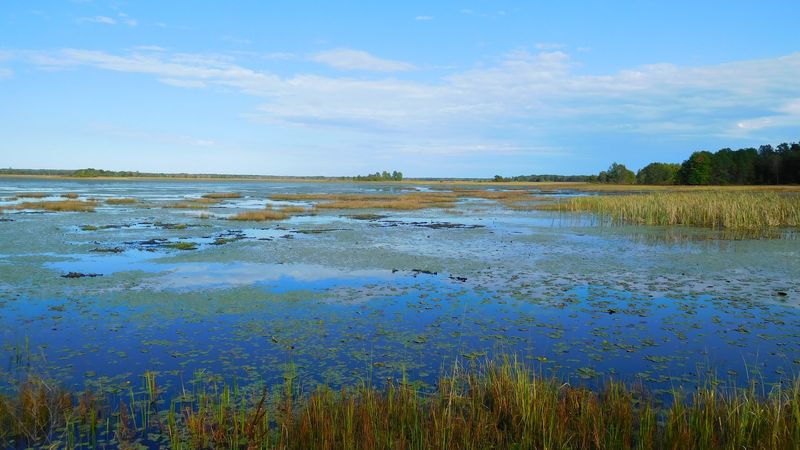
As evening approaches, they return to Gallagher Marsh to roost for the night. Flock after flock glides in, and the marsh fills with their rattling, bugle-like calls.
Timing matters here, so mark your calendar. The show usually peaks from mid-October to mid-November. Arrive before sunset to give yourself time to settle at the viewing spot. The cranes keep their own schedule, and they won’t wait for latecomers.
Dress warmer than you think you need. Late fall evenings in central Wisconsin can turn chilly fast once the sun drops. Binoculars help you pick out details as the birds land. A camera with a decent zoom will thank you too.
Mostly, though, this is a moment to stand still and listen. Few sounds compare to thousands of cranes talking at once over a darkening marsh.
Claim Your Spot On The Tower Before The Sky Gets Crowded
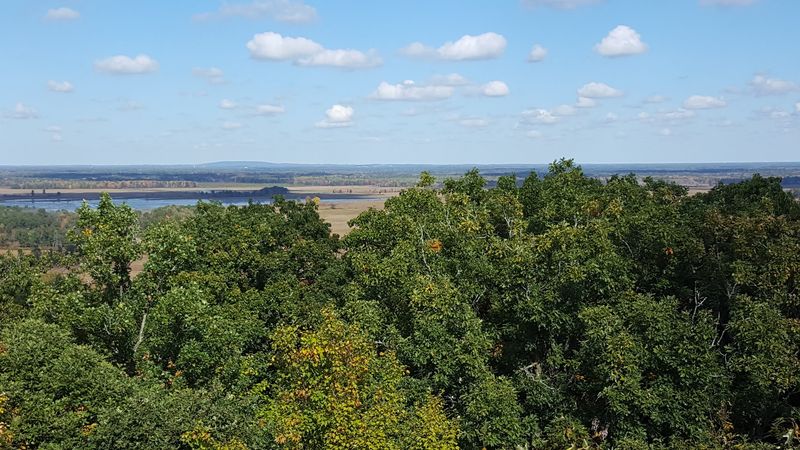
Height changes everything when thousands of birds are landing at once. The Gallagher Marsh observation tower gives you open views of the cranes’ evening arrival.
From up there, the marsh spreads out below like a giant stage. You can follow whole flocks from the horizon right down to the water.
Towers are a big part of the fun at this property. Another one, the Bison Barrens Tower, overlooks the fenced prairie where the bison roam.
A third tower sits on the North Bluff Trail, which climbs about 200 feet above the land around it. That tower is currently closed, so plan your visit around the open ones. Bring a small cushion or folding seat if you plan to wait. Crane watching often means patience before the payoff.
Keep your voice low once the birds start arriving. Quiet watchers usually enjoy the best experience, and so does everyone standing nearby. Getting there a little early also gives your eyes time to adjust. The fading light makes the scene softer and harder to read.
Think of the tower as your balcony seat. The marsh supplies the performers, and admission costs nothing.
A 14-Mile Drive Lets You Go Wildlife Hunting In Your Front Seat
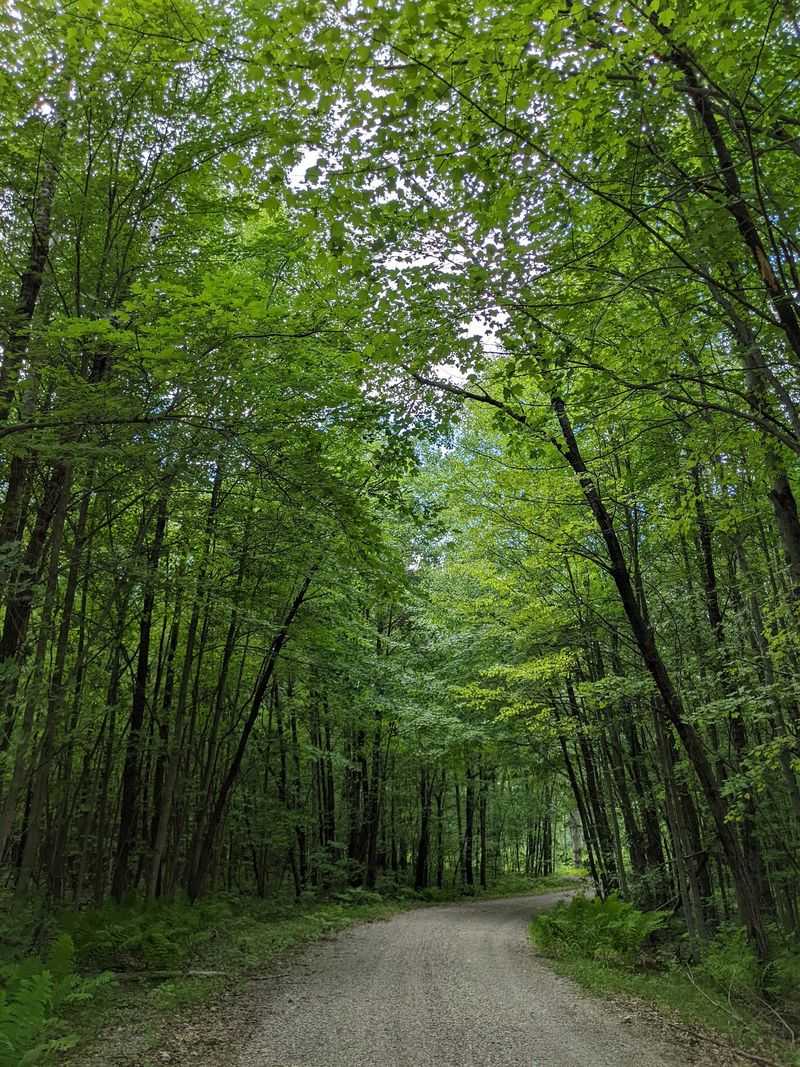
Windows down, speed low, eyes wide open. That’s the best way to handle the Trumpeter Trail. This one-way auto tour stretches 14 miles through Sandhill Wildlife Area. Cars, bikes, and hikers all share the route.
The scenery shifts often along the way. You’ll pass flat marshes, wooded uplands, and forests of oak, aspen, and jack pine. Interpretive signs pop up along the route to explain what you’re seeing. They cover how people and natural forces have shaped the habitats and wildlife here.
The road is narrow, so take your time. Rushing defeats the purpose when deer or swans could be just around the bend.
The tour typically runs from spring through fall. It usually closes around early November, so late crane season might mean parking and walking. Walk-in gates stay open even when vehicles can’t enter. That keeps the trail available to anyone willing to use their own two feet.
Plan for a relaxed pace rather than a quick loop. Pack snacks, a map, and plenty of curiosity. Remember to stop at pull-offs instead of braking in the road. Your fellow wildlife fans will appreciate it.
Yes, Those Really Are Bison Grazing In Central Wisconsin
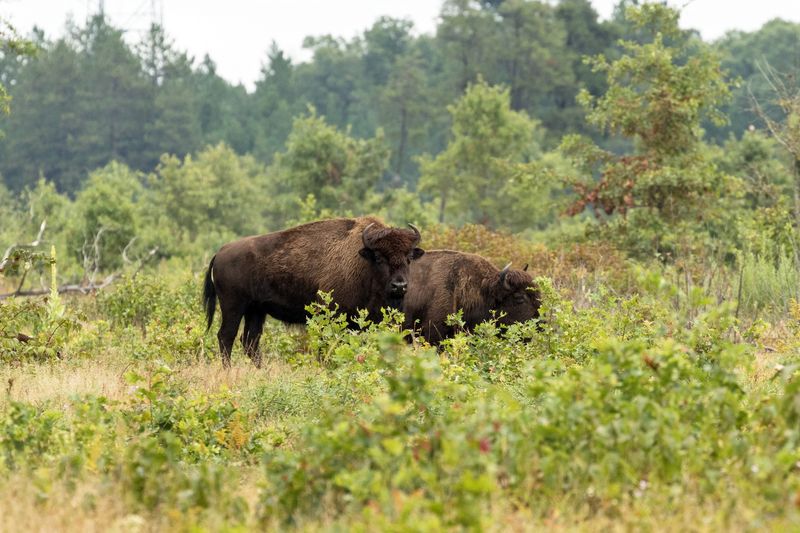
Bison are probably not the first animal that comes to mind in the Badger State. At Sandhill, though, a small herd roams fenced prairie land.
These shaggy residents descend from the original herd kept by Wallace and Hazel Grange. That makes them living links to the property’s early days. Your best viewing chances come from the Bison Barrens Tower or the Bison Byway. Both give you a look across their grassy home.
Bison don’t follow a schedule for visitors, of course. Some days they graze close by, and other days they wander toward the back of their range. Binoculars make a huge difference here. Spotting a dark shape far across the barrens is much more fun when you can actually see horns.
Kids especially tend to get a kick out of this part. Big, fuzzy animals have a strong pull on younger visitors. Give yourself a few minutes at the tower before giving up. Scanning slowly across the prairie often reveals what a quick glance misses.
Cranes may headline the fall season. The bison, however, steal plenty of attention the rest of the year.
Swans, Eagles, And Rare Butterflies Want Their Spotlight Too
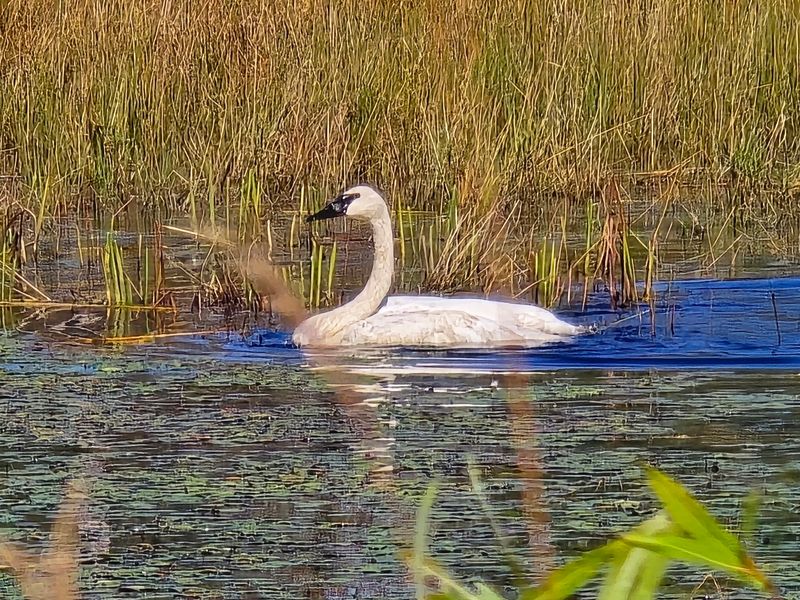
Cranes get the headlines, but the supporting cast deserves applause. Sandhill Wildlife Area offers critical habitat for a wide mix of animals. White-tailed deer are common sights across the property. Bald eagles and trumpeter swans also make appearances around the wetlands.
Various furbearers live here as well. Keep an eye on the flowages and marsh edges for signs of activity. Rarer residents add an exciting twist. Threatened or endangered species, including Karner blue butterflies and whooping cranes, have been spotted here.
Spotting a whooping crane would be a true bonus moment. Treat it as a happy surprise, not a guarantee. Karner blues are tiny, so slow down near open sandy areas in warmer months. Small creatures reward patient eyes.
A simple field guide or bird app can turn a drive into a scavenger hunt. Checking off species keeps everyone in the car engaged. Early and late hours often feel livelier for wildlife watching. Midday heat can make animals harder to find.
Every season brings different visitors to this landscape. That’s a great excuse to come back more than once a year.
One Couple Turned So-Called Wasteland Into A Wildlife Paradise
In the 1930s, Wallace and Hazel Grange began transforming abandoned farmland near Babcock into a wildlife haven. They saw something different.
In 1937, they founded the Sandhill Game Farm. They enclosed the property with a deer-proof fence and spent about 25 years restoring the land. Their work was hands-on and creative. The Granges plugged ditches to bring wetlands back and built dikes and flowages.
They also experimented with habitat management to help wildlife thrive. Those efforts laid the groundwork for the thriving property you can explore today. The story isn’t just on paper, either. The Wallace Grange Interpretive Trail leads to their former cabin.
Walking that path adds real meaning to a visit. Suddenly the marshes and flowages feel like chapters in a long, determined project. It’s a good reminder that restoration takes time. A quarter century of effort shaped what cranes now rely on every fall.
Bring kids along and share the backstory. Few history lessons come with swans and bison as bonus material. Not bad for land once written off as useless. The Granges clearly had better eyesight than their neighbors.
Scientists Treat This Fenced Forest Like A Giant Outdoor Classroom
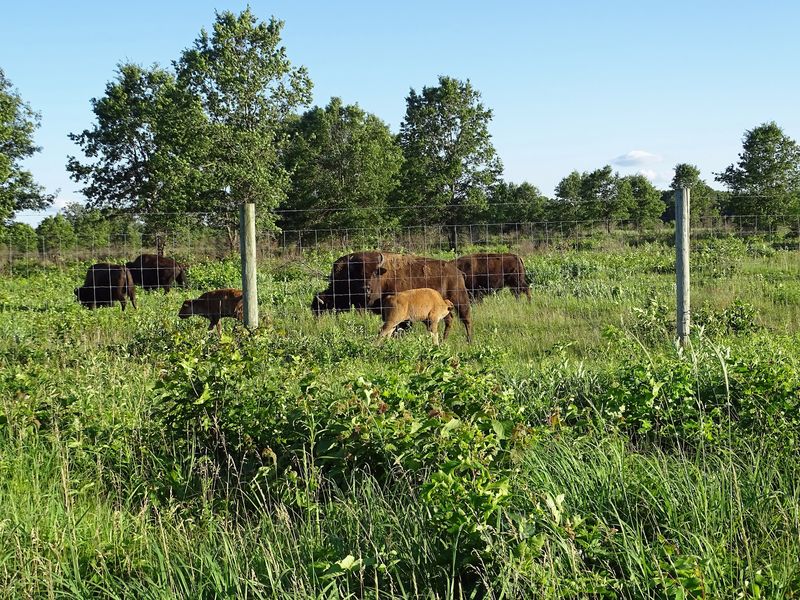
A tall fence around 9,150 acres sounds unusual for a public wildlife area. Here, it serves a smart purpose. The roughly 9-foot deer-proof fence turns Sandhill into a living laboratory. Biologists use it to test new wildlife management techniques under controlled conditions.
The goal is to boost the number and variety of native wildlife. Findings from this work often get applied to other parts of Wisconsin.
Managed by the Wisconsin Department of Natural Resources, the property also doubles as a habitat demonstration site. Visitors can see how different management choices change the land.
Watch for areas showing the effects of natural events and management practices. Signs along the way help explain what happened and why it matters.
Understanding the research adds depth to an ordinary drive. A patch of young trees might actually be part of a long-term study. The fence also means you’ll open and close gates as you enter and leave. Always shut them behind you so the system keeps working.
Your visit quietly supports conservation in the process. Few road trips let you sightsee and help science at the same time.
Free Admission, Self-Serve Gates, And A Map Waiting At The Kiosk
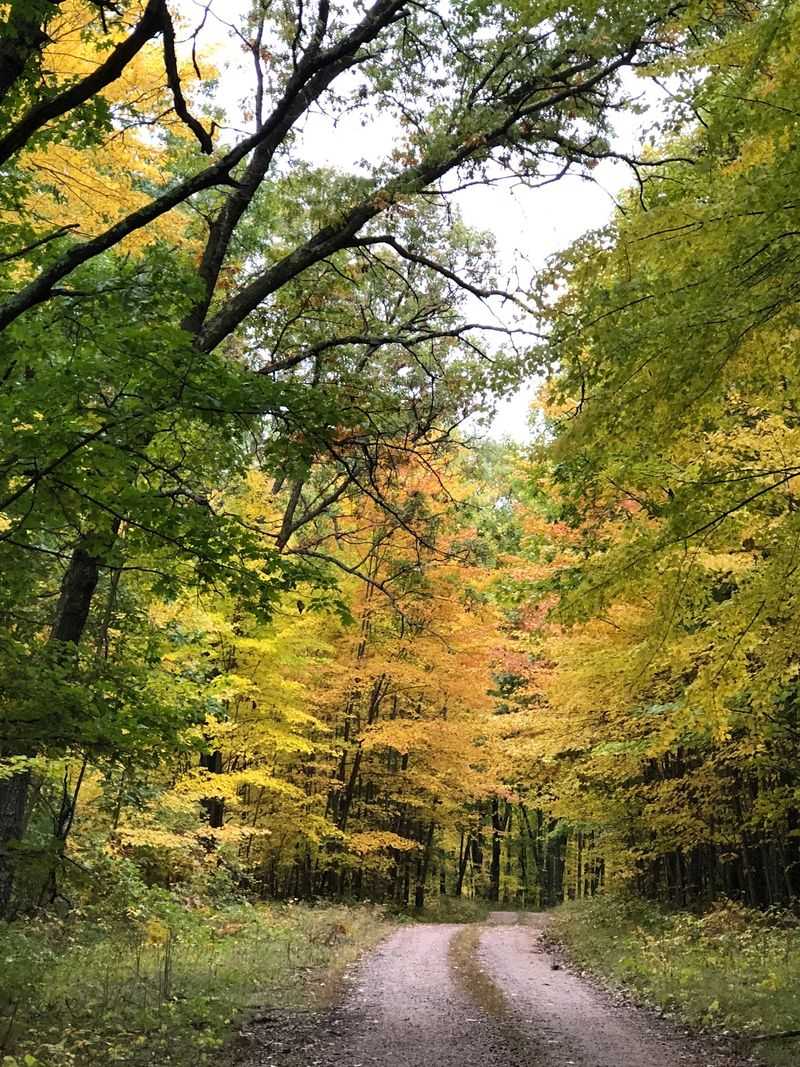
Good news for your wallet: there’s no admission fee. Donations are welcome and help support the facilities and programs.
You’ll find Sandhill Wildlife Area at 1715 County Highway X, Babcock, WI 54413. It sits in southwestern Wood County, inside the ancient bed of Glacial Lake Wisconsin. Parking is available near the entrance. Stop at the kiosk to sign in and grab a map before heading out.
The gate system is simple but important. Open it, drive through, and close it behind you. That small step protects the research fence that makes this place unique. It takes ten seconds and keeps everything running smoothly.
The property has pit toilets and picnic areas along the way. Packing your own lunch turns the drive into an easy day trip. Bug spray is smart during warmer months. Checking for ticks afterward is a good habit after any time in the woods.
Give yourself a few hours rather than a quick pass. Between towers, trails, and wildlife stops, time disappears fast. Free, friendly, and full of animals. That’s a pretty generous deal from central Wisconsin.
Snowshoes, Skills Classes, And Candlelit Hikes Keep The Fun Going
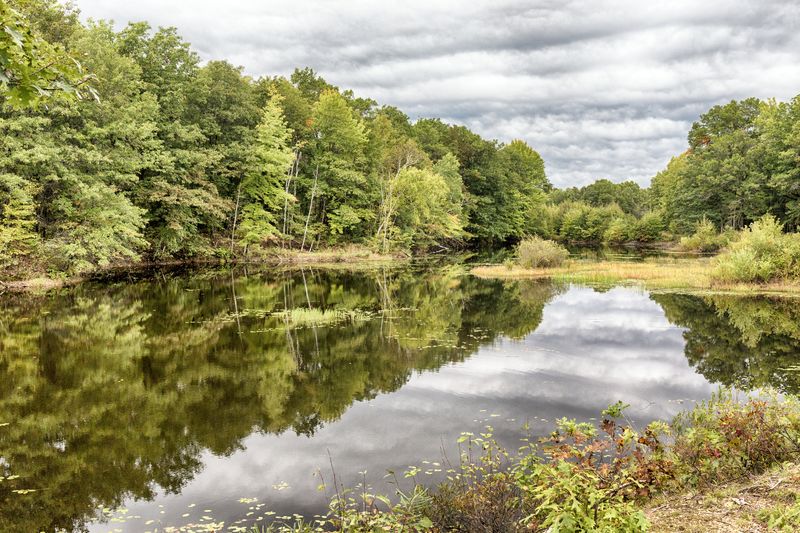
Crane season eventually ends, but the property doesn’t hibernate. Sandhill stays busy well past autumn. The Sandhill Outdoor Skills Center runs public programs and workshops throughout the year. Topics range from learning to hunt and foraging for wild edibles to wilderness first aid.
Some sessions are more festive, like holiday wreath-making. Classes mix indoor instruction with hands-on practice out on the property. Special events add extra reasons to visit. Past offerings have included an October crane watch and winter candlelight hikes.
Winter brings a quieter mood to the landscape. When vehicle gates close, walk-in access still allows snowshoeing or cross-country skiing.
Hikers and bikers can explore designated trails and service roads in warmer months. The North Bluff Trail offers a rugged climb for anyone wanting a workout.
Check upcoming events before planning a trip. Schedules change from season to season, and popular programs can fill up. Spring brings fresh green growth, while summer delivers long, lazy drives. Fall, of course, belongs to the cranes.
Pick any season and you’ll find a reason to return. Just maybe pack a thermos when winter rolls around.