
6 Massachusetts Wildlife Rehab Programs Where Volunteers Help Injured Animals Heal
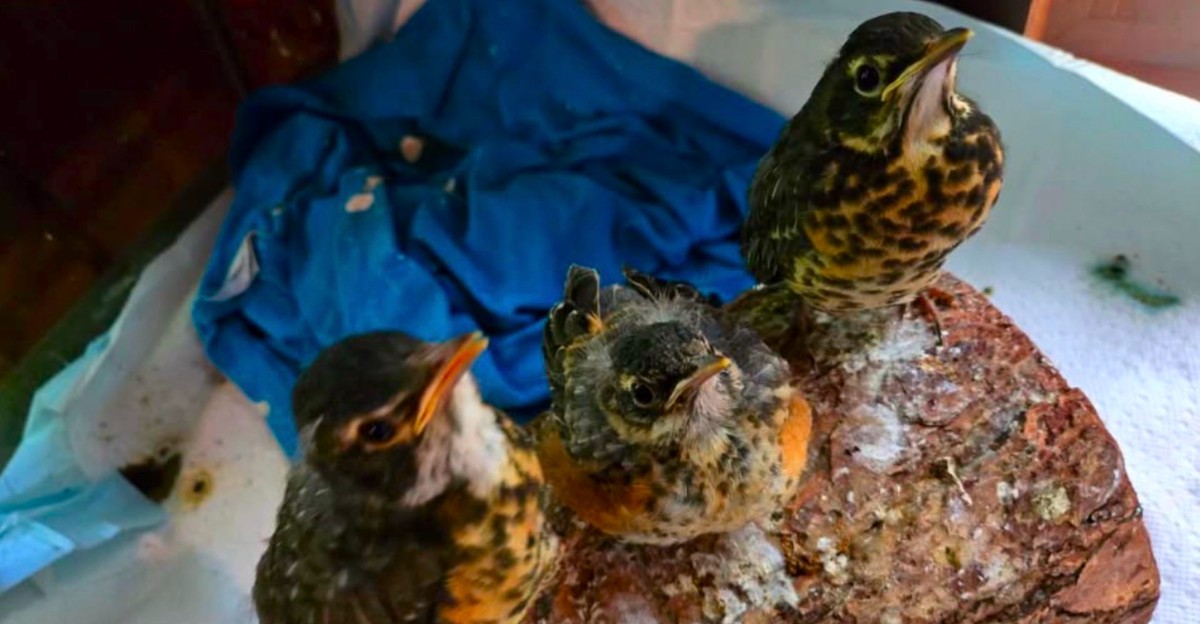
A hummingbird and a snapping turtle can share the same patient list at one wildlife hospital near Boston. That same hospital treats about 225 different wild species each year, including foxes and owls.
I love that much of the healing happens far from the operating table, in laundry rooms and supply closets. Volunteers fold towels, scrub enclosures, and sometimes drive recovered animals to rehabbers across the state.
Massachusetts has a whole web of these rescue programs, and each one needs a different kind of helper. One cares for stranded seals and sea turtles, while another focuses on songbirds and rabbits in the quiet western hills.
I can’t imagine a better trade for a few hours of your week than a raccoon’s second chance or a baby bird’s first flight. So which patient would you want to help send back home to the woods, the marsh, or the sea?
1. New England Wildlife Center, Weymouth, MA
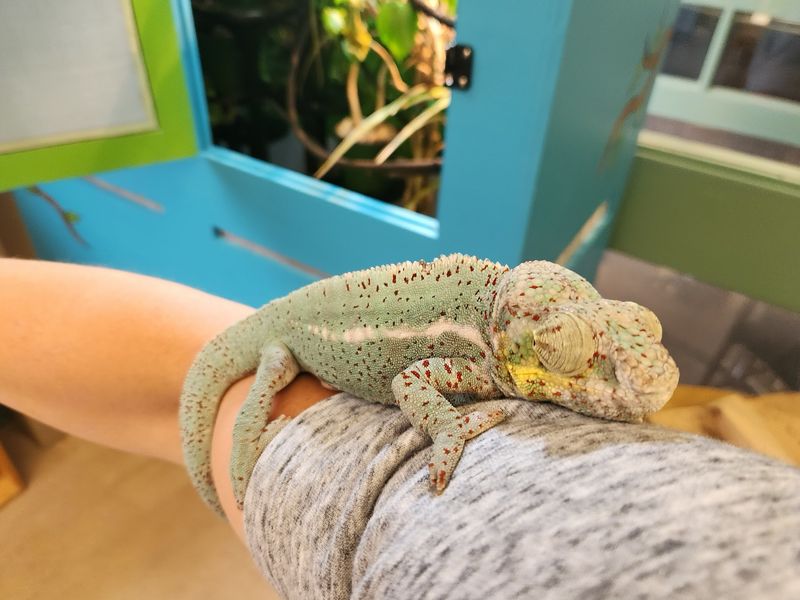
Hummingbirds and snapping turtles rarely cross paths, but they can both land on the patient list here. The Jane Carlee Wildlife Hospital treats about 225 species of native and naturalized wild animals each year.
Raccoons, foxes, cottontails, hawks, and owls show up too. It’s billed as the only comprehensive wildlife hospital in the metro-Boston area, which keeps the team busy.
So where do you fit in? Volunteers keep common areas clean, organize laundry, and pitch in on small garden projects.
Those behind-the-scenes tasks might not sound glamorous, but they help the hospital staff focus on treating injured and sick animals. Even a few hours spent organizing supplies can make a difference in how smoothly the day runs.
You won’t handle hospital patients directly, so set aside any dreams of bottle-feeding a fox kit. Still, you might help care for the educational reptiles and birds of prey that teach visitors about wildlife.
Reptile duties include feeding, enrichment, and general husbandry. Bird of prey helpers handle cleaning and enrichment, which is a fancy way of saying you keep life interesting for a hawk.
Regular volunteer hours run on Tuesdays from 1:30 to 4:00 PM. You need to be 16 or older to sign up on your own.
Younger fans aren’t left out entirely. Kids 12 and up can join group events with a parent or guardian, which makes this a solid family project.
Nature trails on the grounds give you a reason to linger after your shift. The organization also runs a second wildlife hospital on Cape Cod, so its reach stretches well beyond the South Shore.
Found an injured animal? Call ahead before driving over, since space can fill up and a quick call saves a wasted trip.
Address: 500 Columbian St, Weymouth, MA 02190
2. Cape Wildlife, Barnstable, MA
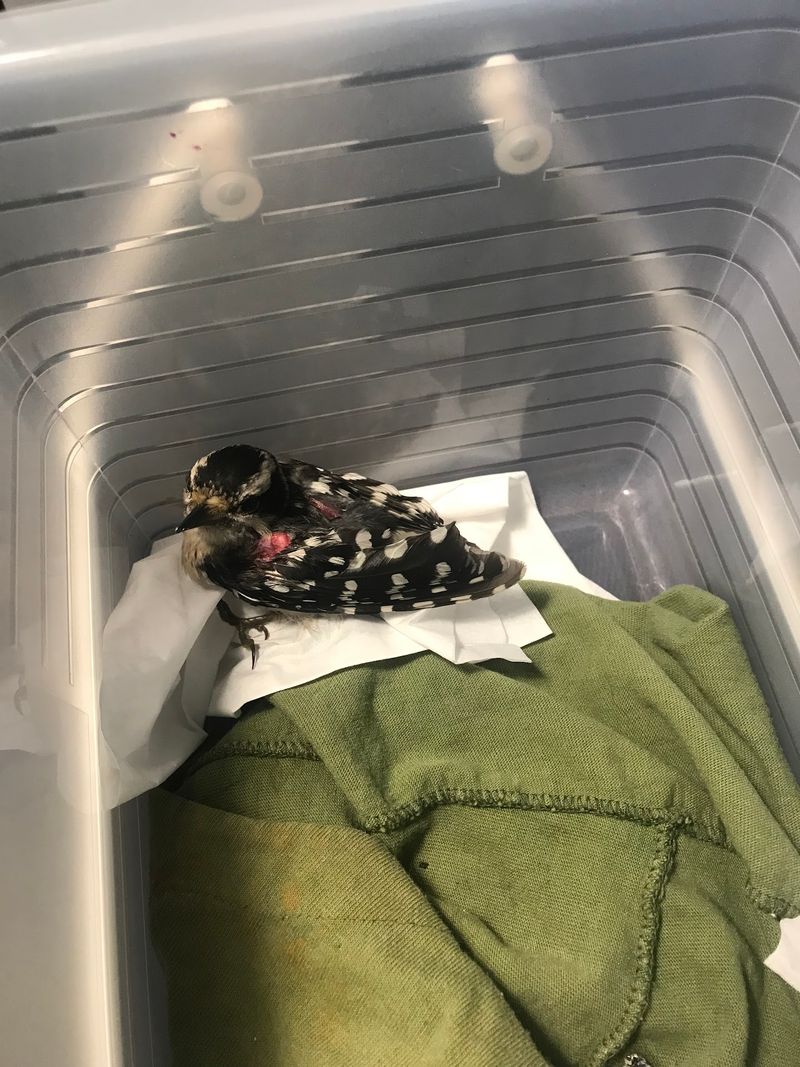
Seagulls get a bad rap at the beach, but on Cape Cod they can still count on a soft landing. This Barnstable center cares for injured wild animals of many kinds, including turtles, raccoons, and gulls.
Run as a program of the New England Wildlife Centers since January 2019, it works as a nonprofit, full-service veterinary clinic. Patients come from across Cape Cod and the Islands.
The center has previously reported treating more than 2,400 wildlife patients in a single year. That’s a lot of tiny mouths, beaks, and shells for one clinic to look after.
Animal lovers, take note: volunteers can provide direct animal care and husbandry. You might prep diets, help with feeding, fold laundry, or clean cages.
Not a hands-on person? The center also needs help running its wildlife hotline, transporting animals, and doing community outreach.
Office skills count too. Social media, fundraising, marketing, grant writing, IT, and administrative support keep the clinic running behind the scenes.
Science education is another big focus here, with programs for students of all ages. That makes it a good match if you enjoy sharing what you learn.
Finders sometimes hand off animals right in the parking lot rather than heading inside. Don’t take it personally, since the patient is the one with the appointment.
Doors open daily from 10 AM to 3 PM. For a volunteer gig that mixes beach towns with baby bunnies, Massachusetts doesn’t get much more charming.
Address: 4011 Main St, Barnstable, MA 02630
3. Wild Care, Eastham, MA
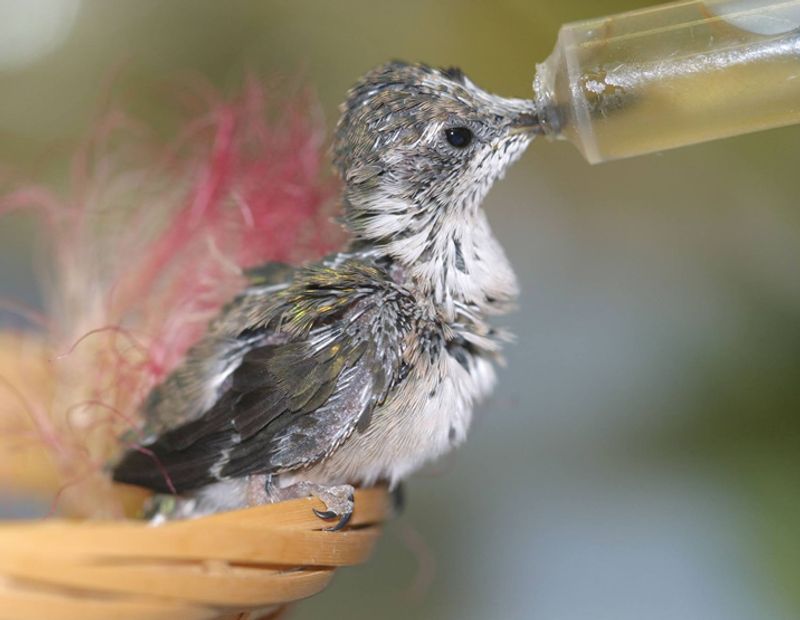
Got a free summer and a soft spot for chirping? The Baby Bird Program at this Eastham nonprofit runs from late May through late August.
Teens can join in, too. Volunteers 16 and older are welcome, though 16 and 17-year-olds need an adult with them.
The mission here goes past bandages. Wild Care pairs rehabilitation with outreach to reduce human impact on animals, plus advocacy for native species and ecosystems.
Year-round, the Intensive Care Clinic Program asks for one three-hour shift a week for at least six months. It’s a real commitment, so check your calendar before you raise your hand.
Clinic volunteers clean and disinfect laundry, dishes, crates, habitats, floors, and aviaries. Yes, dishes, since wild patients need plenty of meals.
You may also set up habitats, run grocery errands, and prepare food. Now and then, volunteers help with animal restraint during care.
Have a flexible schedule and a car? The Rescue and Transport Program needs people to capture and move animals in distress when callers can’t do it themselves.
Most roles require volunteers to be at least 18. An up-to-date tetanus shot is also on the checklist, which makes sense around claws and beaks.
The facility and helpline are open daily from 9 AM to 5 PM. That gives Outer Cape residents a reliable place to call when a squirrel or seabird needs help.
Eastham sits on the Outer Cape, so a shift here pairs nicely with a beach walk. Just leave the sand outside the aviaries.
Address: 10 Smith Ln, Eastham, MA 02642
4. Cummington Wildlife Inc, Cummington, MA
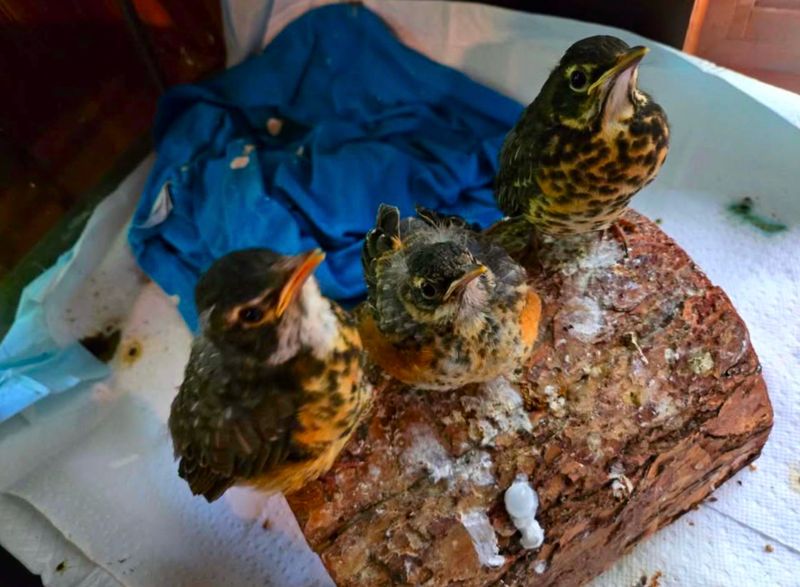
Songbirds and rabbits may be small, but they need big patience. This wildlife rehabilitation facility in the western Massachusetts hilltowns specializes in songbirds, gamebirds, and wild rabbits.
Cummington is a quiet rural town, a long way from the Cape crowds. That setting makes a local rehab option especially useful for finders in the area.
Baby songbirds are famous for wanting food on repeat. Fittingly, the facility lists hours from 8 AM to 8 PM daily, a schedule that covers most of the daylight.
Rabbits bring their own challenges. Cottontails startle easily, so calm, quiet care matters during recovery.
Education is part of the mission too. The facility offers community educational services, helping neighbors learn about the fragile wild animals that share their yards and fields.
A little knowledge can prevent unnecessary trips to the rehab center, especially during spring when baby animals are everywhere. Knowing when to leave wildlife alone is just as valuable as knowing when to step in.
So how can you help? Start by learning what to do if you find a fledgling or a bunny nest, since well-meaning rescues sometimes aren’t needed.
Next, think about what a small operation needs. Finders who transport animals, donors, and people willing to ask about volunteering can make a real difference.
Reach out before showing up, and ask how the facility currently uses volunteers. Roles at small rehab centers can change with the seasons and the patient load.
Massachusetts has some big wildlife hospitals, but small specialists like this one fill an important gap. A rabbit found in the hilltowns shouldn’t need a two-hour drive to find help.
Address: 591 Stage Rd, Cummington, MA 01026
5. Tufts Wildlife Clinic, North Grafton, MA
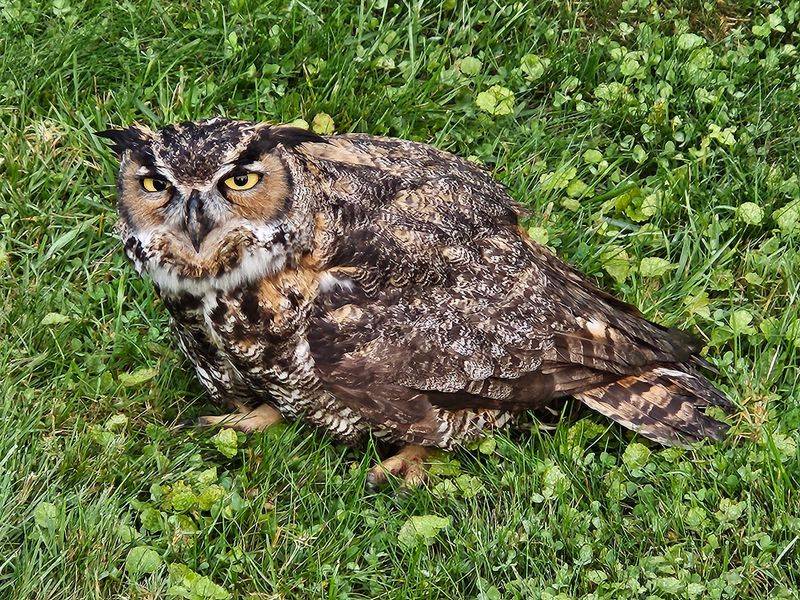
In 2025 alone, this teaching hospital took in 4,428 wildlife patients. Birds, mammals, reptiles, and amphibians came through the doors.
Tufts Wildlife Clinic is part of the Cummings School of Veterinary Medicine in North Grafton. Its home is the Bernice Barbour Wildlife Medicine Building, and it has treated New England wildlife since the early 1980s.
Because it’s a teaching hospital, future vets learn wildlife medicine here. That means your volunteer hours support both today’s patients and tomorrow’s animal doctors.
Let’s be honest about the job description. General volunteers don’t work directly with wildlife patients, and animal care is limited to cage cleaning.
The rest is the unglamorous stuff that keeps a hospital running. You might set up and break down cages, do laundry, sweep, mop, stock supplies, and track inventory.
Volunteers also sterilize surgical equipment. It’s not cuddly, but a clean tool matters a lot to an owl heading into surgery.
Even without direct animal contact, these tasks give volunteers a behind-the-scenes look at how a busy wildlife hospital operates. You might be surprised by how much teamwork goes into helping a single injured animal recover.
Love to drive? In spring and summer, the clinic especially needs volunteer drivers to carry rehabilitated animals to licensed rehabilitators around the state.
The commitment is six months, with one four-hour shift each week. Volunteers must be COVID-19 vaccinated and boosted, and they wear masks and gloves while working.
The clinic is open daily from 8:30 AM to 5 PM, except Thanksgiving and Christmas. Finders must call ahead and wait for a callback before bringing injured wildlife to the clinic.
Few volunteer gigs let you say you helped a wildlife hospital this busy. Bring sneakers you don’t mind getting a little damp.
Address: 50 Willard St, North Grafton, MA 01536
6. National Marine Life Center, Buzzards Bay, MA
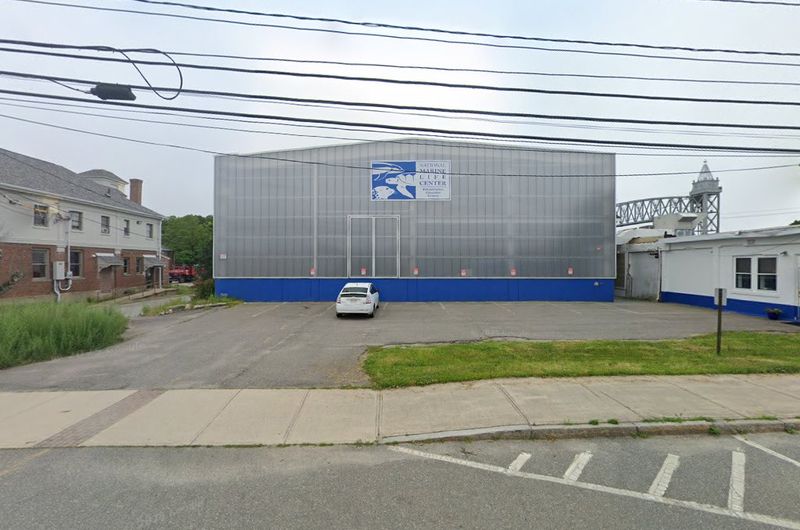
Some rescues come with fur or feathers, while others arrive with flippers. The National Marine Life Center in Buzzards Bay runs a marine animal hospital for sick, stranded, and injured sea creatures.
Seals and sea turtles are among its patients. That gives this spot a different flavor from the forest-focused rehab centers on this list.
Buzzards Bay sits right by the Cape Cod Canal, the gateway between mainland Massachusetts and the Cape. It’s a fitting home for a hospital that treats ocean animals.
Trained animal-care volunteers assist staff with hospital tasks, although the center is not currently accepting new applications for these positions. Picture preparing animal feeds, keeping tanks in good shape, and supporting patients as they recover.
Tank upkeep might not sound glamorous. Still, clean water matters when your patient swims in it all day.
The little chores add up quickly, especially when multiple animals need attention at once. Every clean tank and prepared meal helps create a better environment for recovery.
Feeding time brings its own kind of excitement. Marine patients need the right meals to regain strength before they can head back to the water.
Curious first? The center’s posted fall visiting hours are Tuesday, Thursday, and Friday from 2 to 5 PM and Saturday from 10 AM to 5 PM.
Parking is easy, with a free lot plus free street parking nearby. That makes a scouting trip simple before you commit to a regular shift.
Ask the team about current volunteer roles, age rules, and schedules. Marine rescue can get busy, so they’ll know where help is needed most.
A sea turtle’s return to the ocean is a pretty great finish line to work toward. Helping get it there might be the best volunteer story you ever tell.
Address: 120 Main St, Buzzards Bay, MA 02532