
These 6 Mississippi Lake Shores Are Getting Too Snake-Filled For Their Own Good
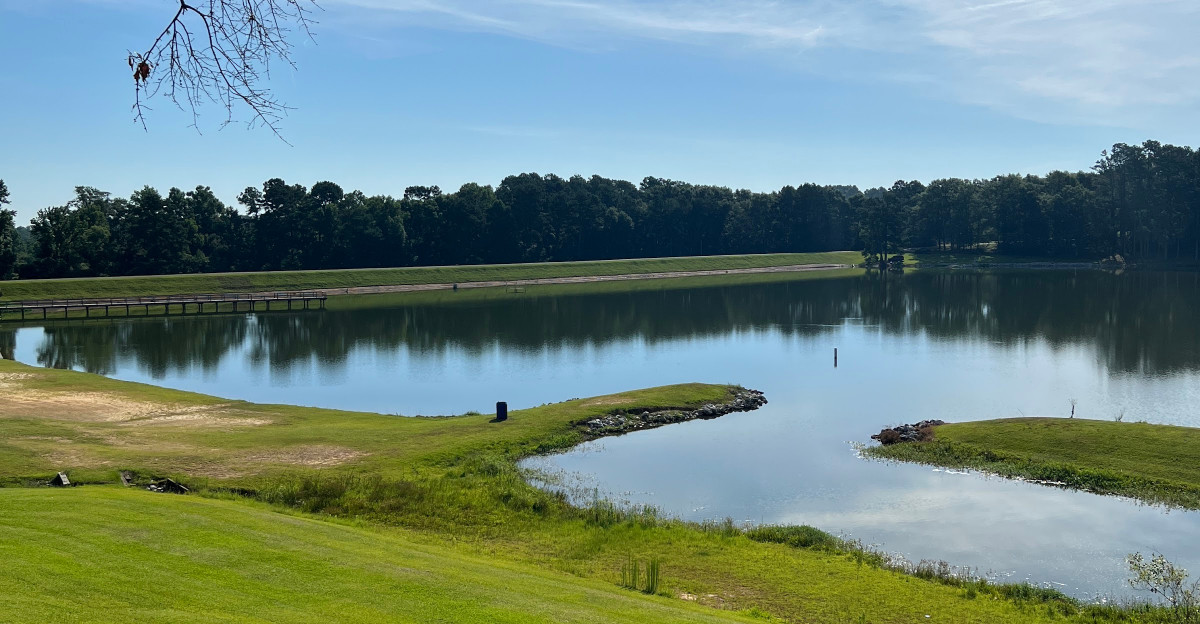
We pulled off at a quiet cove in Mississippi just to stretch our legs and eat sandwiches, and within ten minutes my kid spotted a snake gliding past a log. Then another one showed up.
Some lake shores here have become surprisingly busy with snakes, and families who fish, camp, or swim should know why. A little knowledge turns a nervous moment into a fun nature lesson your kids will talk about for weeks.
1. Enid Lake’s Quiet Coves
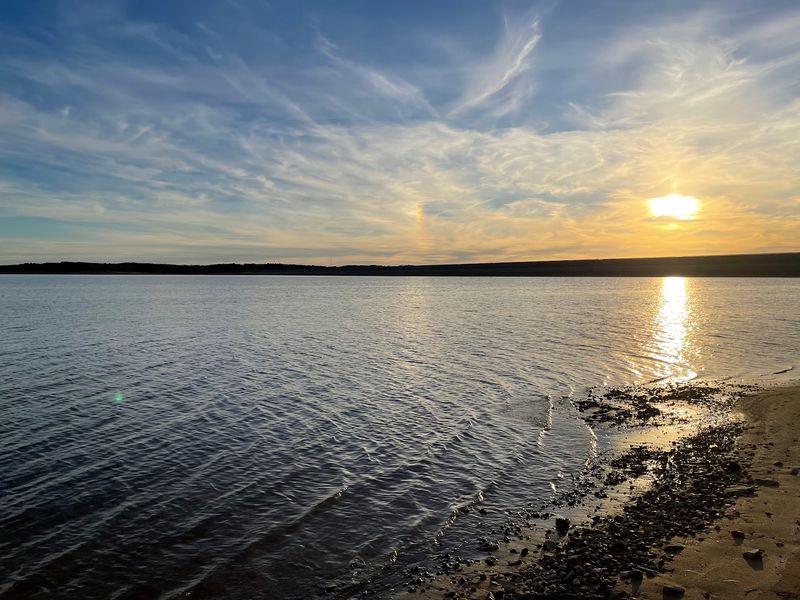
Roughly 28,000 acres of water make Enid Lake one of the bigger playgrounds in north Mississippi. Families come for camping, fishing, and swimming beaches, but snakes have their own favorite corners here.
Shallow coves and gradually sloping banks create perfect hunting grounds. Small fish and tadpoles gather in warm, still water, and water snakes patrol the edges looking for an easy lunch.
The quieter sections, far from boat ramps and crowded picnic spots, tend to see the most activity.
So what does that mean for your crew? Stick to the busier, maintained areas when little ones want to splash around.
Swimming beaches and campgrounds see steady foot traffic, which nudges snakes toward calmer spots.
Exploring the hidden coves can still be rewarding for older kids who enjoy wildlife. Bring binoculars and keep a respectful distance, and you may watch a snake hunt along the shoreline like a tiny nature documentary.
Walk slowly, stay on clear paths, and avoid reaching into tall grass or under rocks. A pair of closed-toe water shoes also goes a long way.
With a few habits like these, Enid stays fun for everyone, scales and all.
2. Sardis Lake and Its Shifting Waterline
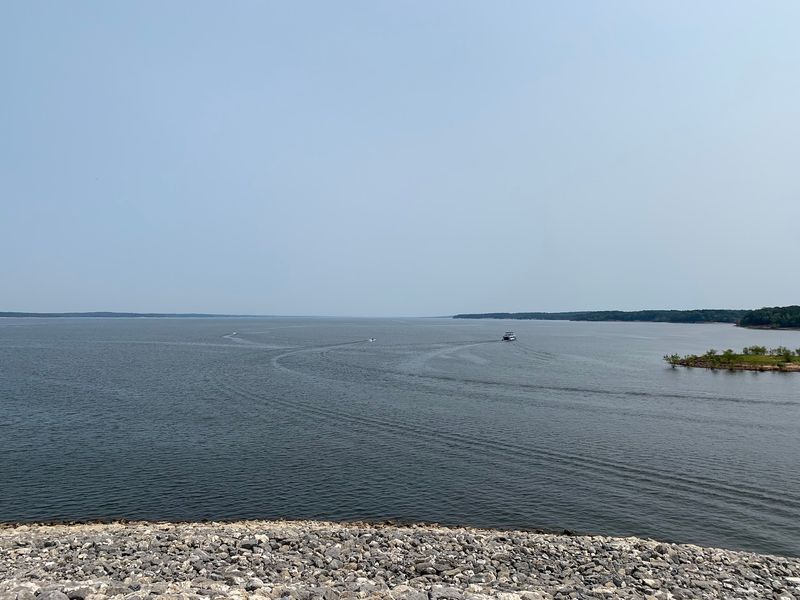
Water levels at Sardis Lake rarely sit still. As a flood-control reservoir, it goes through deliberate water releases and seasonal drawdowns, and the shoreline can look very different from one month to the next.
When the water drops, newly uncovered mud and sand appear. Stranded fish, crawfish, and frogs show up in these fresh edges, and snakes quickly move in to follow the food.
Visitors walking these exposed flats often notice more snakes than they expected.
A smart move before any family outing is checking current lake conditions online. Low water days can be fascinating, with shells, tracks, and driftwood to discover, but they also call for extra caution.
Teach kids to look before stepping over logs or into puddles left behind.
Sardis also offers plenty of developed spots with picnic shelters, sandy beaches, and campgrounds that make great home bases. Spending most of your time there keeps the adventure easy while still letting you enjoy the big open views.
Fun fact for curious kids: lakes like Sardis were built partly to protect towns downstream from flooding. Explaining that turns a simple beach day into a quick science and history lesson.
3. Mississippi Green Water Snake
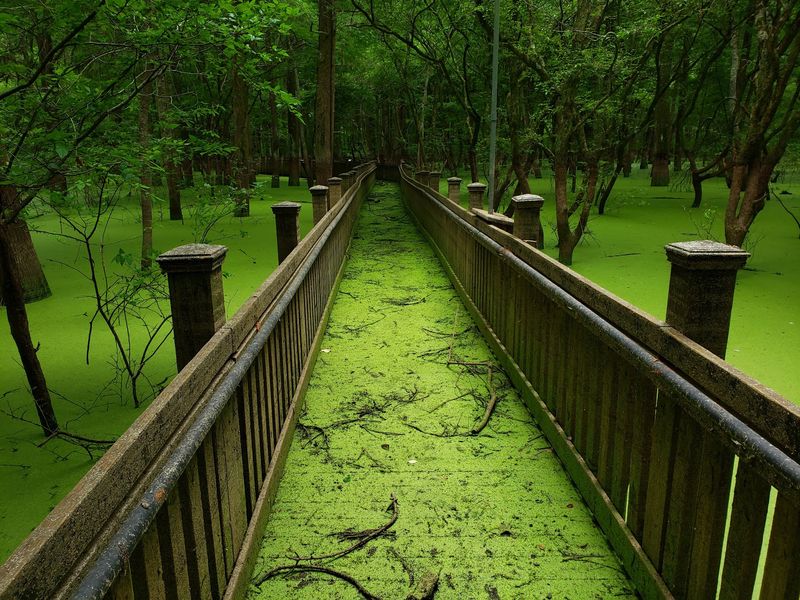
Olive green with a faint pattern, this snake blends right into murky shallows. Spotting one feels a bit like solving a puzzle, which makes it a favorite for sharp-eyed kids.
Harmless to people, the Mississippi green water snake spends its days in slow-moving water and shallow margins. Fish and amphibians make up most of its diet, so it often waits near weedy edges where small prey hides.
Sometimes it basks on low branches hanging over the water.
Many visitors mistake it for a cottonmouth, and that mix-up causes plenty of unnecessary panic. Green water snakes usually swim with only their head above the surface, and they tend to flee fast when people approach.
Still, the best rule for kids is simple: admire every snake from a distance and never try to pick one up.
Bringing a small field guide or snake identification app can make sightings exciting instead of scary. Kids love matching colors and shapes to pictures, and it builds real outdoor confidence.
Snap a photo, talk about what you see, and let the snake carry on with its fishing trip. Most families leave with a great story and a new respect for these quiet swimmers.
4. Cottonmouths in the Backwaters
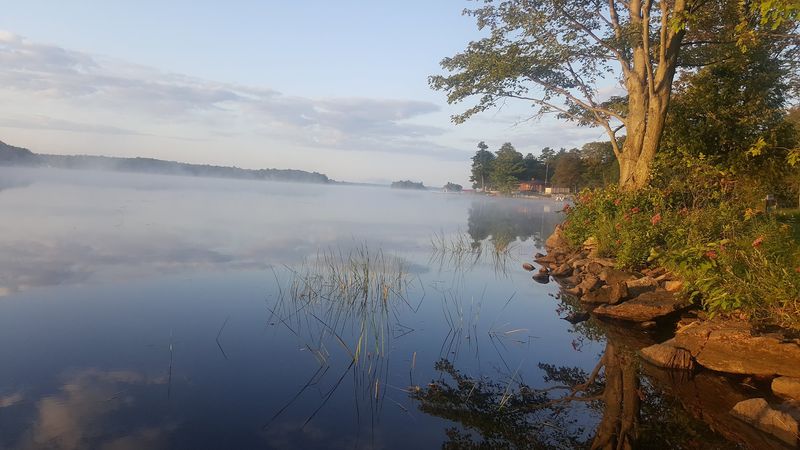
Among all the snakes near Mississippi water, cottonmouths deserve the most attention. They are the venomous species families are most likely to encounter around lakes, so a little awareness matters.
Backwaters, sloughs, and partially submerged logs are their favorite haunts. These calm, swampy spots offer warmth and plenty of food.
Unlike many water snakes that dart away, a cottonmouth may hold its ground and open its mouth wide, showing the white lining that earned its name.
Keeping kids safe starts with steering clear of these swampy pockets. Choose open beaches and clear trails, and skip wading through still, weedy backwater areas.
Wearing boots on nature walks adds an easy layer of protection.
If anyone does spot a cottonmouth, calmly back away and give it room. It will not chase anyone.
Teaching children to freeze, then slowly step back, is a skill that serves them well on any outdoor trip. Parents should also know where the nearest ranger station or medical facility is before heading out, just as a smart planning habit.
With sensible choices, cottonmouths become part of the scenery rather than the main event.
5. Copperheads and Timber Rattlesnakes Up the Bank
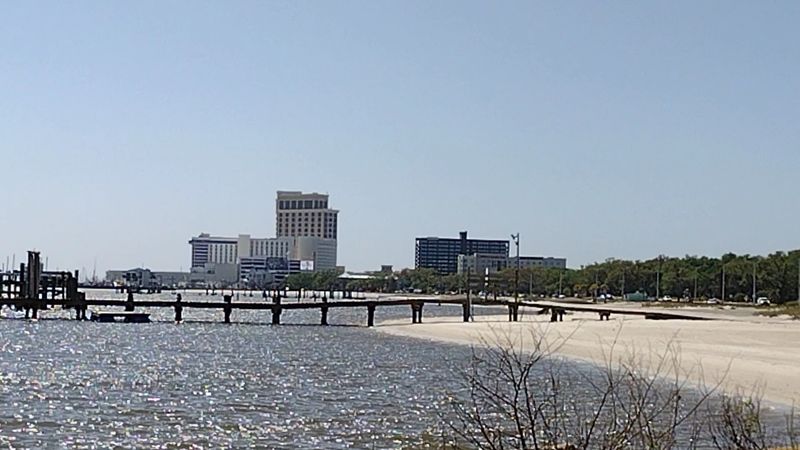
Walk away from the water and up into the trees, and the snake story changes. Copperheads and timber rattlesnakes rarely hang out right at the shoreline, but they live nearby.
Copperheads usually prefer wooded areas along higher banks. Their coppery, hourglass-patterned bodies vanish into fallen leaves, which is why hikers sometimes walk right past one.
Timber rattlesnakes favor bluffs and upland ground overlooking the floodplains, where they hunt rodents in quieter terrain.
Hiking families can stay safe with a few easy habits. Stay on marked trails, step onto logs rather than over them, and use a flashlight on evening walks.
Kids should never poke at leaf piles or reach into rocky crevices.
Timber rattlesnakes usually give a warning buzz before anyone gets too close. Teaching children to recognize that sound and back away makes them feel prepared rather than afraid.
These snakes play an important role by keeping mouse and rat numbers in check. Talking about that job helps kids see snakes as helpers in the ecosystem.
A shoreline picnic followed by a careful bluff hike offers great views and a real lesson in how habitats change with elevation.
6. Family Tips for a Snake-Smart Lake Day
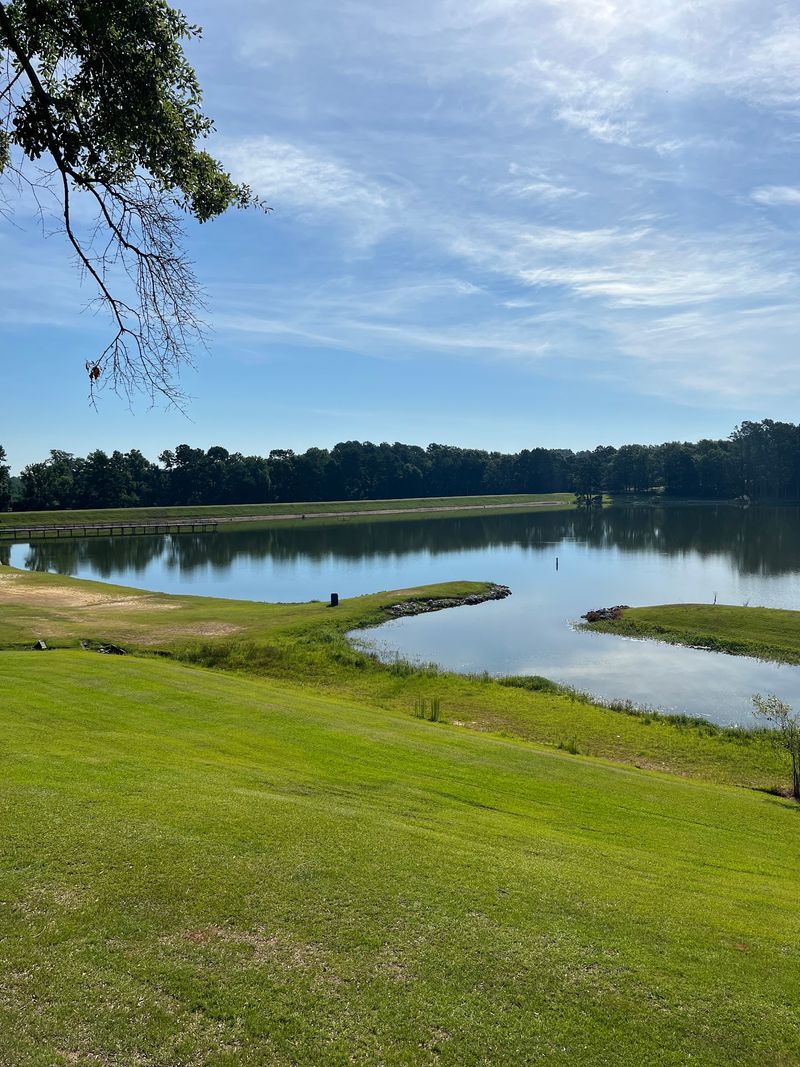
Packing for a lake trip in Mississippi? Add a few snake-smart items to the list, and the whole day runs smoother.
Closed-toe water shoes, hiking boots, a flashlight, and a small first aid kit all earn their place in the car.
Choosing the right spot matters just as much. Developed beaches, mowed picnic areas, and busy campgrounds see far fewer snakes than tall grass and quiet coves.
Setting up camp on open, clear ground lets everyone see what is nearby.
Before heading out, have a quick family talk. Explain that most snakes are harmless, that none will chase you, and that the golden rule is always to look and never touch.
Kids often feel braver once they understand the plan.
Ranger programs at state parks and Corps of Engineers sites sometimes feature reptile talks, which turn worry into wonder. Checking event schedules can add a bonus activity to your weekend or weekday getaway.
Mornings and evenings bring more snake movement in summer, so midday beach time with sunscreen may suit nervous little ones. Snakes are part of what makes these lakes so full of life, and a prepared family can enjoy every minute.