
This Old-School California Chinese Restaurant Has Been Serving Traditional Favorites Since 1946
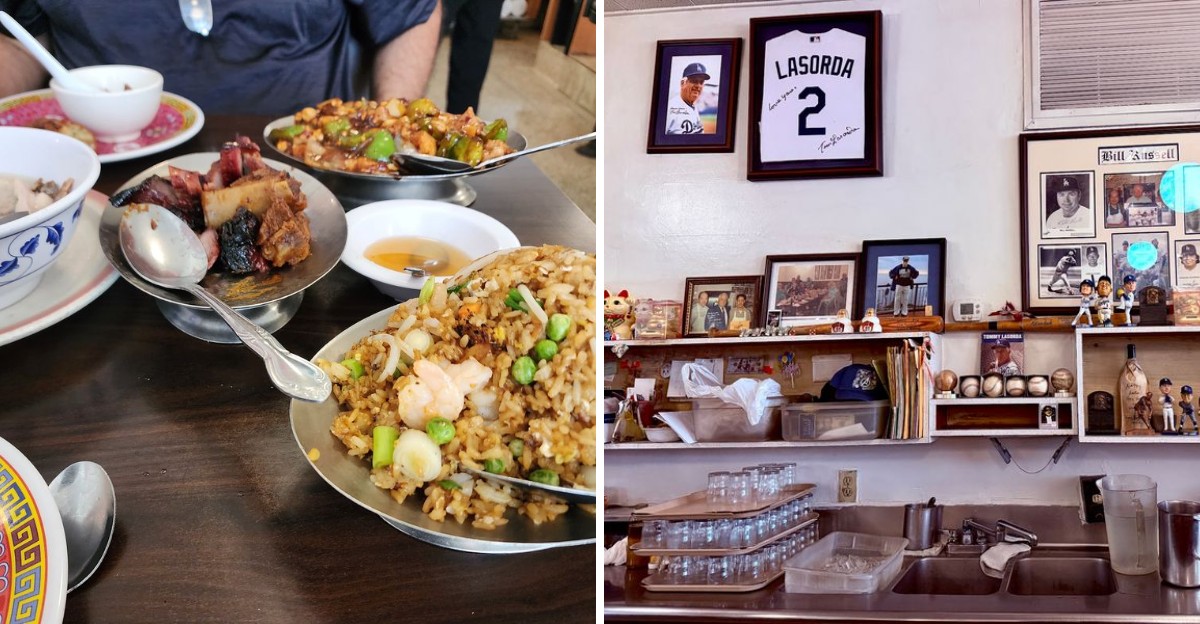
A Chinese restaurant with a set meal named after a legendary Dodgers manager sounds like a trivia question. It’s real, and the special bundles wonton soup, char siu, and kung pao chicken into one very full table.
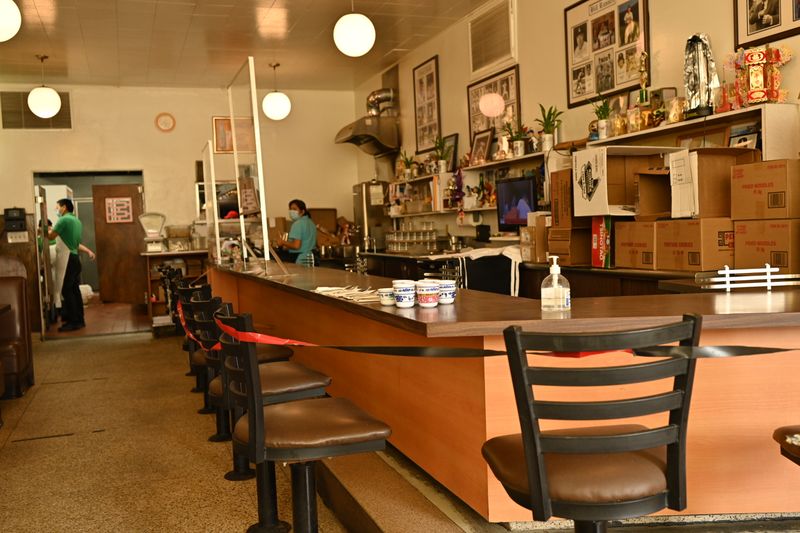
The walls lean hard into Dodger blue. Memorabilia fills the room, and the 1968 interior still shows off terrazzo floors, counter seating, and pink screens.
The food stays loyal to California Cantonese cooking. That means egg foo yong, chop suey, and barbecue pork, often with rich gravy. Meals start with crispy noodle sticks and oolong tea, which feels like a kind welcome.
I appreciate a place that never chased trends. It simply kept cooking the dishes generations of families already loved. How many restaurants can say they’ve fed the same city for eight decades?
Eight Decades Of Feeding Los Angeles Is No Small Feat
Back in 1946, a small spot called Paul’s Café opened on San Julian Street in Los Angeles. Today it goes by Paul’s Kitchen, and it still serves the Cantonese comfort food that built its name.
The restaurant moved to its current block in the 1960s. The building it calls home now went up in 1968, which makes even the walls a piece of history.
Paul’s Kitchen ranks among the oldest continuously operating Chinese restaurants in Los Angeles. That’s a rare title in a city where restaurants open and close faster than freeway lanes change.
Think about everything California has seen since 1946. Hollywood changed, neighborhoods changed, and the Dodgers even moved west from Brooklyn. Through all of it, this kitchen kept turning out chop suey and egg foo yong.
I love that kind of steady staying power. It tells you the cooking connected with real people, not just passing food fads.
Longevity like this also means memories stack up. Grandparents, parents, and kids have shared meals here across several generations. That makes every plate feel like part of a long family story, even on your very first visit.
Family Hands Still Steer The Ship
Some restaurants get passed around like a hot potato between investors. Paul’s Kitchen took a different path and stayed in the family.
Founder Paul Yee started it all. Today his nephew, Charlie Ng, manages the restaurant, keeping the original spirit alive.
That family thread matters more than you might expect. A family-run spot tends to protect its recipes and habits instead of reinventing them every few years.
It also explains why the place feels so consistent. The dishes, the room, and the welcome all carry the same personality that longtime fans grew up with.
Family ownership in a big city is tougher than it sounds. Rising costs and shifting neighborhoods push many old businesses out. Holding on for this long in downtown Los Angeles takes real grit and plenty of hard work.
I find that genuinely inspiring. Every order here supports a business with deep roots and a name tied to one family.
So when you sit down, you’re not just grabbing lunch. You’re joining a story that one family has been writing for eight decades, one plate at a time.
Dodger Blue Covers Nearly Every Wall
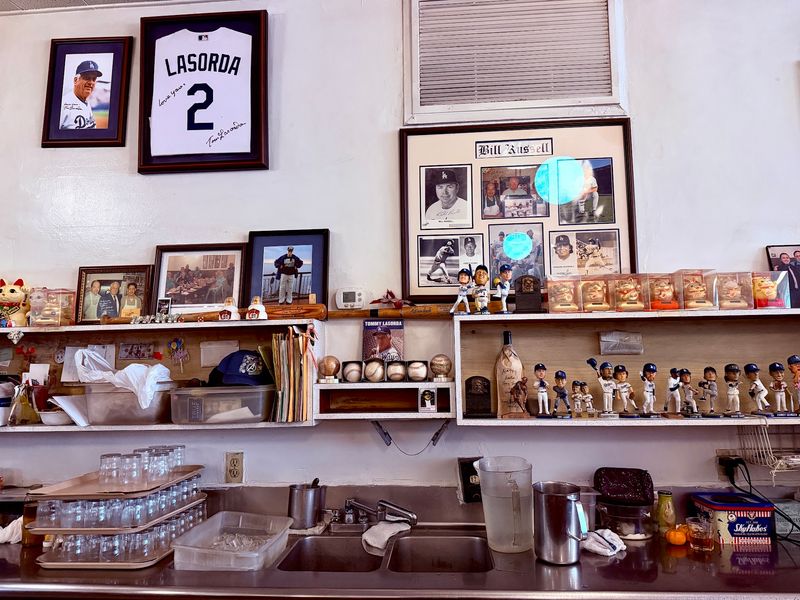
Baseball fans, brace yourselves. The walls at Paul’s Kitchen are packed with Los Angeles Dodgers memorabilia.
The connection runs deep. Former Dodgers manager Tommy Lasorda was a notable regular here, and his presence still shapes the room’s personality.
Framed mementos and team pride give the dining room a character no designer could fake. It feels like a clubhouse that happens to serve egg foo yong.
That makes this a fun stop for anyone who bleeds blue. Dodger Stadium sits a short drive away, so a meal here fits nicely into a game day plan.
Even non-fans will enjoy the scenery. Old photos and team keepsakes spark conversation while you wait for your food to arrive.
I can’t imagine a better pregame tradition in California. Cantonese comfort food plus baseball history feels like a perfectly Los Angeles combination.
Just remember to check the hours before you head over. You’d hate to plan a whole outing around lunch and find the doors closed. A quick look ahead of time keeps your baseball day running smoothly from first bite to first pitch.
Order The Meal Named After A Baseball Legend
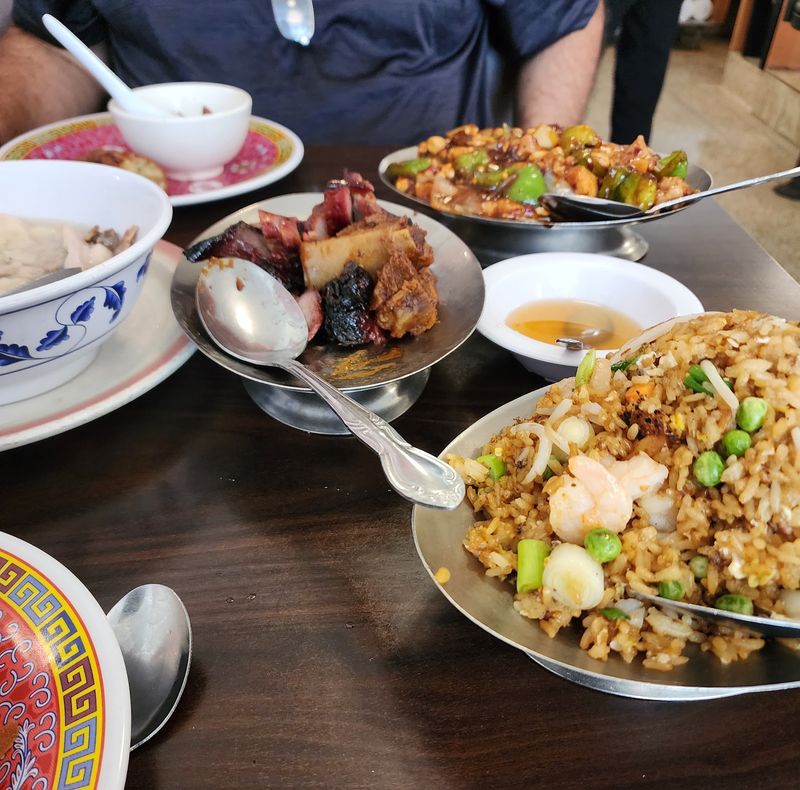
Few baseball managers become legends with signature meals named in their honor. Tommy Lasorda got something tastier: a set meal at Paul’s Kitchen.
The Tommy Lasorda Special bundles several popular dishes into one order. It includes wonton soup, char siu, and kung pao chicken.
That lineup covers a lot of ground. You get a warm soup, sweet and savory barbecue pork, and a chicken dish with a little kick.
Set meals like this take the guesswork out of ordering. If the menu feels overwhelming, this is an easy and fun place to start.
It also works beautifully for groups. Family-style tables let everyone try a little of everything without arguing over who orders what.
I’d probably start right here on a first visit. Eating the same combination a Dodgers legend enjoyed feels like a delicious bit of Los Angeles history.
Bring friends who love sharing, though. A spread this generous makes more sense with several forks reaching across the table. Plus, swapping bites with the people around you is half the joy of eating Cantonese food the old-school way.
Gravy-Loving Classics Rule The Menu
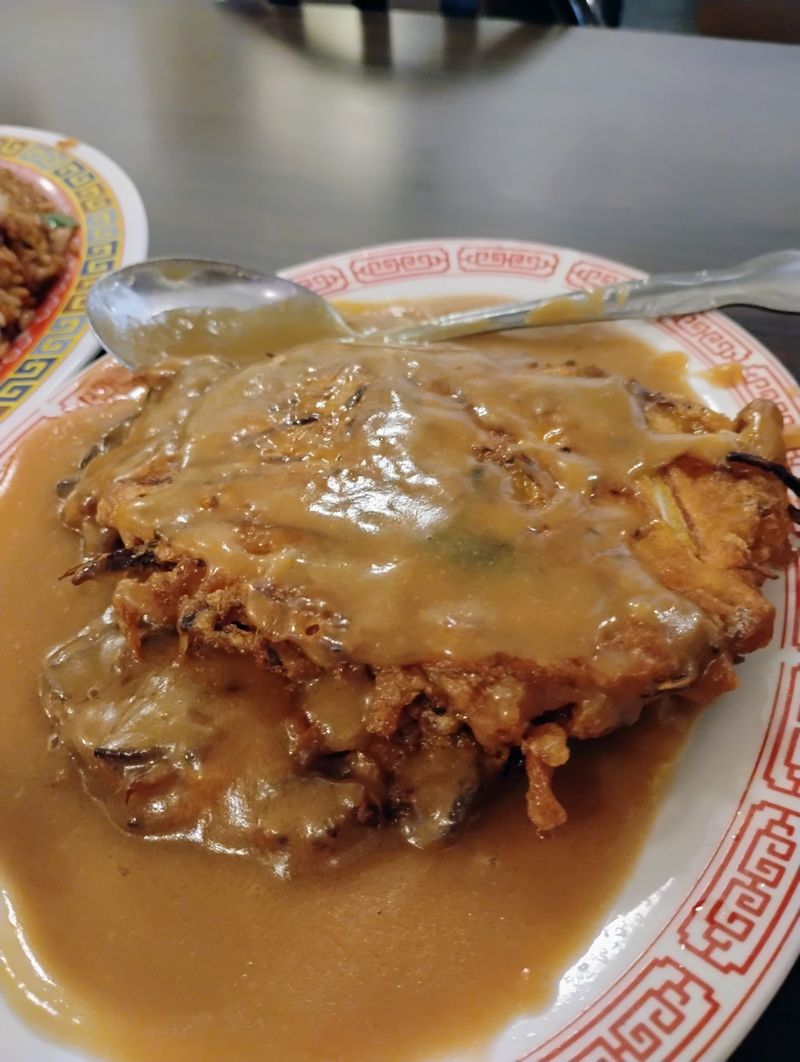
California Cantonese cooking is its own delicious category. At Paul’s Kitchen, it blends culturally Chinese and American flavors into true comfort food.
Egg foo yong leads the charge here. Chop suey and char siu barbecue pork follow close behind, often served with rich gravy.
These dishes once filled menus across the country. Many restaurants dropped them over the years, which makes finding them here feel like a small victory.
Gravy might sound unusual on Chinese food to some newcomers. Give it a chance, because it’s a big part of what makes this style so cozy.
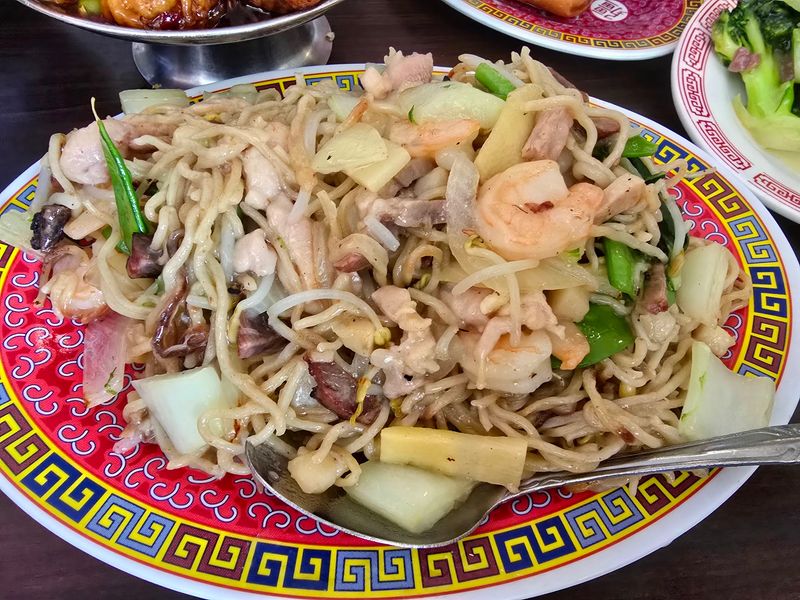
Chow mein is another well-known option on the menu. It fits right in with the other old-school favorites that keep folks coming back.
I appreciate a kitchen that keeps these dishes alive. They tell the story of how Chinese American cooking grew up in California.
Ordering one of these classics is a little like hearing an old song again. It’s familiar, warm, and somehow better than you remembered. And if you’re new to the style, it’s a tasty history lesson served right on your plate.
Soup, Rice, And Beef Worth Adding To Your Order
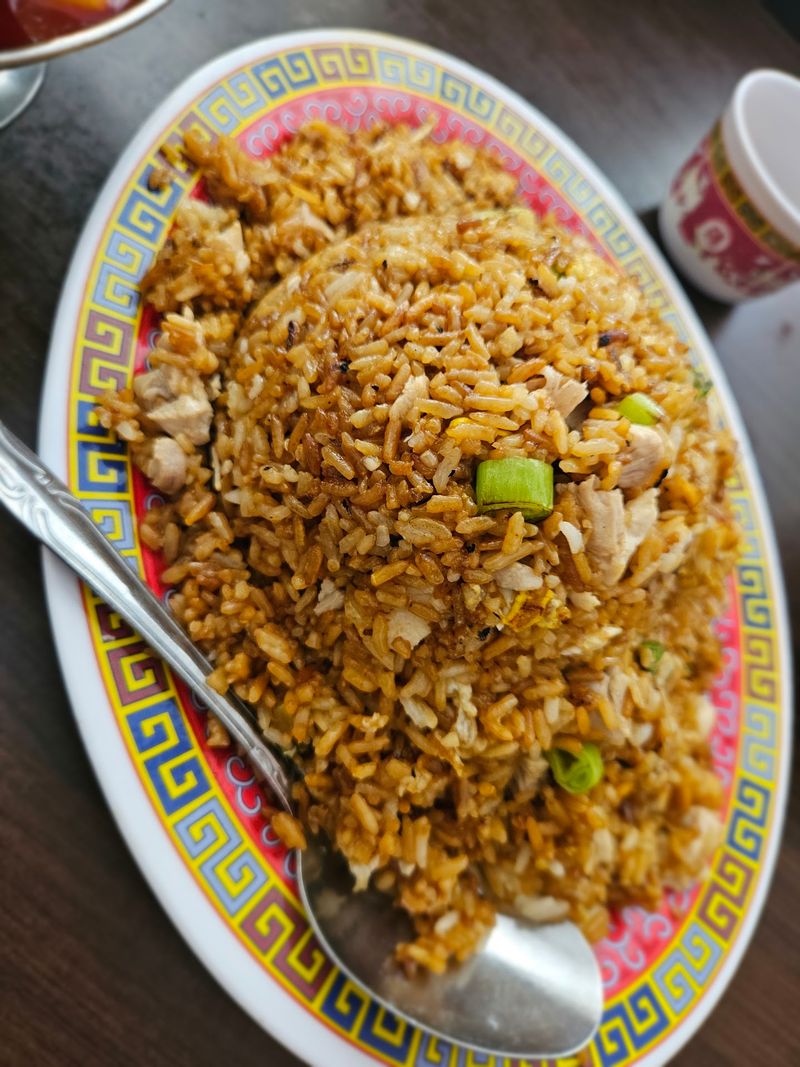
Wor Wonton Soup deserves a spot near the top of your list. It’s one of the popular dishes at Paul’s Kitchen and a hearty way to begin.
Wor wonton soup usually goes beyond plain wontons in broth. It adds extra ingredients, turning a starter into something closer to a meal.
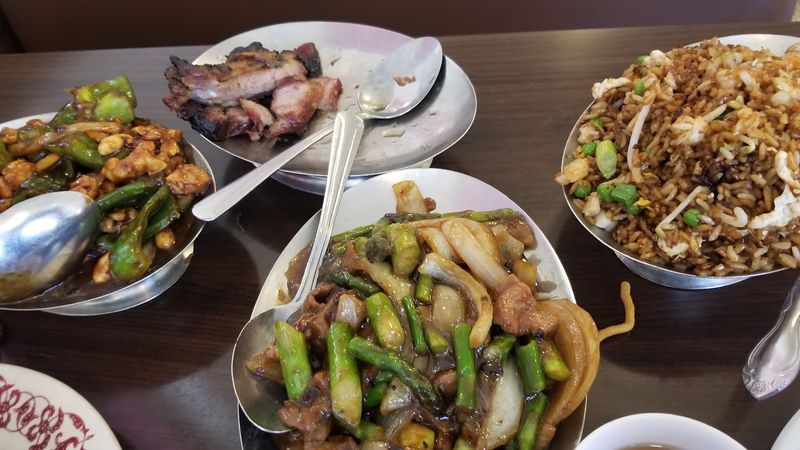
Pork Fried Rice is another favorite on the table. It pairs naturally with nearly everything else on the menu, from saucy plates to crispy bites.
Then there’s Asparagus with Beef. It brings a fresh green crunch that balances out the richer gravy dishes.
Building a meal around these three makes plenty of sense. You get soup, a filling rice dish, and something with vegetables in one go.
That kind of variety keeps a big group happy. Picky eaters and adventurous ones can both find something to love.
I can’t imagine skipping the fried rice. It’s the dependable teammate that helps every other dish shine a little brighter. Leftovers are part of the fun too, so don’t be shy about packing a box for tomorrow’s lunch.
Crispy Noodles And Oolong Set The Pace
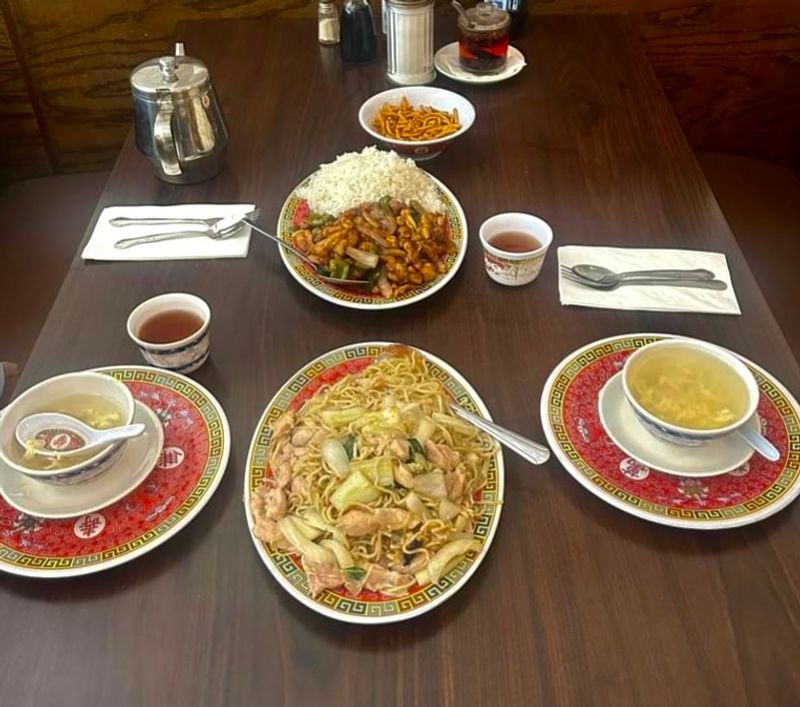
Before the main dishes even land, something crunchy shows up. Paul’s Kitchen starts meals with crispy noodle sticks and oolong tea.
It’s a small touch that says a lot. This restaurant leans into an unhurried style of hospitality, the kind that invites you to slow down.
Crunchy noodles make a great snack while you scan the menu. They also give hungry kids something to munch on right away, which every parent will appreciate.
Oolong tea brings a gentle warmth to the table. Sipping it between bites feels calm and old-fashioned in the best way.
So many restaurants today rush diners in and out. A welcome like this feels refreshing, almost like being treated as a guest in someone’s home.
I appreciate that the first bite here comes before you even order. It sets a friendly mood right from the start.
Just try not to fill up on the noodles. The main dishes still need room, and that bowl can disappear faster than you planned. Pace yourself, pour another cup of tea, and enjoy the slow, easy rhythm of the meal.
A 1968 Dining Room That Never Got A Makeover
Terrazzo floors, a long counter, and pink screens. The interior at Paul’s Kitchen still carries its original 1968 design.
That’s a rare treat in Los Angeles. Countless older restaurants have been gutted and modernized, losing their charm along the way.
Here, the room feels like a time capsule. The terrazzo flooring alone is a classic mid-century detail that’s tough to find today.
Counter seating adds a diner-like feel to the experience. It’s a handy choice for solo eaters who want a quick, casual meal.
Those pink screens might be the room’s most memorable feature. They bring a playful pop of color that feels straight out of another era.
Design fans should absolutely take a look around. The space shows how restaurants once looked before sleek minimalism took over everything.
I love when a building tells its own story. This one quietly shares decades of California history without saying a word.
Snap a photo or two while you’re there. Rooms like this are getting harder to find, and it’s worth remembering exactly how this one looks today.
Bring Cash And Check The Hours First
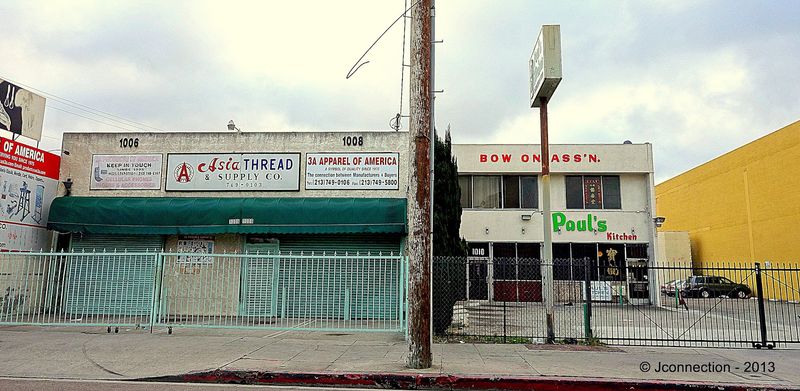
Plastic won’t help you here. Paul’s Kitchen is a cash-only restaurant, so stop by an ATM before you arrive.
You’ll find it at 1012 San Pedro St, Los Angeles, CA 90015. The area was once known as Market Chinatown and is now part of the Fashion District.
That history adds another layer to your visit. The restaurant has stood as a fixture in this community for decades, long before the neighborhood’s name changed.
Shopping in the Fashion District pairs nicely with a meal here. A plate of chow mein makes a great reward after hunting for bargains.
Hours are worth checking carefully before you go. Current listings show the restaurant opening at 10:30 a.m. and closing earlier in the evening, with Tuesday closed.
That early closing time matters for dinner plans. Think of this as a lunch or early supper spot rather than a late-night stop.
A quick call or check ahead saves disappointment. Once you’re seated with tea and noodles, you’ll be glad you planned ahead for this classic California experience.