
This New Jersey Bakery Brings Traditional Polish And European Baking Together In The Most Delicious Way
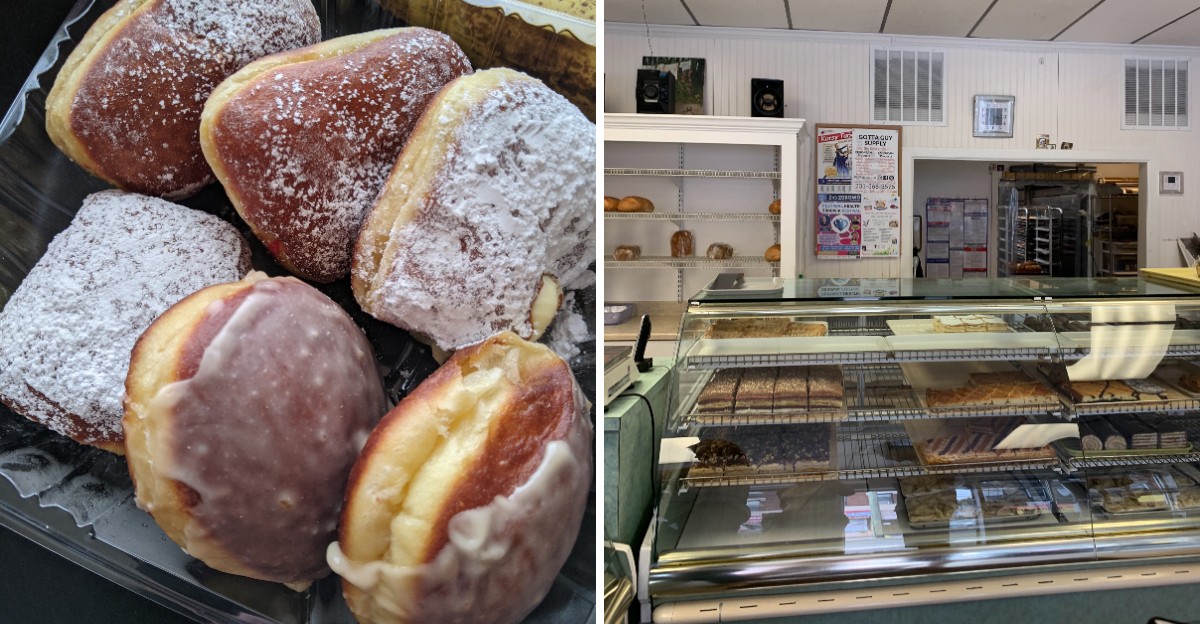
On one Fat Thursday, this bakery reportedly sold around 40,000 paczki. That’s not a typo, and yes, that’s a lot of dough.
The founder learned his craft at sea in the 1940s. He studied under French, Italian, and Polish bakers aboard a ship sailing between Genoa and New York.
That mix of training still shapes the shelves today. You’ll find sourdough rye, rose hip paczki, cheese babka, and delicate angel wings, all made the old-fashioned way in New Jersey.
Decades of traditional baking have kept this neighborhood shop close to the hearts of local families. Its familiar recipes and handmade treats continue to draw visitors from near and far, especially around the holidays.
A Sailor’s Baking Lessons Started This Whole Delicious Story
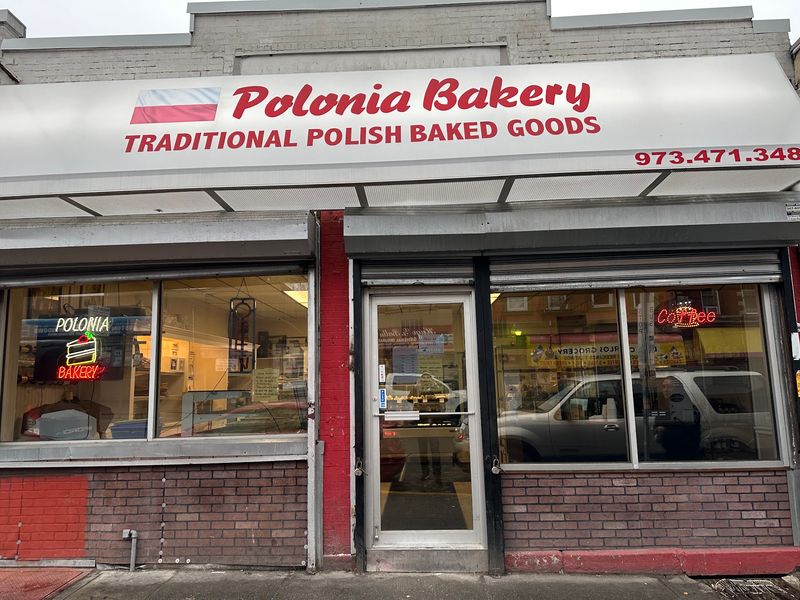
Polonia Bakery traces its roots to a young man on a ship. Jan Kaczmarek, born in Poland in 1928, worked aboard the Sobieski on the Genoa-New York route in 1947.
Life at sea gave him an unusual classroom. He picked up baking from French, Italian, and Polish teachers during that time.
That blend matters more than you might guess. French technique, Italian flair, and Polish tradition all landed in one person’s hands.
Jan eventually brought those skills to Monroe Street in Passaic. He opened his own bakery there in the 1950s, in a neighborhood with deep Polish roots.
Think about how rare that path is today. Most bakers train in schools or kitchens, not on transatlantic voyages.
So when you bite into something here, you’re tasting a long journey. It started on the water and ended in New Jersey, which is a pretty good plot twist for a loaf of bread.
Not every bakery comes with a backstory this good. This one practically deserves its own movie, ideally with a soundtrack of mixers humming in the background.
Fat Thursday Turns Into A Full-Blown Paczki Celebration
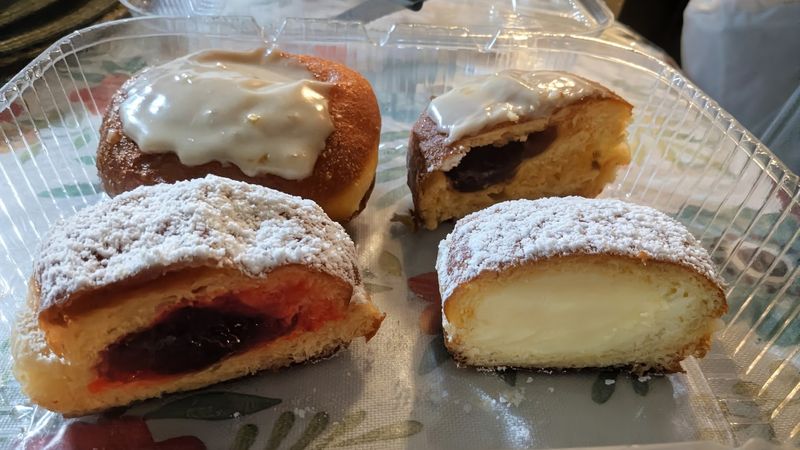
Forty thousand doughnuts in a single day. That’s the reported paczki count from one Fat Thursday at this bakery, and it tells you everything about the demand.
Fat Thursday falls on the last Thursday before Lent. In Polish tradition, it’s the day to enjoy rich treats before the fasting season begins.
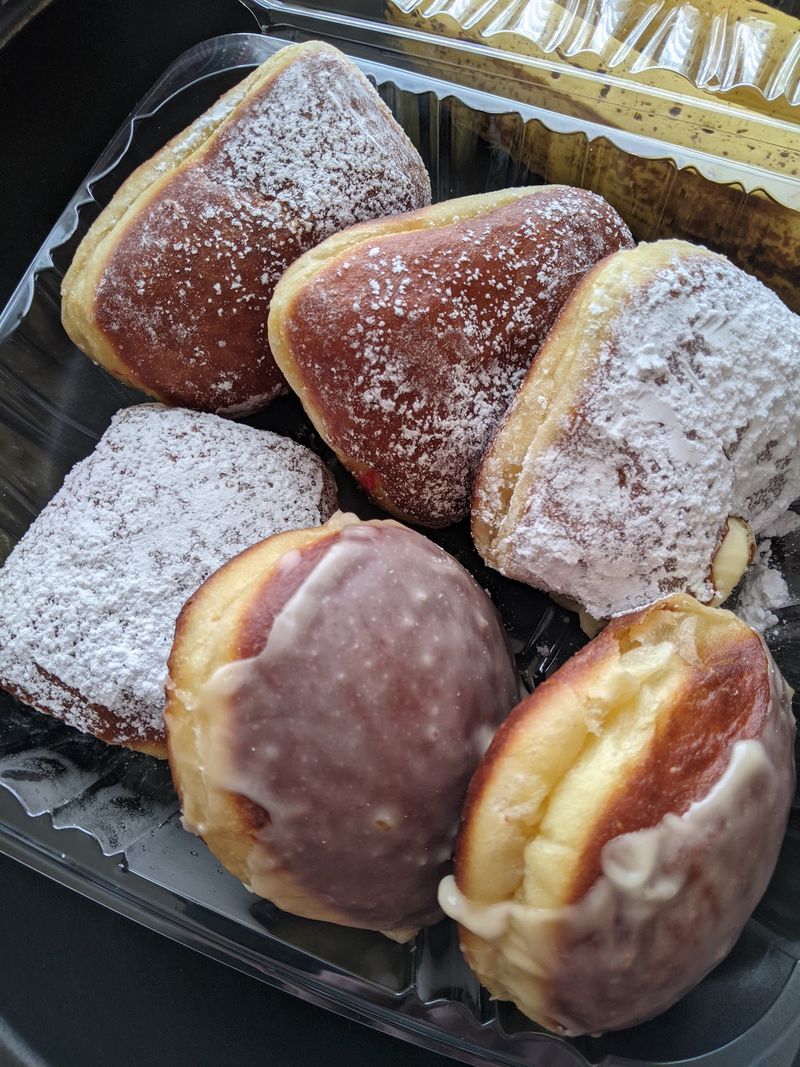
The fillings here keep things classic. You can choose raspberry jelly, Bavarian cream, rose hip, or a thick prune-and-apple lekvar.
Rose hip might sound unusual if you didn’t grow up with it. It’s a traditional Polish favorite, and I’d probably grab one just to taste a little history.
Look for a light yellow stripe around the middle of each paczek. That band is believed to show the doughnuts were fried in fresh oil.
Planning tip: holidays bring big demand to small shops. Heading over early in the day gives you the best shot at your favorite flavors.
Fat Thursday only comes once a year. Missing it would feel like skipping your own birthday cake.
Sourdough Rye Is The Quiet Hero Behind The Counter
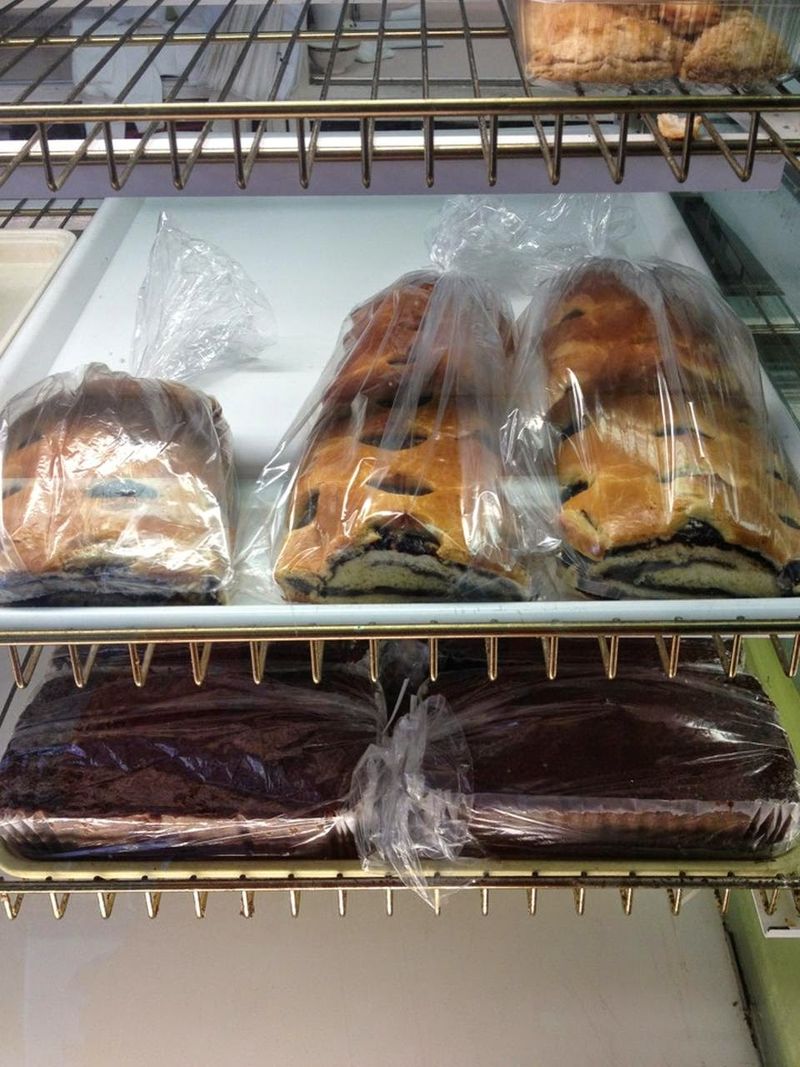
Doughnuts get the spotlight, but bread does the heavy lifting. Rye is one of the items most closely tied to this bakery’s name.
Polonia Bakery bakes several traditional Polish loaves. Rye, country-style wiejski, and whole grain razowy all show up on its lineup.
Sourdough plays a big role in the flavor. That slow, tangy starter gives Polish rye its signature character.
Each style serves a different purpose at home. Wiejski feels like everyday farmhouse bread, while razowy brings a heartier, whole grain bite.
Here’s a practical idea for your visit. Grab more than one loaf, because good rye freezes well and toasts nicely later.
Polish rye also shines with simple toppings. Butter, cheese, kielbasa, or open-faced kanapki are classic ways to enjoy it.
Buying bread from a bakery with this much history feels different. You’re not just picking up groceries; you’re bringing home a recipe that’s been in the oven for decades.
Honestly, one loaf rarely survives the ride home anyway. Consider yourself warned.
Babka, Angel Wings, And Layered Cakes Fill The Sweet Side
Powdered sugar has a way of finding your shirt. Chrusciki, also called faworki or angel wings, will test that theory quickly.
These thin, crisp ribbons of fried dough are a Polish holiday staple. Polonia Bakery makes them, and some families even order them ahead for Christmas.
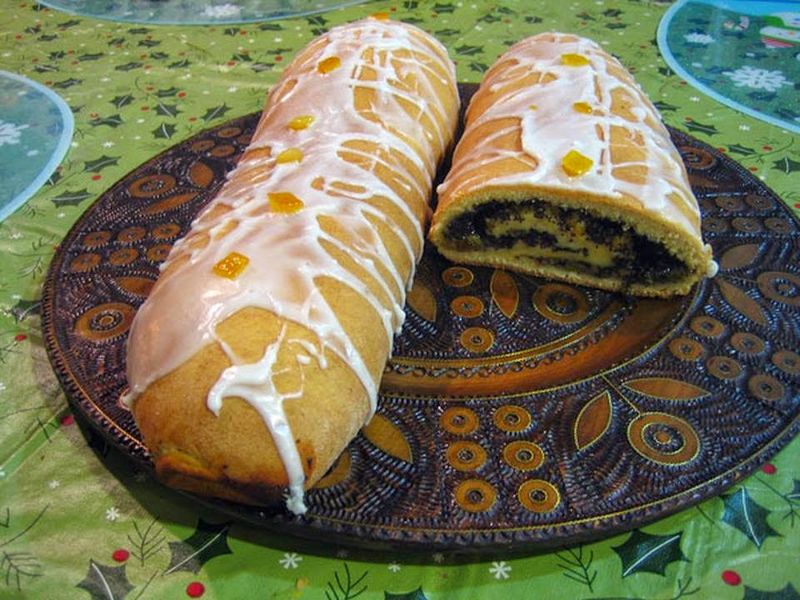
Babka is another big draw here. Cheese babka in particular ranks among the bakery’s best-known sweets.
Then there’s the layered rum cake. It stacks different flavored cake layers with fillings and icings in between, making it a celebration piece.
Butter cookies round out the tray if you want something smaller. They’re an easy pick for sharing at the office or family gatherings.
My advice is simple. Pair one sweet you know with one you’ve never tried.
That approach makes a trip here feel like a tasting tour. You’ll learn quickly why Polish desserts lean less sugary and more about texture.
And if someone asks why the box looks lighter on the drive home? You can blame the angel wings.
Pierogi Make It Easy To Bring Dinner Home Too
A bakery that also solves dinner? That’s a smart combination.
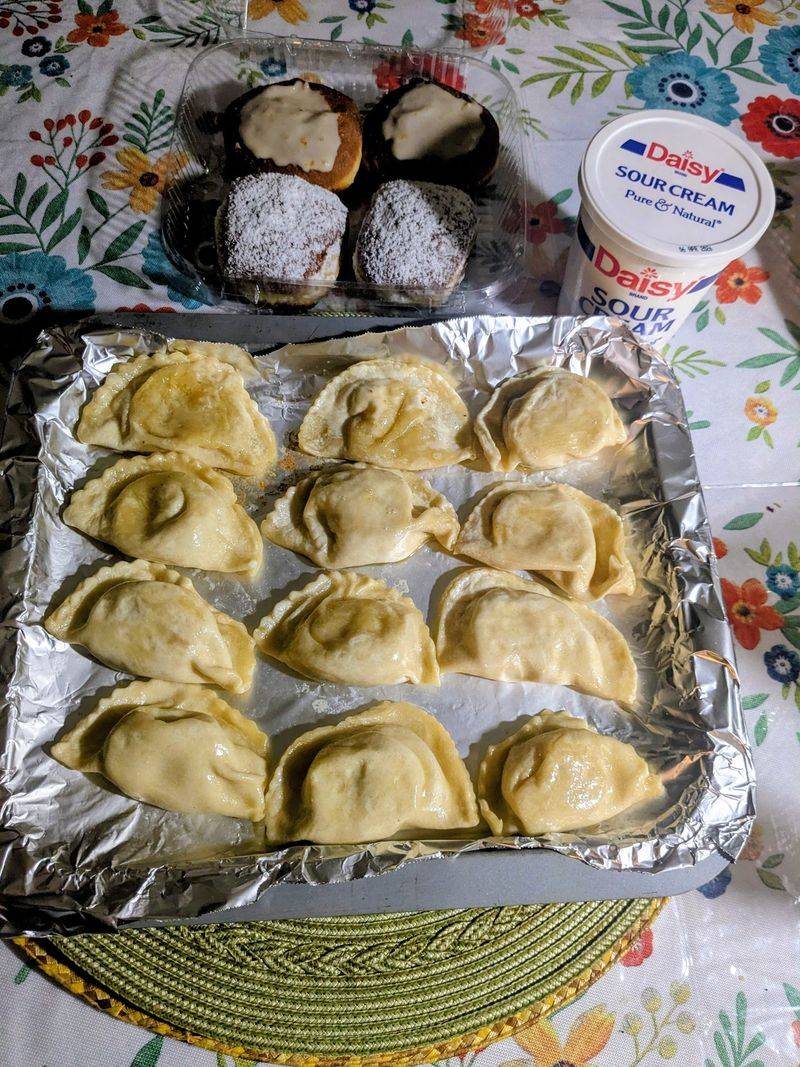
Polonia Bakery sells pierogi alongside its breads and pastries. Potato pierogi are among the options people pick up here.
That makes a quick stop surprisingly useful. You can grab tomorrow’s bread, a dessert, and a ready meal in one trip.
Pierogi are wonderfully flexible at home. Boil them, pan-fry them in butter, or crisp them up in an air fryer.
Toppings keep things classic. Sautéed onions and a spoon of sour cream rarely let anyone down.
Holidays are a great time to stock up. Polish families often serve pierogi during festive meals, especially around Christmas Eve.
Paczki season pairs well with pierogi too. A savory dinner followed by a filled doughnut makes for a strong Fat Thursday plan.
I appreciate that the menu covers both sweet and savory. It shows a bakery built around real family tables, not just the dessert plate.
Just be careful about one thing. Buying a single dozen might feel brave until everyone at the table wants seconds.
Two Generations Of Kaczmareks Keep The Ovens Running
Family businesses rarely last this long. Polonia Bakery has stayed in the Kaczmarek family since it opened in the 1950s.
Today, Jan’s son Andrew Kaczmarek runs the operation. That kind of continuity helps explain why the recipes still feel rooted in tradition.
The family’s community ties run deep too. Both father and son served as Marshals of the Pulaski Parade in New York.
Jan earned that honor in 1977. Andrew followed in 2013, which is a pretty impressive family tradition all on its own.
The Pulaski Parade celebrates Polish-American heritage. Being chosen as Marshal reflects real respect within that community.
Why does this matter for your pastry order? Ownership that cares about heritage tends to protect the old ways.
That shows up in the menu choices. Rose hip paczki, sourdough rye, and angel wings aren’t trendy, they’re traditional.
In a world of rotating owners and rebrands, this kind of steady hand feels comforting. It’s like visiting a relative who still makes things exactly the way grandma did, minus the guilt trip about calling more often.
Monroe Street Still Carries A Proud Polish Story
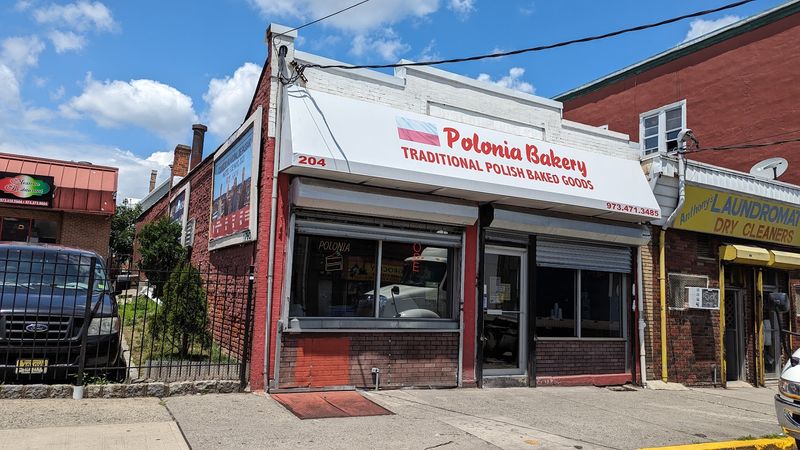
Monroe Street in Passaic has long been known as a Polish neighborhood. That’s exactly where Jan chose to open his bakery.
You’ll find Polonia Bakery at 204 Monroe St, Passaic, NJ 07055. It sits in an older part of town with a lot of history.
The neighborhood has changed over the years. Its Polish population has shrunk, yet the bakery keeps drawing customers.
Many of them travel in for holidays. People come from across New Jersey and even farther for authentic Polish baking.
That loyalty says a lot. A shop doesn’t keep pulling people back for decades by accident.
Visiting gives you a small window into Passaic’s immigrant past. The bakery feels like a living link to the families who built this community.
Plan your route ahead of time. Street parking nearby can be tricky, so give yourself a few extra minutes.
It’s a good reminder that great food doesn’t need a fancy zip code. Sometimes the best bread in the area sits on a busy city block, quietly doing its thing since the Eisenhower years.
Grab-And-Go Is The Name Of The Game Here
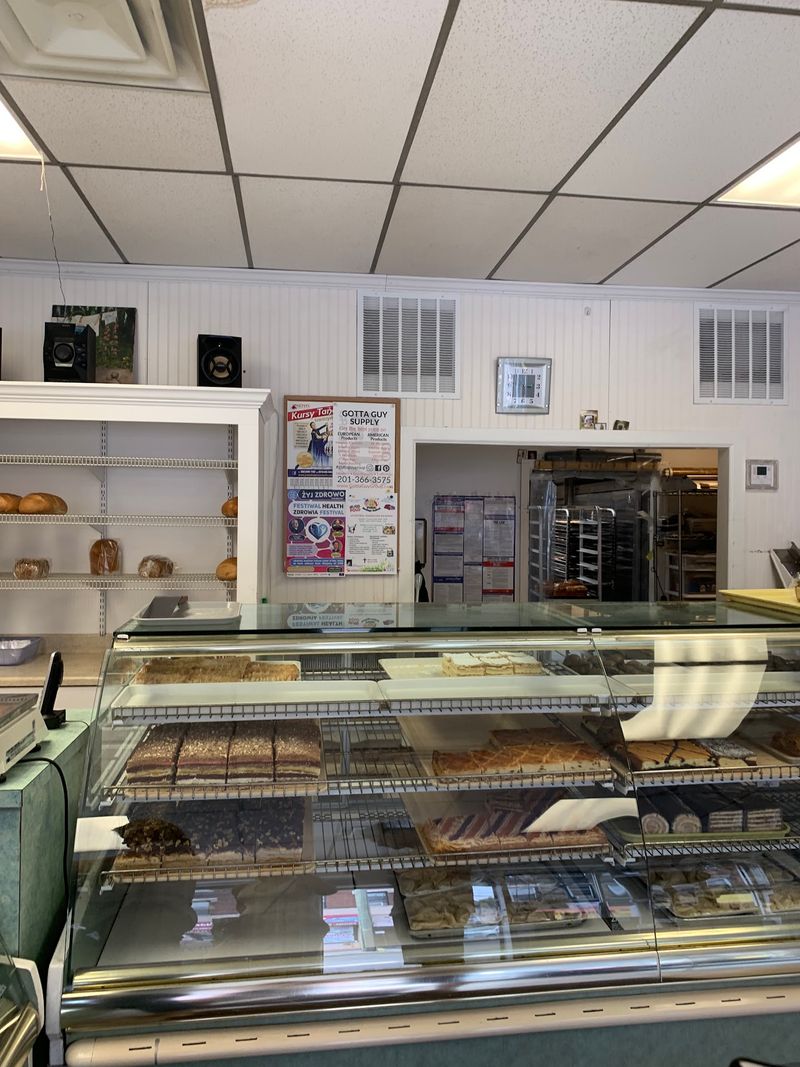
Don’t expect a café with comfy couches. Polonia Bakery works mainly as a takeaway shop, so think quick stop rather than long hangout.
The inside is on the small side. It can feel a bit cramped, especially when holiday crowds show up.
That compact setup suits the mission, though. This is a place built around baking, not lounging.
A little planning goes a long way. Know what you want before you reach the counter to keep things moving.
Bringing a sturdy bag or box helps too. Bread, babka, and pierogi add up fast.
Staff members often get praise for being friendly and helpful. That warmth makes a tight space feel more welcoming.
Holiday rush days need extra patience. Paczki season especially brings big demand to a small storefront.
If you prefer calm, try a regular weekday morning. You’ll have more breathing room to study the shelves.
Small shops like this have charm that big chains can’t fake. Sure, elbow room is limited, but the smell of fresh bread makes up for it pretty quickly.
Early Birds Get The Best Pick Of The Morning Bake
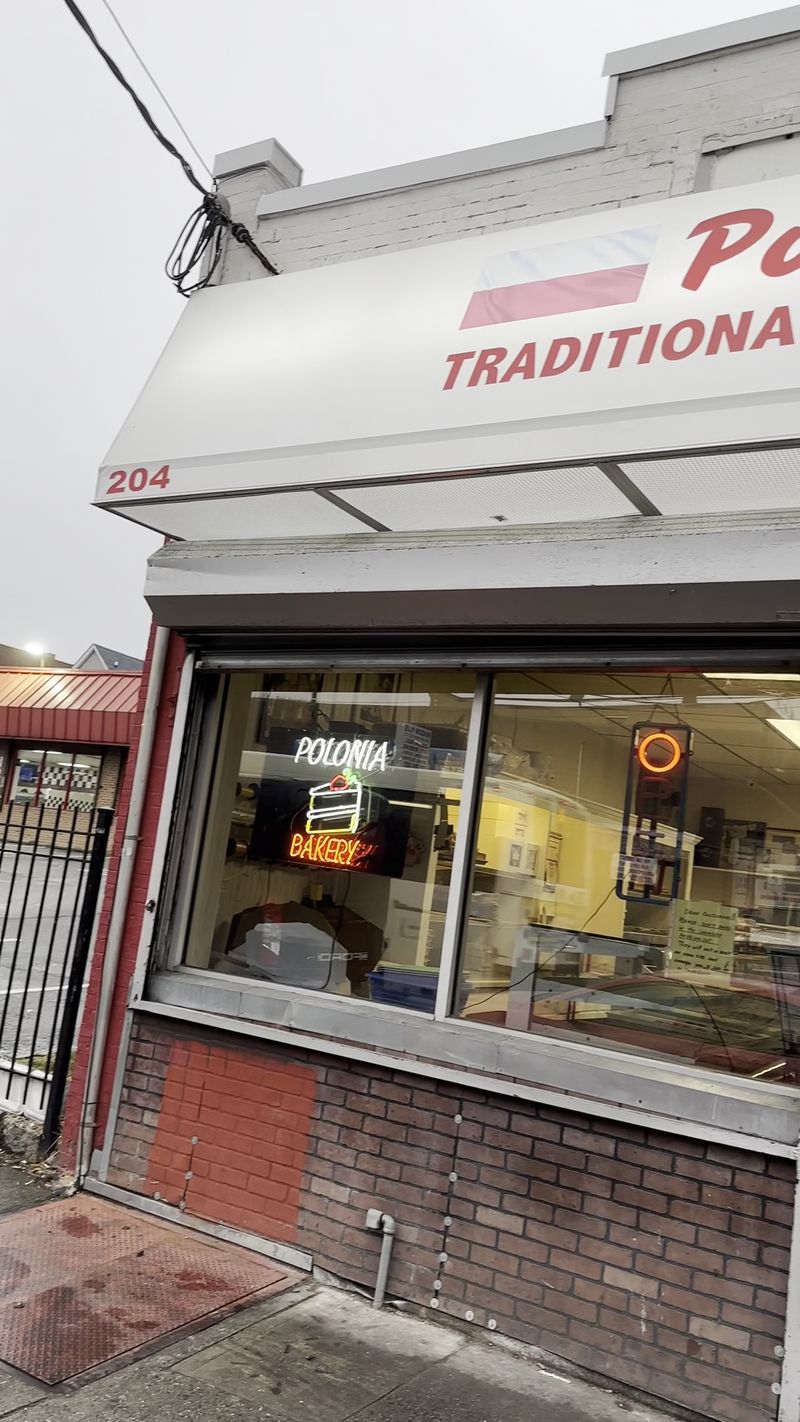
Five-thirty in the morning is opening time most days. That’s early enough to grab fresh bread before many people finish their first coffee.
Polonia Bakery opens at 5:30 AM Tuesday through Sunday. It stays open until 6 PM Tuesday through Friday.
Weekends run shorter. Saturday closes at 5 PM, and Sunday wraps up at 2 PM.
Mondays are the day off. Mark that on your calendar so you don’t make the trip for nothing.
Arriving early has real perks. Popular items like rye and paczki can move fast, especially before holidays.
Hours can shift around special dates. A quick check before Fat Thursday, Easter, or Christmas is always smart.
Easter is a natural time to visit. Traditional Polish breads and babka fit beautifully on a holiday table.
For first-timers, I’d build a simple order. A loaf of rye, a few paczki, and something new to try.
This New Jersey classic rewards anyone willing to set an alarm. After all, nobody ever regretted showing up early for warm Polish bread.