
This Historic Connecticut Town Dates Back To 1640 And Still Looks Like A Colonial-Era Village
George Washington passed through this place in 1780 and 1781 and is said to have nicknamed it the village of pretty houses. Honestly, that’s a pretty great review from a man who saw a lot of towns.
The houses he admired are still standing along Main Street. Some date back to the 1600s, and more than a hundred homes in the historic district were built before 1835.
I love that the railroad bypassing the historic village center turned out to be a blessing. Without trains roaring through, the old village center stayed remarkably intact in central Connecticut.
So what does a colonial village look like when it’s still lived in today? Grab a comfortable pair of shoes, because the answer comes with saltbox houses, a 1771 church, and a few surprises.
Main Street Is Basically A 275-Acre Time Capsule
Here’s a number worth remembering: 275 acres. That’s the size of the Farmington Historic District, which joined the National Register of Historic Places in 1972.
Within the historic district and adjoining areas stand approximately 115 houses dating from before 1835. A few colonial estates along Main Street even date back to the 17th century.
So why did so much survive? Part of the credit goes to the railroad bypassing the historic Main Street area, which helped preserve the village center.
Another hero in this story is Sarah Porter. In the late 1800s, she worked to keep railroad and trolley tracks away from her school, which helped protect Main Street.
The result feels like a neighborhood that politely refused to rush into the future. Modern Farmington still manages its historic district and plans land use carefully.
Remember that most of these buildings are private homes. Admire them from the sidewalk, and save the peeking through windows for museum houses instead.
A relaxed walk is the best way to soak it all in. Look for old doorways, chimneys, and rooflines that have watched centuries roll by.
The Village Washington Couldn’t Stop Admiring
English settlers from Hartford arrived here in 1640. That makes the Town of Farmington the oldest inland settlement west of the Connecticut River.
It’s also the twelfth oldest community in Connecticut. The town got its official name and incorporation in December 1645, back when a horse was considered fast travel.
Farmington earned another nickname over time: the mother of towns. Its original land was so huge that it was later divided to create nine other central Connecticut communities.
Think of it as the family matriarch of the region. Plenty of nearby towns can trace their roots right back to this one.
Today, Farmington sits in Hartford County, about 10 miles west of Hartford. That short distance makes it an easy day trip from the capital city.
The best part is how the past still shows up everywhere. You don’t need a museum ticket to feel the history, because the streets themselves tell the story.
Start with a slow drive or stroll through the village center. I’d keep my phone handy, because those old houses practically pose for photos on their own.
Peek Inside A 1720 Saltbox That Still Teaches History
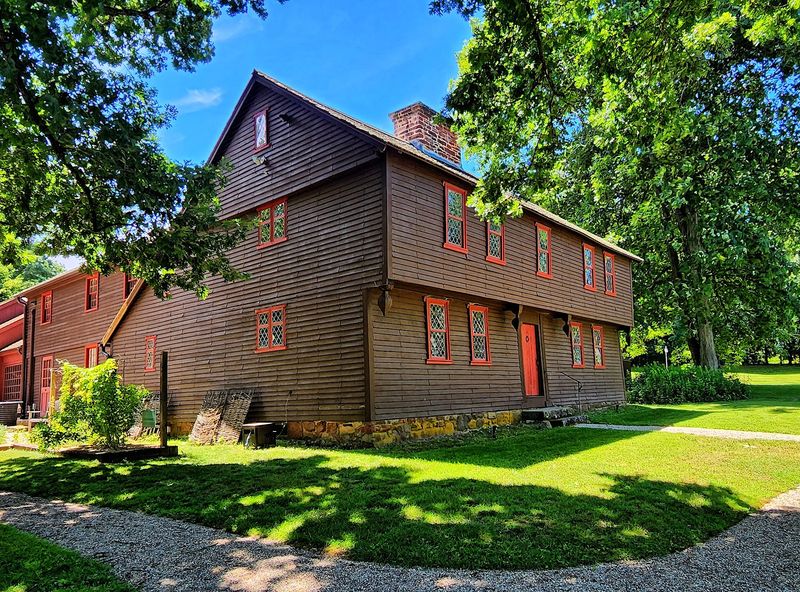
Few houses wear their age as proudly as the Stanley-Whitman House. Built around 1720, this shingled saltbox is now a National Historic Landmark.
The house works as a living history center and museum. Instead of just reading about 18th-century life, you get to see it through period furnishings and surrounding gardens.
That saltbox shape is a classic New England look. The roof runs long and low in the back, like the house is leaning in to hear a secret.
Guided tours take visitors through the home. It’s a great choice for kids who learn better by seeing real rooms instead of textbook pictures.
The gardens are open daily, so you can enjoy them even without a tour. I’d wander there first, then head inside to connect the plants with everyday colonial chores.
The house sits near the Village Green in Farmington’s historic center. That makes it easy to pair with a walk down Main Street.
Check the museum’s schedule before you go, since tour times can change. Then plan to linger, because the details reward curious eyes.
A 1771 Church Still Facing The Same Direction
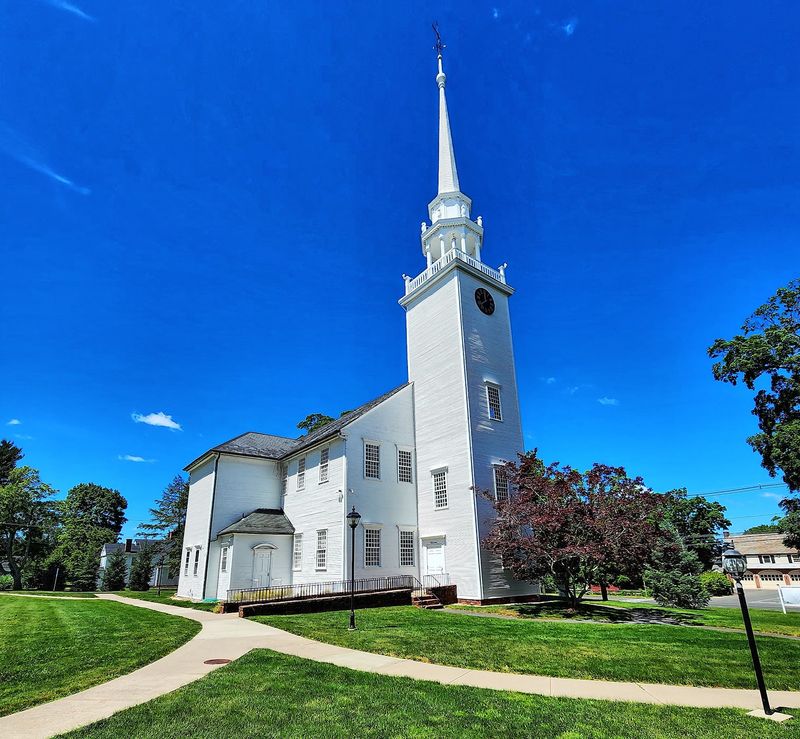
Some buildings change with every generation. The First Church of Christ, Congregational, built in 1771, mostly decided not to bother.
It’s one of Connecticut’s few surviving colonial-era churches that keeps its original architectural orientation. In other words, it still faces the way its builders intended over 250 years ago.
That detail might sound small, but it’s rare. Many old meeting houses were turned, moved, or rebuilt as towns grew and styles shifted.
The church predates the United States itself. When it went up, the colonies were still a few years away from declaring independence.
Its spot in the village helps anchor the whole historic scene. A white church in a colonial town is like the cherry on top of a sundae.
This is an active congregation, so be respectful if you visit around services. Photos from outside are a lovely way to capture its classic look.
Pair a stop here with the nearby saltbox museum and Main Street homes. Together, they give you a full picture of daily colonial life, from home to meeting house.
Brick Walls And A School With Serious Staying Power
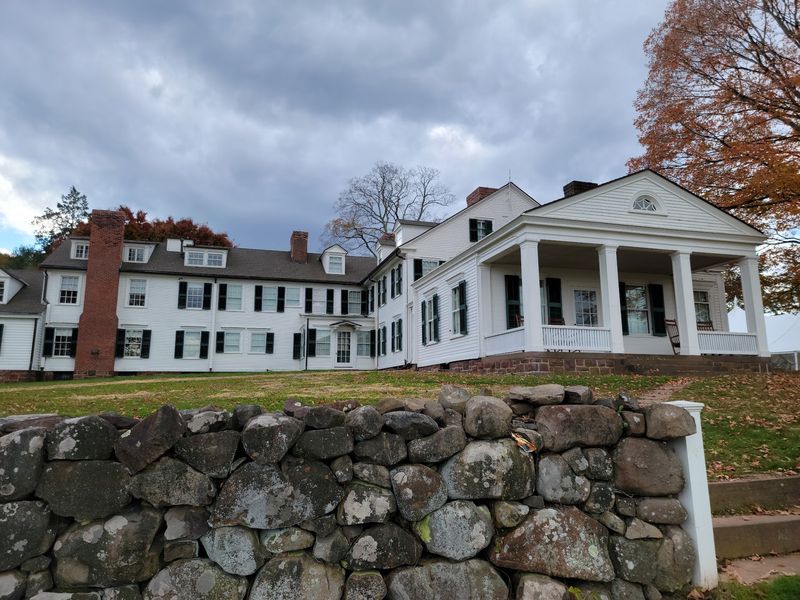
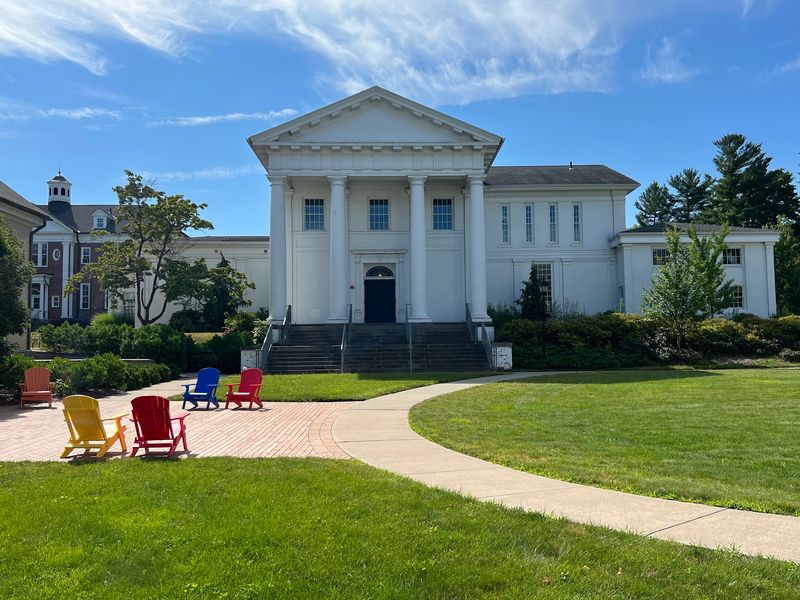
Sarah Porter founded Miss Porter’s School in 1843. Over 180 years later, the private college preparatory school for girls is still a big part of village life.
The school occupies many historic buildings in the village center. That means the campus blends right into the colonial streetscape instead of standing apart.
Sarah Porter deserves a thank-you note from every history fan. Her push to keep trains and trolleys away helped Main Street keep its old-time charm.
Talk about a lasting legacy. One determined educator helped shape how an entire village looks today.
Since it’s a working school, the grounds aren’t a tourist attraction. Enjoy the buildings from public streets and sidewalks, especially in fall when the trees light up.
Close by, Brickwalk Village sits in the heart of historic Farmington. It mixes residences, boutique shops, and professional offices inside historic buildings.
I like that combo of old walls and modern uses. It proves a colonial village can stay useful instead of turning into a frozen display. Browsing a shop here feels a little like shopping inside a history book.
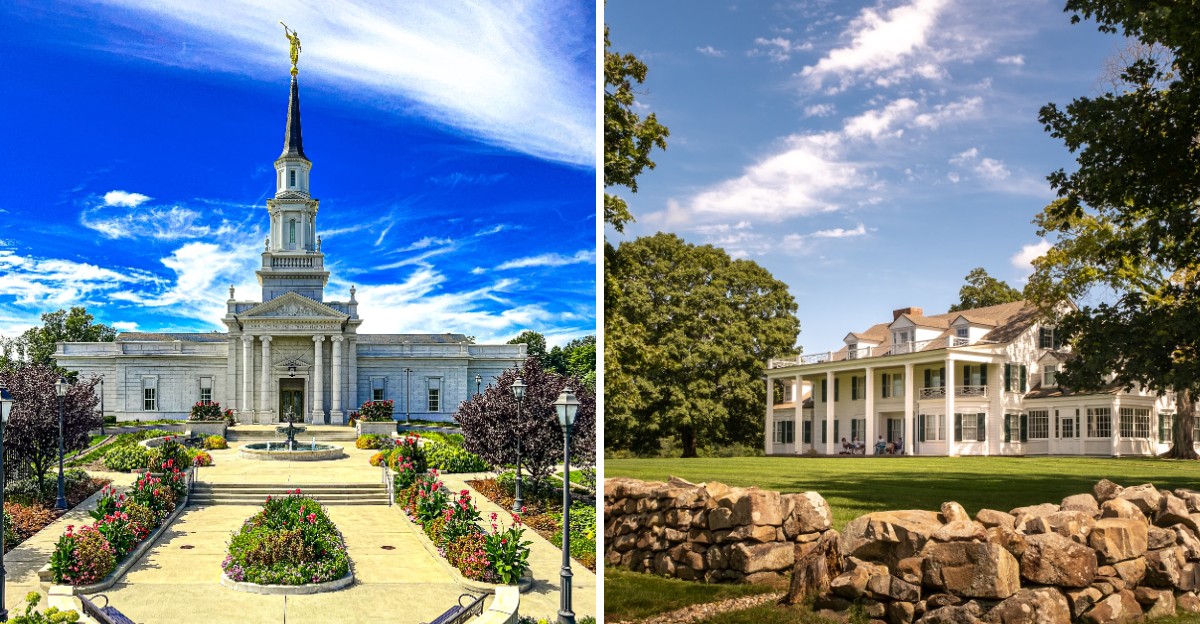
Impressionist Paintings Hang Inside This Hilltop Mansion
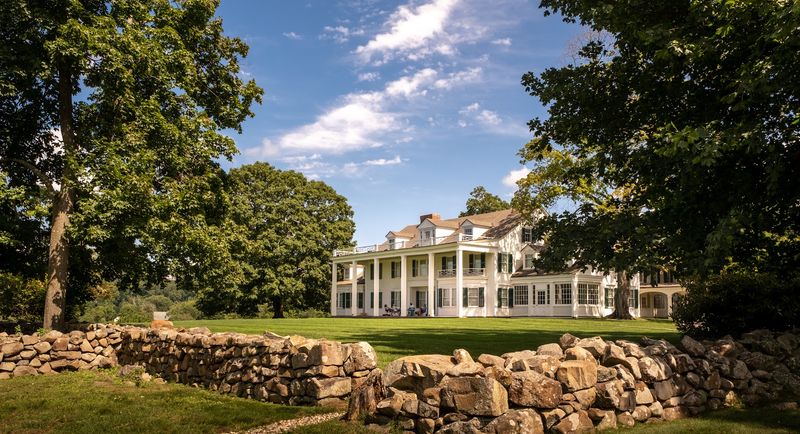
Monet in a Connecticut farmhouse-style mansion? That’s exactly what the Hill-Stead Museum offers, along with a backstory that deserves more attention.
The Colonial Revival house was built in 1901 and designed by Theodate Pope Riddle. She was one of America’s first female architects, which was a bold career choice at the time.
Inside, the museum is known for its collection of French Impressionist paintings. Seeing famous art in a home setting feels personal, almost like visiting a friend with amazing taste.
Guided tours lead visitors through the house. You’ll get the stories behind the rooms and the art, not just a quick look.
Outside, the grounds stretch across about 150 acres. The grounds and gardens are open daily and free to visit, which is a rare treat.
If you’re planning a picnic, use one of the museum’s designated picnic areas with tables. Rolling fields and garden paths make it easy to spend a whole afternoon here.
It’s a slightly newer chapter in Farmington’s story. Still, its colonial-inspired style fits right in with the town’s love of old architecture.
The Town Once Earned The Name Grand Central Station
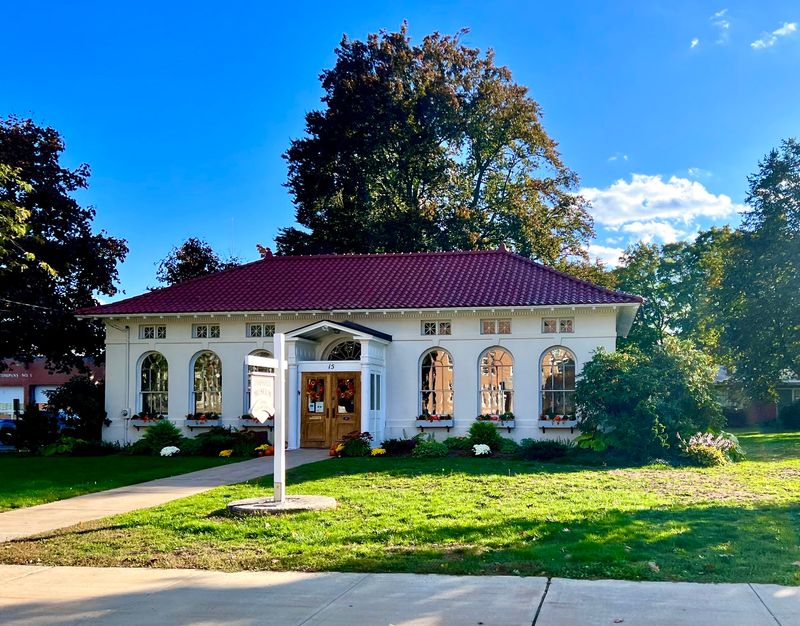
Not all of Farmington’s history is about pretty houses. In the 19th century, the town became known as Grand Central Station for its role in the Underground Railroad.
Several sites here connect to the abolitionist movement. Brave residents helped freedom seekers move north at great personal risk.
Farmington also has ties to the famous Amistad story. After the trial, the Mende Africans who had been held captive spent time living in the town.
One stop worth noting is the Noah Porter House at 116 Main Street, Farmington, CT. It housed one of the Mende girls during this period.
Standing on Main Street hits differently once you know this. The same quiet sidewalks once supported a powerful fight for human freedom.
Local history groups, including the Farmington Historical Society, share more about these sites. Their resources can help you plan a meaningful self-guided walk.
Bring older kids along for this part. It’s a real-life history lesson that sticks far better than a worksheet ever could. Many of the homes are private, so view them respectfully from the street.
Trade Your Car Keys For A Bike Helmet
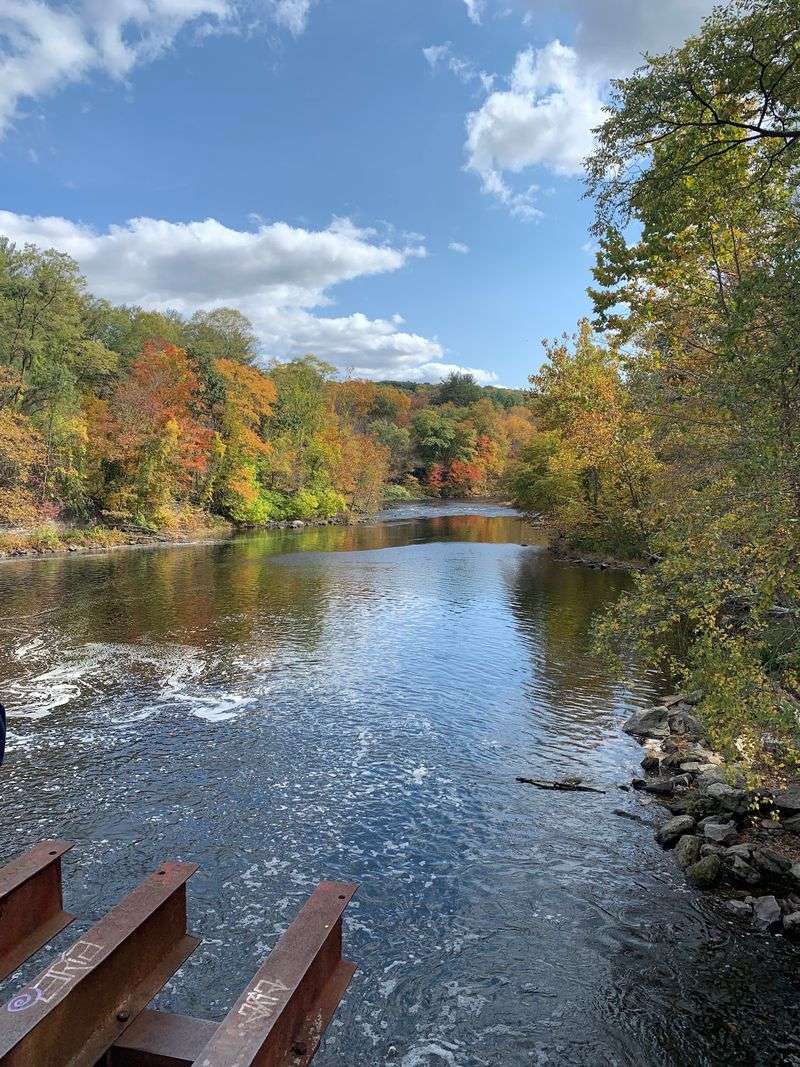
History buffs aren’t the only ones who should visit. Cyclists, walkers, and runners have two great paved paths waiting for them.
The Farmington Canal Heritage Trail follows a historic route, which is a clever way to sneak history into exercise. Every mile has a story under your wheels.
Then there’s the Farmington River Trail. Both multi-use trails offer scenic stretches for hiking and biking without dodging busy traffic.
Paved surfaces make these paths friendly for families. Strollers, training wheels, and casual riders can all join in.
I’d plan a morning ride, then head into the village for a stroll. Burning a few calories first makes exploring old streets feel even more earned.
Bring water, sunscreen, and a snack, especially in summer. The shade helps, but longer rides can sneak up on you.
Fall is an especially colorful time for a ride in Connecticut. Leaves turning red and gold make every bend in the path feel like a postcard. Just watch for fellow trail users and share the space kindly.
Plan Your Perfect Colonial Day Trip Here
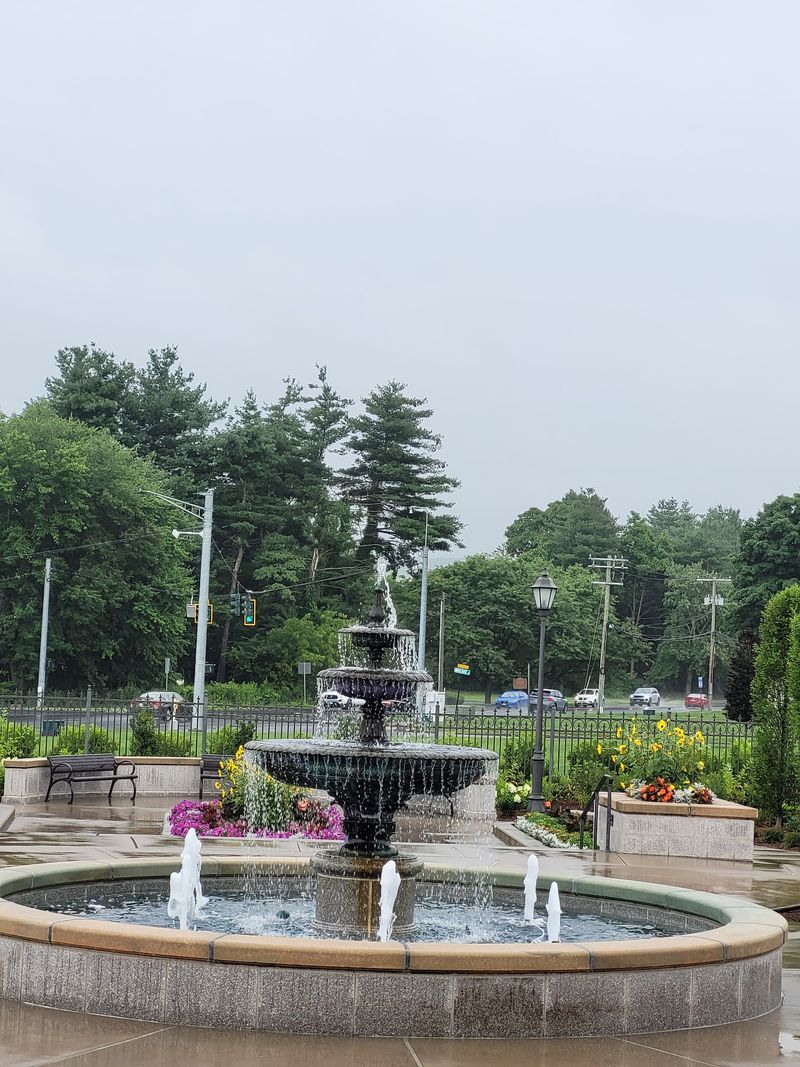
Ready to map out a visit? The village center sits around the intersection of Routes 4 and 10, which makes a handy starting point.
Begin at the Stanley-Whitman House and its gardens. From there, walk Main Street to see the historic homes and the 1771 church.
After lunch, swing over to the Hill-Stead Museum. Its free grounds are perfect for stretching your legs and enjoying open views.
Got extra energy? Finish with a ride or walk on one of the paved trails before heading home.
Farmington is a residential suburb, so it doesn’t feel like a theme park. That’s part of the charm, since real people still live in these historic homes.
Spring and fall are lovely times to visit. Blooming gardens and colorful leaves make the colonial buildings look extra photogenic.
Check museum hours before you leave, because schedules can shift with the seasons. Then just slow down and enjoy it. Washington called it the village of pretty houses, and honestly, he wasn’t exaggerating one bit.