
8 Northwoods Wisconsin Lakes Where Loons Sing At Sunset
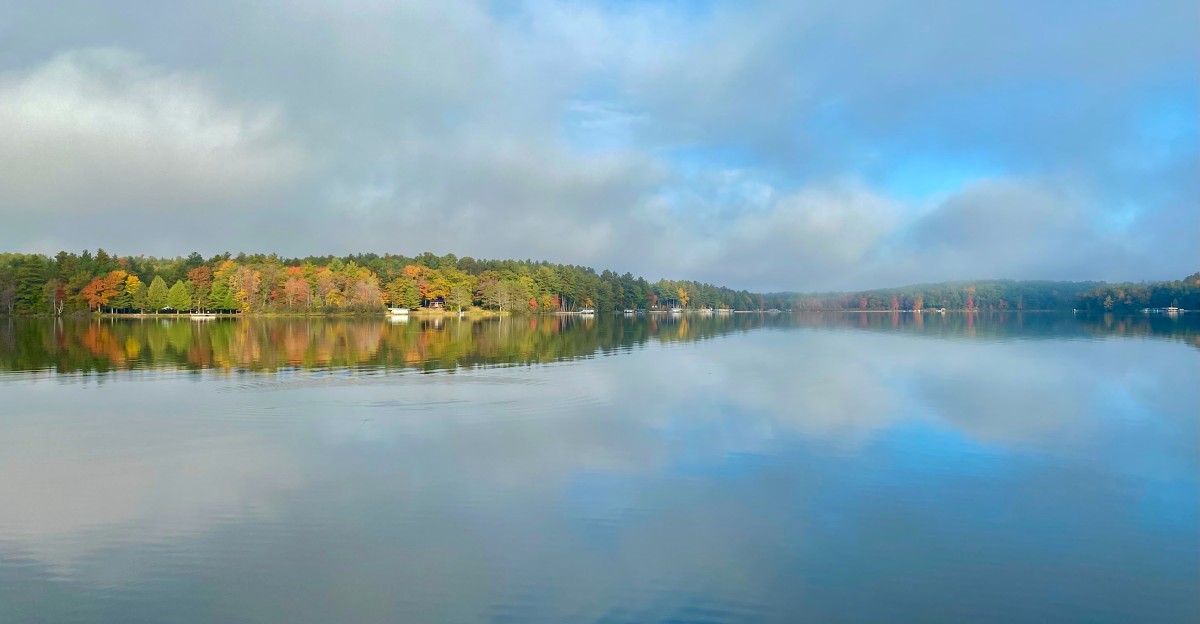
A common loon can’t really walk on land. Its legs sit so far back on its body that it mostly shuffles, which is why nests sit right at the water’s edge. In the water, though, a loon is a superstar. It can dive deep for fish and stay under long enough to make you wonder where it went.
Then comes the evening, and the calls start. I love that the eeriest sound in northern Wisconsin comes from a bird that looks so calm. The wail sounds like a question floating over the water. The tremolo sounds like laughter that can’t stop.
I can’t imagine a better soundtrack for a sunset. The best part is that you don’t need a private cabin to hear it. You just need the right lake, a quiet evening, and a little patience. So which shoreline should you pick first?
1. Big Saint Germain Lake
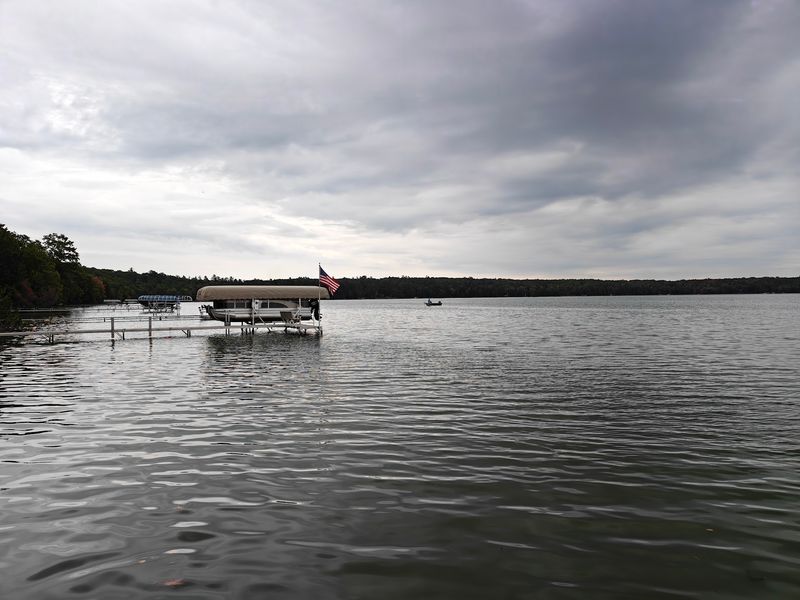
Fishing poles and loon calls make a pretty great team on Big Saint Germain Lake. It’s a large natural lake with public boat landing access, so you don’t need lakefront property to join the fun.
The lake sits in Vilas County, right by the small town of St. Germain. Cabin resorts and thick pine forests set the tone around here. Anglers come for the mix of fish species. The lake is known for good fishing, plus loons, which feels like a fair trade for any slow day.
Wide open water also makes it a favorite for watersports. Daytime can feel lively, with boats zipping around and tubes bouncing behind them. Evening is when the mood shifts. As the boats head home, the water settles and the loons get their turn to talk.
Broad views across the lake let the sunset light spread over the whole basin. The open sky creates a beautiful setting for the evening chorus.
Planning a fishing trip? Head out in the late afternoon so you can stay on the water as the light fades. Give loons plenty of room, especially if you spot a pair with chicks. A pair of binoculars lets you watch them dive without crowding them.
Bring a light jacket, even in summer. Northwoods evenings in Wisconsin can cool off faster than you expect once the sun drops. Keep your engine off for a few minutes after sunset if you can. That quiet stretch might give you the best wail of the night.
Address: St. Germain, WI 54558
2. Trout Lake
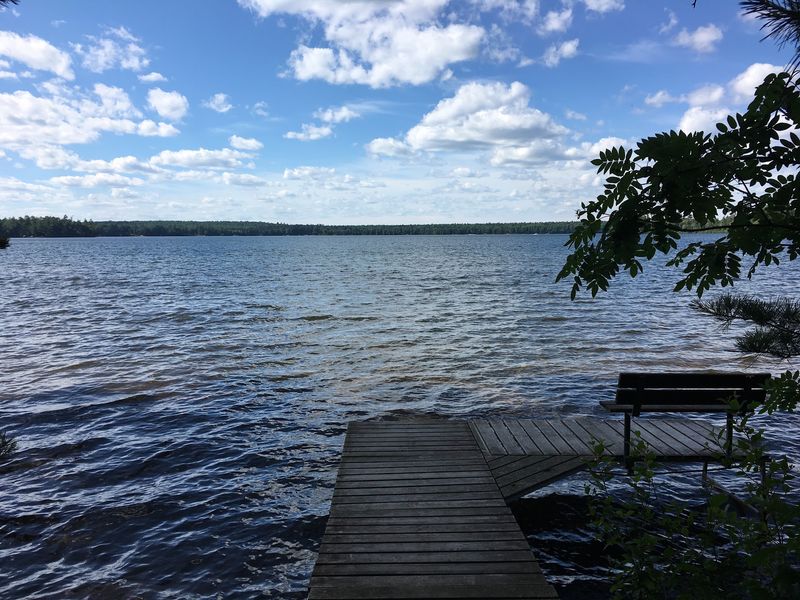
Deep, clear, and wrapped in state forest, Trout Lake looks like it was designed with loons in mind. It’s the largest lake in Vilas County. The lake sits inside the Northern Highland-American Legion State Forest. That means you get miles of trees instead of rows of houses.
Boulder Junction is the nearby town, home to fewer than 1,000 residents. It’s a handy spot for gear and supplies before you head out.
Why do loons like it here? Deep, clean water helps them hunt fish, and the forested islands offer nesting spots. Timing matters if you want to hear them. Trout Lake is known as a top loon-watching spot in the early morning or after 6 p.m.
That evening window lines up nicely with sunset. Long stretches of open water running north to south give you wide views as the sky changes color. A sunset paddle is a smart move here. Kayaks and canoes let you glide quietly, which helps when you’re listening for tremolos.
Stay aware of wind, though, since big lakes can kick up waves. Check the forecast and keep close to shore if conditions look choppy. Camping, hiking, fishing, and boating all fit into a trip here. You could easily spend a single day or stretch it into a full week.
Just save at least one evening for sitting still. The loons don’t follow a schedule, but patience usually pays off.
Address: Trout Lake, Boulder Junction, WI
3. Chippewa Flowage
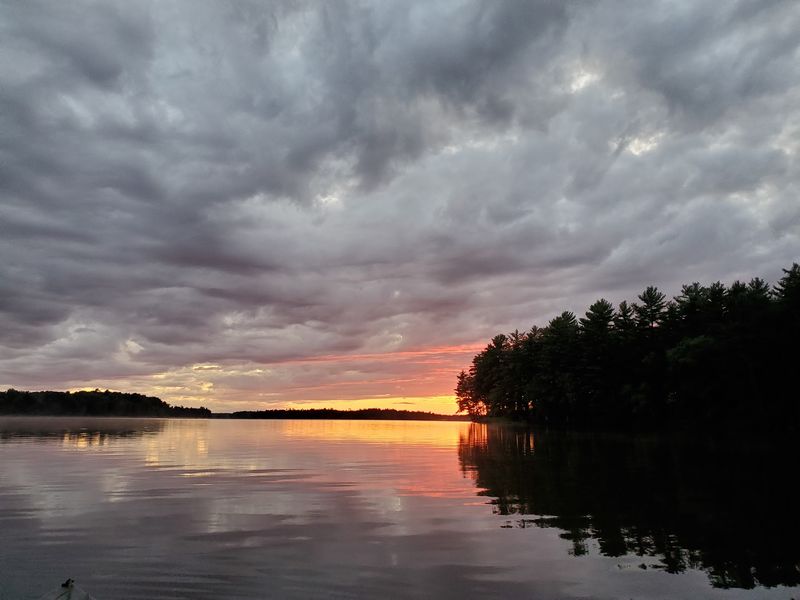
Bragging rights don’t get much bigger than a world record muskellunge. The Chippewa Flowage is home to that famous fish, which weighed 69 pounds, 11 ounces. Loons might be the real stars at sunset, though. This 15,300-acre flowage is full of undeveloped islands and floating bogs.
That wild mix gives loons plenty of quiet places to nest and feed. The flowage is known for a high number of breeding loons. You’ll find it in Sawyer County near Hayward, a small town with deep logging roots. The area has a true backwoods feel.
Hours run from 6 a.m. to 11 p.m. daily. That leaves plenty of time to catch the sunset and the calls that follow. Pontoons are a popular way to explore. An evening ride into the western bays puts you in a front-row seat for the colors.
It’s a family-friendly spot, too. Kids can picnic, and dogs are allowed, so the whole crew can come along.
Public restrooms make long days a bit easier. You’ll appreciate that when you’re planning to stay out past dinner. Bring a map or GPS, because so many islands can be confusing. Bays start to look alike quickly once the light fades.
Head back before full dark if you’re new to the water. The loons will keep singing while you motor home slowly.
Address: N County Rd CC, Hayward, WI 54843
4. Minocqua Lake
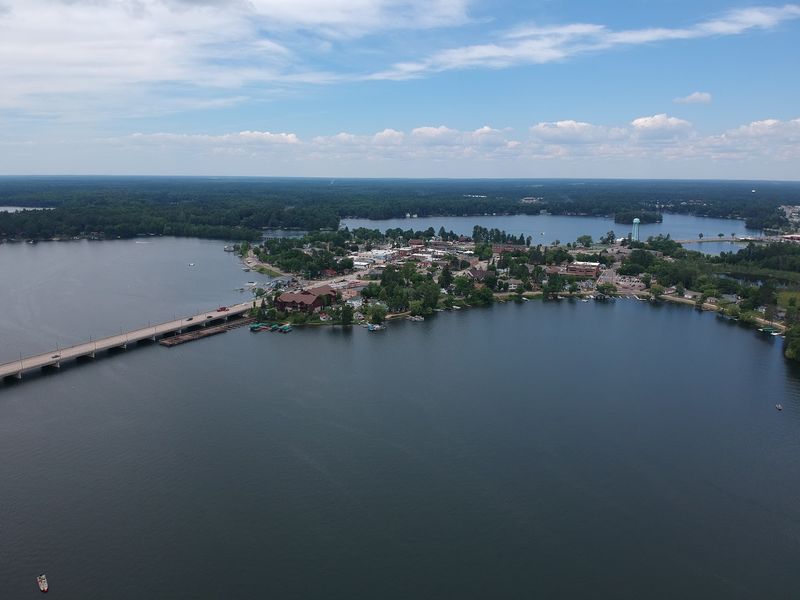
Few lakes wrap around a whole downtown, but Minocqua Lake pulls it off. The town of Minocqua is nicknamed the Island City for good reason. The name comes from an Ojibwe word often translated as noon-day rest. That feels fitting for a place built around lake time.
Summer days here are busy. Fishing, boating, skiing, tubing, and swimming keep the water hopping, and there’s a public beach and a ski show. So where do the loons fit in? Quieter bays and connecting channels host loon pairs that call as boat traffic slows.
Evening is your best bet. Once the skiers wrap up, the lake starts sounding a lot more like the Northwoods. For a great sunset view, head to the Bearskin State Trail trestle bridge. It crosses the lake and looks out over the western basin.
You can walk or bike to the bridge, which makes it an easy outing. No boat is needed to enjoy the show.
Islands dot the water, including School House Island and Crescent Island. They add nice shapes to the horizon as the sky glows. Shops and places to eat are right in town. Grab dinner first, then stroll out for the main event.
The lake is part of the Lakeland area of Oneida County in Wisconsin. It’s open for fun year-round, even when snowmobiles replace boats.
Address: Minocqua Lake, Minocqua, WI 54548
5. Star Lake
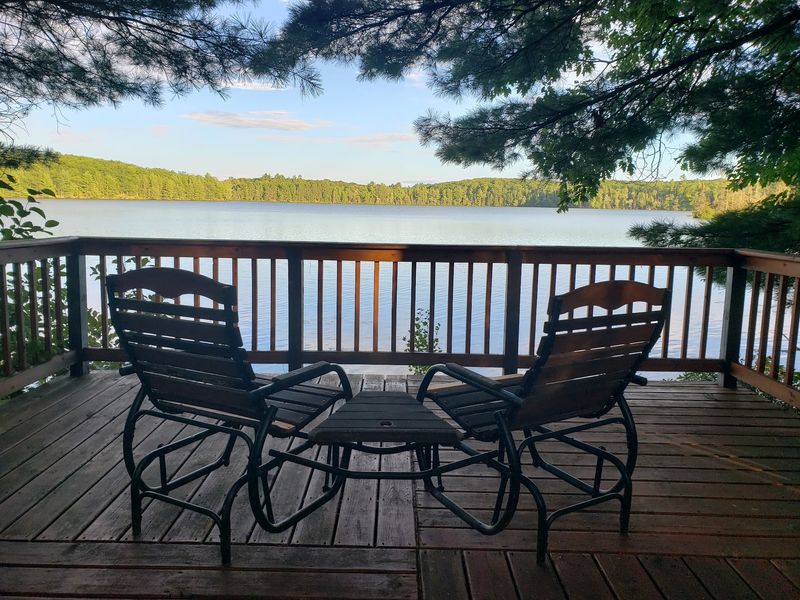
Sometimes the smallest dot on the map has the loudest loons. Star Lake sits beside a tiny hamlet of the same name in Plum Lake township. The lake is glacial, with several basins. That shape creates sheltered bays where loons can nest and raise chicks.
State forest land surrounds much of the shoreline. Thick woods and few buildings make the evenings extra quiet. Quiet is exactly what you want for loon listening. Even soft calls can carry a long way over calm water.
Hikers have a fun bonus here. The Star Lake Nature Trail heads out onto a peninsula that reaches into the lake.
West-facing spots along that shoreline make great sunset perches. Pick a rock, sit down, and let the light do its thing. Bug spray is a must in the Northwoods. Mosquitoes love twilight about as much as the loons do.
A small flashlight helps for the walk back. Trails can get dark fast once the sun sinks behind the trees.
Paddlers can also explore the bays by kayak or canoe. Go slow and keep a respectful distance from any nesting areas. The hamlet has fewer than 600 residents in the township, so don’t expect crowds. That peace is a huge part of the charm.
If you want a sunset that feels like your own secret, this lake fits the bill. Just remember to share it kindly with the birds.
Address: Plum Lake, WI 54561
6. Willow Flowage Scenic Waters Area
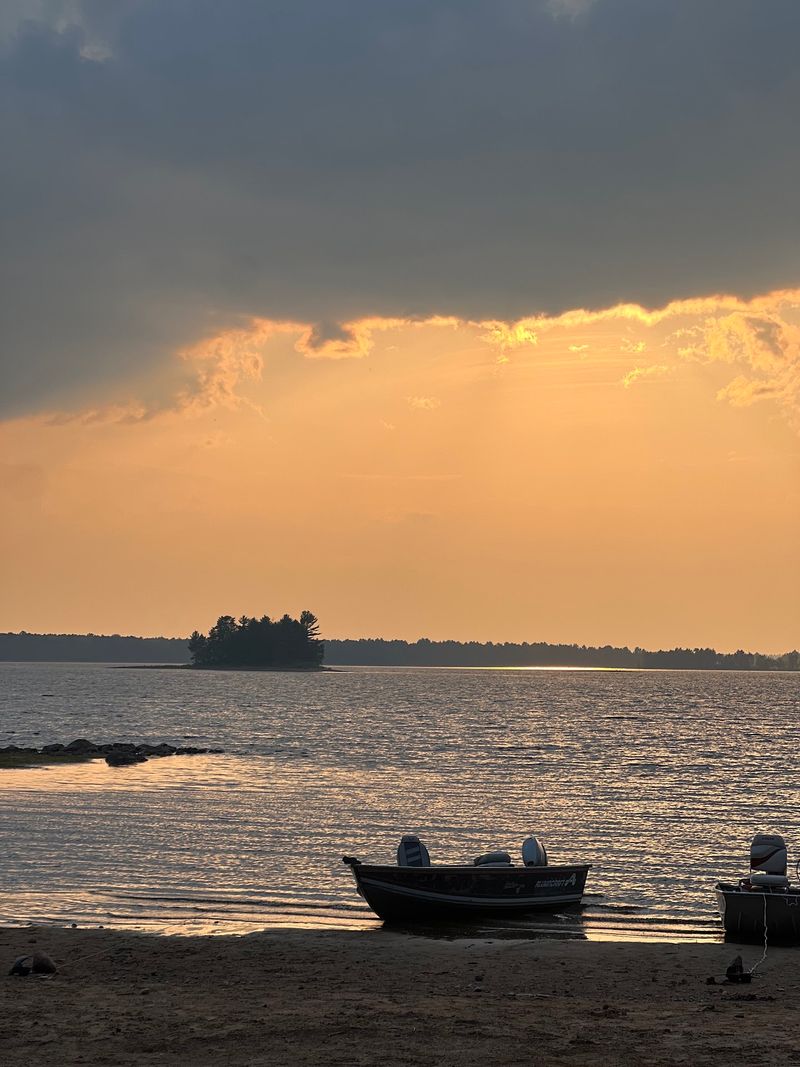
Folks often describe the Willow Flowage as almost Canada, and you can see why. About 95 percent of its 73 miles of shoreline is undeveloped. That’s a lot of trees and not many rooftops. The flowage covers 6,306 acres and holds 106 islands.
It was created around 1927 with a dam on the Tomahawk River. The goal was flood control and steady flow for the Wisconsin River. Today it’s one of the wildest spots in northern Wisconsin. Loons share the area with eagles, ospreys, deer, bears, and even wolves.
The area is open daily from 6 a.m. to 11 p.m. A vehicle admission pass isn’t required to visit the Willow Flowage. Paddlers will feel right at home. Kayaks and canoes let you slip between islands while the evening calls start.
Want to stay overnight? There are 37 rustic campsites along the flowage, with 25 requiring reservations and 12 available on a first-come, first-served basis. Some sites can close for logging or low water. Check ahead so your plans don’t fall apart at the landing.
Picnic tables and kid-friendly hikes make it good for families. Dogs are allowed too, which is great news for your four-legged buddy. With so little shoreline light, dusk feels big and open. The sunset fades, the stars appear, and the loons keep talking.
Address: Unnamed Road, Hazelhurst, WI 54531
7. Namekagon Lake
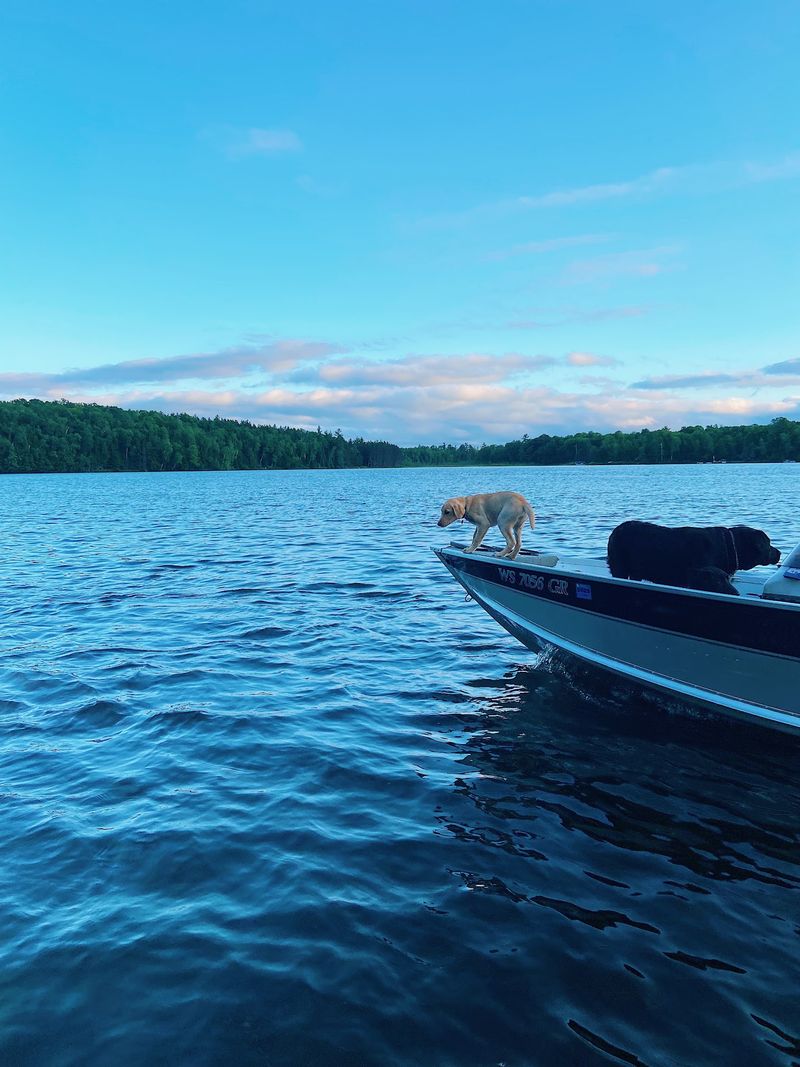
Crowds? Not really the vibe at Namekagon Lake. This 2,897-acre lake is known for being clean, beautiful, and pleasantly uncrowded. It sits in southern Bayfield County within the Chequamegon-Nicolet National Forest. Forest land helps keep the setting wild.
The nearby village of Cable is famous for silent sports. Think biking, skiing, and paddling instead of roaring engines. That quiet spirit carries onto the lake. Loon families often call across the calm bays when evening rolls in.
The shoreline twists and turns in all directions. Those curves create sheltered arms that stay calm when the main lake gets breezy. Calm water means better reflections at sunset. A kayak gives you the best seat for watching the sky double itself.
Loon chicks often ride on a parent’s back. If you spot that, stay back and enjoy it with binoculars. Fishing fans won’t feel left out either. A slow drift at dusk can mix angling and bird watching nicely.
Pack layers and a snack for the evening. Twilight paddles have a way of lasting longer than planned once the calls begin. Cable is close enough for supplies before you launch. Then you can head out and let the national forest take over.
This lake is a fine pick if you love peace with your sunset. It’s one of the calmer corners of Wisconsin’s north.
Address: Namekagon Lake, Cable, WI 54821
8. Lac Courte Oreilles
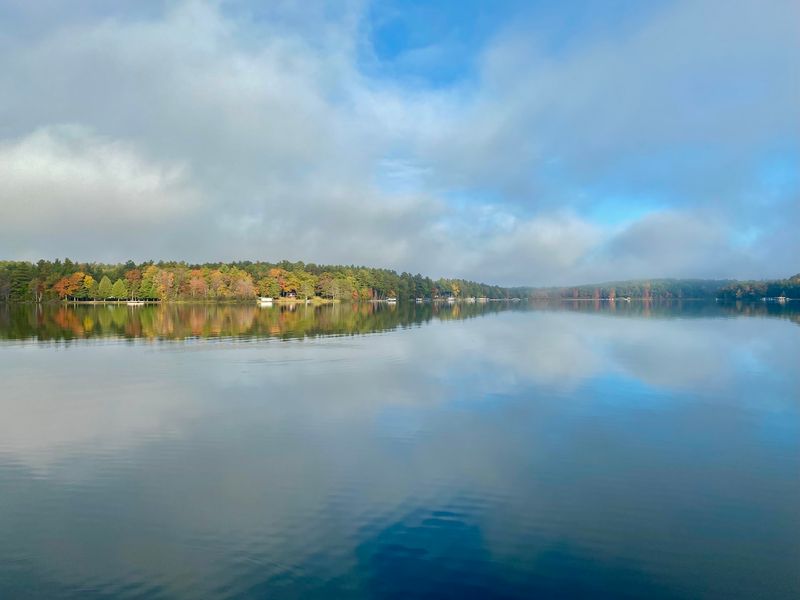
Big, clean, and over 5,000 acres, Lac Courte Oreilles saves its best performance for the end of the day. It’s a grand finale kind of lake. The lake sits in Sawyer County in the town of Bass Lake near Hayward. Seasonal cabins and woods line much of the area.
It’s considered a premium spot for lake homes. One look at the water makes that easy to understand.
Loons appreciate it too. Clear water, deep bays, and marshy pockets give them good places to feed all summer. Those marshy edges are worth a slow look. Birds of all kinds tend to hang around plant-filled shallows.
Sunset is the star attraction here. Wide bays face west, so you can watch the sun slip behind the tree line. As the light fades, listen for the wail. It’s a long, rising call that loons use to find each other.
Short barking hoots mean something else. Loons use those softer calls to stay in touch with family nearby.
Hayward is close for food and supplies. You could even pair this lake with the Chippewa Flowage on the same trip. Bring a camera with a zoom lens if you have one. Glassy water and a glowing sky make for easy keepers.
Then put the phone down for a minute and just listen. The loons will handle the rest of the evening.
Address: Bass Lake, WI