
The Mississippi Military Park Where You Can Drive A 16 Mile Tour Road Past Real Cannons And A Raised Ironclad
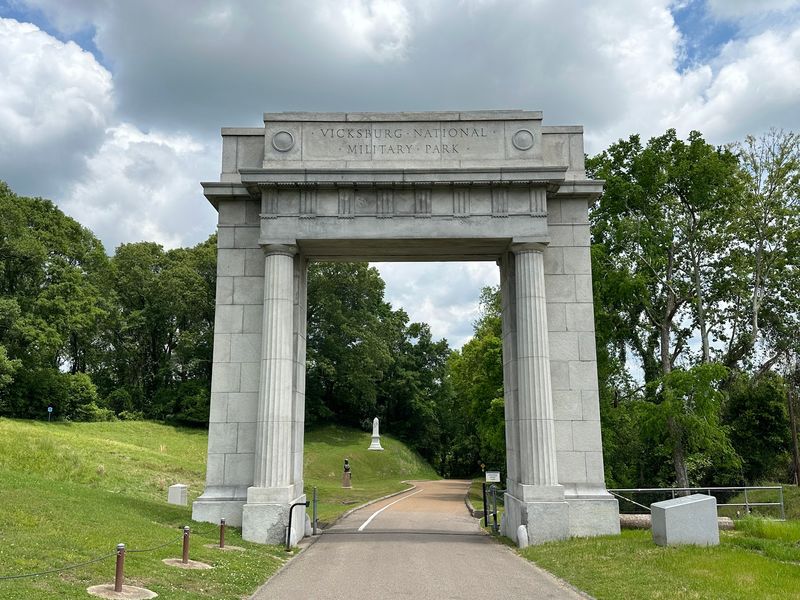
We only planned a quick stop to stretch our legs in Mississippi, and somehow the afternoon vanished. A winding road led us past old cannons, stone monuments, and grassy hills that once held long lines of soldiers.
Then we found a real iron gunboat that had been pulled up from a river bottom, and the kids stopped asking about snacks. For families who want history they can actually see and touch, this stretch of land delivers far more than a textbook ever could.
A Battlefield on the Bluffs Above the Mississippi River
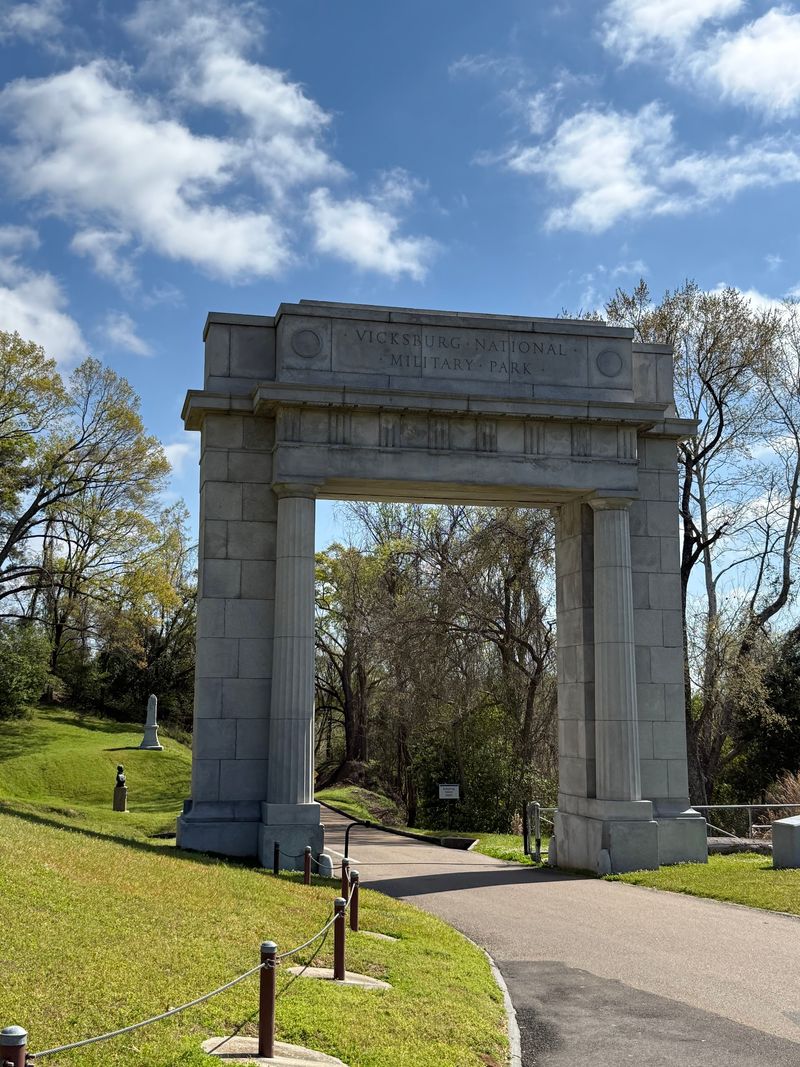
High on the bluffs of western Mississippi sits Vicksburg National Military Park, a sprawling memorial park at 3201 Clay Street in the city of Vicksburg. More than 1,700 acres of hills, ravines, and open fields make up the grounds.
Congress set the land aside in 1899 to honor the Vicksburg Campaign of the Civil War.
Families arrive expecting a small museum and find something closer to an outdoor classroom the size of a small town. Roads curve past monuments, markers, and earthen walls that still show the shape of the old battle lines.
Many visitors say the park is much bigger than they pictured.
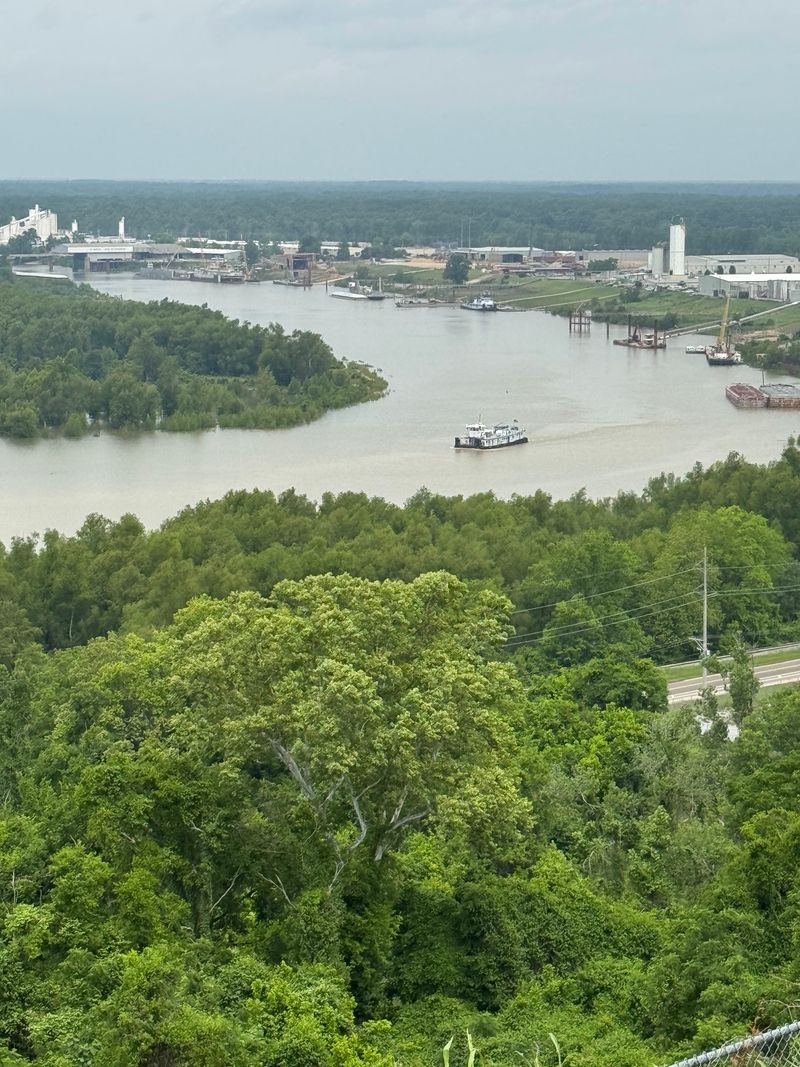
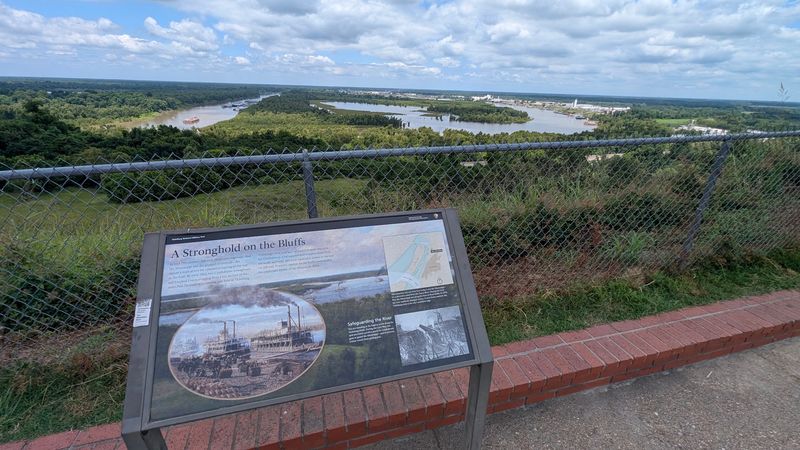
Location explains a lot of the story here. From certain high points, you can look down at the Mississippi River far below, and suddenly it makes sense why both armies wanted this ground so badly.
Whoever held these bluffs could control traffic on one of the most important rivers in the country.
For parents, the setup is simple and friendly. You can explore by car, on foot, or by bike, and stay as briefly or as long as your crew can handle.
It works for a two hour detour or a full day of learning together.
The 47-Day Siege Behind Every Marker
March 29, 1863, marks the start of the campaign this park remembers, and July 4, 1863, marks its end. In between came a 47-day siege that ended with the surrender of the Confederate forces in Vicksburg.
Union control of the Mississippi River followed, a major turning point in the Civil War.
Kids often ask why one town mattered so much. The answer is the river.
Boats carried supplies, people, and news up and down the Mississippi, and holding Vicksburg meant holding a key piece of that highway.
Walking the grounds, you start to notice how carefully the land has been kept. Visitors describe the park as restored as closely as practical to how it looked in July 1863.
Roughly 20 miles of reconstructed trenches and earthworks trace where soldiers dug in and waited.
Many guests come away with a quiet, reflective feeling. People often describe it as hallowed ground, a place that honors those from both sides who served here.
That tone can open meaningful family conversations about courage, hardship, and the value of a country working together. Older children especially tend to connect the dots once they see the actual hills and trenches up close.
Visitor Center Film and Exhibits
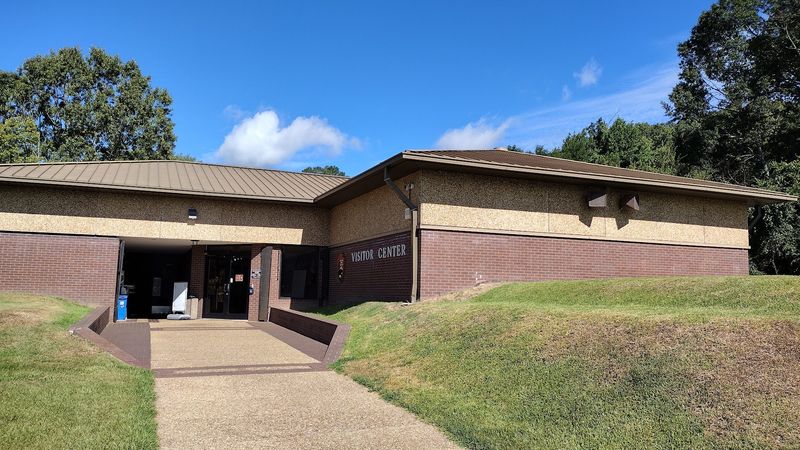
Starting at the visitor center saves a lot of confusion later. A short film lays out the siege in a clear, easy way, and visitors say it helps the rest of the park make sense.
Exhibits and historical displays add maps and context before you hit the road.
Families with younger kids will appreciate the pacing here. The film is brief enough to hold attention, and the displays give children something to look at while parents read the details.
Staff members are often described as helpful and friendly, ready to answer questions about routes and programs.
A large gift shop sits inside too. It is a handy spot to pick up a souvenir, a book, or something to keep little hands busy during the drive.
National park fans can also grab their passport stamp for this location.
Ask about the Junior Ranger program while you are there. Kids work through activities as they explore and get a fun goal for the day.
Seasonal ranger-led programs and living history demonstrations also run at certain times, so checking what is scheduled during your visit can turn an ordinary stop into a highlight for the whole family.
Sixteen Miles of Tour Road and 15 Stops
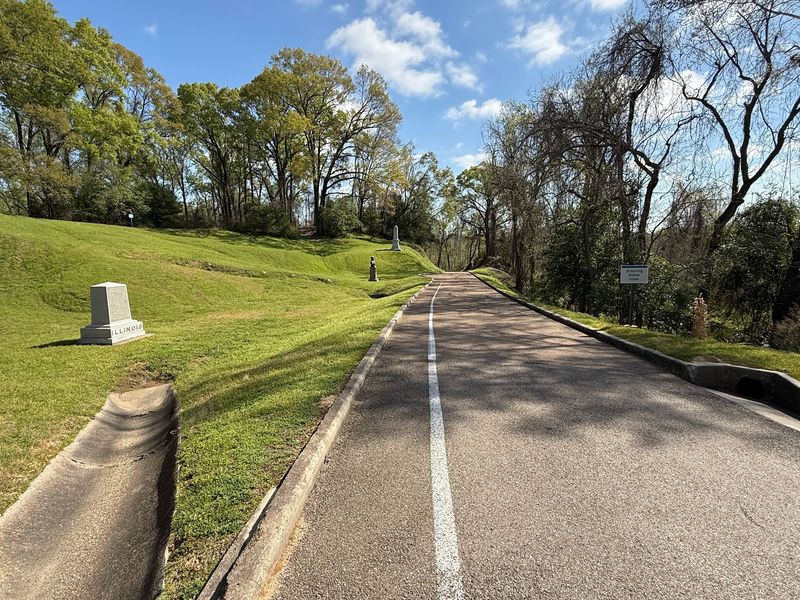
Two connected loops, North and South, form the heart of the park experience. Together they stretch 16 miles and include 15 designated stops where you can pull over and explore.
Plan on at least two hours by car, and longer if your group likes to linger.
One detail visitors love is that the road follows the front lines of the two armies during the siege. As you drive, you are tracing the actual positions where soldiers faced each other.
Markers clearly show where Union and Confederate troops stood.
Pull-offs with parking let you hop out and stretch, which is a big plus with restless kids. Not every marker has a pull-off, though, and some plaques are hard to read from a moving car.
Some monuments sit up grassy slopes without paved paths, so sturdy shoes help.
Renovations have closed certain roads and monuments at times. Visitors mention that detours were clearly marked and easy to follow, so the trip still flows well.
Checking current conditions before you go keeps surprises to a minimum. Many families say they could easily spend a whole day on this route and still not see everything.
More Than 144 Cannons Along the Lines
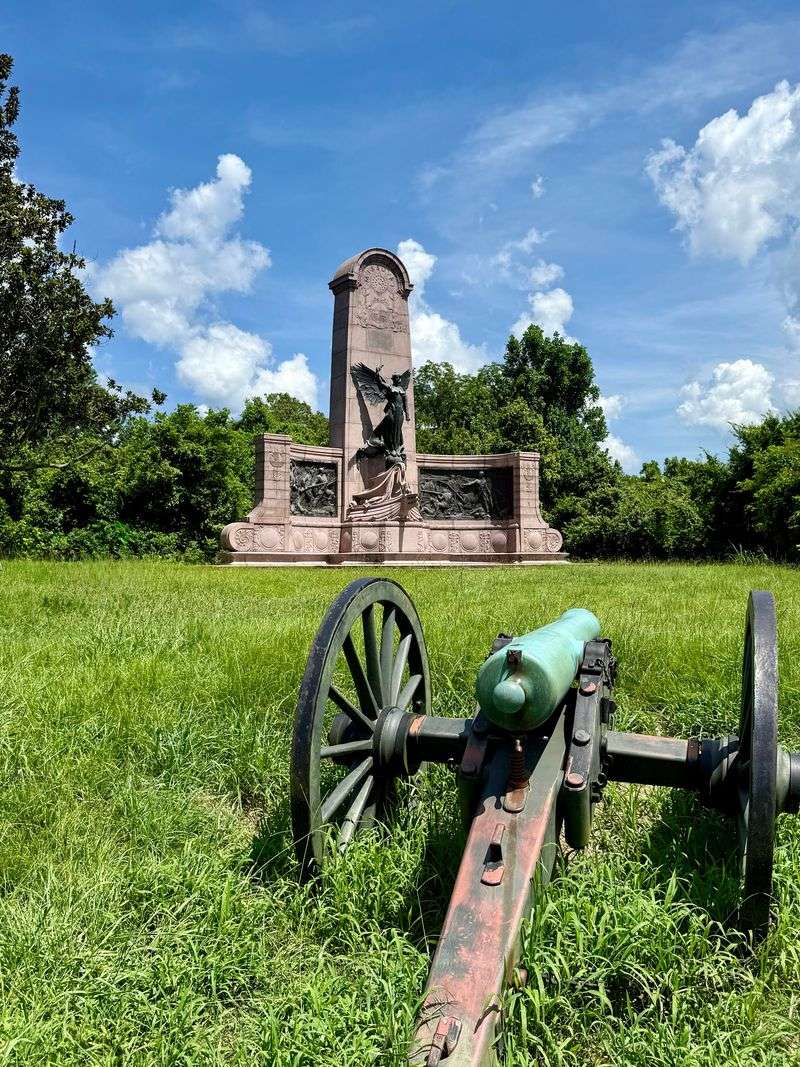
Kids tend to spot the first cannon before the car even stops. More than 144 emplaced cannons sit across the battlefield, set where artillery once stood during the siege.
They give children a real, solid object to connect with the stories they hear.
Seeing them in place matters. Rather than lined up in a museum hall, these pieces rest on ridges and earthworks, often pointing across fields toward the opposing line.
That arrangement helps young visitors understand how far apart the armies were and why high ground was so valuable.
Visitors also mention high elevation positions that are well preserved after more than 160 years. Standing beside one, you can look out over the landscape and imagine the view the artillery crews had back then.
It is a great moment to pause and let kids ask questions.
A quick tip for parents: make a little game of counting cannons or spotting different styles along the drive. It keeps everyone engaged between stops and turns the tour into a scavenger hunt.
Just remind children these are historic pieces meant for looking and learning, so climbing on them is not part of the plan.
USS Cairo, the Ironclad Raised From the River
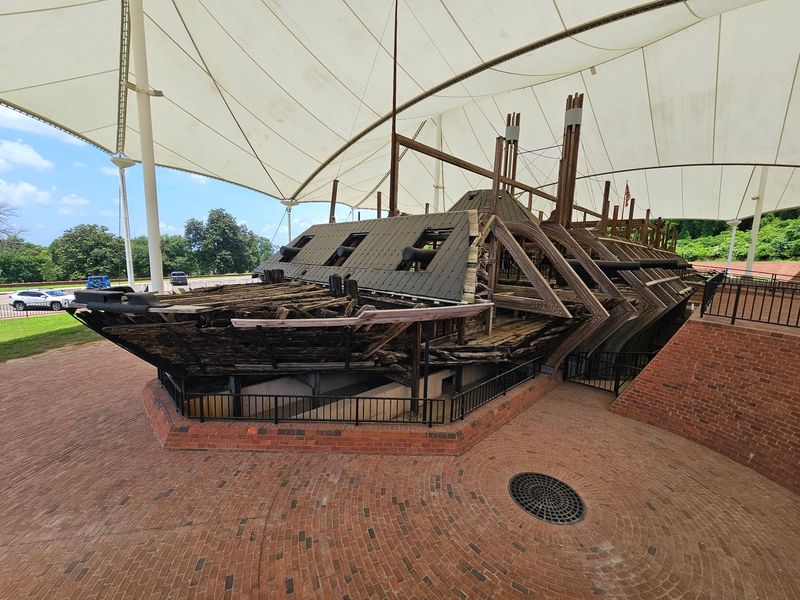
Sunk in the Yazoo River in 1862, the USS Cairo spent about a century underwater before it was raised and restored in 1964. Now this Union ironclad gunboat rests on display inside the park, and visitors regularly call it the standout moment of the trip.
Families can walk aboard and get a feel for its size. One visitor was amazed that almost 200 sailors worked on the vessel, and that number really sinks in once you are standing on the deck.
It helps kids see how river boats played a big role in the campaign.
Right next to the ship, a museum holds hundreds of artifacts recovered from the Cairo. Everyday objects from the crew make history feel personal and relatable for children.
Visitors urge others not to skip the museums.
Even during renovation periods, guests reported that the Cairo and its museum stayed open. That makes it a reliable anchor for your visit if other areas are closed.
Plan some extra time here, because kids often want to circle the hull more than once and ask a dozen questions about how something so heavy was lifted from the river bottom.
Monuments for Both Sides, Including the Illinois Memorial
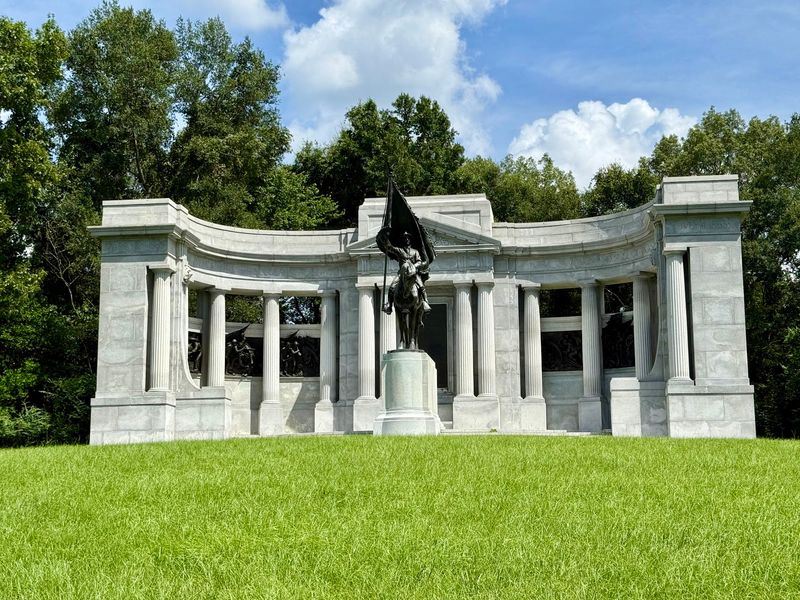
Over 1,325 monuments and markers fill the park, honoring states and soldiers from both armies. Statues, memorials, and information plates appear around nearly every bend.
Visitors often describe them as beautiful and thought provoking.
The Illinois Memorial gets frequent mentions. One guest whose guide described it said it sounded wonderful, though it happened to be closed during that visit.
If it is open when you go, it makes a striking stop for families.
Because many states are represented, kids can hunt for monuments tied to their home state or a place relatives live. That small personal link often sparks curiosity in children who are otherwise lukewarm about history.
Parents can use it to talk about how people from far away ended up in Mississippi.
Plan for some walking on grass to reach certain monuments. One visitor suggested long pants and tennis shoes, since some paths lead through lawns or up slopes.
Recently mowed grass helps, but uneven ground is common, so keep toddlers close. With so many memorials, nobody needs to see them all.
Picking a handful that catch your family’s eye keeps the day enjoyable instead of overwhelming.
Audio Tours, Guides, and Two-Wheel Options
Downloading the free National Park Service app before arriving is one of the smartest moves you can make. It plays narration at key locations along the driving tour, and visitors say the audio is excellent.
Kids can listen in the back seat while parents focus on the road.
Prefer a human storyteller? Licensed tour guides are available, and many guests say a guide adds details they never would have found alone.
One family did a two hour guided drive and said there was not a boring moment. Others mentioned the park would feel overwhelming without that help.
Active families have choices too. The tour road includes lanes for walking or biking, and one visitor suggested driving the park one day, then walking or biking it the next.
Hikers have also enjoyed a 3.5 mile loop past historical markers.
Mixing methods works well with kids. A short bike stretch burns off energy, while the car and audio cover longer distances.
Choose the style that fits your family’s ages and stamina, and the park adapts nicely. Bringing water and snacks makes any of these options far more pleasant on a warm day.
Planning Notes for Hours, Passes, and Weather
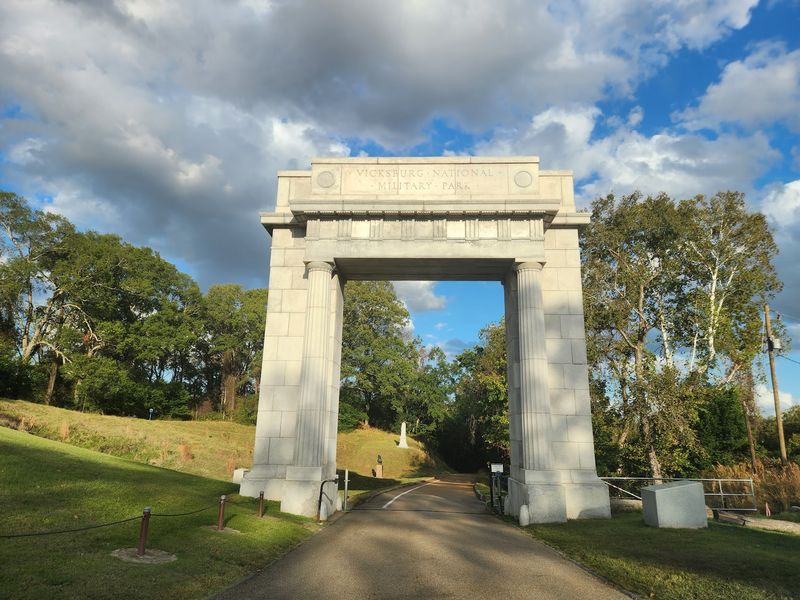
Gates open daily from 8:30 AM to 5 PM, seven days a week. That schedule makes weekday trips just as easy as weekends, which can mean a calmer drive.
Arriving early gives you the most daylight for stops.
An entrance fee is charged per vehicle. Visitors note you can buy a one time pass, or use an annual national parks pass that works at parks across the country.
Families who travel often may find the yearly pass a smart value. The gate staff has been described as warm and welcoming.
Weather deserves real attention. Summer and early fall bring humidity and mosquitoes, and one visitor recommended avoiding those months.
Another enjoyed a perfect overcast day around 75 degrees, which shows how much timing matters. Pack bug spray, sunscreen, water, and comfortable shoes regardless.
Renovations have affected some roads and monuments, so checking current closures before heading out is wise. The visitor center can point you toward open areas.
Some guests suggest planning two days to see everything, though one full day covers most highlights. Vicksburg’s downtown nearby adds places to eat and more history if you stretch the trip.
A Day That Fits Curious Kids and Patient Parents
Families who love open spaces, hands-on history, and a bit of road trip adventure will find a lot to like here. The park suits school-age kids especially well, since the cannons, trenches, and ironclad make big ideas feel real.
Younger children enjoy the gunboat and the freedom to stretch at pull-offs.
Solo travelers sometimes find the drive-through style less exciting, and one visitor felt certain displays felt a bit repetitive. With family, though, the same guest could see the appeal for a few hours.
Shared discovery seems to be the magic ingredient.
Expect a thoughtful mood more than a thrill ride. Many visitors leave reflecting on the sacrifices made and the importance of unity.
That makes the park a natural place to talk with kids about history in a respectful, meaningful way.
Our honest take: start at the visitor center, load the audio tour, save energy for the USS Cairo, and let the kids choose a few monuments to explore. Skip the pressure to see it all.
A relaxed pace, cooler weather, and plenty of snacks turn this Mississippi battlefield into a family day people talk about long after the drive home.