
This Overlooked Wisconsin Park Packs 3,000 Acres Of Pure Outdoor Beauty
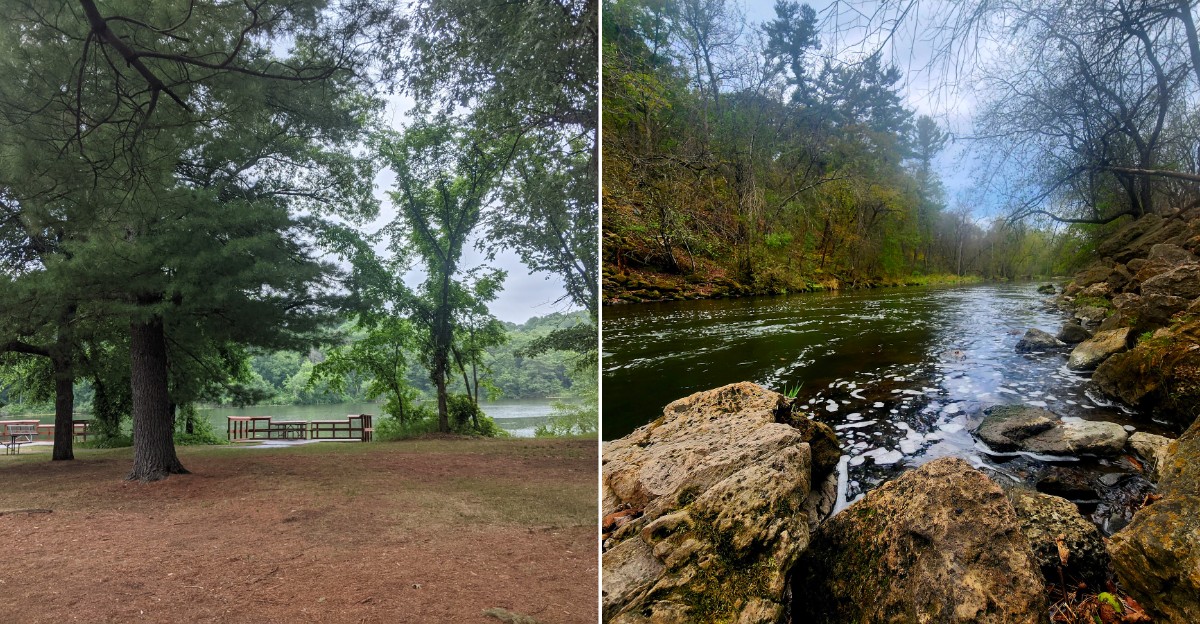
A waterfall drops about 45 feet through a gorge roughly 200 feet deep, and you’re allowed to wade right up to it. That alone had me reaching for a map of western Wisconsin. The rocks lower in that gorge hold trilobite fossils. These fossils date back hundreds of millions of years.
I can’t decide if that’s more impressive than the falls or just wonderfully strange.
Then there’s the twist. For decades, a dam hid part of this waterfall underwater. Add a swimming beach, quiet paddling, and miles of winter ski trails. I have a feeling this park gets skipped only by people who haven’t heard about it yet. So why hasn’t everyone heard?
The Waterfall That Got A Second Chance Is Worth Every Step
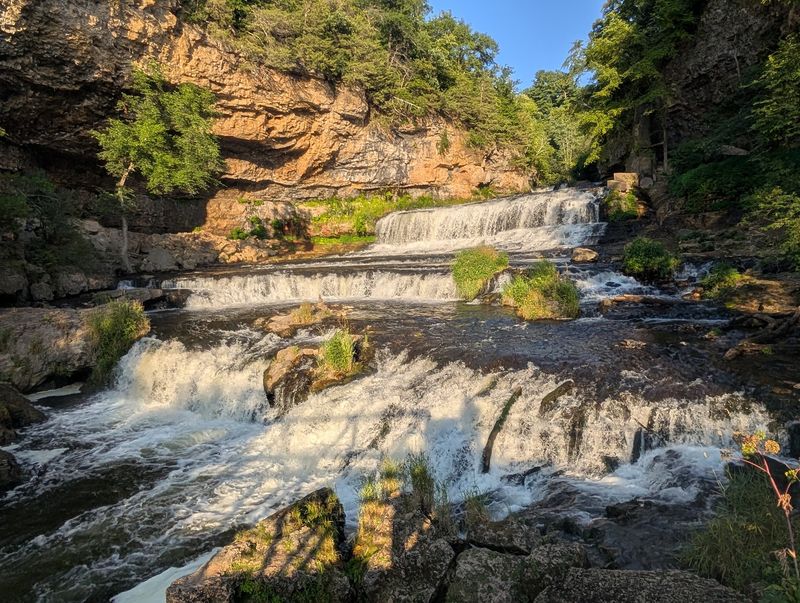
Willow Falls is the star at Willow River State Park, and it earns the spotlight. The water tumbles about 45 feet over several rocky tiers. Width is part of the drama here. At times, the falls stretch up to 100 feet across, spilling through a rugged gorge about 200 feet deep.
The best part might be the comeback story. A dam built in 1924 flooded part of the falls for decades. Crews removed that dam in 1992. The waterfall returned largely to its natural state, and the river’s trout fishery improved too.
Scenic overlooks give you sweeping views of the falls and the gorge below. Bring a camera with a full battery, because one photo never seems like enough.
Shoes matter more than you’d expect. The rocks around the falls can be slippery and sharp, so water-friendly footwear with grip is a smart choice.
Plan to linger a while once you arrive. After the effort it takes to get there, rushing away feels like leaving a movie right before the ending. Pack snacks and water for the visit. You’ll want the energy for the trip back, which brings us to a certain famous hill.
Your Legs Will Have Opinions About That Steep Hill
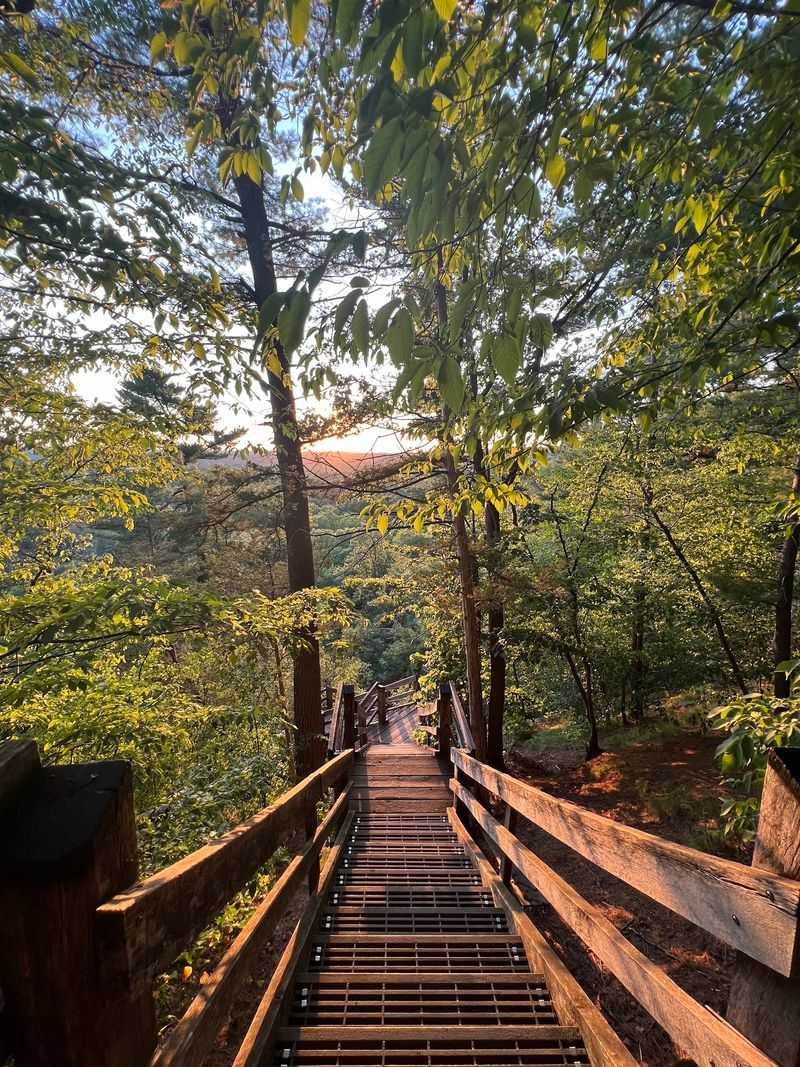
Shortcuts usually come with a catch. At Willow River State Park, the Willow Falls Hill Trail is the quickest route to the waterfall. The catch is the slope. The park warns that the trail has a very steep climb and descent.
Going down feels easy enough at first. Coming back up is where your calves start filing complaints. Slow and steady works best on this one. Take breaks, sip water, and don’t treat the climb like a race.
Prefer a gentler approach? Longer trails connect other parts of the park to the falls with fewer brutal grades. The park map labels routes clearly, so grab one before you head out. A quick look can save you from an accidental leg workout.
Think about your group, too. Young kids, older hikers, and anyone with sore knees may enjoy a longer, easier route much more. Either way, the falls wait at the bottom. How you get there is up to you and your knees.
Trails Come In Every Flavor, From Paved To Wild
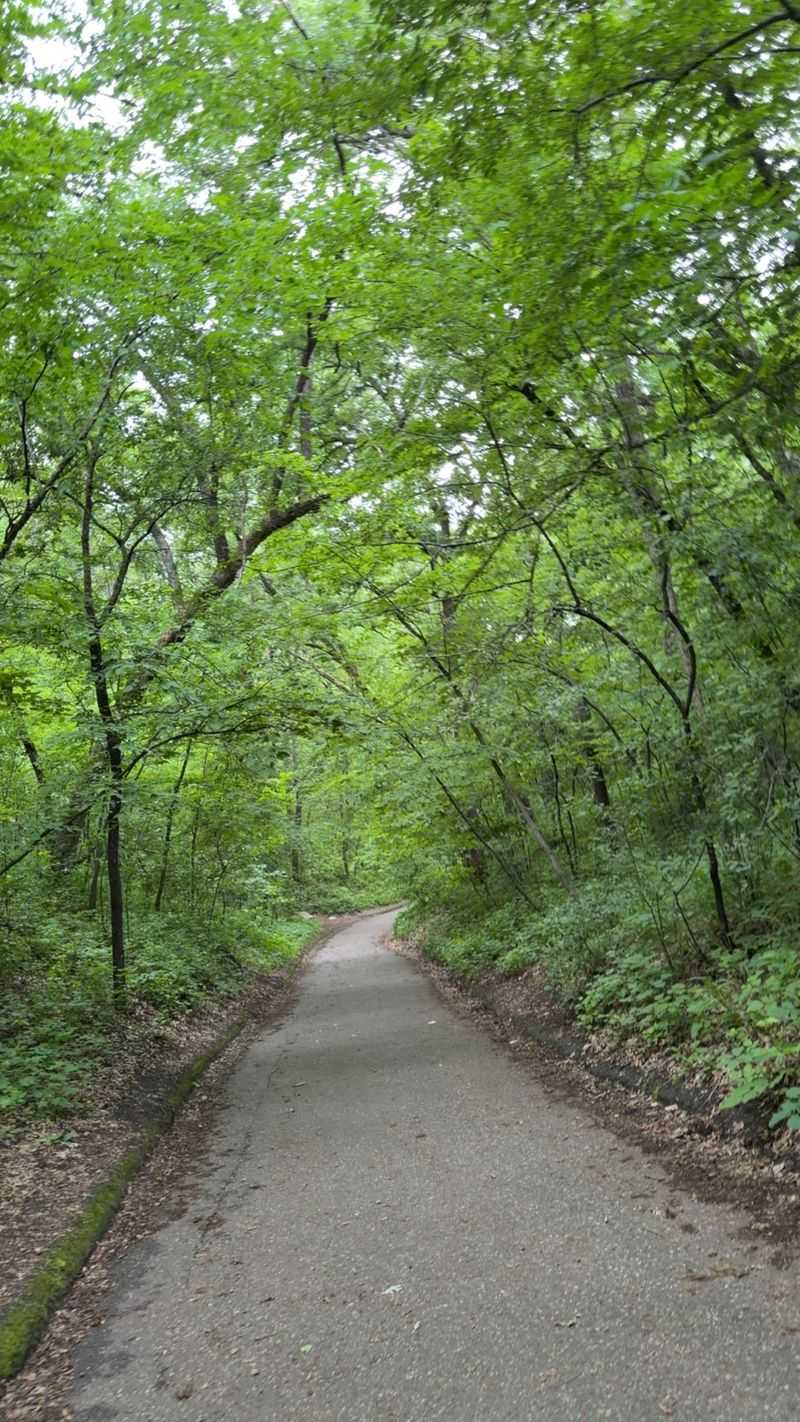
More than 13 miles of hiking trails wind through this park. The park also has about 26 miles of mountain biking trails. That variety means nobody gets left out. Casual walkers and serious hikers can both find a path that fits.
The Hidden Ponds Nature Trail is paved and universally accessible. It’s a great choice for strollers, wheelchairs, or a relaxed warm-up stroll. Little Falls Trail welcomes bikes and rollerblades. That makes it a fun option for families who like wheels more than hiking boots.
Want something with more bite? Longer gravel routes roll through woods and over hills, giving you a real workout. Overlooks along some trails show off the river valley. Those views make a nice reward after a long uphill stretch.
Ticks live in these woods, so stay on marked trails. Use repellent and check everyone carefully once your hike wraps up. The park sprawls across 2,891 acres of prairie, forest, and river scenery. Even with all those miles, you could visit many times and still find a new corner to explore.
A Quiet Lake Where Motors Aren’t Invited
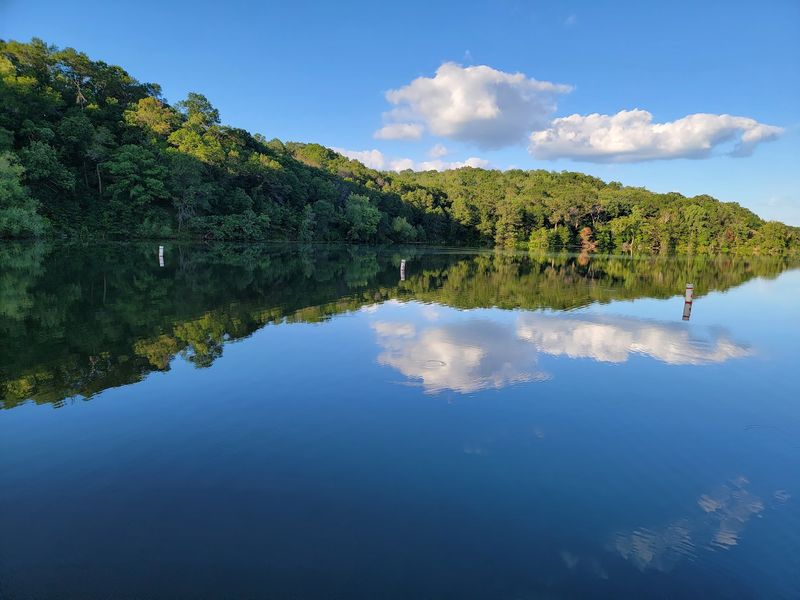
Silence is a real luxury on summer water. Little Falls Lake covers 172 acres, and motorized boats aren’t allowed. That rule changes the whole mood. You hear paddles, birds, and wind instead of roaring engines.
Canoes and kayaks fit right in here. A boat launch makes it easy to slide your craft into the water. Anglers get plenty to work with, too. Bass, panfish, and trout all swim in these waters.
The lake has been restocked with bass and panfish in recent years. That’s good news if you’d like a bite before lunch. An accessible fishing pier opens the fun to more people. It’s a handy spot for kids learning to cast, too.
Remember your Wisconsin fishing license before casting a line. Seasons and rules can change, so check the regulations for your trip dates. Early mornings can be especially pleasant on calm water. Whether you paddle, fish, or just float, this lake rewards patience and a slower pace.
Grab Your Towel Because The Beach Is Calling
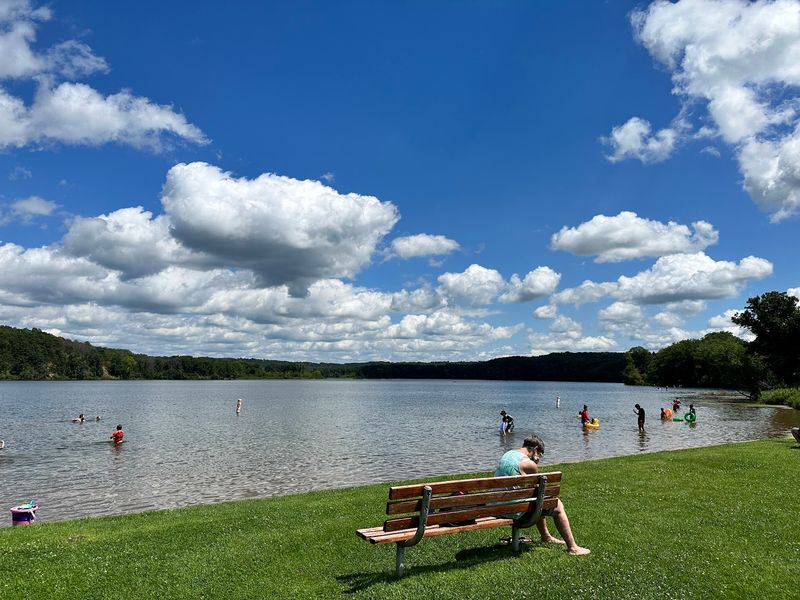
Hot days call for a cool plan. The park’s beach on Little Falls Lake stretches about 400 feet along the shore. That’s plenty of room to spread out a blanket. Swimming happens at the designated beach area, so stick to that zone.
A picnic area sits close by, which makes life easier. You can swim, snack, and swim again without hauling gear across the park. Picnic spots come with tables and grills. Burgers after a swim? That sounds like a solid afternoon.
Bigger groups can reserve a shelter near the dam picnic area. They’re handy for birthdays, reunions, or any gathering that needs shade and space. Accessible restrooms are available at the beach. That small detail makes a long day much more comfortable for everyone.
Pack sunscreen, water, and a change of clothes. Wet swimsuits on a hike back to the car are nobody’s idea of fun. The beach also makes a nice break after a trail day. A dip in the lake can feel like a reward your tired legs fully earned.
Campfires, Wooded Sites, And Plenty Of Spots To Pick From
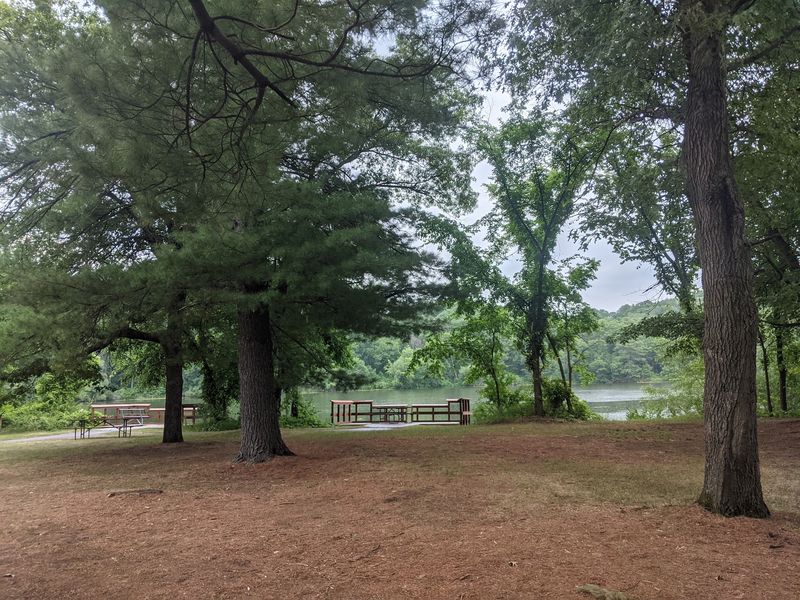
The park has three main campgrounds with a mix of electric and non-electric campsites. Every site comes with a picnic table and a fire ring. That covers the basics for dinner and evening s’mores.
Family and group campgrounds are both available. So whether it’s four people or a whole crew, there’s a fit. Accessible campsites can be found in the 100 and 300 campgrounds. Accessible restrooms sit in the campground areas too.
Showers and flush toilets typically run during the warmer season. In the off-season, the water systems close and vault toilets stay open.
Planning a fall trip? Water remains available at the service building even after the seasonal shutdown. Firewood is sold at the park office or by campground hosts. Buying local firewood also helps protect Wisconsin trees from pests.
Make a reservation before your visit, especially for summer weekends. Then all that’s left is deciding who gets stuck setting up the tent.
Snow Turns The Whole Place Into A Winter Playground
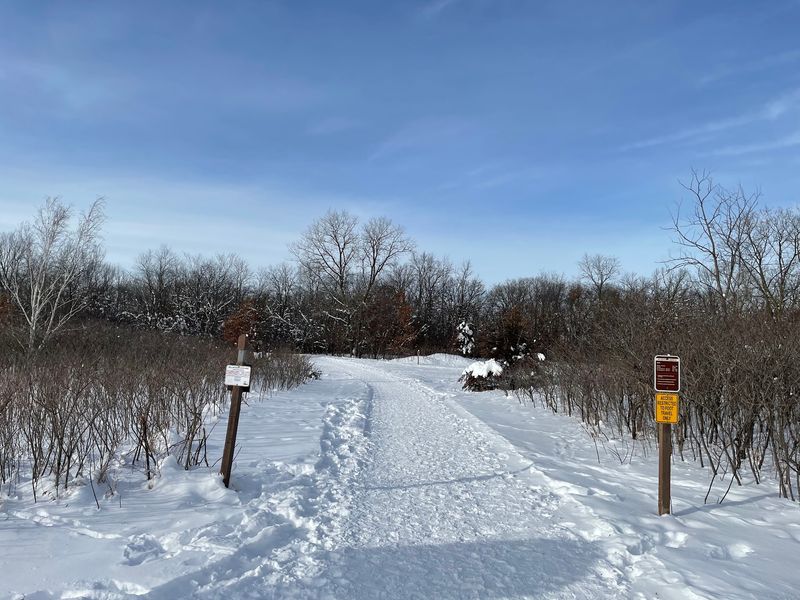
Plenty of parks go quiet once the snow falls. This one gets busy in a whole new way. Nine miles of groomed cross-country ski trails wait for winter fans. They’re set up for both skate skiing and classic stride.
North of the river, about 2 miles of hard-packed trails open up more options. Snowshoeing, dogsledding, and hiking with pets all happen there. Sledding is on the list too. So is ice fishing, if you don’t mind a little patience and cold toes.
On winter weekends, the Nature Center classroom becomes a warming house. That’s a welcome perk when your fingers start feeling like popsicles. Layers are your best friend this time of year. Bring dry socks, warm gloves, and a thermos of hot cocoa for the car.
The falls look different in winter, too. Ice and snow change the gorge into something fresh. Watch your footing near frozen water and steep slopes. Safety first, and then all the snowy fun you can handle.
Kids And Curious Grown-Ups Will Love The Nature Center
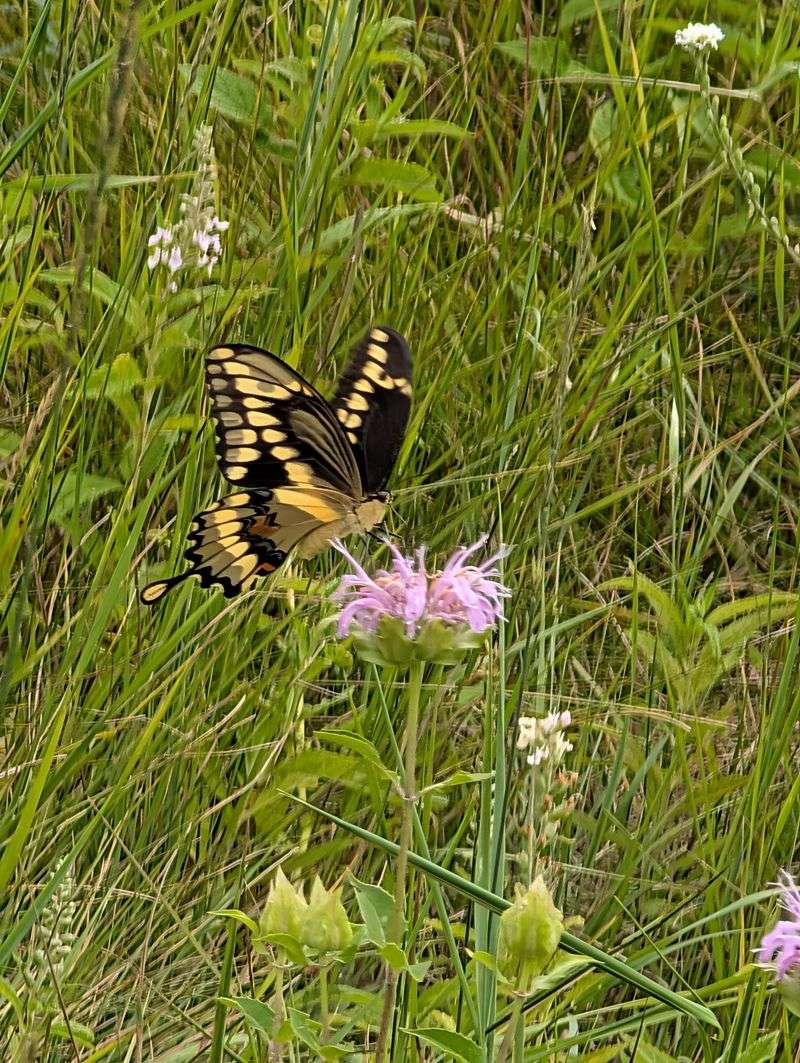
Ever wondered what lives in these woods? The Nature Center near the main picnic area has answers. Exhibits cover the local animals and plants. It’s a smart first stop before you hit the trails.
Interpretive programs happen throughout the year. These can turn a regular walk into a mini adventure with a story behind it. A gift shop is tucked inside as well. Kids may lobby hard for a souvenir, so consider yourself warned.
The park office is open daily from 9 a.m. to 5 p.m. Staff there can point you toward trails that fit your group. History buffs get a treat, too. People of the Santee Sioux and Ojibwe nations lived in this region long before the park existed.
Later, Christian Burkhardt built a grist mill here in 1868. By 1891, his dams and power plants supplied electricity to Hudson. Willow River State Park opened to the public in 1971. Knowing that backstory makes every waterfall view feel a little richer.
Getting There Is Easier Than You’d Guess
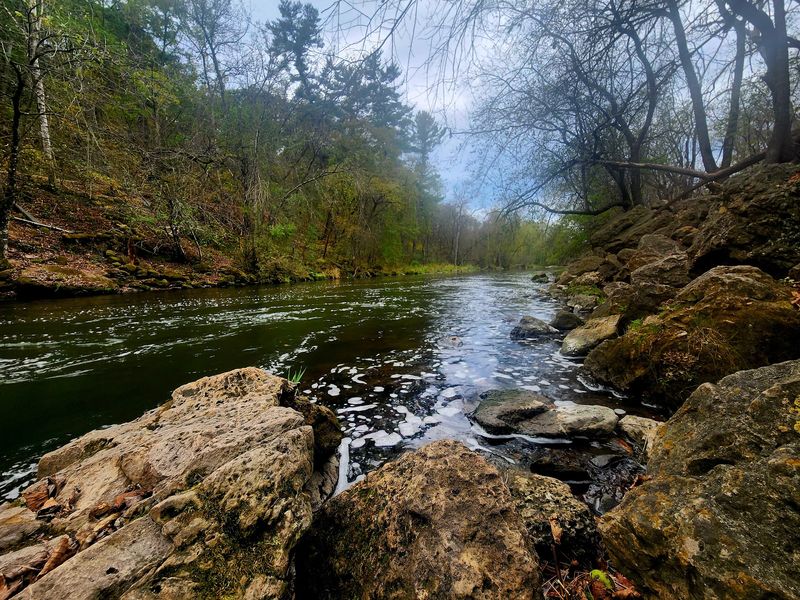
Close to the Minnesota border, this park sits just outside Hudson. The address is 1034 Co Hwy A, Hudson, WI 54016. That location makes it a handy escape from the Twin Cities area. It’s also an easy stop for travelers crossing into Wisconsin.
The park is open year-round from 6 a.m. to 11 p.m. That gives you lots of flexibility for sunrise hikes or evening strolls. You’ll need a vehicle admission sticker to enter. Daily passes cost a bit more for out-of-state plates than for Wisconsin plates.
Annual stickers are worth considering if you plan several visits. They can make sense for families who love state parks. Arrive early on warm weekends and holidays. Parking near the falls and beach can fill fast when the weather cooperates.
Downtown Hudson sits nearby for supplies or a meal after your adventure. Forgot sunscreen? Problem solved. Willow River State Park packs waterfalls, beaches, trails, and snowy fun into one place. Honestly, the only hard part is choosing which season to visit first.