
The Jackson, Mississippi Museum Where More Than 100 Dinosaur And Fossil Exhibits Fill The Halls
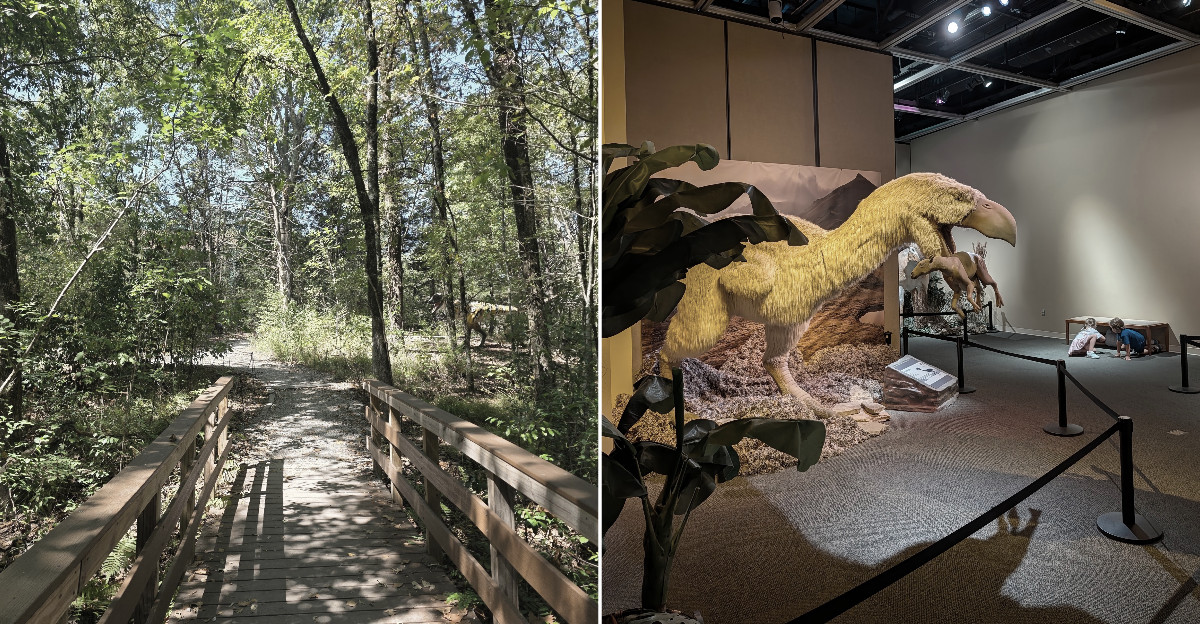
We pulled off the road in Mississippi expecting a quick stretch and a water fountain. Instead, we found a giant sea reptile skeleton on the wall, baby alligators grabbing their lunch, and a trail where a Tyrannosaurus Rex waited in the trees.
For families with kids who love dinosaurs, fossils, or anything that crawls, this stop turned a plain travel day into the best part of the trip. Here is what to know before you go.
A Science Museum Inside a State Park
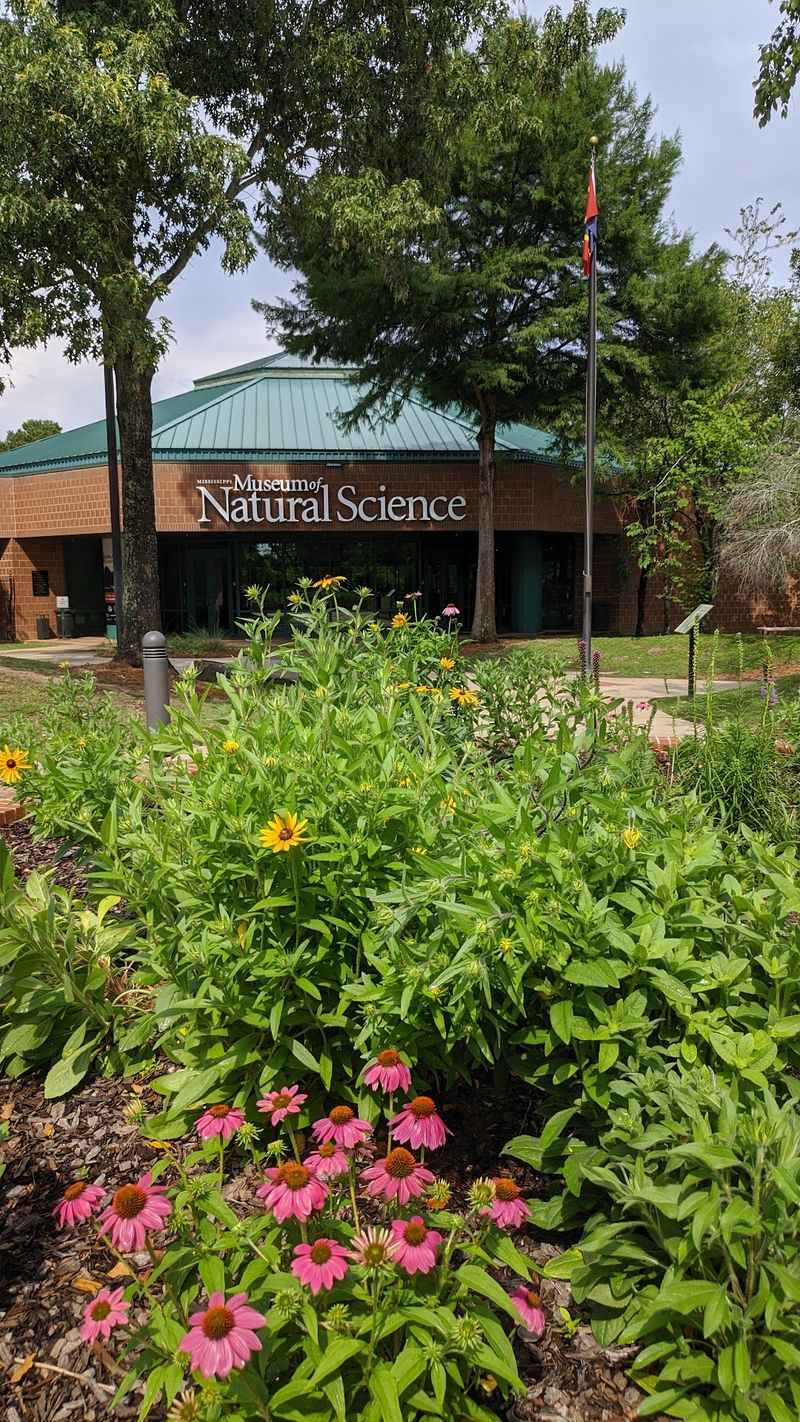
Few museums share their front yard with a full state park. The Mississippi Museum of Natural Science sits inside LeFleur’s Bluff State Park in Jackson, which means families get indoor exhibits and outdoor adventure in one stop.
Inside, the building covers about 73,000 square feet. Fossils, live animals, aquariums, a greenhouse swamp, and regional wildlife displays all fit under one roof.
Plants and animals are grouped by region of the state, so kids can see how the Gulf Coast differs from the hill country or the Delta.
Outside, the museum connects to 2.5 miles of nature trails, an outdoor dinosaur trail, and a large public playground. The Mississippi Children’s Museum sits on the same road, so many families pair the two for a full day.
For parents, that layout matters. Restless kids can burn energy outdoors, cool off inside, and then head back out again without ever moving the car.
A large parking lot makes arrival simple, even with strollers and snack bags in tow.
It is the kind of place that works for a quick two-hour break during a road trip, yet it also holds enough to fill a whole day if your crew wants to linger.
The State’s Official Fossil Vault
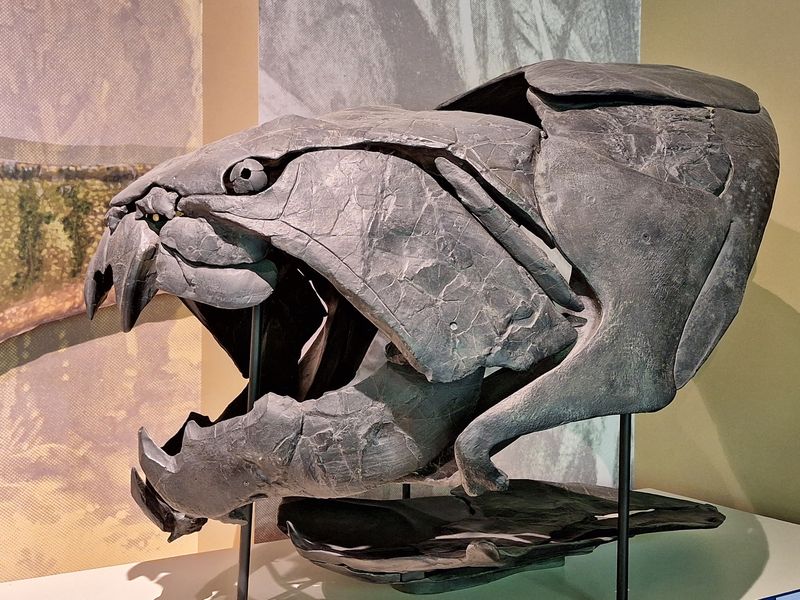
Behind the public galleries lies something most visitors never see: a scientific collection that serves as the official state repository for Mississippi’s fossil resources. When a fossil turns up in the state, this is where it can end up for safekeeping and study.
The paleontology collection holds tens of thousands of cataloged specimens. Its wider systematic collections go even further, topping a million specimens in all, and many of those are fossils too.
That scale explains why the halls feel so packed with ancient finds.
Why should families care about a back room full of drawers? Because it shapes what kids see out front.
The displays are backed by real research, so the bones and shells on view connect to actual science happening in the building.
Mississippi was once covered by ancient seas, and its fossil record reflects that watery past. Sea creatures, giant mammals, and shelled animals all left traces in the soil here.
The museum turns those scattered clues into a story children can follow from case to case.
Older kids who ask lots of questions tend to enjoy learning that the museum is more than a showroom. It is a working home for the state’s natural history.
Giant Sloths and Sea Monsters on the Fossil Wall
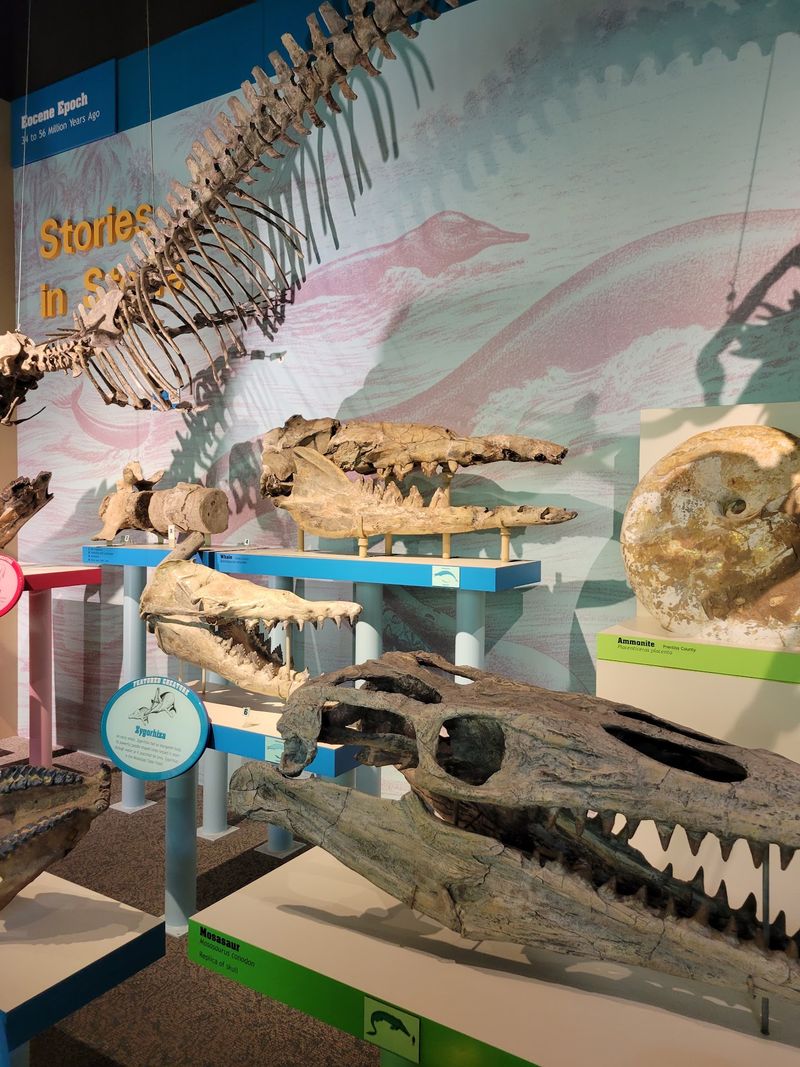
A towering sloth stands taller than most grown-ups, and that alone stops kids in their tracks. Nearby, a Mosasaurus skeleton stretches across the fossil wall, showing off the long jaws of a reptile that once ruled ancient seas.
Also on the wall is Zygorhiza, an early whale whose fossils are tied to Mississippi’s past. Visitors often call the fossil wall spectacular, and it is easy to see why.
The specimens are big, dramatic, and tied directly to the ground under the state.
Parents of young dinosaur fans will notice how much information sits beside each display. Families mention coming away with plenty of facts about the fossils, which makes the wall a great spot for curious readers.
There is also a section on endangered and extinct species of Mississippi that adds context to the bones.
Here is a fun question to ask your kids: how did a whale end up in Mississippi? The answer, that seawater once covered much of the state, usually sparks a lively chat.
Plan some extra time here. Little ones like pointing out teeth and claws, while older children enjoy comparing the ancient animals to the creatures living in the tanks down the hall.
Eight Dinosaurs Along an Outdoor Trail
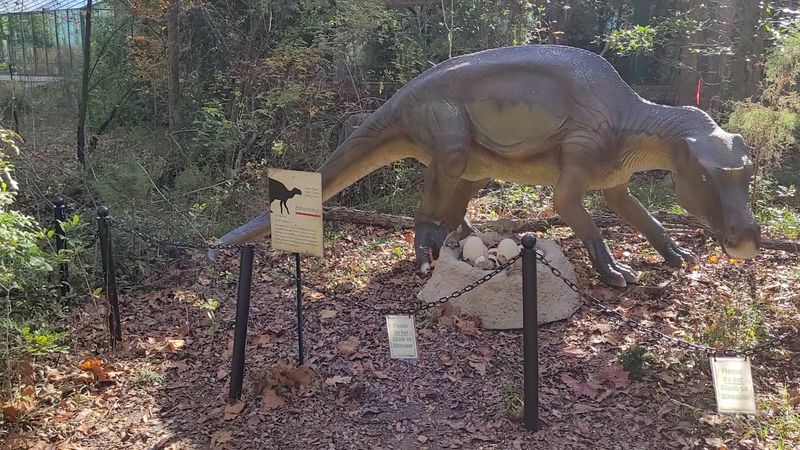
Out the back doors, a Triceratops waits among the trees. The museum’s permanent Dinosaur Trail features eight large, three-dimensional dinosaur models placed along a path, each paired with fact signs that explain the animal.
Look for a Tyrannosaurus Rex and a Pteranodon along the route, along with other prehistoric favorites. Visitors describe the life-size dinos as a highlight, and families with preschoolers say even very young kids loved spotting each one.
The trail turns learning into a scavenger hunt. Kids can race ahead to find the next model, then stop to hear a parent read the sign out loud.
It is a smart way to keep little legs moving while sneaking in some science.
Bring water and bug spray, especially in summer. Mississippi heat can feel heavy by midday, and the shady path still gets warm.
After rain, parts of the grounds can turn muddy, so sturdy shoes help.
During special events, the outdoor dinosaurs become part of the fun. One spring visitor noticed an egg hunt happening on the grounds, with kids counting their finds along the way.
Seasonal programs like that can make an ordinary visit feel like a party.
Animatronic Visitors and Rotating Exhibits
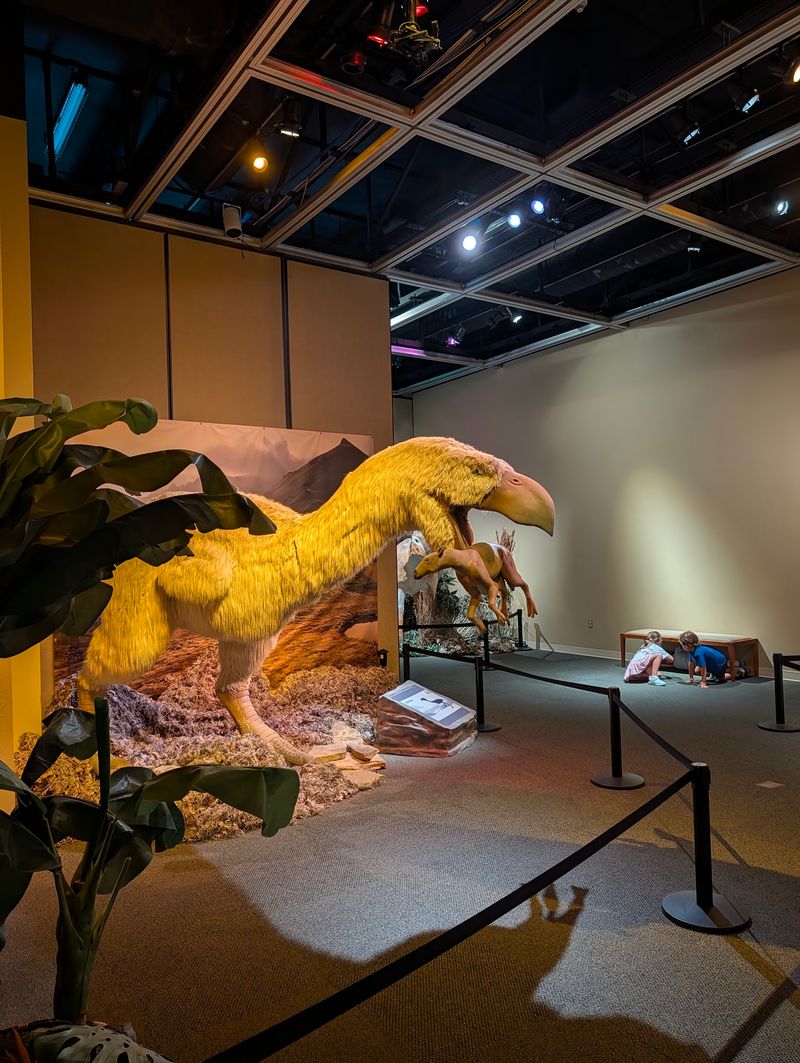
Roaring, moving dinosaurs show up when the museum brings in its big rotating exhibits. One recent example, Dinosaurs Around the World: The Great Outdoors, ran from June 2024 to January 2025 and featured 11 animatronic dinosaurs.
That exhibit explored Earth before the continents took their current shapes, a mind-bending idea for kids. Special shows like this often add hands-on stations, touchable fossils, and authentic casts, so children get to feel the texture of ancient bone instead of just looking.
Themed events have joined the fun too. During dinosaur exhibits, the museum has hosted Fun Fridays and a Tea Party with a T-Rex, both aimed at younger guests.
Families planning a birthday outing may want to check the calendar for something similar.
A quick word for parents of toddlers: some visitors say the moving dinosaurs can seem a bit scary for small children. Holding hands, watching from a distance first, or explaining that the animals are robots can ease nerves.
Because exhibits change, a return trip can feel fresh. Checking what is showing before you drive in helps you match the visit to your child’s current obsession, whether that is giant reptiles or something else entirely.
Aquariums, Alligators, and a Swamp Under Glass
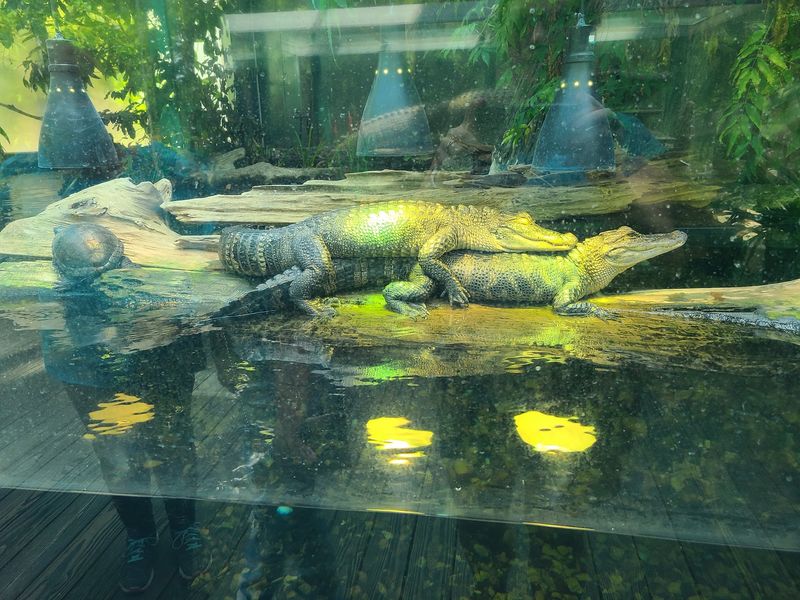
Dinosaurs may draw families in, yet the 100,000-gallon aquarium network often steals the show. More than 200 native species swim through the tanks, from massive catfish to prehistoric-looking snapping turtles.
Next door sits The Swamp, a 1,700-square-foot greenhouse that recreates a living wetland. Alligators lounge under natural light, and kids press close to watch them.
Grandparents mention how much fun it was to see baby alligators fed, grabbing fish and swimming off with their prize.
Live animals pop up all over the building. Snakes, turtles, salamanders, and fish share space with taxidermy scenes showing creatures in their natural habitats.
Some families have even met animal ambassadors like a tortoise named Little Bit and a young alligator named King Koopa.
Staff sometimes bring creatures out for close looks in a classroom setting. Note that snakes may occasionally be out of their enclosures during these programs, so families with a nervous member may want to ask staff where animals are being shown.
Other crowd pleasers include an interactive exhibit about mosquitoes and leeches, tiny baby turtles, and a topographic map play station. Those mix of moving water and live animals keeps even short attention spans busy.
Trails, Treehouse Slides, and Gem Panning
Small hands love getting dirty, and the Gem Mining Sluice lets kids pan for gems and fossils. For the youngest guests, the Preschool Discovery Room offers a treehouse slide and gentle hands-on play.
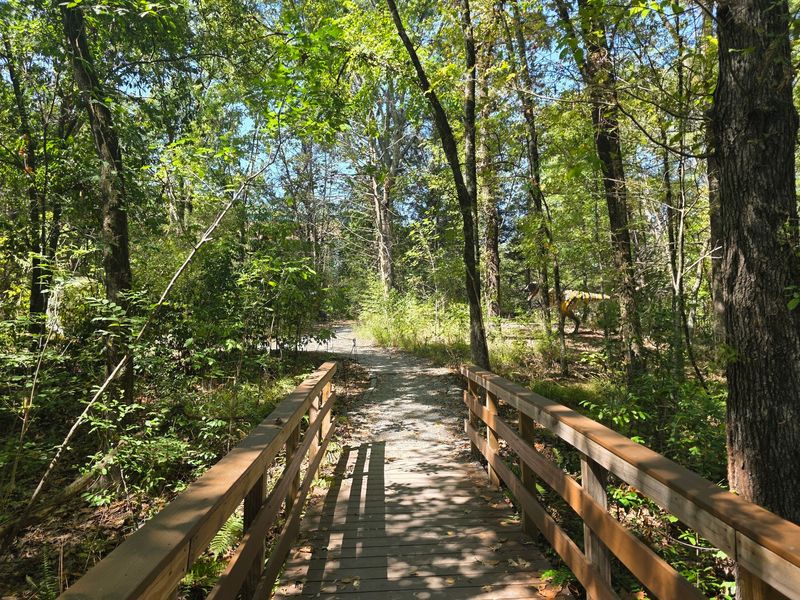
Outdoors, 2.5 miles of trails wind through the park. Boardwalks cross cypress swamps and lead down toward the Pearl River, letting families see in real life the ecosystems they just studied inside.
Visitors report spotting lots of wildlife, even in the middle of the day.
A practical tip: some guests found the trail maps confusing because an ATV track runs through the area. Sticking to marked paths, keeping kids close, and choosing the easier routes makes the walk more relaxing.
Nearby, the LeFleur’s Bluff Playground has earned national recognition for its inclusive design. Families describe it as large, with covered equipment that blocks the sun, and some say their kids did not want to leave.
Plan for playtime after the museum as a reward.
Gardens on the grounds look especially nice in spring and fall, when cooler weather makes a longer stroll more pleasant. Summer visits still work well if you save the trails for morning and head indoors once the afternoon heat builds.
Hours, Admission, and Final Thoughts for Families
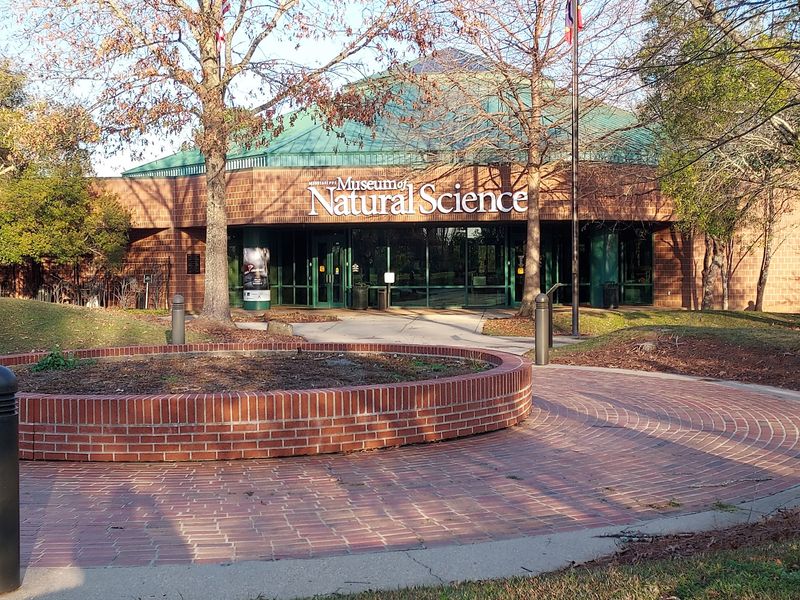
Timing your visit is easy on weekdays. The museum opens at 8 am Monday through Friday and closes at 5 pm.
Saturday hours run from 9 am to 5 pm, and Sunday is shorter, from 1 pm to 5 pm.
Find it at 2148 Riverside Dr in Jackson, just off the same road as the Mississippi Children’s Museum. A large lot handles parking, and lines at the front desk tend to be short.
Admission is widely described as low and affordable, making it a budget-friendly pick for bigger families.
Some areas, including the gift shop, lobby, and upper atrium, have been under renovation. Families say the work did not get in the way of exploring, and the gift shop prices are considered reasonable for souvenirs.
Adults might enjoy the noon lectures held in a theater with stadium seating, large screens, and strong acoustics. Topics have included backyard ideas like hummingbird landscaping.
So who will love it most? Children ages two and up who adore dinosaurs, reptiles, or splashing fish will find plenty.
Road-tripping families get a clean, friendly stop that easily stretches from a quick break into a full, memorable day outdoors and in.