
The California Town Where Locals Live The Dream: Quiet, Affordable, And Beautiful
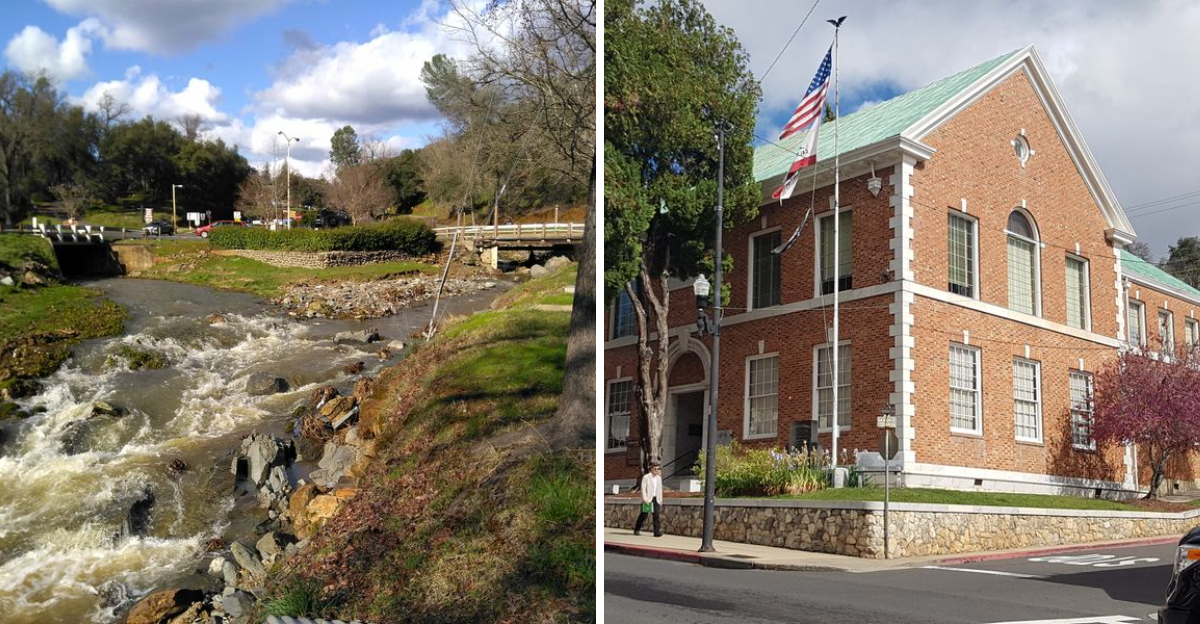
Tucked into the foothills of California’s Sierra Nevada, Sonora offers something increasingly rare: a place where life feels balanced.
This small town of roughly 5,000 residents has managed to hold onto its character without sacrificing modern convenience.
While coastal cities grow more expensive and crowded, Sonora remains quietly affordable, walkable, and surrounded by natural beauty that locals never take for granted.
A Gold Rush Town That Never Lost Its Soul
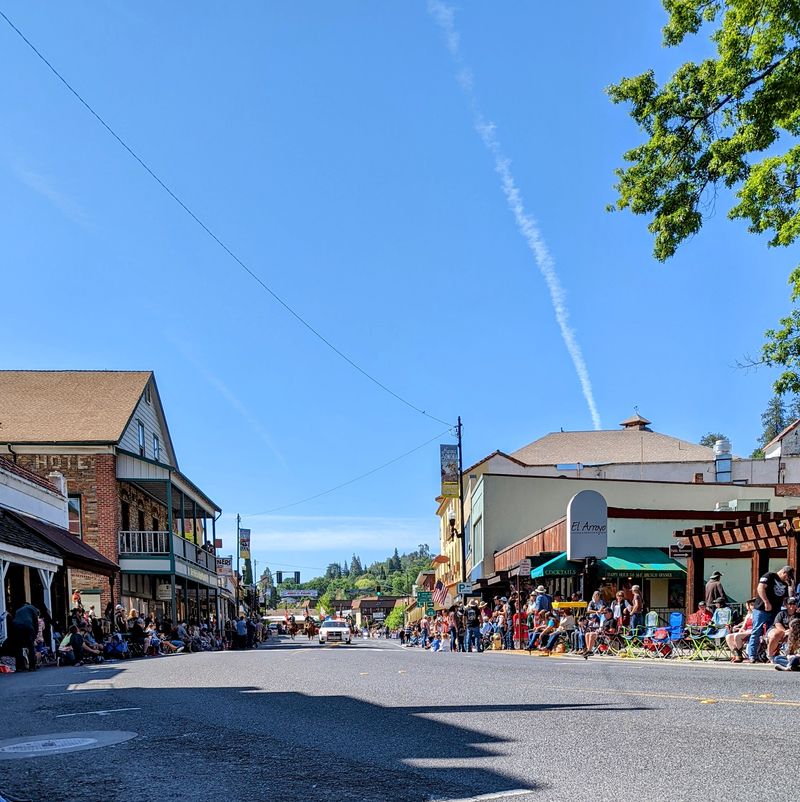
Founded by Mexican miners during the 1849 Gold Rush, Sonora carries its history with dignity rather than spectacle.
Buildings from that era still line Washington Street, their facades weathered but intact.
You can walk past a nineteenth-century saloon that now serves coffee, or step into a mercantile turned bookstore.
The town never became a theme park version of itself. Instead, it wears its past comfortably, like an old jacket that still fits.
History here is functional, not decorative, and that distinction matters to the people who call Sonora home.
A Walkable Downtown Where Life Moves Slower
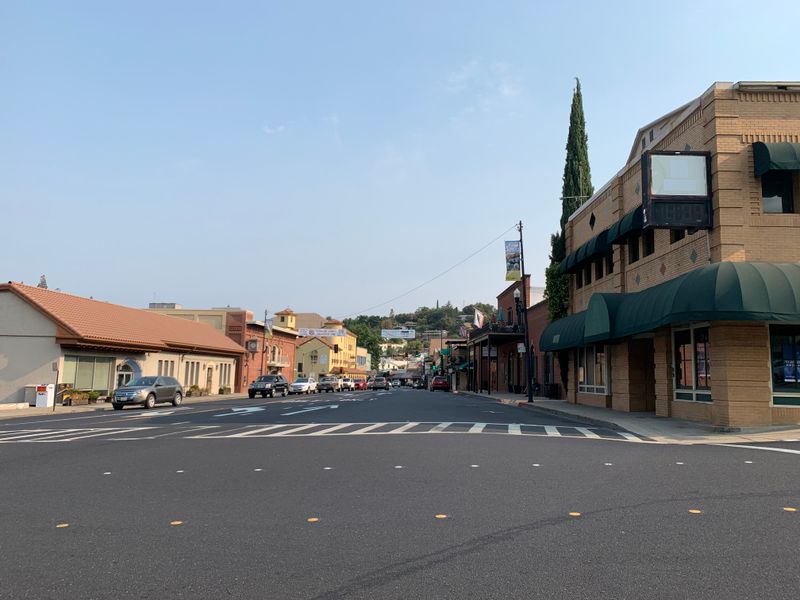
Washington Street forms the heart of Sonora, a corridor you can cover on foot in less than twenty minutes.
Shops, cafes, and local businesses occupy century-old buildings, each with its own character.
There are no chain stores cluttering the sidewalks, no identical storefronts repeating down the block.
People stop to talk here, not just exchange pleasantries.
The pace feels deliberate, unhurried in a way that takes some visitors by surprise.
If you’re used to rushing between destinations, Sonora’s downtown will quietly remind you there’s another way to move through a day.
Home Prices Sit Far Below California’s Coastal Cities
While San Francisco and Los Angeles demand seven-figure sums for modest homes, Sonora’s real estate market operates in a different reality.
Median home prices here remain accessible to middle-class buyers, a rarity in modern California.
You can find well-maintained houses with yards, porches, and character without emptying your retirement account.
Renters fare better too, with monthly costs that won’t consume half a paycheck.
For families priced out of the coast, Sonora represents not just affordability but possibility—a chance to own rather than perpetually rent.
Nature Trails Begin Inside The City Limits
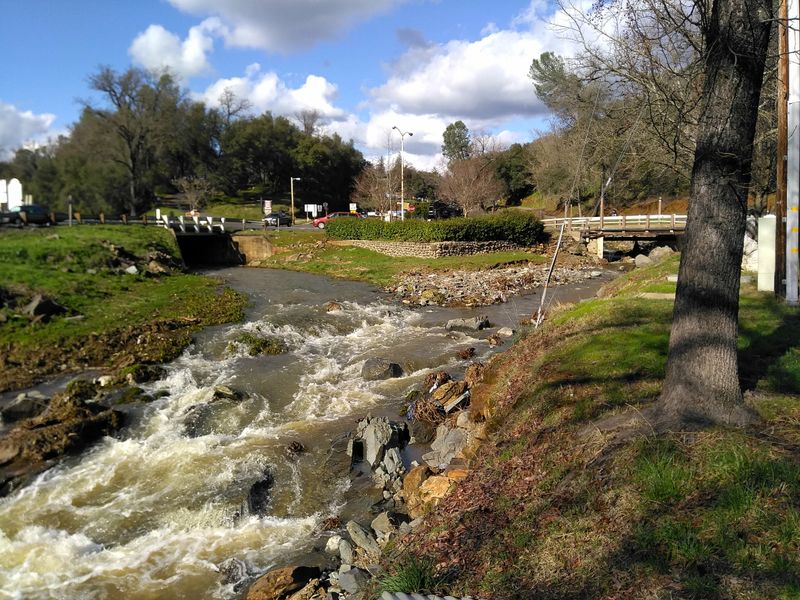
Sonora doesn’t require a long drive to reach the outdoors; the outdoors simply begins where the pavement ends.
Trails wind through oak-studded hills just minutes from downtown, accessible without highway navigation or parking hassles.
You can finish breakfast and be hiking by mid-morning without planning an expedition.
The landscape shifts with elevation, from grassy slopes to pine forests as you climb higher.
Deer appear with regularity, unbothered by human presence.
For residents, this proximity to wilderness isn’t a luxury—it’s part of the daily routine.
Four Distinct Seasons Bring Real Autumn And Mild Summers
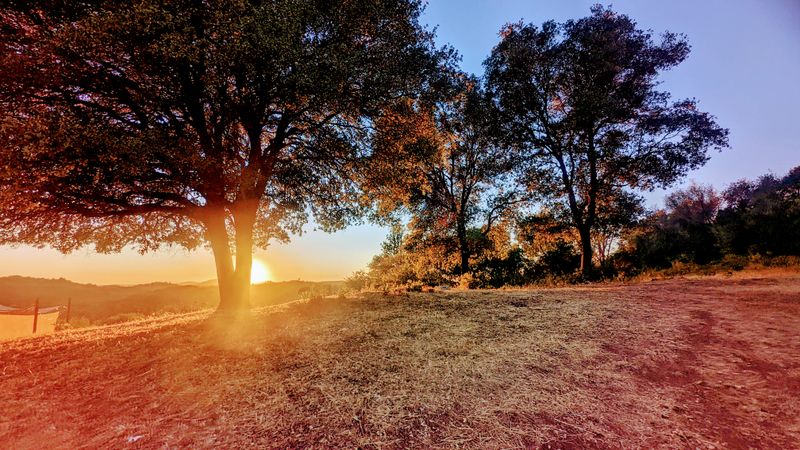
At 1,800 feet elevation, Sonora experiences weather that actually changes. Autumn arrives with color—maples and oaks turning gold and rust before dropping their leaves.
Winter brings occasional rain and sometimes a dusting of snow, though nothing like the heavy Sierra storms at higher elevations.
Summer temperatures climb but rarely reach the brutal highs of California’s Central Valley.
Spring blooms early, covering hillsides in wildflowers by March.
Residents appreciate the rhythm of seasons, the way each one brings its own mood and activities to the calendar.
Weekend Farmers Markets Replace Big-City Crowds
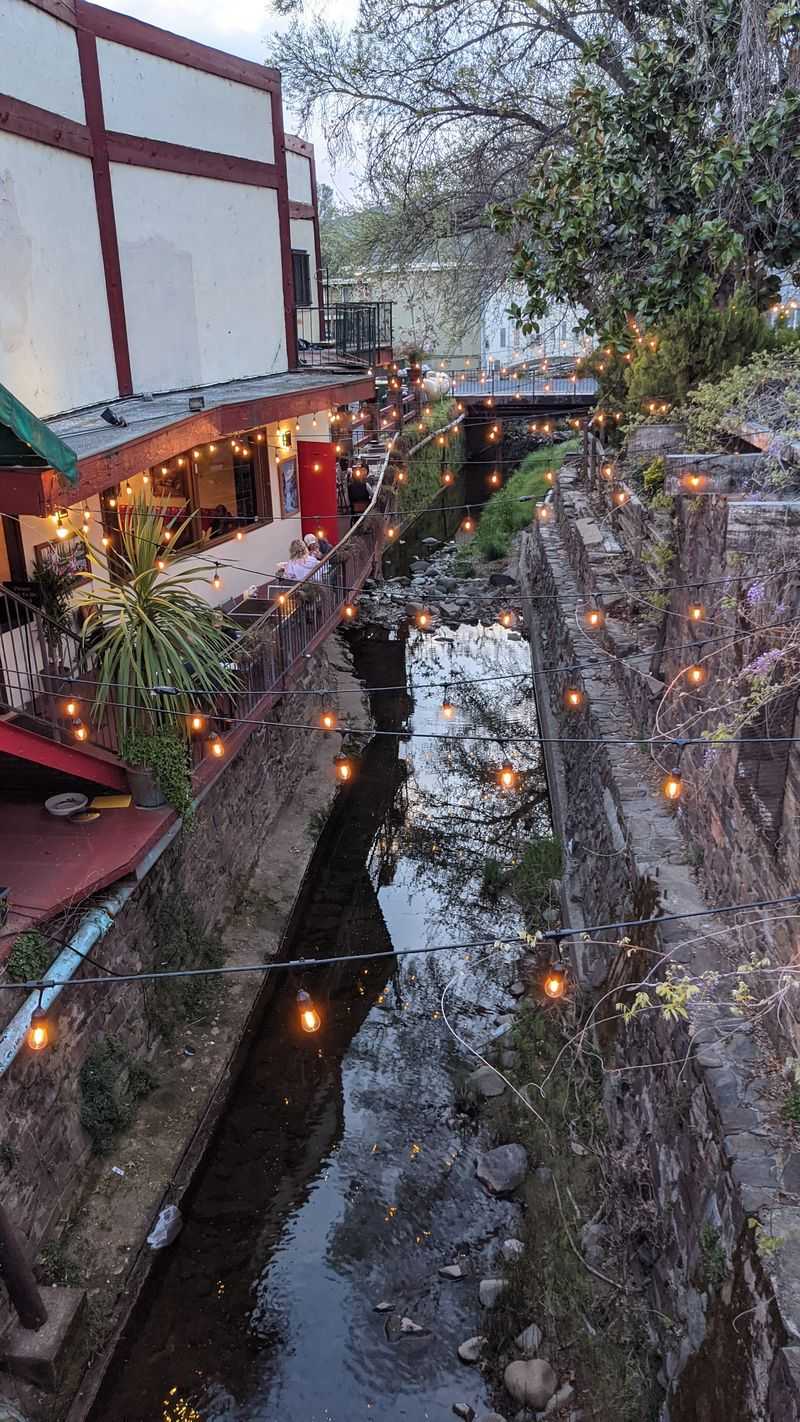
Every Saturday morning, vendors gather in downtown Sonora to sell produce, baked goods, and handmade crafts.
The market operates at a human scale—no overwhelming crowds, no corporate booths selling mass-produced items.
You’ll recognize faces, both behind the tables and browsing alongside you.
Local farmers bring strawberries, tomatoes, and stone fruit depending on the season.
Bakers offer sourdough and pastries still warm from morning ovens.
The market serves as both shopping trip and social event, a weekly ritual that reinforces the town’s sense of connection.
Yosemite Is Close Enough For Day Trips, Not Daily Traffic
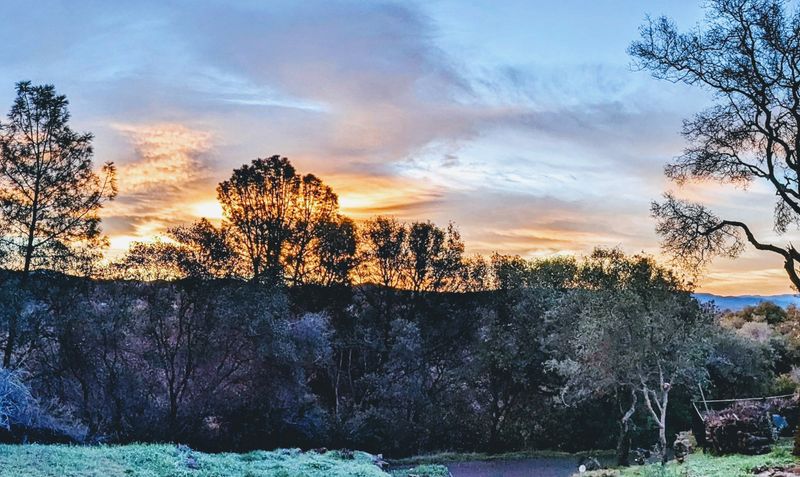
Sonora sits roughly an hour from Yosemite’s western entrance, close enough to visit without the commitment of overnight planning.
Families drive up for afternoon hikes, photographers chase dawn light at Half Dome, and locals treat the park as an extended backyard.
Yet Sonora itself remains free of the tourist congestion that plagues gateway towns.
The relationship feels balanced: access without intrusion, proximity without chaos.
When you return home, the town welcomes you back with quiet streets and familiar faces.
Historic Buildings Still Serve Everyday Purposes
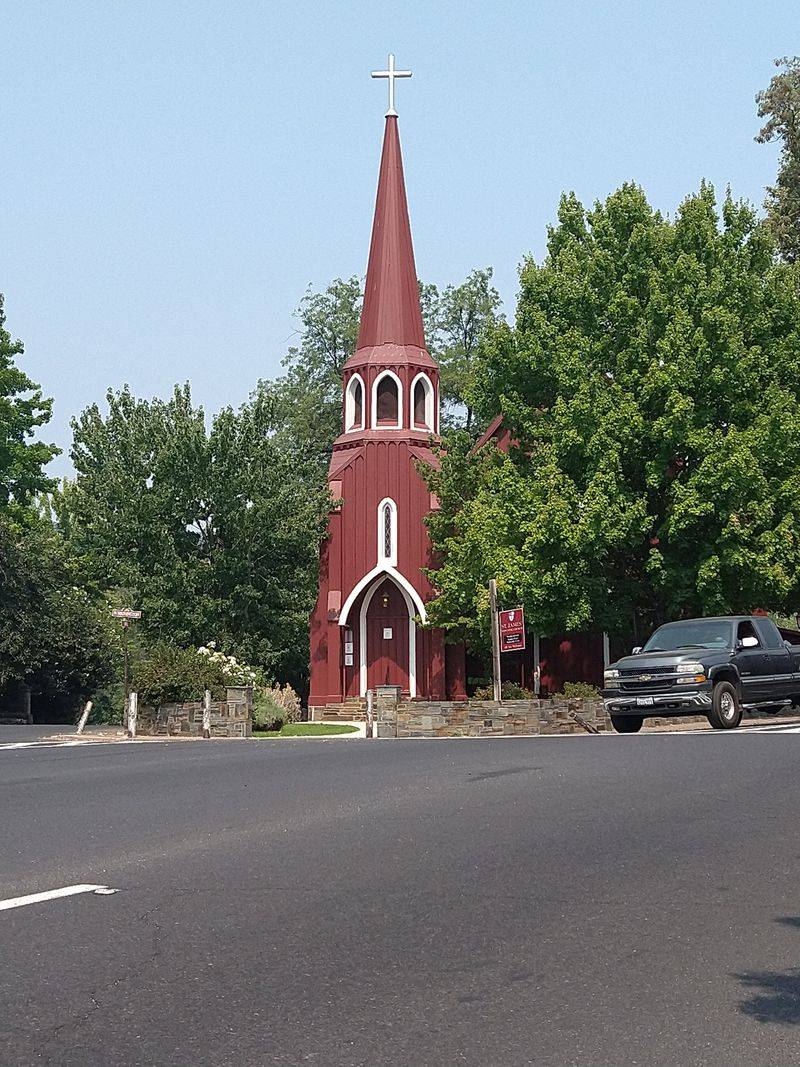
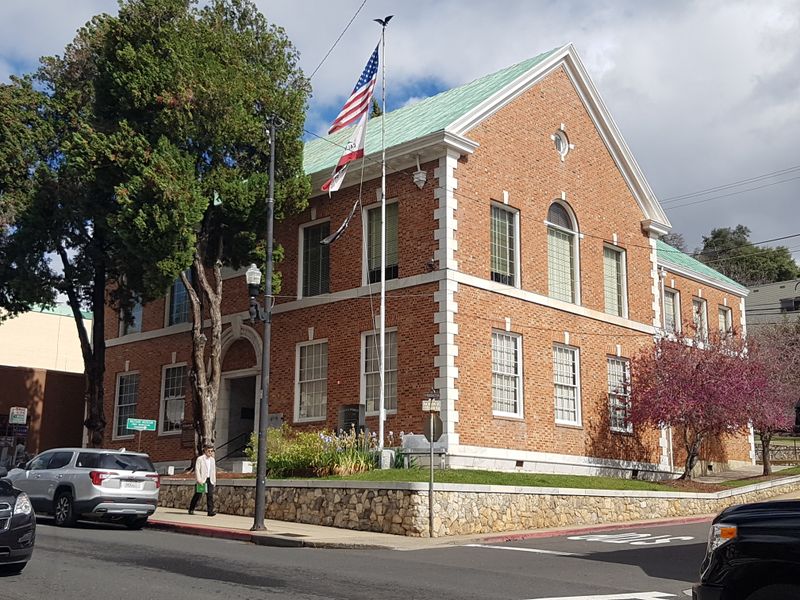
Preservation in Sonora doesn’t mean freezing the town in amber. The 1857 courthouse still functions as a government building.
Nineteenth-century storefronts house working businesses, not museums.
A former hotel now contains apartments where people actually live.
This practical approach to history keeps the town alive rather than turning it into a relic.
Buildings earn their keep by remaining useful, adapting to modern needs while maintaining their original bones.
The result feels authentic because it is—Sonora honors its past by continuing to inhabit it.
A Small Arts And Events Scene Keeps The Town Lively
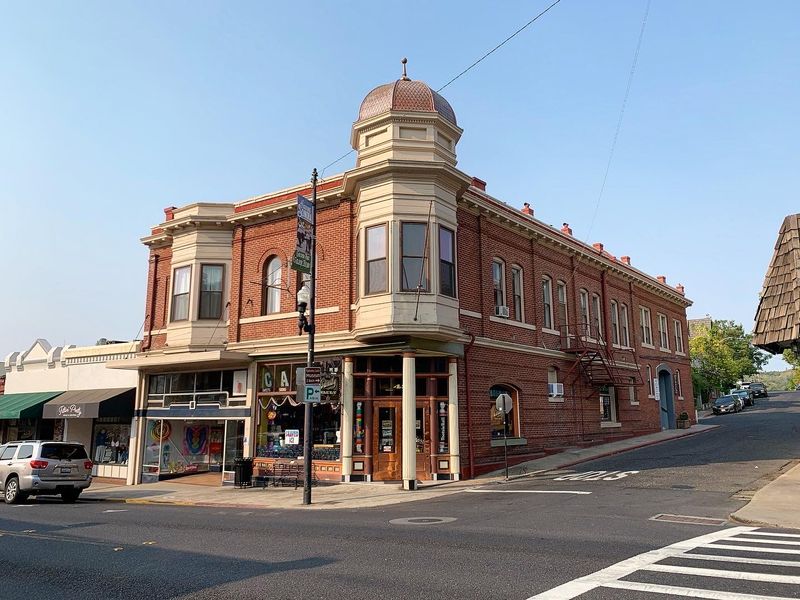
Sonora supports a modest but active cultural calendar throughout the year.
The local theater company stages productions in a renovated opera house that dates back to 1885.
Art galleries showcase regional painters and sculptors, their work rooted in Sierra Nevada landscapes and history.
Summer brings outdoor concerts and the annual Mother Lode Fair, events that draw residents together without overwhelming the town’s infrastructure.
The arts scene here doesn’t try to compete with metropolitan offerings—it simply provides enough variety to keep life interesting for people who’ve chosen smaller-town living.
Sonora Balances Privacy With A True Sense Of Community
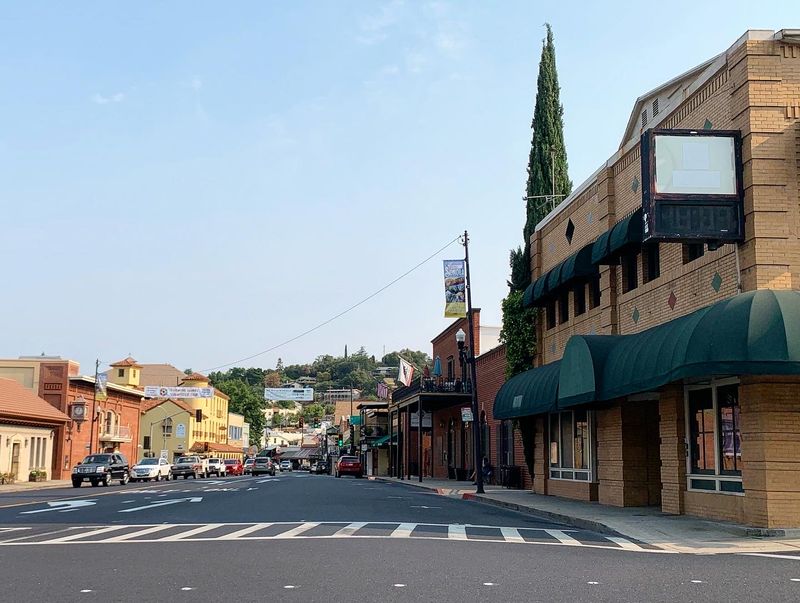
Living in Sonora doesn’t mean surrendering your anonymity or joining mandatory social obligations.
The town offers space when you need it, connection when you want it.
Neighbors acknowledge each other without prying, shopkeepers remember your face without demanding your life story.
Community here forms organically rather than through forced participation.
You might meet people at the market, on a trail, or during a downtown festival.
Friendships develop naturally, built on repeated encounters and shared routines.
The balance feels right—present but not intrusive, friendly but not suffocating.
Located At 37.9829496, -120.3821724 In Tuolumne County
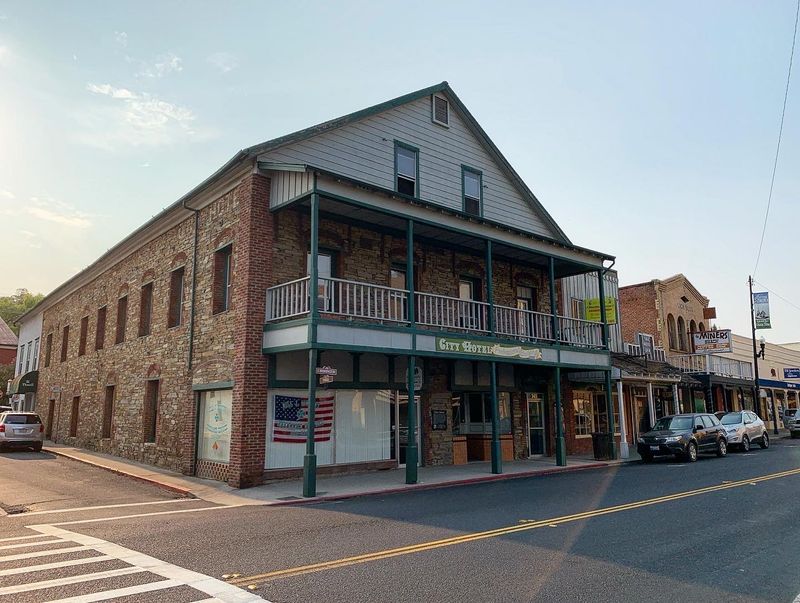
Sonora serves as the county seat of Tuolumne County, positioned at the coordinates 37.9829496, -120.3821724 in California’s central Sierra Nevada foothills.
With just over 5,000 residents recorded in the 2020 census, the town maintains its small size while providing essential services for the surrounding region.
Highway 49 runs through downtown, connecting Sonora to other Gold Rush towns along the Mother Lode.
The location offers genuine geographic advantages: mountain access without alpine isolation, rural character without complete remoteness.
It’s a position that works for people seeking California living outside the usual formulas.