
The Peaceful, Secluded Town In Pennsylvania That’s A True Hidden Treasure
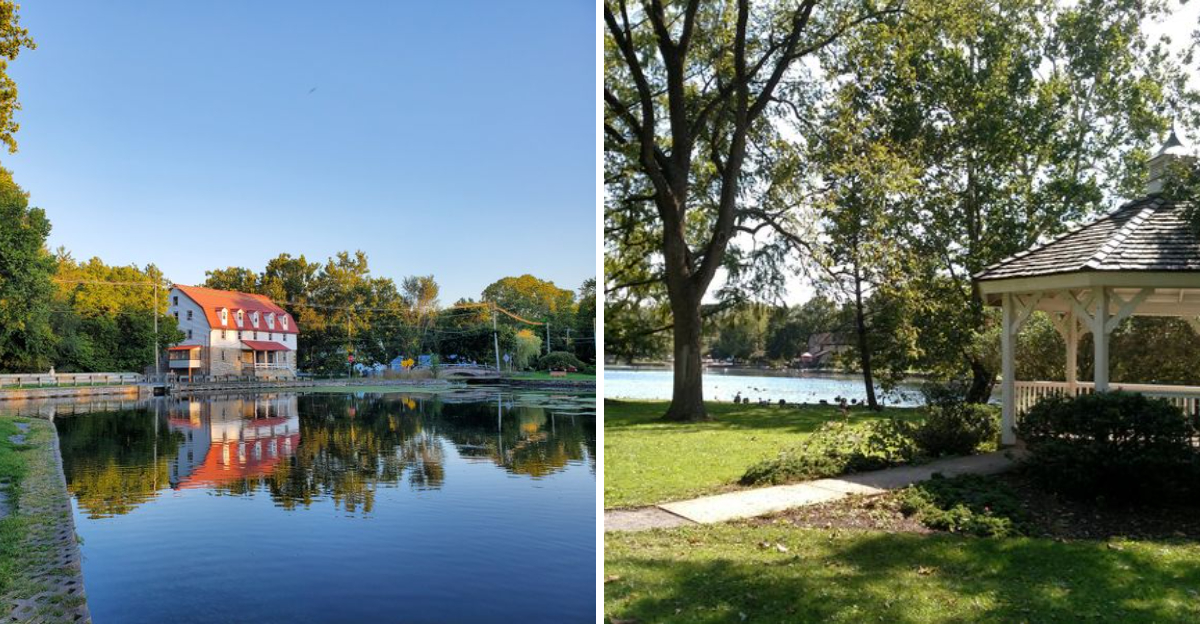
Tucked away in Cumberland County, Boiling Springs remains one of Pennsylvania’s most charming yet overlooked destinations. This small census-designated place in South Middleton Township offers visitors a rare combination of natural beauty, historic architecture, and genuine small-town warmth.
Whether you’re seeking a quiet weekend retreat or simply curious about the hidden corners of the Keystone State, Boiling Springs delivers an experience that feels refreshingly unhurried and wonderfully authentic.
Hidden Gem In The Appalachian Mountains
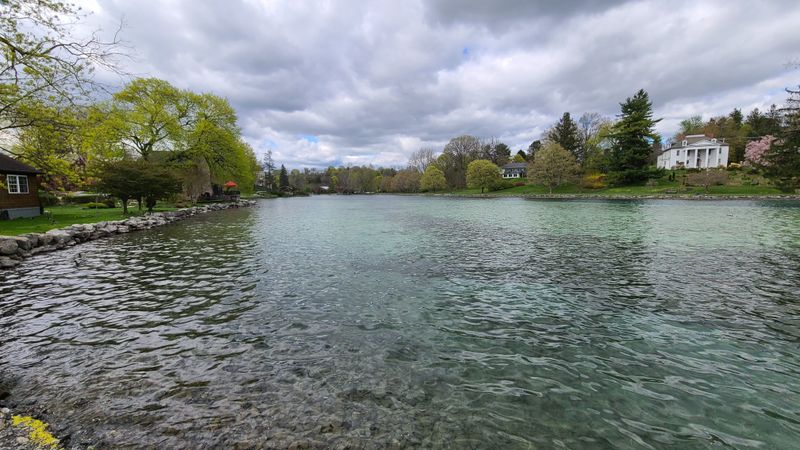
Boiling Springs sits comfortably in the valley between the Appalachian ridges, offering travelers a location that feels worlds away from the hustle of nearby Harrisburg. The town’s position along the Appalachian Trail makes it a natural stopping point for hikers, yet most visitors discover it by accident rather than design.
Rolling farmland surrounds the community, and the gentle slopes of South Mountain provide a scenic backdrop that changes with every season.
Located at 40.149812, -77.1283133 in South Middleton Township, PA 17007, the area benefits from its proximity to both wilderness and civilization. You can walk from the village center to wooded trails in minutes.
The Cumberland Valley Greenway connects Boiling Springs to neighboring communities, creating a network of paths that invite exploration without the need for a car.
Few places manage to balance accessibility with seclusion so gracefully. The town’s modest population of just over three thousand means you’ll rarely encounter crowds, even during peak tourist months.
The Historic Charm Of Boiling Springs
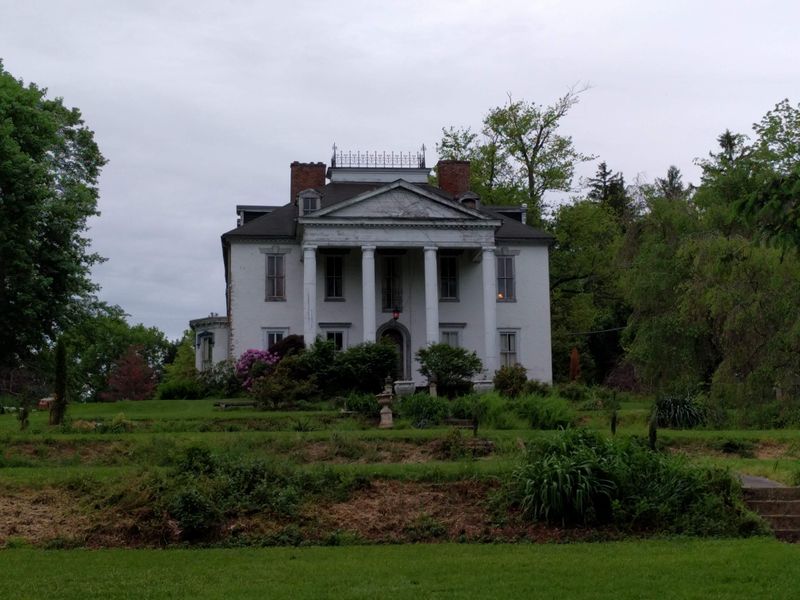
Architecture tells stories, and in Boiling Springs, those stories stretch back more than two centuries. The village contains dozens of well-preserved homes dating from the 18th and 19th centuries, many constructed from local limestone and featuring Federal and Victorian design elements.
Walking the residential streets feels like stepping into a carefully maintained museum where people still live and work.
The Boiling Springs Tavern, built in 1832, anchors the historic district and continues to serve the community as a restaurant and gathering place. Nearby, the old ironmaster’s mansion stands as a reminder of the town’s industrial past, when local forges produced iron goods for regional markets.
These buildings haven’t been sanitized for tourism; they retain the wear and character that comes from genuine use across generations.
Preservation efforts here avoid the overly polished approach common in other historic towns. Paint peels slightly, gardens grow a bit wild, and the overall effect feels honest rather than staged.
Boiling Springs’ Tranquil Lake Waters
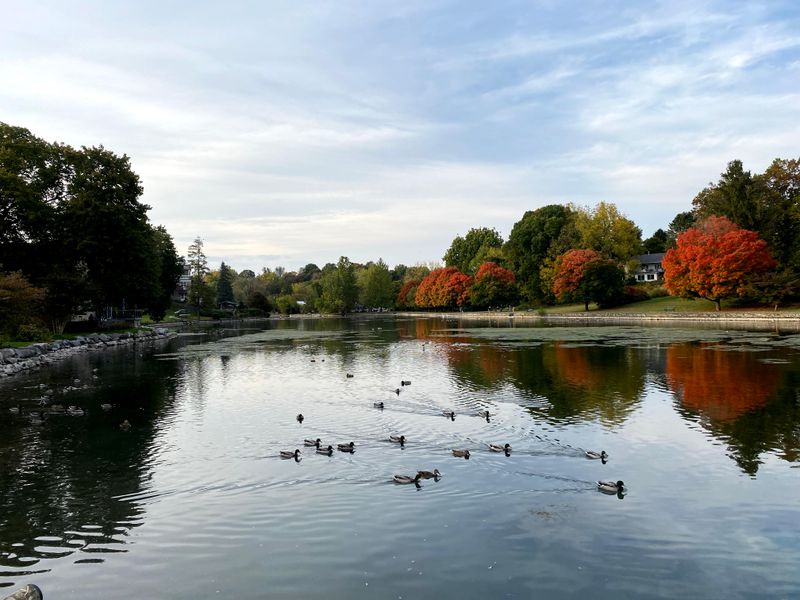
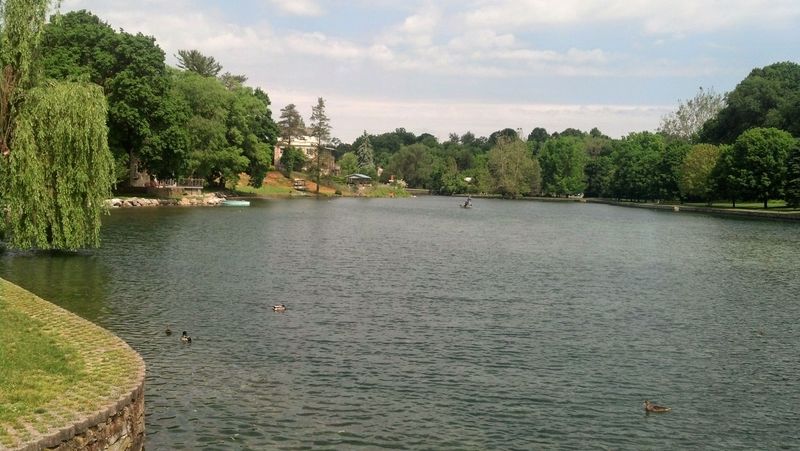
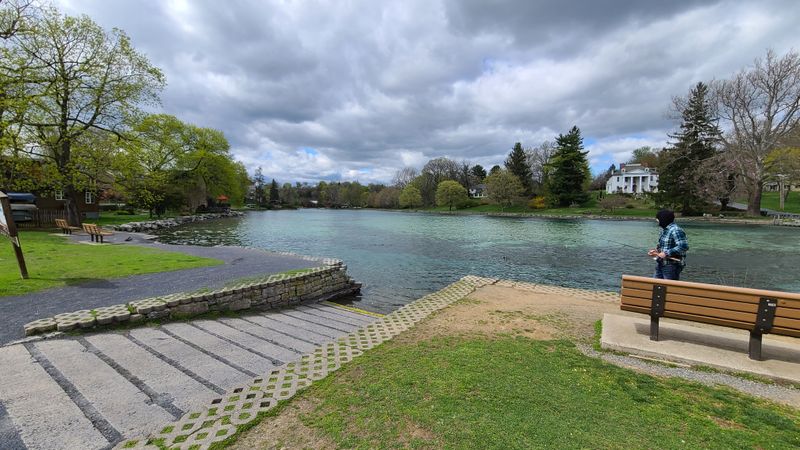
Children’s Lake forms the visual and recreational heart of Boiling Springs, fed by natural springs that bubble up from limestone bedrock at a constant fifty-two degrees. The lake’s name comes from the appearance of these springs, which create the illusion of boiling water as they disturb the surface.
On calm mornings, mist rises from the water, and you can watch trout gliding through the exceptionally clear depths.
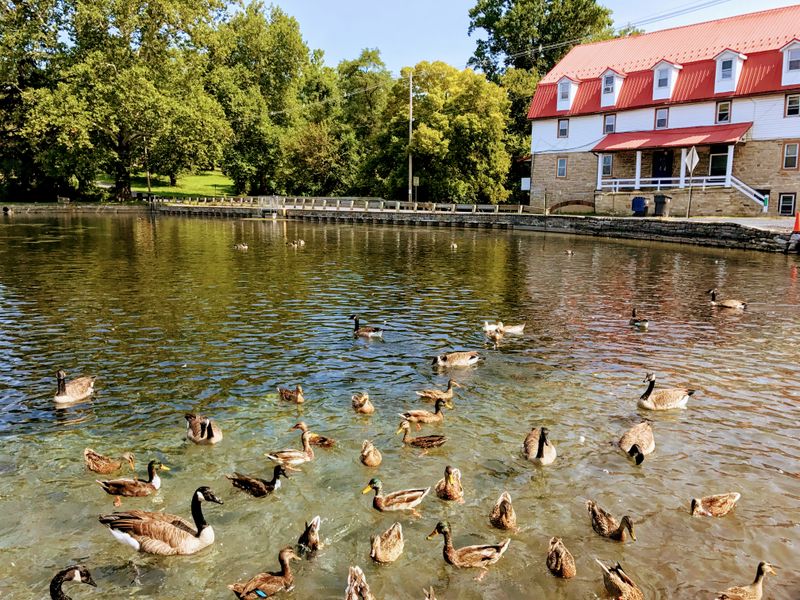
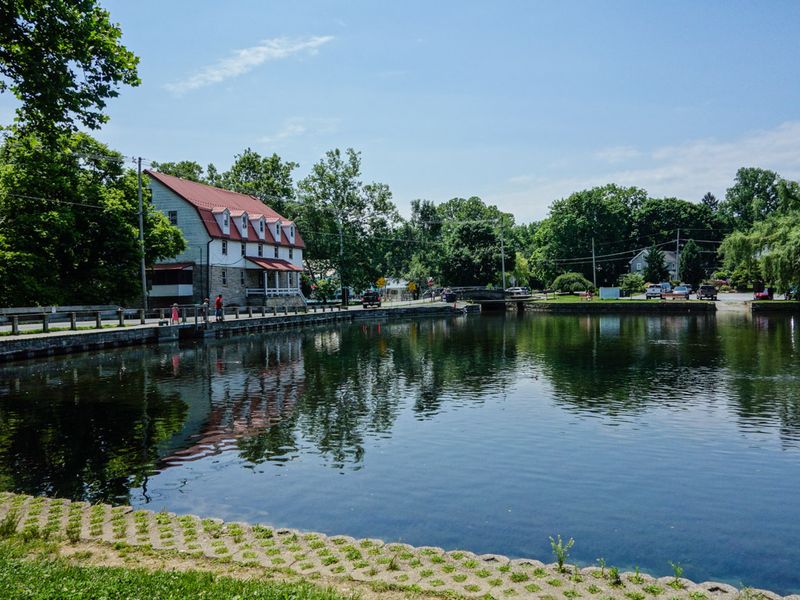
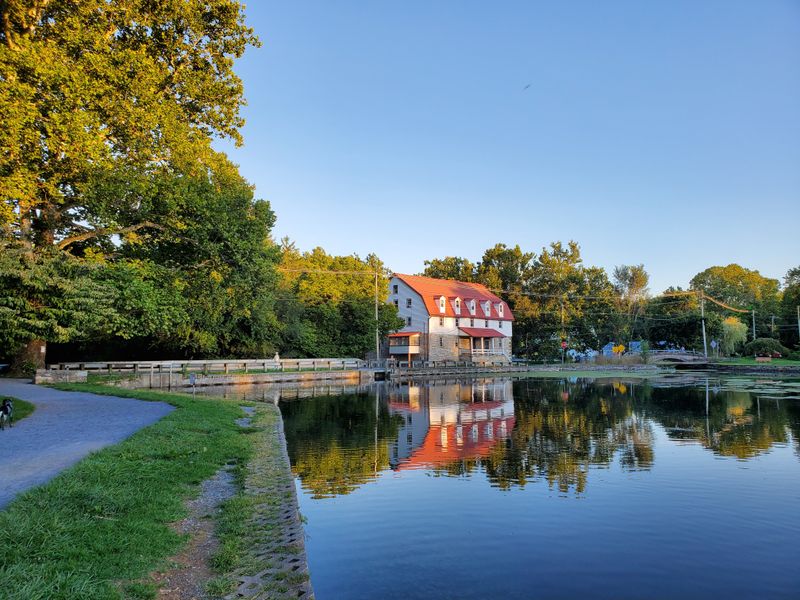
The lake covers only about two acres, but its impact on the town’s character extends far beyond its size. Families gather along the shoreline to feed ducks, anglers cast lines for stocked trout, and photographers arrive at dawn to capture reflections of historic buildings in the still water.
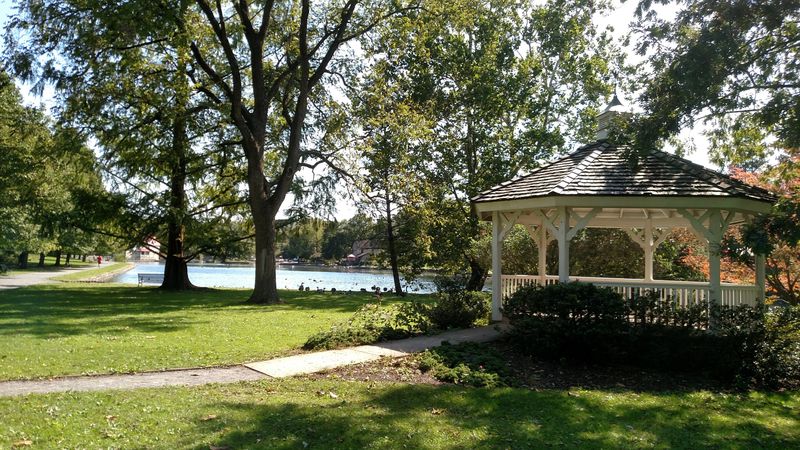
A walking path circles the lake, providing an easy twenty-minute stroll that somehow feels restorative no matter how many times you complete it.
The springs produce roughly 22 million gallons of water daily, maintaining the lake’s pristine condition year-round.
The Village Green And Historic Homes
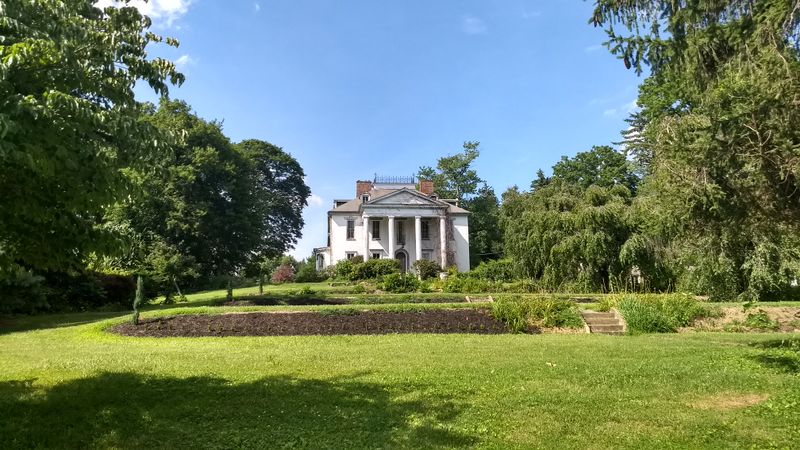
Boiling Springs’ village green functions as the town’s living room, a space where community life unfolds in full view of passersby. Mature trees shade wooden benches, and the green connects directly to Children’s Lake, creating a continuous public space that encourages lingering.
Unlike formal parks with posted rules and designated activities, this green simply exists for whatever use residents require on any given day.
Surrounding the green, historic homes display the full range of 19th-century residential architecture found in rural Pennsylvania. Stone foundations support clapboard second stories, porches wrap around corners, and gardens spill onto sidewalks with the comfortable disorder of long-established plantings.
Many homes feature plaques noting their construction dates, some reaching back to the 1790s.
The green hosts occasional community events, but its real value lies in daily use rather than special occasions. Dog walkers cross paths with retirees reading newspapers, and the scene rarely varies enough to startle anyone.
Nature Trails And Scenic Views In Boiling Springs
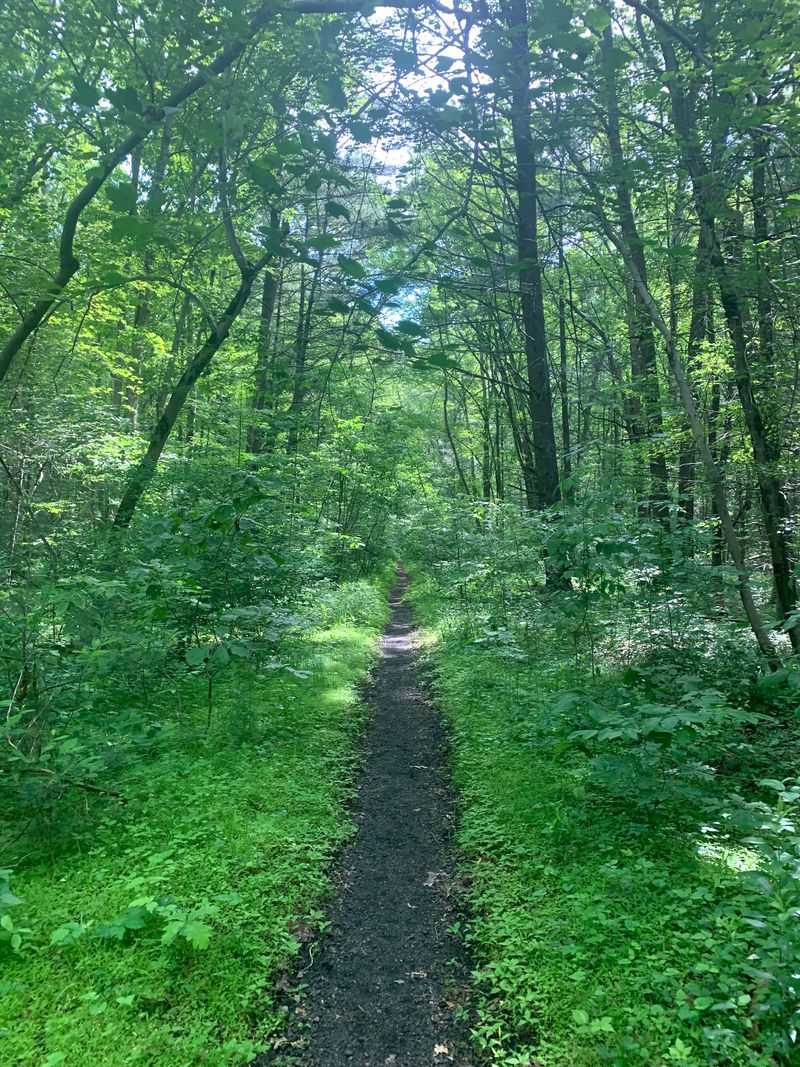
The Appalachian Trail passes directly through Boiling Springs, making the town one of the few places where thru-hikers can walk from wilderness into a functioning community without breaking stride. The trail crosses Bucher Hill Road and continues through farmland before ascending back into forested ridges.
Local sections offer day-hike opportunities ranging from easy lakeside paths to moderately challenging ridge walks with views across the Cumberland Valley.
Beyond the AT, the Cumberland Valley Rail Trail provides a paved route suitable for cyclists and families with strollers. This former railroad corridor runs flat and straight, connecting Boiling Springs to Carlisle and points south.
Spring brings wildflowers to the trail edges, while fall transforms the corridor into a tunnel of gold and crimson foliage.
The Yellow Breeches Creek, renowned among fly fishermen, flows through town and offers additional walking routes along its banks. The creek’s limestone-filtered water supports healthy trout populations and attracts anglers from across the mid-Atlantic region.
The Story Behind Boiling Springs’ Name
Naming a town after a geological feature might seem unremarkable, but Boiling Springs earned its designation through a phenomenon that still captivates first-time visitors. The springs that feed Children’s Lake emerge from limestone aquifers with enough force to create visible turbulence on the water’s surface.
Early settlers, observing this constant agitation, naturally compared it to water at a boil, despite the springs’ frigid temperature.
These springs have attracted human settlement for centuries, first drawing Native American groups who valued the reliable water source, then European colonists who recognized the springs’ potential for powering mills and supporting industry. The ironworks that operated here in the 18th and 19th centuries depended entirely on this steady flow.
The springs never freeze, never run dry, and never vary significantly in temperature or output.
Understanding this naming origin adds depth to a visit, transforming a pleasant lake into a window onto the region’s geological and cultural history.
Local Traditions And Festivals In Boiling Springs
Boiling Springs celebrates its heritage through events that feel organic rather than manufactured for tourist consumption. The annual Boiling Springs Pool Jubilee draws residents and visitors to Children’s Lake for a day of community swimming, games, and food.
This tradition dates back decades and maintains a distinctly local flavor, with longtime residents greeting each other and newcomers welcomed without fanfare.
The town’s Fourth of July celebration follows a similar pattern, featuring a parade that winds through residential streets before concluding at the lake. Firetrucks carry local officials, children decorate bicycles, and the entire affair wraps up in under an hour.
There’s no corporate sponsorship, no elaborate staging, just neighbors gathering to mark the occasion as they’ve done for generations.
These modest traditions reveal more about Boiling Springs’ character than any glossy festival could. The town values continuity and community connection over spectacle, creating events that strengthen bonds rather than attract crowds.
Dining And Hidden Restaurants In Boiling Springs
Culinary expectations should be adjusted before visiting Boiling Springs, as the town offers quality rather than variety. The Boiling Springs Tavern serves as the primary dining destination, offering American fare in a setting that hasn’t changed dramatically since the 1830s.
The menu focuses on well-executed basics: steaks, seafood, sandwiches, and seasonal specials that reflect regional ingredients without unnecessary elaboration.
Nearby Carlisle, just a ten-minute drive, expands dining options considerably, but Boiling Springs residents seem content with their limited choices. A small pizza shop and a cafe round out the local options, and both maintain loyal followings.
The cafe serves breakfast and lunch, with homemade soups and sandwiches that change daily based on what’s available.
Visitors seeking cutting-edge cuisine or extensive wine lists should look elsewhere. Those appreciating straightforward food served in historic surroundings will find Boiling Springs perfectly adequate.
The tavern’s outdoor seating overlooks the lake, and on summer evenings, that view compensates for any menu limitations.
Boiling Springs: A Perfect Weekend Escape
Planning a weekend in Boiling Springs requires adjusting expectations about activity levels and entertainment options. This town rewards visitors who appreciate quiet observation over constant stimulation.
A typical Saturday might include a morning walk around Children’s Lake, an afternoon hike on the Appalachian Trail, and an evening meal at the tavern. Sunday could bring a longer drive along country roads, exploration of nearby Carlisle’s museums, or simply reading on a bench while watching ducks paddle across the lake.
Accommodations in town are limited to a few bed-and-breakfasts, with additional options available in Carlisle. The lack of major hotels preserves Boiling Springs’ residential character while ensuring that visitors who do arrive genuinely want to experience the town rather than simply needing a place to sleep.
A weekend here won’t exhaust you with packed schedules or leave you wondering what you missed. Instead, you’ll likely depart feeling rested and slightly puzzled about how such a simple place proved so satisfying.
Boiling Springs’ Artistic Vibe And Creativity
Calling Boiling Springs an arts destination would overstate the case, but the town does support a quiet creative community that adds texture to local life. Several residents maintain studios in converted outbuildings, producing pottery, paintings, and fiber arts that occasionally appear in small exhibitions at the local library.
These aren’t professional galleries with regular hours, but rather organic expressions of a community that values handmade objects and individual expression.
The town’s scenic qualities attract photographers year-round, particularly those specializing in landscape and architectural work. The combination of historic structures, natural water features, and changing seasonal light provides endless compositional opportunities.
You’ll often spot someone with a tripod positioned near the lake at sunrise, capturing the mist and reflections that make Boiling Springs visually distinctive.
This artistic presence remains understated, woven into daily life rather than advertised or commodified. It’s one more element contributing to the town’s character without dominating the overall atmosphere.
Southern Hospitality In The Heart Of Pennsylvania
Boiling Springs occupies an interesting cultural position, sitting just north of the Mason-Dixon line yet exhibiting social patterns more commonly associated with communities farther south. Residents greet strangers on sidewalks, conversations develop easily in public spaces, and the overall atmosphere suggests a place where people still believe in neighborliness as a practical philosophy rather than a nostalgic ideal.
This welcoming quality extends to local businesses, where staff remember regular customers and take time to chat even during busy periods. The pace of service reflects this priority; you won’t be rushed through a meal or hurried past a counter.
For visitors accustomed to urban efficiency, this slower rhythm requires adjustment, but most find it refreshing after the initial surprise wears off.
The warmth here feels genuine rather than performed for tourism purposes. Boiling Springs doesn’t need to manufacture hospitality because it remains a functional community where social bonds still matter. That authenticity makes all the difference.