
California’s Most Underrated Quiet Beaches To Escape The Crowds
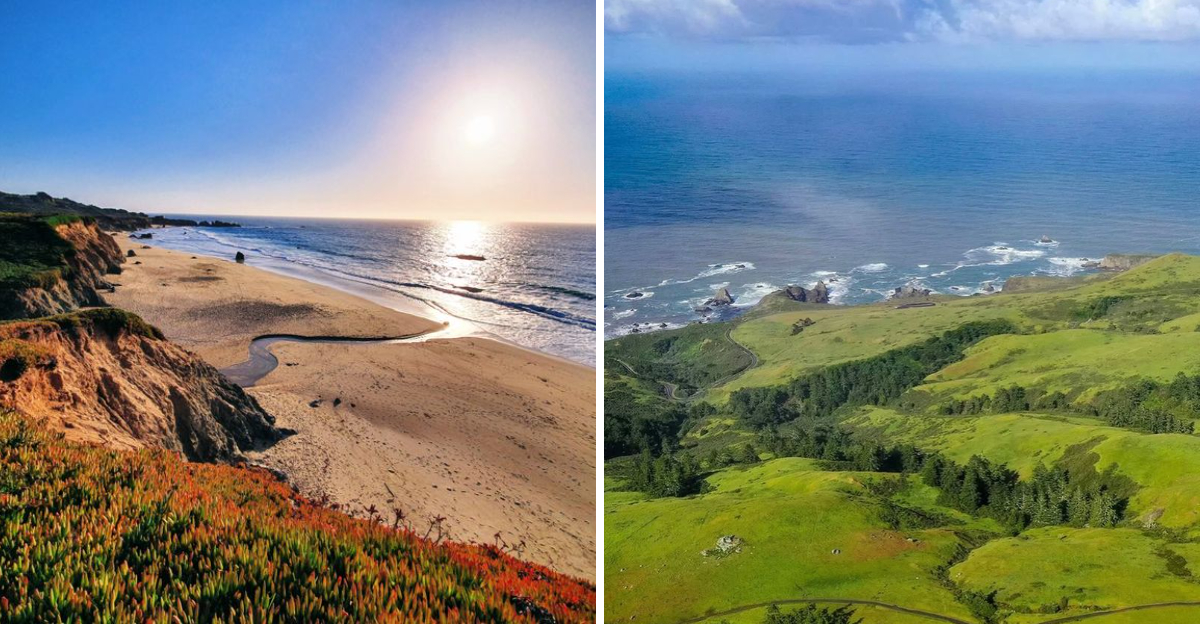
California’s coastline stretches over 800 miles, yet most visitors crowd onto the same handful of famous beaches while hidden gems sit quietly just around the bend. If you’re tired of fighting for parking spots and dodging beach umbrellas, you’re in for a treat.
I’ve explored countless stretches of sand along the Golden State’s shores, and I’m here to share the secret spots where you can actually hear the waves instead of someone’s Bluetooth speaker.
1. Kehoe Beach
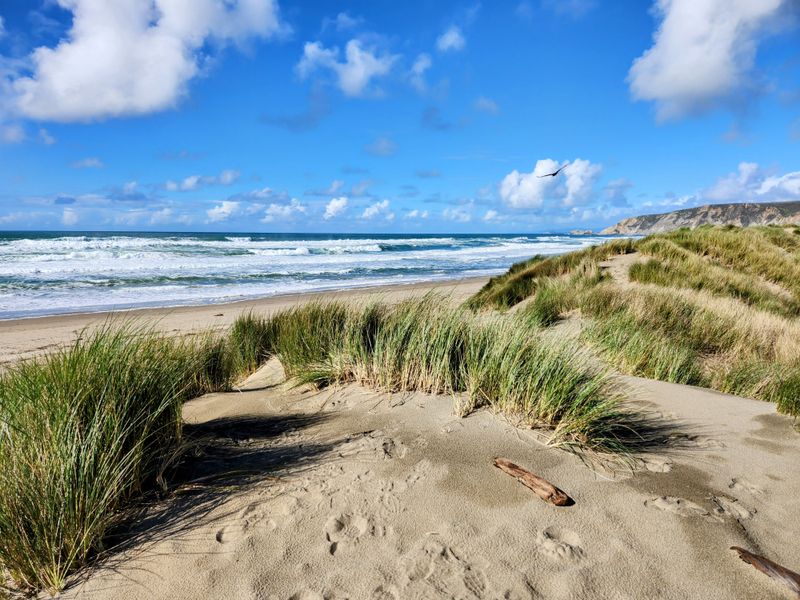
Tucked away in Point Reyes National Seashore, this windswept stretch of sand feels like the edge of the world. Wild grasses sway along the dunes, and the only footprints you’ll likely see are from deer and shorebirds that call this place home.
Getting here requires a bit of effort—a sandy trail winds for about half a mile from the parking area—but that’s exactly what keeps the crowds away. The walk is flat and manageable, though the soft sand can slow you down a bit.
Once you arrive, you’re greeted by dramatic cliffs to the north and miles of pristine coastline stretching southward. The water stays pretty chilly year-round, typical for Northern California, so swimming isn’t really the draw here.
Instead, people come for beachcombing, photography, and pure solitude.
During wildflower season in spring, the trail becomes absolutely magical with colorful blooms. Pack layers because the wind can whip up suddenly, and bring your camera—the light here at sunset is absolutely stunning.
2. Bean Hollow State Beach
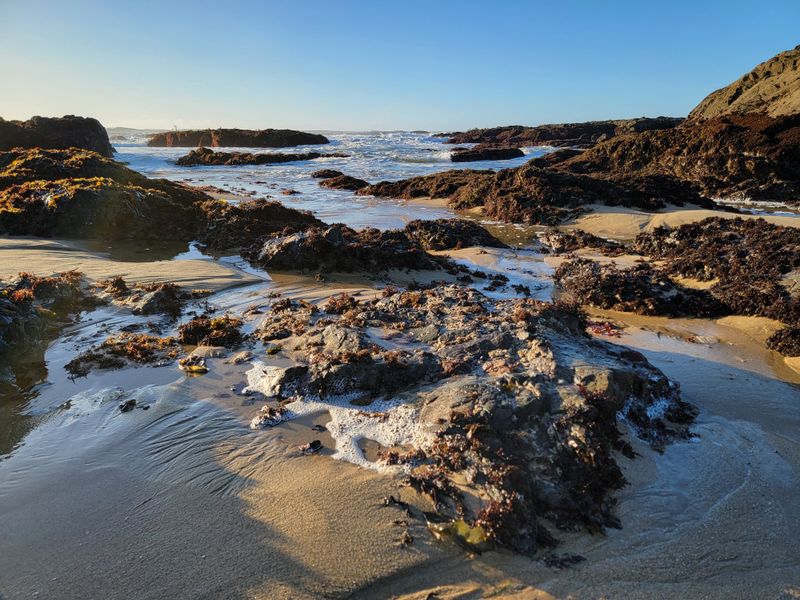
About an hour south of San Francisco, Bean Hollow sits like a forgotten jewel along Highway 1. Most drivers zoom right past without even noticing the small parking area, which means you’ll often have this rocky wonderland practically to yourself.
What makes this beach special isn’t soft sand—it’s the incredible tide pools teeming with marine life. Starfish cling to rocks in brilliant purples and oranges, hermit crabs scuttle between pools, and anemones wave their tentacles in the shallow water.
Time your visit during low tide for the best exploration opportunities.
The beach also features fascinating rock formations that have been smoothed and sculpted by centuries of wave action. Kids absolutely love scrambling over the rocks and discovering tiny ocean creatures, though supervision is essential since the rocks can be slippery.
There’s a short coastal trail that connects to nearby Pebble Beach (not the famous one), offering stunning views and more tide pool adventures. Bring sturdy shoes with good grip and check tide charts before you go.
3. Garrapata State Park Beach
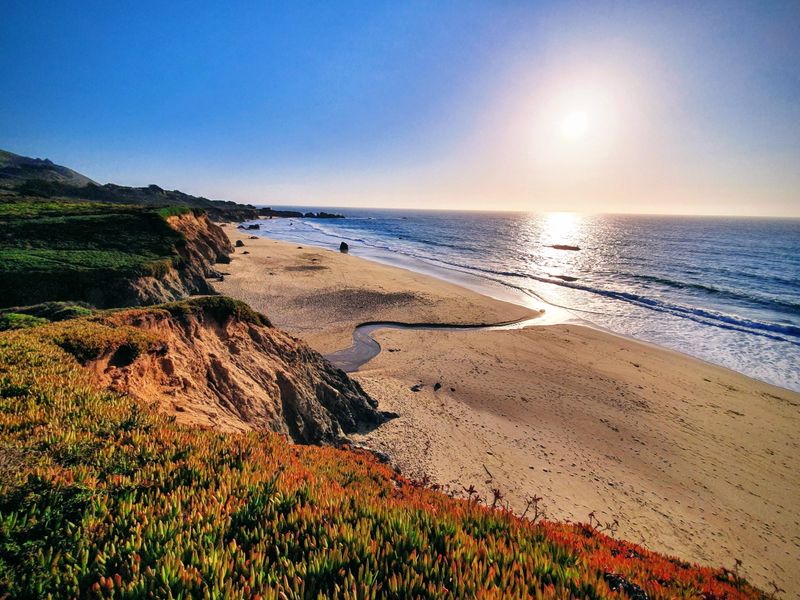
Big Sur’s fame usually centers on McWay Falls and Bixby Bridge, but Garrapata Beach remains surprisingly under the radar. The park entrance is unmarked and easy to miss, which works in favor of those seeking tranquility along this magnificent stretch of coast.
A steep trail descends through coastal scrub to reach the sandy cove below, where dramatic rock formations jut from the surf like ancient sculptures. The descent takes about 15 minutes, and while it’s not technically difficult, the return climb will definitely get your heart pumping.
The beach itself offers excellent tide pooling when conditions are right, and the surrounding cliffs provide some wind protection on blustery days. Seals occasionally haul out on offshore rocks, and during migration season, you might spot gray whales passing by.
Swimming here is dangerous due to strong currents and unpredictable waves, but the scenery alone makes the visit worthwhile. Spring brings wildflowers to the coastal bluffs above, creating a stunning contrast against the blue Pacific.
4. Point Sal State Beach
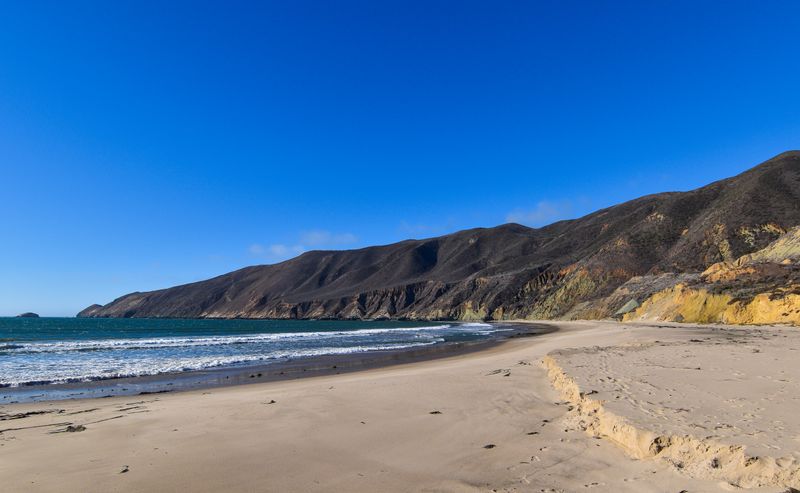
Getting to Point Sal requires serious commitment—a bumpy, unpaved road followed by a challenging hike—which explains why this spectacular beach sees so few visitors. Located north of Santa Barbara, it’s one of the most remote and pristine coastal areas in Southern California.
The access road alone weeds out casual beachgoers, with its washboard surface and steep grades that demand high clearance vehicles. Once you park, a steep trail drops about 500 feet over a mile to reach the beach below.
The descent is manageable, but remember you’ll need to climb back up.
Your reward is a wild, windswept beach that feels utterly untouched by civilization. Powerful waves crash against dark sand, and on clear days, the Channel Islands appear on the horizon like mystical kingdoms.
The beach curves for miles with virtually no development in sight.
This isn’t a spot for swimming or sunbathing—it’s for adventurers who want to experience California’s coast in its rawest form. Bring plenty of water, wear good hiking boots, and check weather conditions before attempting the journey.
5. Schooner Gulch State Beach / Bowling Ball Beach
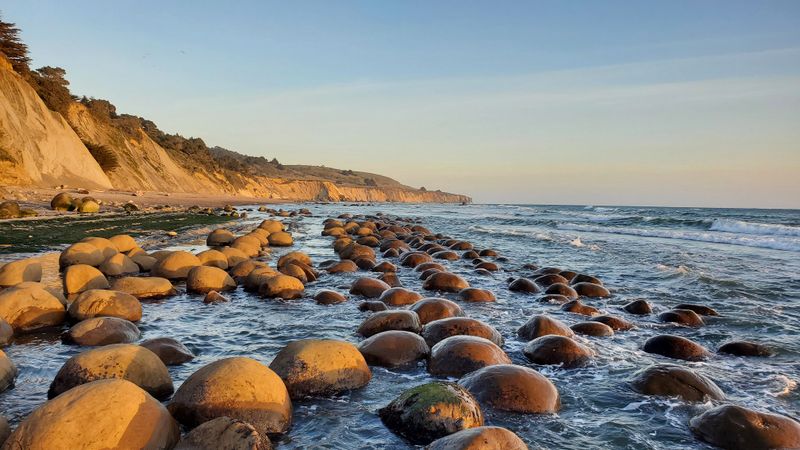
Nature created something magical at Schooner Gulch, where perfectly round boulders rest on the beach like giant bowling balls abandoned by mythical creatures. This geological wonder sits along the Mendocino Coast, and timing your visit is absolutely crucial for the best experience.
During low tide, dozens of these spherical concretions become visible, creating one of the most photographed yet still relatively quiet beaches in California. The formations took millions of years to develop through erosion and mineral deposits, and they range from basketball to boulder size.
A moderate trail leads down the bluff to the beach, taking about 15 minutes to descend. The path can be muddy after rain, so wear appropriate footwear.
Once on the beach, you can explore the tide pools between the bowling balls and watch waves wash around these ancient formations.
Check tide charts before visiting—the bowling balls are only fully visible during the lowest tides of the month. Sunrise offers the best lighting for photography, and you’ll likely have the beach mostly to yourself at that hour.
6. Stump Beach Cove
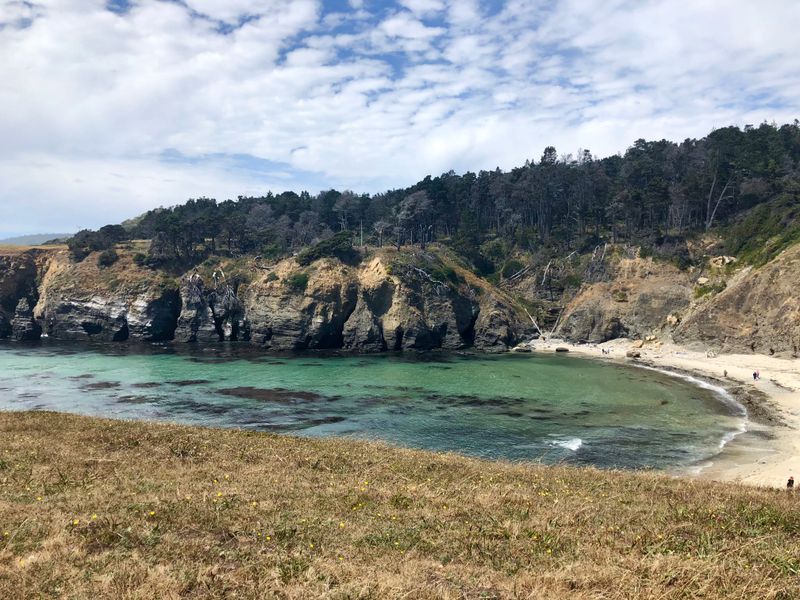
Hidden within Salt Point State Park along the Sonoma Coast, Stump Beach Cove feels like a secret hideaway that few tourists discover. The name comes from the ancient redwood stumps occasionally visible in the surf—remnants of forests that once grew here before the coastline shifted.
A relatively easy trail winds through coastal forest for about half a mile before emerging at this protected cove. The surrounding headlands shelter the beach from harsh winds, making it noticeably warmer and calmer than nearby exposed beaches.
Rocky outcrops frame both sides of the sandy crescent.
The cove’s protected nature makes it one of the better spots along this stretch for tide pooling and even careful wading on calm days. Abalone divers frequent the area, and harbor seals often bob in the kelp beds just offshore, curiously watching beach visitors.
Camping is available at the nearby state park campground, and staying overnight means you can have sunrise on the beach completely to yourself. The park charges a day-use fee, but it’s well worth it for the tranquility you’ll find here.
7. Shell Beach Coastal Access Trail
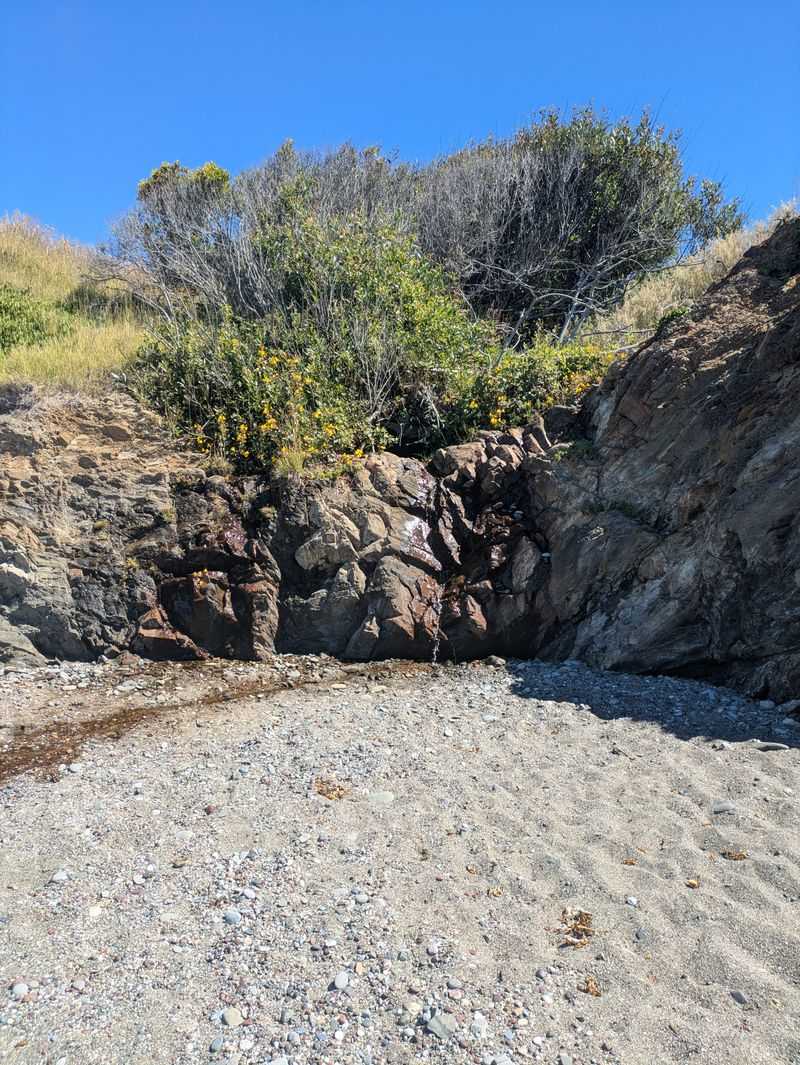
Not to be confused with the town of Shell Beach further south, this hidden gem near Jenner offers one of the most rewarding short hikes to a secluded cove on the Sonoma Coast. The trailhead is easy to miss, marked only by a small sign along Highway 1.
A quarter-mile path descends through windswept coastal scrub to a small, sheltered beach tucked beneath dramatic bluffs. True to its name, the beach is scattered with shells—not the typical broken fragments but often intact specimens that make beachcombing here genuinely exciting.
The cove faces west, positioning it perfectly for spectacular sunset viewing.
The beach remains protected from the strongest winds, and the surrounding rocks create numerous tide pools worth exploring. During spring, wildflowers blanket the coastal bluffs above, adding splashes of yellow, purple, and orange to the already stunning scenery.
Because the access is so discreet, even on summer weekends you might share this spot with only a handful of other visitors. Bring a small bag for shell collecting, but remember to leave live creatures and occupied shells for the ecosystem.
8. Goat Rock Beach
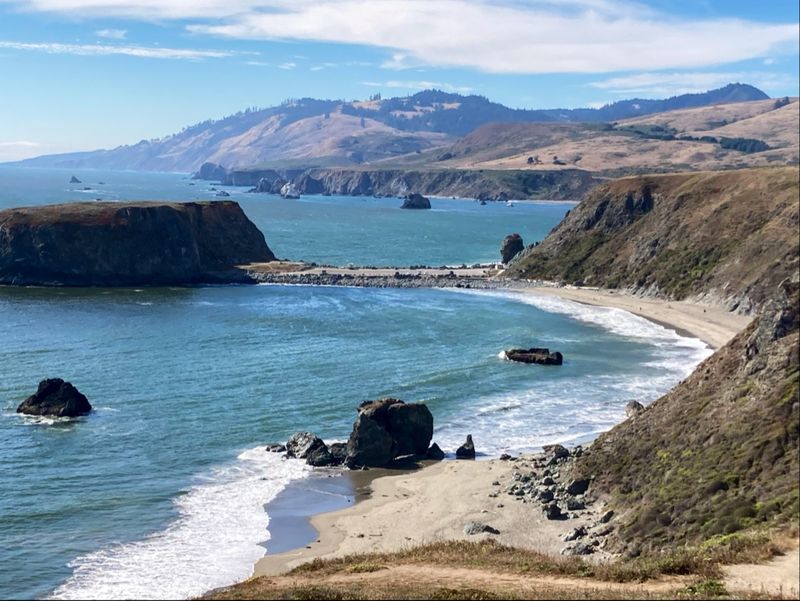
Where the Russian River meets the Pacific Ocean, Goat Rock Beach offers a unique landscape that shifts with the seasons. The massive rock formation that gives this beach its name rises dramatically from the sand, creating an iconic silhouette against the coastal sky.
What sets this beach apart is the river mouth, which creates a constantly changing environment. In summer, a sandbar often forms, creating a shallow lagoon where the river pools before breaking through to the ocean.
Harbor seals use this area as a pupping ground from March through August, and viewing these adorable pups from a respectful distance is unforgettable.
The beach itself stretches for miles with plenty of room to find your own quiet spot, even on busier days. Strong currents where the river meets the ocean make swimming dangerous, but the beach is perfect for long walks, photography, and wildlife watching.
Volunteer docents are often present during pupping season to educate visitors and ensure the seals aren’t disturbed. The area is part of Sonoma Coast State Park, and parking is available near the beach access.
9. Trinidad State Beach
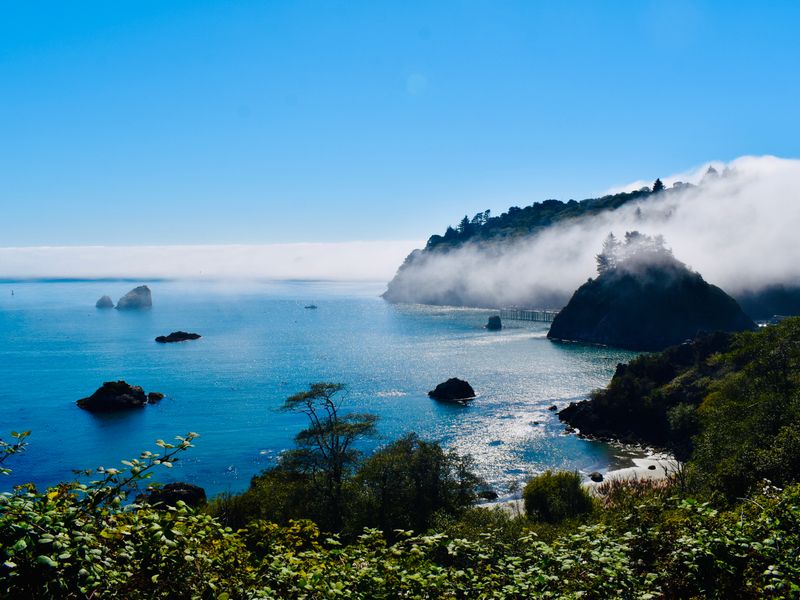
Up in Humboldt County, Trinidad State Beach remains wonderfully uncrowded despite its stunning beauty. The beach sits just south of the charming fishing village of Trinidad, where towering sea stacks and rocky islands create a dramatic seascape that rivals anything in the Pacific Northwest.
Access is easy via a paved path that descends to a beautiful cove framed by forested headlands. The beach features both sandy areas and rocky sections with excellent tide pools.
On clear days, the views extend north to Trinidad Head and south along miles of rugged coastline.
The water here is bracingly cold even in summer, typical for this far north, but the beach excels for picnicking, exploring, and simply soaking in the wild beauty. Driftwood logs scattered across the sand provide natural seating for watching the sunset.
Trinidad State Beach is actually part of a larger state park system with multiple beach access points. The nearby Trinidad Head Trail offers spectacular views if you want to add a short hike to your beach visit.
Parking is free, and facilities include restrooms and picnic tables.
10. Ten Mile Beach (MacKerricher State Park)
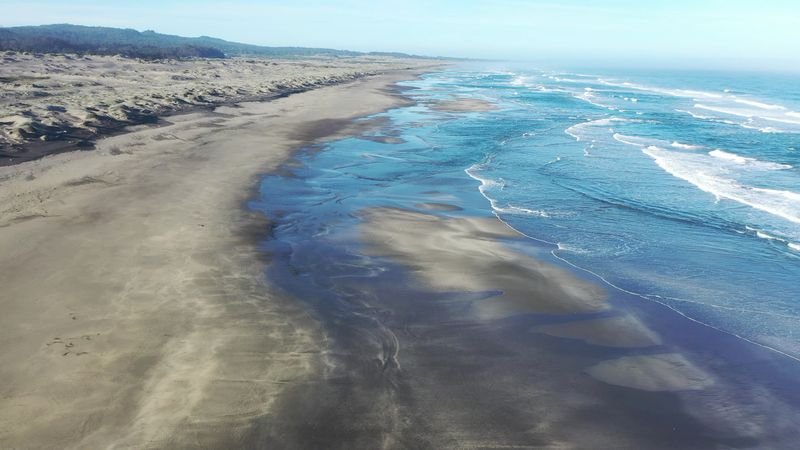
Stretching for—you guessed it—ten miles along the Mendocino Coast, this expansive beach offers more solitude than you could possibly use in a day. Located within MacKerricher State Park near Fort Bragg, it’s one of the longest accessible beaches in Northern California that still feels genuinely remote.
A paved former logging road runs parallel to the beach, making it popular with cyclists and wheelchair users, but the beach itself remains surprisingly empty. You can walk for hours without encountering another soul, with nothing but dunes, crashing waves, and wheeling seabirds for company.
The northern section near the park entrance sees the most visitors, but head south and you’ll quickly leave everyone behind. Seal Rock, visible offshore near the park entrance, hosts a resident harbor seal colony worth observing through binoculars.
During winter, this is also prime whale-watching territory.
The beach is wide and windswept, perfect for beachcombing after storms when interesting treasures wash ashore. Camping is available within the park, and there’s nothing quite like falling asleep to the sound of waves just beyond your tent.
11. Estero Americano Coast Preserve
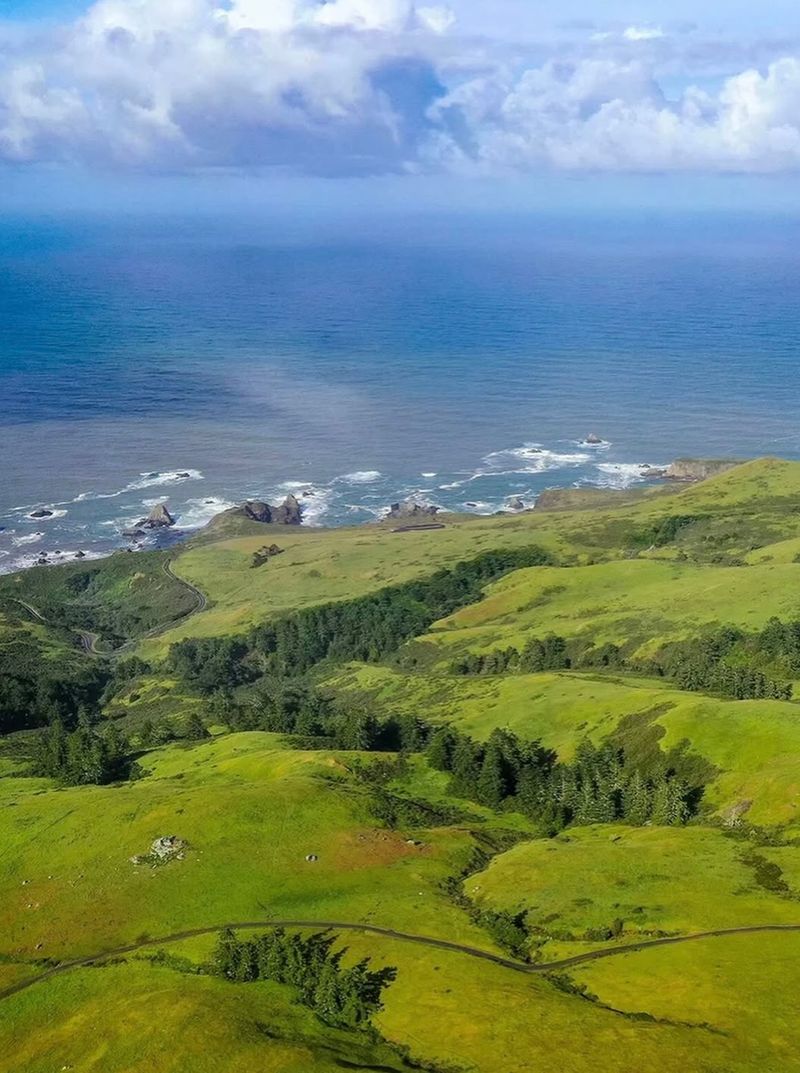
Where Sonoma and Marin counties meet, the Estero Americano creates a unique coastal environment that most beachgoers never discover. This preserve protects the estuary where freshwater meets saltwater, creating rich habitat for birds, fish, and marine mammals while offering visitors a quiet beach experience.
Access requires parking along Valley Ford Road and walking across private ranchland via a public easement—the somewhat complicated access keeps crowds minimal. A short walk brings you to a beautiful beach where the estuary flows into the ocean, creating fascinating patterns in the sand.
Birdwatchers flock here (pun intended) because the estuary attracts incredible diversity of species, from great blue herons to elegant egrets to diving cormorants. The beach itself stretches both north and south, with plenty of room to spread out.
During minus tides, extensive mudflats appear, revealing a whole ecosystem of creatures.
This isn’t a developed beach—there are no facilities, lifeguards, or amenities—which is precisely what makes it special. Bring everything you need, respect the working ranchland you cross, and enjoy one of California’s most peaceful coastal spots.