
The Quiet Pennsylvania River Town Locals Don’t Like To Share
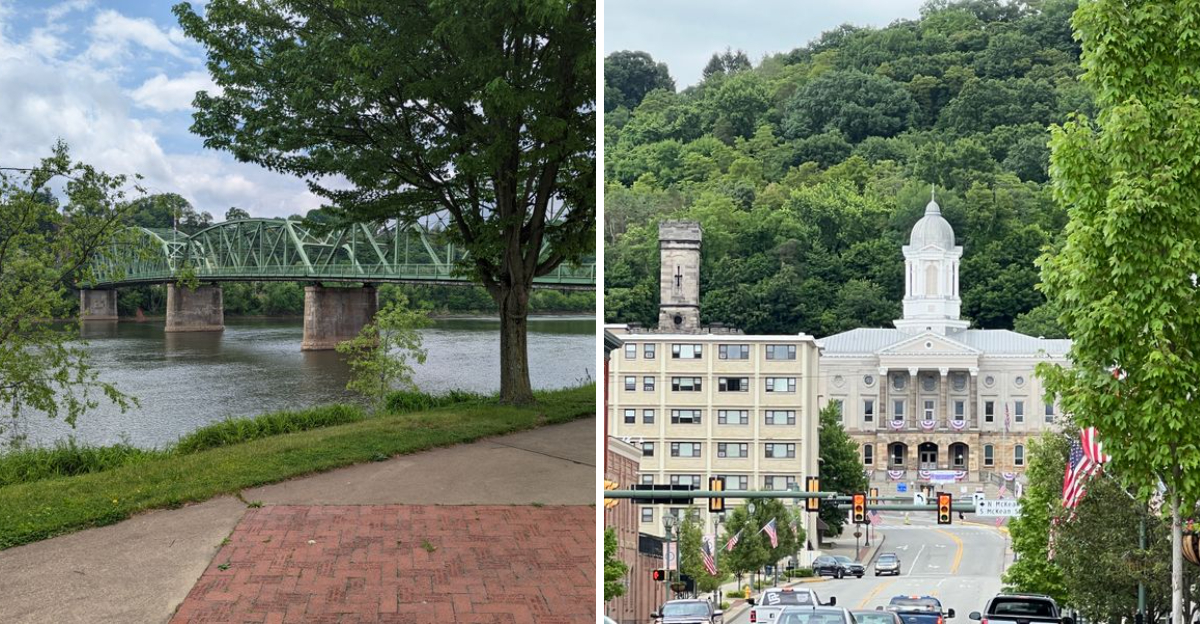
Kittanning rests along the Allegheny River with the kind of quiet confidence that comes from centuries of simply being itself. Thirty-six miles northeast of Pittsburgh, this Armstrong County seat has learned to balance its role as a functional river town with an atmosphere that feels removed from the constant hum of modern life.
The locals here have cultivated something rare: a place where history sits comfortably alongside everyday routines, and the river remains the central character in nearly every story worth telling.
Where Kittanning Sits Along The Allegheny River
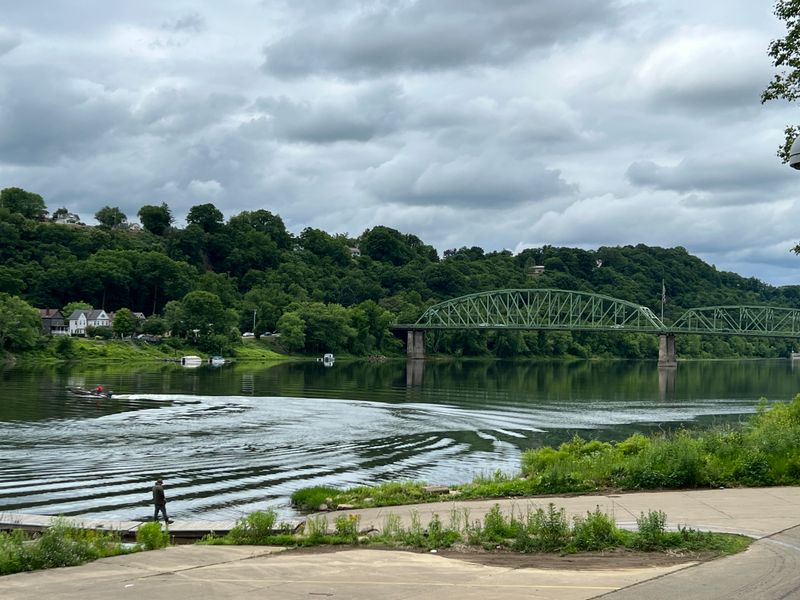
Geography matters more in some places than others, and Kittanning belongs firmly in that first category. The borough claims its territory on the east bank of the Allegheny River, a positioning that has shaped everything from its earliest settlement patterns to the way residents plan their weekend afternoons.
Armstrong County chose this spot as its seat for reasons that remain obvious to anyone who spends time here.
Coordinates place Kittanning at 40.816453, -79.5219893, though those numbers tell you less than simply standing on Market Street and watching the water move past. The river dictates the rhythm of life here in ways both practical and atmospheric.
Morning fog rolls off the water and settles into the streets before burning away by mid-morning.
Pittsburgh sits close enough to feel connected to larger commerce and culture, yet far enough that Kittanning maintains its own distinct character. The 2020 census counted 3,921 residents, a population size that allows for genuine community connection.
Pennsylvania 16201 serves as the postal designation for a town that has resisted the urge to become anything other than what it has always been.
A Town Built Around River Trade And History
Rivers built more American towns than railroads ever did, and Kittanning stands as clear evidence of that pattern. The Allegheny served as the original highway here, moving goods and people long before asphalt appeared.
Trading posts gave way to more permanent structures, and those structures eventually became the foundation of a county seat that took its responsibilities seriously.
Historical records document the layers of occupation and development that preceded the current iteration of Kittanning. Native settlements recognized the strategic value of this river bend centuries before European arrival.
The name itself carries forward from that earlier presence, a linguistic reminder that history here extends deeper than borough incorporation dates suggest.
Walking through the older sections of town reveals architecture that speaks to periods of prosperity tied directly to river commerce. Buildings constructed during the height of regional trade still stand, repurposed now but maintaining their original bones.
The economic relationship with the river has shifted over decades, yet the fundamental connection remains intact in ways both tangible and atmospheric.
Allegheny River Views That Feel World’s Away

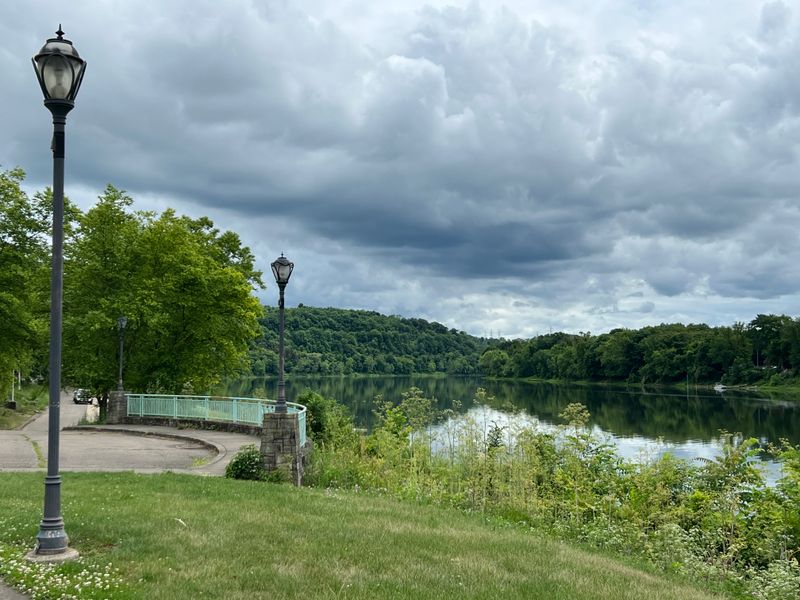
Certain landscapes create psychological distance that has nothing to do with actual mileage, and the Allegheny River views from Kittanning accomplish exactly that. Stand at any of the overlook points and the sensation of removal from metropolitan concerns arrives immediately.
The water moves with purpose but without urgency, reflecting seasonal changes in color and light that mark time more reliably than any calendar.
Morning hours bring the best conditions for observation, when the angle of sunlight turns the river surface into something worth studying. Fog effects vary by season but appear most dramatically during transitional months when temperature differentials between water and air create theatrical results.
These are not views that demand photography, though many attempt it anyway.
The far bank presents an unbroken stretch of Pennsylvania woodland that has remained largely unchanged for generations. This visual continuity matters more than visitors might initially recognize.
Residents understand that these sightlines represent a kind of wealth that cannot be manufactured or purchased, only preserved through collective agreement to leave certain things alone.
Kittanning’s Quiet Streets And Historic Downtown
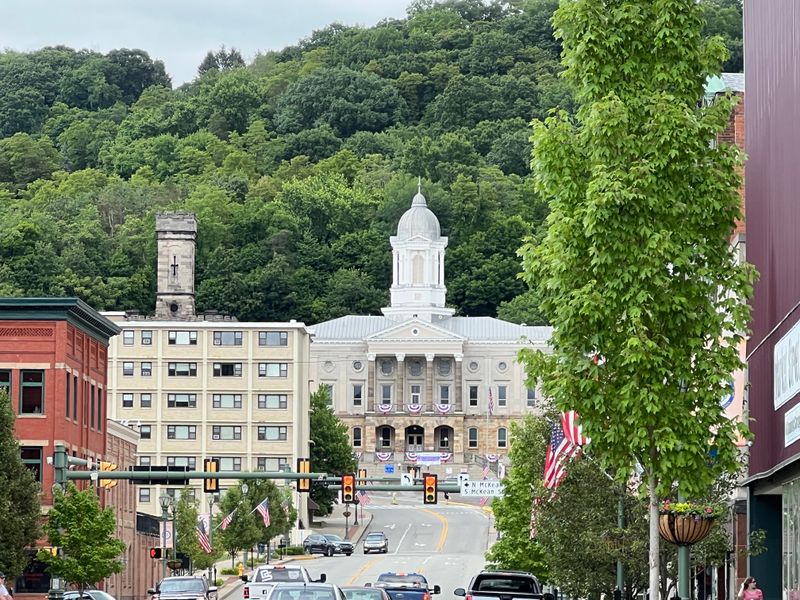
Downtown Kittanning operates according to a logic that feels increasingly rare in contemporary America. The commercial district maintains a human scale, with buildings that acknowledge pedestrian existence rather than automobile convenience.
Storefronts change hands occasionally, but the fundamental character of the streetscape remains stable in ways that create continuity across decades.
Market Street serves as the primary artery through the historic core, lined with structures that date from periods when craftsmanship mattered more than construction speed. Architectural details reward close attention: corbels, cornices, and window treatments that reflect regional building traditions.
The Armstrong County Courthouse anchors the civic presence with appropriate dignity.
Traffic moves through these streets without the aggressive urgency found in larger municipalities. Parking remains available most days, a small detail that significantly affects the experience of simply existing here.
Local businesses maintain regular hours that reflect actual community needs rather than corporate mandates. The pace feels deliberate rather than slow, a distinction that becomes clear after spending time observing how residents move through their daily routines with practiced efficiency.
How Locals Spend Free Time By The Water
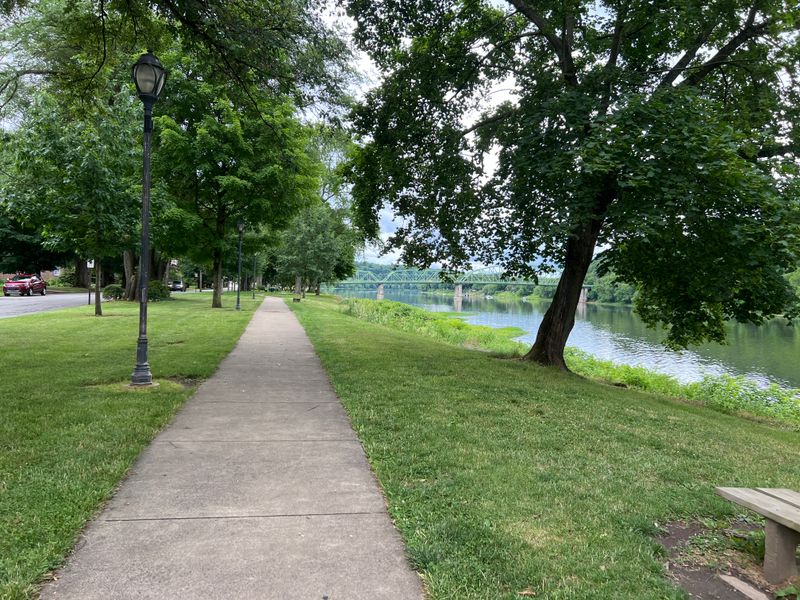
River access shapes recreational patterns in Kittanning more than any organized entertainment venue ever could. Locals have developed their preferred spots through years of experimentation and seasonal observation.
Fishing remains popular across multiple generations, practiced with varying degrees of seriousness depending on individual temperament and available time.
Summer months bring families to the riverbanks with portable chairs and coolers, settling in for hours of unstructured time that would bore visitors accustomed to constant stimulation. Conversation happens naturally in these settings, without the forced quality that accompanies scheduled social events.
Children learn the river’s moods and capabilities through direct experience rather than parental lectures.
Kayaks and canoes appear regularly during appropriate weather, launched from access points that locals know by heart. The Allegheny accommodates various skill levels, offering both lazy drift sections and areas requiring more attention.
Evening hours find residents walking the riverside paths, marking the transition from work time to personal time with a ritual that costs nothing and delivers consistent satisfaction.
Hidden Riverside Parks And Trails Only Residents Know
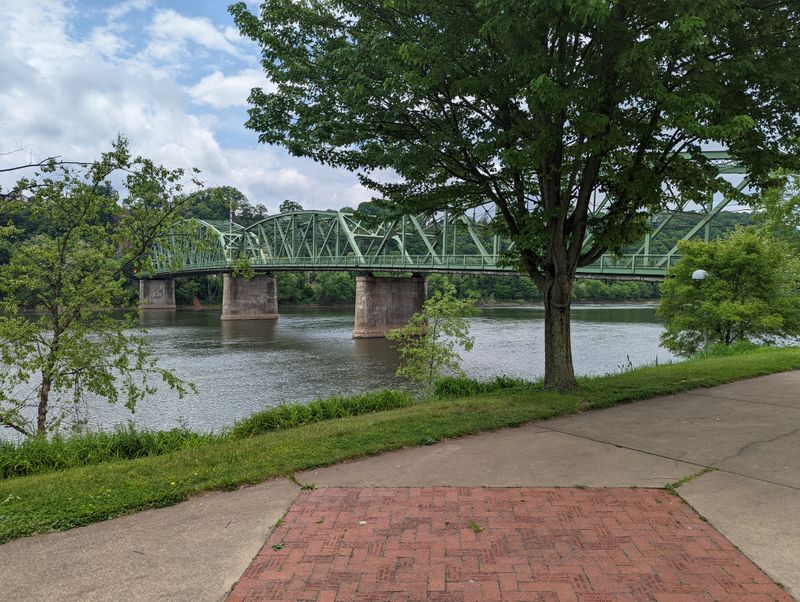
Official maps show some of the park spaces along Kittanning’s riverfront, but residents know additional access points that never appear in tourism materials. These informal trails and overlooks emerged through decades of use, worn into existence by people who simply wanted to reach the water.
The borough maintains some of these spaces without advertising them, a quiet arrangement that serves the community well.
Riverfront Park provides the most developed amenities, yet even here the atmosphere remains decidedly local rather than tourist-oriented. Benches face the water at intervals that suggest careful thought about sightlines and privacy.
Mature trees provide shade during summer months, creating microclimates that stay several degrees cooler than the surrounding town.
Smaller pocket parks and trail segments connect through a network that makes sense once you understand the underlying geography. Residents move between these spaces with the confidence of long familiarity, rarely consulting maps or signage.
The system works because it evolved organically rather than through comprehensive planning, responding to actual use patterns rather than theoretical recreation models.
Small‑Town Eateries That Bring The Community Together
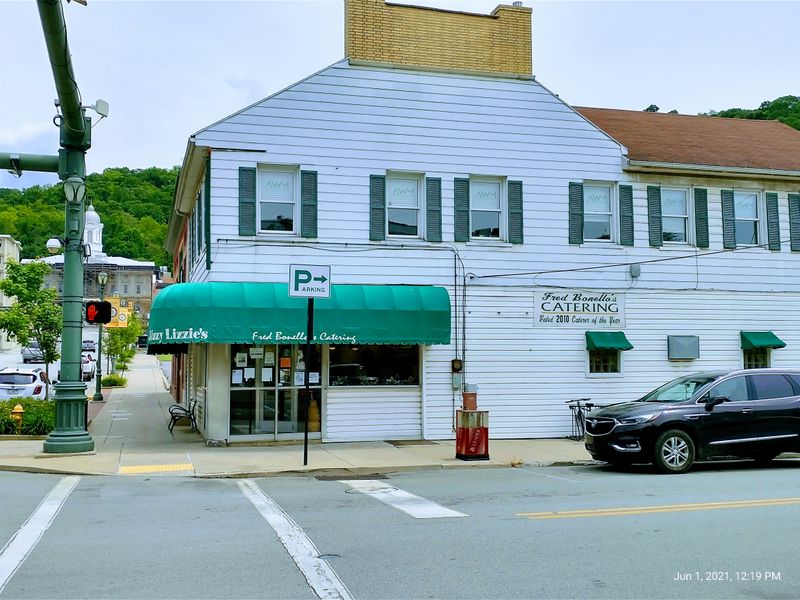
Kittanning’s dining landscape reflects its population size and cultural priorities with admirable honesty. You will find no gastropubs or farm-to-table concepts here, just establishments that serve recognizable food at reasonable prices to people who return regularly.
These restaurants and cafes function as social infrastructure as much as commercial enterprises, places where seeing familiar faces forms part of the expected experience.
Breakfast spots fill early with regulars who claim particular stools and booths through habit rather than reservation. Conversations flow between tables with an ease that only develops in places where anonymity remains rare.
Coffee gets refilled without asking, and servers remember preferences accumulated over years of repeated orders.
Local ownership dominates the restaurant scene, with family operations passing between generations or closing when the founding generation retires. Menu items lean toward comfort and familiarity rather than innovation, a choice that matches community preferences.
Prices remain calibrated to local incomes rather than tourist budgets. The food satisfies without attempting to impress, delivered by people who live in the same neighborhoods as their customers.
Historic Sites That Tell Kittanning’s Story

Historical markers appear throughout Kittanning with the kind of specificity that indicates genuine local investment in preservation. The Armstrong County Historical Museum maintains collections that document regional development from multiple angles, avoiding the sanitized narratives that plague some small-town historical presentations.
Artifacts range from Native American materials through industrial-era equipment, creating a timeline that acknowledges complexity.
The Fort Armstrong Folk Festival celebrates connections to the French and Indian War period, though the event itself has evolved into something broader than strict historical reenactment. Original building foundations and archaeological sites receive appropriate protection, marked but not overdeveloped into tourist attractions.
Local historians maintain active research programs that continue adding depth to established narratives.
Cemetery grounds hold generations of residents, with stones that trace family lines and migration patterns for anyone willing to spend time reading inscriptions. Churches display architectural styles from multiple building periods, some still serving their original congregations.
These sites remain integrated into daily life rather than cordoned off as museum pieces, accessible to anyone interested enough to seek them out.
Why Visitors Rarely Discover This River Town
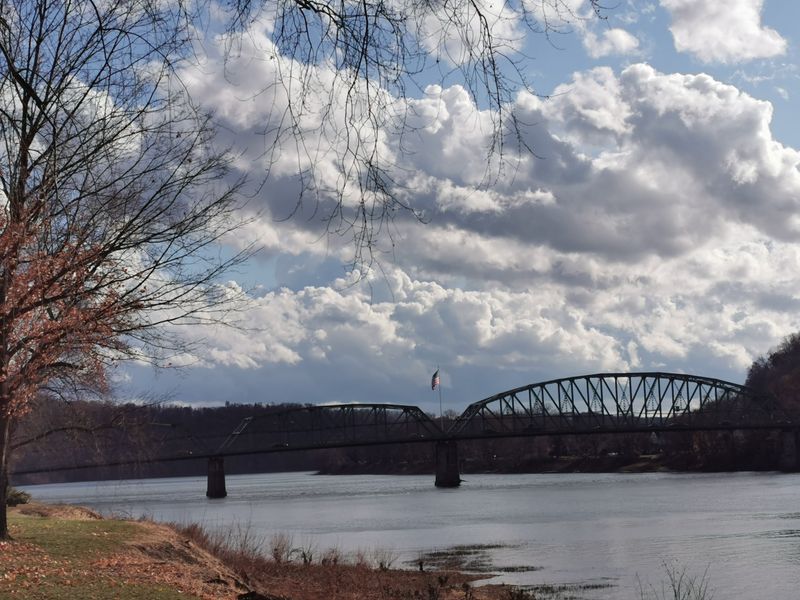
Kittanning’s relative obscurity stems from deliberate choices as much as geographical accident. The borough has never pursued aggressive tourism development, content to let its economy rest on more stable foundations.
No major highways pass directly through town, and the route from Pittsburgh requires intentional navigation rather than casual exit-ramp curiosity.
Marketing materials remain minimal compared to Pennsylvania destinations that actively court visitor attention. The borough maintains a functional website that provides necessary information without attempting to sell an experience.
Local businesses operate primarily for resident needs rather than tourist traffic, a focus that shapes everything from operating hours to product selection.
This low profile suits the community temperament, attracting only visitors who specifically seek out river towns with authentic character. Residents appreciate the absence of seasonal crowds that overwhelm infrastructure and alter local atmosphere.
The arrangement creates a sustainable balance where the town remains economically viable without sacrificing the qualities that make it worth preserving. Obscurity functions as protection, filtering for people who will appreciate Kittanning on its own terms rather than expecting it to perform as something it never intended to become.
A Place Where River Life Feels Unhurried
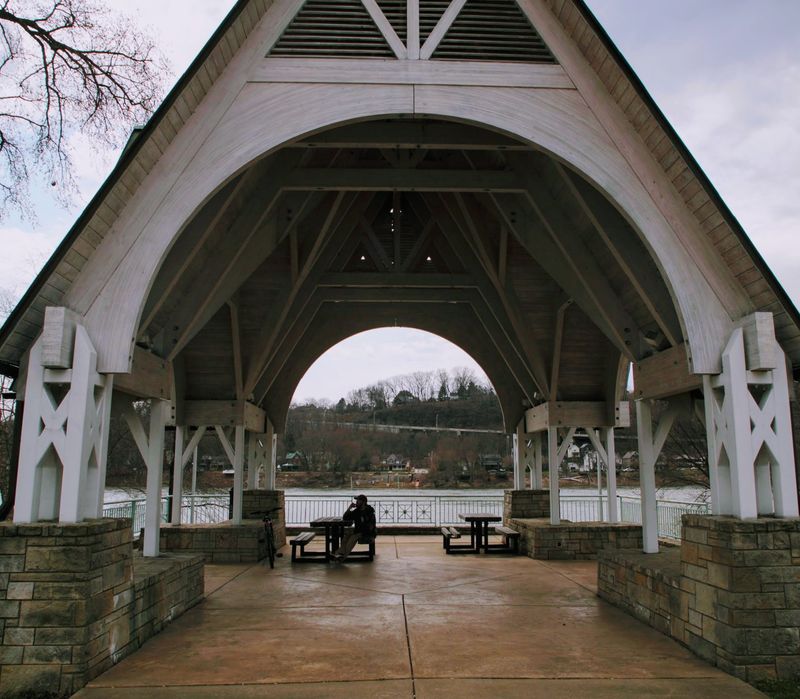
Pace matters more than most people acknowledge until they experience genuine alternatives to constant acceleration. Kittanning operates according to rhythms dictated by the Allegheny River rather than digital notifications or corporate schedules.
This creates an atmosphere that some visitors initially mistake for stagnation before recognizing it as something more valuable: deliberate living at a sustainable tempo.
Daily routines here follow patterns established through practical necessity rather than optimization theory. People take time for conversations that would get abbreviated elsewhere, not from lack of purpose but from different priorities about what constitutes productive use of hours.
The river provides a constant reference point for this alternative approach to time, moving steadily but never rushing.
Seasonal changes arrive with clarity that urban environments obscure, marked by shifts in river behavior and surrounding landscape rather than retail displays. Residents track these transitions with attention that comes from genuine connection rather than aesthetic appreciation.
The result feels unhurried because it rejects the premise that faster always equals better, choosing instead to match pace to actual human capacity for sustained attention and meaningful engagement.