
This Amish Market In New Jersey Has Everyone Coming Back Again And Again
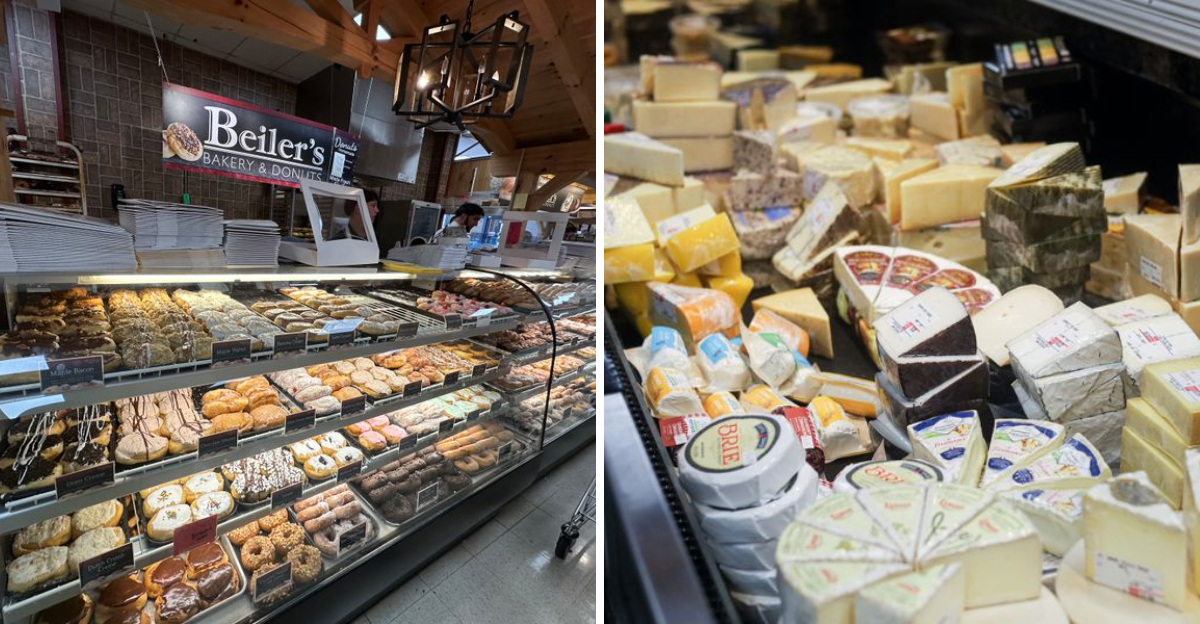
Mullica Hill Amish Market stands at 108 Swedesboro Road in Gloucester County, drawing crowds from across the region three days each week. Visitors arrive early on Thursday, Friday, and Saturday mornings, eager to claim their spot in the bustling aisles before the best items disappear.
The market has earned its reputation through consistent quality, friendly service, and an atmosphere that feels miles removed from standard grocery store routines. People return not just for the food but for the experience itself, finding something genuine in the simple act of buying bread from someone who baked it that morning.
A Taste Of Pennsylvania Dutch Culture In South Jersey
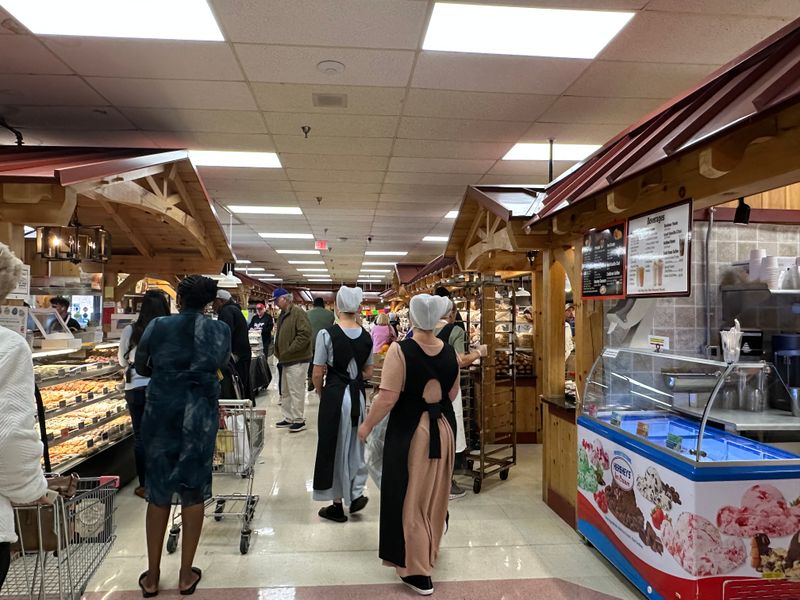
Crossing the threshold into this market means stepping into a different pace of life, one rooted in Pennsylvania Dutch traditions that have thrived for generations. The vendors operate their stalls with a quiet confidence born from years of perfecting their crafts, offering products made by hand rather than machine.
Conversations happen naturally here, with sellers who remember your face and your preferences from previous visits.
Families wander through the space on weekend mornings, introducing their children to foods prepared without shortcuts or artificial ingredients. The atmosphere reflects values that prioritize quality over convenience, tradition over trends.
Visitors often comment on the authenticity they sense throughout the building, noting how rare it feels to shop somewhere that operates outside the typical retail model.
Located just off Route 55, the market serves as a cultural bridge, bringing Amish traditions to a suburban New Jersey community. The experience offers something increasingly difficult to find in modern shopping environments: a connection to the people who grow, raise, and prepare what you eat.
Fresh Amish‑Baked Goods That Fly Off The Shelves
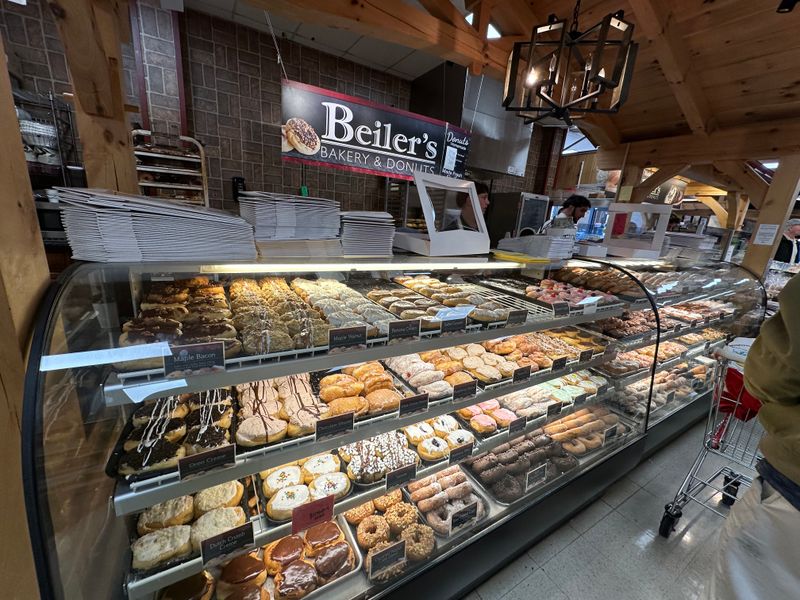
Beiler’s Bakery anchors the entrance, greeting arrivals with scents that could convince anyone to abandon their diet before they’ve taken ten steps inside. Pies rotate through the display cases throughout operating hours, their crusts achieving that perfect balance between flaky and sturdy.
Cakes stand in impressive layers, frosted with buttercream that tastes nothing like supermarket imitations.
Cookies come in varieties that change with the seasons, from simple sugar rounds to elaborate filled creations. Regulars know to call ahead for special orders during holidays, when demand for these baked goods reaches its peak.
The bakery maintains standards that seem almost quaint in their insistence on doing things properly rather than quickly.
Breads line the shelves in substantial loaves, the kind with real heft and texture that toasts beautifully and holds up to hearty sandwiches. Visitors frequently mention the whoopie pies, a Pennsylvania Dutch specialty that has earned devoted followers.
Everything leaves the ovens fresh that day, which explains why certain items sell out by afternoon on busy Saturdays.
Locals Swear By The Hand‑Rolled Pretzels
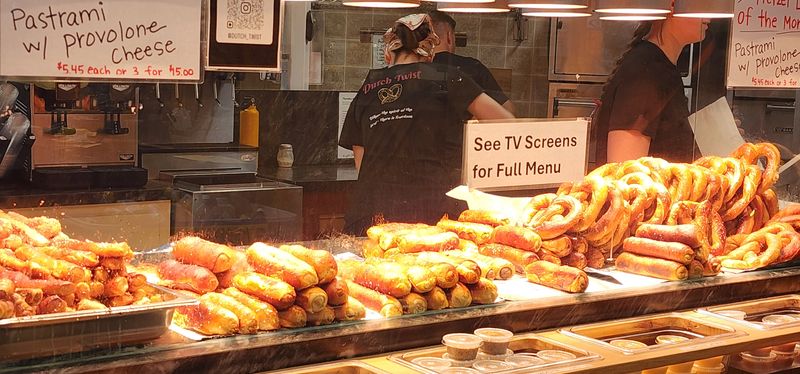
Pretzel production happens in full view at this market, with dough shaped by experienced hands into those familiar twisted forms before heading to the oven. The finished products emerge with deep brown exteriors and soft, chewy interiors that put mall pretzels to shame.
Salt crystals catch the light on their surfaces, distributed with just the right density.
Beyond the classic version, the market offers pretzel dogs wrapped in that same golden dough, creating a portable lunch option that draws mentions in countless customer reviews. Pretzel rolls serve as sandwich bases, their texture adding substance without overwhelming other ingredients.
Some visitors plan entire meals around these items, grabbing them hot and eating them in their cars before heading home.
The pretzels maintain their quality through proper technique rather than preservatives, which means they taste best when fresh. Regulars have learned this timing, arriving when new batches emerge from the ovens.
These simple products demonstrate what happens when traditional methods meet consistent execution, creating something far superior to industrial alternatives.
Pantry Staples You Won’t Find In Regular Grocery Stores
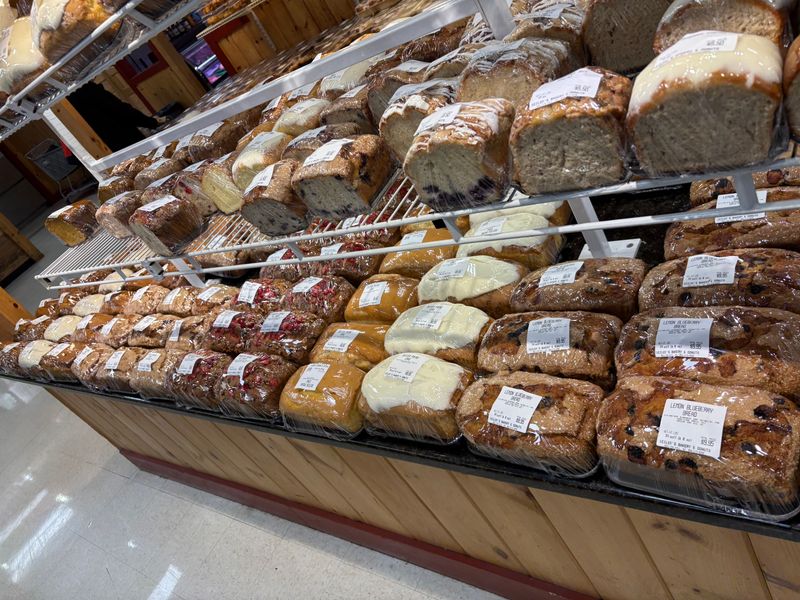
Aisles throughout the market stock items that disappeared from mainstream stores decades ago, along with specialty products that never made it there in the first place. Canned goods bear labels from small producers, their contents prepared in batches rather than industrial quantities.
Spice selections include blends mixed specifically for Pennsylvania Dutch recipes, offering flavor profiles that standard grocery store options can’t replicate.
Bulk bins hold flour milled to different specifications, cornmeal that tastes like actual corn, and grains that haven’t been stripped of everything interesting. Shoppers fill bags with precise amounts, avoiding the waste that comes with predetermined packaging.
The selection reflects cooking traditions that value building flavor from quality ingredients rather than relying on shortcuts.
Sauces, dressings, and condiments line the shelves in varieties that emphasize straightforward ingredients over extended shelf life. Many products come from Amish producers throughout Pennsylvania and beyond, creating a distribution network that operates largely outside conventional retail channels.
Visitors often discover items they didn’t know existed, then wonder how they cooked without them.
Homemade Jams, Jellies, And Specialty Foods Galore
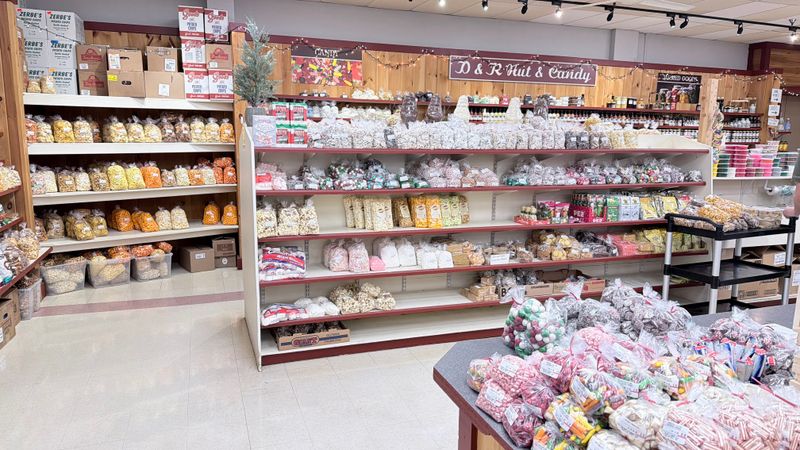
Preserves section displays run deep with flavors that change according to what fruit came ripe that season, from standard strawberry to more adventurous combinations like peach ginger. Glass jars reveal their contents clearly, showing fruit pieces suspended in glossy spreads that wobble slightly when moved.
Labels indicate production dates and ingredient lists refreshingly short on unpronounceable additions.
Apple butter appears in multiple variations, some spiced heavily and others allowing the fruit to speak for itself. Pickled vegetables occupy their own territory, offering everything from bread-and-butter chips to spicy dilly beans.
Relishes, chutneys, and other condiments provide options for those looking to add interest to standard meals.
Many items come from small family operations where preservation remains a seasonal ritual rather than year-round industrial process. Customers sample products before purchasing, discovering favorites they’ll request on subsequent visits.
The selection demonstrates how much variety exists within traditional food preservation when producers prioritize flavor over uniformity. These items make popular gifts, carrying the market’s reputation beyond its immediate customer base.
Farm‑Fresh Meats And Poultry Draw Repeat Visitors
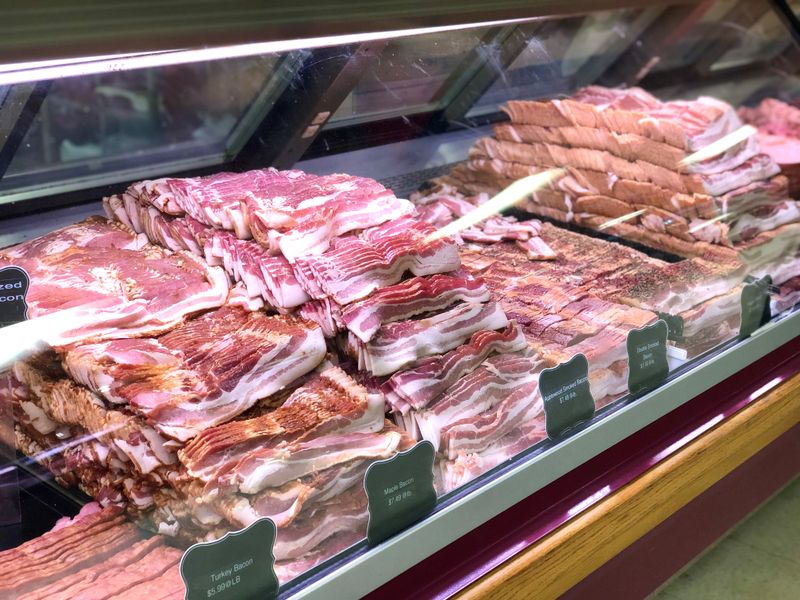
Meat counters operate with the seriousness of craftsmen who understand their products intimately, offering cuts prepared to customer specifications. Beef shows proper marbling and color, sourced from farms that raise animals differently than industrial operations.
Pork selections include options rarely seen in supermarkets, from specific roast cuts to fresh sausages made on-site.
Poultry arrives with a freshness that changes how chicken tastes, firm and flavorful rather than watery and bland. The market has built a reputation for quality that brings people considerable distances, willing to drive past closer options for meat worth the trip.
Vendors answer questions about preparation methods, cooking temperatures, and recipe suggestions with genuine knowledge.
Kielbasa and other smoked products come from recipes passed through generations, their flavors developed through proper smoking rather than liquid smoke additions. Customers frequently mention bringing coolers to transport their purchases home safely, treating these items with the respect they deserve.
The butcher section exemplifies the market’s overall philosophy: sell fewer items of higher quality rather than maximizing volume through mediocrity.
Seasonal Produce Picks That Change With The Harvest
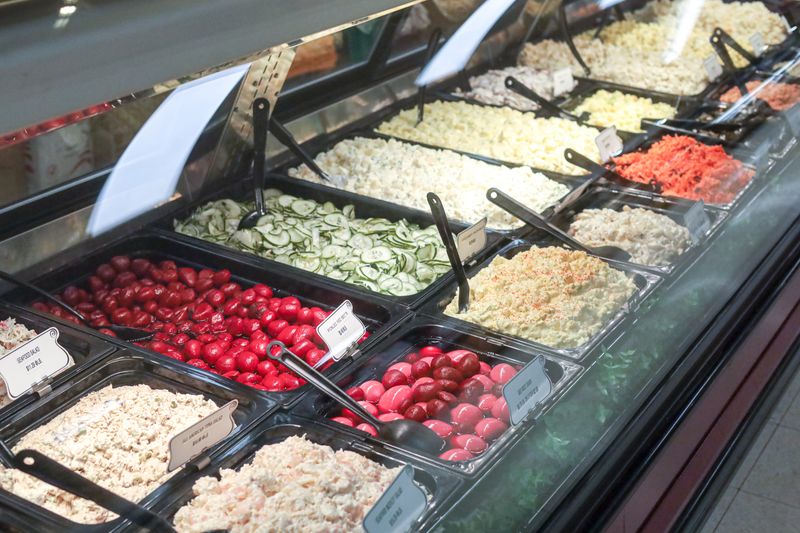
Produce selection reflects what actually grows during each season rather than maintaining year-round uniformity through global shipping networks. Spring brings asparagus and early greens, summer explodes with tomatoes and corn, fall delivers squashes and root vegetables.
Customers adjust their meal planning around availability, rediscovering the rhythm that governed eating before modern agriculture divorced food from climate.
Apples arrive in varieties that disappeared from commercial production decades ago, each with distinct flavor profiles and best uses. One reviewer noted how even common varieties like Red Delicious taste dramatically different when properly grown and recently picked.
Berries appear during their brief seasons, priced fairly for their quality and short shelf life.
The market doesn’t apologize for limited selection during winter months, instead focusing on storage crops that hold their quality. This honesty about seasonal limitations actually builds trust with customers who appreciate transparency over false abundance.
Produce here demonstrates what vegetables and fruits should taste like when grown for flavor rather than shipping durability, converting shoppers who thought they disliked certain items.
Friendly Vendors Who Know Their Craft
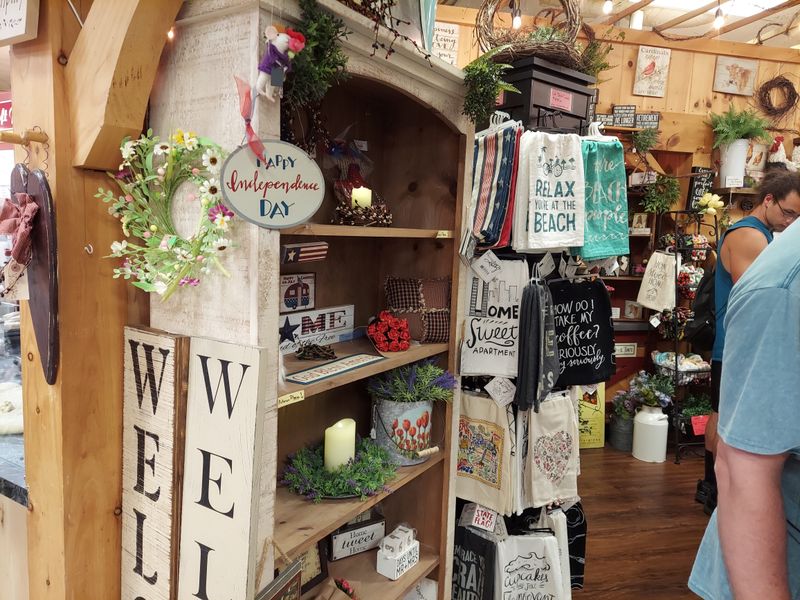
Staff throughout the market possess actual expertise about their products, gained through years of making, growing, or preparing what they sell. Conversations happen naturally as vendors bag purchases, offering cooking suggestions or answering questions about ingredients.
This knowledge comes from direct involvement rather than training manuals, creating interactions that feel genuine rather than scripted.
Regulars develop relationships with specific vendors, who remember preferences and alert customers when special items arrive. The pace allows for these connections, operating without the pressure to process maximum transactions per hour.
Children learn through watching these exchanges that food comes from somewhere, made by someone, rather than appearing magically on shelves.
Vendors maintain consistent quality through personal pride in their work, their reputations attached directly to what they sell. This accountability creates standards that corporate systems struggle to replicate.
Visitors frequently comment on the friendliness they encounter, noting how refreshing it feels to shop somewhere people seem genuinely interested in helping rather than simply completing sales. The human element transforms routine shopping into something more memorable.
A Market With Something For Every Appetite
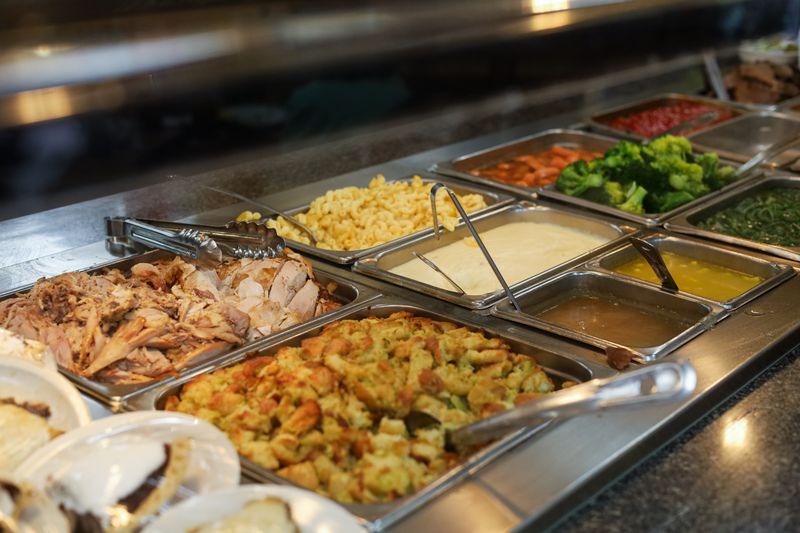
Beyond the major categories, the market houses numerous smaller operations addressing specific needs and cravings. A seafood counter offers fresh catches and prepared options, maintaining cold-case standards throughout operating hours.
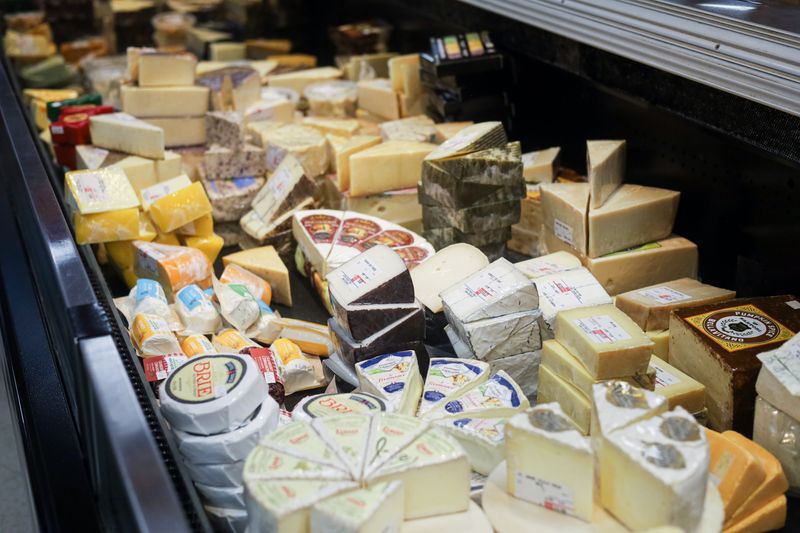
Cheese selections include both familiar varieties and specialty products that pair beautifully with the bakery’s breads. Smoothie stands blend fresh fruit into drinks that taste nothing like their chain-store equivalents.
The restaurant section serves breakfast and lunch, featuring a small buffet that rotates offerings while maintaining consistent quality. All-you-can-eat pancakes for a dollar attract families on weekend mornings, filling tables with satisfied customers.
Prepared foods provide take-home dinner solutions for those lacking time to cook but refusing to compromise on quality.
Wine selections occupy their own area, offering bottles that complement the foods available throughout the market. Floral stands provide arrangements for special occasions, their prices reflecting actual flower costs rather than inflated event markups.
This variety under one roof creates efficiency without sacrificing the specialized attention each category deserves, making single-stop shopping actually worthwhile.
Why Families Make Mullica Hill Amish Market A Weekend Ritual
Repeat visits become routine for households within reasonable driving distance, who structure their Thursdays, Fridays, or Saturdays around market trips. Parents introduce children to food shopping as an educational experience rather than a chore, demonstrating where meals originate and how quality differs from convenience.
The market operates only three days weekly, creating anticipation rather than assuming constant availability.
Crowds gather despite limited operating hours because people prioritize what matters, willing to navigate parking challenges and busy aisles for products worth the effort. Early arrivals secure better selection and shorter lines, turning punctuality into strategy.
Some families split lists among members, efficiently covering different sections before regrouping.
The ritual aspect provides structure and something to anticipate, breaking up suburban routine with an experience that feels different from standard errands. Visitors leave with coolers full of purchases that will shape meals for days ahead, their investment in time and money justified by superior results.
This market proves that people will support businesses operating outside conventional models when those businesses deliver authentic value consistently.