
This Overlooked Pennsylvania Waterfall Is A Stunning Surprise Waiting To Be Found
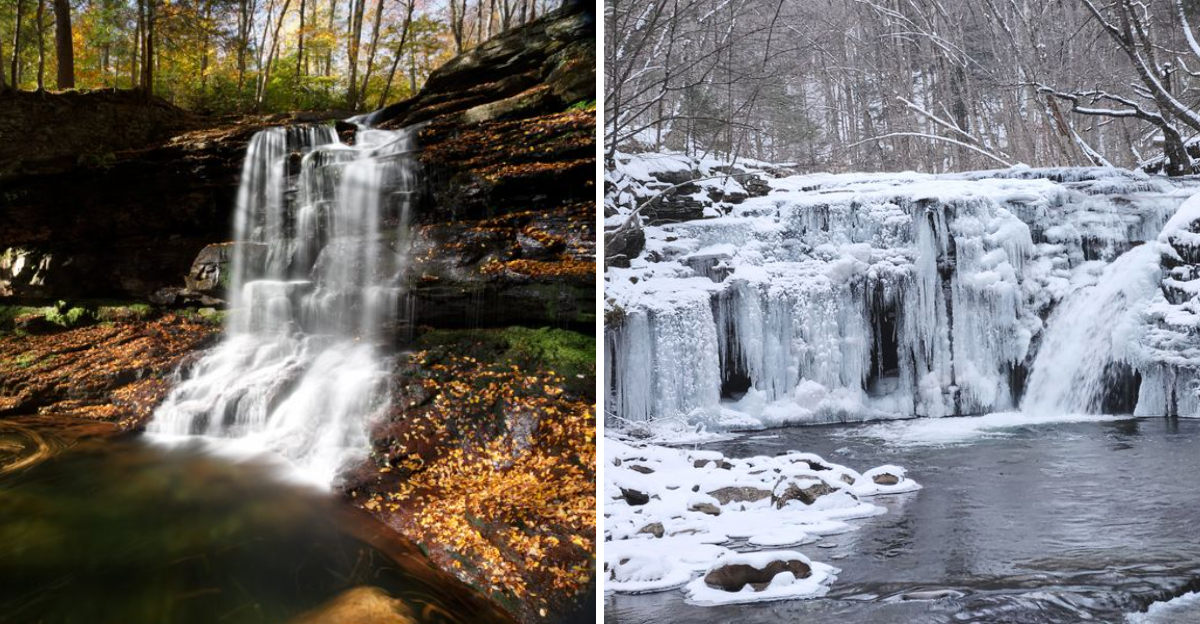
Most travelers pass right by without realizing what they are missing. Sullivan Falls quietly hides within State Game Lands 13 near Benton, offering one of Pennsylvania’s most rewarding waterfall escapes.
The cascade feels removed from the bustle of well-known parks, replacing crowds with stillness and forest sounds. Set in the Endless Mountains region, it delivers a true sense of wilderness without demanding a long or difficult trek. Easy access pairs naturally with a backcountry feel, making the falls appealing to casual walkers and seasoned outdoor lovers alike.
Hidden Waterfall Inside Pennsylvania’s State Game Lands 13
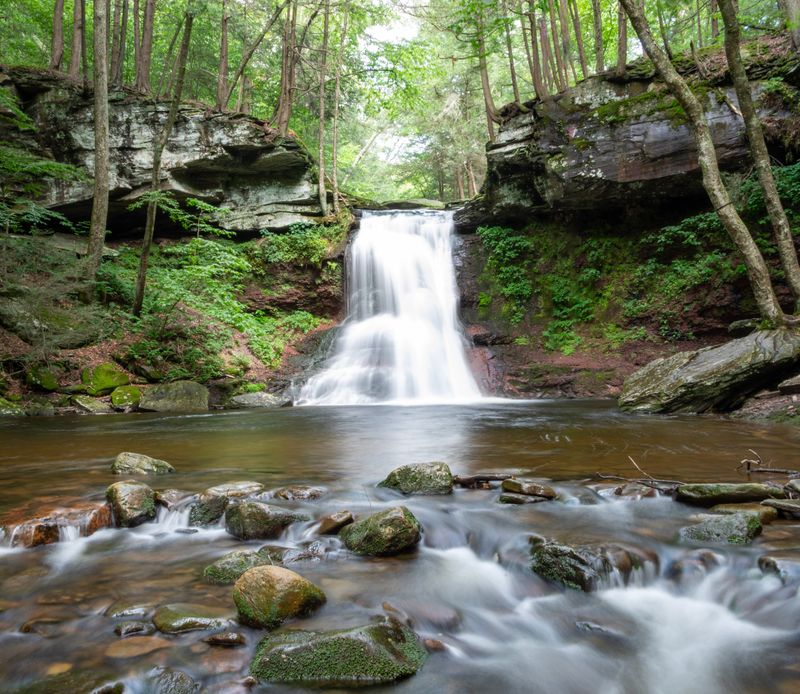
Sullivan Falls sits quietly along Ricketts Drive in State Game Lands 13, a hunting and fishing area managed by the Pennsylvania Game Commission. The location at 41.3377582, -76.3984523 places this waterfall in Columbia County, where public land stretches across rugged terrain.
Visitors often discover the falls while exploring the game lands, which span thousands of acres of protected wilderness.
The designation as game lands means the area serves multiple purposes throughout the year. Hunters and anglers frequent these woods during their respective seasons, while hikers and waterfall seekers find the trails open and welcoming.
The Pennsylvania Game Commission maintains roads and parking areas that provide reasonable access without compromising the wild character of the landscape.
Finding Sullivan Falls requires attention to directions and a willingness to venture beyond paved roads. The game lands feature narrow gravel roads that wind through the mountains, leading to various trailheads and natural features.
This setting creates an atmosphere of genuine discovery that commercial parks cannot replicate.
Multi-Tiered Cascade Creating A Dramatic Display
Water tumbles down Sullivan Falls in distinct stages, creating visual interest at every level. The multi-tiered structure means the stream drops, pools briefly, then continues its descent through another section of rock.
Each tier catches light differently depending on the time of day and season, offering photographers and observers constantly changing perspectives on the same basic formation.
The vertical arrangement of these cascades amplifies the sound of falling water. What begins as a gentle rush at the upper tier builds into a fuller chorus as lower sections add their contribution.
Standing near the base allows visitors to appreciate the full acoustic effect, while viewing from different angles reveals how each tier contributes to the overall character of the falls.
Rock formations between tiers show the geological history of the area. Layers of stone have eroded at different rates, creating the shelves and drops that define the waterfall’s shape.
These natural sculptures continue to evolve as water works on the bedrock, though changes occur over timescales far longer than human observation periods.
Short Walk Leads To A Rewarding Scenic View
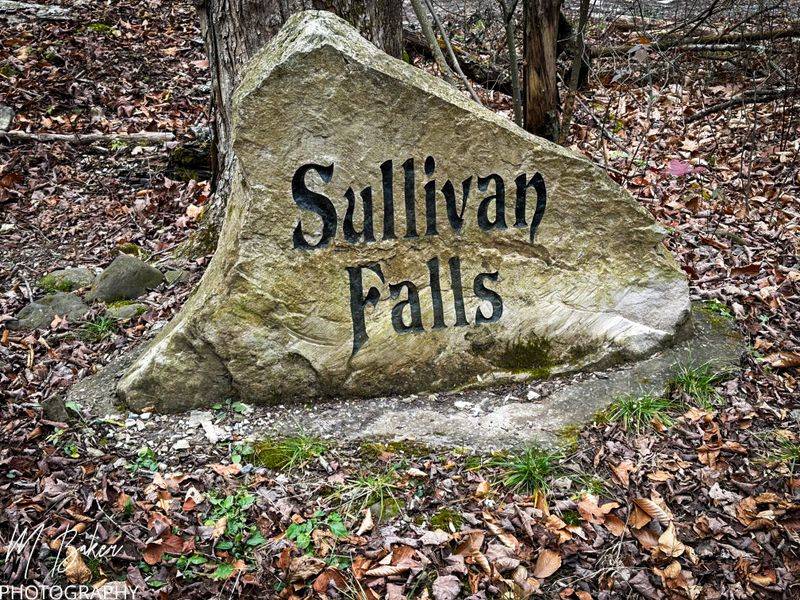
Accessing Sullivan Falls does not require an expedition. The walk from parking areas to the waterfall takes most visitors only a short time, making this destination practical for those who want natural beauty without committing to lengthy hikes.
The path follows established routes through the forest, marked by foot traffic rather than formal blazes in many sections.
Trail conditions reflect the game lands’ primary purpose as wildlife habitat rather than recreation area. Roots cross the path in places, and the terrain rises and falls with the natural contours of the land.
Proper footwear makes the journey more comfortable, though the distance remains manageable even for those without extensive hiking experience.
The reward arrives suddenly as the forest opens to reveal the falls. Trees frame the cascade, creating a natural gallery that focuses attention on the moving water.
This relatively easy access explains why Sullivan Falls attracts both dedicated waterfall hunters and casual visitors who appreciate beautiful places without strenuous effort. The short approach preserves energy for enjoying the destination itself.
Set In Pennsylvania’s Endless Mountains Region
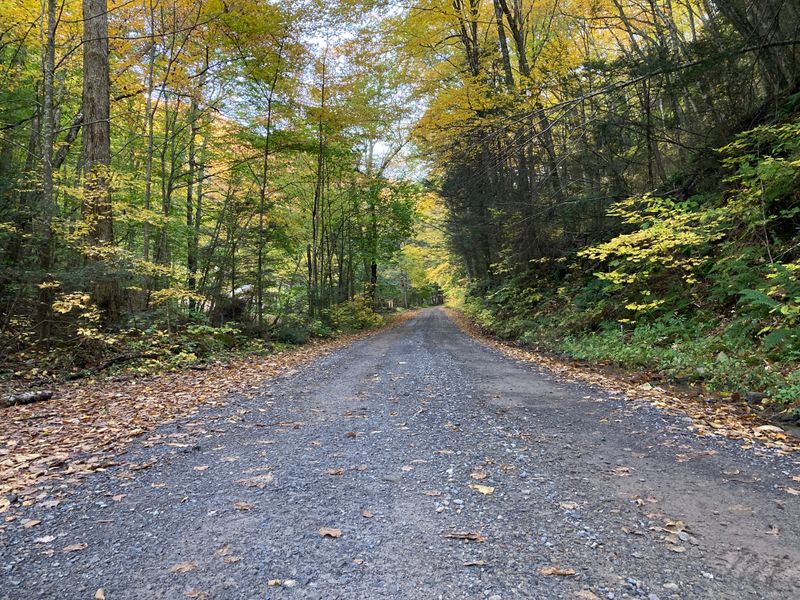
The Endless Mountains earned their name from the way ridges repeat into the distance, creating horizons that seem to continue without conclusion. Sullivan Falls occupies a small valley within this larger landscape, where streams drain the highlands and carve paths through ancient rock.
The regional geography shapes everything about the waterfall experience, from approach roads to the character of the surrounding forest.
Columbia County sits in the heart of this mountain region, where communities remain small and forests dominate the view. The area resists easy categorization as either Appalachian foothills or Allegheny Plateau, sharing characteristics of both.
Elevations vary enough to create distinct microclimates, affecting which plants thrive and how water flows through different seasons.
Visitors to Sullivan Falls gain perspective on the broader Endless Mountains when they study the terrain. The same forces that created this waterfall shaped countless other valleys and streams throughout the region.
Understanding this context transforms a simple waterfall visit into a lesson about landscape formation and the ongoing interaction between water and stone across geological time.
Seasonal Water Flow Changes The Falls Year-Round
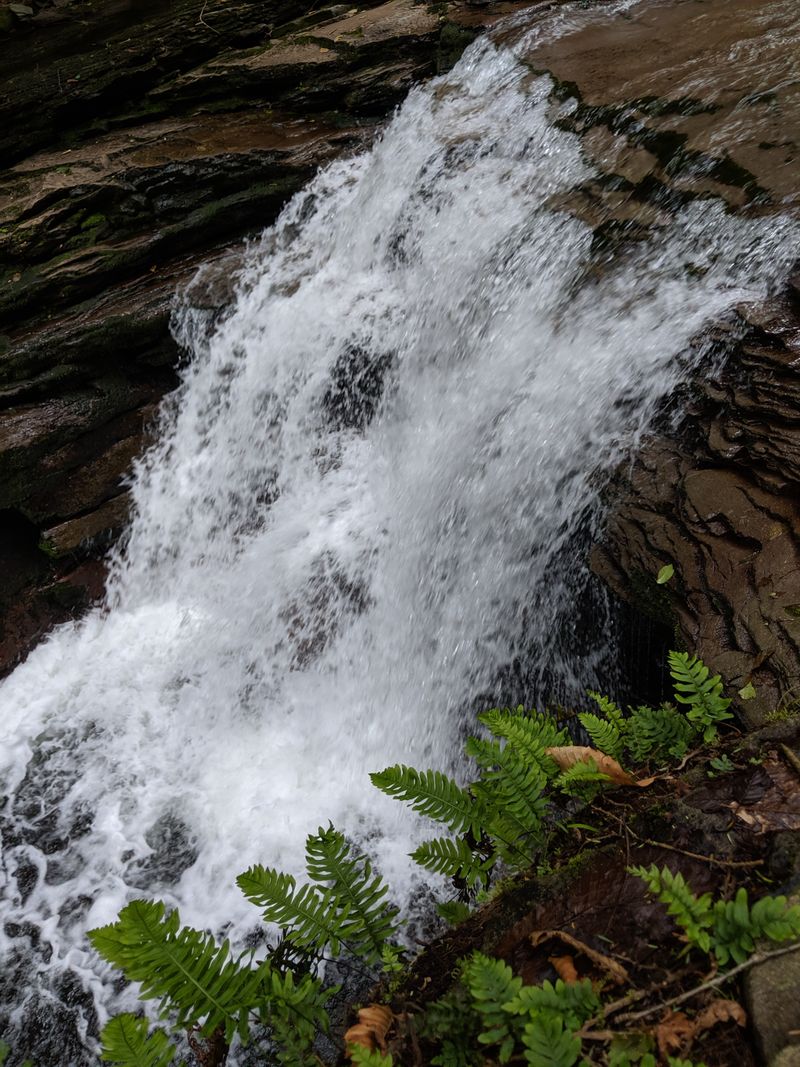
Spring runoff transforms Sullivan Falls into a powerful display as snowmelt and rain swell the stream. Water volume peaks during this season, creating wider curtains of falling water and filling the air with mist.
The increased flow often makes the falls louder and more dramatic, though it can also make approaches muddier and stream crossings more challenging for those exploring nearby areas.
Summer brings lower water levels as temperatures rise and rainfall decreases. The falls maintain their multi-tiered structure but with less volume moving through each section.
This season allows visitors to see rock formations more clearly and sometimes permits closer approach to areas that remain submerged during high water. The surrounding forest reaches full density, creating deep shade that keeps temperatures comfortable even on warm days.
Autumn and winter each offer distinct experiences. Fall colors transform the forest backdrop while water levels typically remain moderate.
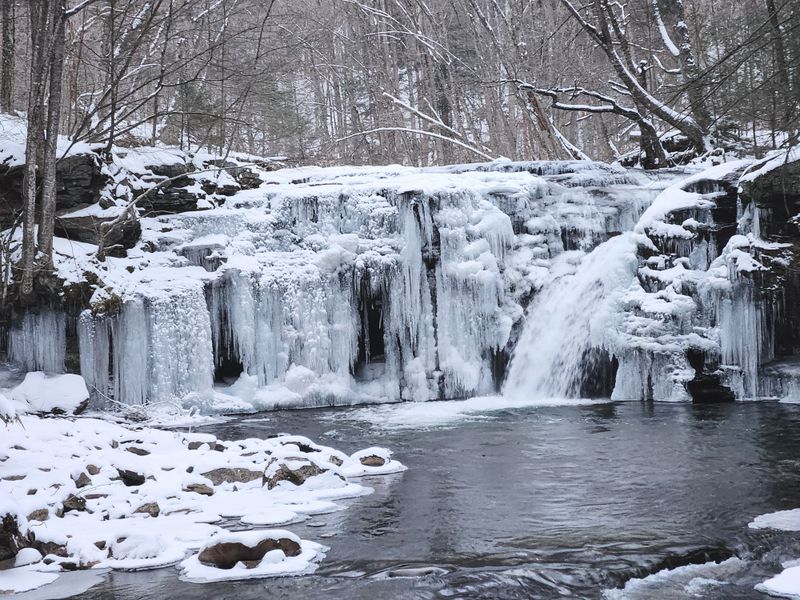
Winter can freeze portions of the falls into ice formations, though flowing water usually continues behind and beneath the frozen surfaces, creating complex natural sculptures that change daily with temperature fluctuations.
A Quiet Alternative To Crowded Pennsylvania Waterfalls
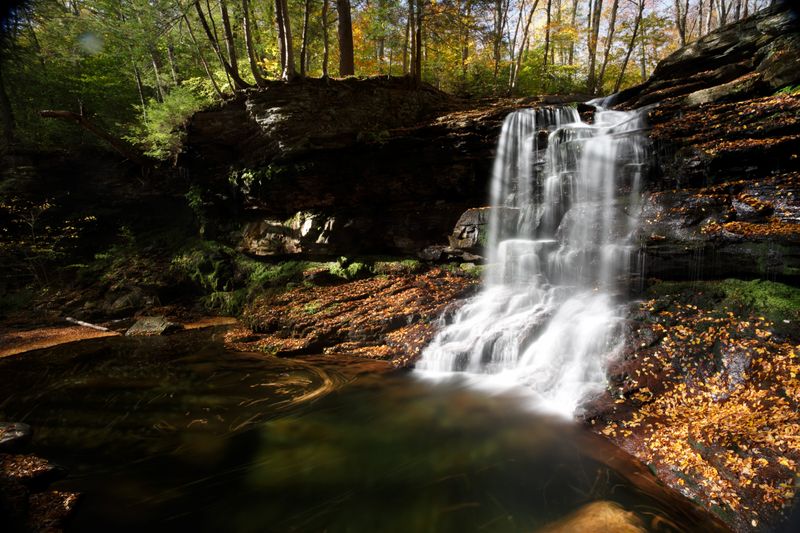
Pennsylvania contains numerous waterfalls that attract heavy visitation, particularly during peak seasons. Sullivan Falls offers something different: solitude.
The location within game lands rather than a state park means fewer people know about this cascade, and those who visit tend to spread out across the extensive trail system rather than concentrating in one spot.
Popular waterfall destinations often feature paved paths, viewing platforms, and facilities that make visits convenient but crowded. Sullivan Falls trades those amenities for space and quiet.
Visitors might encounter other hikers, especially on pleasant weekend days, but the experience rarely involves waiting for photo opportunities or competing for viewing positions. The natural setting remains undeveloped, preserving the sense of discovery that brought people to waterfalls before they became tourist attractions.
This relative obscurity serves the waterfall well. Without crowds, the surrounding ecosystem experiences less disturbance, and the trails show less erosion from constant traffic.
Those seeking authentic wilderness experiences rather than curated nature displays find Sullivan Falls delivers exactly what they want: beautiful scenery without the complications that popularity brings to natural places.
Surrounding Forest Creates A Serene Nature Experience
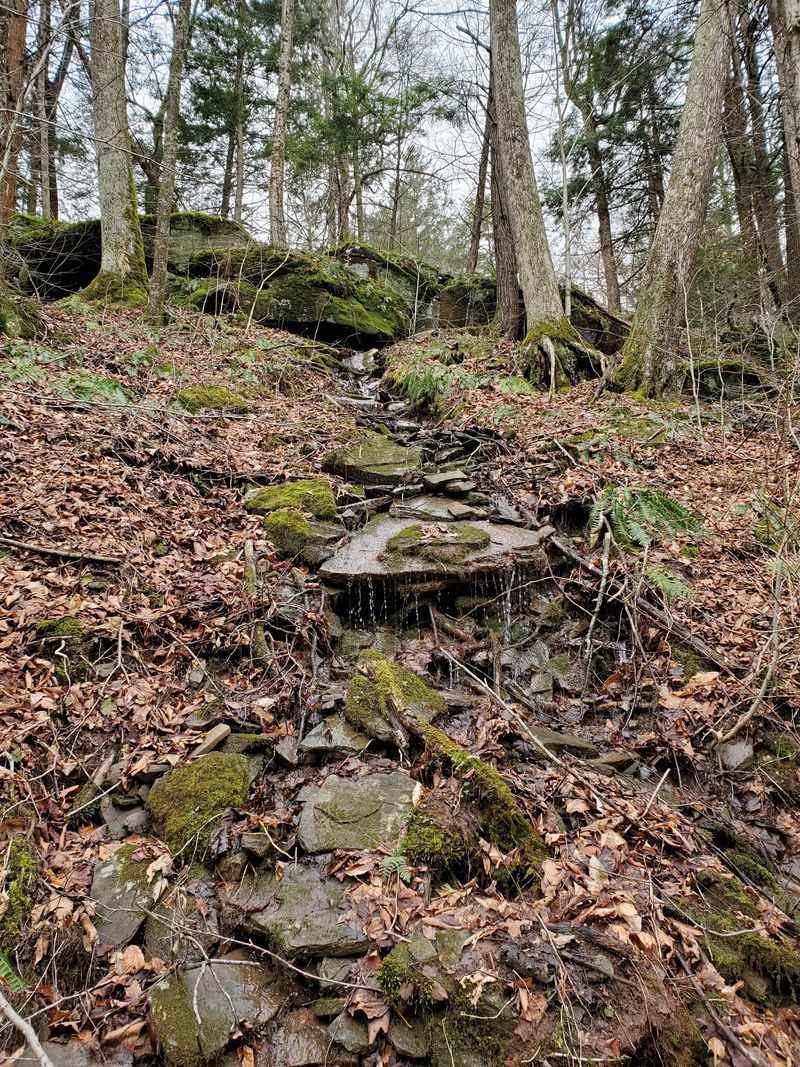
The forest around Sullivan Falls consists primarily of hardwoods typical of Pennsylvania’s mountain regions. Oak, maple, and birch trees create a canopy that filters sunlight into shifting patterns on the forest floor.
Understory plants include ferns, mountain laurel, and various wildflowers that bloom according to seasonal schedules. This layered vegetation creates habitat for wildlife while giving the landscape depth and complexity.
Sound plays an important role in the forest experience. Beyond the constant voice of the falls, visitors might hear bird calls, wind moving through leaves, or the occasional rustle of animals moving through undergrowth.
The absence of mechanical noise allows these natural sounds to dominate, creating an acoustic environment that urban and suburban residents rarely encounter. Many visitors report this auditory quality as one of the most memorable aspects of their time at Sullivan Falls.
Walking through this forest requires no special skills, only attention and respect. The woods operate according to their own logic, with trails following routes that make sense given the terrain.
Observant visitors notice details: fungi growing on fallen logs, moss patterns on rocks, the way water shapes everything it touches over time.
A Favourite Among Local Hikers And Waterfall Fans
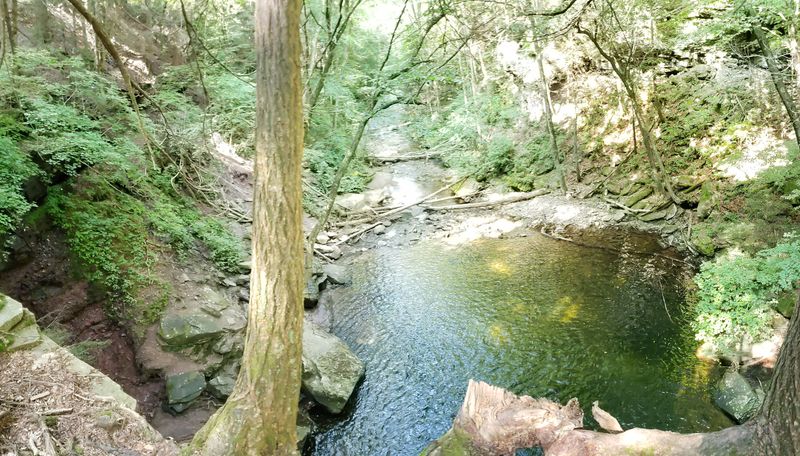
Regional outdoor enthusiasts have known about Sullivan Falls for years, passing information about the location through word of mouth and online forums. Local hikers appreciate having a quality destination close to home, while waterfall collectors add this cascade to their lists of Pennsylvania falls worth documenting.
The 4.8-star rating from 83 Google reviews reflects genuine appreciation from people who have made the trip.
Reviews consistently mention the beauty of the area and the satisfaction of finding such a lovely waterfall without fighting crowds. One reviewer who lives nearby describes hiking State Game Lands 13 frequently, rating the trails as middle range difficulty with well-maintained paths.
Another notes the abundance of waterfalls along Grassy Hollow Road, though adding they require effort to reach. These authentic assessments help set realistic expectations for new visitors.
The waterfall community maintains a certain protective attitude toward lesser-known sites like Sullivan Falls. While happy to share information with genuinely interested visitors, regulars hope the location never becomes so popular that it loses the quiet character that makes it special.
This balance between sharing natural beauty and preserving it remains an ongoing conversation among those who care about Pennsylvania’s wild places.
Rugged Terrain Adds Adventure To The Visit
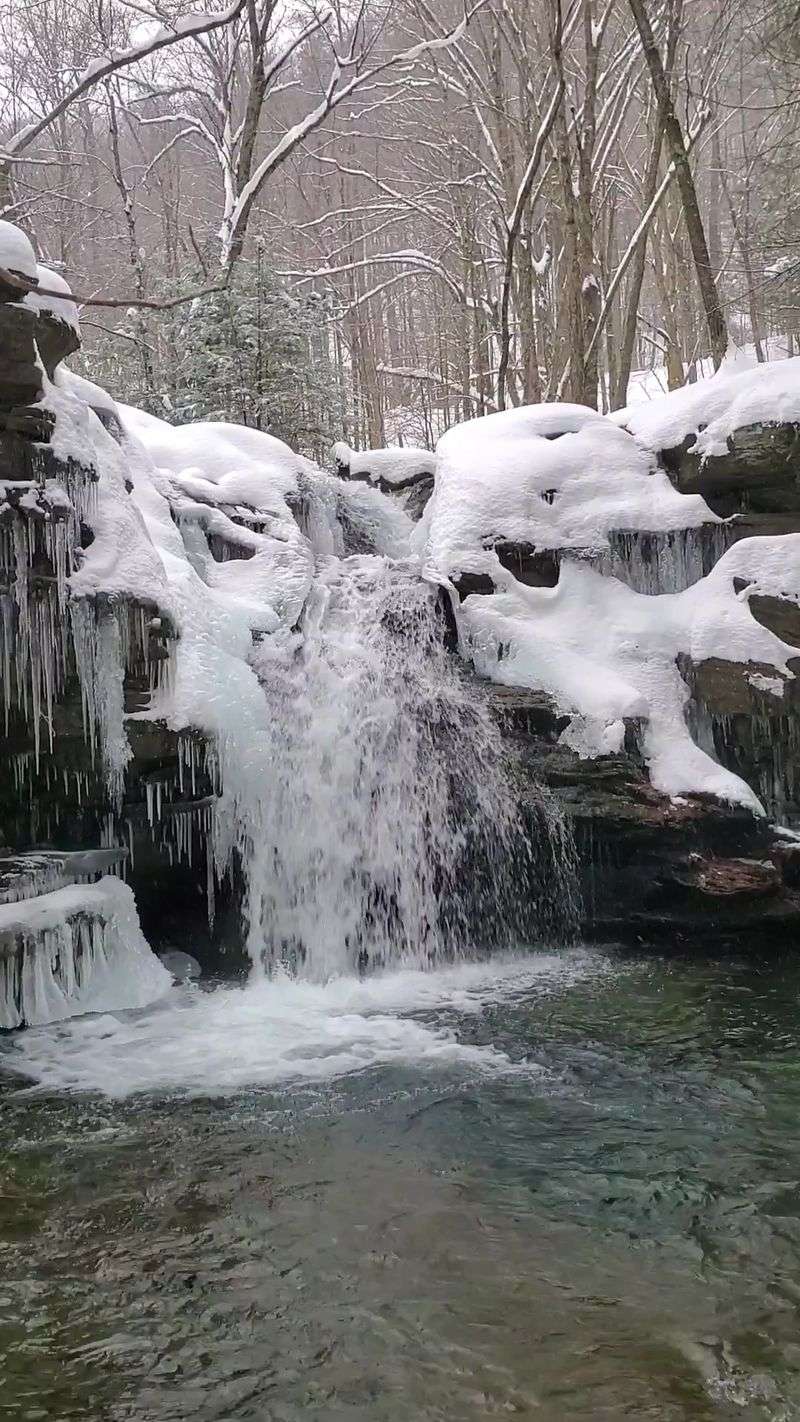
State Game Lands 13 encompasses serious mountain country. While the walk to Sullivan Falls itself remains relatively straightforward, the surrounding landscape features steep slopes, rocky outcrops, and terrain that demands respect.
Several reviewers specifically mention the rugged nature of the area, with one noting the challenge of Pennsylvania mountains and another describing narrow gravel roads with sharp dropoffs leading to scenic locations.
This ruggedness contributes to the overall experience rather than detracting from it. Visitors who want sanitized nature can find it elsewhere; those who come to Sullivan Falls generally appreciate the authentic backcountry character.
The terrain keeps casual visitors from overwhelming the area while rewarding those willing to engage with the landscape on its own terms. Reading the land, choosing routes carefully, and moving with awareness all become part of the adventure.
The Pennsylvania Game Commission maintains roads and parking areas but does not attempt to tame the fundamental wildness of the terrain. This management philosophy preserves the area’s character while providing basic access infrastructure.
Visitors should prepare accordingly, bringing appropriate gear and realistic expectations about what constitutes reasonable challenges versus actual hazards requiring caution.
Perfect For Photographers Seeking Undisturbed Beauty
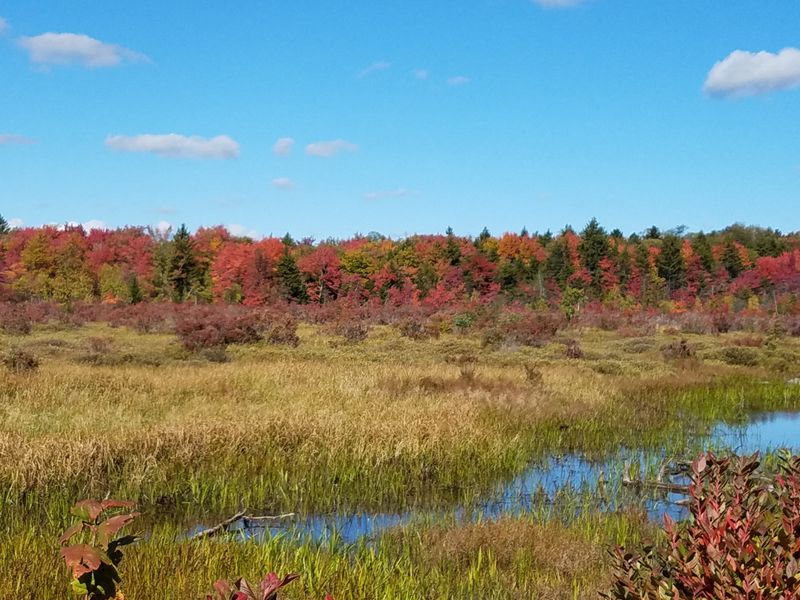
Sullivan Falls provides photographers with opportunities that crowded locations cannot match. The ability to set up equipment without people walking through frames, to wait for perfect light without pressure from other visitors, and to experiment with compositions makes this waterfall particularly valuable for serious image makers.
The multi-tiered structure offers multiple compositional options, while the surrounding forest provides context and framing elements.
Light conditions change throughout the day and across seasons, giving photographers reasons to return repeatedly. Morning light filters through the eastern forest, while afternoon sun creates different shadow patterns and highlights.
Overcast days eliminate harsh contrasts, allowing even exposure across the entire scene. Each condition presents distinct creative possibilities that reward patience and planning.
The relatively undisturbed setting means natural elements remain in place rather than being worn away by constant traffic. Moss grows thick on rocks, fallen logs age gracefully, and vegetation follows natural patterns rather than being trampled into muddy paths.
These details matter in photographs, providing authenticity that viewers can sense even if they cannot articulate exactly what makes an image feel genuine versus staged or overcrowded.