
California Locals Swear This Italian Restaurant Serves Plates Straight From Italy
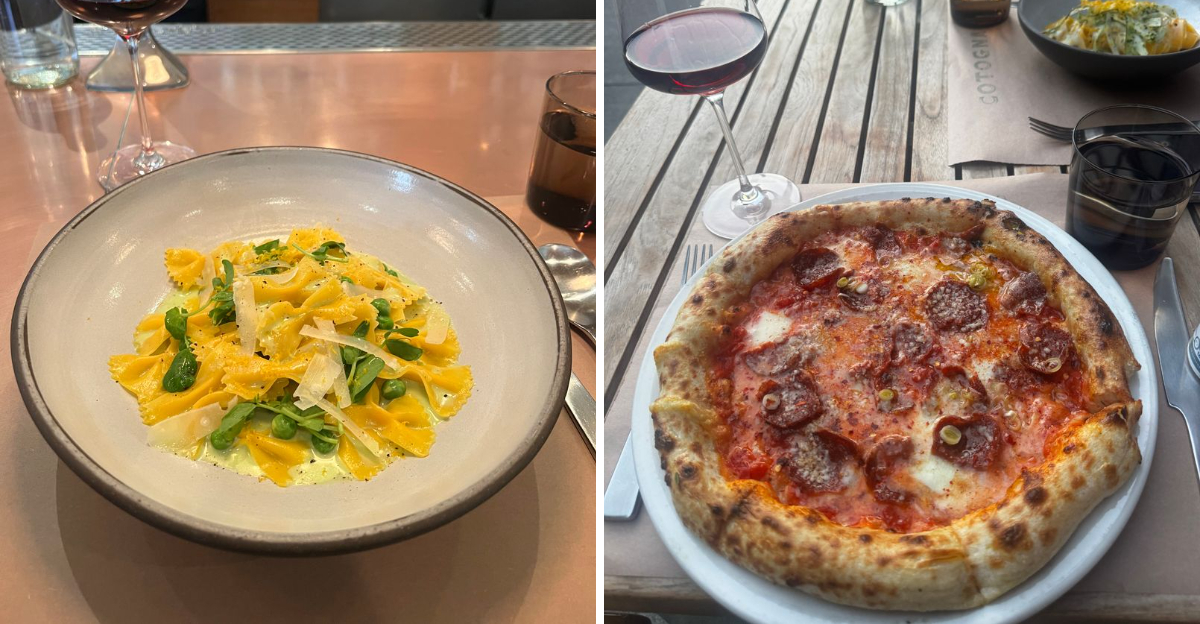
Cotogna sits along Pacific Avenue in San Francisco, serving food that makes people forget they are thousands of miles from Rome. The restaurant has earned a reputation among locals for cooking Italian dishes the way they are actually prepared in Italy, not the way most American restaurants imagine them.
Every plate reflects a commitment to regional traditions, seasonal ingredients, and techniques that honor the craft without adding unnecessary flourishes. For anyone seeking an authentic Italian meal in California, this spot has become a destination worth the reservation wait.
The Pasta Is Made Fresh In-House Every Single Day
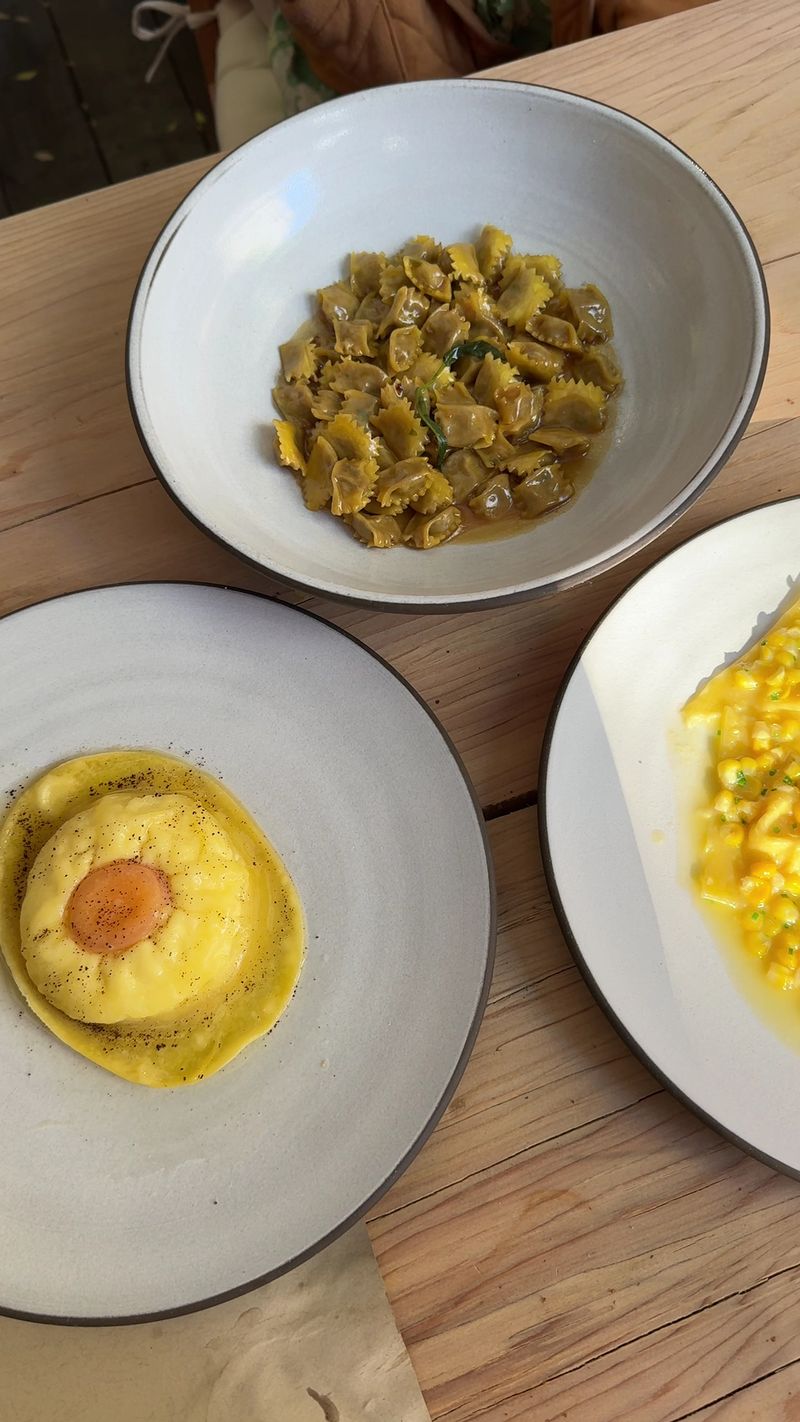
Making pasta from scratch each morning sets the tone for everything that follows at Cotogna. The kitchen team rolls, cuts, and shapes dough before service begins, creating agnolotti, pappardelle, and ravioli that carry the kind of texture you cannot achieve with dried versions.
This daily ritual means the pasta absorbs sauce differently, clings to ingredients more naturally, and delivers a tender bite that feels both delicate and substantial.
Guests frequently mention the agnolotti del plin as a standout, noting how the filling balances richness with brightness. The tortelli and corn triangoli also appear regularly in reviews, with diners praising the way each shape complements its accompanying sauce.
These are not just vehicles for toppings; the pasta itself contributes flavor and character to every dish.
Located at 490 Pacific Avenue in San Francisco, Cotogna treats pasta as a central element rather than a supporting player. The commitment to fresh preparation shows up in every twirl of the fork, reminding diners that great Italian cooking starts with fundamentals done right.
A Wood-Fired Oven Shapes Much Of The Menu
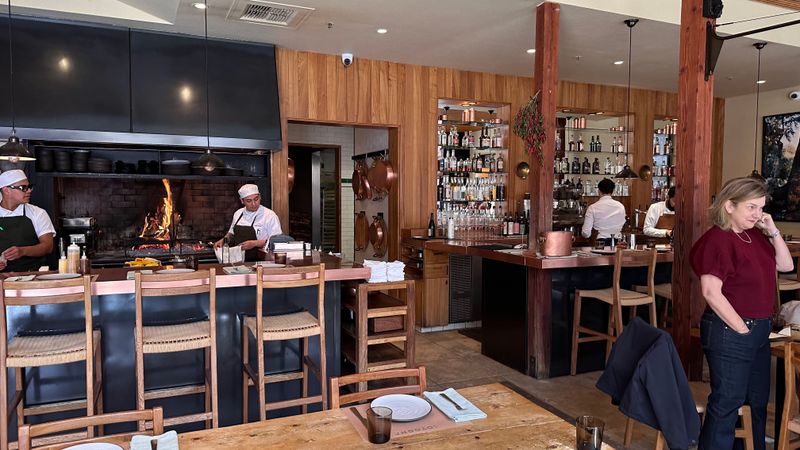
A wood-fired oven anchors the cooking at Cotogna, influencing not just pizza but also roasted vegetables, grilled meats, and even certain appetizers. The high heat and smoky undertones add layers of flavor that electric or gas ovens simply cannot replicate.
Sitting at the bar facing the hearth offers a front-row view of the kitchen team maneuvering dishes in and out of the flames, turning dinner into something of a culinary performance.
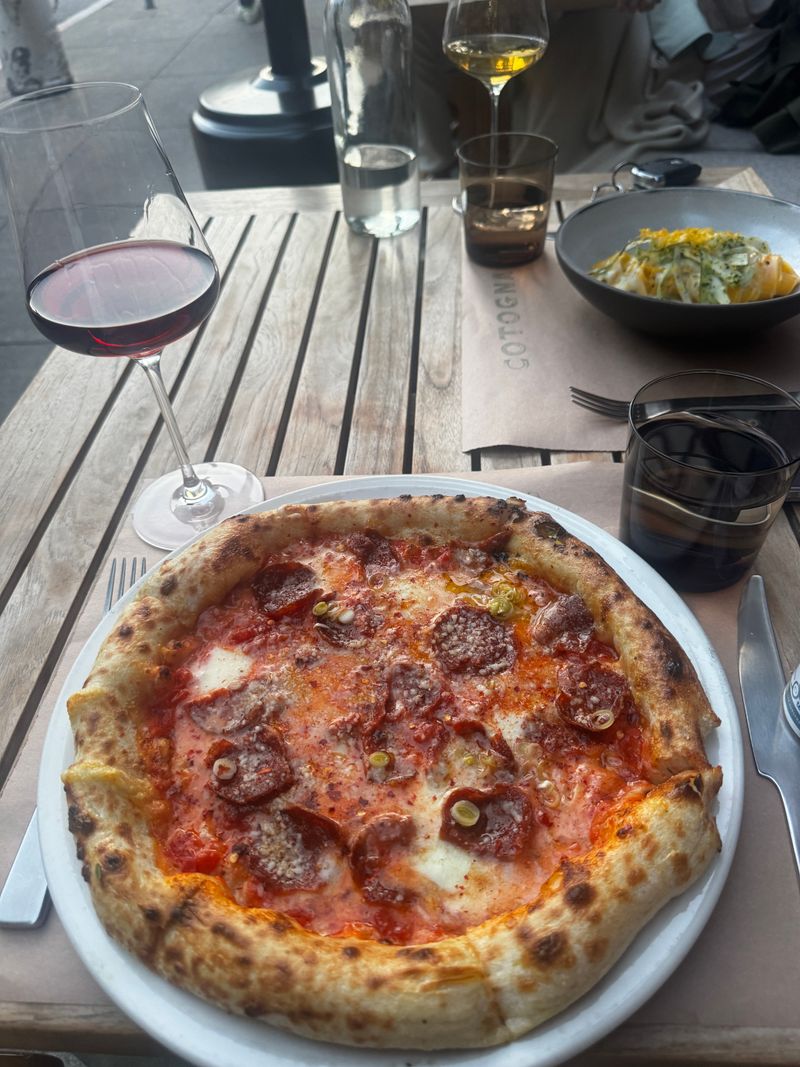
The oven gives pizzas a blistered crust with charred edges that stay chewy in the center. It also roasts whole fish and spit-roasts meats, lending a slightly caramelized exterior while keeping the interior moist.
Vegetables like peppers and squash emerge with concentrated sweetness, their natural sugars enhanced by the direct heat.
This approach reflects traditional Italian cooking methods, where fire plays an active role in building flavor. Cotogna uses the oven not as a novelty but as a fundamental tool, shaping the menu around what this ancient technique does best.
The Menu Changes With The Seasons, Not Trends
Cotogna builds its menu around what grows best during each season rather than chasing whatever happens to be popular at the moment. In summer, corn triangoli appears with fresh kernels and brown butter, while autumn brings pumpkin and pecorino romano flan.
This rotation keeps the offerings interesting for regulars without resorting to gimmicks or forced innovation.
The restaurant sources much of its produce from partner farms, ensuring that ingredients arrive at peak ripeness. This means flavors are more concentrated, textures are better, and the dishes taste like they belong to a specific time of year.
Guests who visit multiple times throughout the year notice these shifts, experiencing a different version of the restaurant with each season.
Located in the Financial District near Chinatown, Cotogna resists the pressure to maintain a static menu that pleases everyone all the time. Instead, the kitchen embraces the natural rhythm of agriculture, trusting that diners will appreciate food that reflects the calendar rather than the algorithm.
Simplicity Is Treated As A Skill, Not A Shortcut
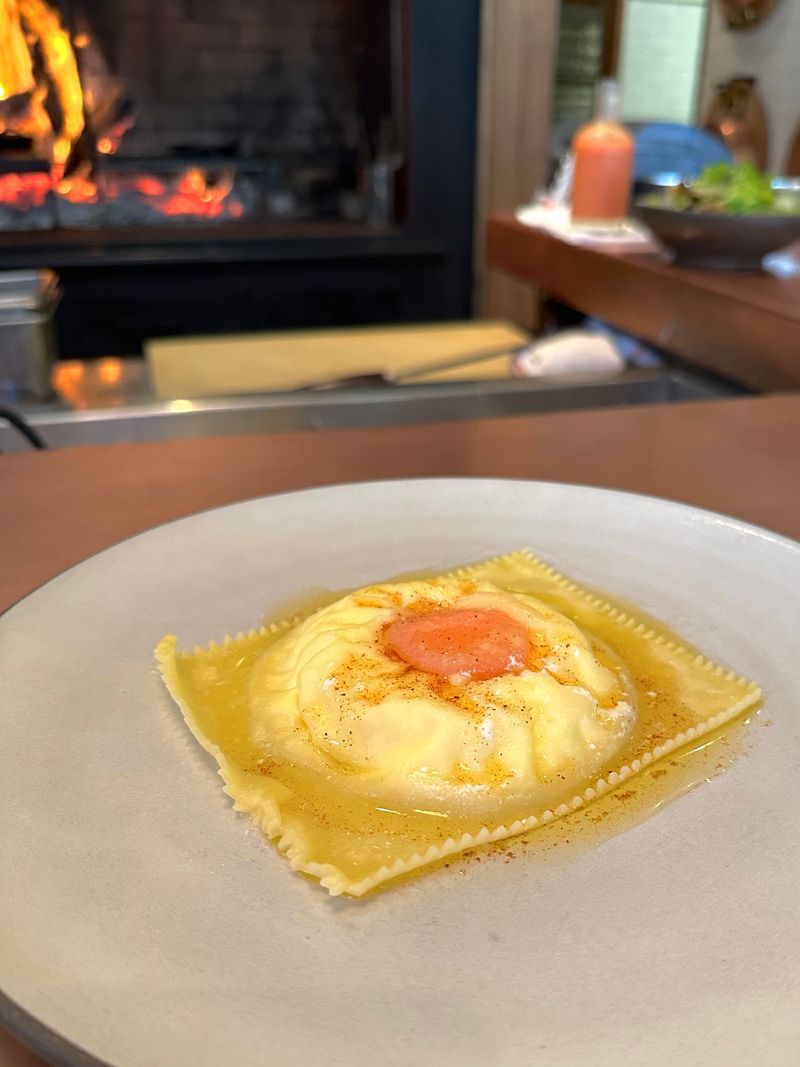
Many dishes at Cotogna feature just a handful of ingredients, arranged in ways that highlight each component rather than masking it. The bluefin tuna crudo arrives with melon, cucumber, and a light dressing, allowing the sweetness of the fish to shine without interference.
This restraint requires confidence and skill, as there is nowhere to hide when a dish relies on only three or four elements.
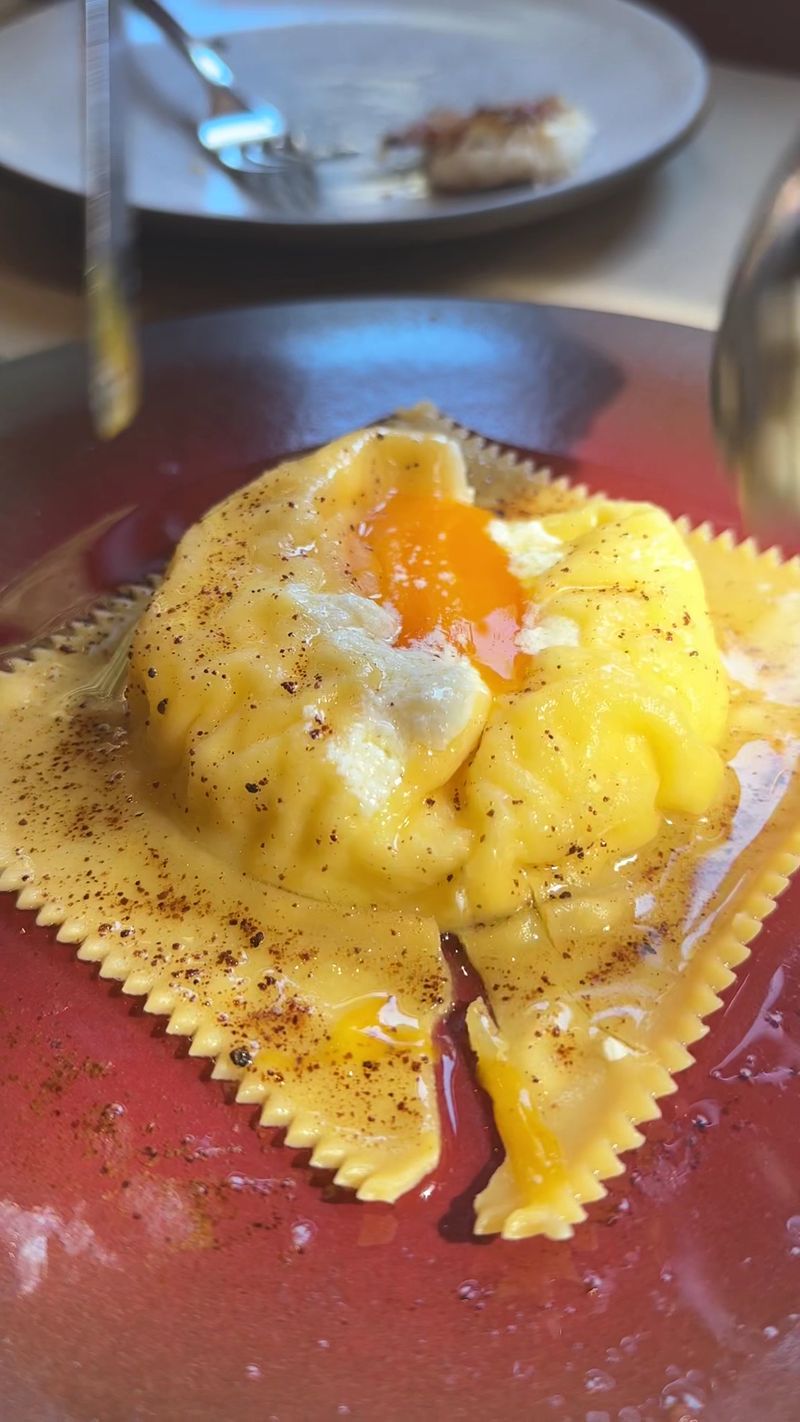
The kitchen avoids the temptation to add extra garnishes or complicated sauces, trusting that quality ingredients prepared correctly need little embellishment. Brown butter, egg yolk, and ricotta combine in the raviolo to create something luxurious yet straightforward.
Even the salads follow this philosophy, offering lettuces dressed simply with oil and vinegar.
This approach mirrors the way Italians have cooked for generations, focusing on balance and proportion rather than complexity. Cotogna proves that simplicity, when executed with precision, becomes its own form of sophistication.
The Cooking Leans Regional Rather Than Italian-American
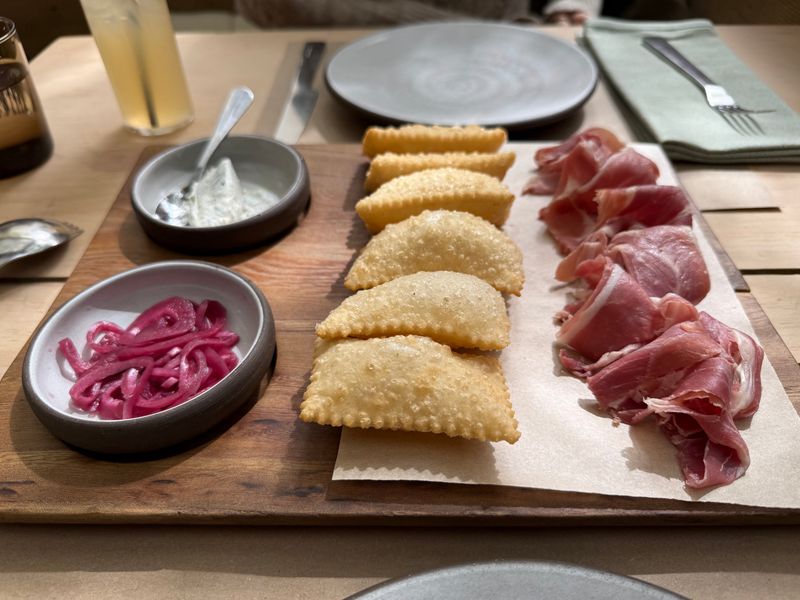
Cotogna draws inspiration from specific regions of Italy rather than the broader Italian-American tradition that dominates many restaurants. This means dishes like squid with Calypso beans and Calabrian chili reflect the cooking of southern Italy, while agnolotti del plin nods to Piedmont.
The menu avoids heavy red sauces and oversized portions in favor of preparations that honor regional techniques and flavor profiles.
Guests familiar with Italian cooking notice these distinctions immediately. The lamb sugo tastes different from typical meat sauces, carrying the depth and subtlety found in trattorias across central Italy.
The gnocco fritto and suppli reference street food traditions, offering textures and flavors that feel grounded in a specific place rather than a generic idea of Italian cuisine.
Located at 490 Pacific Avenue, the restaurant serves as a bridge between California and Italy, translating regional dishes without diluting their character. This commitment to authenticity means diners experience flavors that feel both familiar and refreshingly distinct from the usual offerings.
Portion Sizes Reflect How Italians Actually Eat
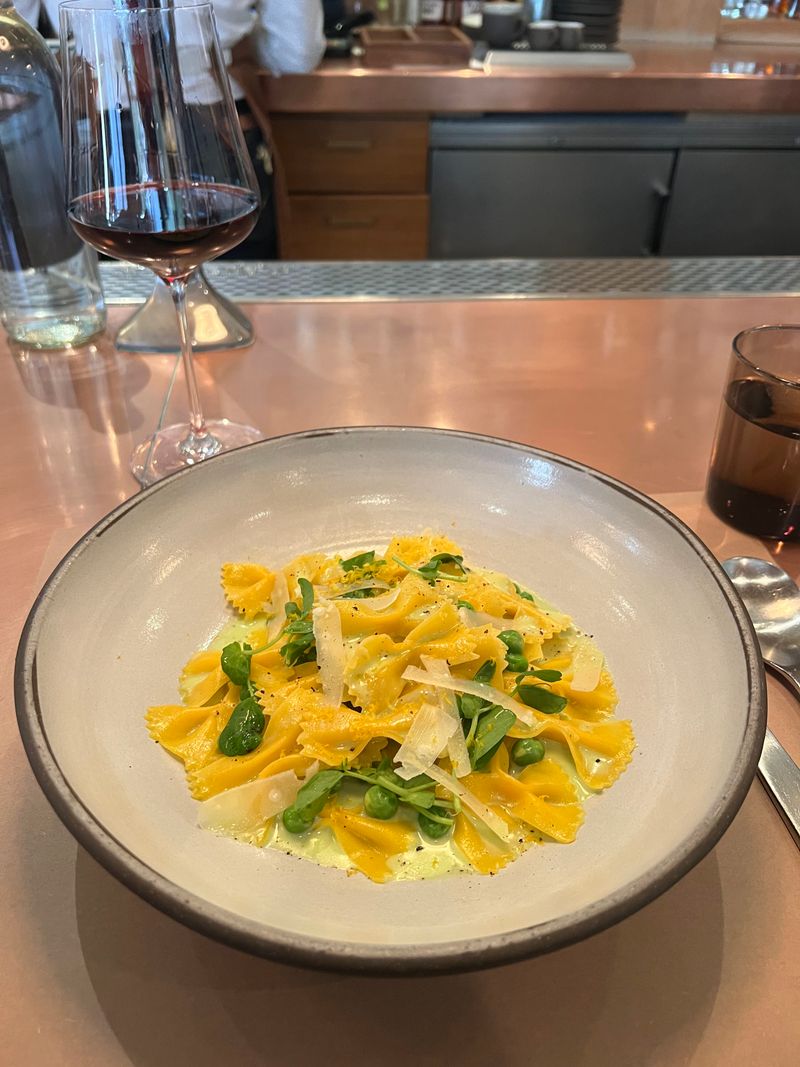
Portions at Cotogna follow the Italian model of multiple courses rather than the American expectation of a single large plate. Pasta dishes arrive in sizes meant to be enjoyed as part of a larger meal, encouraging diners to order an antipasto, a pasta, and perhaps a main course or dessert.
This structure allows for more variety and prevents the heaviness that comes from oversized servings.
Some guests initially express surprise at the portion sizes, particularly with dishes like the raviolo, which consists of a single large ravioli. However, those who embrace the multi-course approach find the experience more satisfying, as each dish receives proper attention without overwhelming the palate.
The pacing also mirrors the leisurely rhythm of Italian dining, where meals unfold over time.
This approach requires a shift in expectations but ultimately delivers a more authentic experience. Cotogna invites diners to eat the way Italians do, savoring several smaller plates rather than committing to one massive entree.
The Dining Room Feels Like A Neighbourhood Osteria
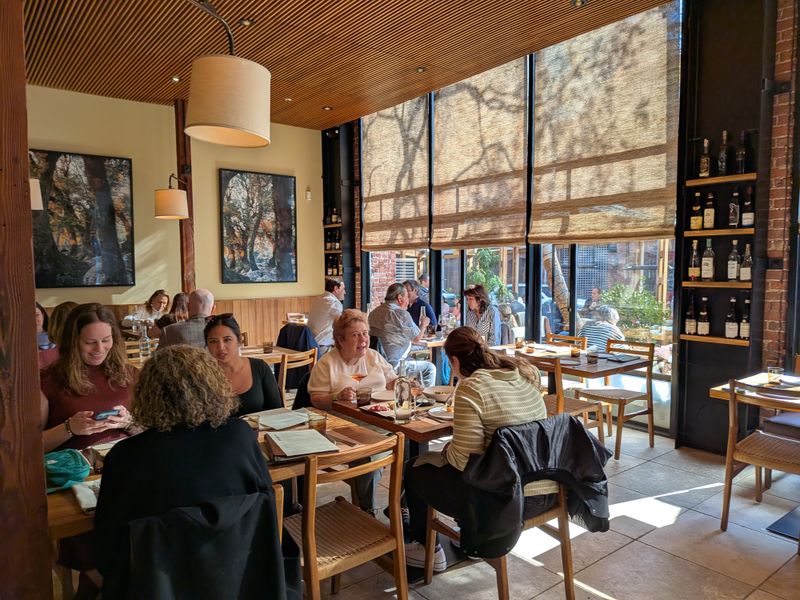
Walking into Cotogna feels less like entering a formal restaurant and more like stepping into a neighborhood spot where locals gather for a good meal. The dining room balances rustic elements with refined touches, creating an atmosphere that feels welcoming without being overly casual.
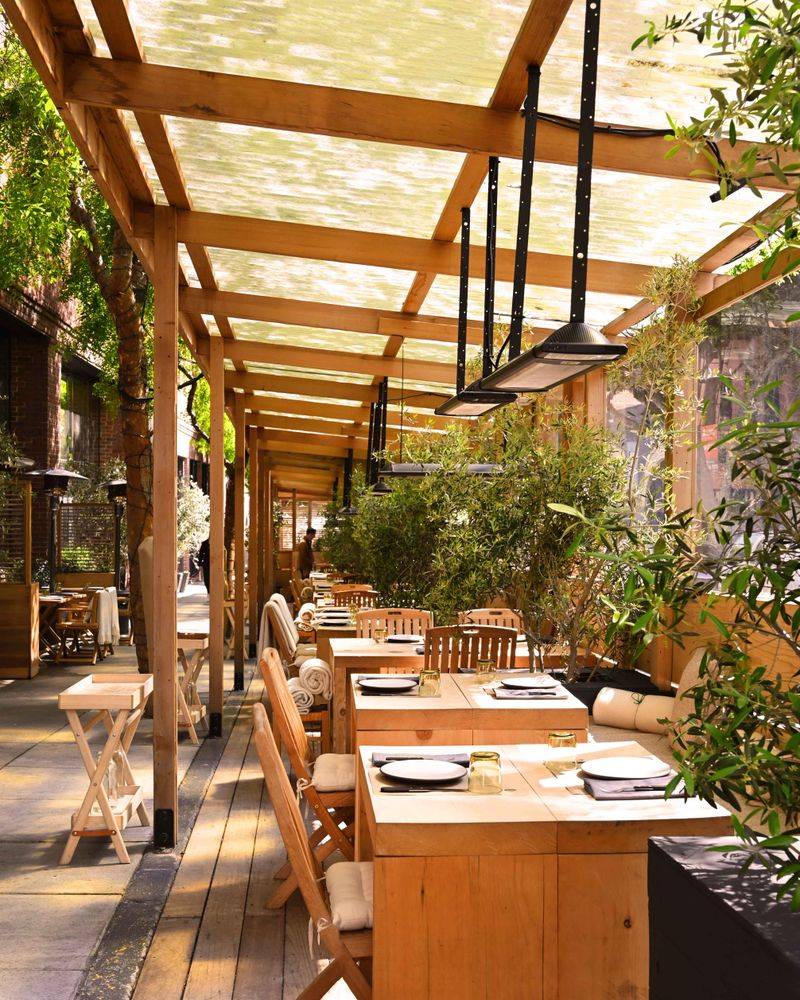
Wooden tables, warm lighting, and a visible kitchen contribute to the sense that this is a place designed for regular visits rather than special occasions alone.
The outdoor seating area extends the space with a landscaped parklet, complete with heaters and blankets for cooler evenings. This setup creates a comfortable environment that encourages lingering over wine and conversation.
Guests mention the noise level during busy times, a byproduct of hard surfaces and lively conversation, which adds to the energetic vibe rather than detracting from it.
Service strikes a balance between attentive and unobtrusive, with staff who know the menu thoroughly and offer genuine recommendations. The overall effect is a dining room that feels approachable and authentic, the kind of place that could exist just as easily in Florence or Bologna.
Ingredients Are Treated As The Main Event
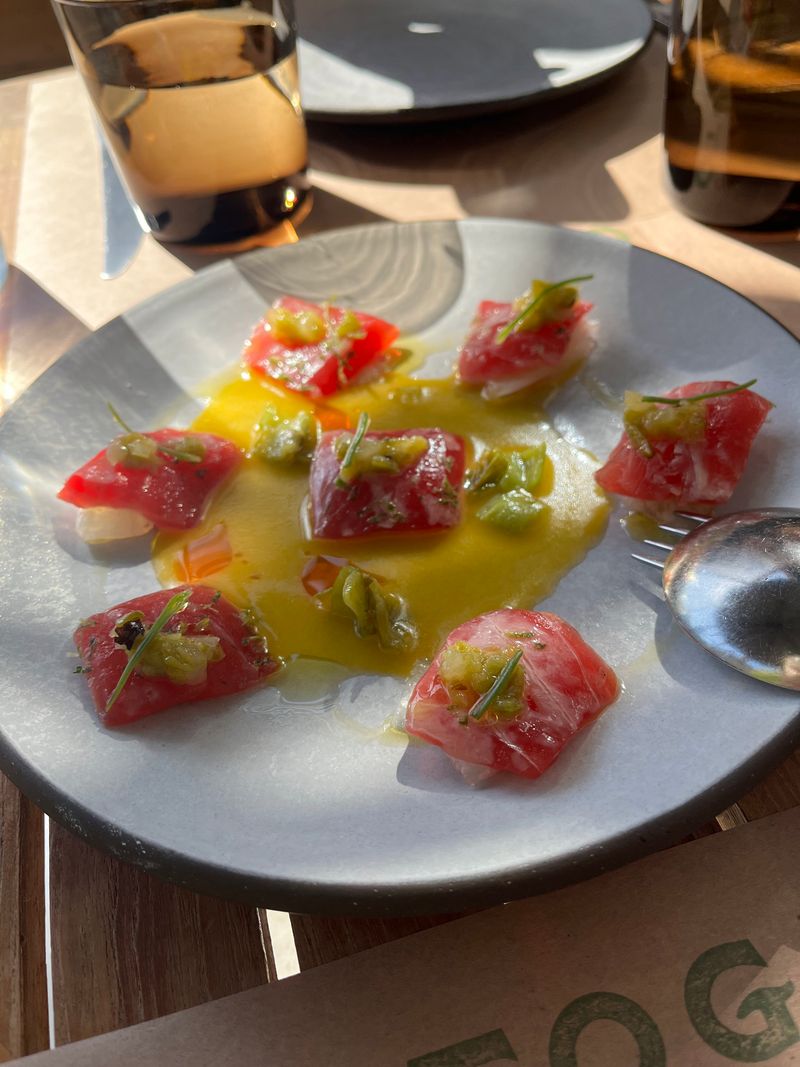
Every dish at Cotogna begins with the assumption that ingredients matter more than technique alone. The kitchen sources bluefin tuna, local sand dabs, and seasonal vegetables that arrive with enough inherent quality to stand on their own.
This philosophy means cooking methods serve to enhance rather than transform, allowing the natural flavors of each component to remain recognizable.
The swordfish, when prepared correctly, carries a clean oceanic taste without excessive seasoning. The corn in the triangoli tastes unmistakably like summer, sweet and fresh rather than muted by cream or butter.
Even the lettuces in the salads arrive crisp and flavorful, dressed lightly so their individual characteristics come through.
This ingredient-forward approach requires strong relationships with suppliers and a willingness to adjust the menu based on availability. Cotogna commits to this model fully, trusting that diners will appreciate the difference between food built around great ingredients and food that relies on clever preparation to compensate for mediocre ones.
Locals Treat It As A Regular, Not A Tourist Stop
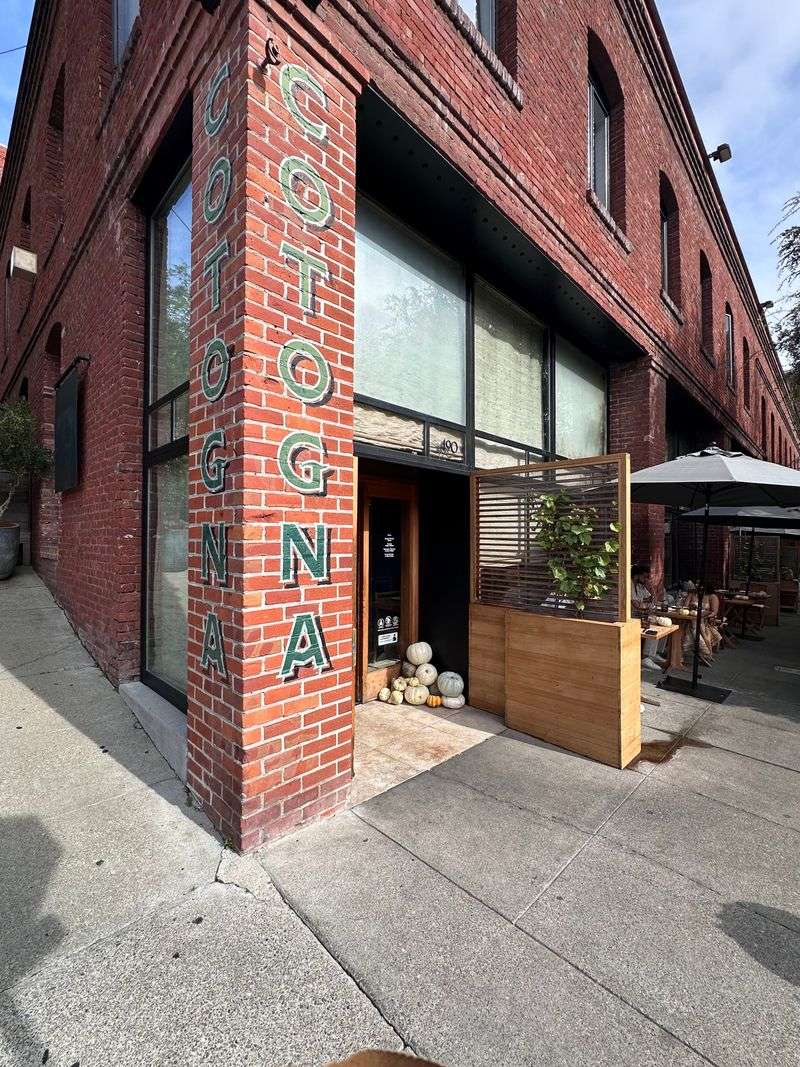
Cotogna has cultivated a loyal following among San Francisco residents who return frequently rather than treating it as a one-time destination. The restaurant earns this repeat business by maintaining consistency, offering a menu that rewards multiple visits, and creating an atmosphere that feels comfortable rather than performative.
Regulars know to order the agnolotti or raviolo, while also exploring seasonal specials that change throughout the year.
The ability to walk in and snag a bar seat without a reservation appeals to those who want a quality meal without excessive planning. The bar area offers a more casual entry point, with full menu access and a view of the kitchen that adds entertainment value.
This flexibility makes Cotogna accessible for both planned dinners and spontaneous stops.
Located near the Financial District, the restaurant draws a mix of business diners and neighborhood residents, creating a diverse crowd that adds to the lively atmosphere. This local support signals that Cotogna has achieved something beyond hype, earning genuine affection from the people who know San Francisco dining best.
The Kitchen Resists Over-Modernising Classic Dishes
Cotogna approaches traditional Italian dishes with respect rather than a desire to reinvent them. The agnolotti arrives prepared in the classic Piedmontese style, without foam, deconstruction, or unnecessary twists.
The carbonara pizza honors the flavors of the original pasta dish without turning it into a novelty item. This restraint allows the kitchen to focus on execution rather than innovation for its own sake.
Many restaurants feel pressured to add modern techniques or unexpected ingredients to stand out, but Cotogna trusts that well-prepared classics will speak for themselves. The raviolo di ricotta follows a time-tested formula: fresh pasta, quality ricotta, brown butter, and an egg yolk.
The result is luxurious and satisfying without requiring any clever updates.
This philosophy extends to desserts as well, with offerings like panna cotta and cannoli prepared in traditional ways that emphasize flavor and texture over presentation gimmicks. The kitchen understands that some dishes have endured for generations because they work, and tampering with them often diminishes rather than enhances the experience.
Bread And Accompaniments Are Given Serious Attention
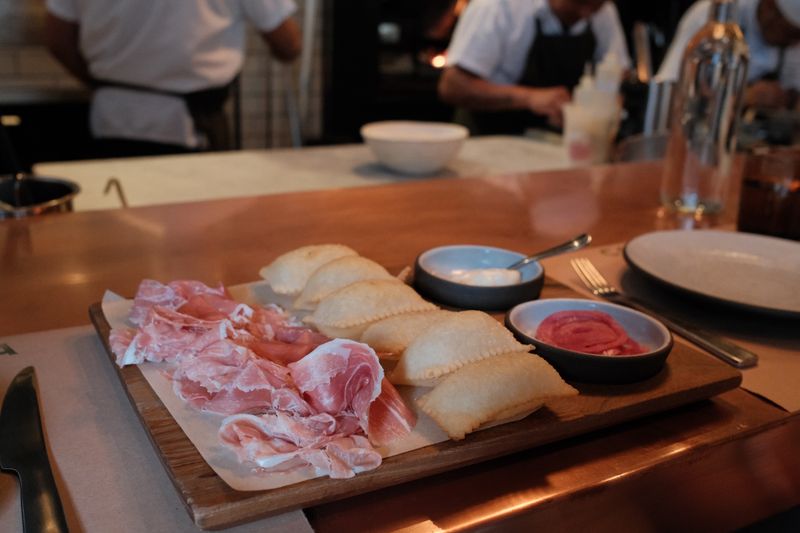
The focaccia at Cotogna receives as much care as any main dish, arriving warm with a crisp exterior and airy interior that makes it difficult to stop eating. Staff encourage guests to try the house rolls, which have become something of a signature despite being a seemingly simple element.
This attention to bread reflects an understanding that great Italian meals begin with these foundational components.
Accompaniments like olive oil and butter are chosen with equal thoughtfulness, providing quality options that enhance rather than distract from the bread itself. The gnocco fritto offers another example of elevated bread service, arriving puffy and golden, ready to be paired with cured meats or enjoyed on its own.
Many restaurants treat bread as an afterthought, but Cotogna recognizes it as an opportunity to set the tone for the meal. Guests frequently mention the bread in reviews, a sign that these details register even when they might seem minor.
This commitment to every element of the dining experience distinguishes Cotogna from places that focus solely on centerpiece dishes.
It Feels Italian Without Trying To Prove It
Cotogna avoids the cliches that many Italian restaurants rely on to signal authenticity. There are no checkered tablecloths, no operatic music playing overhead, and no exaggerated accents from the staff.
Instead, the restaurant lets the food and atmosphere speak for themselves, creating an environment that feels genuinely Italian rather than theatrically so.
The staff speaks knowledgeably about the menu without performative flourishes, and the wine list focuses on Italian regions without turning into a geography lesson. The decor incorporates rustic elements without feeling staged or overly precious.
This understated approach creates a sense of confidence, as though the restaurant has no need to convince anyone of its legitimacy.
Guests who have spent time in Italy frequently note that Cotogna captures the spirit of Italian dining more accurately than flashier establishments. The restaurant understands that authenticity comes from doing things correctly rather than loudly, allowing the experience to feel natural and unforced.
This quiet confidence, more than any single dish, defines what makes Cotogna special.