
The Massive California Thrift Store Treasure Hunters Say You Need Hours To Explore
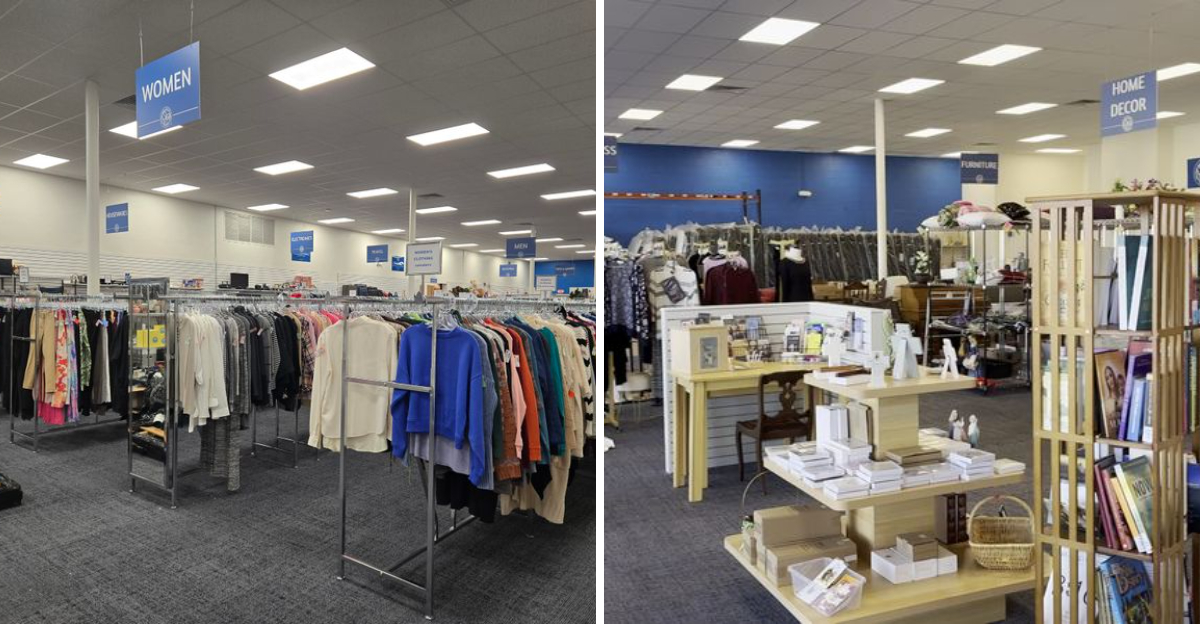
Treasure hunting takes on new meaning at the Society of St. Vincent de Paul Los Angeles Thrift Store, where sprawling aisles and mountains of merchandise transform ordinary shopping into an adventure. Located at 210 N Ave 21 in Los Angeles, this warehouse-sized operation claims the title of LA’s largest thrift store, and one visit confirms the reputation holds weight.
Serious bargain seekers arrive prepared with comfortable shoes and flexible schedules, knowing that rushing through this place means missing the finds that make thrift shopping worthwhile.
St. Vincent De Paul Offers One Of LA’s Largest Thrift Selections
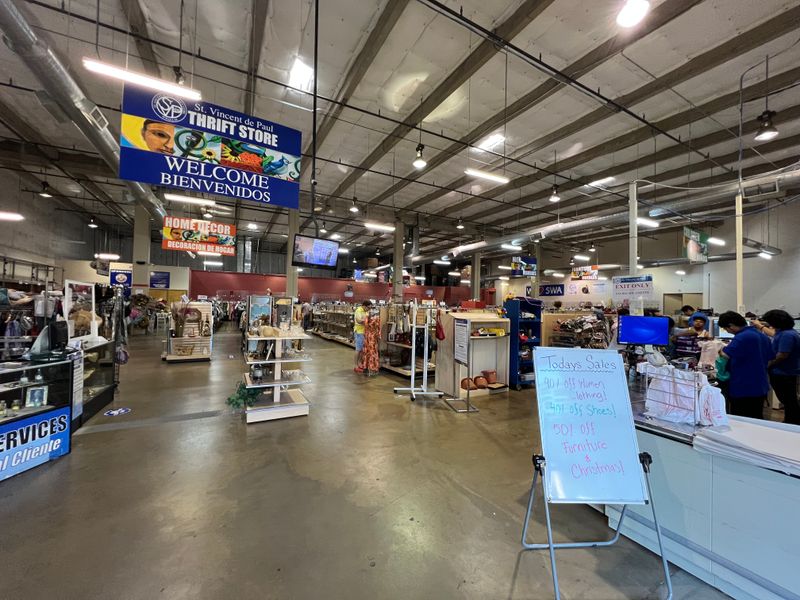
Walking through the entrance feels like stepping into a retail universe where donated goods have been transformed into an organized marketplace. The sheer square footage devoted to resale items separates this location from typical thrift operations scattered throughout Los Angeles.
Rows extend in every direction, creating a maze of possibility that rewards patience.
Furniture occupies significant real estate, with dressers, tables, and vintage buffets arranged in sections that resemble showroom floors. Clothing hangs on industrial racks organized by category and size, while shelves along the perimeter hold kitchen items, electronics, and decorative pieces.
The warehouse aesthetic prioritizes function over fancy displays, keeping overhead costs low and prices competitive.
Regular visitors develop strategies for navigating the space efficiently, though newcomers often wander freely, discovering unexpected categories tucked between major sections. The store operates Monday through Saturday from 9:30 AM to 6 PM, with Sunday hours starting slightly earlier at 9 AM and closing at 5 PM, giving shoppers ample time to explore without feeling rushed through the experience.
Endless Clothing And Home Goods Fill The Sales Floor
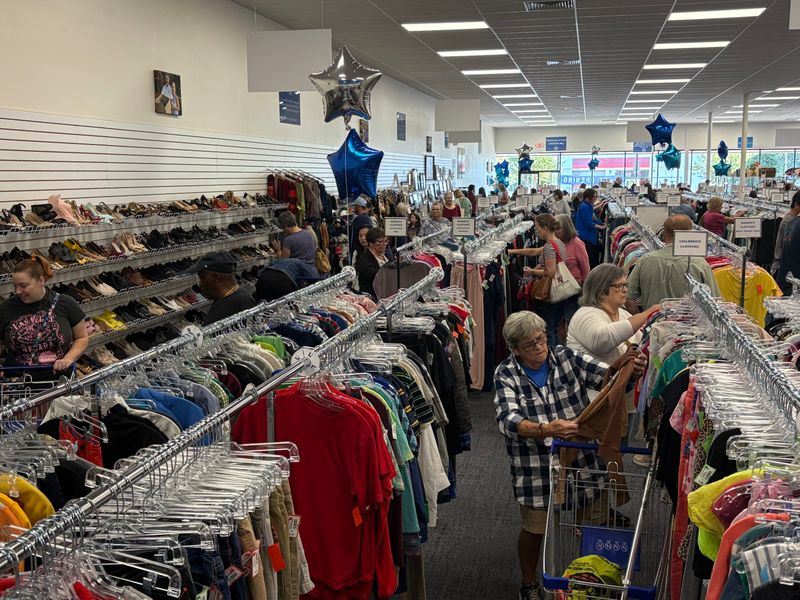
Clothing sections alone could occupy hours of browsing time, with separate areas dedicated to men’s wear, women’s fashion, children’s sizes, and accessories. Hangers slide along metal bars as shoppers flip through options, searching for specific brands or simply hunting for pieces that catch the eye.
The volume exceeds what most neighborhood thrift shops stock in their entire building.
Home goods departments spread across multiple zones, from glassware and dishes to small appliances and linens. Seasonal items rotate through inventory, with holiday decorations appearing months before actual celebrations begin.
Furniture pieces range from practical office desks to ornate vintage cabinets that require careful inspection and measurement before purchase.
The variety attracts different shopper demographics throughout operating hours. Morning arrivals often include resellers scanning for valuable items to flip online, while afternoon crowds bring families seeking affordable household necessities.
Weekend traffic intensifies considerably, with parking filling quickly as word spreads about fresh inventory hitting the floor daily.
Vintage And One-Of-A-Kind Finds Appear Daily
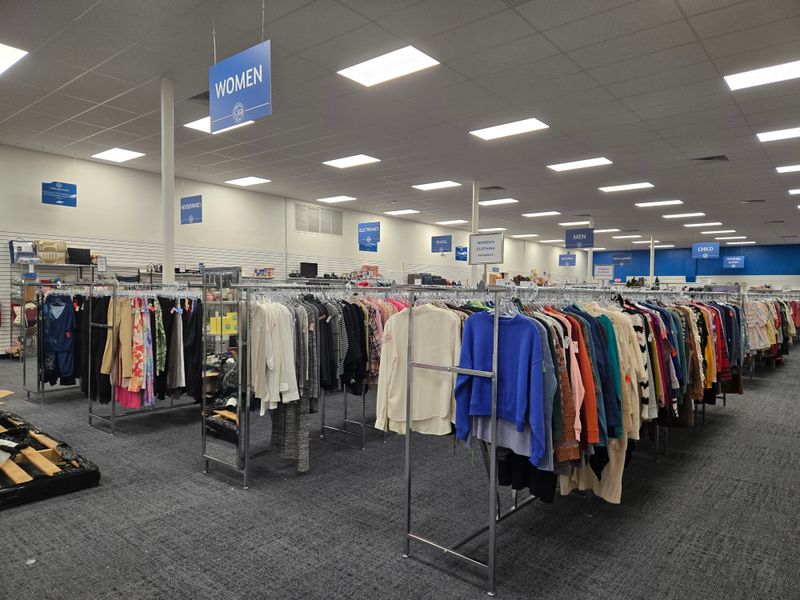
Daily donations ensure inventory never stagnates, with new items reaching the sales floor throughout operating hours. Staff process incoming goods continuously, tagging and pricing pieces before positioning them in appropriate sections.
This constant turnover creates the treasure hunt atmosphere that keeps dedicated thrifters returning multiple times weekly.
Vintage furniture occasionally surfaces among standard contemporary pieces, with mid-century credenzas and retro dressers commanding higher price points that reflect their condition and desirability. Customer reviews mention finding authentic designer clothing mixed among everyday brands, though competition for premium items remains fierce.
Electronics ranging from vintage stereo equipment to modern appliances cycle through inventory unpredictably.
Collectors targeting specific eras or styles develop relationships with staff members who can alert them when relevant items arrive. The unpredictability frustrates shoppers seeking guaranteed finds but creates genuine excitement when searches yield unexpected discoveries.
Patience becomes the primary currency in this environment, where persistence often matters more than timing or luck alone.
Locals Treat The Store As A Bargain Hunting Destination
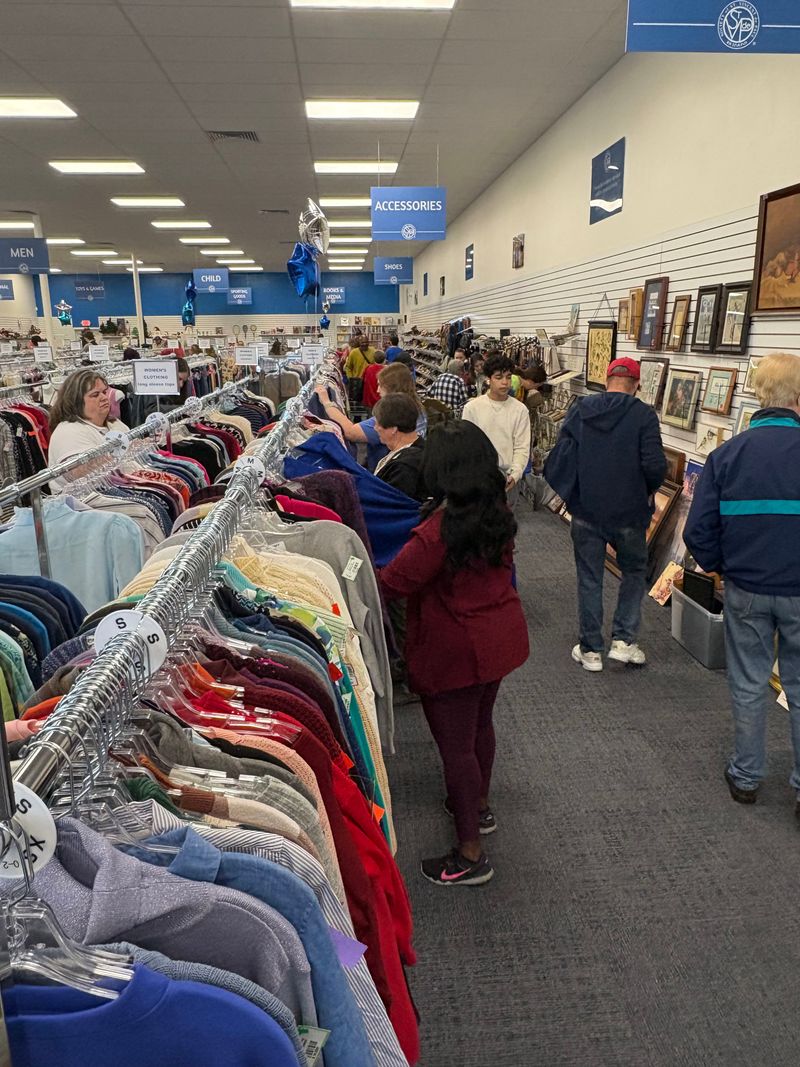
Repeat customers form the backbone of daily traffic, with some visitors admitting they shop here multiple times weekly to catch new arrivals before other hunters claim them. The store has cultivated a reputation among Los Angeles bargain seekers as a reliable source for affordable goods across multiple categories.
Online reviews frequently mention spending entire afternoons exploring without exhausting every aisle.
Social media posts from successful shoppers showcase impressive hauls, from designer shoes purchased for a fraction of retail prices to complete furniture sets acquired cheaply. These success stories perpetuate the store’s reputation and draw new visitors hoping to replicate similar victories.
The competitive atmosphere intensifies during weekend hours when parking lots fill and aisles become congested with determined browsers.
Local resellers treat the location as inventory sourcing ground, arriving early to scan for items worth flipping on online marketplaces. This practice generates mixed feelings among casual shoppers who feel disadvantaged by professional hunters clearing out valuable merchandise.
The store maintains a rating of 4 stars across 925 Google reviews, indicating generally positive experiences despite occasional friction over pricing or inventory availability.
Purchases Help Support Local Community Programs
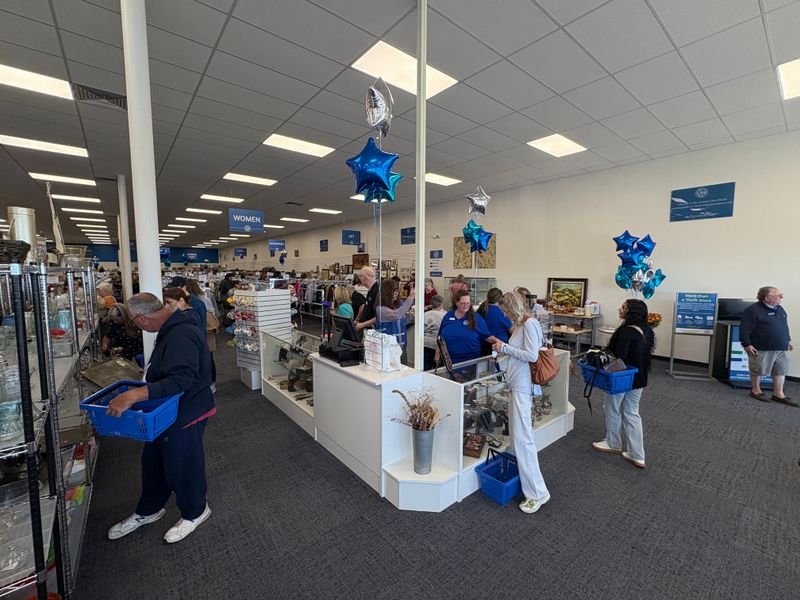
Revenue generated through sales funds the Society of St. Vincent de Paul’s charitable programs serving Los Angeles, Ventura, and Santa Barbara Counties. The organization operates beyond retail, providing assistance to individuals experiencing homelessness and families facing economic hardship.
Every purchase contributes directly to these community support initiatives, adding purpose beyond simple bargain hunting.
Donation acceptance remains central to operations, with the store relying on community contributions to maintain inventory levels. Pickup services accommodate larger furniture donations, though policies regarding acceptable items occasionally create confusion.
The organization’s website provides detailed information about donation guidelines and scheduling procedures for those unable to deliver items directly.
Staff interactions generally receive positive mentions in customer feedback, with employees helping locate specific items or explaining daily discount schedules. The mission-driven nature of operations attracts volunteers and employees who believe in the organization’s broader goals.
Shoppers who value supporting local nonprofits often prioritize this location over commercial resale chains, accepting that proceeds benefit community programs rather than corporate shareholders seeking profit maximization.
Hidden Gems Are Constantly Being Restocked
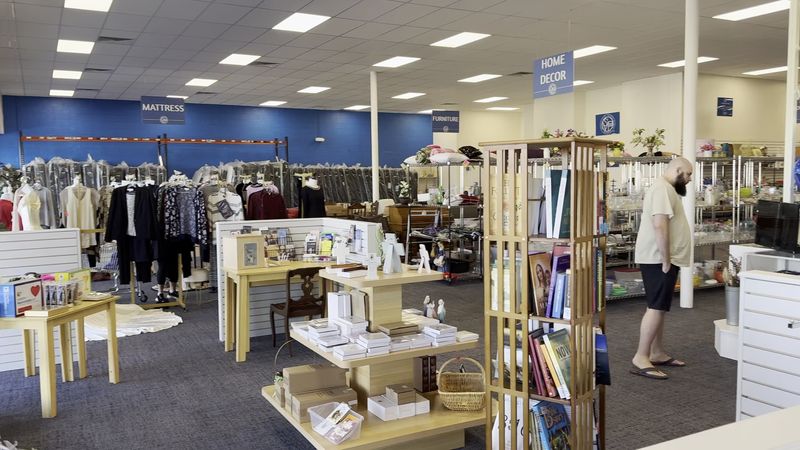
Inventory management happens in real time, with staff continuously processing donations and moving tagged items onto the sales floor throughout operating hours. This ongoing restocking means the store never looks identical from one visit to the next, creating incentive for frequent returns.
Shoppers who arrive during restocking periods gain first access to newly available merchandise before crowds pick through selections.
Specific categories receive attention from dedicated collectors who know which sections yield the best finds. Toy collectors scan shelves for vintage action figures and collectibles, though complaints arise when paper price stickers damage original packaging.
Book sections attract readers seeking specific titles or genres at discounted prices. Kitchen departments draw amateur chefs hunting for quality cookware and unique serving pieces.
The warehouse layout means items sometimes get misplaced or overlooked in wrong sections, creating opportunities for observant shoppers who thoroughly explore beyond obvious locations. A formal organizational system exists, but the sheer volume of merchandise and constant turnover means perfection remains elusive.
Dedicated hunters embrace the chaos as part of the experience rather than viewing disorganization as a deterrent to shopping.
Changing Inventory Keeps Shoppers Returning
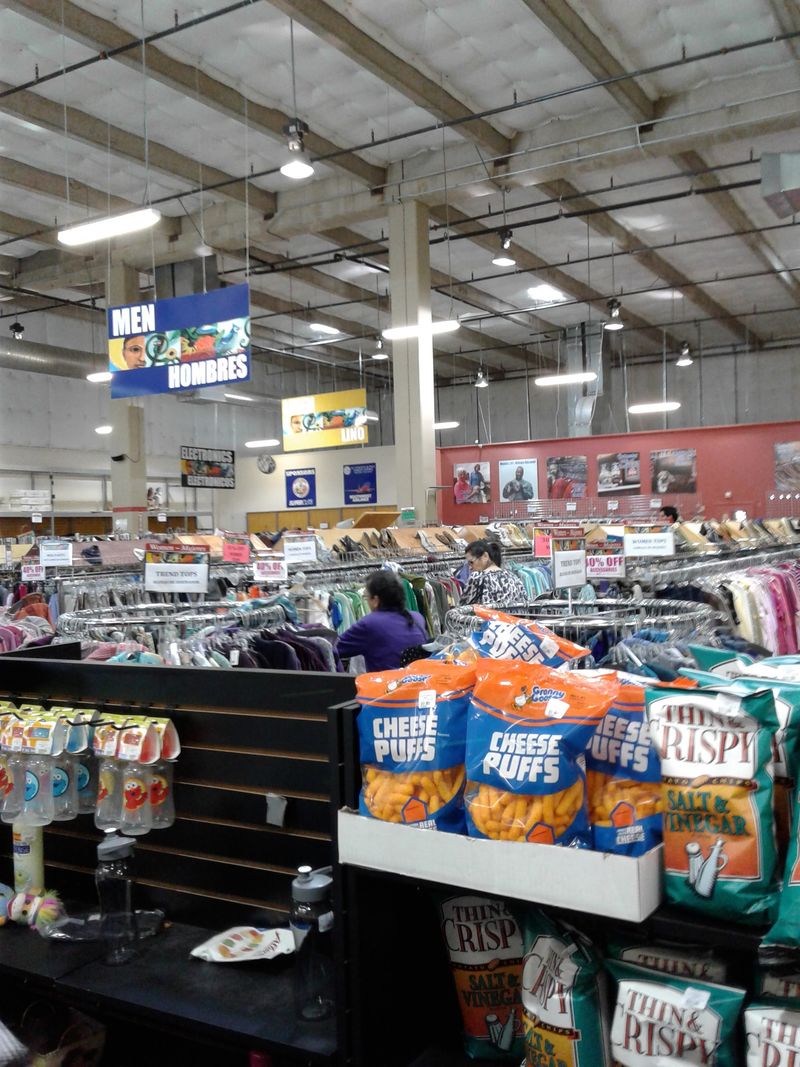
Repeat visits reveal completely different shopping experiences as inventory rotates based on donation patterns and sales velocity. Items that appeared prominently during one visit may disappear by the next, either purchased by other customers or relocated to different sections.
This unpredictability frustrates shoppers seeking specific items but thrills those who enjoy spontaneous discoveries.
Seasonal shifts influence available merchandise, with winter clothing appearing in larger quantities as temperatures drop and summer wardrobes cycling through during warmer months. Holiday decorations arrive well before actual celebrations, giving decorators time to accumulate supplies gradually.
Furniture turnover varies based on donation volume, with some weeks bringing abundant options while others offer limited selections.
The store implements color-coded tag systems that rotate daily discounts, encouraging shoppers to check signage upon entering to identify which tags qualify for markdowns. Flash sales occasionally offer deeper discounts on specific categories, though these promotions require following the store’s communication channels to catch announcements.
Strategic shoppers time visits around discount schedules to maximize savings on planned purchases while remaining open to unexpected finds regardless of pricing.
Treasure Hunters Often Spend Hours Exploring
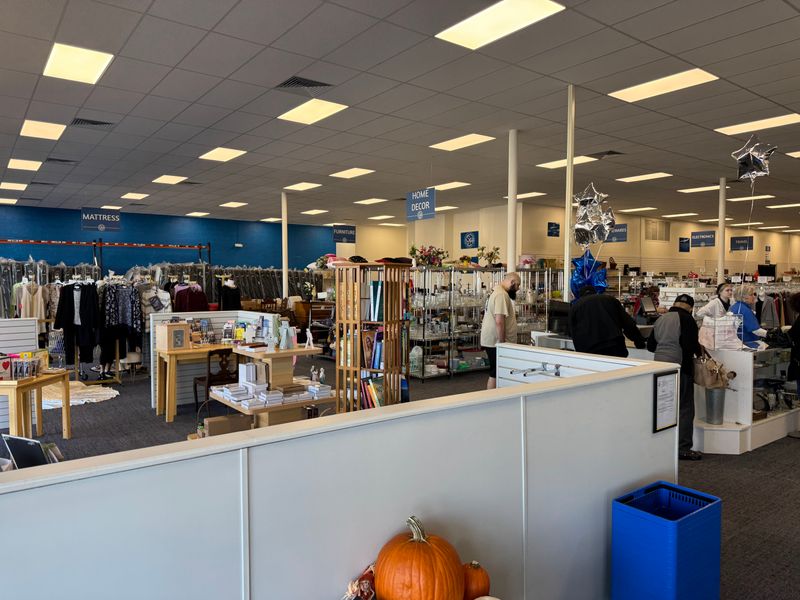
Time investment separates casual browsers from serious treasure hunters who approach thrift shopping as a deliberate activity requiring focus and stamina. Customer reviews frequently mention three-hour shopping sessions, with some visitors expressing surprise at how quickly time passes while exploring the sprawling space.
Comfortable footwear becomes essential equipment for marathon browsing sessions across concrete floors.
The warehouse scale means rushing through aisles virtually guarantees missing worthwhile items hidden among less desirable merchandise. Successful hunters develop systematic approaches, methodically working through sections rather than randomly wandering.
Some shoppers divide the store into zones, tackling one area per visit to avoid exhaustion and maintain attention to detail.
Bringing companions transforms shopping into social activity, with friends splitting up to cover more ground before reconvening to share discoveries. Families with children face challenges keeping younger shoppers engaged throughout extended visits, though toy sections provide temporary entertainment.
The store’s extended operating hours accommodate different schedules, allowing early birds to shop during quieter morning periods while night owls can browse until closing time approaches.
The Warehouse Layout Encourages Deep Browsing
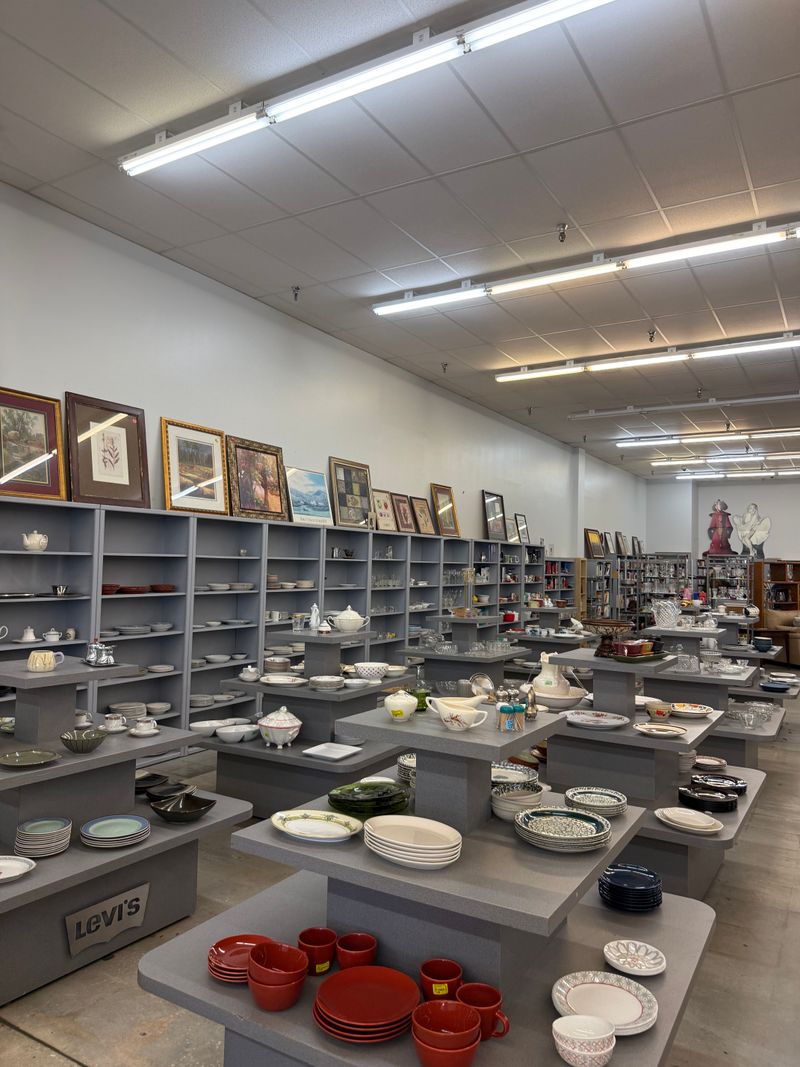
Industrial architecture defines the shopping environment, with high ceilings and open floor plans creating a utilitarian atmosphere focused on merchandise rather than aesthetic presentation. The warehouse approach maximizes usable space, allowing the organization to stock substantially more inventory than traditional retail configurations permit.
Fluorescent lighting illuminates aisles efficiently without creating the polished ambiance found in commercial stores.
Furniture displays occupy central areas where larger pieces can be viewed from multiple angles, while clothing racks line perimeter walls and create interior divisions between departments. The layout lacks the maze-like quality of some thrift operations, instead offering clear sightlines that help shoppers orient themselves and locate specific sections.
Signage hanging from ceiling structures identifies major categories, though smaller subcategories require exploration to discover.
The spacious configuration accommodates high traffic volumes without creating excessive crowding, even during peak weekend hours. Shopping carts navigate aisles comfortably, allowing customers to accumulate multiple items without juggling armloads of merchandise.
The practical design prioritizes function over fancy displays, keeping operational costs low and directing resources toward the organization’s charitable mission rather than expensive retail buildouts.
The Store Sits Near Popular LA Neighbourhood Attractions
The location at 210 N Ave 21 positions the store within reach of various Los Angeles neighborhoods, making it accessible for residents across multiple districts. The address falls in an area where industrial and residential zones intersect, providing adequate parking space that accommodates the steady stream of shoppers arriving throughout operating hours.
Public transportation options serve the area, though most visitors arrive by personal vehicle given the likelihood of purchasing bulky items.
Nearby neighborhoods contain diverse communities that contribute donations and patronize the store regularly, creating a reciprocal relationship between the organization and surrounding residents. The area’s character reflects working-class Los Angeles, with local businesses and residential streets forming the immediate surroundings.
This context aligns with the store’s mission of serving communities through affordable goods and charitable programs.
Visitors combining thrift shopping with other errands find the location convenient for multi-stop trips across Los Angeles. The store’s substantial size and inventory depth justify dedicated visits rather than quick drop-ins, though proximity to other destinations adds practical value for those planning efficient routes through the city.