
This Hidden California Waterfall Is A Local Favourite Few Travelers Know About
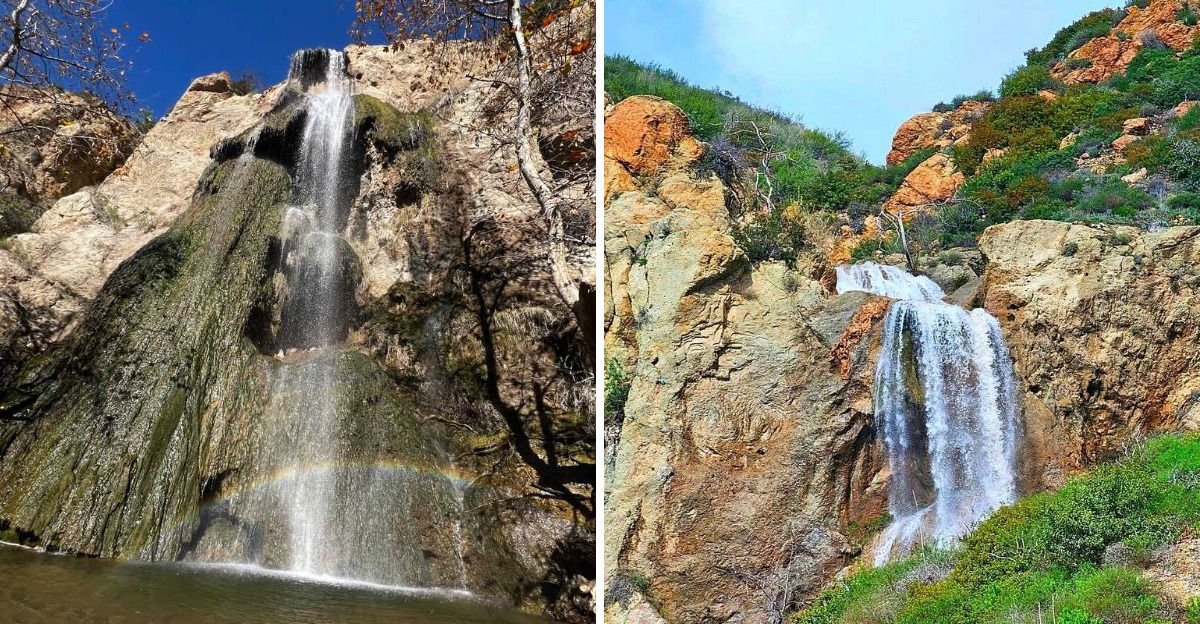
Malibu’s reputation centers on golden beaches and celebrity homes, but a short drive inland reveals something most visitors never discover. Escondido Falls sits tucked into a canyon where Pacific Coast Highway meets residential hillsides, offering a waterfall experience that feels worlds away from the coastal crowds.
The trail attracts locals who prefer creek crossings and shaded paths over sunbathing. It remains one of Southern California’s best-kept secrets despite its proximity to one of the state’s most famous stretches of coastline.
Escondido Falls Is One Of Southern California’s Tallest Waterfalls
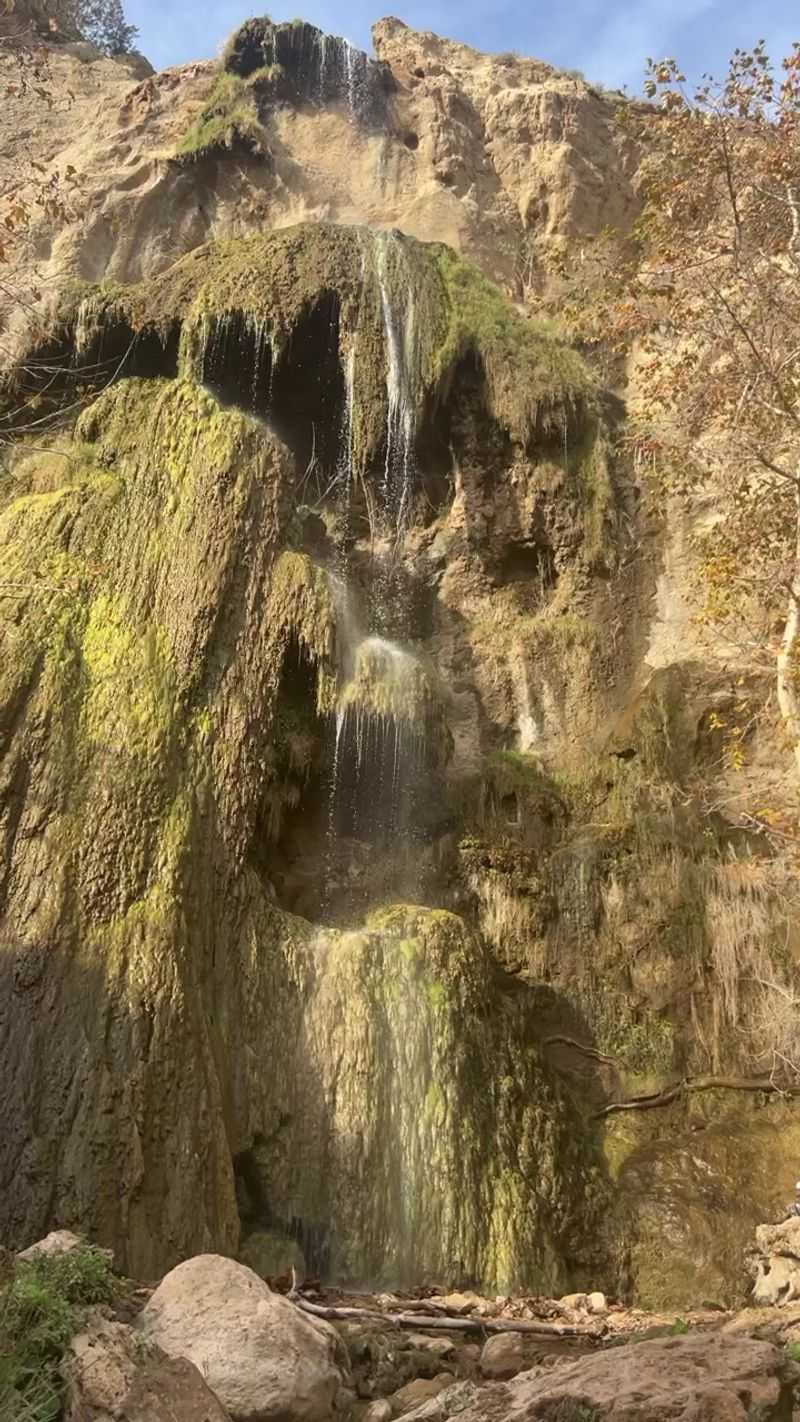
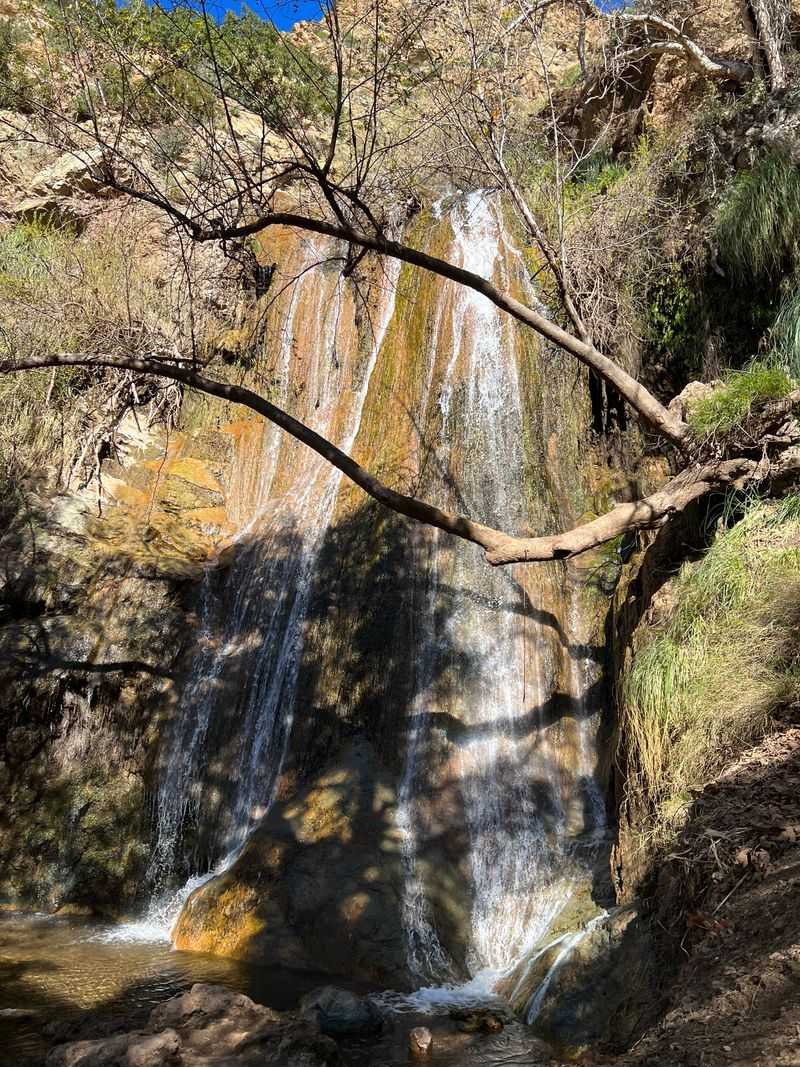
Height matters when you talk about waterfalls in a region not exactly famous for them. Escondido Falls measures roughly 150 feet from top to bottom when seasonal rains fill the canyon with runoff.
The drop splits into two distinct sections, with the lower portion visible from an easy trail and the upper tier requiring more effort to reach.
Southern California lacks the year-round water flow that defines waterfall regions in the Pacific Northwest or the Sierra Nevada. That makes Escondido Falls remarkable not just for its height but for its persistence through dry months.
Even in summer, a trickle often remains, though the real drama arrives after winter storms.
The falls sit within Escondido Canyon, a protected area managed by the Mountains Recreation and Conservation Authority. The location at 34.0431803, -118.7794824 places it firmly in Malibu territory, yet the environment feels distinctly different from the beach communities just minutes away.
Rock formations frame the water, and the sound of the cascade fills the narrow canyon space.
The Trail Winds Through A Quiet Malibu Canyon Setting
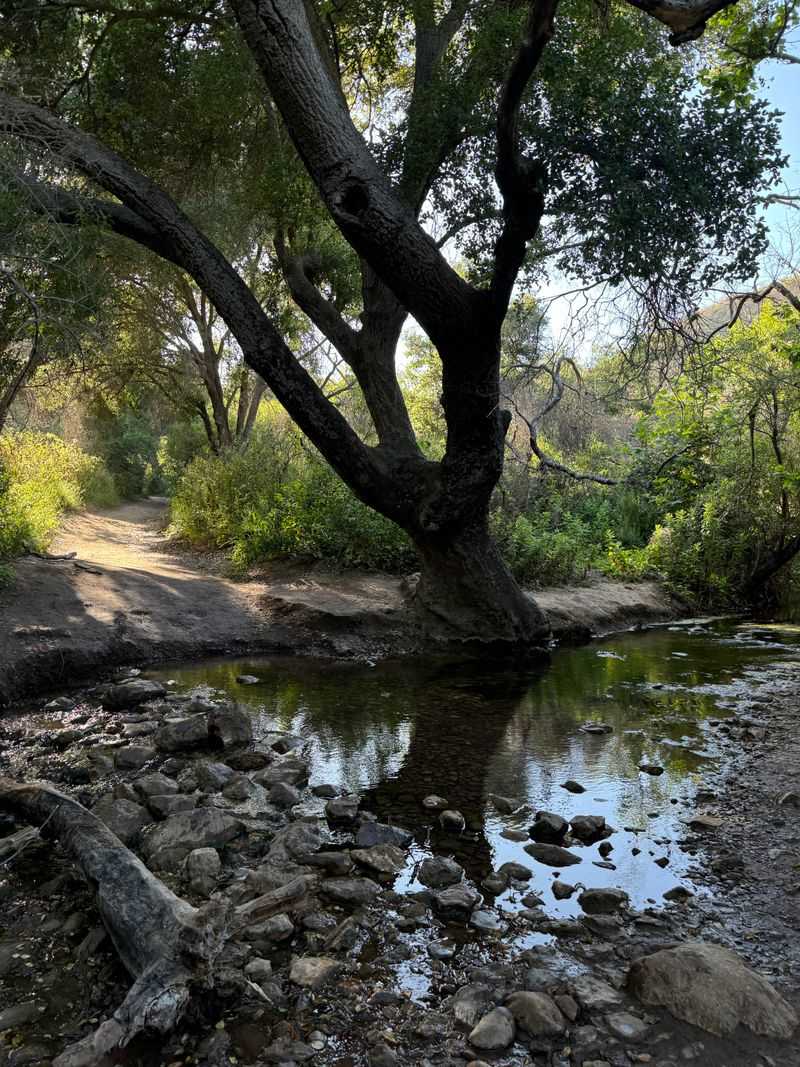
Canyon trails offer a particular kind of solitude that beach walks cannot match. The path to Escondido Falls begins near residential streets off Pacific Coast Highway, then descends into a corridor where sycamore and oak trees provide consistent shade.
Creek sounds replace traffic noise within minutes of leaving the trailhead.
The terrain shifts as you progress deeper into the canyon. What starts as a wide dirt road narrows to a single-track path that follows the natural contours of the landscape.
Five small stream crossings punctuate the route, each requiring a bit of attention to keep your feet dry, though most hikers simply wade through when water levels rise.
Wildlife sightings happen regularly here. Birds occupy the tree canopy, and the occasional snake sunbathes on rocks near the water.
The canyon environment creates microclimates that support plant species not typically found along the coast, giving the hike a surprising botanical diversity that changes with elevation and sun exposure throughout the day.
Seasonal Rainfall Transforms The Waterfall Into A Dramatic Cascade
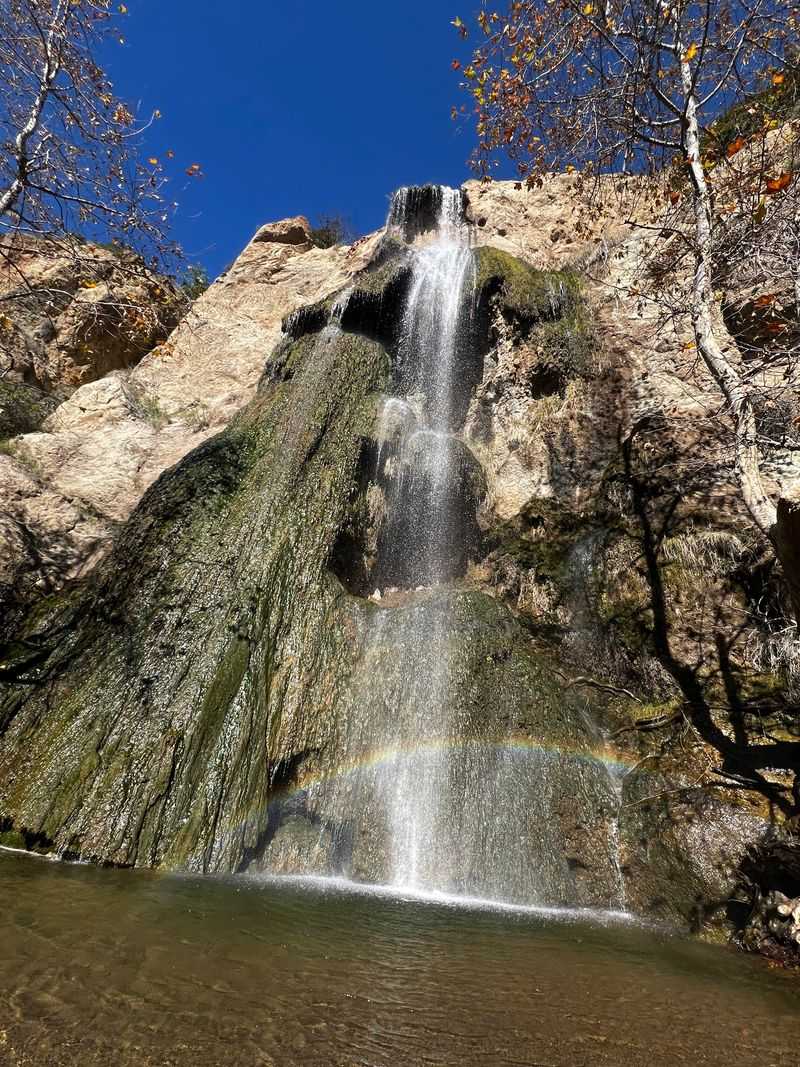
Timing determines everything when you visit seasonal waterfalls. Escondido Falls operates on a schedule dictated by rainfall patterns, with peak flow occurring between December and April when Pacific storms dump moisture across the Santa Monica Mountains.
During these months, the waterfall roars with volume that can be heard from hundreds of feet away.
Summer and fall present a different scene entirely. The cascade diminishes to a modest trickle or occasionally dries up completely, leaving only damp rock faces as evidence of the winter spectacle.
This dramatic seasonal variation frustrates some visitors who arrive expecting the powerful flows seen in online photos taken during wet months.
Recent reviews from January 2026 confirm strong water flow following winter rains, with multiple visitors describing the falls as impressive and worth the trek. The transformation from dry season to wet season happens quickly once storms arrive, often within days of significant rainfall.
Checking recent visitor reports before heading out saves disappointment.
The Hike Combines Easy Paths With A More Adventurous Final Climb
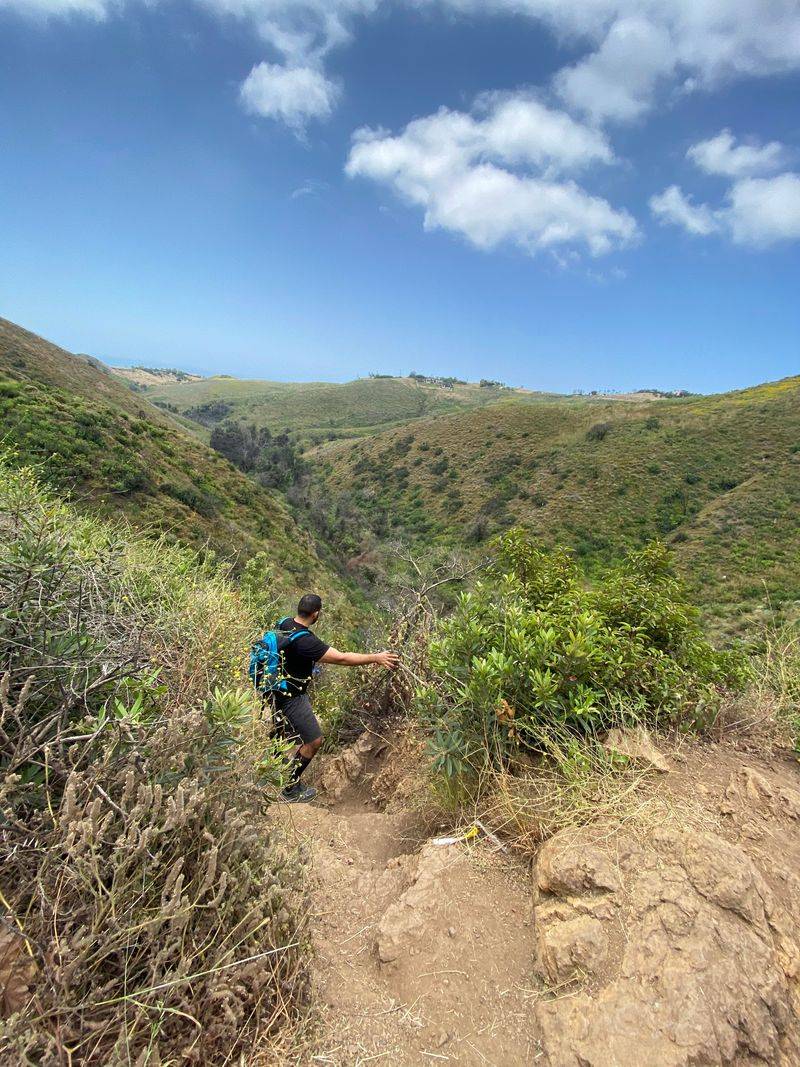
The lower waterfall sits at the end of a relatively gentle trail suitable for families and casual hikers. This section covers roughly 1.8 miles one way with about 500 feet of elevation gain, most of it gradual enough to maintain conversation while walking.
The path quality remains good, with clear markers and enough foot traffic to keep vegetation from encroaching.
Reaching the upper falls requires a different commitment. Beyond the lower viewing area, the trail becomes steep and poorly maintained, with sections demanding hands-on scrambling over rocks and roots.
Some hikers mention using a rope to assist with the climb, though no fixed equipment exists on site.
The difficulty jump catches many visitors by surprise. Families with young children typically stop at the lower falls, while more adventurous hikers push on to see the taller upper cascade.
The final approach involves navigating slippery rocks and exposed sections where careful footing becomes essential. Most estimates place the additional climb at 10 to 15 minutes beyond the lower falls.
Locals Treasure The Falls As A Break From Malibu’s Busy Beaches
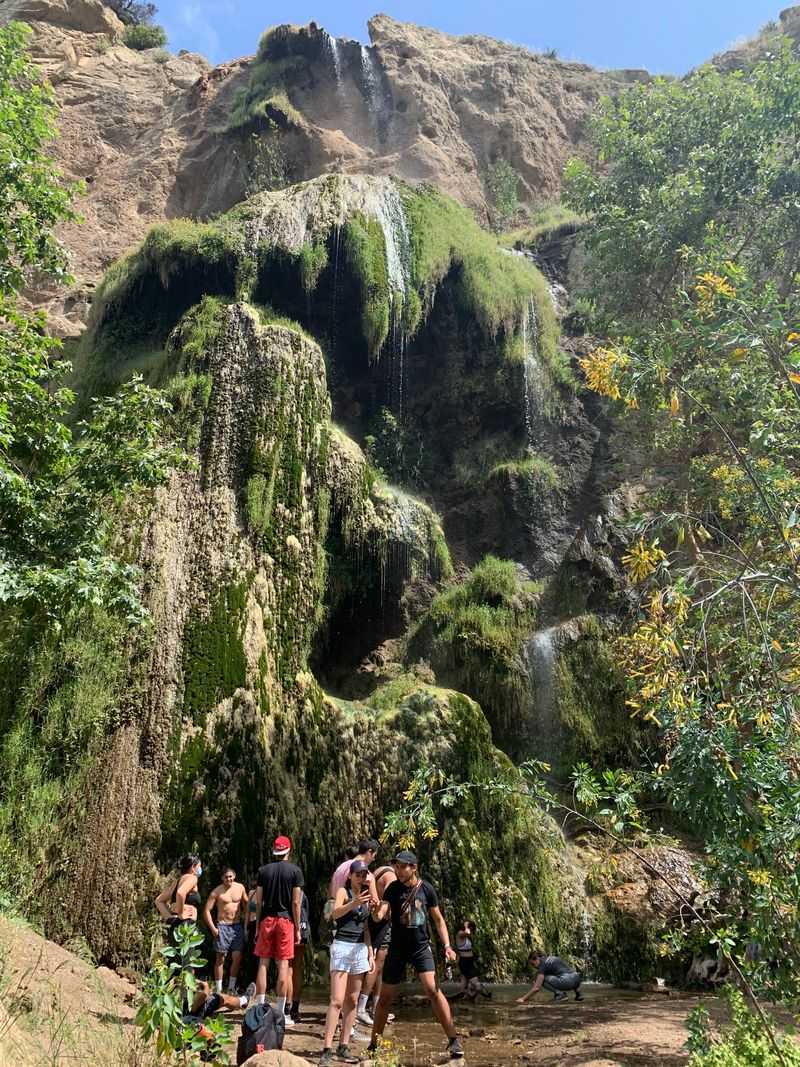
Malibu’s beaches draw massive crowds year-round, with parking lots filling before noon on weekends and summer days. Locals seeking respite from the coastal chaos often head inland to trails like Escondido Falls, where visitor numbers remain more manageable despite growing popularity.
The canyon environment provides psychological distance from the beach scene, even though the ocean sits less than three miles away.
This preference for mountain over beach reflects a particular California mindset. Some residents tire of sand, sunscreen, and the effort required to claim a decent spot on crowded shores.
The waterfall offers an alternative that feels more connected to wilderness, with shade, running water, and terrain that discourages the less motivated from making the trek.
Recent reviews mention increased crowding since the trail reopened after fire closures, with some visitors expressing frustration at the popularity. Still, even on busy days, the falls typically see fewer people than nearby beach access points.
Early morning visits remain the best strategy for those seeking solitude.
The Lower Falls Offer A Scenic Rest Stop For Casual Hikers
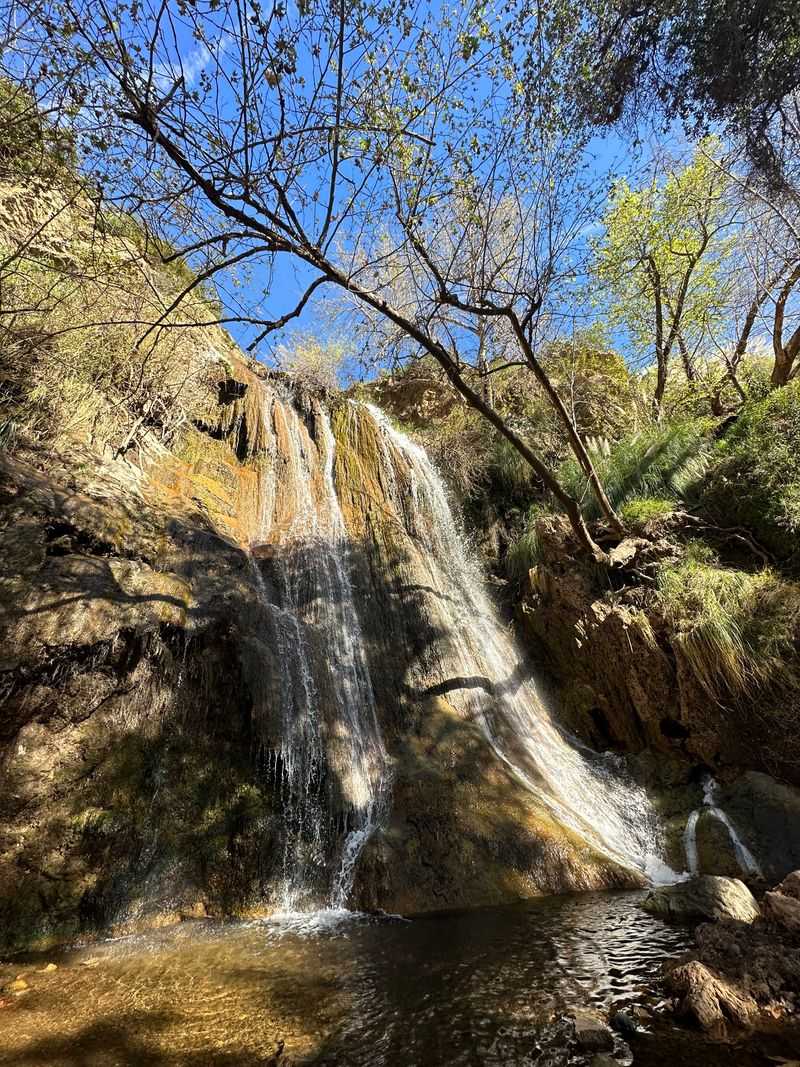
Casual hikers appreciate destinations that deliver scenery without excessive difficulty. The lower section of Escondido Falls meets this criteria perfectly, providing a worthwhile payoff after a manageable walk.
A bench positioned near the viewing area allows visitors to sit and absorb the scene, making it a natural turnaround point for those not interested in the steeper upper climb.
The lower falls typically measure 50 feet in height, forming a single drop that creates a small pool at its base. During peak flow, mist from the cascade reaches the viewing area, and the sound of falling water dominates the space.
The setting feels intimate rather than grand, with rock walls rising on both sides of the narrow canyon.
Many families treat this spot as their primary destination. Children enjoy exploring the creek and rocks around the falls base, and the relatively short hike makes it feasible for younger legs.
The area sees enough traffic that it rarely feels isolated, but the natural acoustics and vegetation create a sense of separation from the outside world.
The Upper Falls Reward Determined Visitors With Bigger Views
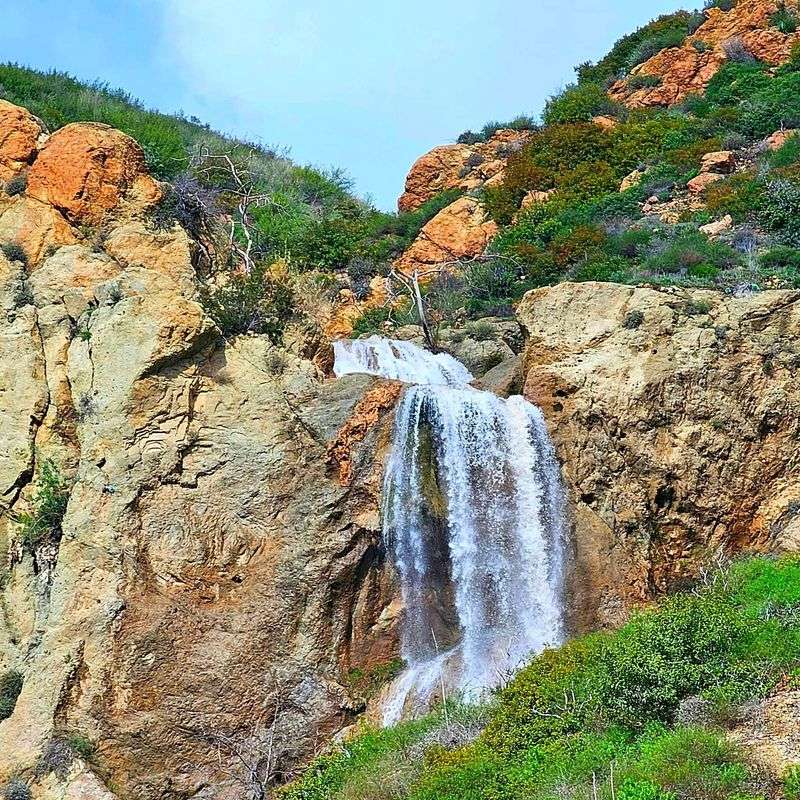
Determination pays dividends at Escondido Falls. Hikers willing to tackle the steep, sometimes treacherous path beyond the lower viewing area discover the more impressive upper cascade, which accounts for most of the waterfall’s total height.
The climb requires scrambling, careful foot placement, and occasionally grabbing onto rocks or vegetation for stability.
The upper falls deliver visual impact that justifies the effort. Water drops from a much greater height here, creating a more dramatic display during wet months.
The viewing area sits closer to the cascade than at the lower section, intensifying the experience. Some visitors describe feeling the spray and hearing the roar of water with particular intensity at this location.
Not everyone attempts this section. Reviews consistently mention the difficulty increase, with some hikers turning back after assessing the terrain.
Those who do make it up often express satisfaction at having pushed through the challenging bits. The upper falls remain less crowded than the lower section simply because fewer people commit to the climb.
The Trailhead Sits Near Residential Malibu Neighbourhoods
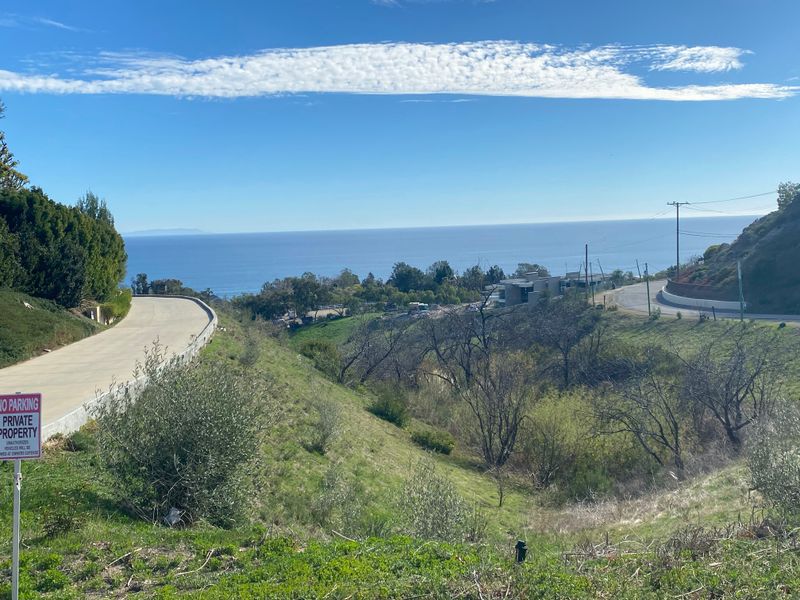
Wealth and wilderness collide at the Escondido Falls trailhead. The route begins along Winding Way, a residential street lined with multimillion-dollar homes that command ocean and canyon views.
Hikers walk through this neighborhood for roughly a mile before reaching the actual trail, creating an unusual transition from luxury real estate to natural landscape.
The juxtaposition strikes many visitors as odd. Reviews frequently mention the impressive mansions encountered during the initial approach, with some people spending as much time gawking at houses as they do admiring scenery.
This residential section also accounts for the paved uphill walk that several reviewers describe as the hardest part of the entire outing.
Parking presents ongoing challenges here. A small paid lot at 27751 Pacific Coast Highway charges $12 and fills quickly on popular days.
Free street parking exists along Pacific Coast Highway, but enforcement is aggressive, with multiple reviews warning about tickets. Reading signs carefully becomes essential for anyone hoping to avoid fines.
The trailhead location at Escondido Canyon Trail, Malibu, CA 90265 sits just off the highway.
Springtime Brings Lush Greenery And Wildflower Scenery
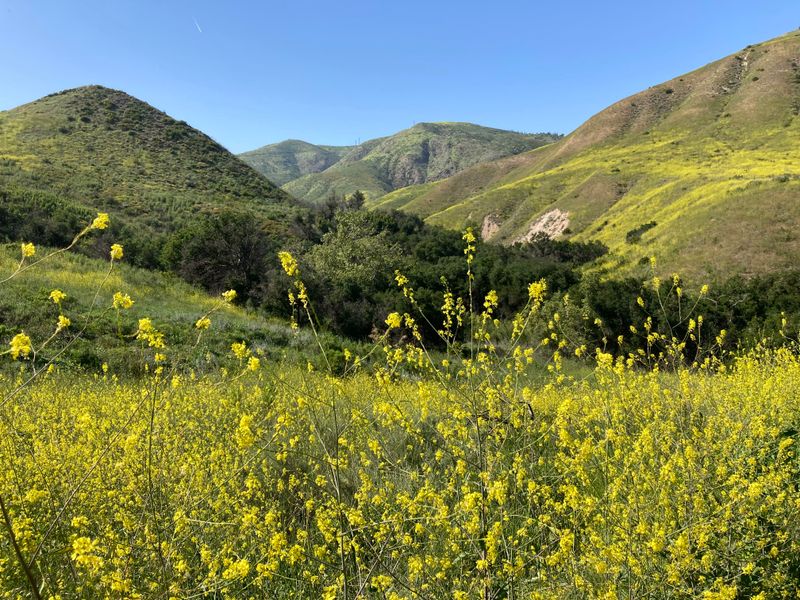
Spring transforms the Santa Monica Mountains into their most photogenic state. Escondido Canyon benefits particularly from this seasonal shift, with winter rains triggering an explosion of plant growth and wildflower blooms that peak between March and May.
The normally brown hillsides turn green, and splashes of color appear along the trail from various flowering species.
The combination of flowing water and fresh vegetation creates ideal hiking conditions. Temperatures remain moderate in spring, avoiding the summer heat that can make exposed sections of the trail uncomfortable.
The creek crossings become more substantial during this period, adding an element of adventure without becoming dangerous for most visitors.
Photographers favor spring visits for obvious reasons. The enhanced colors and active waterfall provide better visual material than the drier months.
Wildlife activity also increases during spring, with birds nesting and other animals taking advantage of abundant water sources. The canyon feels alive in ways that summer and fall cannot match, making timing your visit around spring rains a smart strategy.
Early Morning Visits Offer The Most Peaceful Experience
Crowds have discovered Escondido Falls, particularly since the trail reopened after fire closures. What was once a relatively quiet local secret now sees significant weekend traffic, with parking challenges and trail congestion becoming common complaints in recent reviews.
Early morning arrivals sidestep most of these issues, offering a more serene experience.
Starting at sunrise or shortly after provides multiple advantages. The parking lot rarely fills before 9 a.m., and the trail remains relatively empty during the first hours of daylight.
Morning light in the canyon creates different photographic opportunities, and temperatures stay cooler for the uphill sections. Wildlife sightings also occur more frequently before human activity increases.
Several reviewers specifically recommend early starts to avoid crowds. One visitor noted arriving at 9 a.m. on a Saturday and finding parking available, while others describe midday scenes with bottlenecks at stream crossings and the waterfall viewing area.
The difference between a 7 a.m. start and a noon arrival can be substantial in terms of overall experience quality and parking stress.