
Why This Peaceful Mississippi River Town Is Ideal For Slow Travellers
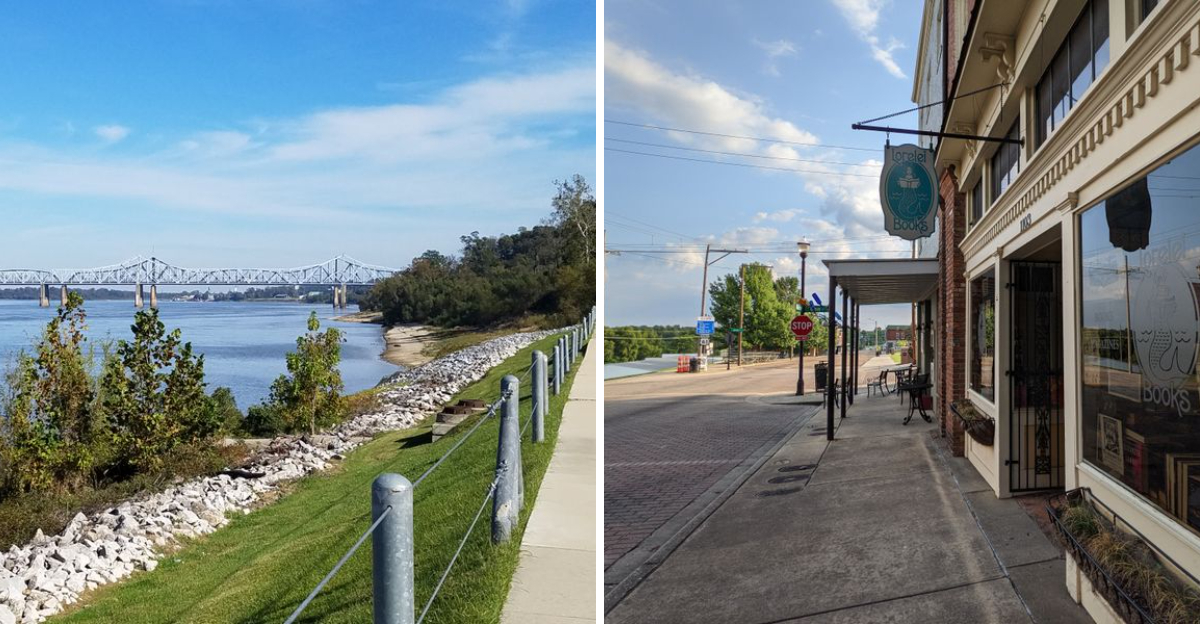
Blink and you’ll miss it, and that would be a mistake. Vicksburg stretches along the Mississippi River at its own unhurried rhythm, inviting you to match its pace instead of racing past.
This western Mississippi city holds layers of history, yet it never feels overwhelming or sombre. Bluff-top views open wide over the water, and quiet riverfront paths make it easy to wander without an agenda.
Stay a little longer than planned and you’ll notice something special, Vicksburg isn’t about ticking sights off a list, it’s about actually taking them in.
Perched High Above The Mississippi River With Sweeping Bluff Views
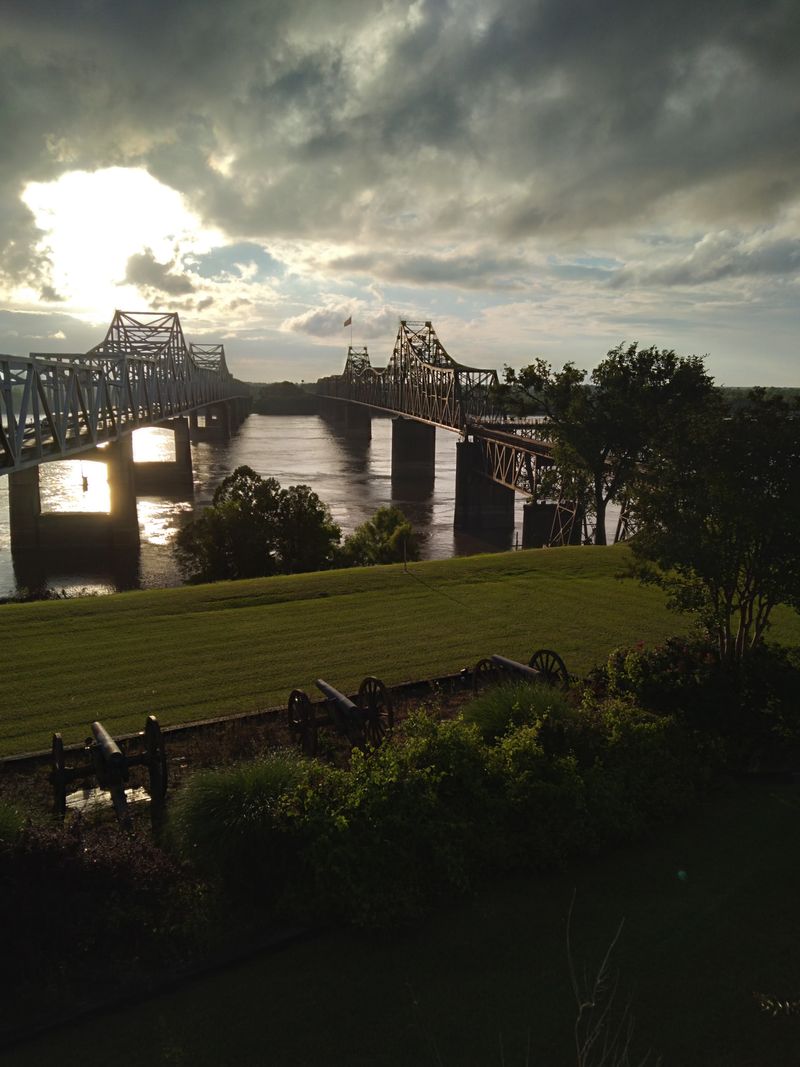
Vicksburg commands a natural advantage over the river below, built atop a series of bluffs that provide views most cities would charge admission to see. Standing at these elevated points, you watch the Mississippi curve and bend with a power that seems both ancient and immediate.
The river moves slowly here, wide and patient, carrying barges and occasional riverboats that look small against the water’s expanse.
Several overlooks throughout town offer different perspectives on this same scene. Some face north where the river bends sharply, others look south toward Louisiana, and each provides a reminder of why this location mattered so much during the Civil War.
The strategic importance becomes obvious when you stand where soldiers once stood, though today the cannons point at nothing more threatening than a beautiful sunset.
Early morning brings fog that rises from the water and softens the landscape into something dreamlike. Late afternoon light turns the river gold, and evening settles in with colors that make you understand why people used to measure time by the sun rather than by their phones.
Home To Vicksburg National Military Park And Miles Of Scenic Drives
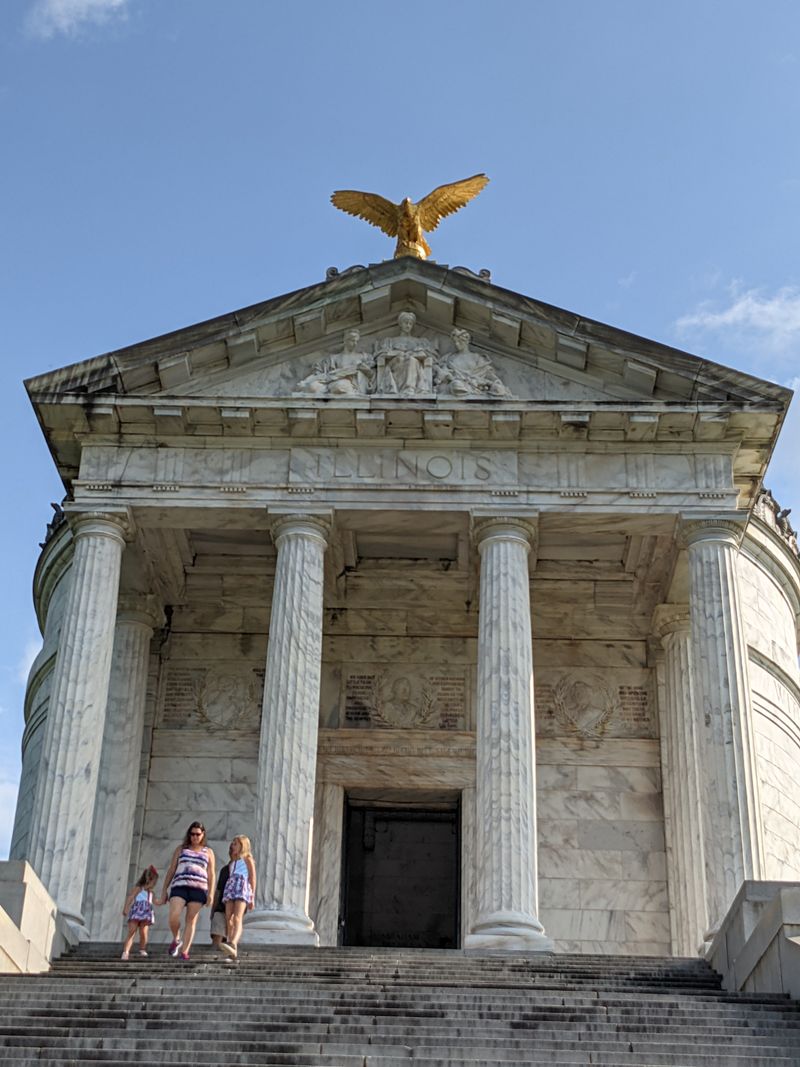
The national military park stretches across 1,800 acres of carefully preserved land where one of the Civil War’s most decisive battles unfolded over 47 days in 1863. More than 1,300 monuments and markers dot the landscape, each telling part of a larger story about siege warfare, determination, and ultimate surrender.
Driving the 16-mile tour route takes you through terrain that still shows the contours soldiers navigated, past earthworks and trenches that remain visible after more than 150 years.
What makes this park different from other historical sites is how the landscape itself becomes part of the narrative. The rolling hills, the dense woods, the open fields where men charged and fell—all of it remains largely unchanged.
You can park at various stops, walk the ground, and read the interpretive signs without feeling rushed or crowded.
The restored USS Cairo, a Union ironclad gunboat raised from the Yazoo River, sits in its own pavilion within the park. The vessel sank in 1862 and spent a century underwater before recovery, and now you can walk around its hull and imagine the men who operated it under constant threat.
A Walkable Historic Downtown Filled With Brick Streets And Local Shops
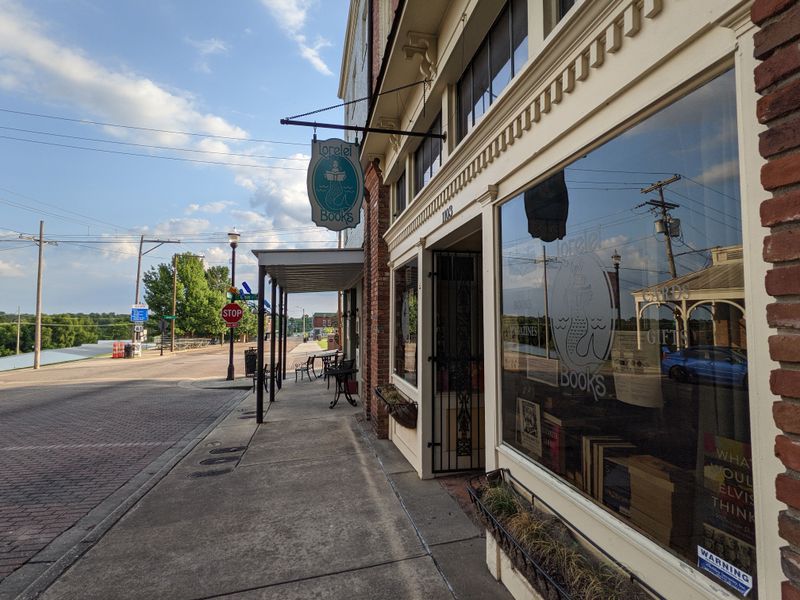
Downtown Vicksburg occupies a compact grid of streets where brick pavement and cast-iron storefronts create an atmosphere that feels deliberately preserved rather than artificially recreated. Washington Street serves as the main corridor, lined with shops selling antiques, regional art, handmade goods, and the kind of items you didn’t know you wanted until you saw them displayed in a window.
The buildings themselves date from the 1800s, many restored after years of neglect, now housing businesses that understand their role in maintaining the town’s character.
Walking these streets doesn’t require a map or much planning. The downtown area spans only a few blocks in each direction, making it easy to explore on foot without feeling like you’re covering miles.
Small cafes and restaurants appear between retail shops, offering places to rest and watch people pass by at a pace that matches the town’s overall rhythm.
Several murals painted on building sides add visual interest without overwhelming the historic architecture. These artworks depict scenes from Vicksburg’s past, created by local and visiting artists who worked with the community to decide what stories deserved permanent display on public walls.
Riverfront Murals That Tell The Story Of The City’s Past
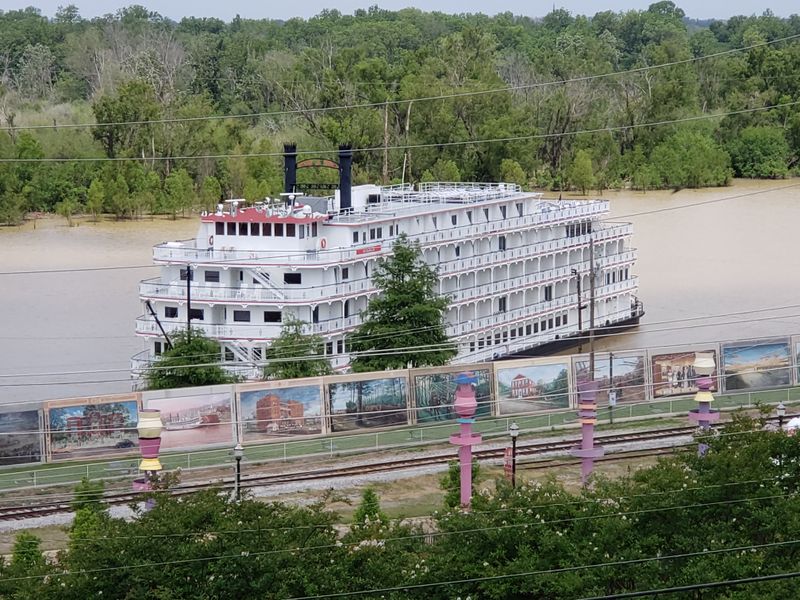
Along the Yazoo Diversion Canal, a series of murals transforms what could have been blank concrete walls into an outdoor gallery chronicling Vicksburg’s evolution from Native American settlement to Civil War battleground to modern river town. The Vicksburg Riverfront Murals project began in the 1990s and continues to expand, with each panel measuring roughly 12 by 18 feet and depicting a specific moment or theme from local history.
Artists worked from historical photographs, documents, and oral histories to ensure accuracy while maintaining artistic vision.
You can walk the entire mural route in about an hour, though most people take longer, stopping to read the accompanying plaques that provide context for each scene. The paintings show riverboats loading cotton, soldiers marching through streets, floods that devastated the town, and celebrations marking various milestones.
Some panels honor specific individuals who shaped Vicksburg’s development, while others capture the collective experience of communities that called this place home.
The location along the canal means you can combine mural viewing with a riverside walk, and benches placed at intervals encourage sitting and contemplating what you’re seeing rather than rushing past.
Quiet Riverside Walks Along Levee Street And The Yazoo Diversion Canal
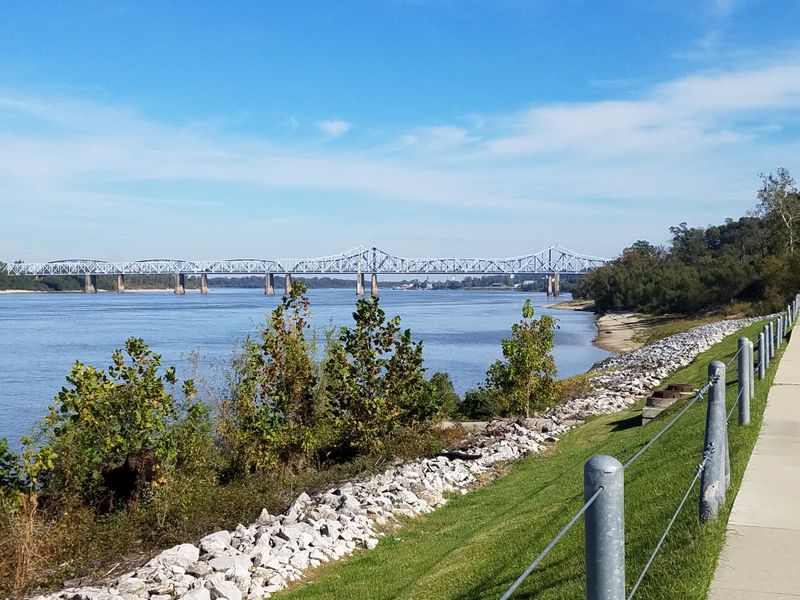
Levee Street runs parallel to the Yazoo Diversion Canal, a waterway engineered to redirect the Yazoo River and prevent the flooding that once plagued Vicksburg. Today this canal serves as a recreational corridor where walkers, joggers, and cyclists share a paved path that extends for miles with minimal interruption.
The route stays flat and easy, suitable for any fitness level, and traffic noise fades quickly once you’re a few blocks from downtown.
Trees line sections of the path, offering shade during warmer months, and the canal itself attracts waterfowl that seem unconcerned by human presence. Great blue herons fish along the banks, turtles sun themselves on logs, and occasionally you’ll spot an alligator, though they tend to keep their distance.
The path connects several of the riverfront murals, making it possible to combine art viewing with exercise.
Benches appear regularly along the route, and small parks branch off at intervals, providing spots to sit and watch the water. Early morning brings local residents walking dogs and greeting each other by name, while late afternoon attracts people finishing work and decompressing before heading home.
Historic Homes And Bed-And-Breakfasts That Encourage Lingering
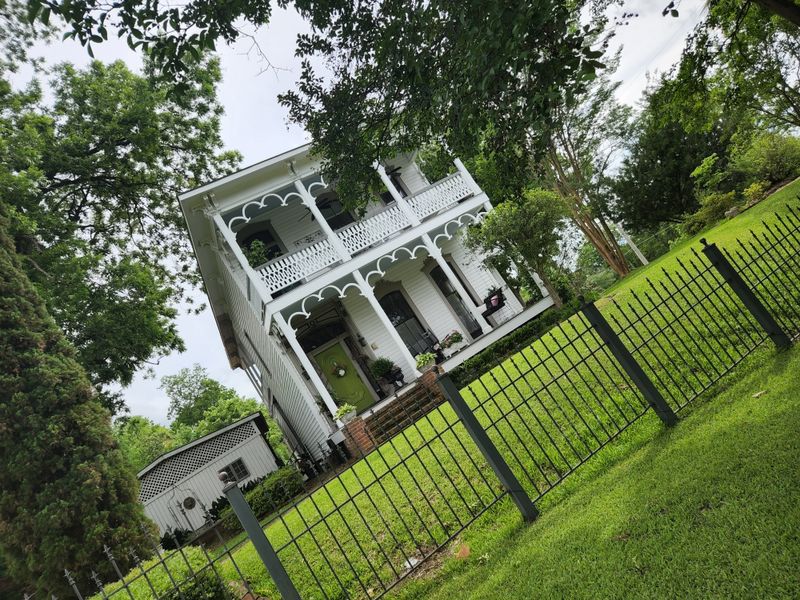
Vicksburg preserves dozens of antebellum and Victorian homes, many converted into bed-and-breakfasts that offer accommodations with considerably more character than standard hotels. These houses survived the Civil War siege, subsequent economic changes, and various natural disasters, and their continued existence represents deliberate choices by owners who valued preservation over easier profits from demolition.
Staying in one of these properties means sleeping in rooms with 12-foot ceilings, original hardwood floors, and furniture that predates your grandparents.
The bed-and-breakfast model encourages a slower pace than typical lodging. Breakfast becomes a social event where guests gather around a dining table, share travel stories, and receive recommendations from hosts who actually live in town and know which restaurants to visit on which nights.
Many of these homes offer front porches with rocking chairs positioned to catch evening breezes, and sitting there with a book or drink feels like participating in a tradition that extends back generations.
Several properties provide tours of their homes, explaining architectural details, showing bullet holes from the siege, and sharing stories about previous occupants. This adds historical context to your stay without requiring museum visits or formal tours.
The Old Courthouse Museum Offers A Deep Dive Into Local History
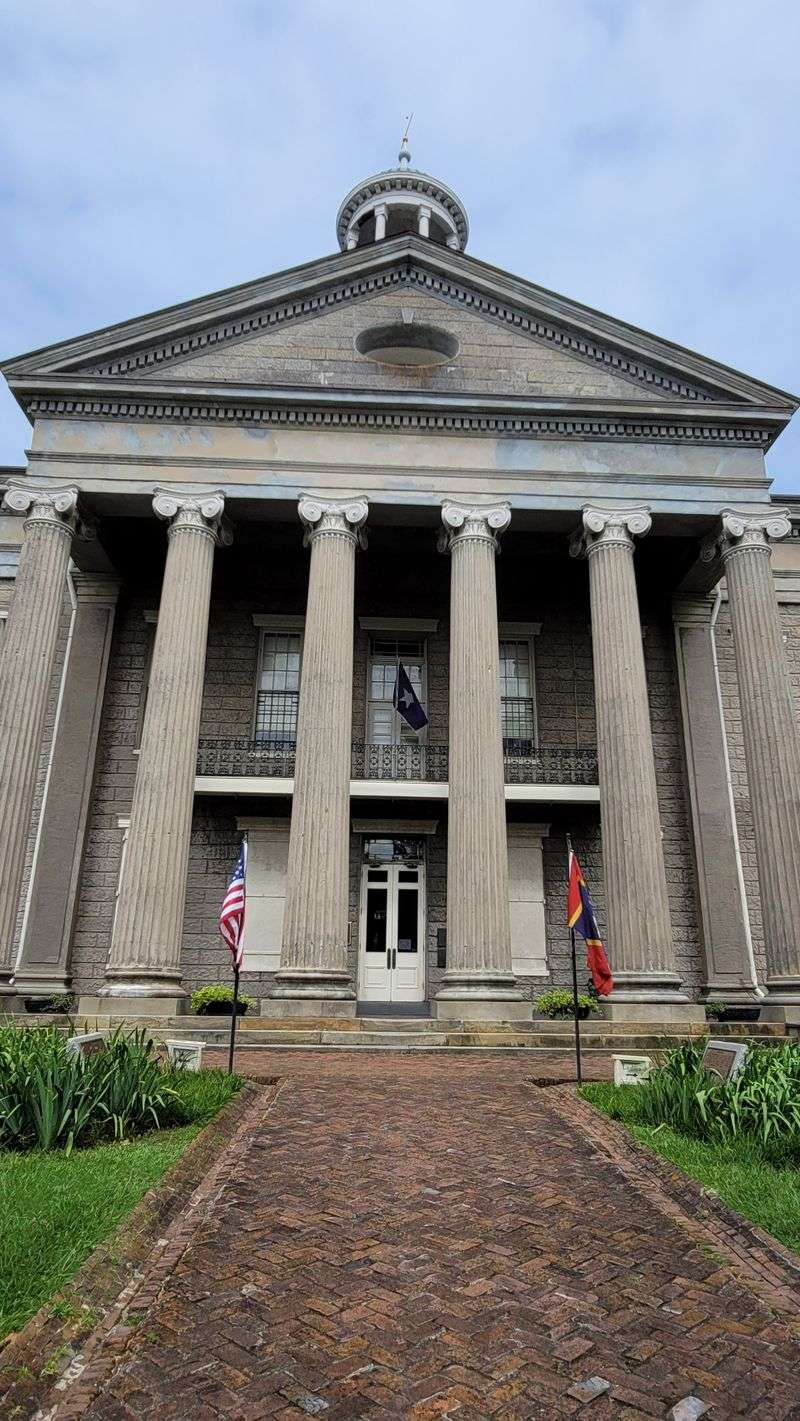
The Old Courthouse stands at 1008 Cherry Street, a Greek Revival structure completed in 1858 that served as Warren County’s courthouse until 1939. The building now functions as a museum displaying artifacts from Vicksburg’s past, organized across multiple floors that cover everything from prehistoric Native American settlements to Civil War battles to 20th-century river commerce.
The collection includes weapons, clothing, furniture, photographs, and documents that together create a comprehensive picture of how people lived, worked, and died in this particular place.
What distinguishes this museum from others is its willingness to present complicated history without sanitizing difficult subjects. Exhibits address slavery, the brutality of siege warfare, and the economic devastation that followed Confederate defeat with honesty that respects visitors enough to trust them with accurate information.
The building itself carries scars from the Civil War, including damage from Union artillery that remains visible in exterior walls.
Guided tours run regularly, led by staff who know the collection thoroughly and can answer detailed questions about specific items or broader historical patterns. The museum’s location in downtown Vicksburg makes it easy to visit between other activities without requiring special trips or extensive planning.
Sunset Views Over The Mississippi That Slow The Pace Naturally
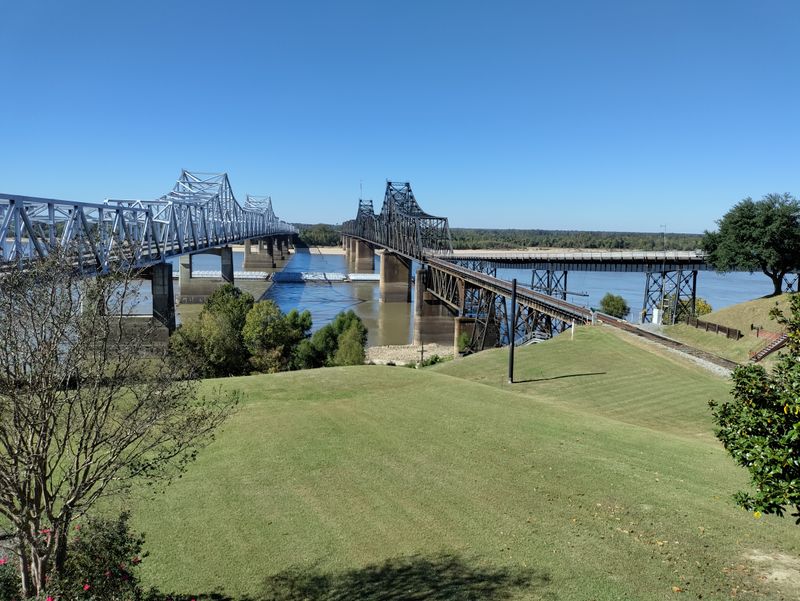
Watching the sun set over the Mississippi River from Vicksburg’s elevated vantage points creates a daily ritual that many visitors find themselves repeating throughout their stay. The river runs roughly north-south here, so sunset light hits the water at an angle that produces reflections and color shifts difficult to capture in photographs but easy to remember long after leaving.
The width of the river means the sky dominates the view, and clouds moving across that expanse create constantly changing light conditions.
Several spots around town offer excellent sunset viewing. The bluffs near the national military park provide unobstructed views, while downtown locations along the waterfront put you closer to the river’s surface.
Some bed-and-breakfasts position chairs on upper-floor balconies specifically for sunset watching, understanding that guests will want this experience.
The ritual of sunset viewing naturally slows your pace. You arrive early to claim a good spot, settle in, and wait.
Conversation quiets as the light intensifies, and for perhaps 20 minutes, everyone watches the same show. Afterward, the transition to evening feels earned rather than abrupt, and dinner tastes better for having taken this pause.
Small Museums, Galleries And Antique Shops Perfect For Unhurried Browsing
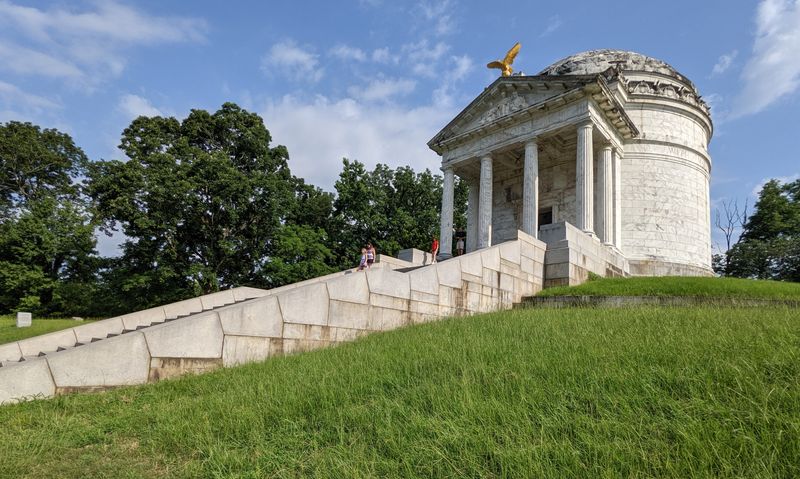
Beyond the major historical sites, Vicksburg supports a collection of smaller museums and specialty shops that reward unhurried exploration. The Lower Mississippi River Museum and Interpretive Center focuses on the river itself, explaining how it shaped regional development, commerce, and daily life through interactive exhibits and aquariums displaying native fish species.
The Biedenharn Coca-Cola Museum occupies the building where Coca-Cola was first bottled in 1894, showing how a local candy store owner’s innovation changed beverage distribution forever.
Antique shops cluster in downtown blocks, each specializing in different eras or types of items. Some focus on Civil War memorabilia, others on Victorian furniture, and still others on mid-century modern pieces that appeal to younger collectors.
Browsing these shops doesn’t require any intention to buy; owners generally welcome lookers who handle items carefully and ask informed questions.
Art galleries showcase work by regional artists, many depicting Mississippi River scenes, local architecture, or wildlife common to the area. These galleries rotate exhibits regularly, and opening receptions provide opportunities to meet artists and other visitors who share interest in regional culture.
The scale of these venues keeps crowds manageable and allows actual conversation rather than just viewing.
A Compact Town Layout That Makes It Easy To Explore Without Rushing
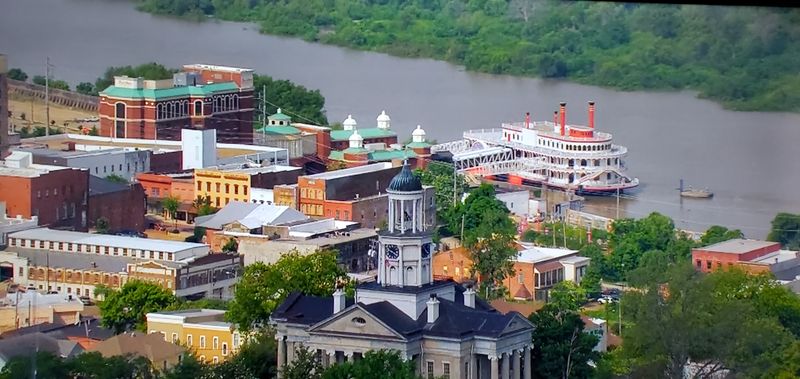
Vicksburg’s physical layout naturally encourages slow travel by keeping major attractions within walking distance of each other. Downtown occupies a small footprint, the national military park begins just outside the central business district, and riverfront areas connect through short drives or moderate walks.
This compact arrangement means you’re never rushing from one distant location to another, never fighting traffic to reach the next item on your itinerary, and never feeling like you’re wasting time in transit.
The town’s size also means you can revisit places easily. If a particular overlook catches your attention on day one, returning the next morning for different light requires minimal effort.
Restaurants you enjoyed become familiar spots rather than one-time experiences, and shopkeepers start recognizing you after a couple visits. This familiarity breeds comfort, and comfort allows you to relax into the experience rather than maintaining the heightened alertness required in larger, more complicated destinations.
Parking rarely presents challenges, sidewalks remain uncrowded, and the general absence of tourist infrastructure built for massive crowds means Vicksburg retains the feel of a functioning town rather than a theme park designed around visitor convenience.