
The Pennsylvania Restaurant Where Supper Sells Out Night After Night
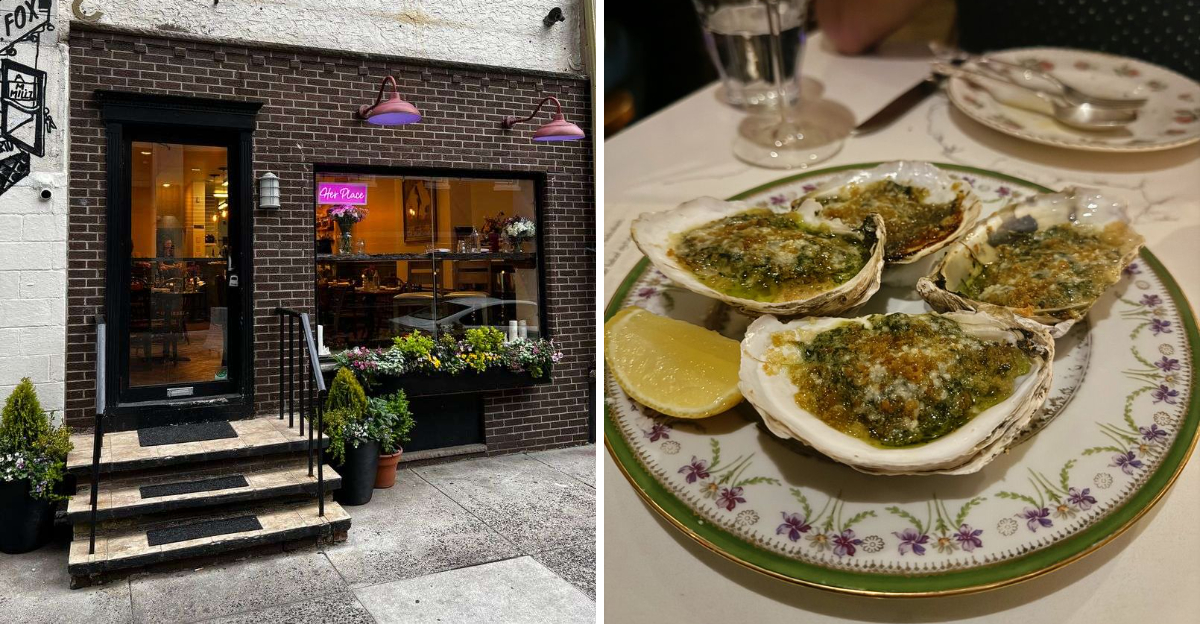
Philadelphia has plenty of restaurants, but only one makes diners set alarms and refresh browsers at the exact moment reservations drop. Her Place Supper Club operates Monday through Friday with just 26 seats and two seatings each night, creating a dining experience so coveted that tables vanish within minutes of becoming available.
Chef Amanda Shulman runs this intimate French-inspired supper club at 1740 Sansom Street, where the menu changes every three weeks and walk-ins simply do not exist. Since earning recognition from the MICHELIN Guide, securing a spot has become even more competitive, turning dinner here into one of Philadelphia’s most sought-after culinary adventures.
1. The Monthly Reservation Drop That Disappears In Minutes
Securing a table requires strategy, speed, and often a backup plan. Reservations open in two-week blocks on Sunday evenings, and the competition feels more like concert ticket sales than dinner planning.
Regulars know to have their calendars ready and their payment information saved, because hesitation means missing out entirely.
The restaurant seats fewer than 30 people across 11 tables, and with only weeknight service, available slots disappear fast. Weekend dates prove nearly impossible even for those who log on the second bookings go live.
Many first-timers find success by targeting Tuesday or Wednesday evenings when demand runs slightly lower than Thursdays and Fridays.
The waitlist offers another route in, though it requires patience and flexibility. Some diners have reported receiving last-minute openings through this system, making it worth joining even after the initial release sells out.
This scarcity has become part of the restaurant’s identity, building anticipation that makes finally sitting down for dinner feel like a genuine achievement worth celebrating with someone special.
2. Two Nightly Seatings That Keep Things Intimate
Her Place operates with precision timing that serves both diners and kitchen staff beautifully. The first seating begins at 6:00 PM, while the second starts at 8:30 PM, creating natural rhythm throughout the evening.
This structure allows the culinary team to focus completely on each group of guests without rushing through preparations or compromising attention to detail.
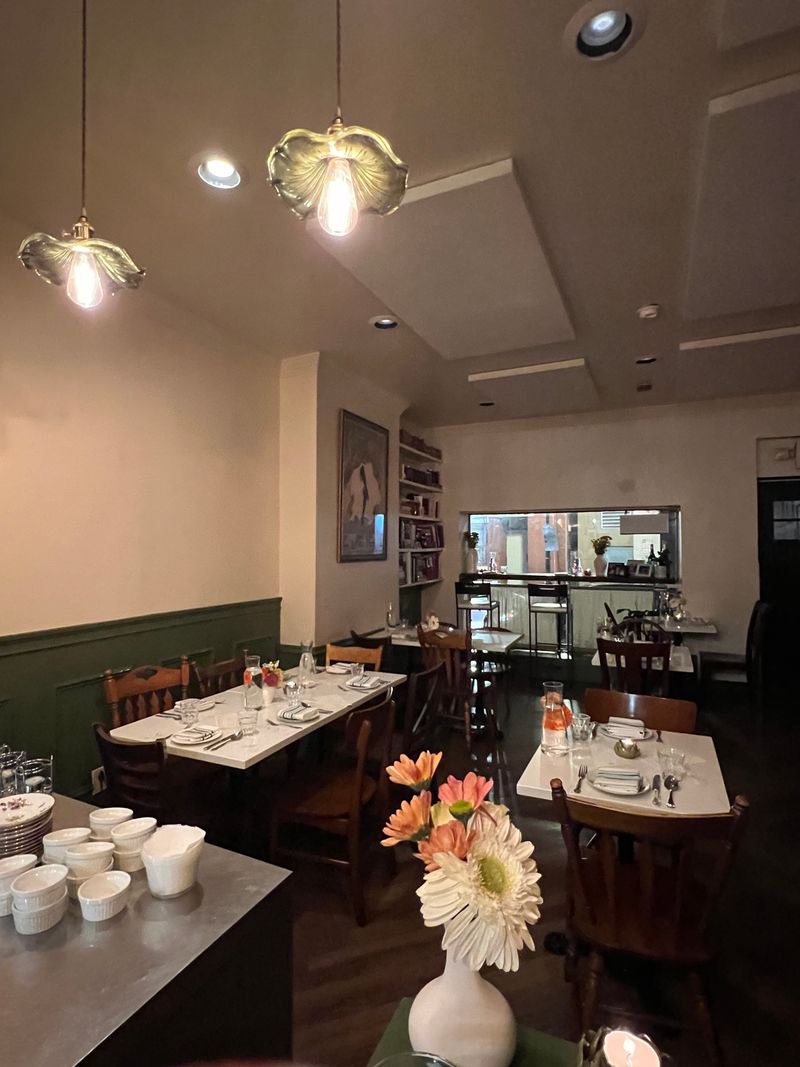
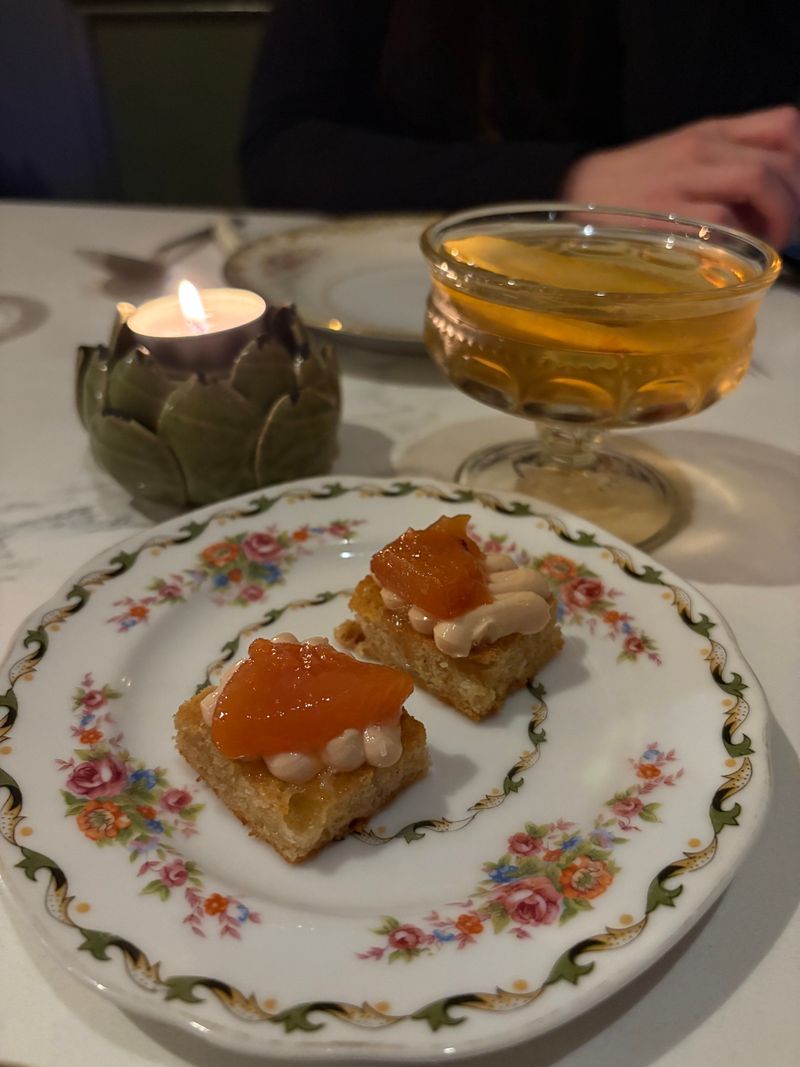
The intimate setting transforms dinner into something closer to a private gathering than a typical restaurant visit. Mismatched vintage chairs surround tables set with antique silverware and china plates, giving the space an eclectic, almost whimsical character.
Guests seated near the entrance at 1740 Sansom Street can watch Chef Amanda Shulman and her team work in the open kitchen, adding theater to the meal.
This two-seating model also contributes to the reservation challenges, since it cuts available spots in half compared to restaurants with continuous service. However, diners consistently praise how the pacing feels unhurried despite the structured timing.
The evening unfolds at a comfortable speed, with courses arriving when the moment feels right rather than on a rigid schedule.
3. A Set Tasting Menu That Changes Frequently
Forget browsing options or customizing orders. Her Place presents a fixed tasting menu that rotates every three weeks, reflecting seasonal availability and Chef Amanda’s creative direction.
Diners eat what the kitchen prepares that evening, similar to accepting an invitation to a friend’s home where the host decides the meal. This approach eliminates choice paralysis while showcasing ingredients at their peak freshness.
Recent menus have featured dishes like zeppole with lobster and celery remoulade, green butter baked oysters, black trumpet boudin blanc, and French onion soup lasagnetta enhanced with black truffle. The kitchen sources most ingredients from local farms and vendors, creating strong connections between the plate and Pennsylvania’s agricultural community.
Each course receives an introduction from the culinary team, explaining inspiration and sourcing before service.
The restaurant accommodates allergies but does not accept substitutions or special requests beyond medical necessity. Picky eaters might struggle here, though adventurous diners find this limitation liberating.
Courses typically number between six and eight, with optional add-ons available for those wanting to extend the experience further with items like skate cheek or rabbit pasta.
4. A True Supper Club Concept In The Heart Of Philadelphia
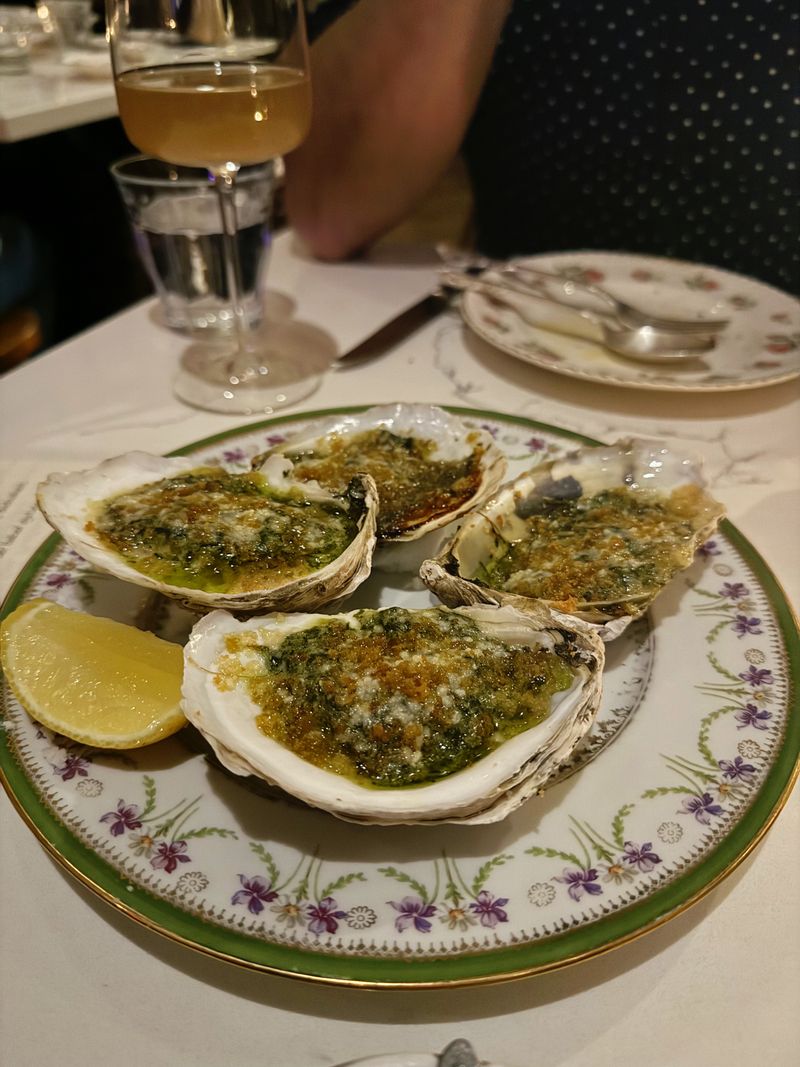
The term “supper club” gets thrown around loosely these days, but Her Place honors the tradition authentically. Upon arrival, guests receive coat check service and warm greetings that establish the tone immediately.
The staff sometimes encourages diners to introduce themselves to neighboring tables, breaking down the typical restaurant anonymity and creating genuine connection among strangers sharing the same evening.
Chef Amanda Shulman embodies the supper club spirit by personally explaining the menu at the start of service, sharing her enthusiasm for the ingredients and techniques that shaped each dish. This direct interaction between chef and diner recalls an earlier era of hospitality, when meals felt more like community gatherings than commercial transactions.
The passion in these presentations comes through clearly, making guests feel invested in the culinary journey ahead.
Music selection receives as much attention as plating, with carefully curated playlists that enhance rather than distract from conversation. The atmosphere balances refinement with approachability, never crossing into stuffiness despite the Michelin recognition.
Diners leave with small gifts like fresh-baked cookies or pretzels, final touches that reinforce the supper club philosophy of treating guests like welcomed friends rather than customers.
5. A Small Dining Room That Creates Big Demand
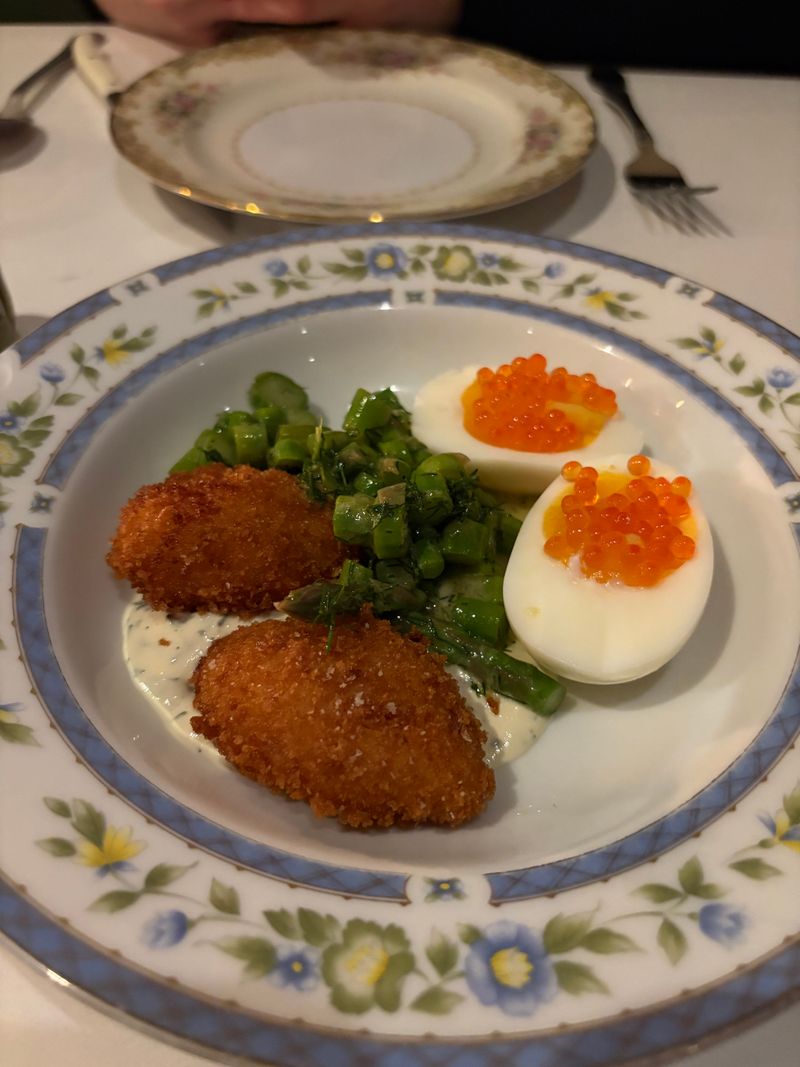
Size matters when it comes to exclusivity, and Her Place keeps its footprint deliberately small. With space for only 26 diners per seating, the restaurant operates at a scale that prioritizes quality and intimacy over volume and profit maximization.
This decision shapes everything from ingredient ordering to staff interaction, allowing for attention to detail that larger establishments struggle to maintain consistently.
The compact layout does present challenges, particularly for guests seated near the entrance where circulation can feel tight during arrivals and departures. Some reviews mention discomfort from proximity to the door or cramped spacing between tables.
However, most diners embrace these quirks as part of the charm, accepting that an intimate experience requires accepting less personal space than a conventional restaurant provides.
The small scale also means the kitchen can focus on perfecting a limited number of dishes each night rather than juggling an extensive menu. Chef Amanda and her team can source premium ingredients in quantities that remain manageable, reducing waste while maintaining freshness.
This operational model has proven successful enough to earn Michelin recognition, validating the philosophy that smaller can indeed be better when executed with skill and intention.
6. A Chef-Driven Experience Without A Traditional Menu
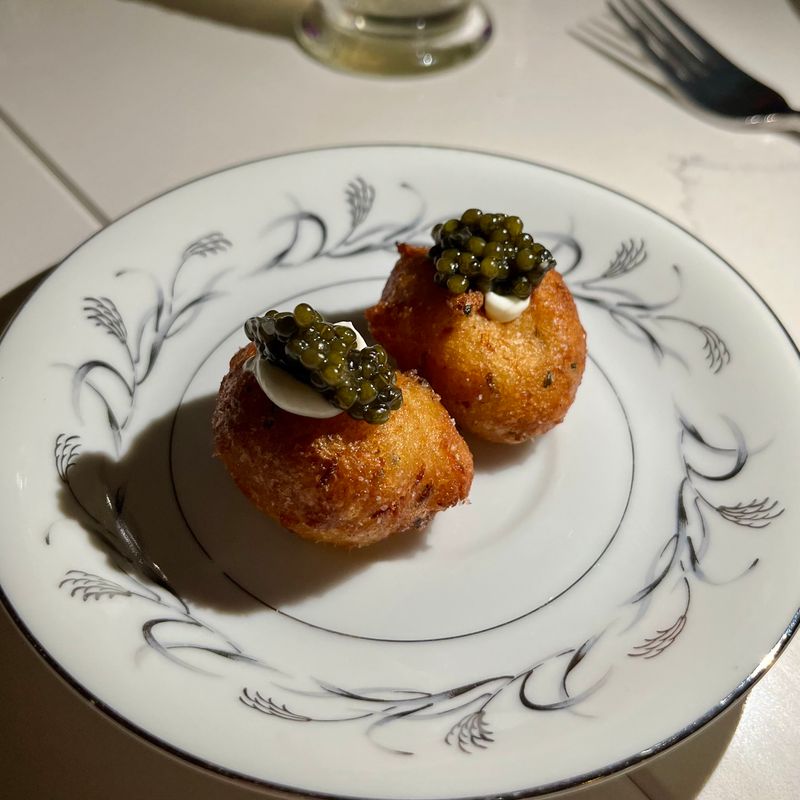
Chef Amanda Shulman runs Her Place with a vision that prioritizes creativity and seasonal cooking over customer preference and predictability. There are no printed menus listing options, no substitutions available, and no catering to individual whims beyond legitimate dietary restrictions.
This might sound rigid, but it actually frees the kitchen to pursue excellence without compromise, focusing energy on perfecting a curated selection rather than accommodating endless variations.
The chef-driven model shows up in unexpected details throughout the meal. Dishes arrive with verbal descriptions that connect diners to the story behind each plate, from the farm that grew the vegetables to the technique that transformed raw ingredients into finished compositions.
Amanda’s background in French cooking influences the menu heavily, though she incorporates local flavors and American sensibilities that keep the food from feeling overly classical or stuffy.
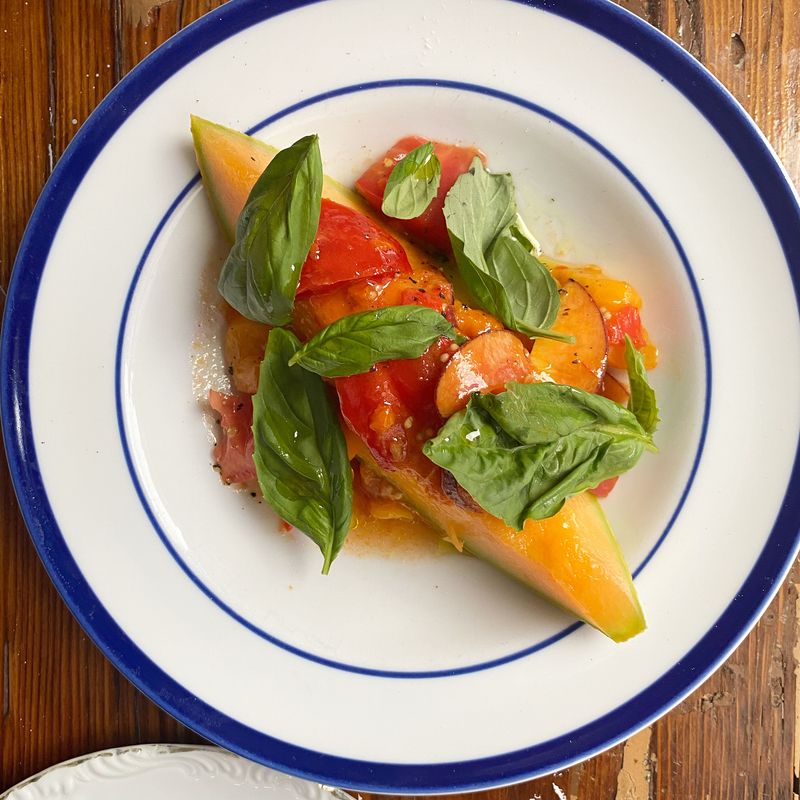
Reviews consistently praise the technical execution across courses, with proteins cooked precisely and sauces balanced carefully. Standout dishes change with each menu rotation, though items like the tomato salad and beef cheek daube have earned particular acclaim.
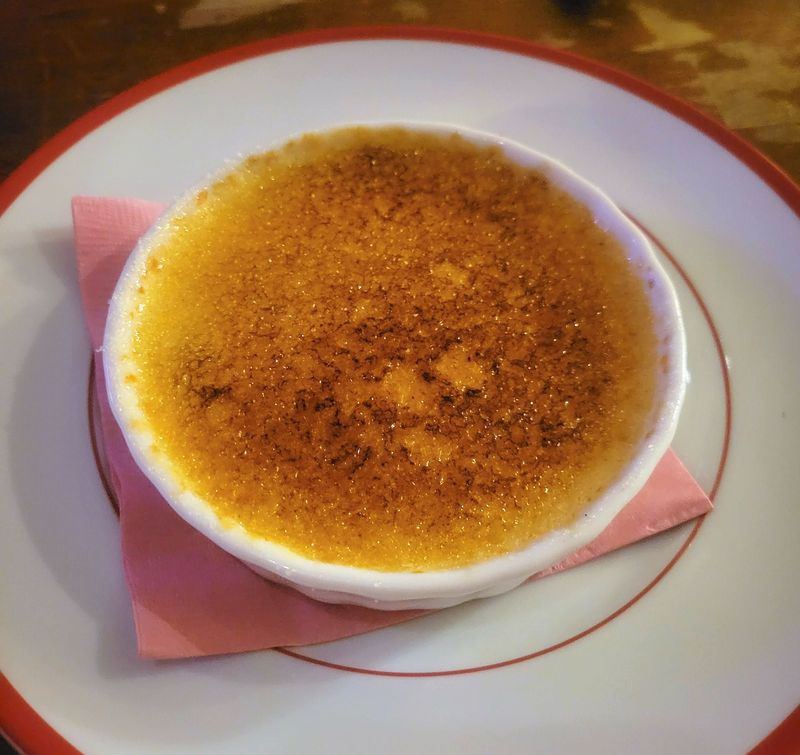
The dessert course typically features comforting classics reimagined, like tarte tatin with vanilla ice cream or modern interpretations of crème caramel that close the meal memorably.
7. Weeknight-Only Service That Adds Scarcity
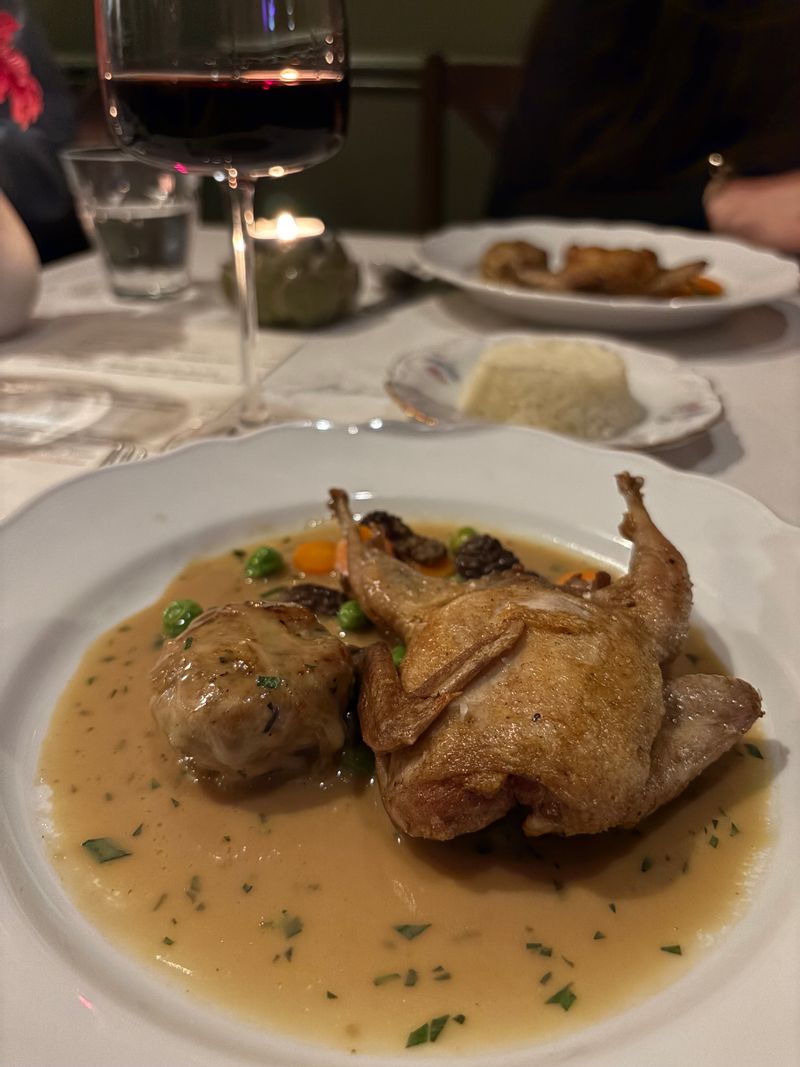
Her Place operates Monday through Friday from 6:00 PM to 8:30 PM, closing completely on weekends when most restaurants see their busiest service. This unconventional schedule stems from practical considerations around work-life balance for the small team, but it also amplifies the exclusivity factor significantly.
Removing Saturday and Sunday from availability cuts potential reservations nearly in half compared to full-week operations.
The weeknight-only model attracts a particular crowd of serious food enthusiasts who prioritize culinary experiences over convenience. These diners plan their schedules around the restaurant rather than expecting the restaurant to accommodate their preferred timing.
Special occasions like birthdays and anniversaries frequently land on weeknights here, with guests treating Tuesday or Wednesday dinners as worthy celebration dates.
This limited availability has proven sustainable for the business while maintaining quality standards that might suffer under the pressure of seven-day service. The kitchen can focus on sourcing and preparation without the grind of weekend rushes, and the team enjoys actual days off together.
For diners, the trade-off means more advance planning but also a dining room filled with equally committed food lovers rather than casual walk-ins.
8. Recognised By The MICHELIN Guide
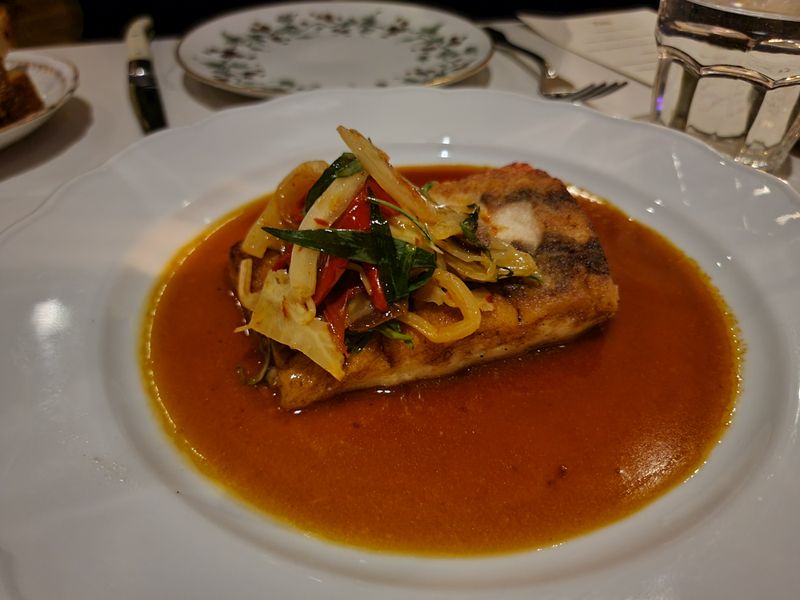
The MICHELIN Guide awarded Her Place Supper Club recognition that instantly elevated its profile within Philadelphia’s competitive dining scene. This acknowledgment from one of the culinary world’s most respected authorities validated Chef Amanda Shulman’s approach while making reservations even harder to secure.
The distinction comes with expectations, and diners now arrive with heightened anticipation shaped by Michelin’s reputation for identifying exceptional restaurants.
Reviews following the Michelin recognition show mixed responses, with some guests feeling the experience exceeded expectations while others found it underwhelming given the hype. This divide reflects the subjective nature of fine dining and the challenge of meeting elevated expectations.
Some critics note that the food, while technically sound and thoughtfully prepared, lacks the wow factor they associate with Michelin-level cooking. Others counter that the intimate setting and genuine hospitality create value beyond just the plates.
The recognition has undeniably increased demand and allowed for modest price increases that reflect the restaurant’s enhanced status. A tasting menu now costs around $100 per person before additions, wine pairings, and gratuity.
This positions Her Place at the higher end of Philadelphia dining without reaching the stratospheric prices of some coastal Michelin-starred establishments. The question each diner must answer individually is whether the experience justifies the investment and the effort required to secure a reservation.
9. No Walk-Ins — Reservations Are Essential
Spontaneity has no place at Her Place Supper Club. The restaurant operates on a strict reservation-only policy with absolutely no accommodation for walk-in guests, regardless of timing or circumstances.
This firm boundary protects the dining experience for those who planned ahead while allowing the kitchen to prepare precisely the right amount of food without waste or shortage.
The reservation requirement means even locals cannot simply stop by on a whim when the mood strikes. Planning typically begins weeks in advance, with diners marking calendars for the Sunday evening when the next booking window opens.
The waitlist provides the only alternative route, though it requires flexibility around dates and timing since openings rarely align with initial preferences.
This policy might frustrate spontaneous diners, but it ensures a consistent experience for everyone who does secure a table. The kitchen knows exactly how many guests to expect, which courses to prepare, and how much of each ingredient to have ready.
Service can proceed smoothly without the disruption of unexpected arrivals or the disappointment of turning away hopeful walk-ins. For a restaurant of this size operating at this level, the reservation-only model simply makes sense operationally while reinforcing the sense of occasion that defines the supper club concept.
10. A Downtown Location That Feels Tucked Away
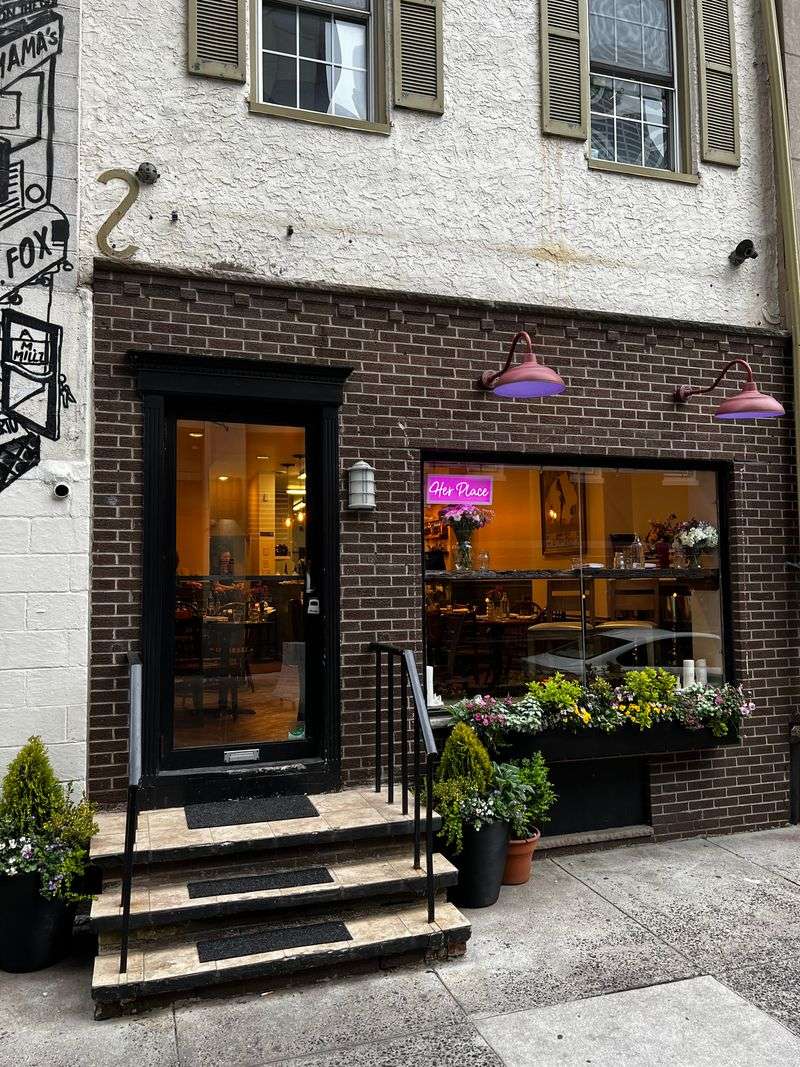
Her Place occupies 1740 Sansom Street in the heart of Philadelphia’s downtown, surrounded by the energy and density of the city center. Yet somehow the restaurant manages to feel removed from the urban bustle, creating an atmosphere more reminiscent of a private residence than a commercial establishment.
This contradiction between location and ambiance adds to the appeal, offering an escape without requiring travel to remote neighborhoods.
The Sansom Street address places the restaurant within easy reach via public transportation and rideshare services, making it accessible for both city residents and visitors staying in center city hotels. Parking presents typical downtown challenges, though several garages operate nearby for those driving in.
The surrounding blocks contain other dining options, shops, and cultural venues, allowing guests to build a full evening around their Her Place reservation.
Inside, the vintage furnishings and warm lighting create separation from the contemporary cityscape visible through the windows. The intimate scale reinforces the feeling of being somewhere special and separate, even though major streets and busy intersections sit just outside.
This ability to transport diners mentally while remaining physically central represents one of the restaurant’s quiet achievements, proving that atmosphere depends more on intention and execution than geographic isolation.